
When diving into the world of herb gardening, it’s crucial to start with the essentials that will lay the groundwork for your lush, flavorful plants. First and foremost, understand that herbs thrive in well-draining soil. A high-quality potting mix, ideally enriched with organic matter, will promote healthy root growth and nutrient absorption. You can easily create your own blend by mixing equal parts of potting soil, compost, and perlite or sand for drainage.
Next, consider sunlight exposure. Most herbs need at least 6 hours of direct sunlight daily, so ensure your chosen location—whether a sunny windowsill or a small patio—receives ample light. For those without sufficient natural light, investing in grow lights can help keep your herbs thriving indoors. Not only are they energy-efficient, but they also mimic the sun’s rays effectively.
Watering is another critical aspect. Herbs do not like to sit in waterlogged soil, as this can lead to root rot. Water them when the top inch of soil feels dry. A simple moisture meter can help you gauge when to water without overdoing it. Implementing a consistent watering schedule will ensure your herbs flourish without stress.
Additionally, think about the pots and containers you’ll use. Ensure that any container has drainage holes to prevent moisture from accumulating at the bottom. For those starting their herb gardens in limited spaces, look for vertical planters or wall-mounted boxes that save ground space while still allowing for plenty of herbs.
Consider the option of organic fertilizers. While many herbs can thrive in soil alone, using a diluted organic fertilizer every few weeks during their growing season can provide an extra boost of nutrients. Look for products labeled for herbs or vegetables and follow the instructions on the package carefully to avoid over-fertilizing.
Lastly, familiarize yourself with pest management techniques. Common pests, like aphids and spider mites, can quickly become a nuisance. Regularly inspecting your plants and using natural pest deterrents, such as neem oil or insecticidal soap, will help keep them healthy without introducing chemicals into your garden.
By understanding these basics, you’ll set your venture into herb gardening on a solid path, ensuring that you’re prepared to cultivate fragrant, delicious herbs right in your home.
Choosing the right herbs
When selecting herbs for your garden, it’s important to consider not only your personal taste but also the growing conditions you can provide. Some herbs flourish in sunny environments while others prefer partial shade or cooler temperatures. Below is a comparison table highlighting popular herbs and their specific needs, which can help you make informed choices based on your growing space and conditions.
| Herb | Sunlight Requirements | Water Requirements | Soil Preference | Growth Habit |
|---|---|---|---|---|
| Basil | Full sun (6-8 hours) | Moderate; keep soil moist | Well-draining, rich soil | Annual, bushy |
| Parsley | Partial to full sun | Moderate; allow to dry between watering | Loamy, well-draining soil | Biennial, upright |
| Thyme | Full sun (6 hours) | Low; drought tolerant | Well-draining, sandy soil | Perennial, spreading |
| Mint | Partial sun | Moderate; keep soil consistently moist | Moist, rich soil | Perennial, invasive |
| Cilantro | Full sun (6 hours) | Moderate; allow to dry slightly | Well-draining, nutrient-rich soil | Annual, fast-growing |
Choosing herbs based on your culinary preferences is equally important. If you enjoy Mediterranean flavors, consider adding rosemary or oregano. For Asian dishes, cilantro and Thai basil are excellent choices. Vegetables can also be paired with herbs; think of planting dill alongside cucumbers or basil with tomatoes for enhanced flavor profiles.
When selecting herbs, it’s also key to consider their growth habits. Some herbs, like mint, can be quite invasive if not contained, whereas others like thyme may spread more gently. Using containers or garden boxes can help in managing the growth of more aggressive varieties. Furthermore, deep containers can allow your herbs to grow robustly without fear of them getting overcrowded or competing for nutrients.
As you plan your herb garden, take into account the overall layout. Grouping herbs with similar requirements will simplify maintenance—allowing for efficient watering and care. Arranging your herbs according to height and growth habit can also promote air circulation and light exposure. Taller herbs, such as dill, should be placed towards the back of raised beds or taller containers, while low-growing herbs like chamomile can occupy the front row.
Considering seasonal availability can also enrich your selection. Some herbs thrive in cooler weather, like cilantro and parsley, while others, such as basil and mint, prefer the warmth of the summer months. Planning your herb garden by their growing seasons can help ensure that you have a constant supply of fresh flavors throughout the year.
Small space gardening techniques
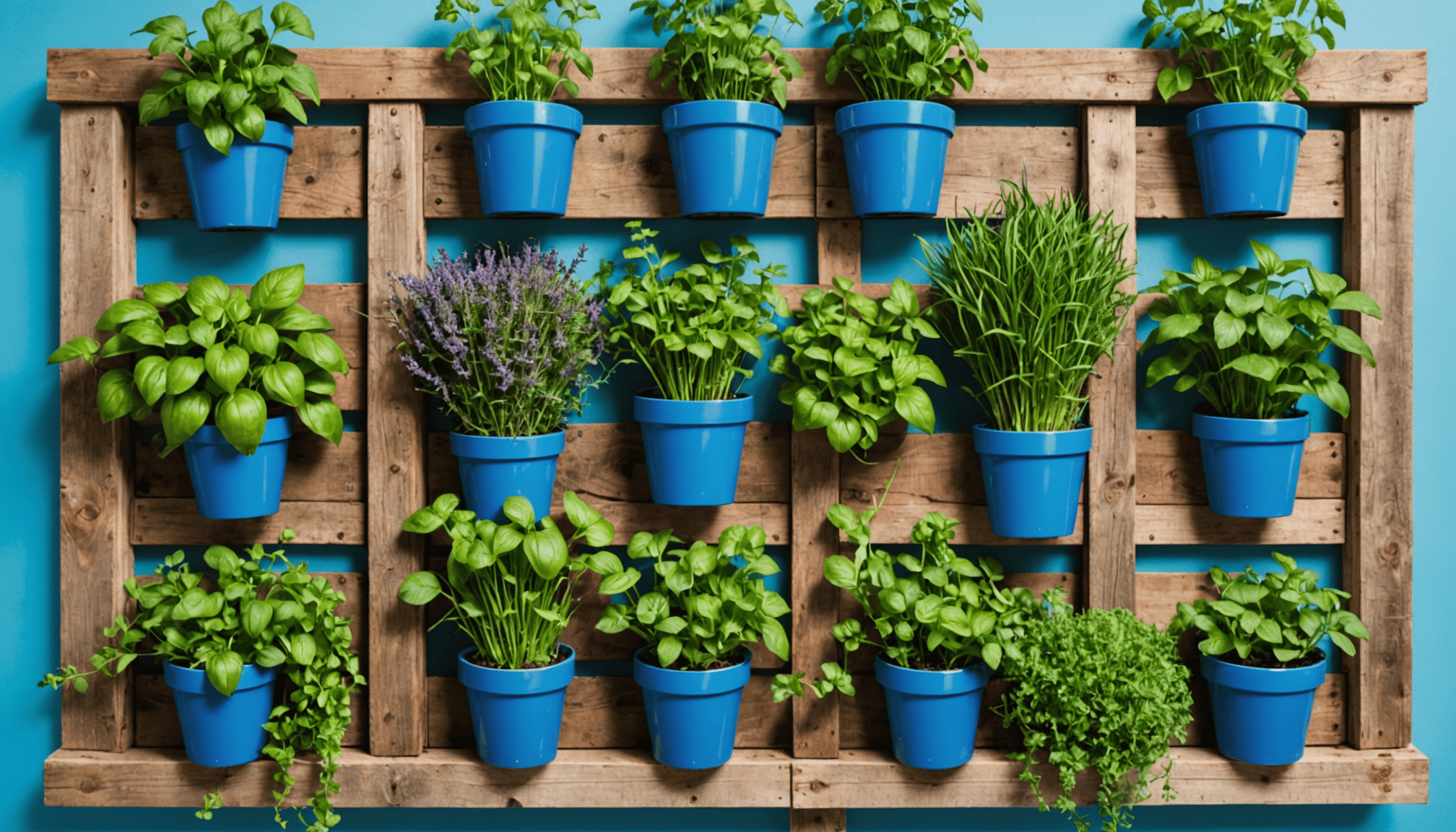
When it comes to maximizing your gardening potential in small spaces, utilizing vertical gardening techniques can make a significant difference. Vertical gardens not only save precious ground space, but they also add a visually stunning dimension to your herb collection. You can create DIY wall planters using wooden pallets, repurposed shoe organizers, or hanging pocket planters. These setups allow herbs to grow upwards rather than outwards, enabling you to cultivate a diverse range of herbs in limited area
.
Another approach to small space gardening involves using tiered plant stands or shelves. These can be placed on patios, balconies, or even indoors, creating layers of greenery that can be easily accessed for harvesting. Make sure the shelves or stands receive adequate sunlight, or consider rotating your plants to ensure each gets their fair share of light.
Consider integrating herbs into existing features of your outdoor or indoor spaces. For example, hanging herbs from hooks on your kitchen ceiling or using balcony rail planters can make efficient use of vertical space while keeping your herbs conveniently located for culinary use. Additionally, placing herbs in areas where they can cascade down, such as window boxes, can enhance the aesthetics while maximizing growth potential.
Container gardening is another effective technique for small spaces. Choose appropriately sized pots that match the herbs’ root systems, allowing for healthy growth without overcrowding. Grouping herbs in a single container, such as a large planter with dividers, can create a mini herb garden that conserves space while maintaining a diverse selection.
Utilizing companion planting techniques in small gardens can also be advantageous. Pairing herbs with complementary plants, such as tomatoes with basil or rosemary with beans, can optimize space and improve growth. This synergy not only saves room but can help deter pests, increasing the overall health of your garden.
Make the most of your limited time and space by implementing a maintenance plan that aligns with your busy lifestyle. Opt for low-maintenance herbs like chives, oregano, and thyme that require less rigorous care. Including automatic watering systems, such as drip irrigation or self-watering pots, can take the worry out of periodic watering and ensure your herbs remain hydrated even during hot spells.
Embrace the concept of season extension by utilizing mini greenhouses or cold frames to grow herbs year-round. These protective structures can be particularly useful in urban environments, allowing you to begin planting earlier in the spring or extending the growing season into late fall.
Lastly, don’t forget the power of community gardening! If your living situation allows it, develop connections with neighbors or join local gardening groups to share resources, tips, and perhaps even establish a communal herb garden. Collaboratively maintaining a shared space can lead to richer experiences and a wider variety of herbs grown, benefitting everyone involved.
Budget-friendly gardening tips
Creating a thriving herb garden on a budget is entirely feasible with some thoughtful planning and resourcefulness. One of the primary strategies for saving money is to start herbs from seeds rather than purchasing established plants. Seed packets are often much cheaper, and with a little care, you’ll have a wealth of herbs sprouting in no time. To further stretch your budget, consider DIY seed starter trays using recycled materials, such as egg cartons or yogurt cups, which can effectively hold soil and seeds until they’re ready to be transplanted.
Another effective cost-saving technique is to take advantage of local gardening workshops or community classes, which frequently offer free or low-cost instruction on herb gardening. Many gardening clubs also share cuttings from established plants, allowing you to expand your collection without spending a dime. Don’t shy away from asking friends or neighbors if they have surplus herbs – many will be happy to share their bounty, fostering a spirit of community in the process.
Utilizing what you already have around the house can significantly cut down on costs. Repurpose old containers, jars, or even tin cans to create unique plant pots. Just make sure to drill holes in the bottom to ensure proper drainage. This approach not only saves money but adds a personal touch to your garden design. If you’re feeling creative, consider painting or decorating your containers to enhance your space even further.
When it comes to soil, bulk purchasing can lead to savings. Many garden centers offer discounts on larger bags of soil or compost. Alternatively, you can begin composting organic kitchen scraps, significantly reducing the need to buy soil amendments while enriching your garden’s quality naturally. Not only does compost provide essential nutrients, but it also promotes healthier plant growth by improving soil structure.
Timing can also be a money-saving factor. Regularly check for end-of-season sales at your local nurseries, where you might find discounts on herbs and gardening supplies. Purchasing plants that are marked down because they’re nearing the end of their optimal growth period can give you a head start for the following year with a little extra care. Likewise, consider planting perennials that come back year after year, eliminating the need to replant and purchase new seeds each season.
“Gardening is cheaper than therapy and you get tomatoes.” – Anonymous
Joining community gardens not only helps build relationships but often comes with the benefit of shared gardening tools and resources, further cutting down on individual costs. Furthermore, you can gain access to larger plots of land that might not be available with a personal garden, allowing you to grow a wider variety of herbs without the personal investment of larger pots or more space at home.
Maximize your water usage by employing water conservation methods. Collecting rainwater in barrels or using drip irrigation systems can drastically reduce water costs while ensuring that your herbs get the moisture they need. This practice not only helps your budget but is also an excellent way to promote eco-friendly gardening.
Growing herbs in containers
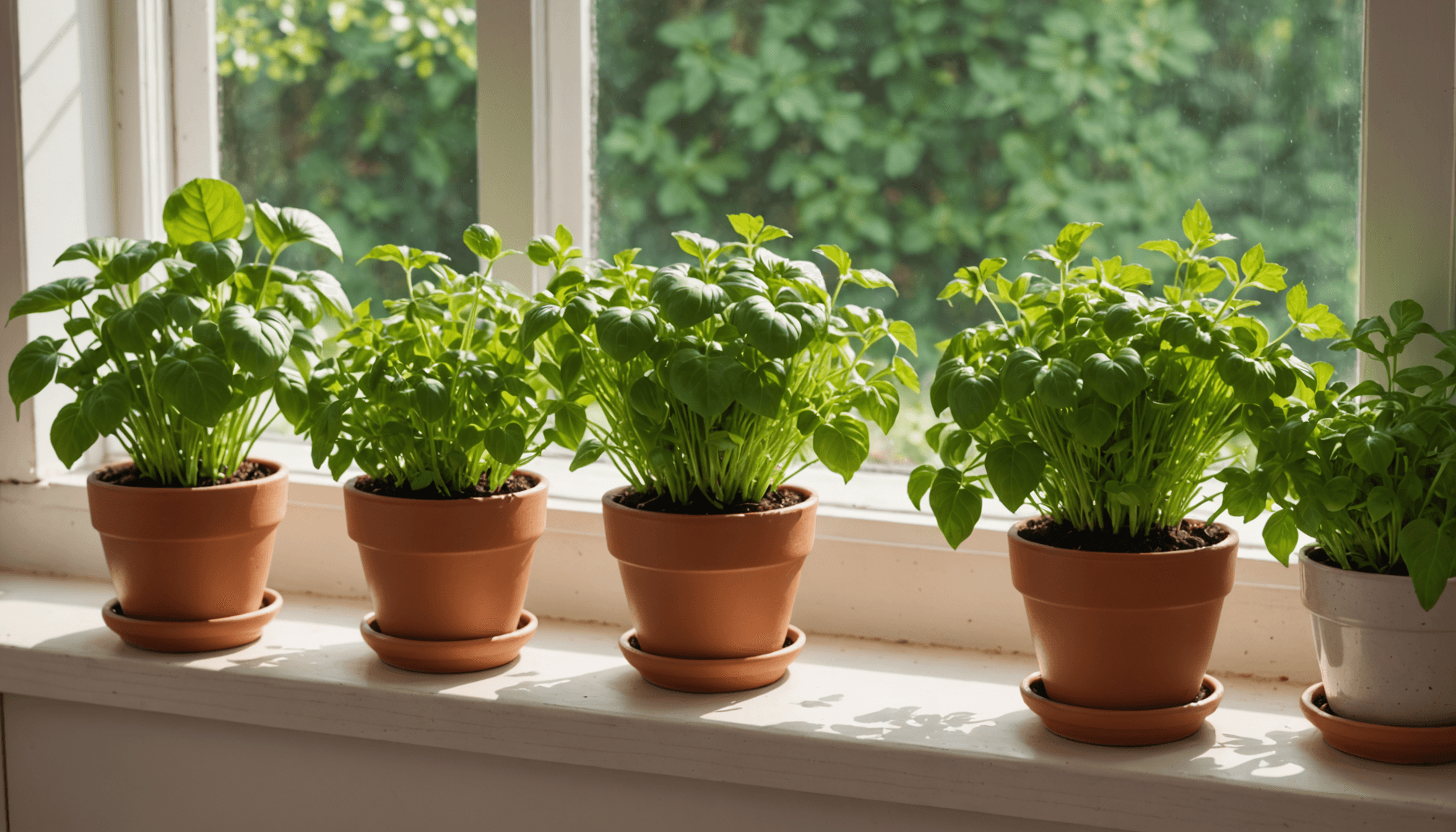
Growing herbs in containers is an ideal solution for gardeners with limited space or those who prefer a bit of flexibility in their gardening routine. Containers not only provide the opportunity to cultivate a range of herbs, but they also allow for portability. You can move them to capture the best sunlight throughout the seasons or bring them indoors for protection during colder months. When selecting containers, prioritize those with adequate drainage holes to prevent water from pooling at the bottom, which can lead to root rot. The type of container can vary widely—from clay pots that provide breathability to recycled buckets that offer a rustic charm.
The size of your containers should be relative to the herbs you intend to grow. While some herbs, like basil and cilantro, may thrive in smaller pots, others, such as rosemary or sage, would benefit from deeper containers where their roots have room to spread. When planting, use a high-quality potting mix that retains moisture while still draining well, giving your herbs the best chance to flourish. You can also add organic amendments, like worm castings or compost, to boost nutrient levels in your container mix.
Container gardening also opens the door to creative gardening layouts. Consider combining herbs in one large planter to create an attractive mini herb garden. Grouping herbs that have similar sunlight and watering needs will streamline your maintenance routine. For instance, pairing drought-tolerant herbs like thyme and oregano in a single pot can yield a vibrant, aromatic display while reducing your workload.
Another benefit of container gardening is the potential for vertical growth. Utilizing tall planters or stacking containers can maximize space by allowing herbs to grow upwards instead of spreading out horizontally. Look for herbs that naturally grow tall, such as dill or tarragon, and incorporate them in your vertical design to draw the eye upwards and create a lush, garden-like feel even in tight spaces.
Incorporating companion planting principles can enhance your container garden as well. By strategically planting herbs that complement each other’s growth—such as mint with parsley or basil with tomatoes—you can not only optimize space but also deter pests naturally, ensuring a healthier growing environment. Each herb plays a role not only in culinary applications but also in fostering a balanced ecosystem within your container.
Moreover, maintaining herbs in containers allows for creative watering solutions. Self-watering planters or adding moisture-retentive crystals can help ensure that herbs remain hydrated, especially during those hot summer days when evaporation can take a toll on your plants. Regularly checking the moisture levels of the soil will help prevent either overwatering or underwatering, which is crucial in container gardening.
- What herbs can I grow in containers?
- Many herbs thrive in containers, including basil, parsley, chives, and mint. The key is to choose herbs based on the size of your containers and their specific sunlight and water needs.
- Do I need to fertilize herbs grown in containers?
- Yes, container-grown herbs often require fertilization since they have limited soil to draw nutrients from. Use a balanced, organic fertilizer every few weeks during the growing season for the best results.
- How often should I water my container herbs?
- Watering frequency depends on the type of herb and environmental conditions, but generally, you should check the soil moisture and water when the top inch feels dry. Containers can dry out quickly, so monitor them closely, especially in hot weather.
- Can I grow herbs indoors in containers?
- Absolutely! Many herbs grow well indoors as long as they receive sufficient light. Place them near a southeast or southwest-facing window, or use grow lights if natural light is limited.
- What kind of soil is best for growing herbs in containers?
- A high-quality potting mix that retains moisture while allowing for good drainage is ideal. You can enhance your mix with compost or perlite to improve nutrient availability and aeration.
- Should I prune my container herbs?
- Yes, regular pruning encourages bushier growth and prevents your herbs from becoming leggy. Pinch off leaves or stems regularly while using them to promote healthy, continuous growth.
- Can I use recycled containers for my herb garden?
- Yes, recycled containers such as tins, jars, or old pots can be great for herb gardening. Just ensure they have proper drainage holes drilled into the bottom to prevent water from accumulating.
Maintenance and harvesting techniques
Taking care of your herbs is as important as planting them. Establishing a routine for maintenance can ensure that your plants not only survive but thrive, producing aromatic foliage and bursting with flavor. Regularly check your herbs for signs of pests or diseases, as early detection is key to effective management. For instance, if you spot small webbing or discolored leaves, it may signify spider mites. Address these issues promptly with natural remedies such as neem oil or a gentle soap spray, which can curb pest populations without harming the environment.
Watering is crucial, especially for container-grown herbs. Since containers can dry out quicker than garden beds, you’ll want to establish a consistent watering routine. Water your herbs thoroughly until the excess runs out of the drainage holes, ensuring that the roots receive ample moisture. A good rule of thumb is to check the top inch of the soil; if it feels dry, it’s time to water. However, be cautious not to overwater, as this can cause root rot. Using self-watering planters can also help maintain consistent moisture levels.
Fertilizing your herbs is another important part of maintenance. Container herbs may need additional nutrients since they have limited soil to draw from. A balanced organic fertilizer every four to six weeks during the growing season can provide the necessary nutrients for robust growth. Using compost can also enrich your herb plants and promote healthy soil biology. If you’re growing herbs such as basil or parsley, which are heavy feeders, you might want to consider a nitrogen-rich fertilizer to support lush foliage.
As your herbs grow, regular harvesting becomes essential. Not only does harvesting herbs encourage bushier growth, but it also enables you to enjoy the fruits of your labor. When harvesting, use clean, sharp scissors or snips to avoid damaging the plant. Always remove leaves from the top down to stimulate growth from below, and never take more than one-third of the plant at a time. This technique allows your herbs to continue flourishing throughout the season. For example, when you harvest basil, pinching off the flowers will encourage the plant to produce more leaves instead of going to seed.
Seasonal maintenance is also critical. As the growing season progresses, be vigilant in managing the conditions in which your herbs live. In fall, consider bringing tender herbs like basil and cilantro indoors as temperatures start to drop. Use a sunny windowsill or supplemental grow lights to provide their sunlight needs. When herbs go dormant in winter, reduce watering and fertilization, allowing them to rest until the growing season returns.
If your herbs start to flower, this typically signifies that they are reaching the end of their lifecycle or stressed conditions. For many herbs, flowering can reduce leaf production, so it’s beneficial to pinch off flower buds as they appear. However, consider letting some herbs like chives and cilantro flower, as the blooms can be edible and attract beneficial pollinators to your garden.
Don’t forget to engage with your plants beyond just maintenance. Observe their growth, note any changes, and learn from them. This observational practice can deepen your understanding of what works best in your specific conditions. Keeping a gardening journal can help track progress and seasonal changes, which will enhance your gardening skills over time.