Get Your Free Starter Plan

Chickens: Your Ultimate Guide to Raising Chickens on the Homestead
Chickens: Your Ultimate Guide to Raising Chickens on the Homestead
chickens

About chickens


Chickens Know How: The Complete Guide to Raising Chickens for Sustainability and Profit


1. Introduction to Chickens: Understanding Their Role in Agriculture


Chickens have long been an integral part of agricultural systems around the world. Historically, they’ve provided a steady source of food in the form of eggs and meat, while also contributing to the overall health of the farm ecosystem through pest control and fertilization. As we move towards a more sustainable future, chickens are becoming increasingly important not just for large-scale farms but also for small homesteads and suburban backyards.


In today’s world, where self-sufficiency and organic living are becoming more desirable, chickens play a pivotal role in supporting these lifestyles. They offer a reliable means of producing food at home, reducing reliance on commercial food sources, and promoting environmental sustainability. This aligns perfectly with the growing interest in organic and locally-sourced food, where quality and sustainability are valued.


Managing a successful flock requires more than just basic care—it involves structured processes and a deep understanding of poultry management. As more individuals and families embrace the homesteading movement, the demand for reliable, data-driven insights into poultry farming has grown. This guide aims to provide you with the information and tools needed to succeed in your chicken-raising endeavors.


raising chickens

Farming with chickens

2. The Economic Impact of Chickens on U.S. Agriculture


Chickens are more than just a source of food—they are a significant economic driver in rural and suburban areas. In the United States, the poultry industry is a multibillion-dollar sector, with chickens being a key contributor. For homeowners and aspiring homesteaders, understanding the economic impact of chickens is crucial, as it underscores the financial viability of chicken farming, even on a smaller scale.


Recent statistics highlight the substantial role chickens play in the agricultural economy. For example, small-scale poultry operations can generate a steady income stream through the sale of eggs, meat, and even by-products like feathers and manure. This is particularly appealing to those in rural areas where land is available, but even suburban homeowners can benefit financially by raising a few chickens for eggs.


Case studies from successful small-scale poultry operations offer tangible examples of how chicken farming can be both sustainable and profitable. These stories provide inspiration and practical insights, demonstrating that with the right approach, raising chickens can be a rewarding venture that contributes to both household income and food security.


3. Types of Chickens: Breeds and Their Unique Features


Choosing the right breed of chicken is essential to achieving your goals, whether you’re aiming for self-sufficiency or looking to make a profit. There are hundreds of chicken breeds, each with unique characteristics that make them suitable for different purposes. Understanding these differences will help you select the best breed for your specific needs.


Egg-laying breeds, such as the Rhode Island Red and Leghorn, are known for their high productivity and resilience. These breeds are ideal for those who want a consistent supply of eggs, making them perfect for self-sufficient households. On the other hand, meat-producing breeds like the Cornish Cross are bred for rapid growth and high meat yield, making them a great choice for small-scale commercial production.


Climate adaptability is another critical factor to consider when selecting a breed. Some chickens, like the Australorp, are better suited for hot climates, while others, such as the Plymouth Rock, can thrive in colder environments. By choosing breeds that are well-adapted to your region’s climate, you can ensure better health and productivity from your flock.


4. Feeding Strategies for Optimal Growth and Production


Feeding your chickens properly is one of the most important aspects of poultry management. The nutritional needs of chickens vary based on their age, purpose (whether for eggs or meat), and overall health. A well-balanced diet is crucial for ensuring that your chickens grow strong and healthy, laying plenty of eggs or producing high-quality meat.


For egg-laying hens, a diet rich in calcium is essential for strong eggshells, while protein helps maintain egg production levels. Meat birds, on the other hand, require higher protein content to support rapid growth. Whether you choose commercial feed or opt for homemade solutions, understanding the nutritional requirements of your flock is key to their success.


Organic feeding practices are becoming increasingly popular among those who value sustainability and natural living. While organic feeds can be more expensive, they offer the benefit of being free from synthetic chemicals and genetically modified organisms (GMOs). For those who prefer a more hands-on approach, DIY feed options allow you to control exactly what goes into your chickens’ diet, ensuring it aligns with your values and goals.


5. Health Management Protocols: Ensuring Flock Well-being


Maintaining the health of your flock is essential to preventing disease outbreaks and ensuring long-term productivity. Chickens are susceptible to a variety of diseases, many of which can be prevented through proper health management protocols. Regular health assessments and timely interventions are key to keeping your chickens healthy and productive.


Common diseases like Marek’s disease, Newcastle disease, and avian influenza can devastate a flock if not managed properly. Implementing a vaccination schedule and following biosecurity measures are critical steps in mitigating these risks. Biosecurity practices include controlling access to your chickens, regularly cleaning and disinfecting equipment, and monitoring for signs of illness.


In addition to vaccinations, maintaining a clean and stress-free environment is vital for your chickens’ well-being. Stress can weaken their immune system, making them more susceptible to illness. By ensuring that your chickens have plenty of space, fresh air, and access to clean water and food, you can help prevent many common health issues.


backyard-poultry

Homestead with chickens

6. Sustainable Farming Practices: The Future of Chicken Raising


As concerns about the environment continue to grow, sustainable farming practices have become a priority for many farmers. Raising chickens in a way that is environmentally responsible not only benefits the planet but also aligns with the values of self-sufficiency and organic living. Free-range systems, where chickens are allowed to roam and forage, are an example of such practices.


Free-range chickens not only enjoy a better quality of life but also produce eggs and meat that are often considered superior in taste and nutritional value. Studies have shown that free-range systems have a lower environmental impact compared to conventional farming methods, as they require fewer resources and produce less waste.


Adopting sustainable practices, such as using renewable energy sources, recycling waste, and reducing reliance on synthetic inputs, offers long-term benefits that extend beyond the immediate gains of higher productivity or profitability. These practices help preserve the environment for future generations, ensuring that farming remains viable in the years to come.


7. Guidelines for Setting Up a Successful Poultry Operation


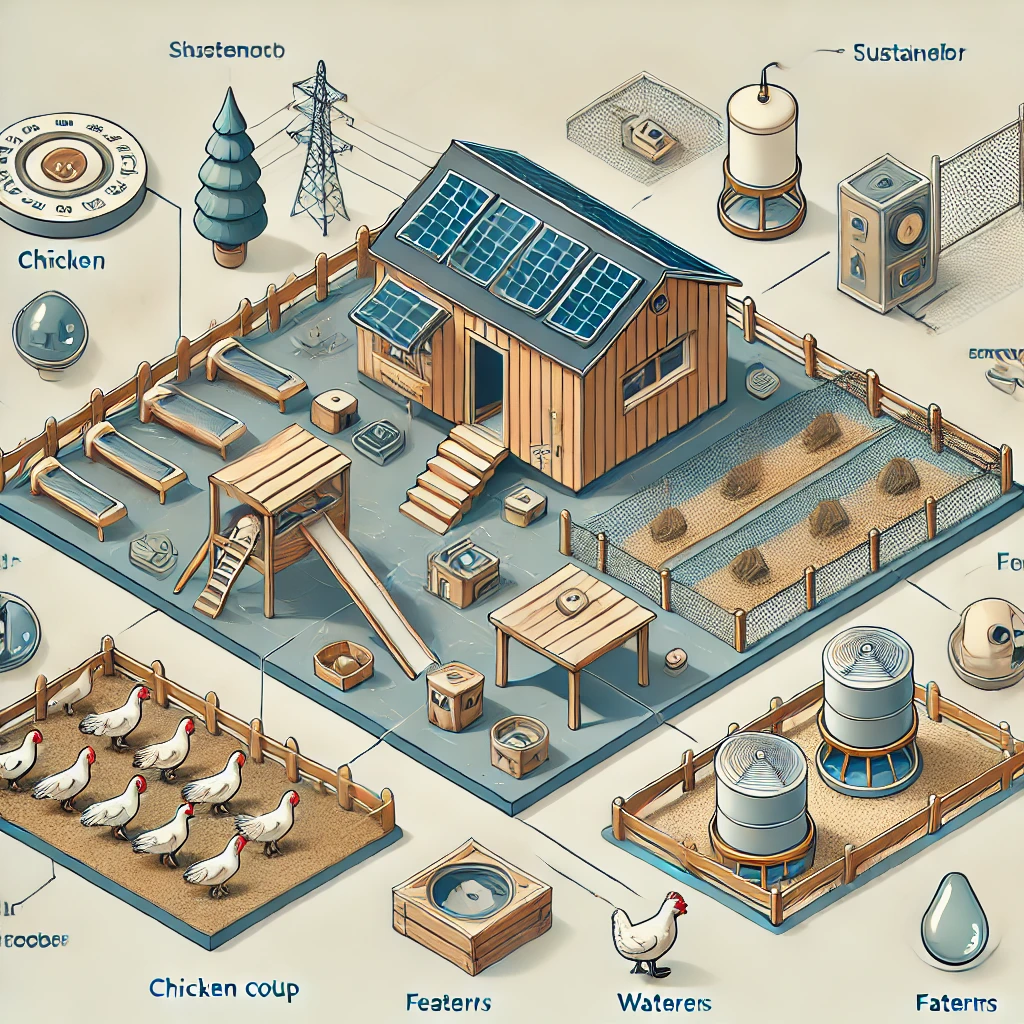
Starting a poultry operation, whether small or large, requires careful planning and consideration. The first step is site selection—choosing a location that provides adequate space, good drainage, and access to sunlight. For urban dwellers with limited space, creative solutions like vertical coops or mobile chicken tractors can be effective.


Once you’ve selected a site, it’s important to build or acquire the necessary infrastructure, including coops, feeders, waterers, and nesting boxes. The design of your coop should prioritize the safety and comfort of your chickens, with proper ventilation and protection from predators. Hygiene is also a critical factor in preventing disease and ensuring the health of your flock.


Maintaining operational hygiene involves regular cleaning and disinfection of coops and equipment, as well as managing waste effectively. Proper waste management not only reduces the risk of disease but also allows you to recycle chicken manure as a valuable fertilizer for your garden, further enhancing the sustainability of your operation.


8. Challenges Faced by Chicken Farmers: Identifying Problems & Solutions


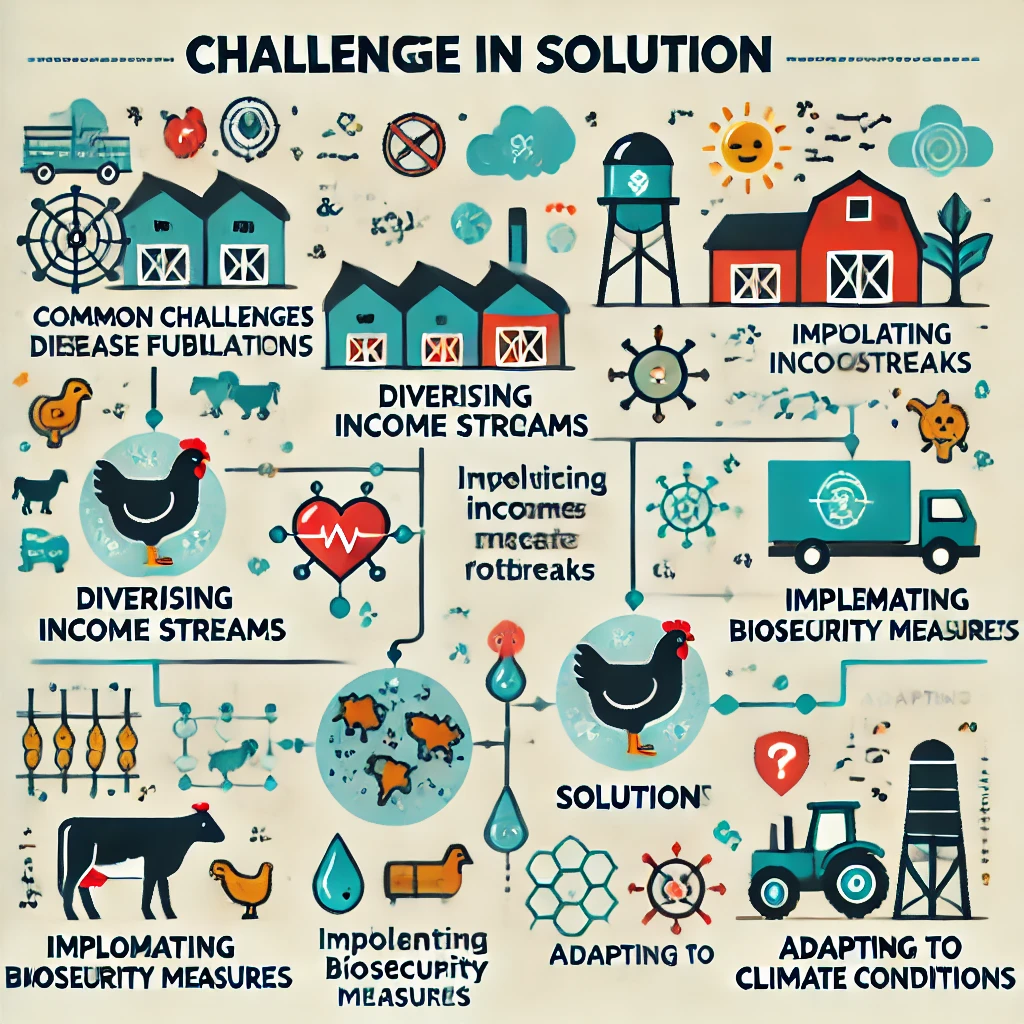
Chicken farming, like any agricultural endeavor, comes with its own set of challenges. Market fluctuations, disease outbreaks, and environmental factors can all impact the profitability and sustainability of your operation. However, with proper planning and management, many of these challenges can be mitigated.


One common issue is market volatility, where prices for eggs and meat can fluctuate based on supply and demand. Diversifying your income streams by selling eggs, meat, and value-added products like feathers or manure can help stabilize your income.


Disease outbreaks are another significant risk. Implementing strict biosecurity measures, maintaining good hygiene, and keeping your flock healthy through proper nutrition and vaccinations can reduce the likelihood of disease. When outbreaks do occur, having a contingency plan, such as isolating sick birds or consulting with a veterinarian, can help minimize losses.


9. Evaluating Products & Services Available for Chicken Farming


To run a successful poultry operation, it’s important to choose the right products and services that align with your goals and values. Whether you’re looking for organic feed, sustainable farming tools, or eco-friendly equipment, selecting suppliers that meet high standards of quality and sustainability is crucial.


Trusted brands and suppliers offer products that are not only effective but also support your commitment to sustainable farming practices. When evaluating vendors, consider factors such as product quality, customer reviews, and the company’s environmental policies. By choosing reliable suppliers, you ensure that your chickens receive the best care and that your operation remains aligned with your values.


10. Purchasing Options & Online Resources


Buying chickens is a significant step in starting or expanding your poultry operation. When purchasing chickens, you have the option of buying from reputable hatcheries or local breeders. Reputable hatcheries often provide a wider selection of breeds and guarantee the health of their chicks, while local breeders may offer more personalized service and support.


Before making a purchase, it’s important to evaluate customer reviews and research the reputation of the seller. This ensures that you’re getting healthy, well-cared-for chickens that will thrive in your environment. Additionally, many online resources offer guides, forums, and consultations to help you navigate the process of raising chickens, from chick care to managing adult birds.


Veterinary consultations and technical support are also valuable resources for new and experienced chicken farmers alike. These services provide expert advice and solutions for any challenges you may encounter, ensuring that you have the support needed to maintain a healthy and productive flock.


11. Conclusion: The Path Forward in Poultry Management


Raising chickens offers numerous benefits, from providing a steady source of food to contributing to a sustainable and self-sufficient lifestyle. By understanding the key aspects of poultry management, from breed selection to health protocols, you can ensure the success of your chicken farming endeavors.


Continuous learning and staying informed about the latest practices in sustainable farming are essential for long-term success. Engage with professional networks, forums, and communities dedicated to poultry management, where you can share experiences and gain insights from fellow farmers.


Now is the time to take the next step in your poultry management journey. Whether you’re just starting out or looking to optimize your existing setup, the knowledge and resources provided in this guide will help you achieve your goals. Embrace the challenge, and enjoy the rewards of raising healthy, happy chickens in a sustainable and profitable way.


Here are some valuable references and resources to assist you with further development and implementation of your poultry management journey:


Books and Guides

  1. “Storey’s Guide to Raising Chickens” by Gail Damerow
    • A comprehensive guide for beginners and experienced chicken farmers alike, covering everything from breed selection to feeding strategies and health management protocols.
    • Available on Amazon
  2. “The Backyard Homestead Guide to Raising Farm Animals” by Gail Damerow
    • A detailed resource on raising not only chickens but also other farm animals, including goats and sheep. It’s particularly useful for readers interested in self-sufficiency and sustainability.
    • Available on Amazon
  3. “The Small-Scale Poultry Flock” by Harvey Ussery
    • This guide emphasizes sustainable, organic practices in raising chickens and other poultry, making it ideal for those focused on eco-friendly farming.
    • Available on Amazon

Websites and Online Resources

  1. Backyard Chickens (www.backyardchickens.com)
    • A comprehensive online community for chicken enthusiasts. It offers forums, articles, and resources on everything from breed selection to coop design.
    • Visit Backyard Chickens
  2. The American Poultry Association (APA)
    • A leading authority on poultry breeding standards. They provide guidelines on poultry shows, breeding, and flock management.
    • Visit the APA
  3. Poultry Hub (www.poultryhub.org)
    • An excellent resource for understanding the technical aspects of poultry farming, including biosecurity, health management, and feeding strategies.
    • Visit Poultry Hub
  4. The National Poultry Improvement Plan (NPIP)
    • A program managed by the USDA to ensure the health of poultry flocks across the U.S. NPIP-certified farms are required to follow strict biosecurity and health protocols, making them a trustworthy source for purchasing chickens.
    • Learn More About NPIP
  5. Sustainable Agriculture Research & Education (SARE)
    • SARE offers research and education resources on sustainable farming practices, including poultry management. It provides case studies, technical bulletins, and grant opportunities for sustainable farming projects.
    • Visit SARE

Tools and Equipment Suppliers

  1. Murray McMurray Hatchery
    • A reputable hatchery providing a wide variety of chicken breeds, including heritage and specialty breeds. They also offer equipment, feed, and educational resources.
    • Visit Murray McMurray Hatchery
  2. Premier1 Supplies
    • Specializes in poultry and livestock equipment, offering high-quality supplies such as electric fencing, waterers, feeders, and predator protection systems.
    • Visit Premier1 Supplies
  3. My Pet Chicken
    • This site provides a variety of resources for beginners, as well as supplies and baby chicks for smaller-scale, backyard chicken keepers.
    • Visit My Pet Chicken

Online Communities and Forums

  1. Backyard Chickens Forum
    • A highly active forum where you can ask questions, share experiences, and connect with other chicken farmers.
    • Join the Forum
  2. The Homesteading Forum
    • A general homesteading forum that covers various topics, including poultry farming, gardening, and DIY projects, perfect for those interested in self-sufficiency.
    • Visit the Homesteading Forum

YouTube Channels

  1. Justin Rhodes – Abundant Permaculture
    • Justin Rhodes shares his journey of homesteading and raising chickens sustainably. His channel covers everything from building coops to natural feeding strategies.
    • Visit Justin Rhodes’ YouTube Channel
  2. The Chicken Chick

Government and Regulatory Resources

  1. USDA Poultry Production and Health Guidelines
    • The United States Department of Agriculture (USDA) offers detailed information on poultry production, disease control, and best practices for flock management.
    • Visit the USDA Poultry Page
  2. Extension Services (Local University Programs)
    • Many universities offer extension services with resources and expert advice on poultry farming, including workshops, certifications, and consultations.
    • Search for your local extension service office for specific help in your area.
    • Find Your Local Extension Office

Health and Veterinary Support

  1. PoultryDVM
    • A resource dedicated to chicken health, offering detailed information on common diseases, treatments, and prevention strategies. They also provide access to a directory of poultry veterinarians.
    • Visit PoultryDVM
  2. Chicken Vet (UK-Based)
    • A leading source of poultry health and veterinary services, offering guidance on disease prevention, treatments, and wellness plans.
    • Visit Chicken Vet

These references and resources provide you with a broad range of tools and support to help you on your journey in raising chickens, whether for self-sufficiency or profit. By combining these resources with the insights from the above article, you can confidently move forward in creating a sustainable and successful poultry operation.

Free beginner resource

The Free Homesteading Starter Plan

Find your best first project before spending money on the wrong one, then map your next 30 days.

Get My Free Starter Plan
  • Identify opportunities based on your space and experience
  • Select beginner projects suited to your budget
  • Estimate startup costs and ongoing maintenance
  • Create a simple 30-day action plan