
Transitioning to eco-friendly techniques in plant nursery management is not only beneficial for the environment but also rewarding for you as a homesteader. By adopting sustainable practices, you can create a thriving space that nurtures both plants and the planet.
One effective approach is implementing companion planting. This technique involves growing different plants together to enhance growth, deter pests, and improve soil health. For instance, planting marigolds alongside tomatoes can help repel harmful nematodes and other pests, minimizing the need for chemical interventions.
Another essential practice is utilizing organic compost. By recycling kitchen scraps, yard waste, and other organic materials, you can create nutrient-rich compost that boosts soil fertility. Not only does this reduce waste, but it also contributes to healthier plants and a more vibrant nursery. Encourage your community to join in by hosting composting workshops, sharing tips, and even starting a community compost pile.
In addition, consider integrating rainwater harvesting systems. Collecting rainwater using barrels or cisterns not only conserves resources but also provides a natural, chemical-free water source for your plants. This method can be particularly advantageous for urban dwellers with limited access to groundwater.
Investing in native plants is another eco-friendly technique worth considering. Native plants are adapted to the local climate and soil conditions, requiring less water and maintenance. By promoting their usage in your nursery, you support local wildlife and reduce the carbon footprint associated with transporting non-native species.
Lastly, utilizing biodegradable pots made from materials such as coconut coir or recycled paper can significantly reduce plastic waste in your nursery. These pots decompose naturally, returning nutrients to the soil, while providing an excellent growing medium for your plants.
By embracing these eco-friendly techniques in your plant nursery management, you’ll not only contribute to environmental care but also inspire others in your community to adopt greener practices in their own gardening adventures.
Sustainable Sourcing of Plant Materials
Sourcing plant materials in a sustainable manner is critical to the environmental integrity of plant nurseries. This process not only encompasses the choice of plants but also the methods and sources from which they are obtained. One effective strategy is to prioritize the procurement of plants from local growers, which significantly reduces the carbon footprint associated with transportation. Utilizing local sources fosters community relationships and supports the local economy. Producing plants locally also tends to encourage the use of native species that are better suited to local conditions.
To ensure sustainability in sourcing, it is vital to establish partnerships with reputable suppliers who adhere to eco-friendly practices. Suppliers should follow guidelines for sustainable harvesting and cultivation techniques. This can be verified by looking for certifications such as organic labels or participation in conservation programs. When possible, nurseries should consider propagating their own plants from seeds or cuttings. This approach minimizes reliance on external suppliers and helps maintain genetic diversity in the ecosystem.
A comparison of sourcing methods can highlight the benefits of sustainable practices within nurseries:
| Method | Benefits | Challenges |
|---|---|---|
| Local Sourcing | Reduces transportation emissions, supports local economy, promotes biodiversity | Limited availability of certain species |
| Direct Propagation | Enhances control over plant health, promotes native species, reduces waste | Requires knowledge and skill, longer time to grow |
| Certified Organic Suppliers | Ensures eco-friendly practices, protects consumer health, supports sustainable agriculture | Potentially higher costs, sourcing difficulties |
| Seed Swap Programs | Encourages community engagement, supports genetic diversity, reduces costs | Variable quality of seeds, depends on local participation |
Participating in or establishing seed exchange programs can also amplify the sustainable sourcing efforts of nurseries. These programs foster community ties and promote biodiversity by allowing gardeners to share their excess seeds with others. This not only prevents waste but also enables a diverse array of plant options that support adaptive resilience to changing environmental conditions.
Moreover, adopting technology can enhance sustainable sourcing practices. Digital platforms can facilitate connections between nurseries and community growers or local producers, allowing for increased transparency in sourcing practices and building a network of sustainable suppliers. Providing education about the importance of sourcing materials sustainably can further encourage customers to support nurseries committed to environmental care and sustainable practices.
Prioritizing sustainable sourcing of plant materials not only contributes to eco-friendly gardening but also positions plant nurseries as leaders in environmental stewardship within their communities. By making conscientious choices about where and how plants are obtained, nurseries can create a positive impact on local ecosystems and promote a greener future.
Water Conservation Strategies
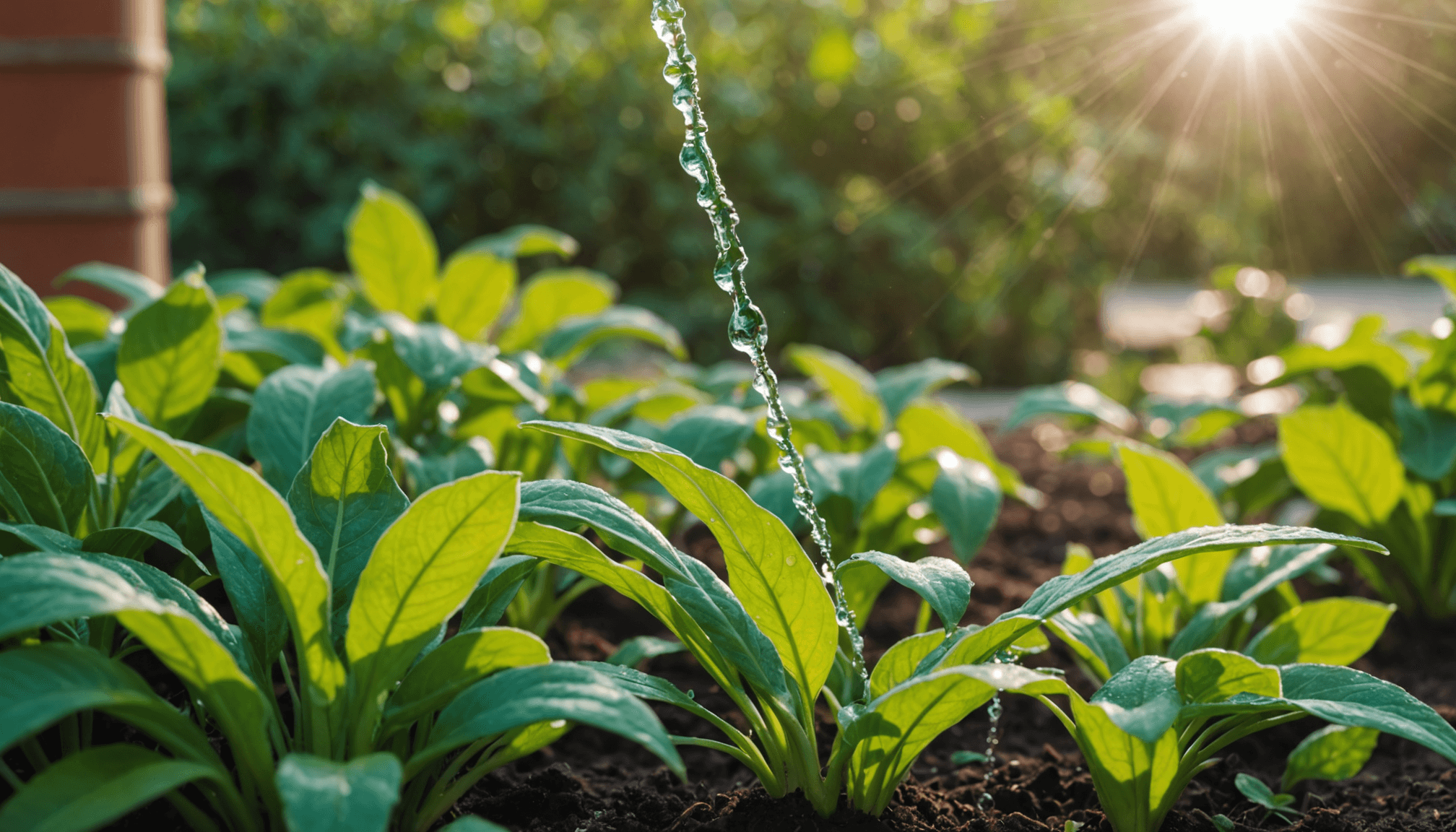
Water is a vital resource in plant nursery management, and implementing strategies for conservation is crucial in today’s climate-conscious world. Adopting effective water conservation practices will not only enhance the sustainability of your nursery but also promote eco-friendly gardening within your community.
One of the most efficient ways to conserve water is through the installation of drip irrigation systems. Unlike traditional sprinkler systems, drip irrigation delivers water directly to the base of each plant, minimizing evaporation and runoff. This method ensures that plants receive the right amount of water without wastage, making it an ideal choice for gardeners focused on sustainable practices. You might be surprised by how much water you save—some estimates suggest that drip irrigation can reduce water usage by up to 50% compared to conventional methods.
In addition to drip irrigation, mulching is another effective technique to retain moisture in the soil. By spreading organic materials such as straw, wood chips, or grass clippings around your plants, you create a barrier that reduces evaporation, keeps the soil temperature consistent, and suppresses weeds. This simple step can significantly lower your watering needs and promote healthier plant growth.
If you haven’t already considered rainwater harvesting, now is the time to dive in. Collecting rainwater from roofs into barrels or storage tanks can provide an excellent, chemical-free water supply for your nursery. Not only does this practice reduce reliance on municipal water sources, but it also helps manage stormwater runoff, contributing to environmental care. A rain garden—designed to absorb excess rainwater—can also serve as a beautiful feature while enhancing water conservation.
- Choose drought-tolerant plants: Selecting native or drought-resistant species for your nursery can dramatically reduce your water needs. These plants are adapted to your local climate and often require less watering once established.
- Implement greywater recycling: Consider installing a greywater system that recycles water from sinks, showers, or washing machines for irrigation purposes. This method allows you to utilize treated wastewater effectively, emphasizing sustainability.
- Create contour beds: Designing your nursery with contour or raised beds will help manage natural drainage and water runoff, ensuring that water is utilized efficiently.
Lastly, educating your customers and community about the importance of water conservation can foster a culture of sustainability. Offer workshops on water-wise gardening techniques, share success stories of water-saving practices, and promote the benefits of using eco-friendly watering methods. By being a resource of knowledge and showing that you prioritize resource management in your nursery, you can inspire others to adopt similar strategies in their gardens.
By implementing these practical water conservation strategies, you can make a significant impact on your nursery’s sustainability while encouraging others to embrace responsible water use. Every drop counts, and with thoughtful planning and practices, there is tremendous potential for conserving one of our planet’s most precious resources.
Organic Pest Management Approaches
Employing organic pest management approaches is essential for maintaining a healthy plant nursery while minimizing negative impacts on the environment. This approach focuses on preventing and managing pest problems using natural and non-toxic methods, thereby reducing or eliminating the need for synthetic pesticides that can harm beneficial insects, soil health, and water quality.
One of the fundamental strategies in organic pest management is the use of beneficial insects. Ladybugs, lacewings, and parasitic wasps are just a few examples of natural predators that can help control pest populations. By creating a welcoming habitat for these beneficial species, such as planting diverse flowering plants, nurseries can enhance biological control. Not only do these insects keep pests in check, but they also promote biodiversity and balance within the ecosystem of the nursery.
“The more diverse the garden, the less chance there is for pests to thrive.” – Unknown
Additionally, practicing cultural control can significantly reduce pest infestations. This includes techniques such as crop rotation, which disrupts the life cycles of pests; selecting pest-resistant plant varieties; and maintaining optimal growing conditions to prevent stress in plants, making them more resilient to pest attacks. Integrated pest management (IPM) is another critical aspect that combines regular monitoring with these cultural practices, allowing growers to act quickly when pest levels exceed acceptable thresholds.
Physical barriers are another effective organic pest management tactic. Using row covers, nets, or insect traps can physically prevent pests from accessing plants. For instance, deploying floating row covers can protect seedlings from insect pests while still allowing sunlight and water to reach them. These barriers are a non-invasive way to safeguard your plants and can significantly reduce the need for chemical interventions.
Natural repellents can also play a vital role in organic pest management. Sprays made from garlic, neem oil, or diatomaceous earth can deter pests without posing a threat to beneficial insects or plant health. Creating homemade pest deterrents using simple, natural ingredients is a fantastic way to engage with eco-friendly gardening. Educating nursery staff and customers about these natural alternatives can foster a deeper understanding of sustainable practices and empower them to take action in their gardens.
Lastly, continuous education and awareness-raising are paramount. Hosting workshops or providing informational resources about organic pest management can foster community engagement, encouraging both novice and experienced gardeners to embrace ecological approaches to pest control. By sharing knowledge and fostering a supportive community, nurseries can contribute to a larger movement toward environmental care.
Developing a comprehensive organic pest management strategy not only safeguards the health of plants at your nursery but also strengthens the overall ecosystem, aligning with sustainable practices and instilling a sense of environmental responsibility in the gardening community. By prioritizing organic methods, nurseries can demonstrate leadership in eco-friendly gardening and promote an environmentally conscious approach to plant care.
Waste Reduction and Recycling Practices
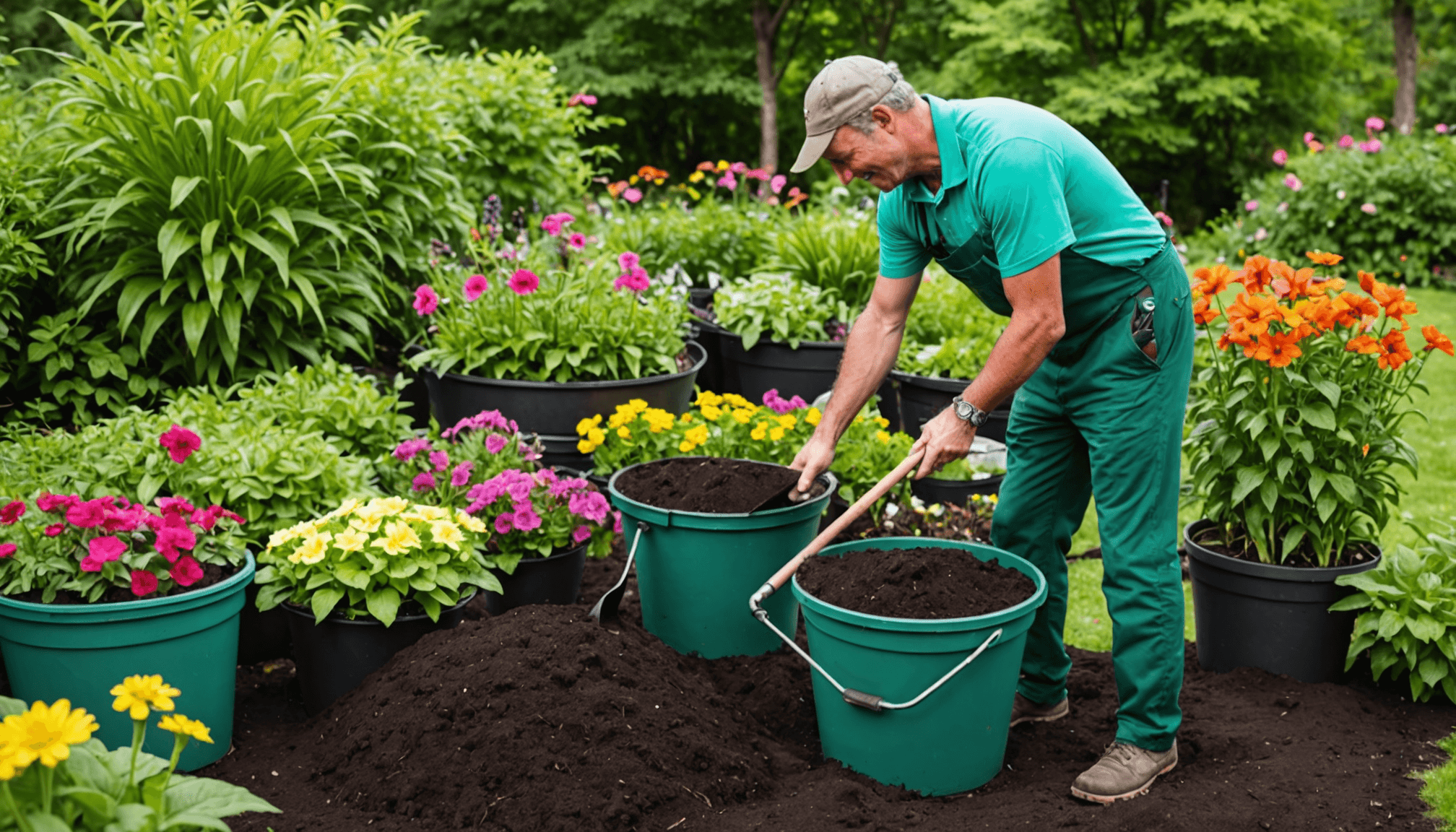
Integrating waste reduction and recycling practices in your plant nursery can significantly enhance sustainability while inspiring responsible behaviors within the community. Start by implementing a solid waste management plan that categorizes waste generated, making it easier to identify recyclables, compostables, and items that require disposal. Incorporating a composting system to process plant trimmings, fallen leaves, and organic waste is an excellent first step. This not only reduces landfill contributions but transforms waste into valuable resources, enriching soil and enhancing plant health.
Furthermore, consider collaborating with local businesses or community organizations to establish a recycling program for materials such as plastic pots, trays, and containers. Many nurseries can benefit from participating in take-back schemes, where suppliers accept used pots for reuse or recycling. Educating your staff and customers about proper recycling practices is essential to ensure materials are disposed of correctly. By promoting these initiatives, your nursery can emerge as a leader in environmental care, encouraging others to follow suit.
Explore creative reuse of materials as well. Old wooden pallets, for example, can be repurposed into planter boxes or shelving units, reducing the need to purchase new items. Engaging customers in workshops on crafting with recycled materials can stimulate interest and foster a sense of community involvement. Showcasing innovative reuse practices can inspire others and highlight the significance of minimizing waste in overall nursery operations.
In addition to recycling, be proactive about reducing packaging waste. Opt for biodegradable or compostable packing materials instead of single-use plastics when sending plants to customers. Encourage bulk purchases where feasible to limit packaging needs, and convey the importance of minimalism in your business approach. This not only reflects your commitment to sustainable practices but also resonates with environmentally conscious consumers.
Lastly, implement a system to track waste reduction and recycling efforts, creating a baseline for measurable improvement. This transparency not only aids in fine-tuning your practices but can also serve as a communication tool when sharing your successes with the community. By fostering a culture of sustainability within your nursery, you not only reduce your ecological footprint but also motivate others to take action towards eco-friendly gardening.
- What are some effective ways to reduce waste in a plant nursery?
- Implementing composting for organic waste, collaborating on recycling programs for containers and pots, and repurposing materials like wooden pallets are effective strategies to reduce waste. Additionally, opting for minimal packaging and encouraging bulk purchases can significantly lower waste generation.
- How can I encourage my nursery customers to recycle?
- Provide clear signage about recycling, offer incentives for returning pots, and educate customers on the importance of recycling through workshops or informational pamphlets. Engaging customers in discussions about sustainability can motivate them to adopt eco-friendly practices.
- What materials can be recycled in a nursery?
- Common recyclable materials include plastic plant pots, trays, and containers, as well as cardboard boxes and paper packaging. Check with local recycling programs for specific guidelines on how to prepare these materials for recycling.
- How does composting benefit a plant nursery?
- Composting not only reduces waste sent to landfills but also enriches soil health, increases nutrient availability for plants, and fosters beneficial microbial activity. This ultimately leads to healthier plants and reduced reliance on synthetic fertilizers.
- What are some creative reuse ideas for nursery waste?
- Wooden pallets can be transformed into planters or garden furniture, while scrap materials can be repurposed into decorative garden art. Craft workshops that showcase reusing are also a great way to engage the community while promoting sustainability.
- How can technology help with recycling efforts in a nursery?
- Using technology to track waste generation and recycling rates can streamline sustainability efforts. Digital platforms can facilitate partnerships with local recyclers and suppliers, enhancing transparency and collaboration around waste management.
- What is the importance of educating staff about waste reduction?
- Educating staff about waste reduction ensures that everyone is on the same page regarding sustainable practices and the nursery’s goals. A knowledgeable team can lead by example, contributing to an eco-friendly culture within the nursery and encouraging community engagement.
Community Engagement and Education Initiatives
Engaging your community in eco-friendly gardening practices is vital for nurturing a sustainable plant nursery environment. By fostering educational initiatives and collaborative experiences, you can strengthen the ties within your community while promoting practices that benefit both the environment and local biodiversity.
One effective way to facilitate community engagement is through workshops and hands-on demonstrations. Organize events where participants can learn about various sustainable practices, such as composting, organic pest management, or water conservation techniques. By providing a space for learning—whether it’s at your nursery or in a nearby park—you’re not just sharing knowledge, but also inspiring others to apply these eco-friendly techniques in their own gardens.
Consider hosting seasonal garden tours or open-house events. This allows community members to explore your nursery, mingle with other garden enthusiasts, and gain insights into your sustainable methods. You might spotlight unique plants, share success stories, or even introduce visitors to the native species best suited for your local environment. Such occasions foster a sense of belonging and encourage more people to participate in eco-friendly gardening.
In addition to workshops, developing a community garden can play a crucial role in gathering support and engagement. Collaborating with local schools, organizations, or neighbors to create a shared garden space not only enhances local biodiversity but also provides a living classroom for sustainable practices. Participants can learn about plant care, soil management, and seasonality while enjoying the fruits of their labor. This communal effort cultivates relationships and creates a network of support, encouraging sustainable practices across a broader audience.
- Establish partnerships: Connect with local environmental groups, schools, or gardening clubs to promote your initiatives. Collaborative events can attract diverse audiences and strengthen community bonds.
- Offer incentives: Create incentives for community members to participate in sustainable gardening, such as discounts on plants or memberships for returning pots for recycling. This makes engagement rewarding and encourages ongoing participation.
- Online platforms: Utilize social media and online forums to share tips, success stories, and eco-friendly gardening practices. Encouraging community interaction online can complement your offline efforts and create a lively, engaged network.
Incorporating educational resources such as pamphlets or digital content focused on environmental care can further enhance engagement. Create informative materials highlighting the importance of native plants, biodiversity, and how small changes can lead to significant impacts. Partner with local libraries or schools to distribute these resources, ensuring that knowledge about sustainable practices reaches an even wider audience.
By prioritizing community engagement and educational initiatives, you can build a thriving network of individuals committed to eco-friendly gardening. These interactions not only elevate the profile of your nursery but also promote a collective responsibility for environmental care, resulting in a healthier ecosystem and a more connected community.