
In the heart of every vibrant nursery lies an opportunity for growth—not just for plants but for the little minds that tend to them. Incorporating educational workshops can transform your nursery into a bustling hub of community engagement, where families gather to learn and connect. To get started, consider the space available in your nursery. Designate a cozy corner or an outdoor area where families can comfortably participate in various activities.
Next, think about the resources at your disposal. Leverage existing staff expertise or invite knowledgeable members from the local gardening club or community garden to facilitate workshops. Workshops can cover a variety of topics, such as organic gardening, composting, or the importance of pollinators. A diverse range of subjects keeps interests piqued and caters to different skill levels. Remember, the goal is to make gardening education accessible and fun!
To enhance participation, utilize social media platforms to promote your workshops. Share enticing visuals of past events and eye-catching posters highlighting upcoming sessions. An interactive approach through these channels can boost engagement and attract more families to your nursery.
Don’t shy away from incorporating hands-on activities. Workshops that involve planting seeds, creating small garden plots, or crafting garden-themed projects help children and parents alike learn by doing. This interactive element not only keeps participants engaged but also fosters a deeper understanding of gardening practices.
Ensure to gather feedback after each workshop. A simple survey or casual conversation can provide insights into what worked and what could be improved. This will help you fine-tune future events and keep your workshops vibrant and appealing. By actively pursuing these initiatives, your nursery can become a cherished community resource, enriching lives through the joys of gardening.
Benefits of Educational Workshops
Participating in educational workshops offers numerous benefits that extend beyond just learning new gardening skills. These events foster a sense of community among families and caregivers by bringing them together, creating a supportive environment where relationships can thrive. When families engage in workshops, they become part of a network that encourages sharing of knowledge, experiences, and resources. This camaraderie enhances community engagement, as participants tend to interact with one another, exchanging gardening tips and forming friendships that may extend beyond the nursery.
Another significant benefit is the encouragement of lifelong learning. Educational workshops can spark a deep interest in gardening and environmental stewardship, nurturing a passion that persists throughout life. As families learn about various gardening methods, sustainability practices, and the importance of native plants, they become more informed citizens who make conscious choices regarding their environment. This aspect of gardening education is crucial, as it instills values of responsibility and care for nature in both parents and children alike.
Moreover, workshops can bolster children’s cognitive and emotional development. Hands-on activities within these sessions help children enhance their motor skills, critical thinking, and creativity. Engaging children in gardening tasks promotes a sense of responsibility as they watch their efforts translate into blooming plants or a flourishing garden. Such experiences can also reduce stress and anxiety levels, providing therapeutic benefits that contribute to overall well-being.
To better understand these benefits, consider the following comparison of traditional learning methods versus workshops:
| Aspect | Traditional Learning | Educational Workshops |
|---|---|---|
| Interaction | Limited interactions, mostly teacher-led | Encourages group discussions and collaboration among families |
| Learning Style | Theoretical, with a focus on lectures | Hands-on, practical experiences that reinforce learning |
| Community Building | Individual learning environments | Fostering relationships and a sense of belonging |
| Focus on Environment | Limited exposure to environmental topics | Promotes sustainability and awareness of ecological issues |
The engaging nature of workshops not only enhances the educational aspect but also ensures participants leave with tangible experiences and memories. Whether it’s planting a seedling, crafting garden decorations, or participating in a group discussion about pest management, these activities foster a learning atmosphere that is both fun and enriching.
In summary, the multifaceted benefits of educational workshops in nurseries demonstrate their vital role in promoting community engagement through gardening education, fostering critical life skills, and building lasting relationships. As nurseries incorporate these workshops, they actively contribute to the nurturing of a well-informed, environmentally conscious community dedicated to gardening.
Identifying Suitable Workshop Topics
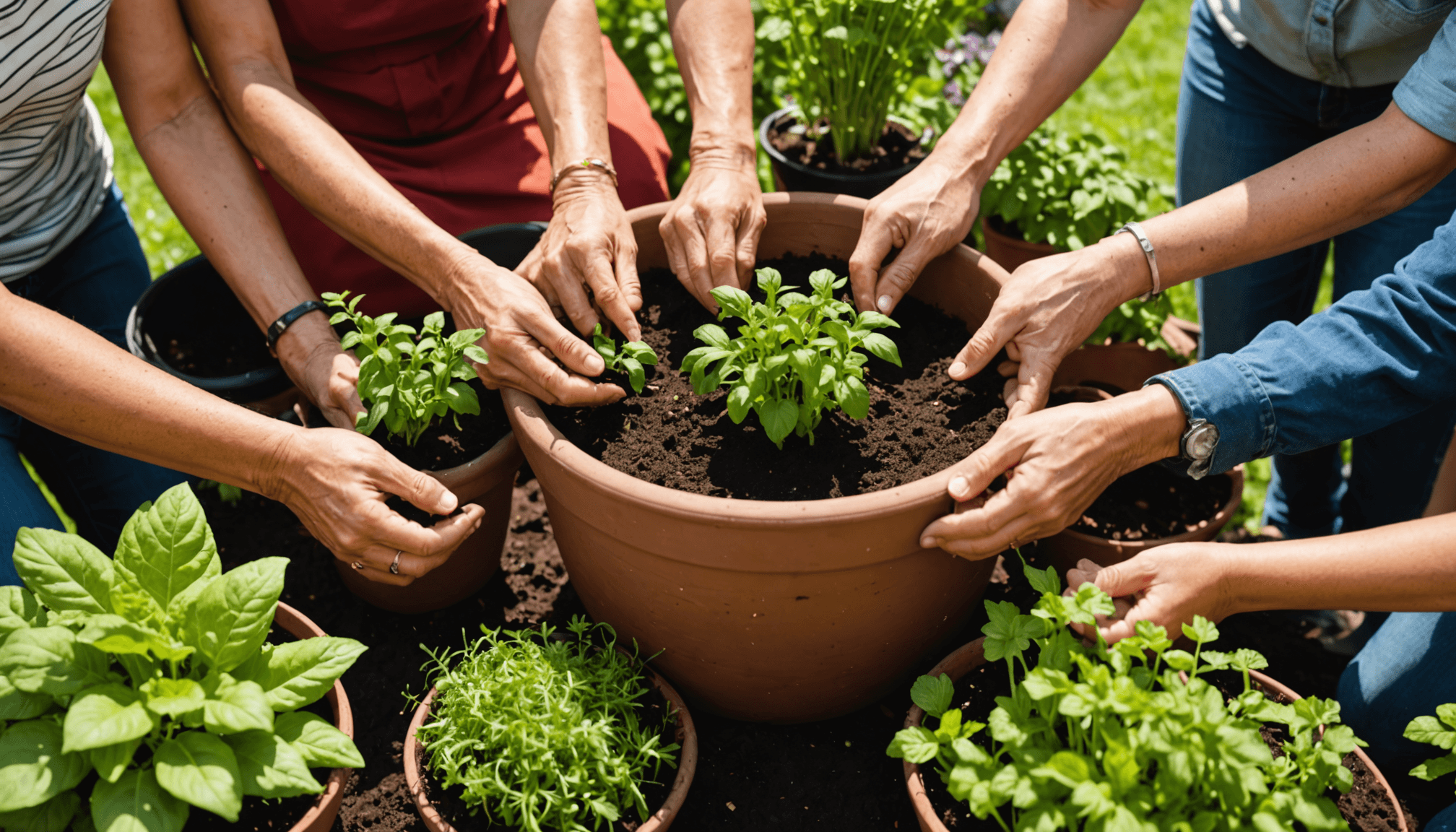
Identifying suitable workshop topics is key to creating engaging and impactful educational experiences for families. Start by considering the diverse interests and skill levels of your audience. Urban dwellers, families, and garden enthusiasts often have varying degrees of gardening knowledge, so it’s wise to tailor topics that cater to beginners while still offering depth for more experienced participants.
Some potential workshop themes might include:
- DIY Container Gardening – Perfect for urban dwellers with limited space, this workshop could cover the essentials of growing herbs and vegetables in pots, teaching participants how to maximize small areas.
- Composting 101 – Help families understand the benefits of composting by providing a hands-on session where they can create their own compost bin and learn about recycling kitchen scraps into nutrient-rich soil.
- Attracting Pollinators – Discuss the importance of bees, butterflies, and other pollinators to garden health. This could be complemented by a fun activity where participants plant flowers that attract these vital creatures.
- Seasonal Gardening Tips – As each season approaches, host workshops that guide participants in preparing their gardens, focusing on what to plant and how to care for them throughout the year.
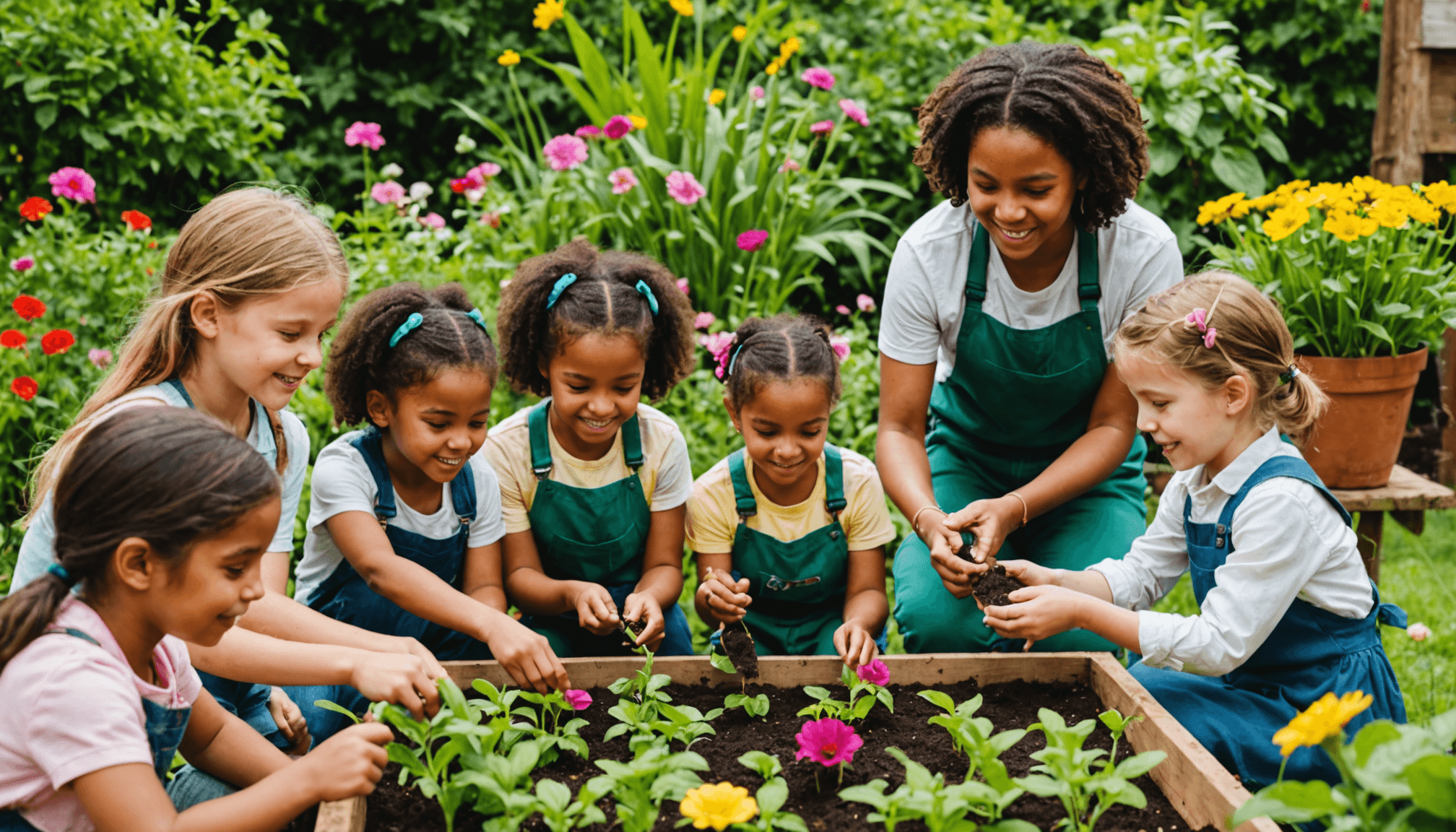
- Kids in the Garden – Create a family-friendly workshop where children learn about gardening through interactive activities, such as seed planting and garden art projects, fostering early interest in gardening education.
Additionally, be open to participant suggestions. Consider conducting a survey or holding a brainstorming session where attendees can express what topics excite them. Not only does this approach enhance community engagement, but it also creates a stronger sense of ownership over the workshops.
Furthermore, keep current trends in mind. Topics like sustainable gardening practices, permaculture, or edible landscaping resonate well with environmentally conscious audiences. Urban families may especially appreciate topics that address food security and self-sufficiency in small spaces.
Lastly, do not hesitate to incorporate seasonal themes that align with holidays or local events, making workshops timely and relevant. For instance, a spring planting party could coincide with Earth Day, while a fall harvest festival might engage families as they prepare for winter gardening.
By carefully selecting workshop topics that cater to your audience’s interests and incorporating feedback, your nursery will become a go-to resource for community members eager to expand their gardening knowledge and skills.
Planning and Organizing the Workshop
Planning a successful workshop involves careful consideration of several logistical elements to ensure a smooth and enjoyable experience for all participants. Start by determining the date and time of the workshop, keeping in mind the availability of your audience. Weekends or early evenings during the week are typically optimal, especially for families with children. Aim for a duration that allows for thorough exploration of the topic while remaining manageable for young attention spans, usually around one to two hours.
Next, create a detailed agenda for the workshop that outlines the activities planned, including time for introductions, hands-on work, and a Q&A section. This structure will help participants know what to expect and feel more engaged throughout the session. Be sure to include breaks if the workshop is on the longer side, allowing families to mingle and discuss their gardening interests.
As you plan, consider the materials needed for each workshop. Gather necessary supplies, such as soil, pots, seedlings, and any tools that participants will use during hands-on activities. Create a checklist to ensure that you don’t miss any essential items. It could also be beneficial to have instructional handouts available for participants to take home, reinforcing what they learned during the workshop and giving them a chance to apply their new knowledge in their own gardens.
Collaborating with local businesses or community groups can provide additional support. For example, a garden center might be willing to sponsor the workshop by offering materials at a discount or donating items. This partnership not only eases resource burdens but also promotes local community engagement and supports relationships with neighboring organizations.
Furthermore, to maximize participation, consider offering online registration ahead of time. This helps you gauge the expected turnout and allows for better preparation in terms of materials and seating. An online sign-up can also facilitate communication, allowing you to inform registrants of any changes or additional information.
On the day of the workshop, ensure that the space is set up in a welcoming style. Arranging seating in a circle or semi-circle fosters interaction and discussion among participants. Present your opening remarks warmly to create an inviting atmosphere—this encourages newcomers to engage actively without hesitation.
Throughout the workshop, embrace flexibility. Be prepared to adjust your agenda based on participant interest or questions, which can lead to spontaneous discussions that foster deeper learning.
In each phase of planning and organizing, remember the objective: to create an environment where families feel welcomed, engaged, and excited about gardening education. Such planning not only enhances the immediate experience of the workshop but also cultivates a culture of learning and community that can thrive long after the event concludes.
“The best way to predict the future is to create it.” – Peter Drucker
Engaging Guest Speakers and Experts
 Engaging with guest speakers and experts is a powerful way to enrich the educational experience of your nursery’s workshops. These individuals can bring a wealth of knowledge, diverse perspectives, and real-world experiences that can greatly benefit participants. Start by identifying potential speakers from local universities, agricultural extension services, or experienced practitioners in fields like organic farming, horticulture, or environmental science. Reaching out to these experts can inspire curiosity about various topics, drawing in families eager to learn from credible sources.
When considering guest speakers, focus on those who possess not just expertise but also the ability to connect with your audience. A great speaker should have a passion for gardening education and an engaging delivery style. This quality can turn a simple informational session into an inspiring and interactive workshop that leaves participants motivated to apply what they’ve learned. Remember to tailor the speaker’s content to the interests and prior knowledge of your participants, catering to both beginners and seasoned gardeners to maintain an inclusive atmosphere.
Create opportunities for interaction during workshops. Encourage speakers to invite questions, initiate discussions, or even conduct live demonstrations. By fostering an interactive environment, everyone will feel more invested in the learning experience, sparking curiosity and enthusiasm about gardening practices. Consider conducting short follow-up sessions with guest speakers, where families can further engage and ask additional questions after the workshop has concluded. This not only reinforces the importance of community engagement but allows for continued learning and networking opportunities.
To ensure successful collaborations with guest speakers, establish clear communication from the beginning. Outline expectations regarding their roles and content, provide information about the audience demographics, and highlight any specific focus areas you’d like them to address. This approach will cultivate a smooth partnership, motivating speakers to prepare content that aligns perfectly with the interests of your participants.
Incorporating guest speakers into your workshops helps elevate the overall quality of gardening education offered by your nursery. Additionally, these collaborations provide enriching experiences that can further promote community engagement by connecting participants with local experts who share their passion for the environment and sustainable practices.
- How do I find guest speakers for my workshops?
- Start by reaching out to local universities, agricultural extension services, or community organizations that specialize in gardening and sustainability. Networking within your local gardening community can also reveal experienced individuals eager to share their knowledge.
- What should I look for in a guest speaker?
- Seek speakers who are not only knowledgeable in their fields but also have strong communication skills. A great speaker can engage the audience and make complex topics accessible and exciting, fostering an interactive learning environment.
- How can I promote my workshops effectively?
- Utilize social media platforms, community bulletin boards, and local newsletters to promote your workshops. Sharing photos and testimonials from past events can create excitement and encourage more families to participate.
- What are some engaging workshop activities?
- Consider hands-on activities such as planting seeds, creating garden art, or conducting soil tests. These practical experiences not only enhance learning outcomes but also make workshops more enjoyable and memorable for participants.
- How can I collect feedback after a workshop?
- Distribute feedback forms or conduct informal discussions immediately after the workshop. This feedback can provide insights into what participants enjoyed and areas that might need improvement for future workshops.
- What age groups are suitable for workshops?
- Workshops can be tailored to a wide range of age groups, from toddlers engaged in simple planting activities to adults interested in advanced gardening techniques. Ensure there are activities that cater to different skill levels to maintain engagement across ages.
- Can hands-on workshops be held outdoors?
- Absolutely! Outdoor workshops can be particularly beneficial, allowing participants to engage directly with the gardening environment. Ensure that the location is safe, accessible, and equipped with necessary supplies to facilitate hands-on activities.
Evaluating Workshop Effectiveness
Evaluating the effectiveness of your workshops is crucial to ensuring that they meet the needs of your audience and foster continued participation. A well-structured evaluation not only helps you understand what participants gleaned from the experience but also reveals areas for improvement, contributing to the overall success of future events.
Start by establishing clear objectives for each workshop. What do you want participants to learn or take away from the session? Having specific goals in place not only provides a benchmark for evaluation but gives attendees a sense of direction during the workshop. For instance, if you are hosting a workshop on organic gardening, your objectives might include understanding the principles of organic practices, identifying common pests, and learning about alternatives to chemical pesticides.
Gather feedback immediately following the workshop through surveys or informal discussions. Use a mix of qualitative and quantitative questions to extract a comprehensive view of the experience:
- Quantitative Questions: Rate various aspects of the workshop, such as content quality, presenter effectiveness, and engagement level on a scale of 1-5.
- Qualitative Questions: Encourage open-ended responses about participants’ favorite parts, suggestions for improvement, and additional topics they would like to explore in future workshops.
Analyzing the data collected will yield insight into whether your workshop objectives were met. Pay attention to patterns in the feedback—if multiple participants express confusion about a concept, it’s a clear signal to revisit that topic during future sessions.
Additionally, consider implementing follow-up assessments a few weeks after the workshop. This can include checking in with participants to see how they’ve applied what they learned. For instance, if attendees were asked to start a compost bin, a follow-up inquiry about their experience could provide valuable insights. This not only reinforces the education received but also contributes to ongoing community engagement, demonstrating that you care about their gardening journey.
Furthermore, factor in the participation rates in your evaluation. If a workshop saw lower turnout than expected, consider the timing, marketing strategies, and topic relevance. Adjusting these elements can lead to improved attendance in the future, making events more vibrant and impactful.
Remember to celebrate successes too! If participants show high satisfaction rates and demonstrate knowledge retention, share these achievements with your community. Highlighting positive feedback can encourage more families to join future workshops and foster a sense of pride within your nursery as a hub for gardening education.
Ultimately, a thorough evaluation process allows for continual improvement and growth. By being responsive to the needs of your participants, you can create a lively community space where families feel empowered to learn, grow, and share their gardening experiences.
Encouraging Parental Involvement
Encouraging parental involvement is a vital aspect of making your workshops successful and ensuring that families feel connected to both the nursery and each other. One effective strategy is to create a volunteer program where parents can actively participate in the organization and execution of workshops. This not only empowers parents but also fosters a sense of ownership and pride as they contribute to the nursery’s atmosphere of learning and growth.
Consider establishing designated roles for parents during workshops, such as helping set up materials, facilitating activities, or leading small groups. This involvement not only lightens the load on your staff but also provides parents with a more immersive experience, as they engage directly with the content alongside their children. Plus, having familiar faces around can make new families feel more comfortable, encouraging them to join in the fun.
Another way to involve parents is through planning sessions prior to workshops. Host informal meetings where parents can share their ideas for topics or activities they’re passionate about. This collaborative approach not only enhances community engagement but also ensures that the workshops reflect the interests and needs of the participants. Parents are more likely to attend and promote workshops that they feel they had a hand in shaping.
To keep parents enthused and engaged, consider creating a rewards system for those who actively participate in multiple workshops. This might include discounts on nursery plants, gardening supplies, or even exclusive access to special events. This incentive encourages ongoing involvement and creates a community culture that celebrates continuous learning.
It’s also beneficial to establish a communication channel for parents to share their gardening journeys and experiences. A dedicated social media group or email newsletter can serve as a platform for parents to exchange tips, showcase their garden successes, and share ideas for future workshops. By facilitating this dialogue, you’re building a supportive network where families can inspire one another beyond the confines of the nursery.
Lastly, don’t underestimate the power of celebrating family achievements. After workshops, recognize families for their participation and any gardening milestones they’ve reached at home. Simple gestures like certificates or shoutouts on social media can motivate parents to remain involved and engaged with gardening education, fostering a tight-knit community that thrives on shared experiences and collective learning.
By integrating these strategies into your workshop framework, you can significantly enhance parental involvement, creating a vibrant nursery environment where families unite through their love of gardening and education. This collaborative effort not only enriches the individual experiences but strengthens the entire community.