
When tending to your plant nursery, recognizing common pests is essential for maintaining a healthy environment for your leafy companions. Several critters may stealthily invade your plants, each bringing a unique set of challenges. For the eager gardener and urban homesteader, it’s imperative to familiarize yourself with these nuisances and their tendencies.
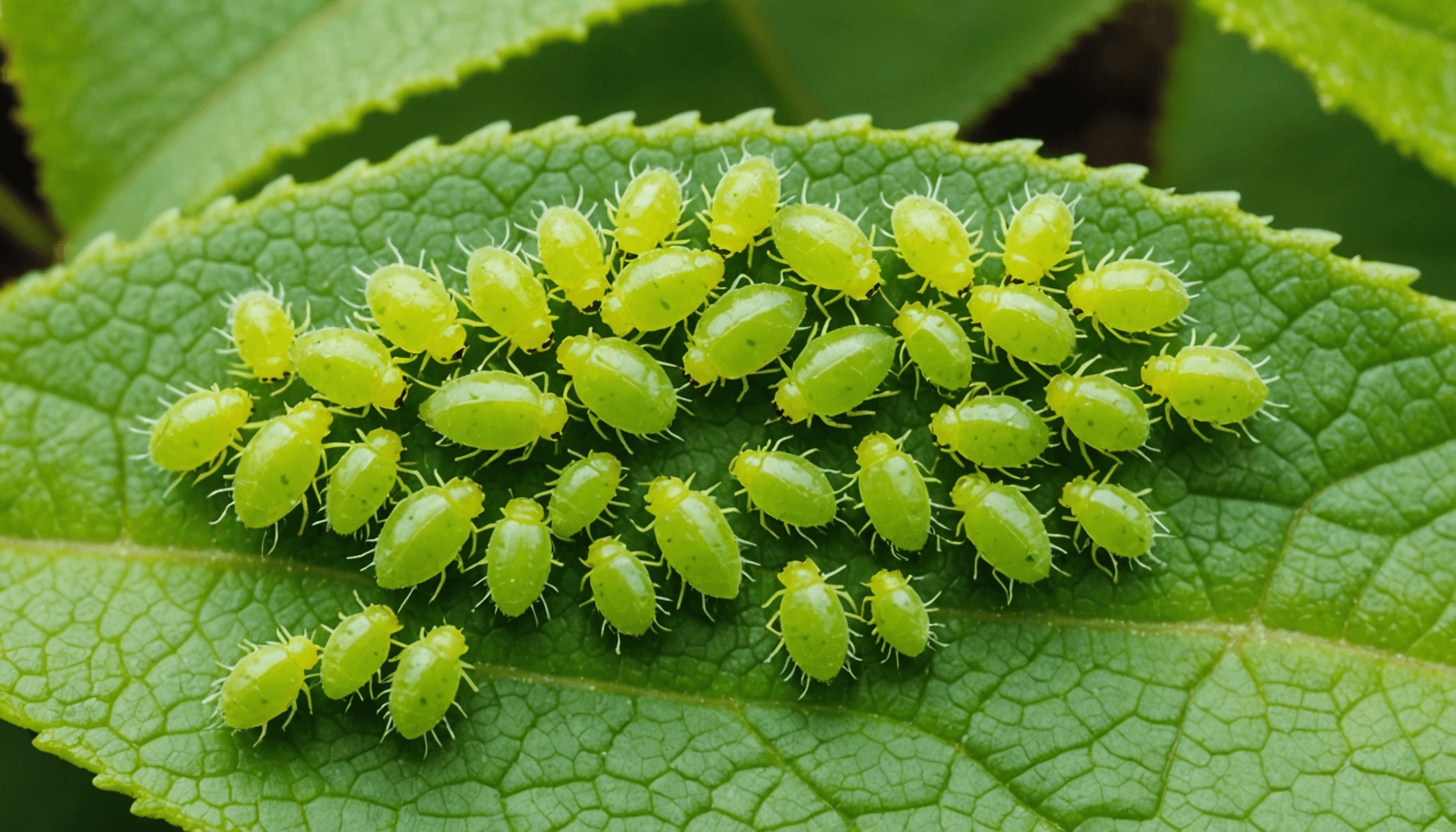
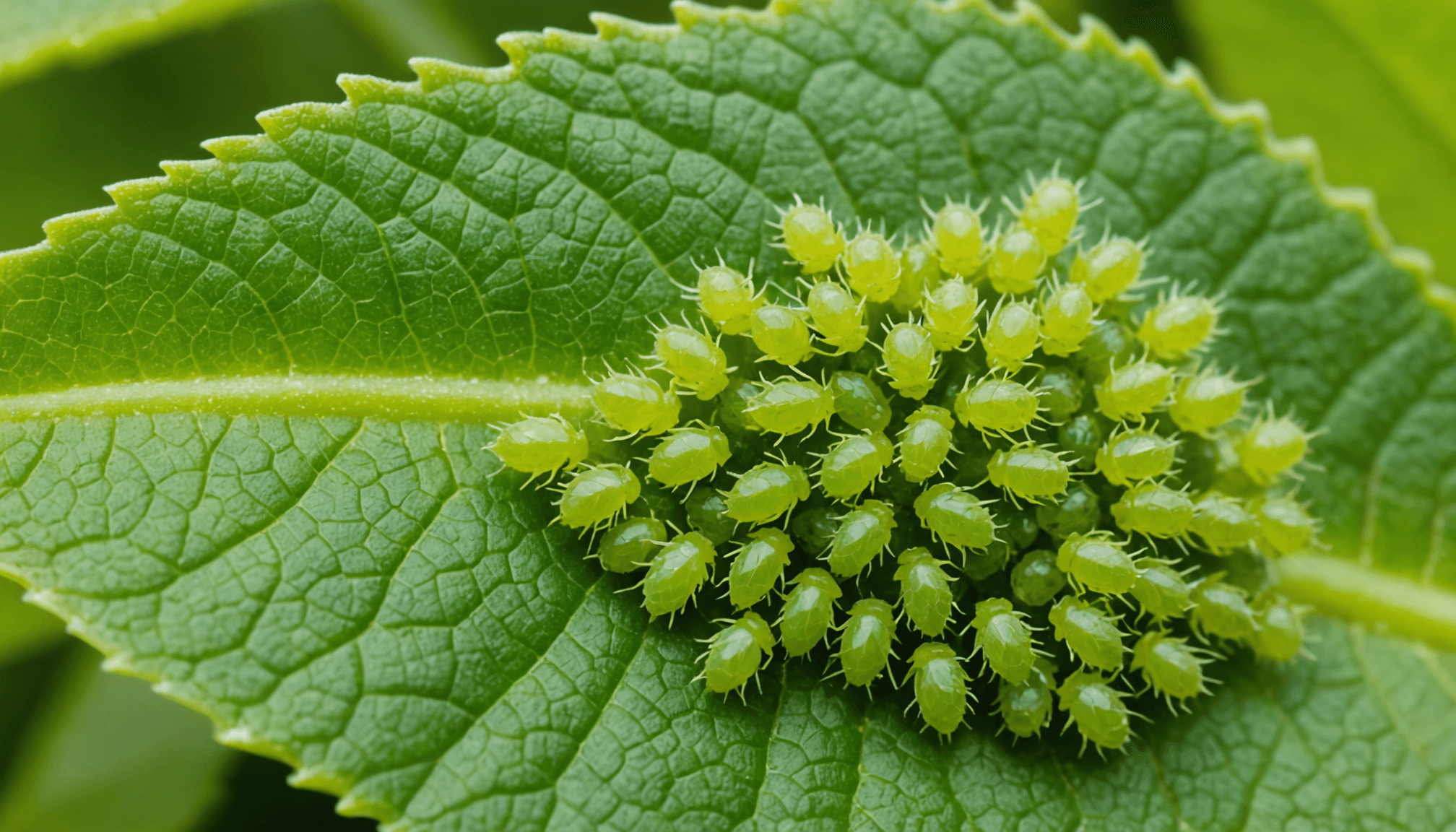
Aphids are often the culprits in the game of pest control. These tiny, soft-bodied insects can be green, black, or even pink, and they tend to cluster on the undersides of leaves. Look for curling and a sticky residue on your plants—this honeydew is a telltale sign of their presence. Natural predators like ladybugs are an excellent way to combat an aphid infestation, so consider introducing them into your nursery management plan.
Spider mites are another common pest, especially in dry conditions. They’re extremely small and often escape the naked eye, but a fine webbing on your plants’ leaves is a clear indicator. To manage spider mites, keep humidity levels up and use insecticidal soap or neem oil as a preventive measure. Regularly hosing down your plants can also help wash away these destructive intruders.
Next in line are whiteflies, which resemble tiny moths when disturbed. They love to hide beneath leaves and can drain the life out of your plants if left unchecked. Yellow sticky traps can effectively catch adult whiteflies, reducing their population in your nursery.
Scale insects pose yet another threat, appearing as small, round, or oval bumps on plant stems and leaves. They feed by sucking sap, which can lead to stunted growth. To combat scale, scrape them off with a fingernail or use organic pesticides that are safe for indoor and outdoor plants.
Moreover, be vigilant for mealybugs. These cottony blobs often appear in clusters and can damage your plants significantly if not addressed promptly. Rubbing alcohol dabbed directly onto mealybugs can eradicate their presence without harming your plant.
Lastly, keeping an eye out for gnats can save you a lot of hassle. These pesky insects often thrive in overwatered soils. To keep gnat populations in check, allow the surface of the soil to dry out between waterings and use a layer of sand on top of the soil to deter them.
Using integrated pest management strategies can further enhance your efforts. Regular monitoring of your plants combined with proper cultural practices will not only help in identifying these common pests but will also aid in promoting a healthier plant nursery overall. By building a knowledge base and becoming proactive, you’ll ensure that your plants thrive in a stress-free environment.
Understanding Plant Diseases
Plant diseases can have a significant impact on the health and productivity of plants in a nursery setting. Understanding the nature of these diseases is crucial to maintaining a thriving garden. Plant diseases can generally be classified into three main categories: fungal, bacterial, and viral infections, each with unique characteristics, symptoms, and treatment approaches.
Fungal diseases are among the most prevalent, often thriving in warm, moist conditions. They can cause a range of damage, from general wilting to leaf spots and, in severe cases, total plant demise. Common fungal diseases include *powdery mildew*, which appears as white, powdery spots on leaves, and *Downy mildew*, signifying dark patches beneath the leaves. Effective management strategies involve proper air circulation, avoiding overhead watering, and utilizing fungicides to prevent and treat existing infections.
Bacterial diseases, although less common, can be equally devastating in a nursery environment. These pathogens typically enter through wounds or natural openings in the plant. Examples include *bacterial wilt*, which causes rapid plant collapse, and *crown gall*, which leads to tumor-like growths on plant stems. Managing bacterial diseases often involves removing infected plants entirely to prevent the spread, as well as adhering to strict hygiene measures within the nursery to minimize bacterial presence.
Viral diseases, while not as visibly apparent in the early stages, can severely affect plant growth and yield. Viruses like *Tobacco Mosaic Virus (TMV)* can be transmitted through contaminated tools or by vectors such as aphids. Symptoms often include mottling and distortion of leaves. Management is particularly challenging since there are no chemical treatments for most plant viruses; therefore, prevention through resistant varieties and careful cultural practices is essential.
To better understand the differences among these disease types and their symptoms, refer to the table below:
| Disease Type | Common Symptoms | Management Strategies |
|---|---|---|
| Fungal | Wilting, leaf spots, powdery growth | Improve air circulation, avoid overhead watering, apply fungicides |
| Bacterial | Soft rot, galls or lumps, wilting | Remove infected plants, maintain hygiene, avoid wounding plants |
| Viral | Mottled leaves, stunted growth, distortion | Use resistant varieties, disinfect tools, manage vector populations |
Keeping a keen eye on plants for early signs of distress is vital, as early detection can lead to more effective management and control of plant diseases. Implementing integrated nursery management practices, including crop rotation and the use of disease-resistant plant varieties, can help build resilience against these threats, ensuring a healthier and more productive nursery environment. Regular monitoring, recording observations, and adhering to good sanitation practices will significantly reduce the likelihood of disease spread, fostering an environment where plants can flourish.
Symptoms of Pest Infestation
As you cultivate your vibrant plant nursery, recognizing the symptoms of pest infestation is crucial to ensuring that your plants remain healthy and flourishing. Early detection can significantly enhance your pest control strategies and keep potential threats at bay.
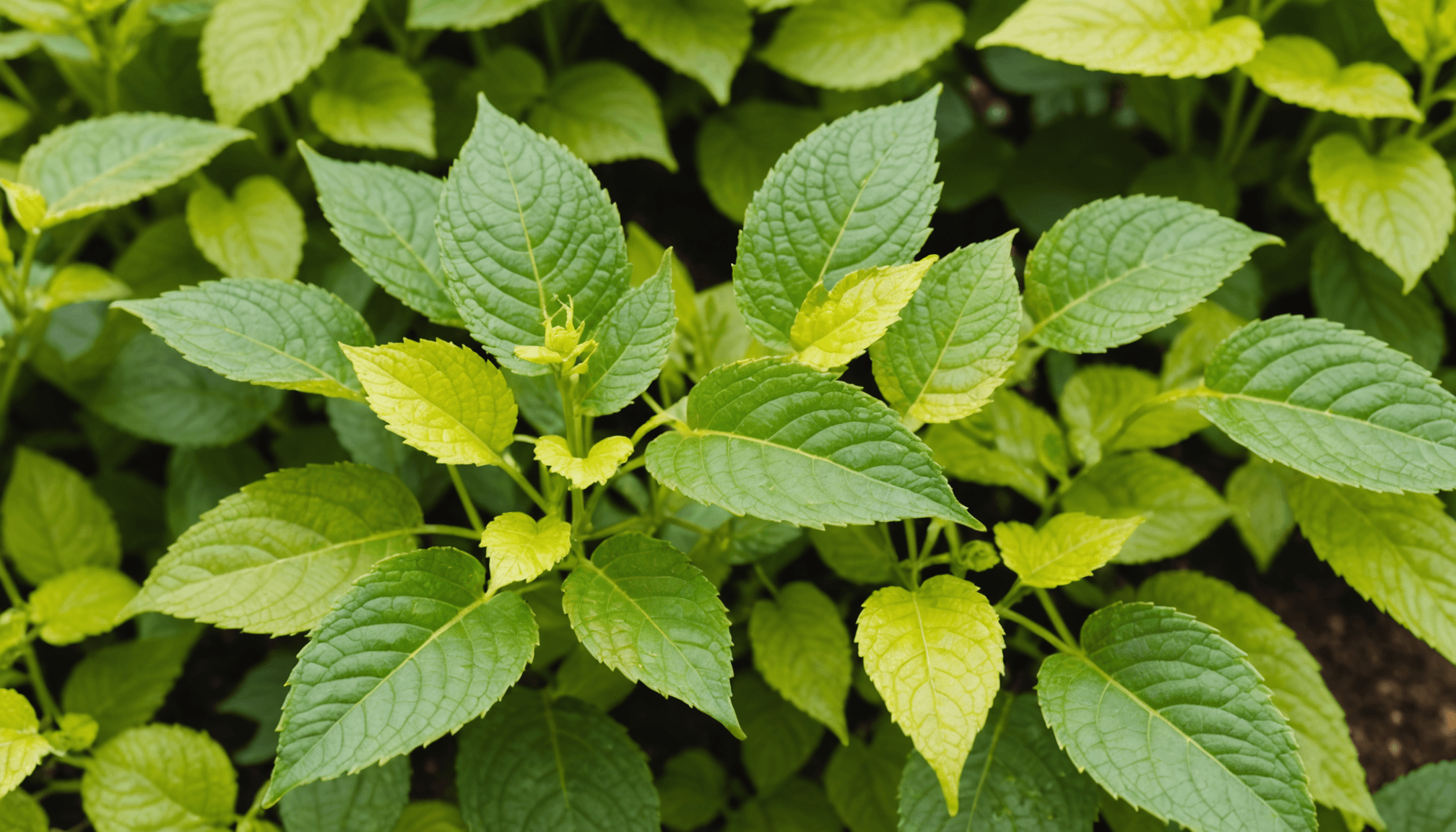
Look for signs such as discolored leaves, which may indicate that pests are feeding on your plants. A shift in color can range from yellowing, often the result of aphids or spider mites sucking the sap, to browning edges caused by environmental stress or pest damage. Stunted growth is another critical symptom; if your plants aren’t thriving as they should, it may be due to pest activity. For instance, the mealybug’s feasting can halt a plant’s growth and vitality.
Leaf distortions can signal the presence of pests like whiteflies or thrips. Look for curling leaves or abnormal growths, which are common indicators that your plants are under attack. Untidy webs on the undersides of leaves often stem from spider mites; this particular attribution can lead to a swift decline in plant health if not addressed immediately.
Additionally, keep an eye out for foul odors or sticky residues. If leaves seem sticky or shiny, it could be due to honeydew—a sugary substance excreted by pests such as aphids, scale insects, or whiteflies as they feed. This not only attracts other pests but can also lead to sooty mold development.
Examine the stems and leaf undersides for tiny insects or eggs. Many pests, like thrips and aphids, reproduce quickly, so spotting them early can significantly assist in nursery management efforts. Using a magnifying glass can be particularly useful to ensure you don’t miss any small invaders.
Regular monitoring is key to keeping your nursery healthy. Take time at least once a week to inspect your plants thoroughly. Introduce integrated pest management (IPM) practices that prioritize biological controls and ecological balance. For example, you might consider planting companion plants that attract beneficial insects, or establishing a routine that includes cleaning your tools and pots to eliminate any potential pest eggs.
When various pest symptoms are apparent, it’s essential to adopt a proactive approach rather than a reactive one. Remember, an ounce of prevention is worth a pound of cure!
Diagnosis of Plant Diseases
Diagnosing plant diseases requires an astute eye for detail and an understanding of the signs that indicate a problem. One of the most critical factors in effective nursery management is the ability to swiftly and accurately identify the specific disease affecting your plants. The process begins by thoroughly examining the plants for any unusual symptoms or changes in appearance.
Starting with discoloration, this can manifest in various ways across different plants. Leaves may show yellowing, a condition often referred to as chlorosis, indicating a nutrient deficiency or environmental stress. If you notice black or brown spots, this could suggest a fungal infection; round, necrotic spots might point towards a bacterial issue. Notably, viral infections may produce mottled or distorted leaves, signaling the need for immediate intervention.
Another key symptom to watch for is wilting. This can occur due to both overwatering and disease factors. Root rot, often a result of fungal pathogens in oversaturated soils, typically leads to soft, darkened roots followed by wilting. Conversely, bacterial wilt will quickly cause a plant to collapse, as the vascular system becomes compromised.
Growth abnormalities also warrant attention. If you observe stunted growth or deformed stems, these could be signs of multiple issues, including viral infections or nematode infestations. Pay particular attention to any galls or swellings on roots or stems, which indicate bacterial or nematode attack.
To facilitate accurate diagnosis, recording the development of symptoms over time can be immensely helpful. Noting when certain changes occur can aid in correlating them with environmental factors or treatment intervals. When in doubt, consider the history of the plant, such as recent additions to the nursery or interactions with other plants, as these can help identify potential vectors for disease transmission.
The diagnosis process may also involve tools such as soil testing kits or magnifying lenses to detect minute organisms that are not visible to the naked eye. Sometimes, laboratory testing is necessary for a definitive diagnosis, particularly with complex issues like viral infections.
In the scope of nursery management, understanding that timely diagnosis can prevent further disease spread and allow for swift implementation of control measures is vital. An effective strategy may involve isolating affected plants to ward off contagion, followed by applying targeted treatments based on the specific type of plant disease diagnosed.
“Identifying plant diseases early can make the difference between recovery and loss.” – Unknown
Regular education and staying updated on the latest plant care innovations will bolster your ability to diagnose and ultimately manage plant diseases effectively. Maintain a vigilant approach, regularly inspecting your plants, to cultivate a thriving nursery free from the devastating impacts of diseases.
Management Strategies for Pests and Diseases
 Effective management of pests and diseases is pivotal for the sustainability of a thriving plant nursery. Implementing a range of strategies can significantly bolster your efforts to protect your plants and foster an environment conducive to growth. A multifaceted approach, incorporating both immediate actions and long-term adjustments, will create a robust defense against the threats posed by pests and plant diseases.
One effective strategy is the application of organic and natural remedies that minimize chemical use while being gentle on beneficial insects. Neem oil, for example, acts as a natural pesticide, disrupting the life cycles of many pests while being safe for plants when applied correctly. Similarly, insecticidal soaps are highly useful for eradicating soft-bodied insects like aphids and mealybugs, allowing for targeted pest control without harming the overall ecosystem in your nursery.
Regular cultural practices play a crucial role in prevention. Rotating crops regularly can prevent pest and disease cycles from establishing a foothold, as many pathogens and pests thrive in consistent environments. Another effective measure is to maintain optimal spacing between plants to promote air circulation, which can severely diminish the conditions favorable for fungal infections. Moreover, diligent cleaning of tools, pots, and any equipment used in the nursery will minimize the risk of disease transmission, especially in cases of bacterial or viral infections.
Monitoring your nursery through regular inspections allows for early detection of issues. Invest in a weekly routine of evaluating plants for any signs of distress. Documenting symptoms and pest sightings aids in understanding trends and patterns, which can inform more tailored and effective management strategies over time. Additionally, employing traps can capture pests before they become unmanageable, working in tandem with your cultural techniques.
Consider incorporating companion planting as a natural deterrent against pests. Certain plants can repel insects or attract beneficial predators, thereby contributing to a balanced ecosystem within your nursery. Knowledge of plant relationships can greatly enhance your pest control efforts while naturally promoting plant health.
Lastly, education is a continuous journey. Keeping abreast of the latest research and developments in plant care can provide insights into new and innovative management strategies. Engaging with fellow gardeners or participating in local workshops can further enrich your knowledge base, allowing for informed decision-making in pest and disease management.
- What are the most effective organic pest control methods for a plant nursery?
- Organic pest control methods include using neem oil, insecticidal soaps, and introducing beneficial insects such as ladybugs or lacewings. These methods are gentle on plants and help maintain ecological balance within your nursery.
- How can I tell if my plants have a disease or a pest issue?
- Look for symptoms such as discolored leaves, wilting, stunted growth, and abnormal leaf deformities. Regular monitoring and keeping a log of any changes can help you identify potential pests or diseases early on.
- What preventative measures can I take to keep my nursery healthy?
- Maintain proper air circulation by spacing plants adequately, rotate your crops, and regularly clean tools and pots to minimize disease transmission. Proper watering techniques also help to avoid overwatering, which can lead to root rot.
- Are there certain plants that deter pests?
- Yes, certain plants can deter pests. For example, marigolds are known to repel nematodes and aphids, while basil may help ward off flies and mosquitoes. Incorporating these companion plants can enhance nursery health.
- How often should I inspect my plants for pests and diseases?
- It is advisable to inspect your plants at least once a week. Regular checks for signs of distress will allow for early intervention and minimize the spread of any issues that may arise.
- What should I do if I find a disease in my nursery?
- If you find a disease, remove and isolate infected plants immediately to prevent spreading. Then inspect the remaining plants closely and apply appropriate treatments based on the disease type.
- How can I learn more about managing pests and diseases in my nursery?
- Engaging in local gardening groups, attending workshops, or reading up-to-date literature on horticulture are excellent ways to enhance your knowledge. Online platforms and forums also provide valuable insights and shared experiences from fellow gardeners.
Preventative Measures for Nursery Health
To ensure the vibrant health of your nursery, implementing preventative measures plays a critical role in forestalling the onset of pests and plant diseases. These practices will not only enhance the longevity and vitality of your plants but also create an invigorating atmosphere for your entire gardening endeavor.
Good sanitation is the foundation of a healthy nursery environment. Regularly clean and disinfect all tools, pots, and surfaces to eliminate any lingering pathogens or pest eggs. For instance, a diluted bleach solution can effectively sanitize tools, ensuring that no harmful bacteria or viral remnants are transferred between plants. Moreover, removing dead plant matter and debris promptly can prevent mold and pests from finding a suitable breeding ground.
Soil health is another key element in preventative nursery management. Ensure that you use well-draining soil and consider incorporating organic matter such as compost. Healthy soil promotes strong root systems, which are essential for plant resilience. It also helps to foster beneficial microorganisms that can combat diseases naturally, creating a symbiotic relationship in your nursery.
Regular crop rotation can hinder the establishment of pest and disease cycles. By diversifying the types of plants you grow in specific areas of your nursery, you disrupt the life cycles of pests that may be specific to certain plant species. This practice not only keeps your garden thriving but also maintains the overall health of your nursery ecosystem.
Monitoring environmental conditions plays a crucial role in preventing disease outbreaks. Keep your plants well-spaced to promote airflow, which reduces moisture on foliage and soil—conditions often favorable for fungal diseases. Regularly check moisture levels and adjust watering schedules to ensure plants are neither overwatered nor parched. For example, using drip irrigation can deliver water directly to the roots without wetting the leaves, diminishing the risk of fungal pathogens.
Introducing beneficial insects into your nursery can also serve as a natural form of pest control. Ladybugs and lacewings, known for their appetite for aphids and other harmful pests, can drastically reduce pest populations. You can attract them by planting nectar-rich flowers like yarrow and dill nearby, providing a sanctuary for these allies.
Furthermore, consider utilizing barriers and traps. Floating row covers can protect young plants from pests while allowing light and moisture to penetrate. Additionally, yellow sticky traps can effectively monitor pest populations and reduce numbers before they escalate into infestations.
Lastly, fostering biodiversity within your nursery by incorporating various plant species not only enhances aesthetics but also strengthens resilience against pests and diseases. A diverse plant environment attracts a wide array of beneficial organisms and can create a self-regulating ecosystem that dampens pest impacts.
By embracing these preventative measures, you empower yourself to cultivate a thriving nursery that stands strong against the threats posed by pests and plant diseases. With an ongoing commitment to improvement and knowledge acquisition, your horticultural efforts can flourish in harmony with nature.