
When it comes to small space homesteading, having the right skills can make all the difference. Embracing a lifestyle of self-sufficiency in a limited area is both rewarding and feasible with a few practical skills under your belt. One essential skill is container gardening. This method allows you to maximize your growing potential in tiny spaces, such as balconies or patios. Consider using a variety of planters, from vertical gardens to stackable pots, to cultivate herbs, vegetables, and even fruits. Herbs like basil and mint can thrive in smaller containers, providing fresh flavor to your meals without sacrificing too much space.
Another vital skill for small space homesteaders is understanding the art of companion planting. This technique isn’t just about maximizing space; it also enhances growth by enabling plants to support each other. For example, planting tomatoes alongside basil can improve flavor and deter pests. As you experiment with companion planting, keep a journal of what works best in your unique environment.
Cooking from scratch is also a key component of small space homesteading. Brush up on your culinary skills to make the most of your limited ingredients. Start by learning basic cooking techniques, such as sautéing, roasting, and fermenting. Fermenting vegetables not only preserves them but also enhances their nutritional value, making them perfect for year-round enjoyment. Try your hand at making sauerkraut or pickles with seasonal produce from your container garden!
Food preservation methods such as drying and canning are invaluable skills for anyone looking to maintain self-sufficiency. If you’re working with a small space, opt for a small dehydrator or even the oven to dry fruits and herbs. Canning can be done in small batches; consider investing in a pressure canner or a water bath canner to save your harvest. Always remember to properly label your jars, including the contents and date, so you can easily find your preserved goodies when the time comes.
A critical skill for urban homesteaders is basic troubleshooting and DIY repairs. Learning how to fix minor issues around the home not only saves money but also enhances your sustainability efforts. Familiarize yourself with simple plumbing fixes, like how to unclog a drain, or try repairing a leaky faucet. YouTube is a treasure trove of tutorials that can guide you through various home repairs.
Lastly, developing a sense of community can amplify your small space homesteading knowledge. Join local gardening clubs, farmers’ markets, or online forums where you can share experiences, exchange plants and seeds, or trade homemade goods. Connecting with like-minded individuals will provide you with a support system and a wealth of practical information to expand your homesteading skills.
Gardening in Limited Areas
When it comes to gardening in limited areas, selecting the right plants and techniques is imperative for maximizing your harvest. One effective strategy is to implement vertical gardening. This method uses vertical structures to grow plants upwards rather than outwards, which is ideal for those with limited ground space. You can train climbing plants like peas or cucumbers onto trellises and use wall-mounted planters or hanging baskets for flowers and herbs. Not only does this conserve space, but it also adds beauty and diversity to your surroundings.
Additionally, incorporating raised beds can make a significant difference. They allow for better drainage, improved soil quality, and easier access for planting and harvesting. You can fill raised beds with a mix of high-quality soil and compost, creating an ideal environment for your plants. The height of raised beds also reduces the strain on your back when tending to your garden. Here’s a brief comparison of traditional gardening versus raised bed gardening:
| Aspect | Traditional Gardening | Raised Bed Gardening |
|---|---|---|
| Soil Quality | Depends on native soil | Customizable soil mix |
| Drainage | Variable, can be poor | Excellent drainage |
| Accessibility | Bending and kneeling required | More accessible, easier on the back |
| Space Usage | Requires larger footprint | Maximizes vertical space |
One heartening aspect of small space gardening is the ability to start a micro-garden or a kitchen garden, focused on herbs and high-yield vegetables. These can be grown in small pots on a windowsill or porch, making them accessible for daily use in cooking. Some ideal herbs for small spaces include chives, oregano, and dill, all of which can be continuously harvested without needing extensive garden space.
In addition to plant selection, attention must be paid to the growing conditions. Indoor gardening using grow lights can be an effective way to maximize limited light exposure, particularly in urban environments. LED grow lights consume less energy and have adjustable spectrums designed to promote plant growth, making them a great investment for small-scale indoor gardens.
Implementing practices such as succession planting can further extend your gardening potential. By sowing new seeds in intervals, you can ensure a continual supply of fresh vegetables throughout the growing season. Combining this practice with proper crop rotation will help maintain soil fertility and reduce the risk of pests and diseases.
The joy of small space gardening is also in its adaptability. As seasons change, your garden can transition to accommodate new plants or styles, such as a winter greenhouse or hydroponic systems, which can thrive indoors. This flexibility allows for year-round cultivation and eliminates the reliance on store-bought produce, enhancing your self-sufficiency.
Cooking and Food Preservation
In the realm of small space homesteading, mastering the skills of cooking and food preservation can elevate both your culinary experience and sustainability efforts. With limited resources, knowing how to effectively use what you have can make all the difference. Start by honing your basic kitchen skills, including knife techniques, seasoning, and cooking methods such as sautéing, steaming, and roasting. Each method not only brings out the best in your ingredients but also allows for versatility in meal preparation.
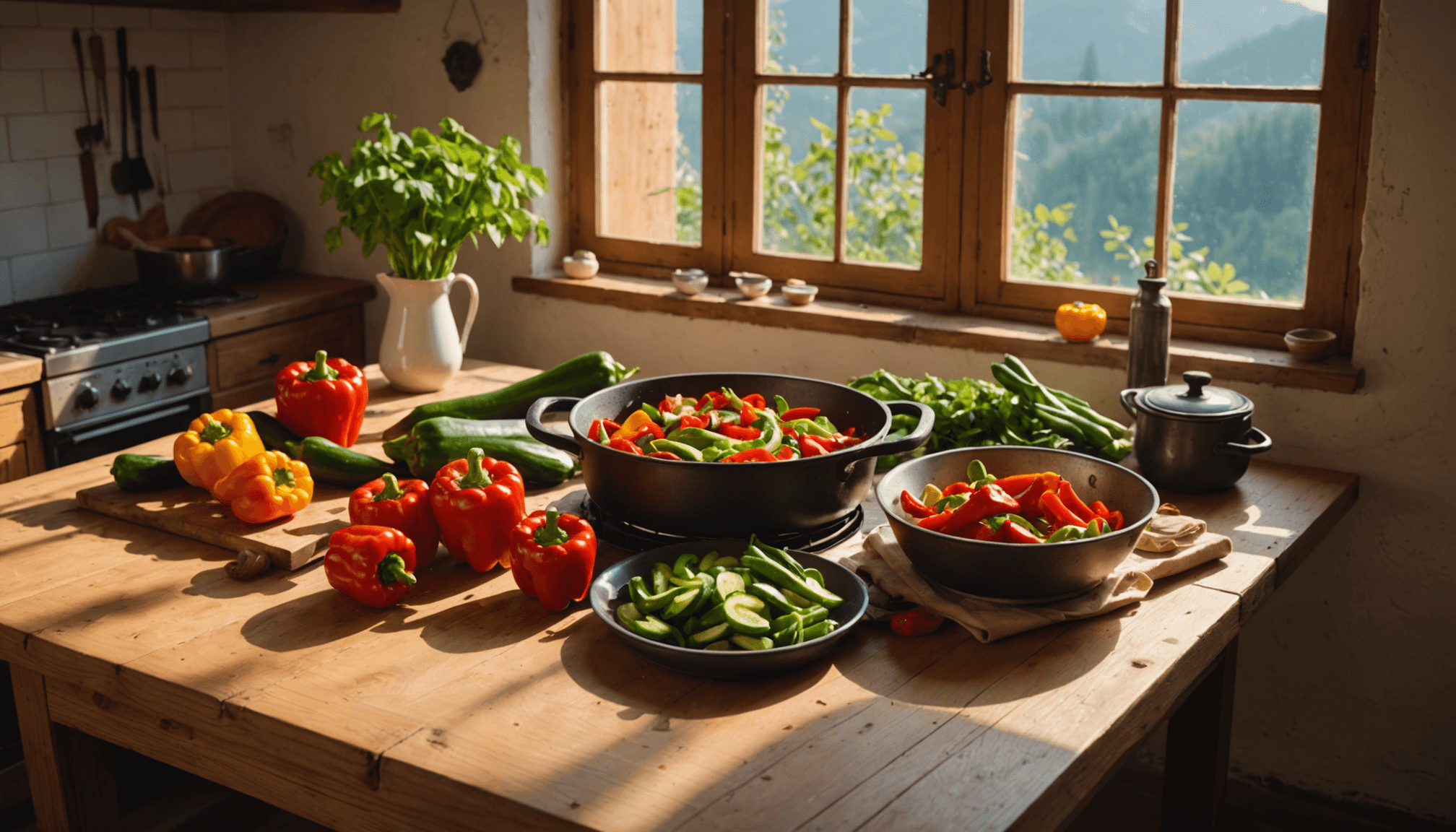
Making the most of your container garden produce can be accomplished through innovative cooking techniques. Consider trying out one-pot meals that combine a variety of your homegrown vegetables and herbs. Not only do these meals simplify the cooking process, but they also minimize cleanup, making them ideal for busy families or urban dwellers. For example, a simple stir-fry with seasonal vegetables like bell peppers and zucchini can be both nutritious and delicious.
Food preservation is equally crucial for extending the life of your harvest and reducing waste. Explore methods such as freezing, canning, and dehydrating. If you have a bounty of tomatoes, for instance, you might consider canning them into salsa or sauce. This process requires some initial investment in equipment, such as jars and a pressure canner, but the rewards are long-lasting. Be sure to use safe canning practices, including proper sterilization and sealing, to keep your preserved foods safe and delicious.
Additionally, try your hand at fermenting vegetables, a simple and charming way to enhance flavors and preserve produce. Fermentation not only increases the shelf life of vegetables but also adds beneficial probiotics to your meals. Starting with something straightforward, like refrigerator pickles, can help you gain confidence. Just slice your cucumbers, immerse them in a brine of water, vinegar, sugar, and spices, and let them sit in the fridge for a few days to a couple of weeks. You’ll be surprised at how refreshing they are!
For a unique touch, consider exploring the world of herb-infused oils or vinegars. These additions can elevate everyday dishes and offer a fantastic way to utilize your herb garden. Simply combine your herbs with a neutral oil or vinegar in a jar, let it steep for a couple of weeks, and voilà—you have a homemade culinary delight that can impress both family and friends.
When it comes to freezing, ensure that you know the best practices for preserving the flavor and texture of your ingredients. Blanching vegetables before freezing can help maintain their color and nutrients, so don’t skip this step. For fruits like berries and peaches, wash and slice them, then spread them out on a baking sheet to freeze before transferring to bags. This prevents clumping, allowing you to grab just the right amount when needed.
A critical aspect to keep in mind is food safety. Always label your preserved and frozen items with the contents and the date they were processed. Organize your pantry, freezer, or storage space so that items that are older are used first, reducing the chance of spoilage. Developing a simple inventory system can also help you keep track of your supplies.
As you gain confidence in your cooking and preservation skills, branch out into baking. Homemade breads and pastries are a delightful addition to your repertoire, and they can be made from scratch using simple ingredients. Experiment with different grains if you have limited access to traditional baking supplies, such as incorporating whole wheat or alternative flours from your local market.
Lastly, remember that the process of cooking and preserving is as much about creativity as it is about practicality. Embrace the idea of experimenting with new recipes, flavors, and combinations using your homegrown ingredients. Potluck gatherings with friends or family can serve as a great platform to share your culinary creations while gaining inspiration from their dishes as well. Through cooking and food preservation, you can transform your small space homesteading into a gratifying and delightful adventure.
Basic Animal Care
Basic animal care is essential for small space homesteaders who want to incorporate livestock into their self-sufficient lifestyle. Whether you have chickens for eggs, rabbits for meat, or bees for honey, understanding their basic needs will ensure that they thrive in a limited environment. First and foremost, it’s important to research the animals that are suited for small spaces; chickens, for example, are often a popular choice due to their small footprint and ability to provide fresh eggs.
Creating a suitable living environment is crucial. Chickens, for instance, require a coop that protects them from predators and harsh weather. Ensure the coop has adequate ventilation, nesting boxes, and perches to support their natural behaviors. Utilizing vertical space within your coop can also maximize the area available for your flock. A small outdoor run or free-ranging area should be fenced securely to keep your birds safe. Regular cleaning of their coop is necessary to maintain cleanliness and prevent disease; a straw-based bedding system can help absorb waste and make maintenance easier.
Feeding is another vital aspect of animal care. A well-balanced diet tailored to your specific animals ensures optimal health and productivity. Purchase high-quality feed that meets their nutritional requirements, supplemented with kitchen scraps or garden leftovers. Chickens enjoy grains, greens, and even occasional treats like sunflower seeds. Keeping an eye on their weight and behavior will help you adjust their diet as needed. Always ensure that clean, fresh water is readily available, as hydration is crucial for their overall health.
Routine health checks are vital to catch any potential issues early. Familiarize yourself with the signs of good health for your animals; for example, chickens should have bright eyes, clean feathers, and active behavior. Regularly check for signs of parasites, such as mites or worms, and learn about preventive measures and treatments. Building a relationship with a local veterinarian is also beneficial, especially for urgent care or vaccinations.
Reproduction and breeding in small spaces can present challenges. If you’re considering breeding your animals, ensure you have the appropriate space and resources for the offspring. Consider the implications of increased numbers on your available space and resources, including food and care. Always have a plan for rehoming or managing any excess animals to prevent overcrowding.
Another important skill for animal care is handling and training. Gently handling your animals from a young age will help them become accustomed to human interaction, making it easier to manage them for feeding, cleaning, or medical checks. For chickens, consider clicker training or simple commands to enhance their interaction. Rabbits can learn to use a litter box and respond to basic commands, making them easier to care for inside small spaces.
Also, ensure that any living conditions adhere to local regulations and zoning laws, as many urban areas have restrictions on keeping certain types of animals or limits on the number of pets a household can have. Understanding these laws prevents legal issues and establishes a good reputation within your community.
“Raising animals in limited spaces can be done harmoniously by focusing on their needs and adapting your setup accordingly.”
By developing a solid foundation in basic animal care, small space homesteaders can enjoy the rewards of integrating livestock into their self-sufficient lifestyle. Investing time in learning the nuances of animal husbandry not only enhances your self-sufficiency but also enriches the overall experience of living sustainably.
Sustainable Living Practices
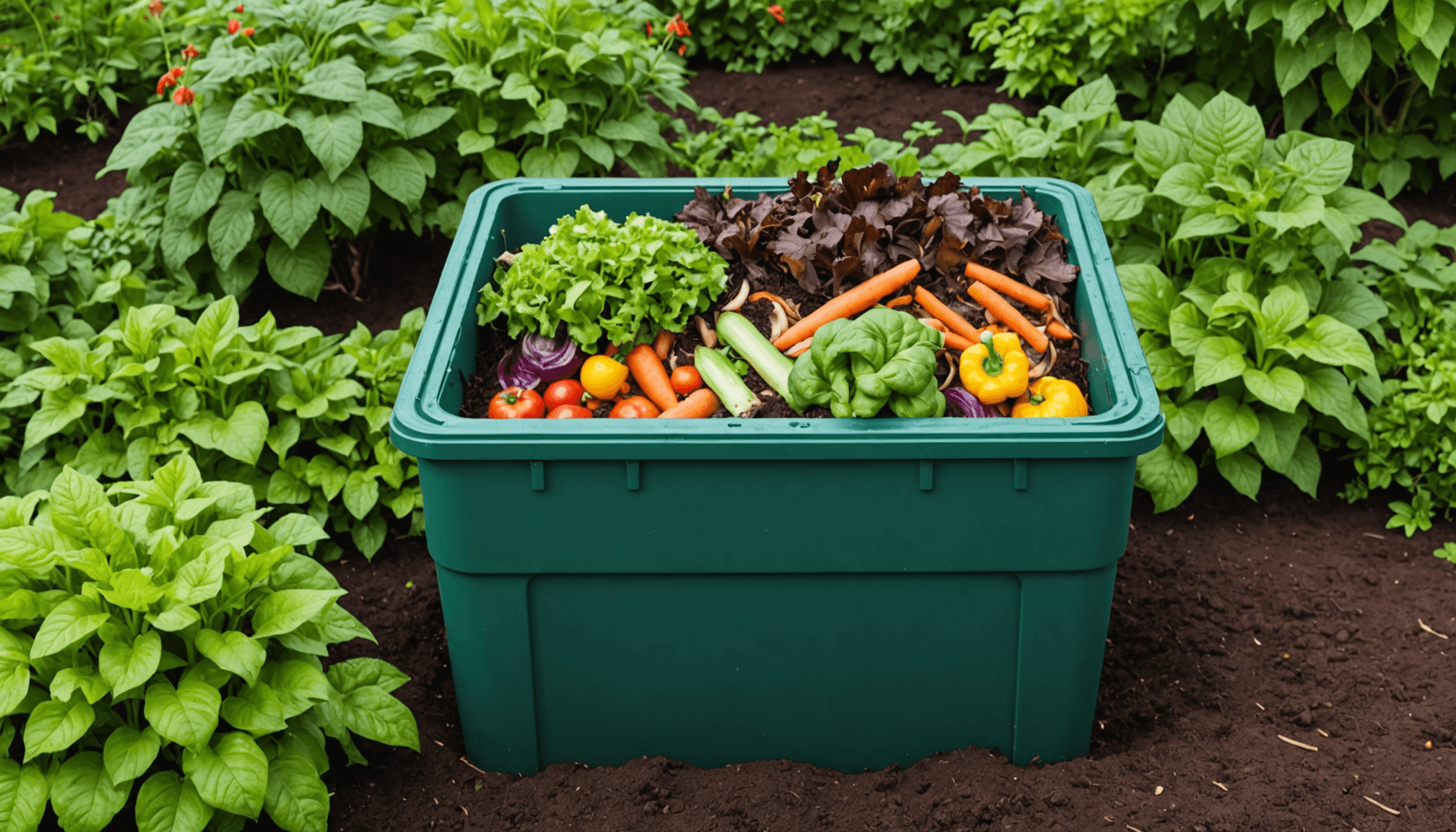
Practicing sustainable living involves making conscious choices that minimize your environmental impact while promoting a sense of responsibility towards the planet. One of the key pillars of sustainable living is understanding how to reduce waste. Embrace the principles of the “zero waste” movement by focusing on reusing, recycling, and composting. Consider starting a compost bin at home for food scraps and yard waste. Not only does this reduce the amount of trash you produce, but it also enriches the soil for your garden, completing the cycle of nutrients.
Another important aspect of sustainable living is conserving resources such as water and energy. Small space homesteaders can make a significant impact by implementing water-saving techniques, like using rain barrels to collect water for your garden or installing low-flow fixtures in your home. Similarly, assess your energy consumption and use energy-efficient appliances, LED lights, and smart home devices to lower your carbon footprint. Simple habits like unplugging devices when not in use can further contribute to the effort of conserving energy.
Food choices also play a major role in sustainability. Prioritize local and organic produce when possible, as these have a lower environmental impact compared to conventionally farmed products that involve pesticides and transportation across long distances. When growing your own food, practice permaculture principles by designing your garden to mimic natural ecosystems. This method not only enhances biodiversity but also supports soil health and minimizes the need for chemical fertilizers and pesticides.
Engaging in community-supported agriculture (CSA) or local food co-ops can strengthen your ties with local farmers while supporting sustainable practices. These initiatives often promote organic farming and can provide access to seasonal produce, while also fostering a sense of community and shared responsibility for environmental stewardship. Sharing experiences and knowledge with others in the community can heighten awareness and inspire others to join sustainable practices.
Educating yourself about sustainability is essential. There are countless resources available, from books and documentaries to workshops and online courses, that can deepen your understanding of ecological issues. Being informed empowers you to make better choices, advocate for change, and inspire others to pursue a more sustainable lifestyle as well. Remember, every action counts, and small changes can lead to significant positive outcomes for both you and the planet.
- What are some effective ways to start composting at home?
- Begin by collecting kitchen scraps like vegetable peels, coffee grounds, and eggshells along with yard waste such as leaves and grass clippings. Use a compost bin or pile to layer these materials, ensuring a good balance of green and brown matter while turning it regularly to aerate the mixture and speed up decomposition.
- How can I conserve water in my small space garden?
- Implementing drip irrigation or soaker hoses can help target water delivery directly to roots, minimizing evaporation. Additionally, mulching around plants retains moisture in the soil, reducing the frequency of watering needed.
- What are some easy ways to reduce energy consumption at home?
- Switch to LED lighting, unplug devices when not in use, and utilize smart power strips. You can also enhance your home’s insulation or seal drafts to lessen the need for heating and cooling, further minimizing energy use.
- How can I choose sustainable food options?
- Opt for seasonal, locally-grown fruits and vegetables, and prioritize organic products when possible to avoid pesticides. Participating in community-supported agriculture (CSA) programs can also connect you with local farmers who use sustainable practices.
- What does it mean to practice permaculture?
- Permaculture is a design philosophy that aims to create sustainable, self-sufficient agricultural systems by mirroring natural ecosystems. It focuses on diversity, soil health, and creating habitats that enhance biodiversity while minimizing external inputs.
- How can I educate myself about sustainability?
- Consider reading books, watching documentaries, attending workshops, and joining local sustainability groups. Online courses and webinars also offer valuable insights on sustainable practices and ecological issues that can inform your lifestyle changes.
- Why is community involvement important in sustainable living?
- Engaging with your community builds support networks for sharing resources, knowledge, and best practices. Collaboration fosters a collective effort in promoting sustainability, leading to more significant impact on local and global environmental initiatives.
DIY Projects and Repairs
For small space homesteaders, honing DIY skills is not just a matter of convenience, but also essential for cultivating a self-sufficient lifestyle. Learning how to handle simple repairs and engage in creative projects can enhance your homesteading experience while saving you money and resources. Start by gathering basic tools you’ll need for various tasks: a hammer, screwdrivers, pliers, and a tape measure are great basics to have on hand. As you grow more comfortable, consider investing in a power drill and a set of wrenches.
One of the most rewarding DIY projects is building your own storage solutions. In small spaces, every inch matters, so crafting everything from shelving units to under-bed storage can help you declutter and organize your home efficiently. Use repurposed materials for a budget-friendly approach. Old wooden pallets or crates can easily be transformed into unique shelving or tables with some sanding and paint. Check out Pinterest for countless creative ideas!
Another useful project is creating a small-scale rainwater collection system. This inexpensive setup not only saves water but also benefits your plants. Install a rain barrel underneath your downspout to collect runoff during rainstorms. Ensure that the barrel has a lid to prevent mosquito breeding and install a spigot for easy access. Just remember to check local regulations regarding rainwater harvesting to stay compliant.
Homesteaders with an interest in gardening can take their ingenuity even further by constructing vertical planters. These can optimize limited ground space and can be crafted from various recycled materials like plastic bottles, wooden pallets, or old shoe organizers. When building vertical planters, ensure proper drainage and access to sunlight, which are crucial for plant growth.
Mastering basic plumbing skills will also serve you well, especially in a smaller household. Issues like a dripping faucet or a clogged drain can become irritating nuisances if left unchecked. Start by learning how to turn off the water supply, then familiarize yourself with common fixes such as replacing a washer or using a plunger effectively. YouTube has numerous tutorials that guide you step-by-step through basic plumbing repairs.
Electrical repairs can seem daunting, but there are simple projects you can tackle. Replacing light bulbs with energy-efficient LEDs or swapping out fuses can easily improve your home’s energy efficiency. As you gain confidence, you can even learn how to install dimmer switches or change out electrical outlets—always remember to turn off the power before starting any electrical work!
Personalize your living space with DIY decor projects that reflect your style. Upcycling old furniture not only adds character but also promotes sustainability. A fresh coat of paint, new upholstery, or creative stenciling can breathe new life into something that might otherwise be discarded. Not only do these projects save money, but they also create a unique ambiance in your home.
Creating a little workshop space, even in a corner of your garage or a small storage shed, can encourage more hands-on activities. Stock it with essential tools, safety gear, and a work surface. Engaging in DIY projects can be a form of therapy, allowing you to connect with your materials and foster a deep sense of pride in your accomplishments.
Don’t forget to share your skills with neighbors or friends who may benefit from your knowledge. Conducting a DIY workshop, either in person or virtually, can help others learn valuable skills while creating a sense of community and support among fellow small space homesteaders. The value of shared knowledge could lead to collaborations on bigger projects or even bartering services in a local homesteading network.