
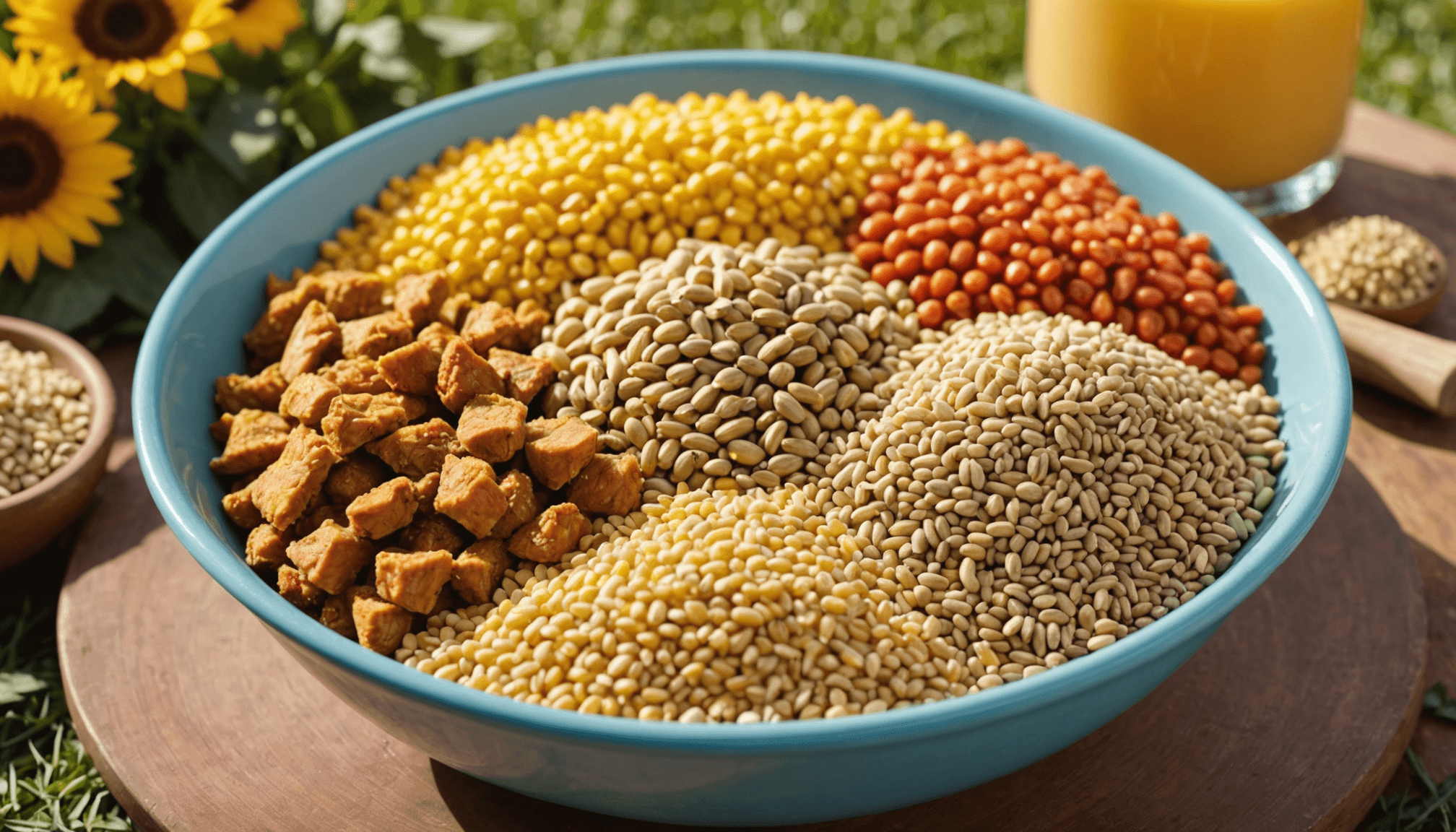
When it comes to feeding your chickens, understanding the nutritional value of both commercial and homemade feeds is essential. Commercial feed is often formulated to meet the specific requirements of chickens at different life stages, ensuring they receive a balanced diet. However, homemade feeds can also be tailored to your flock’s unique needs, and many homesteaders find success crafting their mixtures.
One of the key advantages of homemade feed is the ability to control the ingredients. You can easily include fresh, whole foods such as grains, seeds, legumes, and even kitchen scraps. For instance, adding ingredients like sunflower seeds can boost protein levels, while green leafy vegetables contribute vital vitamins and minerals. Moreover, you can adjust your formulation based on the specific needs of your chickens, whether they’re layers, broilers, or chicks.
On the flip side, commercial feeds are scientifically formulated and include essential nutrients like calcium, vitamins, and minerals that might be overlooked in a homemade mix. Many commercial feeds also now include probiotics and prebiotics to promote gut health, which may not be as straightforward to incorporate into a DIY diet without proper knowledge.
To compare the nutritional value effectively, consider conducting a simple analysis. Here’s a practical approach:
- Collect the nutritional information from the commercial feed’s label.
- Research standard nutritional values for the ingredients you intend to use in your homemade feed.
- Analyze whether your homemade blend meets the recommended dietary percentages required for your chickens’ age and breed.
It’s also crucial to remember the digestibility of the feed. Chickens may have difficulty processing certain ingredients, especially if they’re not ground or processed properly. Therefore, investing in a quality mill to grind grains can be a game-changer for ensuring proper digestibility in your homemade feed.
Ultimately, the choice between commercial and homemade feeds comes down to your knowledge of poultry nutrition and personal preferences. Many homesteaders find a blend of both works well, using commercial feed as a base and supplementing with homemade additions. This hybrid approach allows for nutritional balance while still offering the benefits of controlling ingredients.
Cost analysis of commercial versus homemade chicken feed
The cost differential between commercial and homemade chicken feed is an important consideration for poultry farmers and homesteaders alike. When evaluating the financial implications, several factors must be examined, including ingredient sourcing, preparation time, and overall cost per pound. Below is a detailed breakdown of these elements, comparing both feeding options in terms of costs.
| Cost Factor | Commercial Feed | Homemade Feed |
|---|---|---|
| Price per 50 lbs | $15-$30 | $10-$25 (depends on ingredients) |
| Ingredient sourcing | Bulk suppliers, may include shipping | Local stores, farms, possible homegrown ingredients |
| Time to prepare | Ready to use | Varies (Includes mixing, grinding, etc.) |
| Nutritional Customization | Limited to product formula | Fully customizable |
| Waste and spoilage | Minimal, shelf-stable | Potentially higher if not used quickly |
When purchasing commercial feed, the straightforward pricing often covers the cost of research and development that goes into creating a nutritionally balanced product, tailored for chickens at various life stages. The prices can vary significantly based on the brand and the specific formulation, with organic or specialty feeds typically on the higher end of the scale. Furthermore, buying in bulk can lead to discounts, reducing the per-pound cost for farmers with larger flocks.
On the other hand, homemade feed allows for a much more adaptable cost structure. While you can potentially create a nutritious mix for less than the price of commercial options, the overall expense is largely dependent on the ingredients you procure. If you have the capability to grow some of the feed components, such as grains or legumes, this can significantly lower costs. However, if you rely on purchased ingredients or specialty items, the expenses can climb quickly, especially if you aim for high-quality nutrients.
Preparation time also plays a crucial role in the overall cost analysis. With commercial feed, it is ready-to-use and requires no additional processing, saving time and labor. In contrast, preparing homemade feed often involves multiple steps, like grinding grains, mixing various components, and ensuring the blend is nutrient-rich and effective. This labor investment needs to be factored in, particularly for those who may value their time highly or have a larger operation to manage.
Another significant aspect of cost that is sometimes overlooked is waste and spoilage. Commercial feeds are designed for longer shelf life, meaning they can be stored conveniently without risk of spoilage. Conversely, homemade feeds, particularly those that incorporate organic elements or fresh produce, can spoil more quickly if not consumed in a timely manner, which could lead to increased waste and a higher effective cost per pound.
Your feeding choice should be informed by a thorough understanding of the costs involved, the specific needs of your chickens, and the time you have available for preparation. By weighing these factors carefully, you can determine which option offers the best value for your poultry operation.
Ingredients used in commercial chicken feed
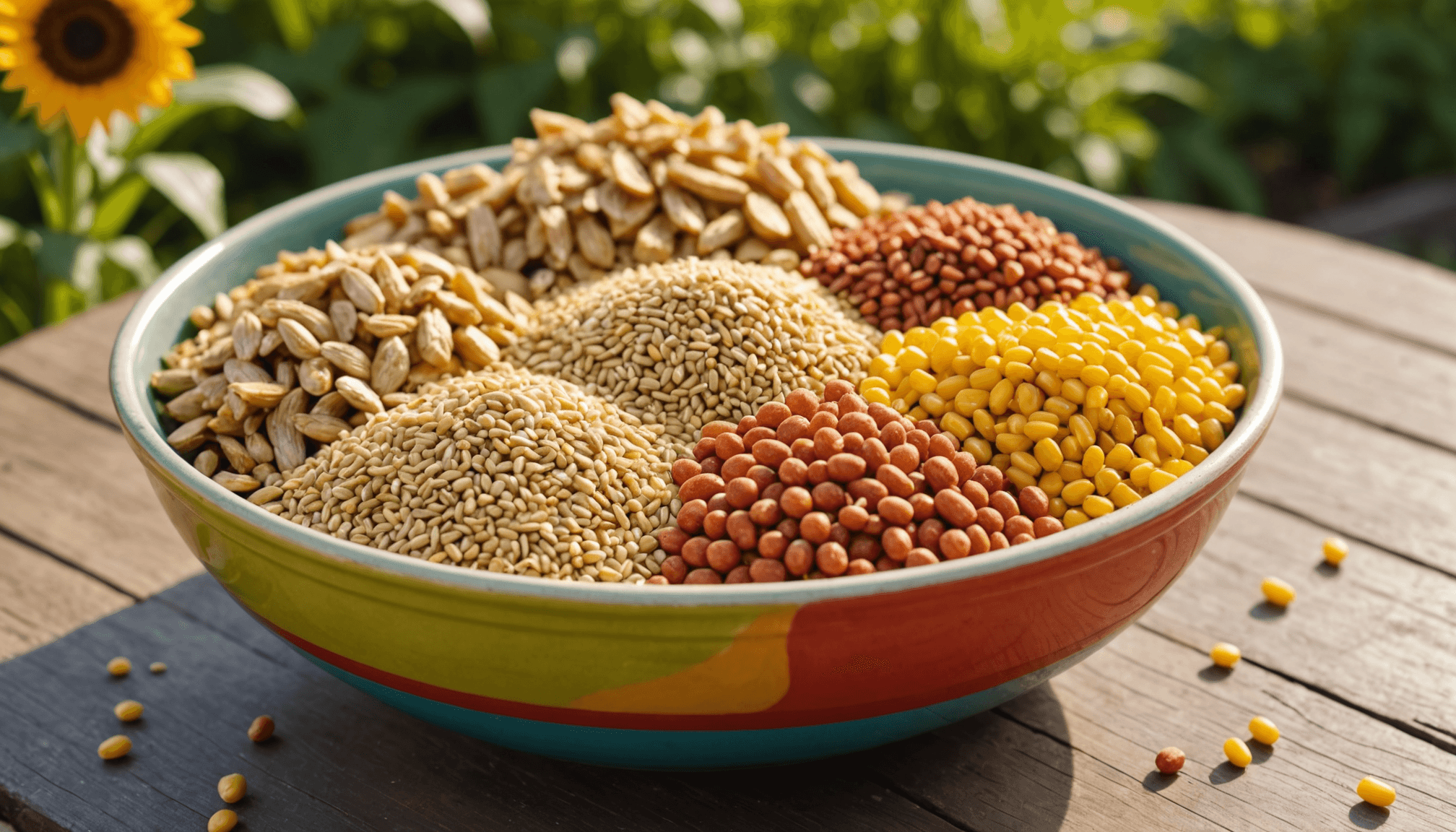
When you venture into the world of commercial chicken feed, you’ll encounter a wide array of ingredients designed to provide your flock with a well-rounded diet. These feeds prioritize consistent nutrient levels, which are essential for the health and productivity of your chickens. Typically, commercial feeds can include a mix of grains, protein sources, vitamins, and minerals. Here’s a glimpse at some common components:
- Corn: Often the primary ingredient, corn is a high-energy grain that provides carbohydrates. It helps to keep your chickens active and healthy.
- Soybean meal: This is a popular protein source that contributes significantly to muscle development in chickens, especially important for growing chicks.
- Wheat: Another grain that serves as a source of energy, wheat is often included for its digestibility and overall nutritional value.
- Fish meal or meat meal: These ingredients provide animals with much-needed protein and essential fatty acids. They are particularly beneficial in growth stages.
- Calcium carbonate: Vital for layer hens, this ingredient ensures the production of strong eggshells.
- Vitamins and minerals: Often added in a premixed form, these nutrients support growth, reproduction, and immunity in chickens.
- Probiotics and prebiotics: These ingredients promote gut health, which can enhance nutrient absorption and overall well-being.
It’s essential to read the labels carefully when selecting commercial feed. Some products may contain fillers or artificial additives that don’t contribute to your chickens’ health. Always aim for feeds with whole ingredients and minimum processing for optimum nutrition.
Additionally, be mindful of potential allergens like gluten or specific grains your chickens may not tolerate well. As your chickens grow, you may also want to switch to different formulations designed for their age and productivity level, such as starter, grower, or layer feeds. This ensures they receive the exact nutrients they require at various stages of their life.
While commercial feeds are formulated to be convenient and nutritionally balanced, some homesteaders find themselves curious about crafting their mixes. This underscores the importance of understanding not only what goes into commercial feeds but also the potential benefits and challenges of homemade alternatives. Whichever route you choose, always prioritize the health and happiness of your feathered friends.
Common ingredients in homemade chicken feed
Homemade chicken feed can be crafted using a variety of readily available ingredients, allowing you to provide your flock with nutritious options tailored to their specific needs. Common components found in homemade blends often include grains, seeds, legumes, fruits, and vegetables. Each of these ingredients contributes unique nutritional benefits while also promoting palatability for the chickens.
Grains like corn, oats, and barley serve as the primary energy sources in a homemade mix. Corn is particularly popular due to its high carbohydrate content, making it a staple for many poultry diets. Oats, on the other hand, are beneficial for their fiber content and can aid in digestion, while barley provides a balance of energy and protein.
Seeds also play a crucial role in homemade feeds. Sunflower seeds and flaxseeds are excellent sources of healthy fats and protein, supporting overall health and feather quality. These seeds can enhance the diet of chickens, particularly during molting periods when their nutritional needs might increase.
Legumes, such as peas and soybeans, are another fantastic ingredient for homemade feed. They are rich in protein, which is essential for growth, egg production, and muscle development in chickens. Including a mix of these legumes helps to provide a balanced protein profile that might not be found in standard commercial feed options.
In addition to grains, seeds, and legumes, incorporating kitchen scraps such as vegetables and fruits can add variety to your chickens’ diets. Items like leafy greens, carrots, and even small amounts of fruits like apples can contribute valuable vitamins and minerals, improving the overall nutrient density of the feed. However, it’s important to ensure that any kitchen scraps offered to chickens are safe and free from mold or harmful substances.
When creating a homemade blend, it’s essential to strike a balance, ensuring that the proportions of these ingredients meet the dietary requirements of your flock. Chickens require various vitamins and minerals, such as calcium for strong eggshells and phosphorus to support bone health. Therefore, incorporating sources like crushed oyster shells or bone meal can enhance the mineral content necessary for laying hens.
Blockquote:
“The best way to see if your homemade feed meets your chickens’ needs is to observe their health, egg production, and behavior. A well-balanced diet leads to happy, productive birds.”
Finally, consistency is key when formulating homemade chicken feed. Regularly review the nutritional requirements of your chickens as they go through different life stages, and adjust your ingredients accordingly. By focusing on wholesome, unprocessed ingredients in your homemade feed, you can create a nutritious option that may surpass some commercial feeds, while also offering the satisfaction of knowing exactly what your chickens are consuming.
Impact on chicken health and productivity
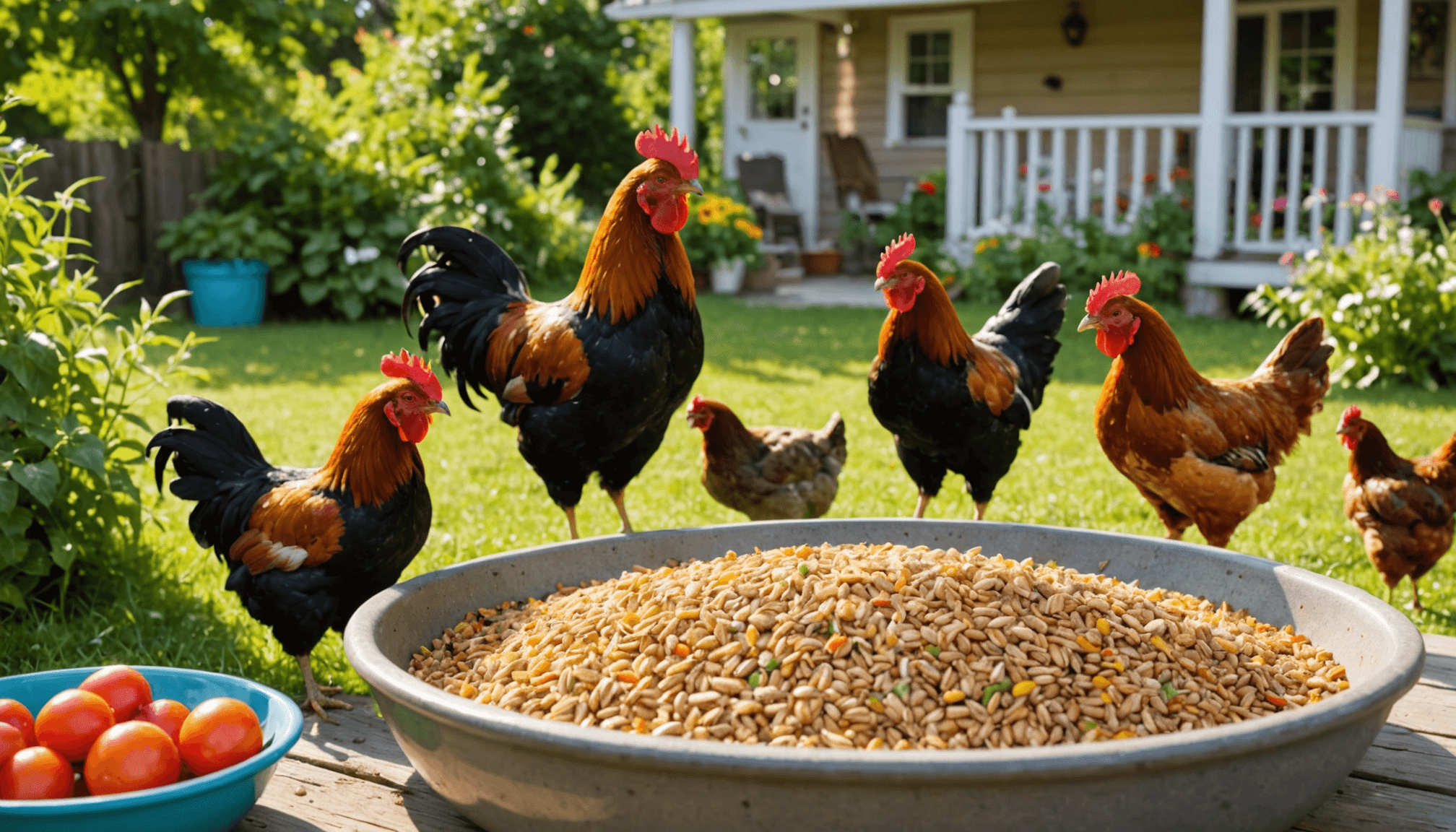 Chickens thrive on a diet that not only meets their nutritional needs but also supports their overall health and productivity. The choice between commercial feed and homemade alternatives can significantly impact their well-being. Chickens fed with high-quality commercial feed often receive a consistent blend of nutrients that have been scientifically developed. This includes essential vitamins, minerals, and proteins required for optimal growth and egg production. Furthermore, many commercial feeds are fortified with probiotics that promote a healthy gut, contributing to better digestion and nutrient absorption.
In comparison, a balanced homemade diet can be tailored to the specific needs of your flock, allowing you to focus on fresh, whole ingredients and avoid unnecessary additives or fillers often found in commercial products. Chickens fed a variety of wholesome ingredients—like grains, seeds, and vegetables—may show improvements in feather quality, energy levels, and overall health. Additionally, homemade options provide the opportunity to incorporate ingredients that can enhance flavor and diversity, which many chickens find appealing.
Monitoring your flock’s health and productivity is essential, regardless of the feeding method chosen. Observe their egg production, plumage, and behavior. Any noticeable decline could indicate that their nutritional requirements are not being met—whether that’s a lack of protein, vitamins, or minerals. For layer hens, ensuring sufficient calcium intake is crucial for strong eggshell formation, an area where homemade feed can be adjusted by including sources like crushed oyster shells.
A successful feeding program depends on research and understanding both the nutritional components necessary for healthy chickens and how different ingredients can affect your flock’s health. Are they receiving enough variety? Is their feed balanced? Questions like these can drive further inquiry into the best feeding strategies and formulations available, potentially leading you to innovative homemade recipes or adjustments to commercial feed selections.
- What are the main benefits of using homemade chicken feed?
- Homemade chicken feed allows for custom ingredient choices, ensuring fresher and potentially healthier options. You can tailor the feed to your chickens’ specific dietary needs, and it may help reduce overall feeding costs if sourcing ingredients wisely.
- Can homemade chicken feed provide the same nutrition as commercial feed?
- Yes, homemade feed can match or even exceed the nutritional quality of commercial options if prepared thoughtfully. It’s crucial to include a balanced mix of grains, proteins, vitamins, and minerals to ensure your chickens receive a complete diet.
- How can I assess the nutritional balance of my homemade feed?
- To evaluate the nutritional balance, research standard nutrient requirements for your chickens’ age and type, then analyze the nutritional profile of the ingredients used. Frequent monitoring of your flock’s health, egg production, and general behavior can also indicate the effectiveness of your feed.
- What are common ingredients I can use in homemade chicken feed?
- Common ingredients include grains like corn, oats, and barley; seeds such as sunflower and flaxseeds; legumes like peas and soybeans; and kitchen scraps that consist of vegetables and fruits for added nutrients.
- Is it safe to include kitchen scraps in my chickens’ diet?
- Yes, kitchen scraps can be a valuable addition to a chicken’s diet, provided they are safe and free from mold or harmful substances. Avoid feeding them anything toxic, such as onions or chocolate.
- How do I ensure my chickens get enough calcium?
- To ensure adequate calcium intake, consider adding crushed oyster shells or limestone to your homemade feed mix. Regularly monitor your hens’ egg production and eggshell quality to gauge their calcium levels.
- What factors should I consider when comparing commercial feed and homemade alternatives?
- When comparing options, consider nutritional content, cost, ingredient quality, time spent on preparation, and waste management. Analyzing these factors will help you determine the best feeding approach for your flock.
Preparation and storage recommendations for homemade feed
Crafting homemade chicken feed is not just about mixing ingredients; it involves understanding the preparation and storage to guarantee the nourishment and safety of your flock. Before you even begin mixing, always ensure your workspace is clean and all utensils are sanitized. This minimizes the risk of contamination, which is essential for keeping your chickens healthy.
When preparing your homemade feed, consider the following steps to ensure a nutritious and safe blend:
- Choosing Ingredients: Select high-quality ingredients based on your chickens’ dietary needs. If you’re pulling from local sources or your garden, this is a perfect opportunity to introduce fresh, organic options into their diet.
- Grinding Grains: For grains like corn and oats, grinding them enhances digestibility and absorption of nutrients. Invest in a good quality grain mill if you plan on using whole grains regularly.
- Mixing Proportions: Adhere to specific ratios of grains, seeds, and protein sources. A general guideline might be 60% grains, 30% protein sources (like dried peas or soybean meal), and 10% seeds and supplemental ingredients.
- Incorporating Supplements: Don’t forget essentials like calcium sources for laying hens. Crushed oyster shell or limestone should be added to ensure strong eggshells.
Once your mixture is prepared, it’s crucial to focus on proper storage. Homemade feed can spoil faster than commercial alternatives due to the lack of preservatives, so keep these tips in mind:
- Use Airtight Containers: Store your homemade feed in airtight containers to prevent moisture absorption and pest infestations. Glass jars or heavy-duty plastic bins work well.
- Cool and Dark Environment: Keep your feed in a cool, dark place, away from direct sunlight and heat. Excess light and warmth can degrade the nutrients in your feed, making it less beneficial for your chickens.
- Label and Date: Clearly label your containers with the contents and preparation date. This helps you track freshness and ensures you’re using older mixtures first.
Additionally, only prepare as much feed as your chickens will consume within a couple of weeks. This practice minimizes the risk of spoilage and waste. Many homesteading experts recommend a rotation system for your feed, consuming the oldest feed first to guarantee your chickens are always eating the freshest grains possible.
When observing your chickens, monitor their behavior and overall health to gauge how well they are responding to your homemade feed. If you notice any changes, such as a drop in egg production or unusual lethargy, it might be time to reassess your feed formulation or ingredient quality.
By following these preparation and storage recommendations, you can create and maintain a nutritious homemade feed that supports the health and productivity of your chickens, all while enjoying the advantage of knowing precisely what goes into their diet.