
The incorporation of chickens into your homesteading routine can lead to remarkable improvements in soil health. These feathered friends not only provide fresh eggs but also play a vital role in enriching your garden soil. As they scratch around in the dirt, chickens naturally aerate the soil, allowing essential nutrients to permeate deeper and promoting healthier root development for your plants.
When utilizing chickens, consider the following practical tips:
- Choose the Right Breeds: Some chicken breeds are more adept at foraging and for soil improvement than others. Breeds like Rhode Island Reds, Leghorns, and Orpingtons have proven effective for garden integration.
- Implement Chicken Tractors: Building a chicken tractor—a portable coop that allows chickens to roam and forage—enables you to rotate them through different parts of your garden. This practice not only prevents overgrazing but also ensures that nutrient-rich droppings are evenly distributed.
- Monitor Foraging Areas: While chickens are excellent foragers, it’s crucial to monitor their access to certain plants. Use fencing to keep them away from delicate seedlings or precious perennials you want to protect.
- Incorporate Grit: Chickens require grit to aid in digestion, especially when they are consuming seeds or foraging. Ensure they have a steady supply of grit to maximize their digestive efficiency and overall health.
- Use Mulching Techniques: To foster a harmonious environment, consider mulching around chicken areas. This not only helps retain soil moisture but also provides your birds with a soft substrate to scratch and nestle in.
Integrating chickens into your gardening endeavors not only enhances soil health but also turns your outdoor space into a dynamic ecosystem. Their natural behaviors contribute to a balanced garden environment, encouraging beneficial organisms that can further aid in plant growth and resilience.
Understanding Soil Health
Soil health is fundamentally characterized by its biological, chemical, and physical properties, which all play critical roles in supporting plant growth and fostering ecosystem balance. Healthy soil is rich in beneficial microorganisms, retains moisture effectively, and contains adequate nutrients that can sustain diverse plant life. It acts as a habitat for various organisms that contribute to nutrient cycling and organic matter decomposition. Understanding these elements is essential for anyone looking to maximize agricultural productivity or enhance gardening endeavors.
Chemical properties of soil include pH levels, nutrient availability (like nitrogen, phosphorus, and potassium), and the presence of organic matter. For instance, soils with balanced pH and most nutrients in the optimal available range will support superior soil health. The ability of the soil to aid in nutrient retention is crucial, as plants rely on these nutrients for growth and development.
Physical properties encompass soil texture, structure, density, and porosity. The texture, determined by the relative proportions of sand, silt, and clay, influences water retention and air circulation within the soil. Well-structured soil enables better drainage and aeration, creating an ideal environment for plant roots.
Biological properties refer to the living organisms within the soil, which include bacteria, fungi, earthworms, and insects. These organisms contribute to decomposing organic matter, thus enhancing soil fertility. The presence of earthworms, for instance, indicates a thriving soil ecosystem as they create channels for aeration and water infiltration while their castings enrich the soil.
To further elucidate the importance of these properties in fostering soil health, consider the following comparative table that outlines key attributes:
| Soil Property | Healthy Soil | Degraded Soil |
|---|---|---|
| Organic Matter Content | High, supports microbial life and nutrient cycling | Low, results in nutrient deficiency and poor structure |
| Nutrient Availability | Balanced, contains essential minerals for plants | Imbalanced, often leads to nutrient leaching |
| Soil Texture | Loamy or sandy loam, optimal for root growth | Clayey or compacted, poor root penetration |
| Microbial Diversity | Diverse and abundant, promotes resilience | Poor diversity, increases vulnerability to pathogens |
| Water Retention | Optimal, supports consistent moisture supply | Poor, leads to drought stress or saturation |
Integrating chickens into agricultural systems enhances these soil properties by contributing organic matter through their droppings and facilitating aeration and mixing through their natural behaviors. Chickens also help to control pests and weeds, further promoting a healthier gardening environment. The dynamics introduced through chicken integration can lead to a regenerative soil ecosystem that not only supports agriculture but also nurtures the broader environment. Ultimately, understanding soil health and its intricacies is vital for successfully leveraging chickens as a beneficial tool in soil management.
Benefits of Chickens in Soil Management
The benefits of incorporating chickens into your soil management strategy extend far beyond mere aesthetics; they create a vibrant ecosystem in your backyard that promotes thriving plants. Chickens are nature’s little gardeners, and their behavior has profound implications for soil health.
One significant advantage is the way chickens naturally disturb the soil. As they scratch and peck at the ground, they aerate it, enabling better oxygen flow and water infiltration. This active soil movement not only prepares the land for planting but also encourages beneficial microbial life essential for nutrient cycling. By fostering an environment rich in microbes, you’re setting the stage for robust plant growth and resilience against pests and diseases.
An additional benefit is the supplemental feed chickens provide to your garden. Their foraging habits lead them to consume insects, weeds, and undesirable plant species, which reduces competition for your crops. This integrated pest management system means fewer chemical pesticides are needed, creating a healthier gardening environment.
Moreover, consider the nutritional impact of chicken manure, which is approximately three times richer in nitrogen, phosphorus, and potassium than traditional fertilizers. This nutrient-rich organic matter significantly boosts soil fertility when properly composted and applied. By utilizing chicken manure, you not only enrich the soil but also reduce your reliance on synthetic fertilizers, making your gardening endeavors more sustainable and environmentally friendly.
When integrating chickens into your soil management practices, keep in mind the following tips:
- Limit Feeding Processed Foods: While chickens might love scraps and leftovers, minimizing processed food in their diet reduces waste and ensures they can produce high-quality manure.
- Rotate Chickens Regularly: Regular rotation helps prevent overgrazing and allows your garden to recover, enhancing soil health in the long term.
- Create a Compost Pile: Combine chicken manure with carbon-rich materials (like straw or wood shavings) to create nutrient-rich compost that you can spread throughout your garden.
- Be Mindful of Your Layout: Ensure the chickens have access to areas that will benefit most from their nutrient-rich droppings, such as plots that will soon be planted.
- Watch for Overcrowding: Too many chickens in one area can lead to soil compaction and degradation. Aim for a balanced ratio of chickens to garden space.
Engaging in this dynamic relationship with chickens not only promotes soil health but also enriches your lifestyle, making you more attuned to the rhythms of nature. Remember, when chickens thrive, your garden flourishes, resulting in a bountiful harvest that reflects the efforts of a holistic and integrated approach to gardening.
The Role of Chicken Manure
Chicken manure is a powerhouse of nutrients that plays a pivotal role in enhancing soil health. Composed primarily of nitrogen, phosphorus, and potassium, this organic fertilizer outperforms many synthetic alternatives. When applied correctly, chicken manure not only enriches the soil but also contributes to its structure and biological activity, which are crucial for sustaining healthy plant growth.
One of the key components of chicken manure is its high nitrogen content, which is essential for promoting leafy, green growth in plants. Nitrogen acts as the primary building block for proteins and chlorophyll, vital for photosynthesis and overall plant vitality. However, it is essential to manage the application of chicken manure carefully, as excessive nitrogen can lead to nutrient burn, adversely affecting plants. This is why composting the manure before use is recommended, as it allows the nitrogen to stabilize and become more readily available to plants without the risks associated with fresh manure.
Moreover, phosphorus, another critical nutrient found in chicken manure, is crucial for root development and flowering. A rich supply of phosphorus fosters stronger root systems, which are integral for plants to absorb water and other nutrients efficiently. Additionally, potassium contributes to the overall health of the plant, enhancing its resistance to disease and improving fruit quality.
“Healthy soil is the backbone of successful gardening, and chicken manure is a vital ingredient in achieving this balance.” – Agricultural Expert
As beneficial as chicken manure is, it also significantly enhances the microbial diversity within the soil. The organic matter found in manure supports a thriving community of microorganisms necessary for breaking down organic materials and facilitating nutrient exchange between the soil and plants. This vibrant microbial activity helps to improve soil structure, water retention, and biological diversity—all essential features of a healthy soil ecosystem.
When integrating chicken manure into gardening practices, timing is crucial. Applying manure during the fall months allows it to decompose over winter, enriching the soil by spring planting. It’s also vital to be mindful of the application rates; too much can lead to nutrient runoff, posing a risk of water contamination. Adhering to recommended guidelines, such as using no more than 20-30 tons per acre, can mitigate these risks while maximizing benefits.
The role of chicken manure transcends mere fertilization; it is a fundamental contributor to sustainable practices in gardening and agriculture. By enhancing soil health, chicken manure supports the creation of robust ecosystems that yield healthier plants and more bountiful harvests.
Integrating Chickens into Agricultural Systems
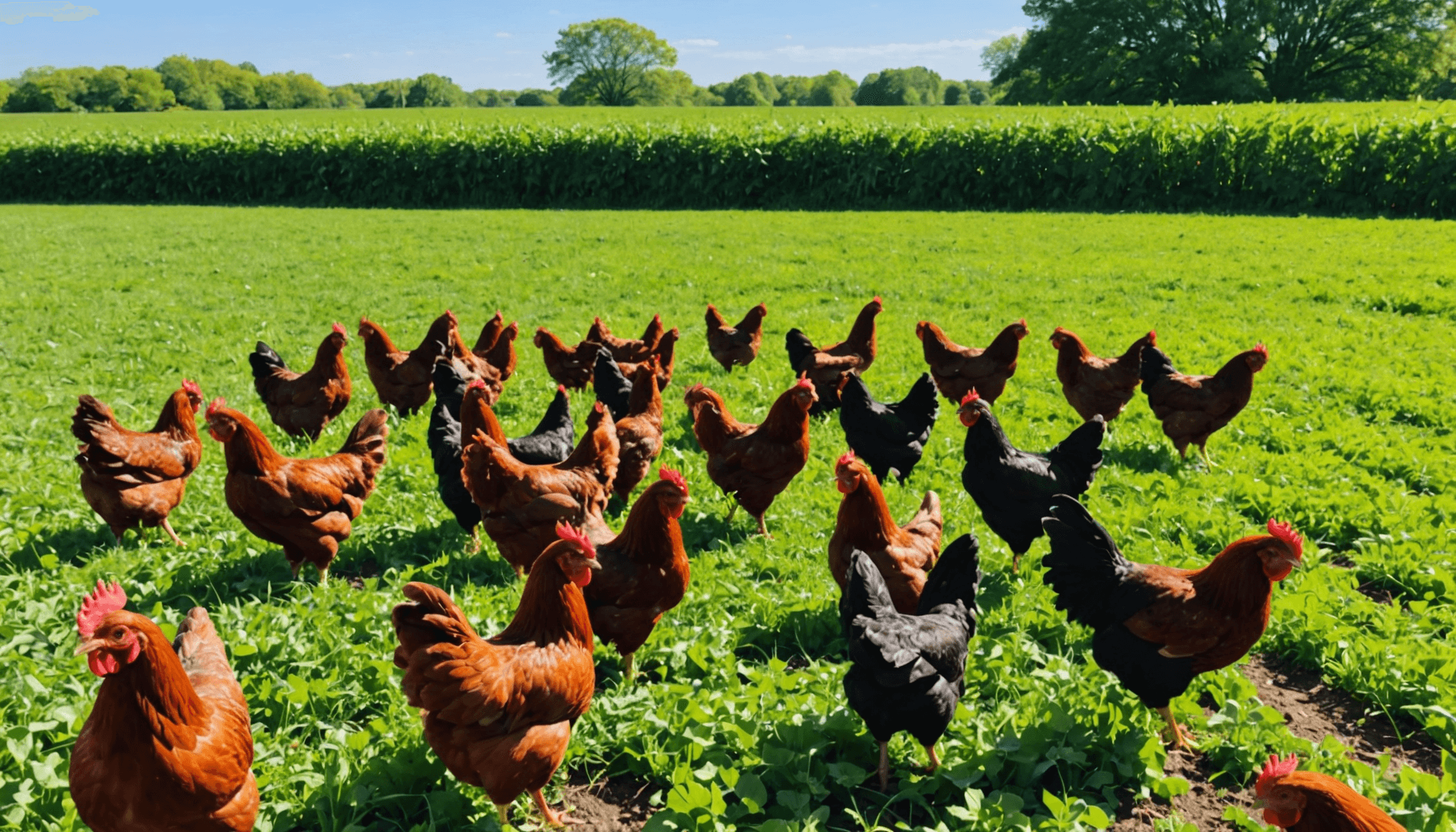 Integrating chickens into agricultural systems transforms not only the soil but also the entire gardening approach. As these birds forage, they help manage pests and weeds while simultaneously enriching the soil with their droppings, which are packed with nutrients. This ancient practice marries traditional techniques with modern sustainable agriculture, resulting in a dynamic interrelationship between livestock and crop production.
When considering how to incorporate chickens into your gardening practice, it’s crucial to establish a system that promotes both their health and the health of your garden. One effective method is to implement a rotational grazing system, which involves periodically moving chickens to different areas of your garden. This practice not only promotes even distribution of manures across the soil but also allows previously grazed areas to recover, fostering plant resilience. Over time, this continuous cycle can lead to improved soil structure, increased organic matter, and a bustling community of beneficial microorganisms.
Collaboration is key when integrating chickens into your agricultural systems. For example, pairing chickens with cover crops can enhance soil fertility. Chickens can forage within these crops, controlling pests naturally and leaving behind nutrient-rich droppings as they go. Likewise, certain vegetables, such as squash or beans, can be planted in areas where chickens have recently foraged, as the enriched soil supports their growth. This symbiotic relationship not only mitigates the need for chemical inputs but also enhances both plant health and soil quality.
As you explore integrating chickens into your gardening practice, reflect on your unique environment. How can you create spaces that allow chickens to flourish while boosting your garden’s productivity? Each homestead offers opportunities for innovation; whether it’s through vertical gardening methods that allow more space for chicken grazing or diverse crop choices that thrive in tandem with these birds, the potential is vast. Can you imagine transforming your garden into a living ecosystem where each element supports the other?
- Why should I integrate chickens into my garden?
- Integrating chickens can enhance soil health by aerating the soil, enriching it with nutrients through their manure, and naturally controlling pests and weeds.
- What is the best breed of chicken for gardening?
- Breeds like Rhode Island Reds, Leghorns, and Orpingtons are known for their foraging abilities and adaptability, making them ideal for gardening integration.
- How often should I rotate my chickens in the garden?
- To prevent overgrazing and ensure even nutrient distribution, rotate your chickens every few days to a week depending on flock size and garden size.
- Can chickens damage my plants?
- Yes, chickens can disturb delicate seedlings and some plants. Use fencing to protect young or sensitive plants while allowing chickens to forage in other areas.
- Is chicken manure safe for my garden?
- Yes, chicken manure is a valuable organic fertilizer, but it should ideally be composted first to prevent nutrient burn and to stabilize its nutrient content.
- How can I ensure a balanced chicken diet in my garden?
- Provide your chickens with a diet that includes forage, grains, and grit, while minimizing processed foods to ensure they produce high-quality manure.
- What other benefits do chickens provide in gardening?
- Besides enhancing soil health, chickens can produce natural compost through their droppings, help manage pests, and reduce the need for synthetic fertilizers, fostering a sustainable gardening environment.
Best Practices for Chicken Rotation
When it comes to maximizing the benefits of your flock, implementing a strategic rotation schedule can significantly enhance both chicken welfare and soil health. The key to effective chicken rotation lies in understanding their foraging behavior, soil needs, and how best to manage these elements in your garden environment.
Firstly, regular rotation allows your chickens to forage on fresh ground, preventing them from depleting resources in one area. A recommended approach is to divide your garden into sections or ‘runs’ and rotate your chickens through these areas every two to four days. This practice not only reduces soil compaction but also ensures that the chickens can consume weeds and insects without overgrazing any single patch of land. Following this method promotes more even manure distribution and helps various parts of your garden regain nutrients over time.
Next, timing your rotations to coincide with planting cycles can further optimize soil health. Move chickens onto plots that are set for a rest period after crop harvest; the chickens can naturally aerate the soil and enrich it with their droppings. This is especially beneficial in preparing the soil for the next planting season. Furthermore, consider planting fast-growing cover crops like clover or vetch in areas where chickens have recently grazed. This will help to stabilize the soil structure while simultaneously providing more natural soil nutrients as the cover crops break down.
In addition to allowing the soil to recover, rotational grazing maximizes the chickens’ access to diverse foraging opportunities. Chickens are omnivorous and thrive on a varied diet, which can include insects, seeds, and greens. Providing them with moving spaces enhances their well-being and leads to healthier birds that produce better quality eggs!
To implement a successful chicken rotation strategy, keep the following best practices in mind:
- Create Designated Runs: Develop specific sections in your garden for chicken rotation. Each run should be large enough to support foraging without causing harm to your plants.
- Use Mobile Coops: Consider using portable coops or chicken tractors that can be easily moved from one section to another. This mobility ensures that chickens always have access to fresh food and that the ground can recover.
- Monitor Soil Conditions: Regularly assess the soil health in each run. Take notes on how quickly the plants bounce back after chicken grazing, and adjust rotation timing as necessary to give certain areas more recovery time.
- Enhance Fencing Security: Ensure that your designated runs are securely fenced. This will prevent chickens from wandering into areas of your garden where you do not want them to forage, particularly around delicate seedlings.
- Incorporate Diverse Vegetation: Introduce a variety of plants in the runs that can withstand foraging, such as herbs or tough greens. This diversity encourages richer soil health and gives your chickens a more balanced diet.
By following these practices, you’ll not only create a healthier living environment for your chickens but also cultivate robust soil that supports your gardening ambitions. Remember, a well-rotated flock harmonizes beautifully with a thriving garden ecosystem, producing bountiful yields while enriching the soil health for future harvests.
Case Studies and Success Stories
Many successful homesteaders and gardeners have seen firsthand the transformative effects of integrating chickens into their gardens. One compelling case is the experience of a family in suburbia who turned their urban backyard into a thriving ecosystem. By carefully rotating their flock of chickens through different garden beds, they were able to improve soil health significantly. They noted increased vegetable yield and a surprising reduction in pest problems, as the chickens eagerly pecked away at weeds and insects, offering an organic solution to pest management.
In another inspiring story, a community garden project in an urban area has utilized a similar method. By introducing chickens into their setup, they not only enhanced soil fertility through organic manure but also engaged local families in sustainable practices. The children learned about the symbiotic relationship between chickens and plants, fostering a greater appreciation for both gardening and animal husbandry. The community reported healthier plants and a stronger sense of community pride, showcasing the benefits of blending agriculture and education.
Furthermore, a university conducted research on local farms where chickens were integrated with crops. The results were clear: soil samples from plots that included chickens showed higher levels of organic matter and beneficial microbial life compared to those without. Farmers reported not only healthier crops but also savings on fertilizers and pesticides, proving that sustainable practices can lead to financial benefits alongside environmental ones.
These stories illustrate that incorporating chickens into your gardening efforts can yield significant rewards, from enriched soil to robust plants and even fostering community connections. If you’re looking to experiment on your homestead, consider documenting your journey: track the health of your soil, monitor your plants’ growth, and share your findings. This could serve as a valuable resource for others in your community, inspiring a new wave of eco-friendly gardening practices.
As you embark on this venture, remember that your experiences, whether they mirror these successes or involve overcoming unforeseen challenges, can provide insight and inspiration for others. Engage online with fellow gardeners through social media or local forums; share tips, success stories, and even pitfalls you encounter along the way. By cultivating a community of like-minded individuals, you can create a wealth of knowledge that benefits everyone and strengthens the movement towards sustainable living.