
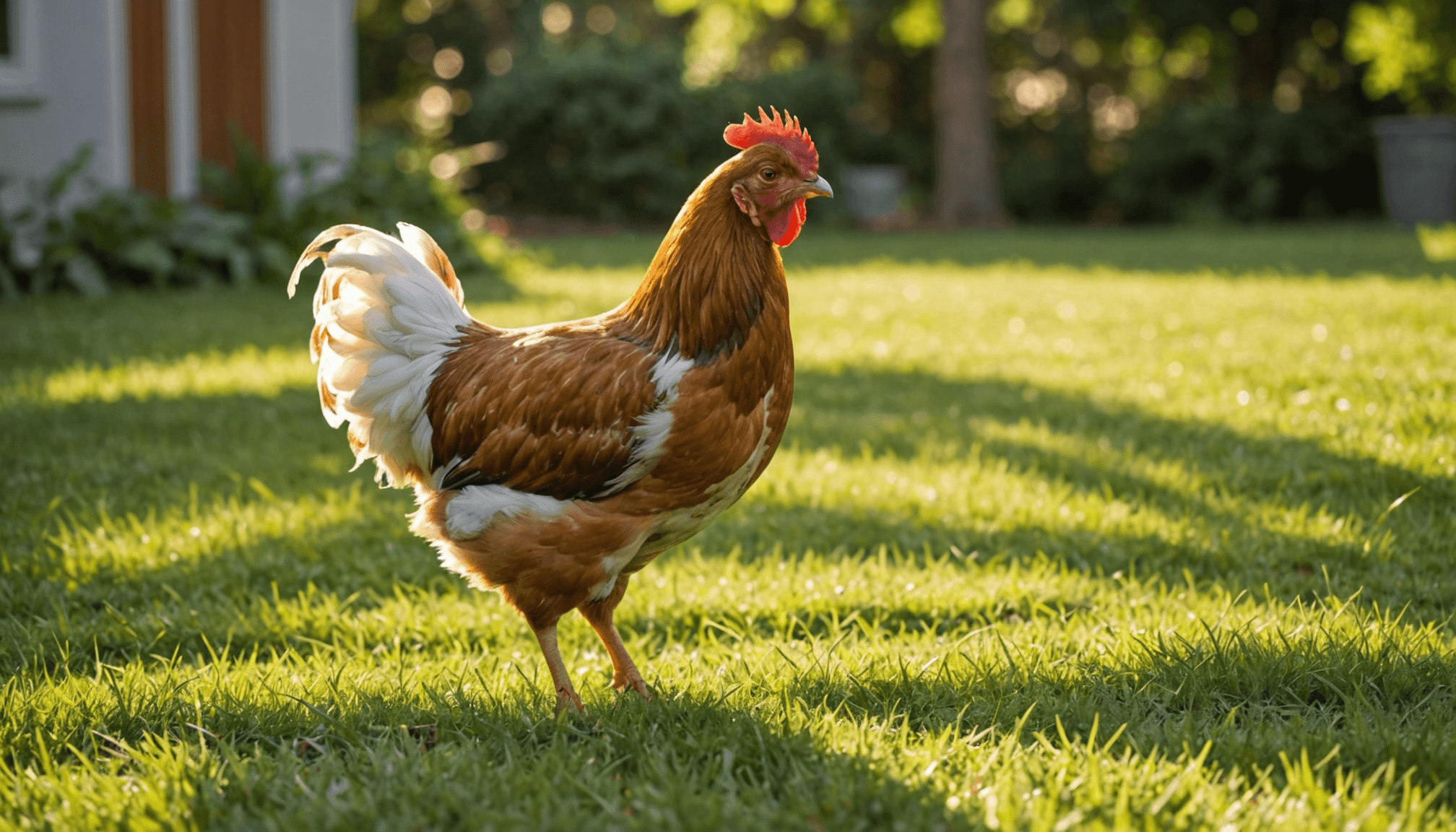
To truly appreciate and enhance your experience in homesteading, it’s essential to delve into the fascinating world of your feathered friends. Understanding chicken behavior starts with recognizing that chickens are highly social creatures, forming intricate hierarchies within their flocks. Observing chickens in their natural settings can yield invaluable insights into their needs and interactions.
Chickens exhibit a variety of behaviors that reflect their social structure. For instance, the dominant hen, or the alpha, typically dictates the movement and feeding patterns of the flock. This hierarchy is not just about pecking order; it influences everything from nesting to foraging. Watch your chickens closely—notice how they interact during feeding times. Do certain hens push others away from the feeder? This behavior illustrates their social dynamics and can help you manage feeding times more effectively.
Moreover, being aware of how your chickens interact can inform you about their overall health and well-being. A stressed or lonely chicken may display signs such as withdrawal or aggressive behavior. If you see one chicken pecking at another excessively, it could signify overcrowding or the need for more enrichment. In this case, consider implementing strategies to diversify their environment, such as providing perches, hiding treats, or creating dust baths to keep them entertained and socially balanced.
As you become more engaged in observing chickens, try keeping a journal to track their behaviors over time. This practice can lead to interesting discoveries about their personalities and preferred social interactions. For example, you might find that some of your hens are more dominant despite being smaller in size, which can inform your flock management strategies. You could even engage your family or friends in this endeavor, turning chicken observing into a delightful activity that fosters interest in urban homesteading.
Understanding flock behavior involves more than just observing chickens; it’s about connecting with them and learning how their interactions shape the dynamics of your homesteading environment. By paying attention to these social nuances, you can create a healthier and more harmonious living space for your chickens, ultimately enhancing your homesteading experience.
Key Social Interactions within Flocks
Key social interactions within a flock are essential for maintaining its structure and well-being. Chickens communicate primarily through body language, vocalizations, and social cues that provide insight into their hierarchy and individual roles. For instance, chickens will often use specific sounds to signal danger, initiate social interactions, or establish their position within the flock. Understanding these cues is vital for anyone involved in homesteading, as it can help to foster a more cohesive and thriving environment for your poultry.
One of the most notable interactions is the establishment and reinforcement of the pecking order—a social hierarchy that can directly affect the group’s dynamics. Within the flock, hens that assert dominance often do so through assertive postures and pecking. The hierarchical structure assists in minimizing conflict, as lower-ranking chickens learn their place and adapt their behavior accordingly. Observing chickens as they negotiate their positions within this hierarchy can provide valuable information on potential stressors that could arise, like adding new members or reorganizing the space.
Additionally, grooming behaviors, such as preening, not only help maintain their feather health but reinforce social bonds among flock members. Chickens often engage in allogrooming, where they groom each other, facilitating social interaction and reinforcing their relationships. Understanding these nurturing behaviors can significantly enhance your approach to flock management, reminding you that social well-being is just as important as physical health.
To exemplify the differences in social behaviors, here’s a table comparing different types of interactions commonly observed within chicken flocks:
| Interaction Type | Behavior Description | Purpose |
|---|---|---|
| Pecking Order Establishment | Hens assert dominance through pecks or displays of aggression. | Maintains flock hierarchy and reduces conflicts. |
| Allogrooming | Chickens groom each other, often targeting areas that are hard to reach. | Strengthens social bonds and mutual trust. |
| Vocalizations | Chickens produce diverse sounds to communicate different messages. | Alerts to danger, signals the availability of food, or clarifies social status. |
| Foraging Groups | Chickens often forage together, forming temporary groups. | Enhances foraging efficiency and improves social interaction. |
The social interactions of chickens can also impact their overall health and productivity. A well-balanced flock where social hierarchies are respected often leads to reduced stress levels and enhanced egg production. Conversely, disruption in their social dynamics can lead to bullying, isolation of individual birds, and various health problems. Hence, when integrating new chickens into an existing flock or managing flock dynamics during seasonal changes, it is crucial to approach these interactions with an understanding of their behavioral patterns.
By observing chickens closely, you will become adept at recognizing the signs of social stress and harmony within your flock. This knowledge is instrumental in making decisions related to space management, flock composition, and environmental enrichment. Observational techniques combined with an understanding of key social interactions will greatly improve your capacity to manage a healthy, productive, and happy chicken flock in your homesteading venture.
Observational Techniques for Learning
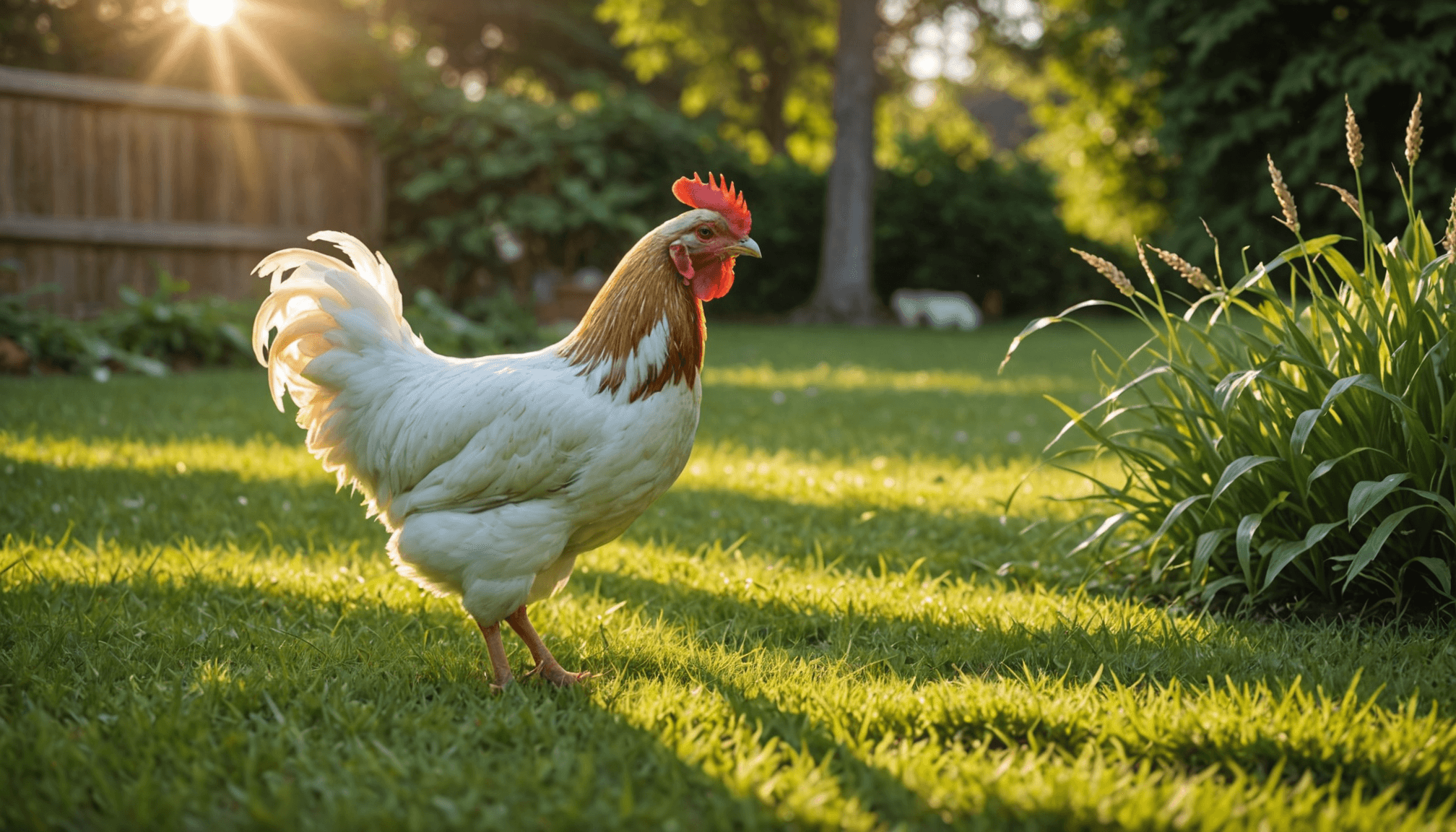
Observing chickens can be a rewarding experience, and implementing effective observational techniques will deepen your understanding of flock behavior. To begin, allocate some dedicated time each day to watch your chickens in their environment. This time spent allows you to notice subtle interactions and behaviors that would otherwise go unnoticed. Settle in with a comfortable chair and a cup of tea, becoming like a quiet spectator at a natural theater. Look for moments of social interaction, such as when one chicken asserts dominance or when pairs share a particularly intimate allogrooming session.
One effective technique for observing flock behavior is to observe at different times of the day. For instance, mornings often see chickens brimming with energy as they wake up and greet the day. You might observe how quickly they organize themselves around feeding areas and how they establish social hierarchies as they navigate their food sources. In the evening, by contrast, you may witness a more relaxed atmosphere as they settle down and socialize, providing a different context for understanding their social dynamics.
Another valuable technique is to engage your family or friends in your observations. Turn it into an informal game; challenge each participant to identify specific behaviors or interactions. For instance, one person could be tasked with keeping track of which chicken frequently leads the flock while another tracks feeding patterns and social disputes. This not only enhances the learning experience but can also highlight various personalities within your flock, from the leader to the more timid members.
Recording your observations is also highly beneficial. Use a journal or an app to document your findings. Key details could include:
- Specific behaviors or interactions you note.
- The time of day and environmental conditions during your observations.
- Any changes in flock dynamics, like the introduction of a new bird.
- Health changes or hints at stress within the flock.
Over time, you’ll begin to see patterns emerge in their behaviors, such as the preferred pecking order, individual quirks, or common social tensions. Understanding these factors will guide your management decisions in your homesteading journey.
Incorporating all of these observational techniques can also provide insights into environmental enrichment. For example, if you notice that certain hens are getting bullied during feeding, you might consider adding multiple feeding locations or scattering food around the yard to allow for more natural foraging behavior, which can reduce competition and stress. Alternatively, if you observe boredom, you might introduce new perches or toys into their environment, stimulating interaction and keeping your chickens healthy both physically and socially.
As you develop your observational skills, you will garner a wealth of knowledge about your chickens and their flock behavior, which is essential for effective homesteading practices. Understanding the intricacies of their interactions not only enhances your management techniques but also fosters a more harmonious relationship with your poultry, thus enriching your overall homesteading experience.
The Role of Environment in Flock Dynamics
The environment plays a crucial role in shaping chicken behavior, influencing everything from their social interactions to their overall health and productivity. When managing your poultry, factors such as space, habitat design, and available resources must be considered. Chickens are naturally curious and thrive in environments that encourage exploration and foraging, which means that a well-designed coop and run can significantly enhance their well-being.
Outdoor space is essential for chickens to engage in natural behaviors. A large, secure area allows them to roam freely, scratch the soil, and peck at insects and plants. The design of this space should incorporate elements that encourage their instinctual behaviors. Providing varied terrain with places to hide, dust bathing areas, and climbing opportunities can enhance their overall quality of life. For instance, chicken tractors—portable coops that can be moved around the yard—offer fresh ground for grazing and pecking while preventing overgrazing in one area. Observing chickens in such enriched environments allows you to see the different ways their behavior changes when they have opportunities to interact more naturally with their surroundings.
The positioning of food and water sources also impacts flock dynamics. When these resources are placed strategically around the coop and run, it can help reduce competition and aggression among chickens. Providing multiple feeding stations encourages social interactions, as different hens will engage in group foraging rather than being confined to a single area where conflicts may arise. Observing these changes in your chickens as you manipulate their environment can lead to valuable insights into how best to manage their resources for optimal health and happiness.
“Environment is not just a place to live; it’s a part of who we are, influencing our behavior and interactions.”
Seasonal variations must also be factored into environmental management for your flock. During colder months, for instance, providing adequate shelter and warmth is essential to prevent stress and illness. Well-ventilated but insulated coops can help maintain a healthy temperature, allowing chickens to thrive even as conditions change outside. Pay close attention to how your chickens interact during colder periods; behavior such as huddling together for warmth can indicate that they need better insulation or heat sources. Conversely, during warmer weather, providing shaded areas and cool drinking water becomes crucial to ensure they do not become overheated.
Moreover, the introduction of new members into an existing flock can significantly alter the dynamics of your chickens. Observational learning in this context becomes especially important, as new chickens may feel stressed or anxious in a novel environment. Providing ample space and resources can mitigate aggressive behaviors during the integration process, helping new birds acclimate more smoothly. Noticing how established and newcomer chickens interact can help you address potential issues more effectively, ensuring a more harmonious environment.
The environment you create for your flock directly impacts their behavior and social structure. By observing how your chickens respond to different conditions and adjustments in their habitat, you can refine your management practices to support a healthier, more productive poultry operation. Being attentive to these environmental influences will enrich your understanding of flock behavior, leading to a more rewarding experience in your homesteading journey.
Applying Insights to Broader Poultry Management
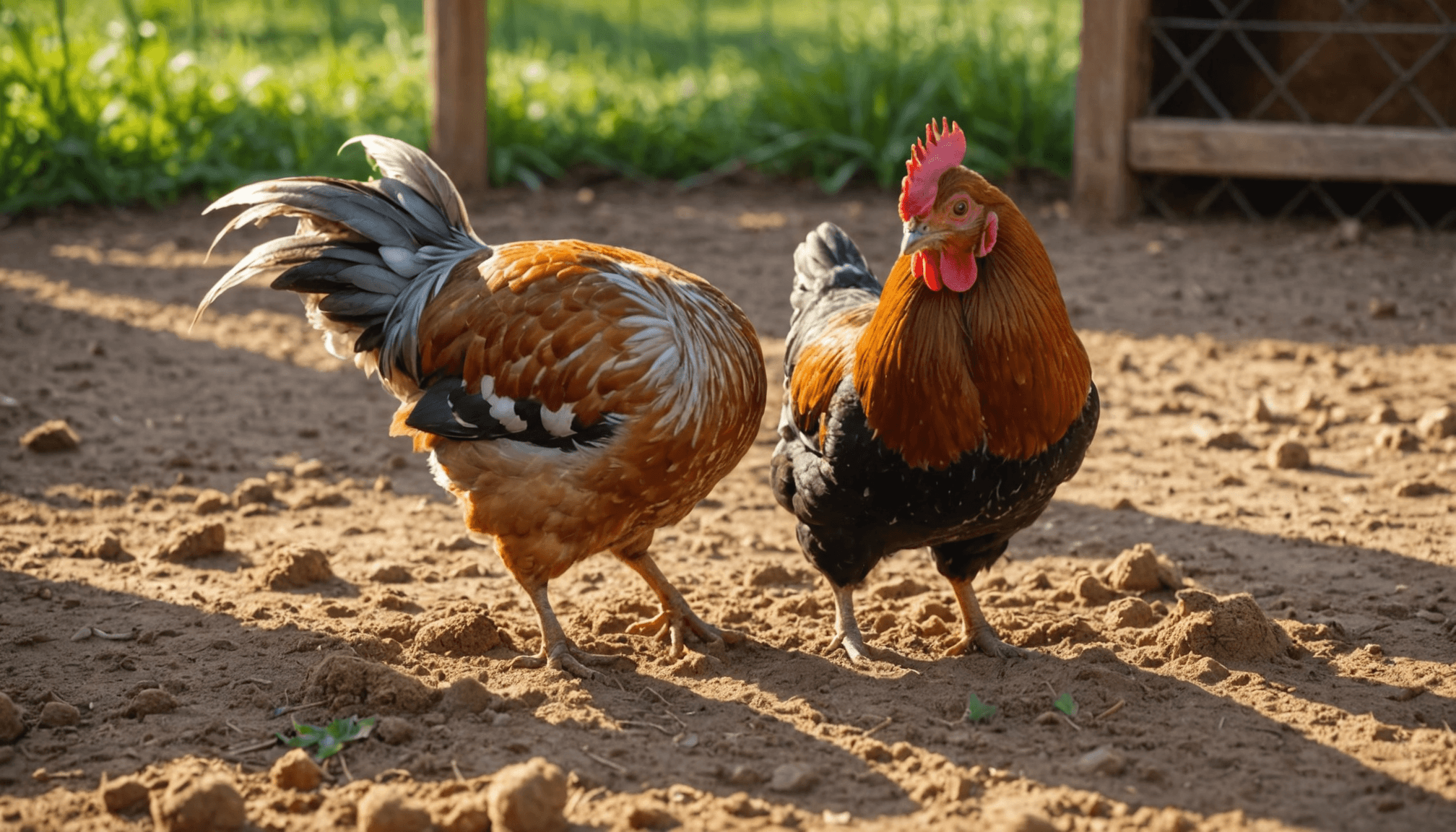
By integrating the insights gained from observing chickens into broader poultry management practices, you can significantly enhance both the welfare of your flock and the efficiency of your homesteading operations. Much like the interconnectedness of an ecosystem, the manner in which chickens interact, roam, and thrive within their environment plays a pivotal role in the overall health and productivity of your poultry. As you glean invaluable knowledge from your observations, consider how these lessons can inform your management strategies.
For example, if you notice certain hens demonstrating dominant behaviors while others are more submissive, you can use this understanding to establish a more balanced feeding plan. By ensuring that all members of the flock have adequate access to food and resources according to their social dynamics, you can reduce conflicts and promote a more harmonious environment. Additionally, recognizing patterns such as bullying or withdrawal—especially among younger or newer chickens—can prompt timely interventions such as increasing space, introducing distractions, or managing resources better.
Furthermore, the role of environmental enrichment cannot be overstated. Paying attention to how your chickens interact with different additions to their habitat, such as dust baths, varied feeding stations, or even perches of different heights, can reveal what enhancements lead to happier, healthier birds. Experimentation, informed by your observations, allows for a personalized approach in craftily designing their environment to cater to their natural behaviors and needs.
Moreover, seasonal adjustments must be part of your repertoire. By observing how your flock behaves during different weather conditions, you can adapt your facilities and care routines to suit their needs. For example, if you observe chickens crowding towards a shaded area during a hot day, this could prompt you to consider expanding shaded regions or improving ventilation in their coop, ensuring their comfort and well-being.
It’s also critical to reflect on how your observations shape your understanding of flock integration. When adding new birds, applying your knowledge of flock behavior can facilitate smoother introductions. For instance, if you notice tension or pecking during the integration period, providing separate spaces for newcomers or using gradual introductions can alleviate stress for both old and new members of the flock.
Observing chickens not only broadens your knowledge base but encourages creativity in problem-solving, allowing you to approach poultry management with practical insights that are tailored specifically to your environment and flock dynamics. This ongoing learning process fosters a deeper connection to your homesteading journey and empowers you to create a thriving, happy flock.
- What are some signs of a healthy chicken flock?
- A healthy chicken flock typically exhibits active foraging behavior, social interactions, and a balanced pecking order. Look for bright eyes, smooth feathers, and regular, healthy egg production as indicators of well-being.
- How do I ensure my chickens are well-socialized?
- To promote good socialization, provide ample space and visual barriers within the coop and run to reduce stress. Introducing new chickens gradually and observing their interactions can facilitate smoother integration into the existing flock.
- What should I do if I see bullying behavior among my chickens?
- Address bullying promptly by providing separate feeding areas or additional resources, ensuring that all chickens have access to food and water without competition. Observing the flock dynamics can help you identify and mitigate stressors effectively.
- How can environmental enrichment benefit my chickens?
- Environmental enrichment, such as perches, dust baths, and foraging opportunities, enhances the well-being of your chickens by encouraging natural behaviors. A stimulating environment reduces boredom and can lead to improved mental and physical health.
- What is the importance of the pecking order in a chicken flock?
- The pecking order is crucial for maintaining social structure and minimizing conflict within the flock. Understanding this hierarchy can help you manage feeding and space effectively, leading to a more harmonious living arrangement.
- How can I monitor my chickens’ health through observation?
- Regular observation allows you to identify changes in behavior, appetite, or interactions that may indicate health issues. Keeping a journal of these observations helps you track patterns and address problems proactively.
- What are some effective ways to introduce new chickens to an existing flock?
- Introduce new chickens gradually by keeping them in a separate enclosure nearby for a few days. This acclimatizes them to the flock without direct contact, and when the time comes for integration, monitor interactions closely to manage any conflicts.
Challenges and Considerations in Observation
When embarking on the journey of observing chickens, one must be aware of several challenges and considerations that can arise during the process. Although the rewards are plentiful, understanding these hurdles helps enhance your fledgling homesteading experience. First, it’s important to recognize the element of patience involved. Chickens are creatures of habit and can be shy or skittish when it comes to unexpected human presence. If you’re eager to observe their natural behaviors, approach their space quietly and take the time to establish trust. A sudden loud noise or movement can send them into a flutter of fear, disrupting their interactions and causing stress.
Furthermore, the accessibility of your observation point is crucial. Setting up your observation area where you can see the flock without intrusions can significantly improve the quality of your observations. Placing chairs or benches at a distance, equipped with your journal and perhaps a snack, ensures that you can watch without interfering in their daily activities. The goal is to learn about flock behavior unobtrusively, providing a natural setting where they can express their true selves.
Another consideration is the variability of individual chickens’ personalities. While some may be bold and curious, others can be timid and reserved. This difference can skew your observations, leading to a misunderstanding of the overall dynamics of the flock. It’s advisable to take note of individual characteristics and how they contribute to the social structure. For instance, if you typically observe a particular hen dominating the feed, consider whether her assertiveness is a common trait or a result of unique environmental factors such as food scarcity or stress.
Weather conditions also pose a significant challenge. Observing chickens on a sunny day will yield different insights than on a rainy or windy day, as weather can impact their social interactions and willingness to explore. For instance, during rain, chickens might cluster together inside the coop, limiting your chances of observing their behavior. Make sure to track these variances in your notes to better understand how the environment impacts flock dynamics over time.
Additionally, keeping a keen eye on specific behaviors is essential. While you may initially focus on major interactions like pecking order disputes or social grooming, don’t overlook subtle signals. A low cluck or a shift in posture can indicate social tensions or shifts in the perceived hierarchy. Consider recording these moments to paint a comprehensive picture of how your flock interacts.
Implementation of technology can enhance your observational prowess. Setting up cameras can capture interactions you might miss in person and provide a broader context for their behavior. This includes monitoring how they react during different times of day or seasons, further enriching your understanding of their flock dynamics.
As you navigate these challenges in observing chickens, remain adaptable. Use the observations you make as a foundation to refine your management practices. By assessing how environmental factors, individual personalities, and weather conditions influence flock behavior, you’ll be better equipped to create a more harmonious environment that promotes healthy social structures and productive lives for your chickens. Embracing these observations not only enhances your understanding of poultry management but also deepens your engagement with the incredible world of homesteading.