
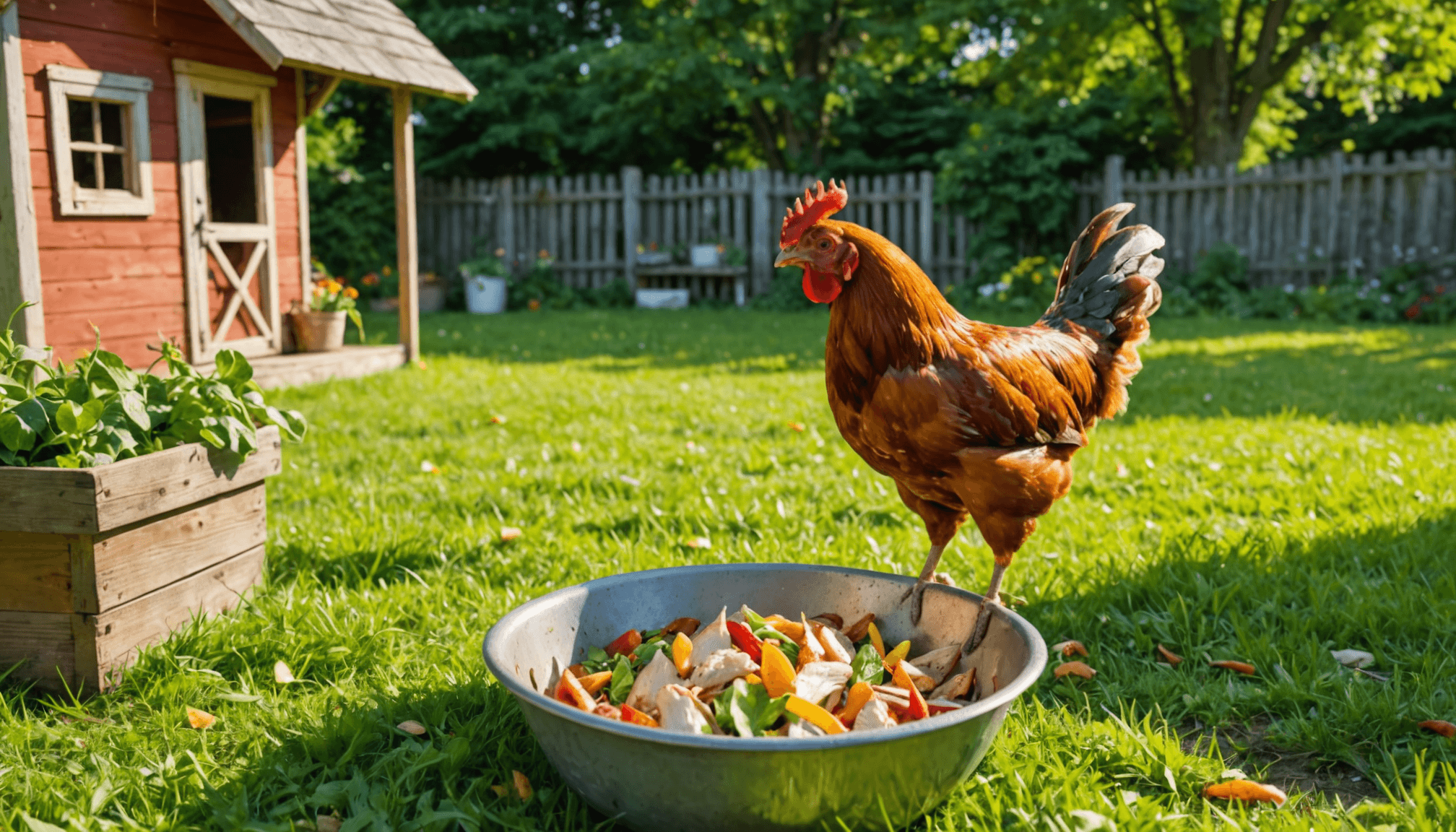
When embarking on your journey into the world of raising chickens for eggs, the importance of selecting the right chicken breeds cannot be overstated. Different breeds have varying characteristics that can significantly influence your overall experience and expectations.
First, consider your local climate. Some breeds are better suited for colder weather, while others thrive in warmer climates. For example, the Rhode Island Red is known for its hardiness and ability to lay eggs even in cooler temperatures, making it an excellent choice for northern climates. Conversely, the Plymouth Rock is adaptable and performs well in various conditions, which can be useful for urban dwellers with unpredictable weather.
Next, think about your space. If you have limited space, such as in a backyard or an urban setting, lighter breeds like Leghorns might be ideal because they require less room and are active foragers. These breeds tend to produce a higher number of eggs, meeting your egg production needs more efficiently.
Another critical factor is egg color. Breeds like the Australorp and the Plymouth Rock lay brown eggs, while Leghorns and Silkies provide white eggs. If aesthetics are important to you or your family, consider which egg colors align with your preferences.
Additionally, if you’re looking for friendly and sociable companions, the Orpington is a gentle breed that enjoys human interaction and is great for families. Such breeds not only contribute to your homesteading adventure but also make for delightful pets.
Lastly, be aware of the lifespans and productivity of different breeds. Most hens will start laying eggs around 5 to 6 months of age, but some breeds may slow down their production as they age. It can be useful to keep track of egg production trends, as certain breeds have been known to be more reliable over time.
To help you make an informed choice, do extensive research or consult with local farmers and homesteading communities. Online forums and websites can also provide insights into the experiences of others who are raising for eggs. Remember, choosing the right breed will set the stage for a rewarding and successful chicken-raising experience that aligns with your homesteading goals.
Caring for your chickens
Caring for chickens is a fundamental aspect of raising them for eggs, and it encompasses various aspects that significantly affect their health, productivity, and overall well-being. From their living environment to health considerations, understanding how to properly care for your flock will ensure you meet your expectations for egg production and maintain a thriving homestead.
Providing a suitable living environment is crucial. Chickens require a well-ventilated coop that protects them from predators and harsh weather conditions. The coop should be spacious enough to allow them freedom of movement while preventing overcrowding, which can lead to stress and aggression. A general guideline is to provide at least 4 square feet of space per chicken inside the coop, and 8 to 10 square feet per bird if they have access to an outdoor run.
It’s also important to ensure that the coop is clean and dry. Regular cleaning helps prevent the buildup of waste, which can harbor harmful bacteria and parasites. A simple schedule—cleaning the coop weekly and performing a deeper clean monthly—can go a long way in promoting health. Additionally, providing nesting boxes with clean straw or wood shavings encourages hens to lay eggs in designated areas, reducing the likelihood of eggs being laid on the coop floor.
Maintaining the chickens’ health is another priority. Regular check-ups for signs of illness or distress include observing their feathers, eyes, and behavior. Common health issues such as mites, worms, and respiratory infections can affect your chickens and, consequently, egg production. Vaccinations may also be necessary, depending on your local regulations and climate, influencing the prevalence of certain diseases.
Social interactions play an essential role in the well-being of your chickens. Chickens are social animals and thrive in flocks. Integrating new birds should be conducted carefully to minimize aggression. Keeping a balanced flock, including a mix of ages and breeds, can enhance social dynamics and provide mental stimulation. Engaging with your chickens daily fosters trust and ensures they are accustomed to handling, which can simplify health checks and management.
Nutrition is another critical factor in caring for laying hens. A well-balanced diet ensures optimal health and maximizes egg production. High-quality layer feeds formulated with the right protein, calcium, and vitamins should form the basis of their diet. Supplementing their diet with kitchen scraps, grains, and foraging can provide additional nutrients. However, be cautious to avoid food items that may be harmful to chickens, such as chocolate, caffeine, and certain fruits with pits.
To present the essentials clearly, the following table compares the key care aspects including space requirements, feeding, and health considerations:
| Aspect | Recommendation |
|---|---|
| Coop Space | 4 sq. ft. per chicken |
| Outdoor Run | 8-10 sq. ft. per chicken |
| Nesting Boxes | 1 box for every 3-4 hens |
| Cleaning Frequency | Weekly for routine, monthly for deep clean |
| Diet | High-quality layer feed + kitchen scraps |
By prioritizing their care and creating a nurturing environment, you set the foundation for a successful chicken-raising experience. The investment in their well-being translates into consistent egg production, which aligns with the goals of your homesteading journey.
Feeding and nutrition essentials
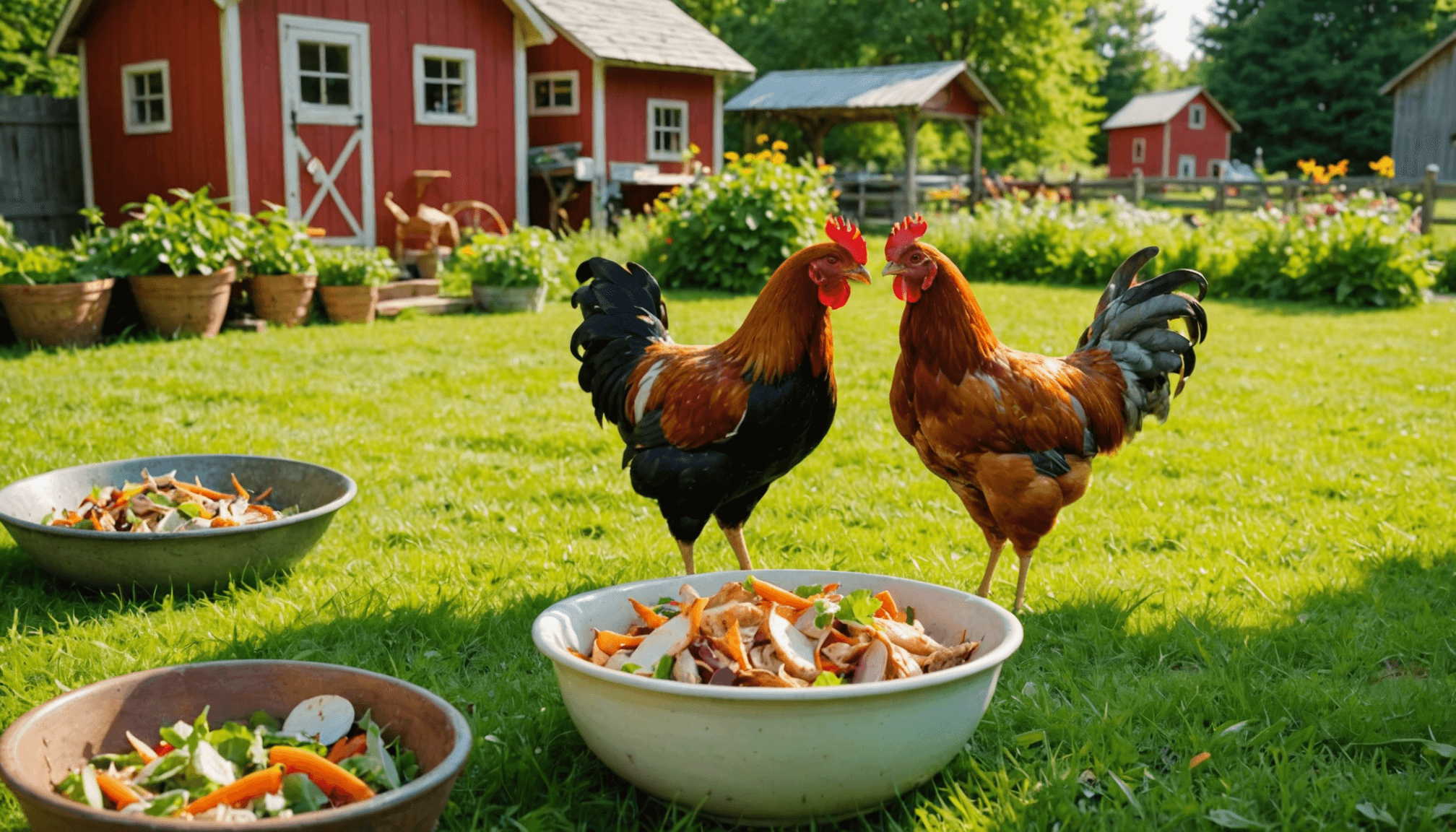
Nutrition is a cornerstone of maintaining a healthy flock when raising chickens for eggs. A well-rounded diet not only promotes the well-being of your hens but also boosts their egg production and quality. Proper feeding practices ensure that your expectations for quantity and quality of eggs are met.
Layer Feed should form the bulk of your chickens’ diet. This specially formulated feed contains the necessary protein, calcium, and vitamins that laying hens require. Look for feeds that have at least 16% protein and a higher calcium content (around 4-5%) to support eggshell development. You can typically find layer feeds at local feed stores or through various online retailers. Consider choosing organic or non-GMO options if you’re aiming for a more sustainable homesteading practice.
In addition to layer feed, don’t forget to incorporate supplements and kitchen scraps. Chickens love variety, and a diverse diet can improve their health and egg production. Offer them fruits and vegetables like leafy greens, peas, and carrots, but avoid potentially harmful foods such as chocolate, avocados, and raw beans. Always ensure that any scraps given are fresh and free from mold to prevent any health issues.
- Protein Sources: Consider adding mealworms or high-protein snacks like scrambled eggs occasionally to boost their protein intake, especially during molting or winter.
- Calcium Supplements: Crushed oyster shells can be offered free-choice to support their calcium needs. This is crucial during peak laying times.
- Water: Fresh, clean water must always be available. Chickens may drink up to one quart of water per day, especially in warmer weather.
Monitoring the hens’ feeding habits can also provide insights into their overall health and happiness. If you notice them eating less or their droppings appear abnormal, it could indicate health issues that may need further investigation.
To maximize production, consider establishing a feeding schedule. Chickens typically do best when fed in the morning and given access to food throughout the day. For those with backyard flocks, letting them forage during the day allows them to satisfy their natural behaviors while supplementing their diet with insects, grasses, and seeds.
Lastly, keep an eye on body condition. Hens that are too thin may require an increase in their calorie intake, while overweight hens can suffer from health problems and lower egg production. Finding the right balance through careful observation and adjustments in feeding will enhance your success in raising chickens for eggs.
By prioritizing your chickens’ nutritional needs and creating a varied diet, you support their health and ensure that your egg production aligns with your expectations as a homesteader. For more detailed information and advice on feeding your flock, explore resources like Backyard Chickens or consult with local extension services.
Egg production timeline
The timeline for egg production follows a natural progression, closely tied to the age, breed, and overall health of your hens. After you bring home your chicks, expect to wait around 5 to 6 months before they begin laying eggs. This timeframe may vary slightly depending on the breed. For instance, fast-growing layers like the Leghorn might start laying sooner, whereas other breeds, such as the Orpington, may take a bit longer to reach maturity.
Once your hens begin laying, the initial frequency of egg production can fluctuate. During their peak laying period, which typically occurs within the first year, hens can produce approximately 5 to 7 eggs per week. Factors like season, stress, and health can influence this output. Hens often lay more consistently during spring and summer when the days are longer, and the weather is milder. However, as daylight hours diminish in the fall and winter months, you may notice a decline in egg production.
“A hen’s laying year typically begins at approximately 20 weeks and can last for about 52 weeks before production decreases.”
As they age, hens will naturally slow down their laying rate. After about two years, expect that production will taper off significantly, and you may find that some hens entirely cease laying. This natural decline is normal; however, managing their environment and nutrition during this phase can help extend their laying period. Providing proper light exposure during the winter months can encourage continued laying, as chickens require around 14 hours of light per day to maintain optimal production levels.
Additionally, it’s noteworthy that external factors can impact the egg production timeline. Stressors like changes in environment, poor nutrition, and health issues can disrupt laying patterns. Monitoring your flock’s behavior and health is essential for maintaining egg production. If you observe any significant changes, it may be necessary to adjust their care regimen or consult with a veterinarian.
Consider the significance of keeping records on egg production. Tracking when your hens begin laying, how many eggs they produce, and seasonal changes can help you manage your expectations effectively. Using this data will guide you in optimizing your flock management practices, ensuring that you meet your goals for raising chickens for eggs in a sustainable manner.
Common challenges and solutions
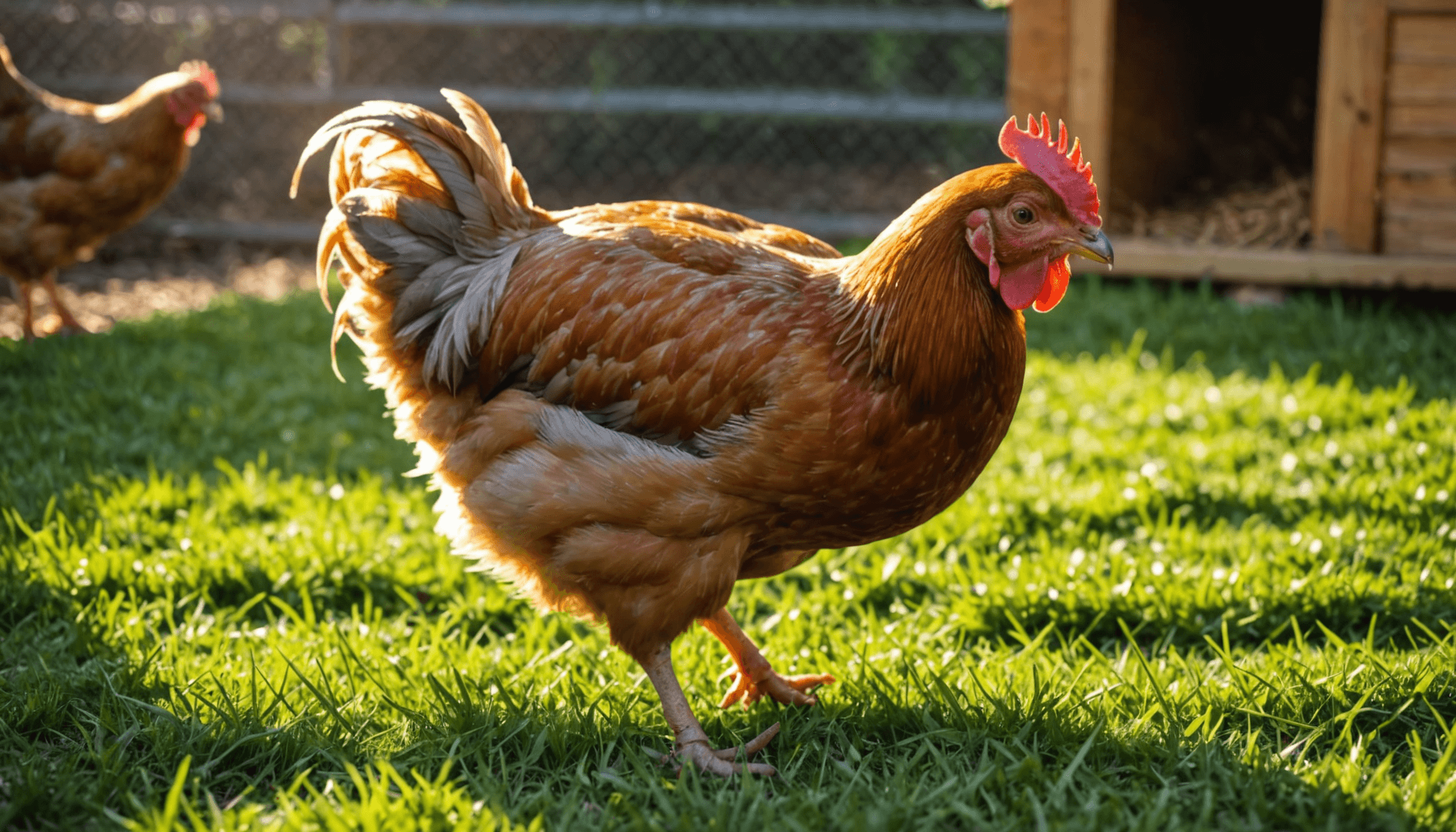
When raising chickens for eggs, encountering challenges is an inherent part of the experience. Issues may arise from factors like health concerns, environmental conditions, and behavioral problems within the flock. Understanding these challenges and developing proactive solutions will enhance your journey into homesteading and help manifest your expectations for a productive egg-laying flock.
One common challenge is dealing with diseases and parasites. Chickens can be vulnerable to a variety of health issues, such as respiratory infections, mites, and worms, all of which can impact egg production. Regular health checks, a clean environment, and vaccinations when necessary are vital in preventing outbreaks. Should you find your chickens exhibiting unusual behavior or signs of distress, swift action is crucial—consulting with a veterinarian specialized in poultry can provide the best course of action and treatment options.
Environmental factors can also pose significant challenges. Seasonal changes may affect your chickens’ laying patterns; for example, winter’s colder temperatures and shorter daylight hours can lead to reduced egg production. Providing supplemental light in the coop during these months can help maintain laying frequency. Moreover, ensuring your coop is well-insulated against extreme weather conditions can protect the flock and promote comfort, ultimately supporting consistent egg production.
Behavioral challenges, such as pecking order disputes or stress-induced issues, can disrupt the tranquility of your flock. Establishing a harmonious environment with enough space, resources, and enrichment can reduce aggression and anxiety among your chickens. Introducing new birds gradually and ensuring proper space for foraging can make a significant difference. Understanding flock dynamics and facilitating a balanced social structure within the group contributes to overall well-being and productivity.
Feed disputes can also arise, particularly if multiple hens attempt to access food sources simultaneously. To minimize this, consider spreading feed in different areas and providing multiple feeding stations. Ensuring a varied and sufficient diet can keep your flock healthy and happy, leading to better overall egg production.
- What are the signs that my chickens are unhealthy?
- Look for signs such as lethargy, changes in feather condition, abnormal droppings, or a decrease in egg production. Regularly monitoring your flock for these changes can help catch health issues early.
- How can I encourage my hens to lay more eggs?
- Ensure they have a balanced diet rich in protein and calcium, provide sufficient daylight hours, and create a stress-free environment. Regular health checks can also help maintain productivity.
- Do I need to provide supplemental light in winter?
- Yes, many chicken keepers choose to add supplemental light to ensure their hens receive around 14 hours of light each day during shorter winter months. This helps encourage consistent laying.
- What should I do if my hens stop laying eggs?
- Assess their diet, health, and environment for any stressors. Changes in seasonal light or conditions can also contribute; ensure they’re comfortable and healthy, and consult a vet if necessary.
- How can I prevent pecking and aggression in my flock?
- Provide enough space, resources (like feeders and waterers), and enrichment activities to keep them occupied. Gradually introducing new birds and monitoring social dynamics can help reduce conflict.
- Why do my chickens have different egg-laying patterns?
- Egg-laying patterns can vary significantly due to breed, age, health, environmental factors, and seasonal changes. Keeping records can help you understand each hen’s unique habits.
- How often should I clean the chicken coop?
- For general maintenance, clean the coop weekly to prevent waste buildup, and perform a deep clean monthly. Regular cleaning promotes health and hygiene for your flock.
Harvesting and storing eggs
When it comes to harvesting and storing eggs, proper techniques are essential for maintaining freshness and quality. As you embark on the fulfilling journey of raising chickens for eggs, understanding how to protect and preserve your bounty enhances your overall homesteading experience.
First and foremost, the timing of your harvest is critical. Hens typically lay eggs in the early morning hours, making it best practice to collect eggs at least once a day. This not only prevents any potential contamination or spoilage but also minimizes the risk of eggs being broken or eaten. For optimal quality, aim to collect the eggs ideally before noon, and check nesting boxes multiple times if you have a larger flock.
Once you gather your eggs, cleaning them is vital, but you should avoid washing them immediately. Eggshells are coated with a natural protective layer called the bloom, which helps seal pores and keeps bacteria out. If the eggs are soiled, using a dry cloth to gently wipe the dirt away is often sufficient. However, if you must wash eggs, use warm water and do so just before you plan to use them, as this will help to prevent bacteria from being drawn into the egg.
Next, consider the storing location. Fresh eggs can be stored in the refrigerator, which extends their shelf life significantly. To keep them at their best, place them in the original carton when possible to help protect them from absorbing odors and to maintain humidity. Store eggs with the large end facing up, as this will help to keep the yolk centered inside the egg. Freshly laid eggs can last for about three to five weeks in the refrigerator, but they may remain good for months if stored correctly at consistent temperatures.
If you’re looking to store eggs longer, consider techniques such as water glassing, which involves immersing eggs in a solution of water and sodium silicate. This method allows you to keep eggs for up to a year, making it an excellent option for those looking to maximize their harvests. Just remember to label any stored eggs with the date to keep track of their freshness.
Another option for preserving eggs is freezing. You can crack eggs and beat them lightly before pouring the mixture into ice cube trays or freezer-safe containers. This method provides a convenient way to have eggs on hand for cooking or baking without worrying about spoilage. Ensure to label containers, so you know how many eggs are in each one and when they were frozen.
For those who want to enhance their homesteading endeavors, consider starting an egg distribution system with friends, neighbors, or local markets. Sharing your fresh eggs not only promotes community connections but helps to manage production during peak laying seasons. Be sure to communicate the value of freshly laid eggs, as they often surpass store-bought options in taste and nutritional content.
Lastly, if you experience any changes in production or quality, keep a detailed log of egg collection. This will help identify trends and inform adjustments to your care practices as needed. Understanding the nuances of your flock’s egg-laying behavior will enhance your expectations and ensure that raising chickens for eggs remains a rewarding aspect of your homesteading lifestyle.