
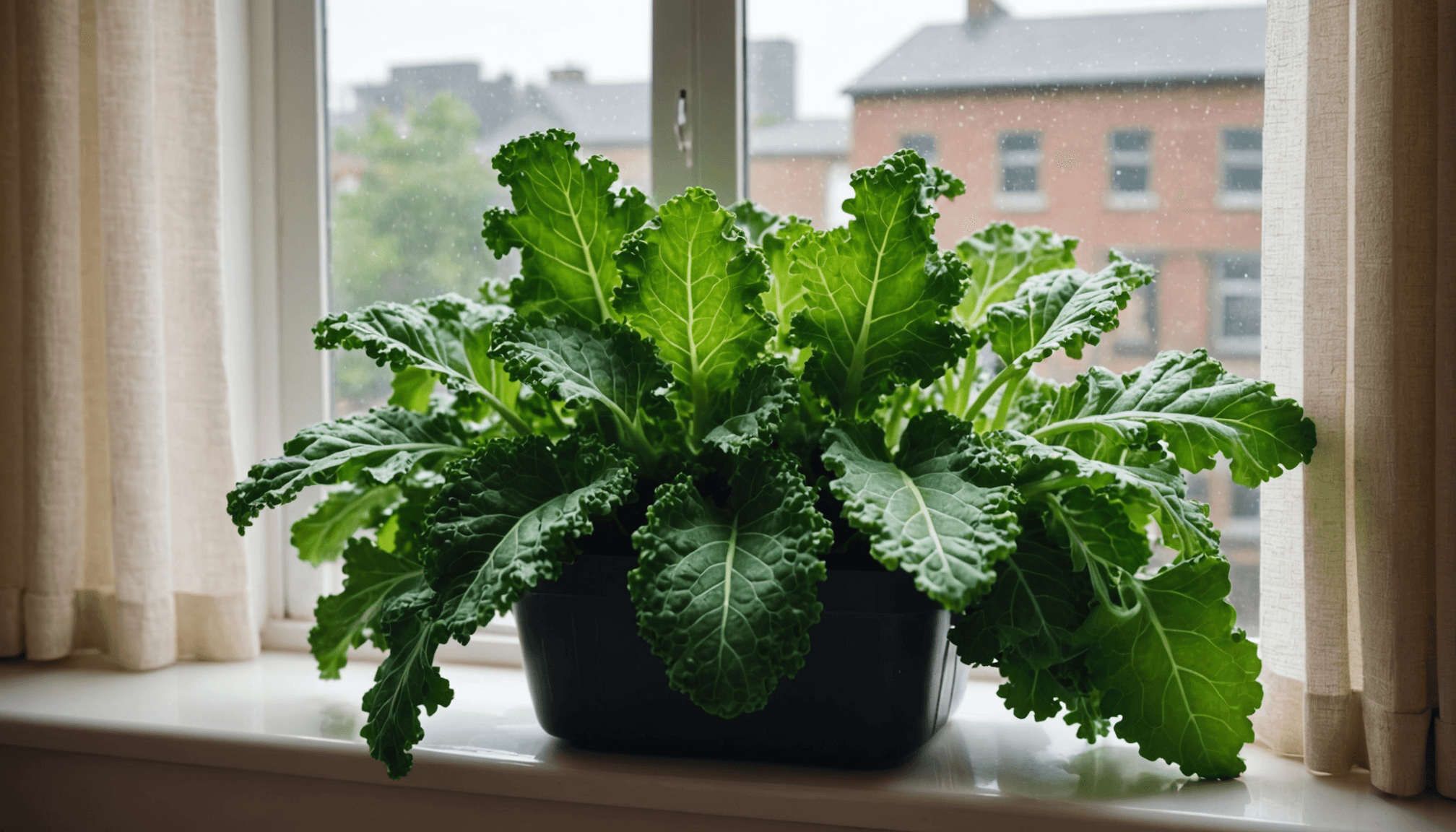
In urban gardening, space is often limited, and the quest for sunlight becomes a top priority. To make the most of the sunlight available to your plants, strategic placement and clever planning are essential. Start by assessing the sunlight patterns in your garden throughout the day. Observe how shadows cast by buildings, fences, and trees can affect your plants. Use these observations to position your containers and garden beds where they can receive the maximum amount of light.
One effective method to enhance sunlight exposure is to utilize vertical gardening techniques. By growing upwards rather than outwards, you can save space and increase the amount of sunlight your plants receive. Consider using shelves, trellises, or even wall-mounted planters. Not only does this maximize sunlight exposure, but it also adds a unique aesthetic to your urban garden.
Consider incorporating reflective surfaces into your gardening setup. Mirrors or reflective panels can help bounce sunlight towards your plants, especially those located in shadier spots. This technique is particularly effective during the early morning and late afternoon when the sun is lower in the sky. Position reflective surfaces at angles that direct light toward your plants for the best results.
Additionally, take advantage of modular gardening solutions. Create movable planter boxes on wheels or utilize hanging planters that can be easily shifted to follow the sun’s path throughout the day. This adaptability can significantly impact the health and growth of your plants, ensuring they benefit from as much light as possible.
Also, keep an eye on your plant selection. Some species are more tolerant of lower light levels than others, which could influence your overall experience. Pairing shade-tolerant plants with those requiring more light can create a thriving ecosystem in your urban garden that makes the most of the available sunlight.
Investing in light-enhancing technologies, such as grow lights, can also be beneficial. These can supplement natural sunlight, especially during overcast days or in the winter months when daylight hours are shorter. When choosing grow lights, opt for full-spectrum LEDs, which mimic natural sunlight and promote healthy plant growth.
By implementing these strategies, urban dwellers can significantly enhance the performance of their gardens, turning limited sunlight into an opportunity for productive and beautiful greenery.
Choosing the Right Plants for Low Light Conditions
When considering plant selection for low light conditions, it is crucial to choose varieties that are well-suited to thrive in shaded environments. These plants not only survive but can also flourish with reduced sunlight, allowing urban gardeners to create lush spaces even in the most limited light circumstances. Some well-known low-light plants include shade-tolerant species such as ferns, hostas, and certain herbs like mint and parsley. Each of these plants has unique adaptations that make them ideal candidates for areas with less direct sunlight.
Here’s a comparative table of common low-light plants, along with their sunlight requirements, growth characteristics, and care tips:
| Plant | Sunlight Requirement | Growth Characteristics | Care Tips |
|---|---|---|---|
| Pothos | Low to moderate indirect light | Trailing vine, can reach up to 10 feet | Water when the top inch of soil is dry, prefers humidity |
| Ferns | Low to moderate indirect light | Diverse species, typically bushy and lush | Keep soil consistently moist but not soggy, mist regularly |
| Peace Lily | Low to bright indirect light | Compact plant, growing to about 3 feet | Water when the soil is dry to the touch, enjoys humid environments |
| Snake Plant | Low to bright indirect light | Upright leaves, can tolerate neglect | Allow the soil to dry out completely between waterings |
| Spider Plant | Low to bright indirect light | Produces ‘pups’ or baby plants, arching leaves | Water when the topsoil is dry, benefits from occasional misting |
Choosing the right plants should take into account not only the light levels but also the intended purpose of the garden. If the goal is to cultivate a culinary herb garden, opting for herbs such as chives or mint can be effective, as they have the ability to adapt to varying light levels while also providing fresh ingredients for the kitchen. For more ornamental purposes, incorporating plants with diverse textures and foliage color can add aesthetic appeal to shaded gardens.
In addition to plant selection, the use of layering can optimize space and light. Taller plants should be positioned strategically, ensuring that they do not overshadow shorter ones. This consideration is essential to facilitate an environment where all plants can benefit from the available light. Grouping shade-loving plants together can also create a microclimate that retains moisture and humidity, which can further support their healthy growth.
Ultimately, understanding the specific needs of each plant species and how they interact with their environment will enable urban gardeners to select the appropriate flora for successful low-light gardening. By carefully choosing and arranging plants, urban dwellers can transform their shaded spaces into vibrant gardens filled with life and color, despite the challenges posed by limited sunlight.
Effective Plant Care Strategies for Limited Sunlight
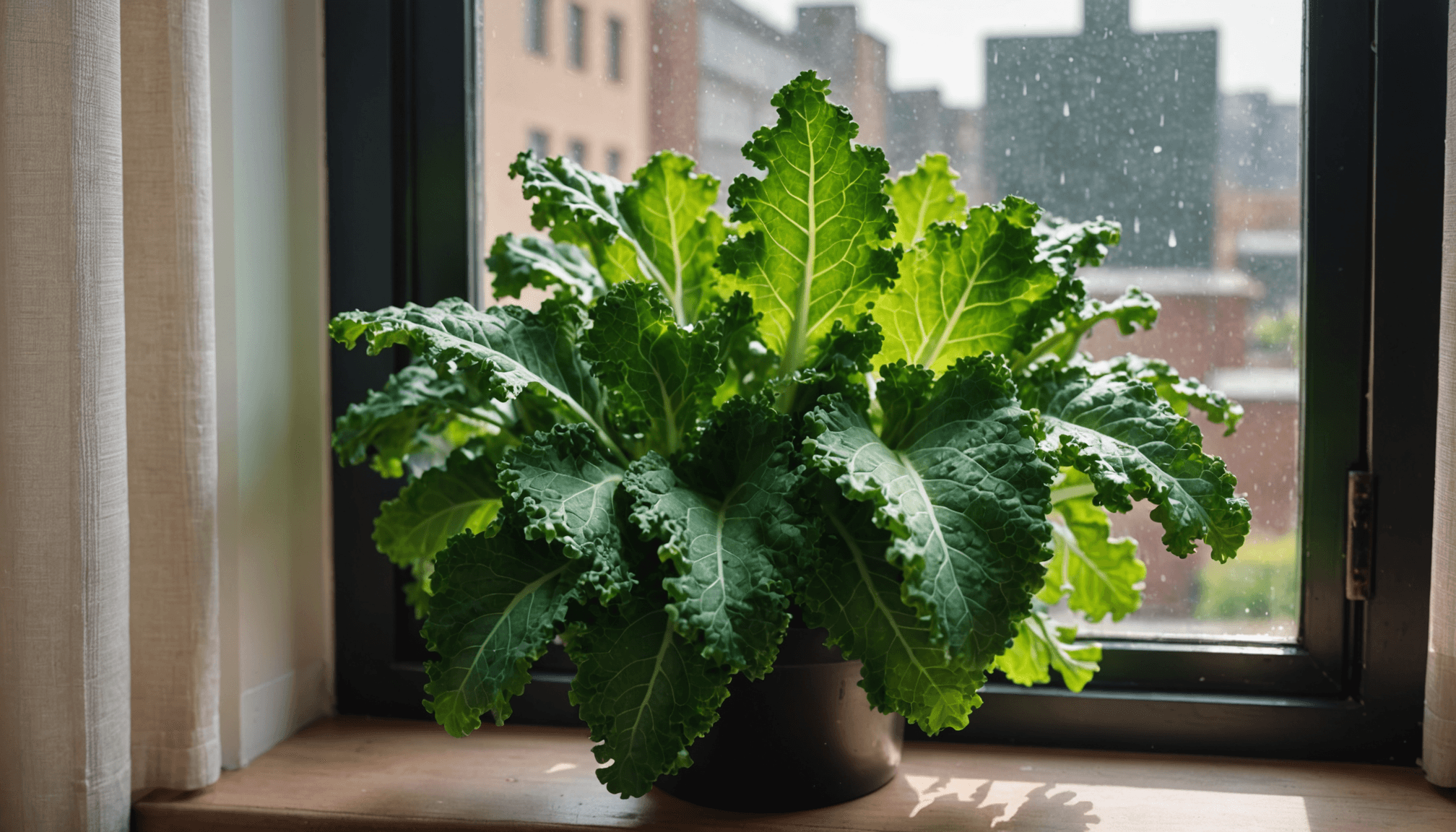
When managing plants in areas with limited sunlight, it’s essential to adopt specific care methods that cater to their unique needs. First and foremost, regular monitoring of soil moisture is vital. In low-light conditions, plants often require less frequent watering, so it’s important to allow the soil to dry out slightly between watering to avoid root rot. Stick your finger about an inch into the soil; if it feels dry, it’s time to water. This practice not only prevents overwatering but also encourages healthy root development.
In terms of fertilizer, be cautious with feeding your plants in low light. Photosynthesis slows down without sufficient light, meaning plants won’t utilize nutrients as effectively. Opt for a balanced, diluted fertilizer and apply it less frequently—perhaps once every 6–8 weeks—during the growing season. This will support growth without overwhelming the plants, allowing them to thrive within their confined light conditions.
Another strategy to consider is the use of companion planting. Certain plants benefit from being grown together, enhancing each other’s growth potential even in shaded areas. For instance, pairing shade-tolerant plants like kale and bush beans can lead to more robust growth. These combinations take advantage of the limited resources while creating a diverse and resilient garden ecosystem.
Pruning is also an important aspect of plant care in low-light environments. Regularly trim away dead or diseased leaves to improve airflow and light penetration, even if minimal, around the remaining foliage. This helps to keep your plants healthy and encourages new growth. In addition, strategic shaping can promote a bushier appearance, allowing plants to catch as much light as possible.
For those particularly challenging spots in your garden, switching up your potting mix can make a significant difference. Using a mix that retains moisture without becoming soggy can enhance your plants’ health. Consider adding organic matter like compost to improve soil structure, providing beneficial nutrients while improving drainage. A well-aerated soil mix will support root respiration, essential in low light settings.
Humidity is crucial in shaded areas where air circulation can be limited. Increasing humidity around your plants can often lead to improved growth. You might achieve this by misting your plants regularly or placing a humidity tray filled with water and pebbles beneath your pots—ensuring that the pots themselves are above the water line. Hydroponic methods could also be explored if space allows, as these can provide moisture and nutrients directly to the roots without relying heavily on ambient light.
Finally, don’t underestimate the impact of seasonal changes. Plants in low-light situations can behave differently throughout the year. Keep an eye on seasonal light changes and be prepared to adjust your care techniques accordingly. As the seasons change, some plants may go dormant or require different amounts of light, which means you may need to rotate or move plants to optimize their exposure to any available sunlight.
By implementing these tailored care approaches, urban dwellers can nurture their low-light plants to their fullest potential, fostering an environment in which growth and vibrancy flourish even under less-than-ideal lighting conditions.
Utilizing Reflective Surfaces to Enhance Light
Incorporating reflective surfaces into your urban garden can significantly amplify the amount of light your plants receive. Utilizing materials such as mirrors, aluminum foil, or specially designed reflective panels can create a brighter atmosphere for your greenery. When placed strategically, these surfaces can catch and redirect sunlight towards shaded plants, enhancing their growth potential. For optimal results, align reflective surfaces to angle the light effectively, especially during key sunlight hours.
A great way to implement this is by setting up a mirror at an angle against a wall or fence adjacent to your garden. This can double the light received by plants situated close to the base of these structures. Another option is to use lightweight reflective panels that can be adjusted during the day to catch sunlight as the sun moves across the sky.
“Plants are like people; they need light to thrive.” – Unknown
Consider incorporating elements of natural light enhancement as well. For instance, painting walls or fences in a light color can help bounce light into your garden space. Even using reflective mulch or placing stones near your plants can contribute to a brighter microenvironment. These small adjustments can lead to noticeable improvements in plant health and productivity.
<pWhen determining the best placement for reflective surfaces, take note of the sunlight patterns in your space and identify areas where light is lacking. It’s also essential to ensure that these reflective surfaces do not create overly harsh conditions, which could scorch plants that are not accustomed to intense sunlight. Monitoring the changes in your plants' behavior after introducing these surfaces will guide further adjustments to improve their light exposure.
In addition, consider combining reflective surfaces with vertical gardening techniques. Hanging reflective panels can not only elevate your plants to new heights but also redirect light towards adjacent plants, making the most of all available sunlight. This dynamic approach allows urban gardeners to create more lush and vibrant green spaces even with the constraints of limited sunlight.
The creative use of reflective materials in urban gardening can lead to better light availability, ultimately fostering healthier and more productive plants. Keep experimenting and observing to find the best setup that works for your unique gardening space.
Creative Solutions for Small Urban Spaces
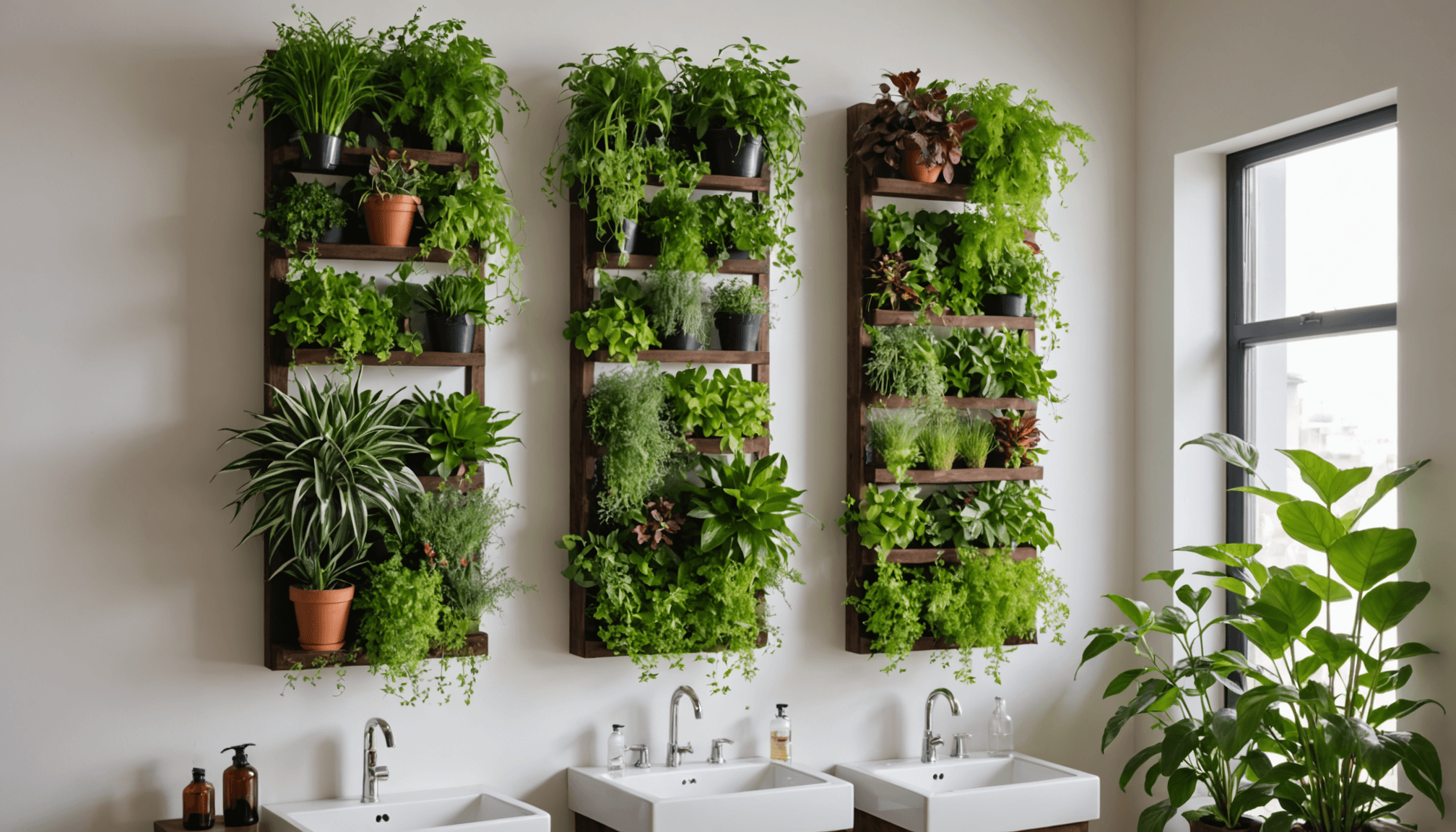
In small urban spaces, creativity and innovation are vital for effective gardening. One popular solution is to implement vertical gardening strategies, which provide maximum growing area without requiring a large footprint. Utilizing wall-mounted shelves, hanging pots, and vertical planters not only conserves floor space but allows your plants to receive light from above while adding visual interest and greenery to your urban environment. Consider integrating trellises into your design, which can support climbing plants like peas or cucumbers, keeping them off the ground and maximizing their light exposure.
Another effective approach is using modular garden systems, which allow for easy movement of plants based on shifting sunlight patterns. Create tiered planters that can be rearranged as needed or use portable containers that can be wheeled around your space, ideally tailoring your garden layout to optimize light absorption throughout the day. This flexibility encourages experimentation; try shifting your plants in response to seasonal changes or daily weather patterns to see what works best for their growth.
Small spaces can also benefit from utilizing multi-functional elements. For instance, consider incorporating edible plants into ornamental displays, combining form and function seamlessly. Herbs can be interspersed among flowering plants, enriching your garden’s aesthetic while providing fresh ingredients for cooking. This integration maximizes the utility of limited square footage, inviting more biodiversity and interest into an otherwise compact area.
Lighting can also be enhanced through the strategic placement of reflective surfaces, as previously discussed. Mirrors strategically positioned in your limited space can cast additional light towards your plants, almost doubling the efficiency of the sunlight they receive. You could even explore options such as vertical gardens with reflective backgrounds to enhance this effect, ensuring that the plants are bathed in maximum light throughout the day.
Ultimately, the key to thriving urban gardens lies not just in the amount of sunlight available but also in the strategic utilization and management of each inch of space. Consider how every decision—from plant selection to arrangement and care techniques—contributes to the overall health and aesthetic of your garden. Invite your creativity to flourish within these constraints, transforming your small urban space into a vibrant sanctuary filled with life, color, and growth possibilities.
- What are the best plants for small urban gardening?
- Consider easy-to-grow varieties such as herbs, lettuce, and small flowering plants that thrive in container gardens. Compact plants are ideal for maximizing limited space and can add both utility and beauty to your urban garden.
- How can I make my small garden appear larger?
- Using vertical gardening techniques, mirrors, and light colors for walls can create an illusion of more space. Additionally, tiered planters and hanging baskets help draw the eye upward, enhancing your garden’s overall appearance.
- What are some space-saving garden ideas for urban settings?
- Vertical planters, wall-mounted pots, and mobile containers are excellent space-saving options. You can also mix ornamental and edible plants to maximize the utility of every square inch.
- How do I water plants in a small urban garden without over-watering?
- Monitor soil moisture closely by check if the top inch is dry before watering again. Using pots with drainage holes helps prevent standing water and allows for better moisture management.
- Can I grow vegetables in small urban gardens?
- Yes, many compact vegetables such as radishes, lettuces, and bush beans can thrive in small spaces. Choose container-friendly varieties and optimize sunlight exposure for best results.
- How do mirrors help in urban gardening?
- Mirrors can bounce light into shaded areas, effectively enhancing the amount of sunlight plants receive, which is particularly useful in limited-light conditions.
- What are some tips for maximizing sunlight in a small garden?
- Position plants to take advantage of any sunlight and consider using reflective surfaces to brighten shaded areas. Regularly rotate your plants to ensure all receive adequate light throughout the day.
Seasonal Tips for Optimizing Growth in Shaded Areas
As the seasons change, urban gardeners with shaded areas must adapt their strategies to ensure plants thrive in limited sunlight. Different plants exhibit varied growth responses to seasonal light fluctuations, making it essential to closely monitor and adjust gardening practices accordingly. During early spring, consider selecting plants that can brave the cooler temperatures and gradually increasing shade. Early season crops like spinach and lettuce are excellent choices, as they can tolerate a bit of cooler weather and may still flourish in sun-dappled spaces.
As summer approaches, the presence of more consistent sunlight allows for a new wave of possibilities. Yet, even in the warmer months, shaded spots may not receive the same intensity of light as sunlit gardens. Therefore, use this time to evaluate your plant placements and consider rotating your containers to ensure optimal sun exposure. When pairing plant species, group those with similar light and water requirements together; this practice ensures optimal care without overshadowing plants that may need more attention.
Fall brings about another shift in sunlight availability as days shorten and temperatures drop. This is a prime time to transition to hardier plants suited for cooler conditions. Consider planting kale, chard, or even some root vegetables, which thrive in lower light and cooler temperatures. Ensuring these plants have adequate water and nutrient availability in the fall will support robust growth before the onset of winter.
During the winter months, urban gardeners face some of the most challenging conditions for plant health. With limited daylight, consider employing strategies such as using indoor grow lights to supplement the natural light your plants receive. For outdoor areas, ensure that any potential winter crops, such as garlic or overwintering onions, are well mulched to protect them from frost and provide some insulation. Additionally, ice and snow can create a problem by blocking light; therefore, cleaning snow from any reflective surfaces will help maximize available sunlight.
Another consideration for all seasons is to reassess your garden’s layout. As the year progresses, be mindful of how surrounding flora, such as trees or tall buildings, cast longer shadows. Adjusting the position of pots and garden beds in response to these changes can greatly improve sunlight access for your plants throughout the year. Even small shifts of a few inches can make a difference and allow more light to reach shaded areas.
Incorporate seasonal cleanup routines as well, which include removing dead leaves or debris that may have accumulated, thus preventing issues such as mold or pests that thrive in damp, shadowy conditions. Keeping the structure of your garden neat not only aids in plant health but can also enhance aesthetic appeal as seasons shift.
By understanding how seasonal changes impact light exposure in shaded areas, urban gardeners can create adaptive strategies that enhance their gardens throughout the year. This proactive approach opens the door for vibrant growth and a more productive urban gardening experience.