


Running a nursery involves navigating various financial management aspects that can significantly impact its operation and sustainability. It’s vital for nursery owners to develop a comprehensive understanding of these financial implications to ensure a successful venture. A well-managed nursery business can offer invaluable services to the community while also generating a stable income.
First and foremost, understanding the costs associated with operating a nursery is essential. These expenses can vary widely based on location, size, and the services provided. Here are some key cost categories to consider:
- Staffing: Salary and benefits for teachers and administrative staff can account for a large portion of your budget. Consider hiring qualified personnel who possess not just the necessary credentials but also a passion for early childhood education.
- Supplies: From educational materials to safety gear, the cost of supplies can add up quickly. To manage these expenses, evaluate bulk purchasing options and consider local partnerships to acquire necessary materials at a lower cost.
- Overhead: This includes rent or mortgage payments, utilities, insurance, and maintenance costs. It’s crucial to assess your space needs beforehand to avoid underestimating these expenses.
To maintain financial health, effective budgeting is paramount. This means creating a detailed budget that not only predicts costs but also accounts for unexpected expenses. A clear financial plan will help keep your nursery running smoothly and can serve as a roadmap for future growth.
Moreover, establishing multiple revenue streams can enhance the financial stability of your nursery. Consider offering additional services such as after-school programs, summer camps, or workshops for parents. These can be particularly effective in attracting a broader clientele and increasing your overall income.
Remain informed about grants and funding opportunities available for early childhood education programs. Various organizations and government agencies offer financial assistance to nurseries that meet specific criteria, thus providing a financial cushion to support your operations.
In summary, understanding the financial implications of running a nursery is integral to its success. By managing expenses wisely, exploring diverse revenue sources, and navigating funding options, you can create a thriving environment for both your business and the families you serve.
Budgeting for nursery expenses
Effective budgeting for nursery expenses is an essential component of financial management that plays a critical role in ensuring the sustainability and success of a nursery business. A well-structured budget not only assists in tracking daily expenditures but also serves as a strategic tool for long-term planning and growth. Developing an accurate budget involves several steps, focusing on estimating costs, identifying potential revenue, and planning for contingencies.
To start, it’s important to categorize expenses accurately. The following table illustrates the common categories of expenses that nursery owners should include in their budgets, along with examples of specific costs associated with each category:
| Expense Category | Examples of Costs |
|---|---|
| Staffing | Wages, benefits, training, and payroll taxes |
| Supplies | Educational materials, toys, art supplies, and cleaning products |
| Overhead | Rent, utilities, insurance, and maintenance costs |
| Marketing | Advertising, promotional events, and website maintenance |
| Curriculum Development | Training materials for staff, professional development workshops |
Once your expenses are categorized, the next step is to estimate each category’s costs realistically. Historical data, market analysis, and consultations with other nursery owners can provide valuable insights into expected expenses. It’s crucial to include a buffer for unexpected costs—typically, a cushion of 10%-20% of the total budget is advisable to account for unforeseen circumstances, such as repairs, regulatory changes, or sudden increases in staffing needs.
In addition to estimating expenses, budgeting for revenues is equally important. Revenue streams can come from various sources, and it’s essential to analyze and forecast these based on current trends and potential growth. Common revenue sources for a nursery business might include:
– Tuition Fees: This is often the largest source of income, calculated based on the number of enrolled children and the fee schedule.
– After-School Programs: Implementing programs that cater to older children can diversify income, providing care and educational activities outside regular hours.
– Special Events: Hosting workshops for parents or families can generate additional income while strengthening community ties.
– Partnerships and Grants: Collaborating with community organizations or applying for grants can provide financial support and help maintain the nursery’s programs.
To enhance the financial viability of the nursery, an ongoing review of the budget is essential. Regularly comparing actual expenses and revenues against the budget can help identify areas where adjustments may be necessary. Moreover, engaging staff in financial management practices can foster a culture of awareness and responsibility regarding the nursery’s finances, leading to cost-saving initiatives and more efficient operations.
Finally, keeping abreast of regulatory requirements and possible funding opportunities can aid in better financial planning. Being knowledgeable about available grants or financial aid for early childhood education can allow nursery owners to access additional resources that bolster their budgets.
By implementing detailed budgeting practices and remaining flexible in financial management, nursery owners can create a resilient foundation that supports not only their business growth but also the well-being of the children and families they serve.
Revenue streams in early childhood education

In the world of early childhood education, identifying and optimizing various revenue streams is vital for the financial health of your nursery business. Beyond tuition fees, there are several creative avenues to explore that can provide additional income while enriching the experience for children and families. Diversifying your offerings not only strengthens your financial position but also enhances your community engagement. Here are some strategies to consider:
- After-School Programs: Many working parents need reliable childcare after school hours. By offering after-school care, you can cater to busy families, providing homework help, enrichment activities, and structured playtime. This service can be adapted to accommodate various age groups and interests, expanding your client base.
- Seasonal Camps: Consider implementing seasonal camps during school breaks or holidays. These can include themed activities, such as nature exploration, arts and crafts, or sports, tailored to different age ranges. Seasonal camps not only attract new families but also foster a fun and educational atmosphere during non-school times.
- Parent Workshops: Hosting workshops that cover topics like child development, nutrition, or parenting strategies can create a supportive community while generating added income. Invite local experts to lead sessions, which can also promote partnerships within the community.
- Educational Materials and Merchandise: Create and sell educational materials, such as workbooks or DIY activity kits, that align with your curriculum. Custom nursery-branded merchandise, such as t-shirts or educational toys, can also serve as great promotional items while providing an extra sales channel.
- Co-Op Services: Partner with local businesses or nonprofits to offer joint services, such as family photography sessions or health workshops. These collaborations can bring in new clientele and help bolster your nursery’s visibility in the community.
It is also essential to continuously assess and adjust your pricing strategies for existing services. Offer promotional discounts for referrals or bundled packages, which can incentivize enrollment and foster customer loyalty. Additionally, employing a tiered pricing model for different age groups or program types can cater to diverse budgets and lead to increased enrollment.
In your marketing efforts, utilize social media and community platforms to spread the word about new programs and services. Create engaging content that highlights the unique offerings of your nursery, showcasing testimonials from satisfied families. This not only raises awareness but can lead to organic growth through positive word-of-mouth.
Moreover, keep a lookout for available grants and funding opportunities specifically tailored for early childhood education. Many local and state governments, as well as private foundations, offer support aimed at enhancing educational services. By applying for these resources, you can counterbalance operational costs and boost your overall financial management.
By diversifying your revenue streams and creatively enhancing your services, you can build a robust financial foundation that supports the long-term success of your nursery business. The key is to remain flexible, open, and responsive to the needs of the families you serve, thereby ensuring a thriving environment for both your nursery and the children entrusted to your care.
Cost analysis: staffing, supplies, and overhead
Effective cost analysis is critical to the financial health of any nursery business. It involves a thorough evaluation of direct and indirect costs associated with staffing, supplies, and overhead, allowing nursery owners to make informed decisions that impact profitability.
Staffing costs typically represent the largest expense category for a nursery. This includes not only salaries and wages but also benefits such as healthcare, retirement contributions, and ongoing training for employees. Finding the right balance between competitive pay and budget constraints is essential. Offering incentives for performance and professional development can also help attract and retain quality educators who will contribute positively to the nursery environment. A comprehensive analysis can identify areas for potential savings, such as transitioning some roles to part-time or utilizing interns or volunteers for supplementary support, particularly during peak seasons.
Supplies are another significant area of expenditure that requires careful budgeting and monitoring. The costs associated with educational materials, toys, games, and basic supplies such as cleaning products can accumulate quickly. To manage these expenses effectively, consider implementing bulk purchasing strategies or exploring partnerships with local suppliers for discounts or donations. Regular inventory assessments can prevent over-purchasing and ensure that the nursery only acquires what is genuinely needed for educational purposes, thus optimizing financial management.
Overhead expenses—comprised of rent or mortgage payments, utilities, insurance, and maintenance—are another crucial component of the cost analysis. Assessing your facility’s needs and negotiating lease terms can create opportunities for cost reductions. Additionally, investing in energy-efficient appliances and equipment may incur initial costs but can lead to significant savings on utility bills in the long term. Regular maintenance of your physical space can also prevent costly repairs, safeguarding the financial stability of the nursery.
A deep understanding of cost structures allows nursery owners to forecast future financial scenarios. This proactive approach empowers owners to make adjustments as needed, whether by fine-tuning staffing levels, determining the most cost-effective supplies, or negotiating better lease terms.
“A budget is telling your money where to go instead of wondering where it went.” – John C. Maxwell
Analyzing these financial aspects provides valuable insights that assist in decision-making processes. By implementing a system to continuously monitor and analyze these costs, nursery owners can maintain tight control over their budgets, ensuring that they allocate resources effectively. Additionally, this analysis can facilitate strategic planning for growth by identifying profitable areas to expand or services that may need reevaluation or enhancement.
In summary, a detailed cost analysis focusing on staffing, supplies, and overhead is a foundational aspect of effective financial management in nursery operations. By pinpointing and addressing these expenses, nursery owners can enhance their financial position, paving the way for operational sustainability and growth.
Financial planning for growth and sustainability
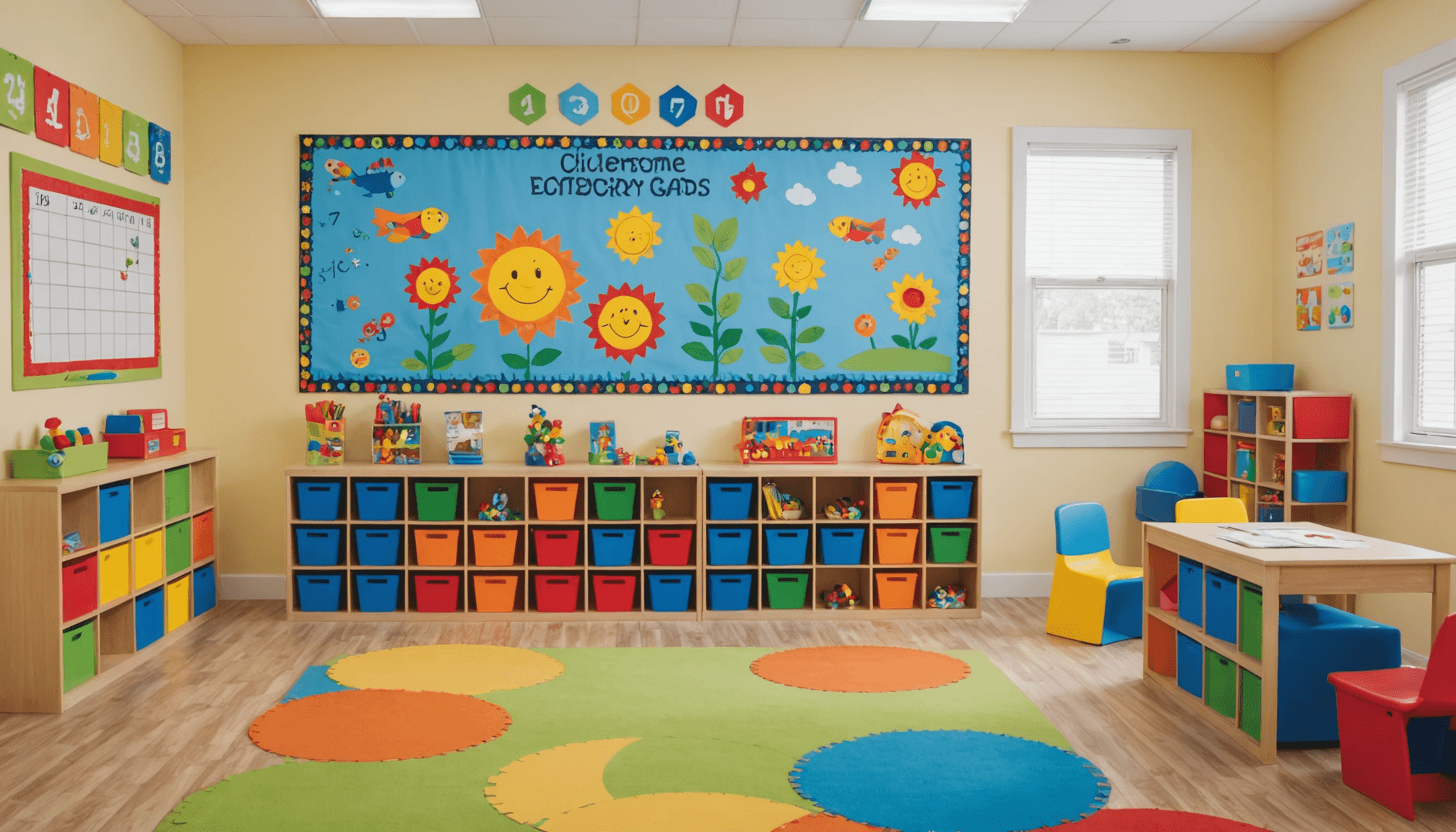
To build a robust nursery business that thrives in a competitive landscape, it is essential to consider not only the current financial situation but also to engage in strategic financial planning aimed at future growth and sustainability. This planning process should be seen as a dynamic and ongoing effort, reflecting the nursery’s ambition to adapt and expand amid changing market conditions. Key factors include evaluating market trends, setting clear financial goals, and maintaining flexibility to seize new opportunities as they arise.
One critical aspect of financial planning is the establishment of realistic and achievable growth targets. These targets should align with your nursery’s vision and encompass both quantitative and qualitative metrics, such as increasing enrollment rates, expanding services, or enhancing community engagement. Conducting regular market research can provide valuable data on family needs in your area, helping to identify trends that may affect your nursery’s growth potential. For example, if there’s an increase in working families, this could signal a demand for extended care options or specialized programs that cater to that demographic.
An equally important element involves creating a financial cushion to accommodate periods of fluctuation. This means establishing a reserve fund that can be tapped into during lean times or when unexpected expenses arise, such as urgent repairs or staffing shortages. Ideally, this fund should include 3-6 months’ worth of operating expenses. By proactively setting aside these resources, nursery owners can navigate challenges more effectively, ensuring continuity in operations and quality of care.
As the nursery evolves, the ability to invest in growth opportunities becomes imperative. This could include expanding the physical space, investing in new educational programs, or adopting innovative technology to streamline operations. Careful consideration should be given to the financing methods for these investments, whether through reinvested profits, loans, or grants. Investigating potential funding opportunities geared towards early childhood education can yield substantial benefits and provide the necessary financial support to drive projects forward. Cultivating relationships with local grants and funding organizations will enhance access to resources that may otherwise be overlooked.
Additionally, engaging your staff in financial management practices can foster a culture of shared responsibility. Educating your team about the financial implications of their roles can lead to a more cohesive environment where everyone works together to enhance efficiency and reduce unnecessary expenses. Encouraging input from staff regarding resource allocation and service improvement not only boosts morale but may also unveil innovative solutions that contribute to the financial success of the nursery.
Through careful planning and an unwavering focus on sustainability, nursery owners can create a thriving institution that not only meets the needs of children and families but also contributes positively to the community. The journey toward financial wellness in early childhood education is a continuous one, filled with learning opportunities and room for growth.
- What are the key financial metrics nursery owners should track?
- Nursery owners should monitor metrics such as enrollment numbers, revenue per child, staffing ratios, and operating expenses. Additionally, tracking cash flow and profit margins will provide invaluable insights into the nursery’s financial health.
- How can I effectively budget for unexpected expenses?
- Incorporate a contingency fund of approximately 10-20% of your total budget, specifically set aside for unforeseen circumstances. Regularly review and adjust budgets according to actual expenses to maintain financial flexibility.
- What funding opportunities are available for nurseries?
- Various grants, loans, and funding programs exist for early childhood education providers. Research local and state government programs, as well as private organizations that support educational initiatives to discover accessible funding options.
- How do I determine the right pricing for my services?
- Conduct market research to understand competitor pricing, ensuring your rates align with community expectations and the value of services provided. Consider implementing tiered pricing based on age group or program type to accommodate families’ varying budgets.
- What are effective ways to promote my nursery’s programs?
- Utilize social media, community newsletters, and local events to outreach and promote your services. Highlight success stories and testimonials from current families to build credibility and attract new clients.
- How important is staff training for financial success?
- Staff training is crucial for maintaining high-quality standards and operational efficiency, which ultimately impacts financial performance. A knowledgeable team can implement cost-saving strategies and enhance service delivery, contributing to the nursery’s profitability.
- Can partnerships help improve my nursery’s financial outlook?
- Yes, developing partnerships with local businesses, schools, or community organizations can create new revenue streams and foster mutual support. Joint initiatives can increase visibility and bring in resources that benefit both entities.
Navigating regulatory requirements and funding opportunities
Navigating the regulatory landscape is an essential aspect of running a nursery business. Compliance with these regulations not only ensures the safety and well-being of children but also protects the nursery from potential legal issues that could arise from non-compliance. Understanding local, state, and federal requirements can be overwhelming, but there are practical steps nursery owners can follow to streamline the process.
First, familiarize yourself with the licensing requirements in your area. Every state has its specific regulations, which may include background checks for staff, minimum staff-to-child ratios, and health and safety standards. Regularly reviewing these regulations can prevent lapses in compliance. To stay organized, create a checklist that outlines the key requirements and set reminders for renewal dates. This proactive approach can help alleviate the stress of sudden inspections or licensing deadlines.
Importantly, maintain accurate records of staff qualifications, training certifications, and child enrollment forms. These documents may be requested during inspections, and having them readily available will facilitate the process. Digital tools can simplify record-keeping; consider using management software designed for early childhood education that helps you keep track of necessary documents and important deadlines.
Another vital area to consider is funding opportunities available to support early childhood education initiatives. Various grants and financial assistance programs are offered at both the state and federal levels to help nurseries enhance their facilities, resources, and educational programs. Research grants tailored specifically to early childhood education, such as those from the U.S. Department of Education or local non-profits focused on family services. Websites like Grants.gov can provide a comprehensive listing of available funding options.
- Connect with local government agencies: Building relationships with organizations that administer grants can provide valuable insights into the application process and highlight upcoming funding opportunities.
- Network with other nursery owners: Collaborating with peers can offer guidance and share best practices for securing funding. Consider joining local early childhood education associations, as they can provide resources and support.
- Apply for business development grants: Many foundations offer financial support for creating or expanding educational programs focused on child development, which can directly impact your nursery’s offerings.
Additionally, consider engaging a consultant who specializes in educational funding. Their expertise can help identify suitable grants, guide you through the application process, and maximize your chances of securing financial support. It’s important to approach grant applications with thorough research and tailored proposals that speak directly to the objectives of the funding organization. Highlight how your nursery’s programs align with their goals and illustrate the positive impact on the community you serve.
Lastly, stay informed on upcoming changes in early childhood education policies that could open new funding avenues or alter existing regulations. Bookmark resources such as the National Association for the Education of Young Children (NAEYC) or state-specific education departments to get alerts on significant updates. Knowledge is power when it comes to navigating the financial management landscape of your nursery business.
By proactively managing compliance and pursuing funding opportunities, nursery owners can cultivate a secure financial environment, ultimately contributing to a thriving business dedicated to fostering early childhood development. This careful approach to regulatory navigation not only ensures operational stability but also enhances the quality of care provided to children and peace of mind for their families.