

Understanding the intricate rhythms of nature is essential for any successful nursery management endeavor. As seasons shift, so too do the needs of your plants, which can significantly influence their growth patterns. Each season brings unique opportunities and challenges that every urban dweller, family, millennial, and garden enthusiast should be prepared for.
During spring, for example, signs of new life emerge as temperatures rise and daylight increases. This is the perfect time to focus on seasonal changes in plant growth. Start by monitoring your plants closely; many will begin to show signs of new growth, which can require adjustments in care. Raise the humidity levels and maintain adequate moisture to support young sprouts. This can be easily achieved with simple tools like misting sprays or humidity trays.
Summer brings its own set of challenges as heat can stress plants, leading to potential wilting or sunburn. It is crucial to increase the frequency of watering, tailoring it to the specific types of plants you are growing. Consider implementing a drip irrigation system for efficiency, ensuring that each plant receives an appropriate amount of water without waste.
As autumn approaches, it’s important to prepare your plants for the colder months ahead. This is a great time for pruning and ensuring that your plant nursery is tidy and healthy. Consider mulching around your plants to retain moisture and regulate soil temperature. Additionally, now is the time to plant any fall crops or perennials that can thrive in cooler weather.
When winter arrives, many plants enter dormancy, requiring drastically reduced care. However, knowing how to care for your indoor plants or hardy outdoor selections is vital. Maintain a consistent watering schedule without over-saturating the soil. This is also the time to assess the health of your plants—keep a watchful eye out for any pests that may try to invade while indoors.
Recognizing these seasonal changes aids not only in enhancing plant health but also boosts the aesthetic appeal of your nursery. Consider documenting your plants’ responses to various seasonal shifts; this will provide valuable insights for future growing cycles, helping you establish a more effective gardening routine.
Preparing your nursery for seasonal transitions
 To effectively manage your nursery during seasonal transitions, preparing the environment and care routines for your plants is paramount. Each change in season demands specific adjustments that can foster healthy growth and resilience. One crucial aspect of this preparation involves assessing your space and making necessary modifications.
Start by evaluating your nursery layout. Ensuring that your plant arrangements allow light to reach each species according to their specific needs is vital. For example, light-sensitive plants may require relocation closer to natural sunlight or artificial grow lights during shorter winter days. Conversely, some plants may need shading during the peak summer months where direct sunlight can lead to heat stress. A flexible arrangement can help in catering to these varied light requirements throughout the year.
Additionally, air circulation plays a critical role in the growth and health of nursery plants. As seasons change, ensure that your nursery structure accommodates airflow, which is particularly essential in managing humidity levels. During high humidity seasons, consider using fans to promote air movement, thus reducing the risk of mold and mildew. Implementing a robust ventilation system will not only help in temperature regulation but also optimize the microclimate within your nursery.
Moreover, engaging in soil preparation is essential for seasonal transitions. Soil health significantly impacts plant vigor. Testing your soil periodically allows you to maintain appropriate pH and nutrient levels. Prepare for seasonal changes by incorporating organic matter like compost or well-rotted manure into the soil, enhancing its structure and nutrient content. This will optimize your plants’ ability to absorb moisture and nutrients as the seasons demand.
The following table illustrates the various preparations needed for seasonal transitions in your nursery:
| Season | Preparation Actions | Considerations |
|---|---|---|
| Spring | Monitor plant growth, adjust watering, and setup humidity trays. | Watch for new sprouts needing increased moisture. |
| Summer | Increase watering frequency, inspect for heat stress, and optimize shading. | Implement overhead or drip irrigation systems for efficiency. |
| Autumn | Prune plants, mulch, and prepare for potential frost. | Introduce fall crops and ensure soil is nutrient-rich. |
| Winter | Assess indoor plants, reduce watering, and maintain pest vigilance. | Consider insulation for outdoor plants and check for dormancy energy levels. |
Another aspect of nursery management during seasonal transitions is to engage staff or volunteers in training. Ensuring that everyone involved understands the specific needs of plants in different seasons helps maintain a high standard of care. Workshops on essential pruning techniques or watering best practices can empower your team and enhance overall nursery performance.
Implementing these strategies will create a well-prepared nursery that not only thrives through seasonal changes but also positions you for success in the ever-evolving business of gardening and plant care.
Adjusting watering and fertilization schedules
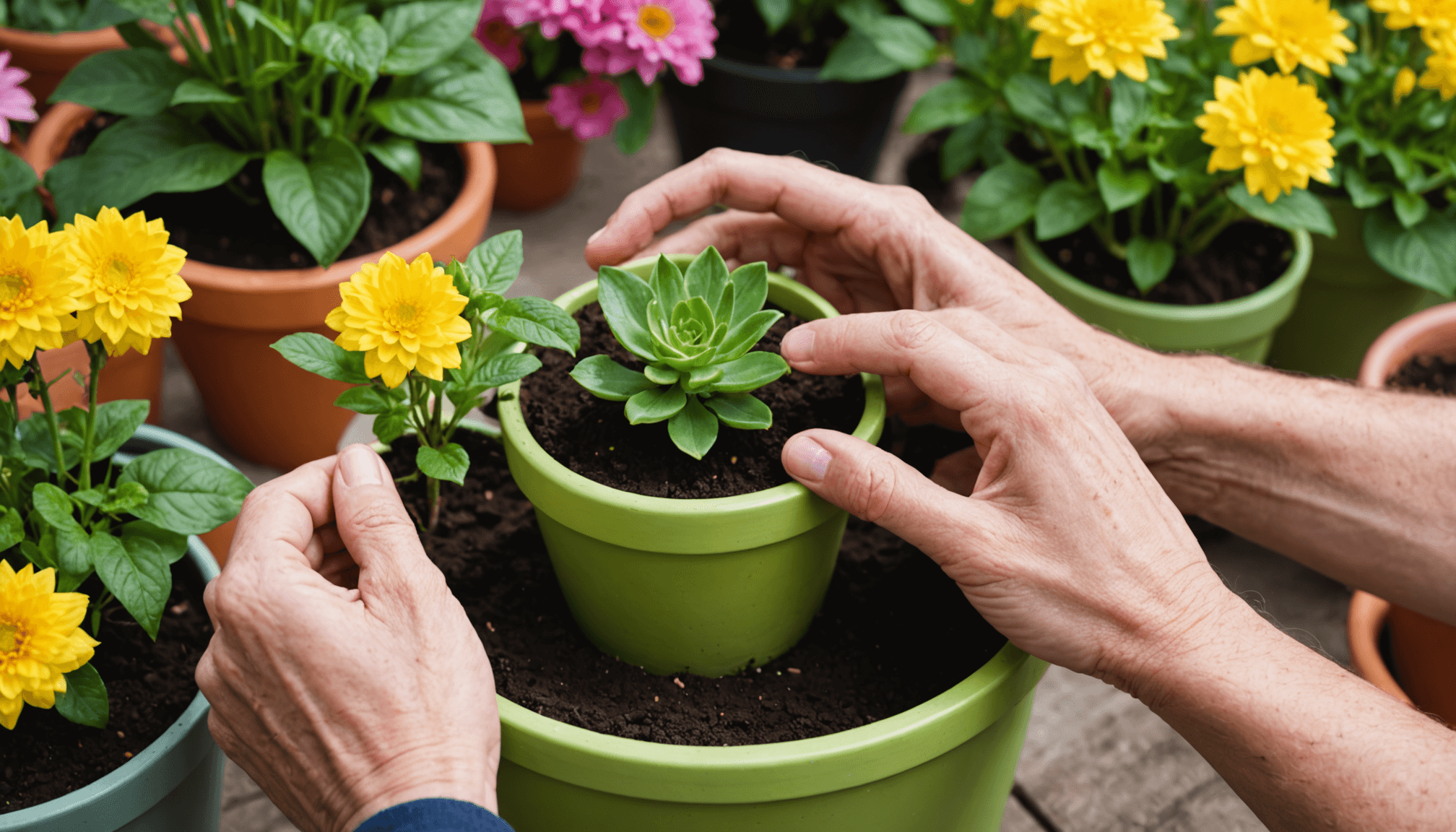
Adjusting your watering and fertilization schedules is critical as you navigate through seasonal changes. Each season brings unique environmental conditions that directly impact how much and how often plants need water and nutrients. Understanding these variations not only fosters healthier plants but allows your gardening efforts to flourish in a competitive market.
During the spring, as temperatures rise and days lengthen, plants become more active. This is typically the time for increased watering to support budding growth. Make it a habit to check the soil moisture regularly; a simple finger test can help determine when to water. If the top inch of soil feels dry, it’s time to give your plants a drink. Remember to water deeply and less frequently, encouraging roots to grow strong and deep.
When it comes to fertilization, spring is the ideal time to provide your plants with a nutrient boost, especially if you’ve previously amended your soil in the fall. Organic fertilizers like compost or well-balanced slow-release fertilizers work wonders at this stage. Keep in mind that different plants have different nutrient requirements; always tailor your fertilization schedule based on the specific needs of your nursery stock. For instance, nitrogen is essential for leafy growth, while phosphorus promotes blooming.
As summer brings warmer temperatures, your watering needs may shift again. Plants often require more water during the heat to prevent stress and wilting. Consider investing in a drip irrigation system for efficiency; this method delivers water directly to the root zone, minimizing evaporation and runoff. Be vigilant about adjusting your schedule based on recent rainfall and the moisture levels in the soil—overwatering can be just as damaging as underwatering. For added moisture retention, mulching is a must during this season, as it retains soil moisture and suppresses weeds.
Approaching the fall, your watering practices might require a gradual reduction. As temperatures drop, many plants slow their growth and may need less water. However, be cautious—some fall crops thrive and will still require consistent moisture. This is also a good time to conduct soil testing again to gauge nutrient levels before winter. Fertilize with a balanced organic mix as your plants prepare for dormancy; it ensures they have the necessary nutrition to withstand colder months.
In winter, the watering frequency should diminish even further. Most plants go dormant, meaning they need minimal moisture. However, keep an eye on indoor plants or those in greenhouses that might still be active due to warmer conditions. A good practice is watering them deeply but less often, allowing the soil to dry out between sessions. Maintaining moderate moisture is crucial; too much water during dormancy can lead to root rot.
Here’s a summary of seasonal considerations for adjusting your watering and fertilization schedules:
- Spring: Increase watering frequency as plants become active. Fertilize with a slow-release formula to boost growth.
- Summer: Monitor for heat stress; increase watering, possibly using drip systems. Consider mulch to retain moisture.
- Fall: Gradually reduce watering as temperatures drop, but maintain moisture for fall crops. Fertilize to prepare for dormancy.
- Winter: Water sparingly; most plants are dormant. Be cautious with indoor plants that might still be growing.
By actively adjusting your practices based on these seasonal changes, you can enhance both the growth and health of your plants significantly. Remember, thoughtful nursery management plays a vital role in the success of your gardening endeavors, ensuring your efforts are both fruitful and rewarding.
Protecting plants from extreme weather conditions
To safeguard plants against the extremes of weather, proactive measures are essential in nursery management. Seasonal changes can introduce challenges such as intense heat, frost, heavy rain, and strong winds that can jeopardize the health of your plants. By recognizing these potential threats, you can devise strategies to mitigate their impacts effectively.
When preparing for summer’s heat, shading your plants is crucial. Implementing shade cloth or planting taller crops to provide shelter can help shield sensitive plants from scorching sunlight. Keeping the soil cool is just as important—adding layers of mulch can protect root systems, retain moisture, and enhance soil temperature regulation. Watering early in the morning or late in the afternoon also helps prevent moisture loss due to evaporation during peak sun hours.
As autumn approaches and the risk of frost increases, taking preemptive actions can protect your plants from sudden temperature drops. Utilizing row covers or cloches is an effective way to trap heat and shield delicate plants overnight. For those in regions prone to early frost, consider relocating pots to sheltered areas or constructing temporary greenhouses to maintain a stable microclimate. If planting late-season crops, select frost-resistant varieties that can withstand cooler temperatures.
Winter preparation will focus heavily on protecting plants from harsh conditions, particularly in areas with significant snowfall or freezing temperatures. For outdoor plants, creating windbreaks using fencing or dense hedges can reduce the impact of chilling winds. It’s also a good idea to wrap sensitive plants in burlap or protective mats to insulate them from the cold. Regularly clearing snow off fragile branches prevents them from breaking under the weight, while ensuring that important air circulation remains undisturbed.
“An ounce of prevention is worth a pound of cure.” – Benjamin Franklin
In addition to physical protection, monitoring humidity levels is vital during periods of extreme weather. In excessively dry conditions or homes with heating systems, indoor plants may suffer from desiccation. Misting the foliage or using humidity trays can help maintain an ideal environment. Conversely, in high humidity situations, particularly in greenhouses, ensure adequate ventilation to stave off mold and disease, which can thrive in moisture-laden air.
Lastly, be vigilant in scouting for pests and diseases that might take advantage of seasonal changes. Warmer temperatures may lead to increased insect activity, making it essential to implement integrated pest management strategies. Whenever possible, keep your plants healthy and stress-free, reinforcing their defenses against potential threats.
With thoughtful planning and protection strategies tailored to the needs of your nursery, you can successfully navigate the various challenges inherent in seasonal changes. These measures create a robust environment that fosters vibrant plant growth and minimizes loss, ensuring your gardening efforts yield the best possible results.
Implementing pest and disease management strategies

Implementing effective pest and disease management strategies is essential for maintaining the health and vitality of your plants throughout the year. As seasonal changes bring fluctuations in weather, humidity, and temperature, they can create an environment ripe for various pests and diseases. Understanding these seasonal patterns enables nursery managers and gardeners alike to take proactive steps in safeguarding their plants, thus ensuring that they thrive in a healthy ecosystem.
During the spring, as plants emerge from dormancy and begin their active growth phase, the likelihood of pest infestations increases. Aphids, spider mites, and whiteflies are common culprits that can undermine your efforts. To combat these pests, consider employing integrated pest management (IPM) techniques. This includes introducing beneficial insects, such as ladybugs and predatory wasps, into your nursery. Additionally, maintain a clean environment by regularly removing debris and dead plants, which can harbor pests, and monitor your plants closely for early signs of trouble.
Summer, with its warm temperatures and sometimes high humidity, can exacerbate pest problems. It is particularly important to establish routine monitoring during this season. Examine the undersides of leaves and stems for signs of insect activity or fungal infections. Preventative measures, such as applying organic pesticides like neem oil or insecticidal soap, can help deter infestations. Furthermore, ensure your plants are healthy and well-watered, as stressed plants are often more susceptible to pests and diseases.
As the days grow shorter and temperatures begin to cool in the fall, certain pests may lessen, but diseases can still pose a risk. Fungal diseases such as powdery mildew often thrive in the mild conditions of early fall. To mitigate the spread of such diseases, ensure that your plants are adequately spaced to promote air circulation and minimize moisture buildup. Applying organic fungicides can offer additional protection during this vulnerable time.
When winter arrives, many plants enter a dormant state, but this does not mean the threat of pests is gone. In fact, certain pests can infest indoor plants or those in greenhouses. Regularly inspect foliage for any signs of activity and consider implementing traps to monitor populations. Additionally, maintaining optimal humidity levels in your indoor environments can deter spider mites, which feed on dry plant material.
Employing a comprehensive approach that includes normal plant care, observation, and the introduction of beneficial organisms can significantly reduce the impact of pests and diseases throughout the seasons. As you navigate these challenges, embrace the opportunity to learn more about pest lifecycle patterns and disease susceptibility in relation to seasonal changes. By doing so, you not only enhance your nursery management skills but also cultivate a richer understanding of the organic gardening experience.
- What are the signs of pest infestation in my nursery?
- Common signs include wilting or yellowing leaves, visible insects, holes in leaves, and sticky residue on plants (honeydew). Regular inspection is vital to catch infestations early.
- How can I prevent diseases from affecting my plants?
- To prevent diseases, ensure proper air circulation, avoid overhead watering, and maintain clean growing conditions. Regular monitoring for early symptoms can help manage potential outbreaks.
- Are there organic solutions for pest control?
- Yes, organic solutions include introducing beneficial insects, using insecticidal soaps, or applying neem oil. These methods are effective and minimize harm to beneficial organisms.
- How often should I inspect my plants for pests?
- It’s best to inspect your plants at least once a week, especially during active growth seasons. Look for visible signs of trouble or abnormalities in leaf coloration and texture.
- What should I do if I find a severe pest infestation?
- If you encounter a severe infestation, isolate the affected plants to prevent spreading. Treat them with appropriate organic pesticides and consider removing heavily infested plants entirely.
- Can seasonal changes affect the effectiveness of pest control methods?
- Yes, the efficacy of certain pest control methods can vary with seasonal changes, as pests may become more or less active depending on temperature and humidity. Adjust your strategies accordingly.
- What role does soil health play in pest management?
- Healthy soil leads to strong plants, which are more resilient to pests and diseases. Regularly testing and amending your soil with organic matter improves plant vigor and mitigates stress.
Planning for seasonal sales and promotions
As you gear up for seasonal sales and promotions in your nursery, understanding trends and customer needs can significantly enhance your success. The changing seasons present unique opportunities to market your plants while simultaneously adapting your approach based on what’s in demand. Whether you’re an urban dweller, a family, a millennial, or a garden enthusiast, making the most of these seasonal transitions will set the stage for thriving business operations.
Spring is traditionally synonymous with renewal and growth; thus, it’s the perfect time to launch your major sales campaigns. Grab your customers’ attention with enticing promotions on popular spring plants such as flowering annuals, vibrant perennials, and hardy herbs. Utilize social media platforms to showcase your new arrivals, perhaps even featuring vibrant videos of young plants bursting with life. Consider offering bundled discounts where customers can purchase a combination of plants and gardening supplies for a cohesive gardening experience. For example, provide a “Spring Starter Kit” that includes a selection of seedlings, recommended soil, and basic tools. This not only creates value but also encourages novice gardeners to dive in with all necessary resources at hand.
As the temperatures soar in summer, shift your promotional focus towards drought-resistant plants and summer blooming perennials that thrive despite the heat. Highlight the benefits of these plants through engaging blog posts on your website or through email newsletters, celebrating their low-maintenance requirements and ability to conserve water. You could even host workshops in-store, teaching your customers how to care for these resilient beauties. Offering limited-time summer sales or “flash sales” can create urgency and excitement, encouraging customers to grab their deals before they disappear.
With the arrival of autumn, customers often look for seasonal decorations, creating an excellent opportunity for themed promotions. Consider showcasing fall favorites such as ornamental pumpkins, mum plants, and colorful foliage. Utilize your online platforms for “Curbside Autumn” offerings where customers can order ahead for easy pickup. Additionally, creating a visually appealing display of fall-themed arrangements can draw in foot traffic, inspiring customers to purchase decor for their homes. Collaborating with local businesses, like bakeries that provide seasonal treats, can inspire foot traffic and enhance customer experience.
During winter, while gardening may slow, this can be an ideal time to focus on promoting indoor plants and hardy winter varieties. Consider creating visually inviting holiday gift baskets that feature houseplants, unique pots, and organic fertilizers, appealing to both seasoned gardeners and novice plant parents alike. Leverage online marketing techniques by emphasizing gift ideas in newsletters or creating posts showcasing how plants can liven up indoor spaces during the colder months. Running early bird promotions for pre-orders of spring plants can also stir excitement and help you gauge what your customers are interested in for the upcoming season.
Additionally, maintaining an active presence on various social media platforms throughout the year can help build a community of garden enthusiasts. Share planting tips, offer exclusive sneak peeks of upcoming sales, and engage with your audience through gardening challenges—these activities not only foster customer loyalty but also elevate your nursery’s reputation as a trusted source for plant knowledge and support.
Here are some practical tips for planning your promotions by season:
- Spring: Launch major spring campaigns with attractive bundles and engaging online content.
- Summer: Focus on drought-resistant plants, utilize workshops and flash sales to create urgency.
- Autumn: Showcase fall decor options, collaborate with local businesses, and create captivating displays.
- Winter: Highlight indoor plants in gift baskets and run pre-order promotions for spring.
Understanding how seasonal changes influence customer behavior along with strategic planning for sales and promotions can transform your nursery management approach. Being intentional about adapting to seasonal trends ultimately enhances customer satisfaction and tightens the bond between your business and the community you serve.