

Using herbs to repel pests is not only effective but can also enhance the beauty and aroma of your garden. Many common herbs have natural properties that deter unwanted critters while attracting beneficial insects. Here are some effective herbs for pest control you may want to consider incorporating into your gardening practices.
- Basil: This aromatic herb is not just a culinary delight; its strong scent repels flies and mosquitoes. Plant basil near tomatoes and peppers to protect them from these pests.
- Mint: With its vigorous growth and pleasant fragrance, mint can ward off ants, aphids, and cabbage moths. Be cautious, though; mint can take over a garden if not contained, so consider planting it in pots.
- Rosemary: This hardy herb not only adds flavor to your dishes but also acts as a deterrent for beetles and other harmful insects. Plant rosemary in sunny areas, as it thrives in heat.
- Lavender: Known for its calming aroma, lavender repels moths, fleas, and mosquitoes. Its beautiful flowers can also attract pollinators, making it a dual-purpose plant in your garden.
- Garlic: While not an herb in the traditional sense, garlic is a powerful pest repellent. It can deter aphids, spider mites, and even rabbits. You can plant individual cloves or make a homemade garlic spray for a strong defense.
- Thyme: This versatile herb is excellent for repelling cabbage worms, aphids, and whiteflies. Additionally, its low-growing nature makes it a perfect ground cover that can help maintain moisture in the soil.
Incorporating these herbs into your garden not only helps in keeping pests at bay but also supports plant health and yields. Make sure to plant them in a way that complements your vegetable and flower beds. Creating a diverse ecosystem will help enhance the effectiveness of these natural pest deterrents.
Remember, while herbs can significantly reduce pest populations, they are part of a holistic approach to gardening. Integrating these plants with other pest management strategies, such as beneficial insects and healthy soil practices, can lead to a thriving garden.
For more detailed information regarding the benefits and uses of these herbs, consider sources like the National Center for Biotechnology Information, which provides research-backed insights into herbal pest control strategies.
Gardening methods to enhance plant health
To enhance the health of your plants and create a productive garden environment, implementing effective gardening methods is essential. Healthy plants are more resilient to pests and diseases, which minimizes the need for chemical interventions. Here are several methods that can significantly aid in improving plant vitality and robustness.
Proper soil management is a fundamental aspect of plant health. Ensuring that the soil is rich in organic matter not only improves nutrient availability but also enhances soil structure and drainage. Regularly adding compost or well-rotted manure can help maintain moisture levels while providing essential nutrients. Additionally, testing soil pH and nutrient levels can help determine the specific amendments your garden may need.
Watering practices also play a vital role in enhancing plant health. Overwatering or underwatering can stress plants, making them more susceptible to pests. It is advisable to use mulch to retain soil moisture while preventing evaporation. This not only helps maintain a stable environment for root systems but also deters weeds that compete for the same nutrients and water.
Exposure to sunlight is crucial for plant health, as most plants require a certain amount of sunlight each day to photosynthesize effectively. When selecting planting locations, assess the light conditions and choose crops that are suitable for those conditions. For instance, leafy greens prefer partial shade, while tomatoes thrive in full sun.
Diversity in planting is another effective method to promote plant health. Incorporating a variety of plant species can enhance the resilience of your garden. This technique, known as polyculture, can reduce the spread of pests and diseases that often target specific plants. Additionally, interplanting flowers with vegetables can attract beneficial insects and pollinators that contribute to the ecosystem’s balance.
Here is a comparison of different gardening practices that enhance plant health:
| Gardening Method | Benefits | Considerations |
|---|---|---|
| Soil Management | Improves nutrient availability and soil structure | Regular testing required to maintain balance |
| Watering Practices | Reduces plant stress, encourages strong roots | Requires monitoring to avoid over/underwatering |
| Sunlight Exposure | Essential for photosynthesis; supports healthy growth | Plants must be chosen based on light needs |
| Diversity in Planting | Reduces pest and disease spread, attracts beneficial insects | Requires planning for compatible species |
In addition to these methods, regularly observing your garden for signs of stress and pest issues allows for timely interventions. Pruning diseased or damaged plants can prevent problems from escalating, while companion planting can provide additional protection by creating a synergistic environment where plants support each other. By maintaining overall plant health, you encourage a thriving garden ecosystem that naturally suppresses pest populations.
Natural solutions for common garden pests

Natural solutions for common pests in the garden rely on integrating easily accessible products and practices that allow for effective pest management without harmful chemicals. Utilizing these methods not only protects your plants but also nurtures a healthy gardening environment, fostering biodiversity and sustainability.
One potent solution for managing pests is the use of diatomaceous earth. This natural powder, composed of tiny fossilized aquatic organisms, is effective against soft-bodied insects like slugs and aphids. Simply dust it around affected plants; the sharp edges of the particles will pierce the exoskeletons of pests, leading to dehydration. Just ensure to reapply after rain, as it loses effectiveness when wet.
Neem oil is another versatile natural remedy. Extracted from the seeds of the neem tree, this oil disrupts the life cycle of insects by preventing them from feeding and reproducing. It’s particularly effective against aphids, whiteflies, and spider mites. Dilute neem oil with water according to package instructions and spray it on your plants in the early morning or late afternoon to avoid leaf burn from direct sunlight.
For persistent pests, a homemade garlic spray offers a simple solution. Ingredients are both safe and readily available: blend a few cloves of garlic with water, strain the mixture, and add a few drops of liquid soap to help it stick to leaves. Spray this solution directly onto the leaves of infested plants to deter pests due to garlic’s strong odor, which many insects find repulsive.
Another natural method involves using hot pepper spray. Combine water and crushed red pepper or hot sauce, let it steep overnight, and strain before application. The spiciness of the peppers will create a barrier that pests dislike. This solution works particularly well to deter rabbits and deer.
A soap spray is also effective against soft-bodied insects. Mixing water with a few tablespoons of mild liquid soap can suffocate pests like aphids and mites by blocking their breathing pores. Test on a small section of the plant first to ensure no adverse reaction occurs before widespread application.
In addition to these treatments, enhancing the presence of beneficial insects—like ladybugs and lacewings—can naturally reduce pest populations. Create a welcoming environment for them by planting a diversity of flowers like yarrow, dill, and marigolds. These plants provide nectar and pollen, making your garden an attractive refuge for helpful insects that prey on pests.
Moreover, keeping your garden clean by removing debris and dead plants can significantly reduce pest hideouts, decreasing their chances of invading your flourishing plants. Regularly check under leaves and in soil to catch pest problems early. If detected promptly, targeted treatments can minimize impact without disrupting your gardening ecosystem.
By implementing these natural solutions, you will foster a thriving garden that not only resists pests effectively but also contributes to a balanced, vibrant environment for all life forms within your gardening space.
Companion planting: Boosting defenses
Companion planting involves strategically planting different species close together to enhance growth, deter pests, and improve crop yields. This planting method leverages the natural relationships between plants, maximizing their growth potential while minimizing pest infestations. Certain combinations can promote healthier plants and create a natural pest control system.
One well-known example of companion planting is the pairing of tomatoes and basil. Not only does basil enhance the flavor of tomatoes, but it also repels pests such as hornworms and aphids. This symbiotic relationship not only improves yield but also elevates the overall health of both plants. Meanwhile, planting marigolds alongside vegetables serves as a natural deterrent for nematodes and aphids; the scent of marigolds masks the aroma of surrounding plants, making it harder for pests to locate their hosts.
Another effective pairing is carrots and onions. Carrots benefit from the presence of onions, which repel carrot flies—an insect that can destroy carrot crops. Similarly, cabbage and nasturtiums make a great combination, as nasturtiums can distract pests like aphids and cabbage moths away from cabbage, providing a shield for this susceptible vegetable.
Creating a diverse garden layout with flowering plants and herbs can attract beneficial insects that act as natural predators to harmful pests. For example, planting dill or fennel encourages ladybugs and lacewings, which consume aphids and other garden pests. Similarly, plant combinations like beans and corn or squash can enhance nutrient exchange in the soil, as beans fix nitrogen, benefiting their neighboring crops.
“The key to a flourishing garden is not just in planting crops but in understanding their relationships.”
In addition to these beneficial plant pairings, it’s essential to consider the timing of planting. Some plants grow better when their companions are established first, while others might benefit from being planted at the same time. Regularly observing plant interactions can offer insights for improving your companion planting strategies, leading to a more resilient garden.
Incorporating companion planting techniques not only creates a more vibrant and diverse garden but can also significantly enhance the resilience and productivity of your plants. By understanding and utilizing the relationships between different plant species, gardeners can create a naturally balanced ecosystem that supports plant health and repels pests effectively.
DIY pest repellent recipes
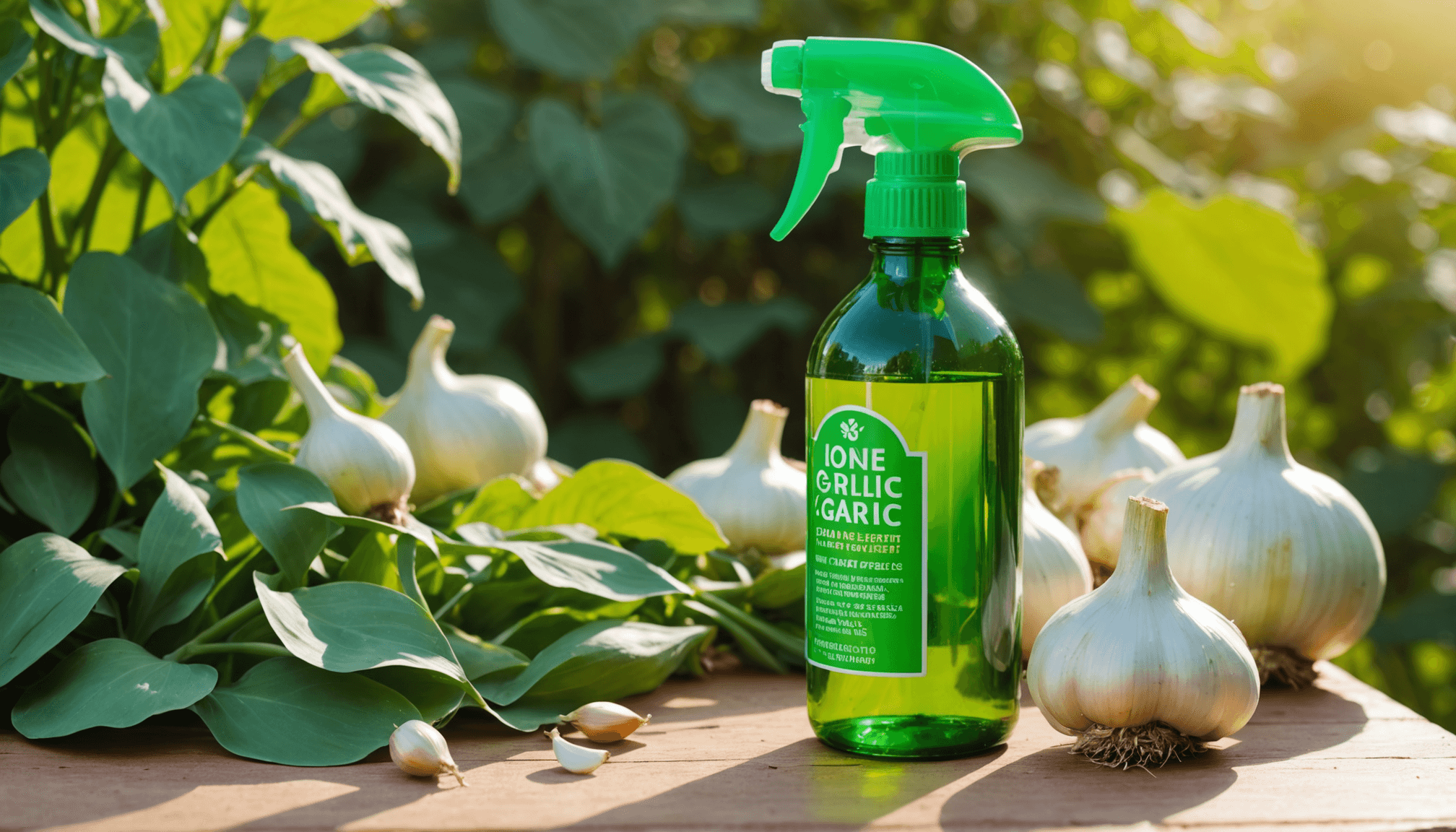
Creating your own pest repellent remedies can be both fulfilling and practical. Utilizing easily accessible ingredients from your kitchen or garden allows you to craft customized solutions that effectively deter pests without the harsh chemicals found in many commercial products. Here are several DIY pest repellent recipes that are simple to prepare and can enhance your pest management strategies.
One popular recipe involves a garlic spray, which capitalizes on garlic’s natural pungency to repel various insects. To make it, blend several cloves of garlic with water, strain the mixture, and add a touch of dish soap to help it adhere to plant surfaces. Spray this solution onto the leaves of your plants as needed, especially targeting areas where pests congregate. Its strong odor makes it particularly effective against aphids, spider mites, and even mosquitoes.
Another effective DIY solution is a peppermint oil spray. Combine a few drops of peppermint oil with water in a spray bottle, adding a few drops of liquid soap as an emulsifier. This refreshing and strong-scented spray acts as a deterrent for ants, beetles, and spiders. Aim to apply it early in the morning or late in the afternoon to prevent midday sun damage to your plants.
A mixture of cayenne pepper and water is another powerful repellent. Boil water and add crushed cayenne pepper. Allow it to steep, cool, and strain it before applying it to your plants. This spicy solution will help deter a variety of pests, including deer and rabbits, who are particularly sensitive to spicy compounds.
For more robust solutions, a soap and water mixture can be quite effective against soft-bodied insects like aphids and whiteflies. Combine water with a few tablespoons of mild liquid soap and spray directly onto affected plants. This mixture works by suffocating pests without harming your plants when applied in moderation.
Creating a neem oil solution is another compelling option. Dilute neem oil according to package instructions and spray it onto your plants to disrupt the feeding and reproductive patterns of numerous pests like whiteflies and caterpillars. It is important to remember that some plants may be sensitive to neem oil, so always test on a small area first.
Furthermore, a simple water and vegetable oil mix can also provide a natural barrier against pests. Combine water with a few tablespoons of vegetable oil and spray it around your garden. This solution can deter pests while providing additional moisture to the leaves, aiding in plant health. Just like with other sprays, ensure that you apply it in the early morning or late afternoon to avoid leaf burn.
Some gardeners also find success using fermented plant juices as pest repellents. By steeping leaves from strong-smelling plants such as comfrey, dandelion, or even rosemary in water for an extended period, you create a nutrient-rich solution that can deter pests due to its strong aroma when applied to foliage.
Experimenting with these recipes can not only help protect your garden from pests but also foster a deeper understanding of the natural compounds that contribute to plant health and pest management. As you explore these options, adjust your recipes based on what works best in your unique gardening environment, and consider sharing your findings with fellow gardeners.
- How often should I apply DIY pest repellents?
- It is generally best to apply DIY pest repellents every 1-2 weeks or after rainfall, as their effectiveness may diminish with exposure to water. Monitoring your plants for signs of pest activity will also help determine if more frequent application is necessary.
- Are DIY pest repellents safe for edible plants?
- Most DIY pest repellents made from natural ingredients are safe for edible plants. However, always rinse your fruits and vegetables before consumption to remove any residue, especially after applying any oils or soap-based mixtures.
- Can I use essential oils in my pest repellent sprays?
- Yes, essential oils like peppermint, tea tree, and eucalyptus can be effective ingredients in DIY pest repellents. Always dilute essential oils with water and a mild soap to help them mix and stick to plant surfaces.
- What pests can be deterred using these DIY recipes?
- DIY pest repellents can effectively deter a wide range of pests, including aphids, spider mites, whiteflies, ants, and even larger garden nuisances like deer and rabbits, depending on the recipe used.
- Is there a risk of harming beneficial insects with DIY repellents?
- While many DIY repellents target harmful pests, some could inadvertently affect beneficial insects. To minimize this risk, apply sprays early in the morning or late in the day when beneficial insects are less active.
- How should I store any remaining homemade pest repellents?
- Store unused pest repellents in a cool, dark place and use them within a few weeks for maximum effectiveness. Always label your sprays with the ingredients and application date to keep track.
- Can these recipes be combined for better results?
- Yes, many gardeners find success in combining different recipes to create a multi-faceted approach to pest management. Just ensure that the combined ingredients do not react negatively, and always test on a small area first.
Maintaining a balanced garden ecosystem
Maintaining a balanced garden ecosystem is crucial for fostering a thriving environment for your plants while naturally controlling pest populations. Creating this balance involves understanding the interconnections among plants, animals, and microorganisms within your garden. This holistic approach not only cultivates healthy plants but also supports a dynamic community of beneficial organisms.
One of the fundamental practices in maintaining this balance is diversifying your plant selections. By including a rich variety of species, you enhance the resilience of your garden. For instance, pairing flowering plants with vegetables attracts pollinators like bees and butterflies, which are essential for fruit and seed production. Additionally, plants that produce nectar or pollen—such as coneflowers or daisies—can lure in predatory insects that feed on common garden pests, effectively lowering their populations.
Another key element is ensuring a healthy soil ecosystem. Healthy soil teems with life, including earthworms and beneficial microbes, which play a vital role in nutrient cycling and improving soil structure. Incorporating organic matter, such as compost or well-rotted manure, not only provides essential nutrients to your plants but also encourages this lively community. Consider taking soil samples periodically to assess nutrient levels and adjust your amendments accordingly to maintain optimum soil health.
Mulching is also an effective way to maintain environmental balance in your garden. It helps retain soil moisture, suppresses weeds, and moderates soil temperature, creating a more stable environment for your plants. Organic mulches—like straw, wood chips, or shredded leaves—not only provide these benefits but also break down over time, adding nutrients back into the soil. As an added bonus, they often create a habitat for beneficial insects and microorganisms.
Additionally, consider the importance of water management. Overwatering can lead to root rot and promote fungal diseases, while underwatering stresses plants, making them more vulnerable to pests. Implementing a drip irrigation system can ensure your plants receive consistent moisture at the root level, reducing evaporation and promoting healthier growth. Grouping plants according to their water needs can also optimize your watering efforts, conserving water and ensuring each plant species thrives.
Introducing beneficial insects into your garden is another essential strategy. Ladybugs, lacewings, and predatory wasps are natural enemies of pests like aphids and caterpillars. You can attract these helpful friends by planting diverse flowering species and avoiding the use of broad-spectrum insecticides that could harm them. A balanced garden is one where the populations of beneficial predators and harmful pests are kept in check through their natural relationships.
Remember, observing your garden regularly is key to maintaining balance. Watch for signs of stress or irregular growth in plants, and monitor pest levels before they escalate into larger issues. Practicing integrated pest management (IPM) techniques that focus on prevention and intervention helps maintain healthy populations of beneficial insects while controlling pests effectively.
Finally, complementing your gardening practices with some mindful practices like crop rotation can significantly improve soil health and reduce pest incidence. Rotating your crops each season prevents pests and diseases from becoming established, as they will be denied their preferred hosts. This simple strategy can help break the lifecycle of pests while boosting soil nutrients as different plants contribute various benefits to the growing environment.