
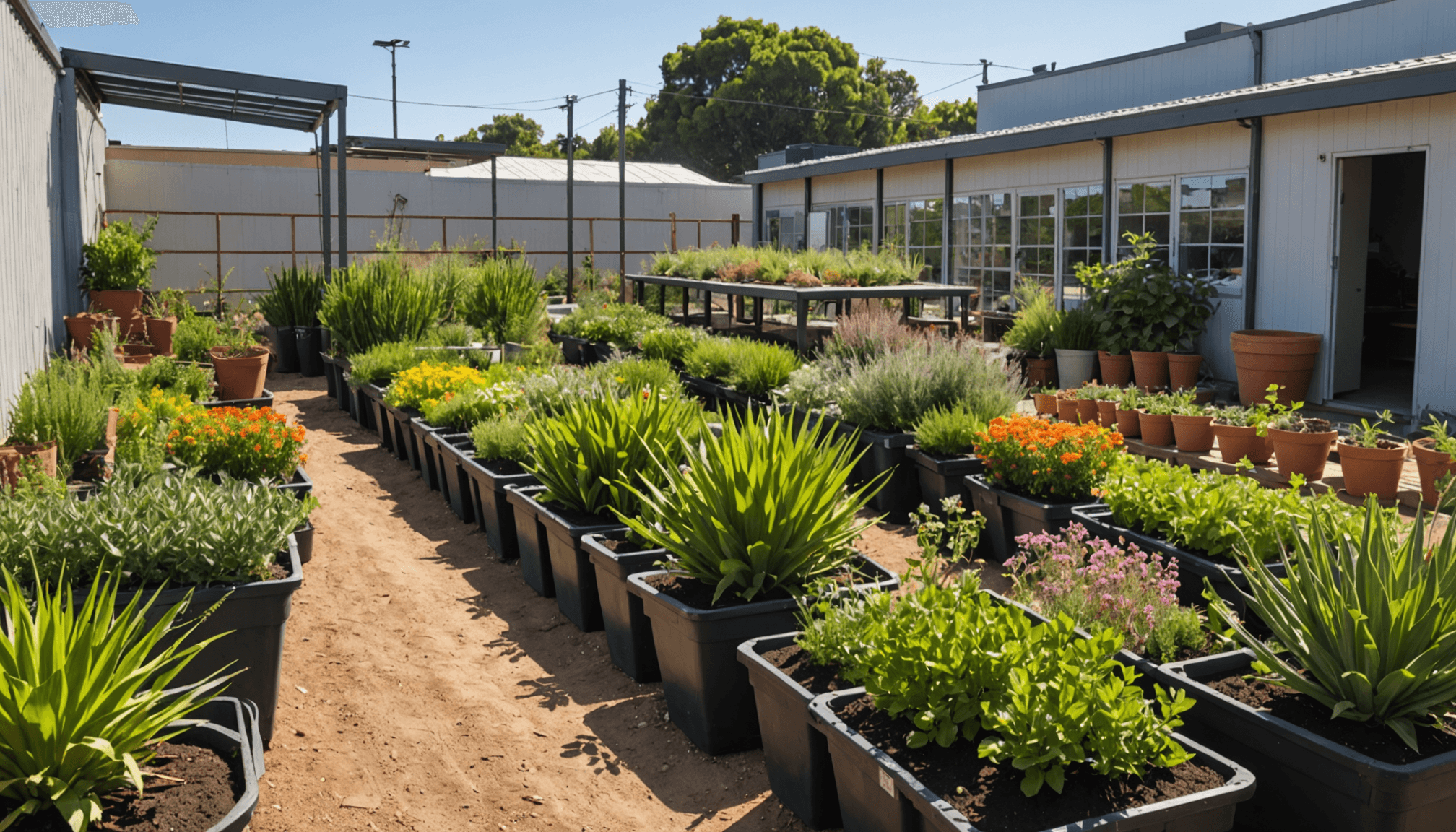
In today’s world, sustainability practices in plant nurseries are more crucial than ever, especially for urban dwellers and garden enthusiasts who seek to connect with nature while being environmentally responsible. When we think about sustainability within nursery management, it involves making conscious decisions that lessen our impact on the environment while still providing quality plants to customers.
To begin with, understanding the lifecycle of plants and their ecological impact is essential. This includes choosing plants based on their ability to thrive in local conditions, which reduces the need for harmful chemicals and excessive water use. By focusing on native species or drought-resistant varieties, you not only create a healthier ecosystem but also cater to a growing market of environmentally conscious consumers.
Another aspect to consider is the sourcing of your products. Selecting organic seeds and plants grown without synthetic pesticides can significantly enhance the sustainability of your nursery. Always inquire about the origin of your plants and the practices of the suppliers. Many growers now focus on ecological methods, making it easier for you to stock sustainable options.
In addition, it’s important to implement eco-friendly nursery management techniques, such as composting organic waste, which not only reduces landfill contribution but also enriches your soil. Creating a compost pile from leaves, trimmings, and other organic matter can provide a continuous source of natural fertilizer.
- Implement Rainwater Harvesting: Collecting rainwater for irrigation is a fantastic way to minimize water usage and promote sustainability.
- Reduce, Reuse, Recycle: Focus on using recycled materials for pots and containers. Consider using biodegradable or biodegradable pots that won’t clutter landfills.
- Energy Efficiency: If your nursery involves greenhouses, consider investing in solar panels or energy-efficient lighting to reduce carbon footprints.
Keeping these sustainability practices in mind not only enhances the credibility of your nursery but also fosters a sense of community among customers who are increasingly discerning about where their plants come from and how they are grown. As you embark on the journey of nurturing a sustainable plant nursery, remember that each small action contributes to a greener future for all.
Choosing Eco-Friendly Plant Varieties
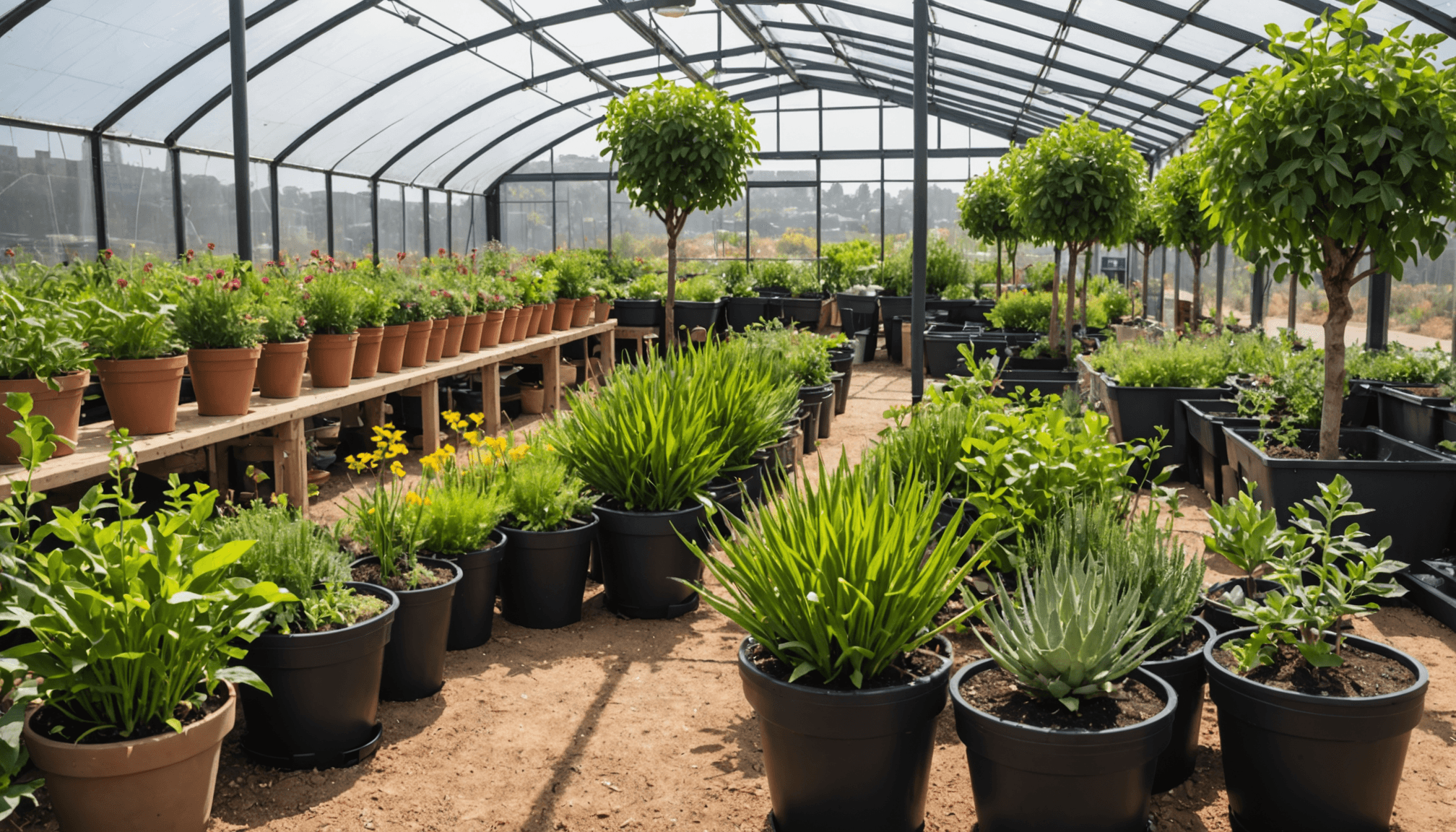 Choosing the right plant varieties is fundamental to achieving sustainability in plant nurseries. When selecting eco-friendly plants, it is essential to prioritize native and adapted species that thrive in local conditions. These plants not only require fewer resources, such as water and fertilizers, but also support local wildlife and biodiversity. By favoring native species, nurseries can reduce the need for chemical pesticides and herbicides, which often have detrimental effects on the environment.
In addition to native plants, incorporating drought-resistant varieties into your inventory can significantly contribute to sustainable practices. These plants are well-suited to withstand periods of low rainfall, thereby reducing irrigation demands and minimizing the overall water footprint of the nursery. It’s also vital to educate customers about the benefits of choosing these varieties for their gardening projects.
A comprehensive approach might involve categorizing the plants based on their environmental benefits and sustainability practices. Below is a comparison table highlighting key features of various plant categories suitable for an eco-friendly nursery:
| Plant Type | Water Requirements | Pest Resistance | Local Wildlife Support | Maintenance Level |
|---|---|---|---|---|
| Native Plants | Low | High | High (supports pollinators) | Low |
| Drought-Resistant Plants | Very Low | Medium | Medium | Medium |
| Ornamental Non-Natives | Medium | Low | Low | High |
| Edible Plants (Herbs & Vegetables) | Medium | Medium | High (e.g., attracts beneficial insects) | Medium |
Nurseries should also consider the transparent sourcing of the plants they offer. Engaging with local growers who specialize in sustainable horticulture allows nurseries to provide customers with high-quality plants that reflect environmentally responsible cultivation practices. Establishing partnerships with suppliers who maintain organic certifications or use sustainable farming methods will further strengthen the nursery’s commitment to eco-friendly operations.
Lastly, creating awareness around eco-friendly selections enhances the connection between nurseries and their customers. Workshops, informational brochures, and engaging displays can educate shoppers about the importance of selecting these varieties for gardening. By advocating for pathways towards sustainable gardening, nurseries can foster a community of environmentally conscious individuals who recognize the significance of their choices in promoting biodiversity and ecological balance.
In conclusion, choosing eco-friendly plant varieties bolsters overall nursery management and sustainability practices that support the environment while also meeting the aspirations of today’s consumers. This thoughtful selection process not only boosts the health of garden ecosystems but also aligns the nursery with the growing movement towards environmental responsibility in gardening.
Implementing Sustainable Water Practices
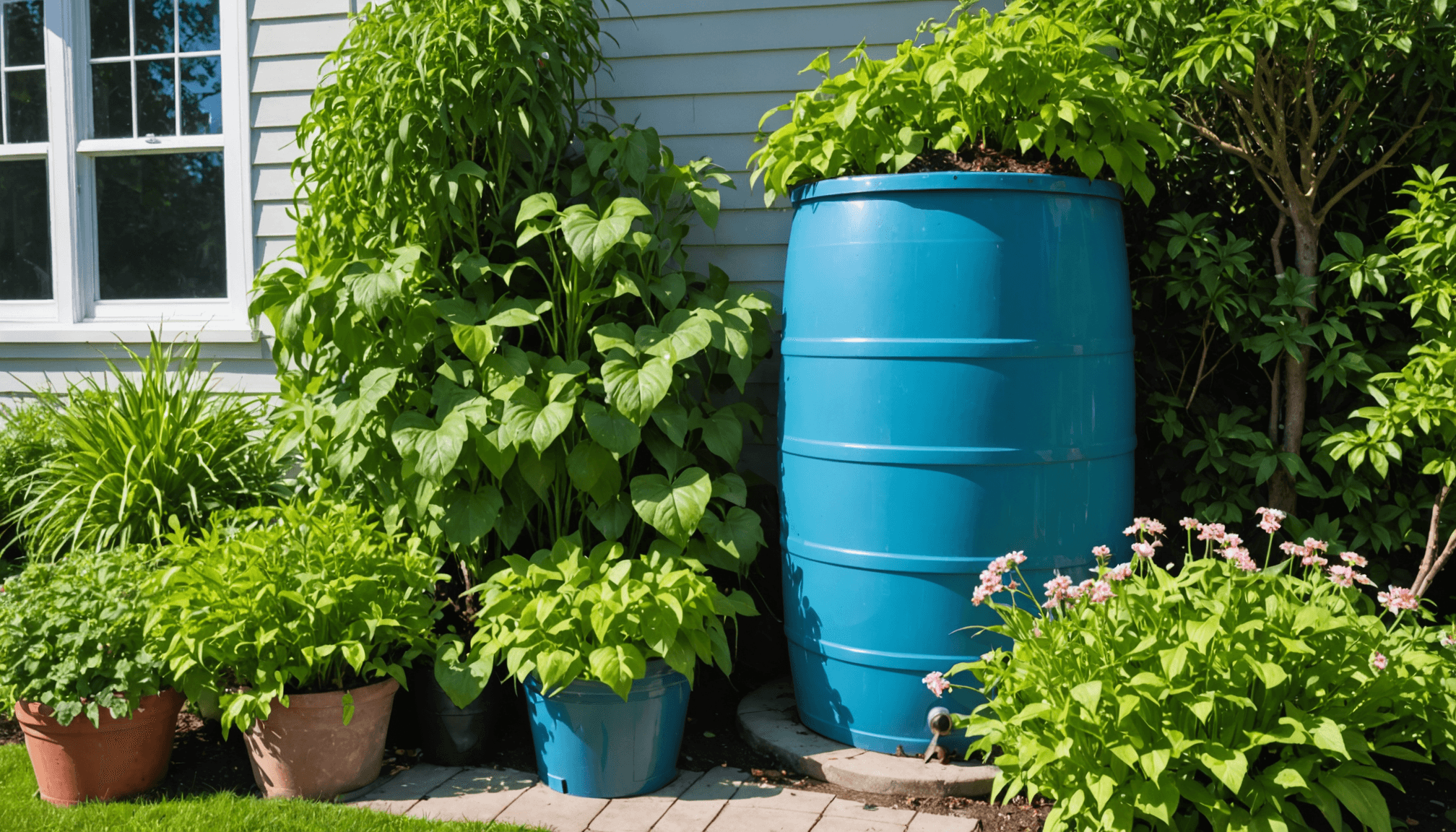
Water is one of the most vital resources in running a sustainable nursery. Implementing effective water management practices not only conserves this precious resource but also ensures that plants thrive without contributing to environmental strain. One of the first strategies to consider is harvesting rainwater. By setting up a rain barrel system, you can collect runoff from roofs and divert it to use for watering your plants. This simple act of capturing rainwater can significantly reduce your dependency on municipal water supplies and is often free of the chemicals found in tap water.
Another essential practice is drip irrigation. This method delivers water directly to the base of the plants, minimizing evaporation and runoff. It’s particularly useful in urban settings where water scarcity may pose a challenge. Drip irrigation systems can be installed relatively easily and can be automated with timers to ensure that plants receive consistent moisture without overwatering.
Mulching is also a beneficial practice when managing water in your nursery. By spreading organic mulch around your plants, you can slow down evaporation, regulate soil temperature, and suppress weeds. Not only does this keep the plants healthy, but it also requires less frequent watering, leading to substantial water savings in the long run.
Another innovative approach is to incorporate soaker hoses into your irrigation system. These porous hoses allow water to seep out slowly along their length, delivering moisture directly to the soil. This can be particularly effective for larger areas or garden beds. Make sure to lay these hoses down in a way that suits the layout of your nursery to maximize water efficiency.
For those looking to take a more comprehensive approach, consider a moisture sensor system that alerts you when your plants need watering. These sensors gauge the moisture levels in the soil, preventing underwatering and overwatering, which is a common issue in nursery management. By integrating technology into your watering practices, you can ensure that resources are not wasted, and plants receive the optimal conditions for growth.
- Practice Greywater Recycling: If permissible in your area, consider collecting greywater from household sources, like showers or laundry, to use for irrigation. Ensure that you use biodegradable soaps to keep your plants safe.
- Monitor Weather Patterns: Keeping an eye on local weather forecasts can help plan your watering schedule. Water your plants early in the morning or late in the evening to minimize evaporation.
- Educate Your Customers: Share the importance of responsible watering practices with your customers. Consider hosting workshops on how to collect rainwater or set up drip irrigation at home.
By incorporating these sustainable water practices, nurseries can lead the way in water conservation while providing valuable education to customers. It helps create a culture of awareness regarding water resources in gardening and underlines the vital importance of sustainable practices within the community. Encouraging sustainable water use is an essential part of cultivating a nursery that values environmental responsibility and aims to inspire positive actions among gardeners and urban dwellers alike.
Utilizing Organic Soil and Fertilizers
Utilizing organic soil and fertilizers is a central pillar of sustainable nursery management that not only supports plant health but also promotes environmental stewardship. By embracing organic methods, nurseries can significantly reduce their reliance on synthetic chemicals, thus minimizing their ecological footprint and contributing positively to the surrounding ecosystem.
One fundamental step is to incorporate compost into your soil management practices. Composting not only recycles organic waste but also enriches the soil with vital nutrients, enhances soil structure, and improves moisture retention. It creates a fertile environment for beneficial microorganisms that play an essential role in plant growth. By mixing well-decomposed compost into your potting mixes or garden beds, you can create a nutrient-rich medium that supports vibrant, healthy plants while reducing the need for chemical fertilizers.
In addition to compost, consider sourcing organic fertilizers derived from natural sources such as bone meal, fish emulsion, seaweed extract, or plant-based fertilizers. These organic options release nutrients slowly, promoting healthier root systems and preventing nutrient runoff that can damage local waterways. By choosing organic fertilizers, nurseries not only enhance plant vitality but also reinforce their commitment to sustainable practices and environmental health.
Soil testing is another critical aspect of effective organic management. By conducting regular tests, you can determine the specific nutrient needs of your soil, allowing for tailored amendments that won’t lead to nutrient overload. This approach ensures that you are providing exactly what the plants require while maintaining a balanced ecosystem in your nursery.
“Healthy soil is the foundation of sustainable gardening; nurturing it is nurturing our planet.”
Maintaining soil health through practices like crop rotation and cover cropping can further enhance sustainability efforts. By rotating different plant families, you can help prevent soil depletion, reduce pest infestations, and improve overall soil fertility. Cover crops like clover or vetch can be grown in off-seasons to add organic matter to the soil and suppress weeds, creating a more resilient nursery ecosystem.
Moreover, encouraging customers to adopt organic practices in their own gardening efforts is crucial. Providing information on how to create and use organic fertilizers at home—such as making compost or using kitchen scraps—can inspire them to make environmentally conscious choices in their gardening endeavors. Offering workshops or informational guides on organic methods empowers customers and strengthens their connection to the nursery, as they become part of the sustainability journey.
Ultimately, focusing on organic soil and fertilizers not only benefits the plants in your nursery but also reflects a deep commitment to sustainability practices and ecological responsibility. By nurturing healthy, organic soil, nurseries foster a thriving environment for plants, promote biodiversity, and contribute to the overall well-being of the planet.
Designing a Green Nursery Layout
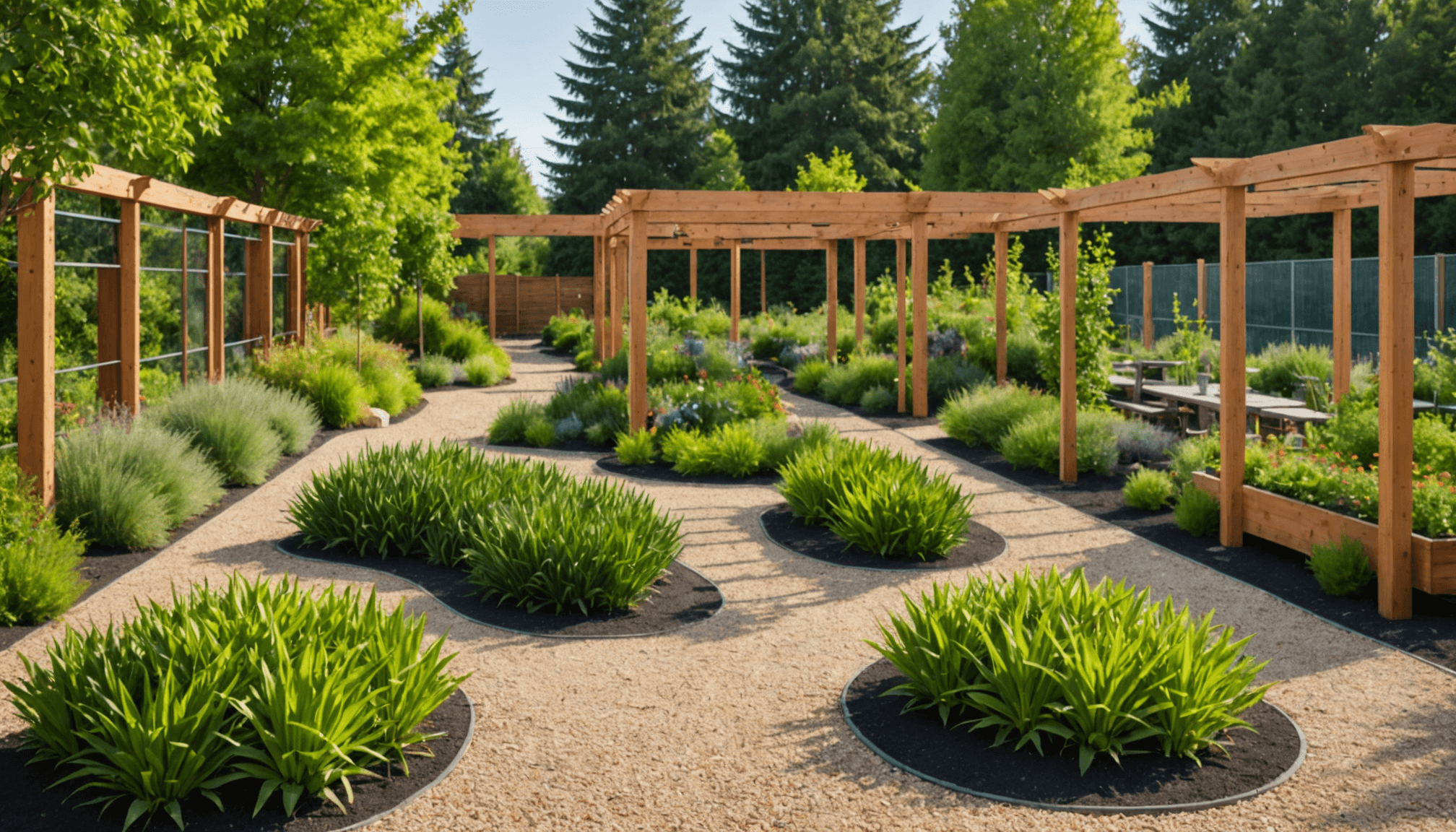 Designing a nursery layout with sustainability in mind is crucial in maximizing efficiency while minimizing environmental impact. A well-thought-out layout can significantly influence the microclimate of your nursery, thereby enhancing plant health and reducing resource usage. Start by positioning plants according to their sunlight and moisture needs. Grouping similar species together not only simplifies watering and maintenance but also improves pest management, as beneficial insects are more likely to thrive in such environments.
Consider creating dedicated zones within your nursery for native plants, drought-tolerant species, and other eco-friendly selections. This zoning will allow you to optimize care routines and educate customers based on the unique requirements of each section. Implementing vertical gardening techniques can also help maximize space; using trellises or wall pots creates additional growing area without expanding your footprint. This method naturally encourages air circulation, which is key in preventing diseases and conserving energy by reducing the need for artificial heating or cooling.
Incorporating pathways made from permeable materials can enhance water management, allowing rainwater to filter through while minimizing runoff. These pathways can be interspersed with native plants that require minimal maintenance and offer habitat for local wildlife. The aesthetic appeal of a green-focused layout not only draws in customers but also allows them to envision sustainable practices in their own home gardens.
Plan for efficient composting zones, recycling areas, and rainwater collection systems to further uphold sustainable nursery management. This infrastructure encourages responsible resource use and illustrates a commitment to eco-friendly practices. Design educational spaces where customers can engage, learn, and interact with sustainable gardening concepts, such as workshops on rainwater harvesting or composting techniques.
Finally, think about how your design can integrate educational signage throughout the nursery. Informational graphics can highlight the environmental benefits of certain practices or plant types, sparking curiosity and fostering a deeper understanding of sustainability among visitors. Creating a layout that is not only functional but also educational positions your nursery as a leader in sustainable practices and cultivates a community passionate about gardening and ecological responsibility.
- What are the key benefits of designing a sustainable nursery layout?
- A sustainable nursery layout maximizes space efficiency, enhances plant health, and reduces resource usage. It also promotes water management and provides an opportunity for customer education about eco-friendly practices.
- How can I reduce my nursery’s carbon footprint with layout design?
- Incorporating native plants, using renewable materials for pathways, and optimizing plant placement according to sunlight and moisture needs can all help reduce your nursery’s carbon footprint.
- What materials are best for creating pathways in a sustainable nursery?
- Permeable materials such as gravel, wood chips, or recycled concrete are excellent choices for pathways as they allow rainwater to filter through and reduce runoff.
- How can vertical gardening contribute to sustainability?
- Vertical gardening utilizes space efficiently, encourages air circulation, and can enhance aesthetic value, all while conserving resources such as water and energy.
- What role do signage and education play in a sustainable nursery?
- Signage educates customers about the sustainability practices being used in the nursery, helping to inspire them to implement similar eco-friendly practices in their own gardening efforts.
- How often should I reassess my nursery layout for sustainability improvements?
- It’s beneficial to reassess your nursery layout at least once a year, considering growth patterns, seasonal changes, and new sustainable practices that can be implemented to enhance efficiency.
- Can customer input influence the design of a sustainable nursery layout?
- Absolutely! Customers often have valuable insights and preferences that can guide your design decisions, ensuring the layout remains user-friendly and engaging while promoting sustainable practices.
Educating Customers on Sustainable Practices
Creating a connection with your customers about sustainable practices can transform their gardening experience, while simultaneously reinforcing your nursery’s commitment to eco-friendly methods. Start by offering informative workshops where you can delve into specific sustainability practices that customers can implement at home. Whether it’s teaching how to compost kitchen scraps, make organic fertilizers, or even the basics of growing native plants, providing hands-on experiences helps build a knowledgeable community of gardeners.
Utilize social media platforms to share tips and tricks related to sustainability in gardening. You can create engaging content, such as video tutorials on rainwater harvesting or infographics showcasing the benefits of native plants. Encourage your followers to share their own sustainable gardening stories, creating a sense of camaraderie among your clientele. Customer-generated content not only promotes your nursery’s values but helps spread awareness and accountability in sustainable gardening.
In addition to direct education, consider offering resources such as pamphlets or downloadable guides that detail sustainable gardening practices. Topics could include:
- Understanding Soil Health: Educate customers on maintaining healthy soil using organic amendments and natural mulches.
- Water Conservation Techniques: Provide insights into methods such as drip irrigation and the benefits of using soaker hoses to reduce water waste.
- Choosing the Right Plants: Suggest eco-friendly plant varieties that are locally adapted and support local wildlife.
- Composting Basics: Outline the steps for creating a successful compost pile, emphasizing its role in reducing waste and enriching soil.
Organizing community events where customers can bring in their plants for a swap can also be an exciting way to promote sustainable practices. This not only encourages gardeners to share their favorite plants but also aligns with the principles of reusing and recycling. It provides an opportunity for customers to expand their gardens while keeping it green and sustainable.
Moreover, consider integrating educational signage throughout your nursery that highlights the sustainability practices you implement. This could be as simple as labeling organic plants or displaying tips for sustainable gardening on signs by specific plant sections. Having visually appealing and informative materials helps keep sustainability at the forefront of customers’ minds.
Providing a loyalty program that rewards customers for engaging in sustainable practices can also drive home the importance of eco-friendly gardening. Offer discounts for those who bring in compost or reuse containers or provide exclusive deals to customers who attend workshops or engage on social media. Such incentives not only encourage continuous learning but foster long-term relationships with environmentally conscious customer bases.
Ultimately, educating your customers about sustainable practices fosters a supportive community while reinforcing your nursery’s commitment to sustainability. By creating a knowledgeable customer base, you empower them to make environmentally friendly choices in their gardening journey, ensuring that the benefits of sustainable nursery management permeate beyond your shop and into their homes.