
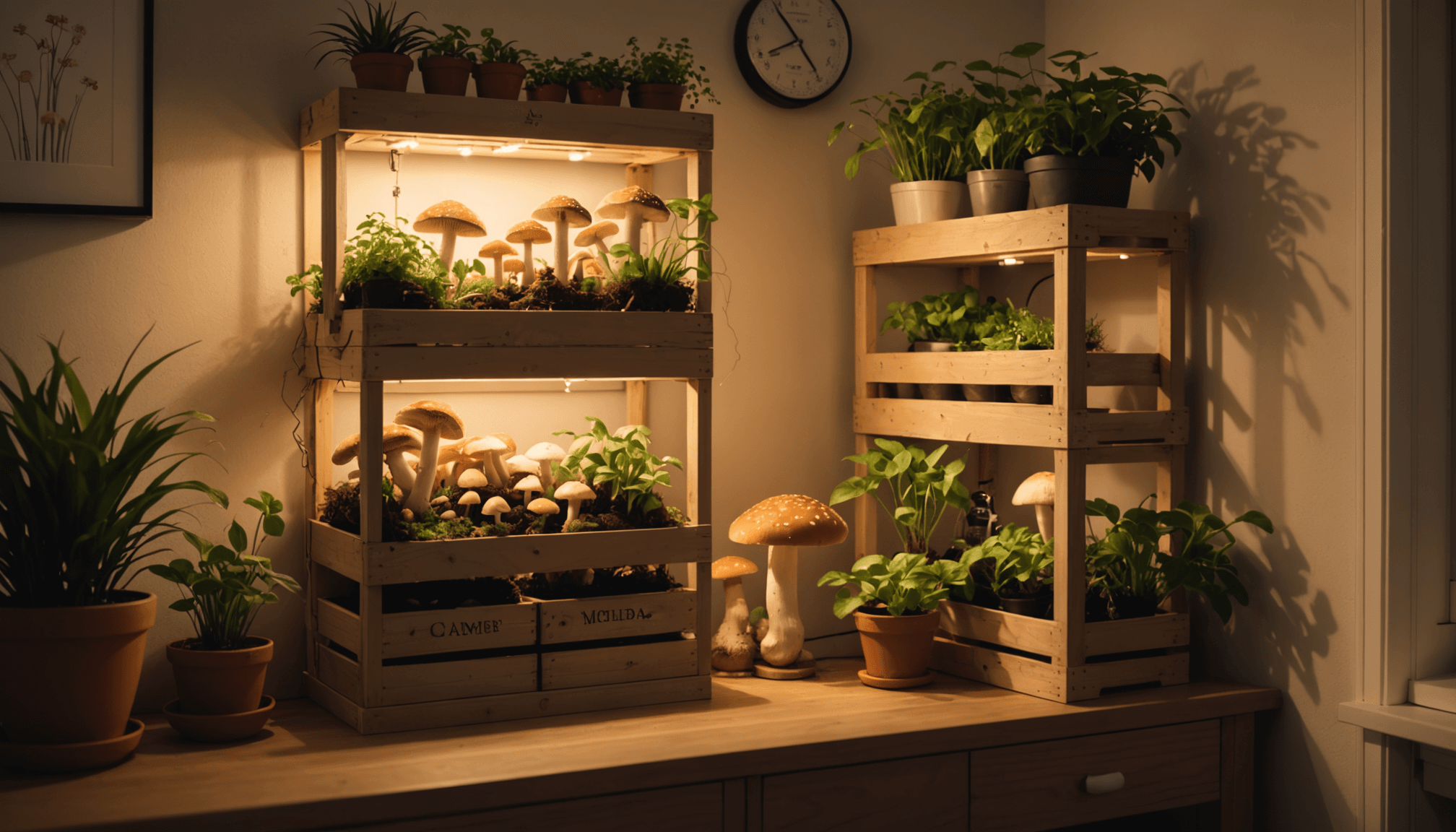
Growing mushrooms at home can be an incredibly rewarding and engaging endeavor that transforms a mundane urban living space into a vibrant, self-sustaining ecosystem. Not only do mushrooms add an exciting “farm-to-table” element to your meals, they also provide a unique project that can bring families and friends together. Understanding the basics of mushroom cultivation is essential for success and enjoyment.
Mushrooms thrive in a variety of environments, making them perfect for urban dwellers with limited space. They can be grown indoors or outdoors, depending on the species, and require minimal equipment compared to traditional gardening. Here are a few important aspects to consider:
- Types of Mushrooms: There are countless species of mushrooms, each with its own flavor profile, nutritional benefits, and growing requirements. Beginners might want to start with easy-to-grow varieties like Oyster mushrooms or Button mushrooms, which can flourish in various substrates and are forgiving for new cultivators.
- Growing Medium: Mushrooms do not grow in soil like traditional plants. Instead, they require specific substrates such as straw, wood chips, or even coffee grounds. Experimenting with different substrates can yield diverse flavors and textures in your harvests.
- Environment: Light, air, and humidity play critical roles in mushroom growth. A dark and moist environment is typically ideal. Use a spray bottle to maintain humidity levels and consider a small space with controlled lighting to simulate ideal growth conditions.
When starting your mushroom journey, it’s essential to research cultivation kits or spawn types suited to your preferences and space. There are plenty of online resources and local workshops that can guide you through the initial setup and teach you the nuances of mushroom farming.
Furthermore, joining community groups focused on foraging and mushroom cultivation can provide inspiration, networking opportunities, and practical advice from seasoned mushroom enthusiasts. Engaging with a community will not only enhance your learning but significantly enrich your experience as well.
Choosing the right mushroom species
Choosing the right mushroom species can greatly influence your success in home cultivation. Each variety comes with its own unique requirements, growth conditions, flavors, and culinary uses. Here are several well-known species, each with distinct characteristics that can help you make an informed decision.
Oyster Mushrooms: Oyster mushrooms are one of the easiest and most forgiving types for beginners. They grow quickly and can thrive on various substrates, making them highly adaptable. With a delicate, sweet flavor, they are perfect for stir-fries and soups. These mushrooms can be cultivated indoors or outdoors and typically yield harvests in just a few weeks.
Button Mushrooms: Also known as white mushrooms, these are perhaps the most recognized edible fungi. They have a mild flavor that intensifies when cooked. Button mushrooms prefer compost or manure-based substrates and require less humidity than other species. They are generally grown in the dark, leading to larger, firmer caps during the maturation process.
Shiitake Mushrooms: Widely praised for their rich and savory taste, shiitake mushrooms require a more sophisticated setup, often grown on hardwood logs or sawdust blocks. They take longer to mature—usually several months—but are known for their health benefits, including immune support. Shiitakes thrive in cooler temperatures and can be cultivated in both indoor and outdoor environments.
Lion’s Mane Mushrooms: These unique-looking, white, fluffy mushrooms are not only edible but also reputed for their potential cognitive and neurological health benefits. Lion’s mane can be grown on hardwood sawdust blocks or logs and prefer high humidity, making them ideal candidates for a small, controlled indoor space. Their delicate flavor complements various dishes, particularly in vegan and vegetarian recipes.
When choosing a mushroom species, consider the following criteria:
| Mushroom Species | Growth Medium | Time to Harvest | Flavor Profile |
|---|---|---|---|
| Oyster | Saw Dust, Straw, Coffee Grounds | 3-4 weeks | Sweet, Delicate |
| Button | Compost, Manure | 4-6 weeks | Mild, Rich when Cooked |
| Shiitake | Hardwood Logs, Saw Dust | 2-3 months | Umami, Savory |
| Lion’s Mane | Hardwood Saw Dust, Logs | 2-3 months | Sweet, Seafood-like |
Another important aspect is understanding whether the chosen species aligns with your local climate conditions, especially if you plan to grow them outdoors. Researching specific growing conditions, potential pests, and local availability of spores or starter kits will further aid in selecting the right type for your space and skill level.
Engaging with your local mushroom cultivation community can also provide insights into which species thrive in your environment, along with sharing personal experiences and tips. This information can be critical, especially for novice growers. Ultimately, selecting the right mushroom species not only celebrates diverse flavors but also enhances your overall growing experience and enjoyment in mushroom cultivation.
Setting up your small space
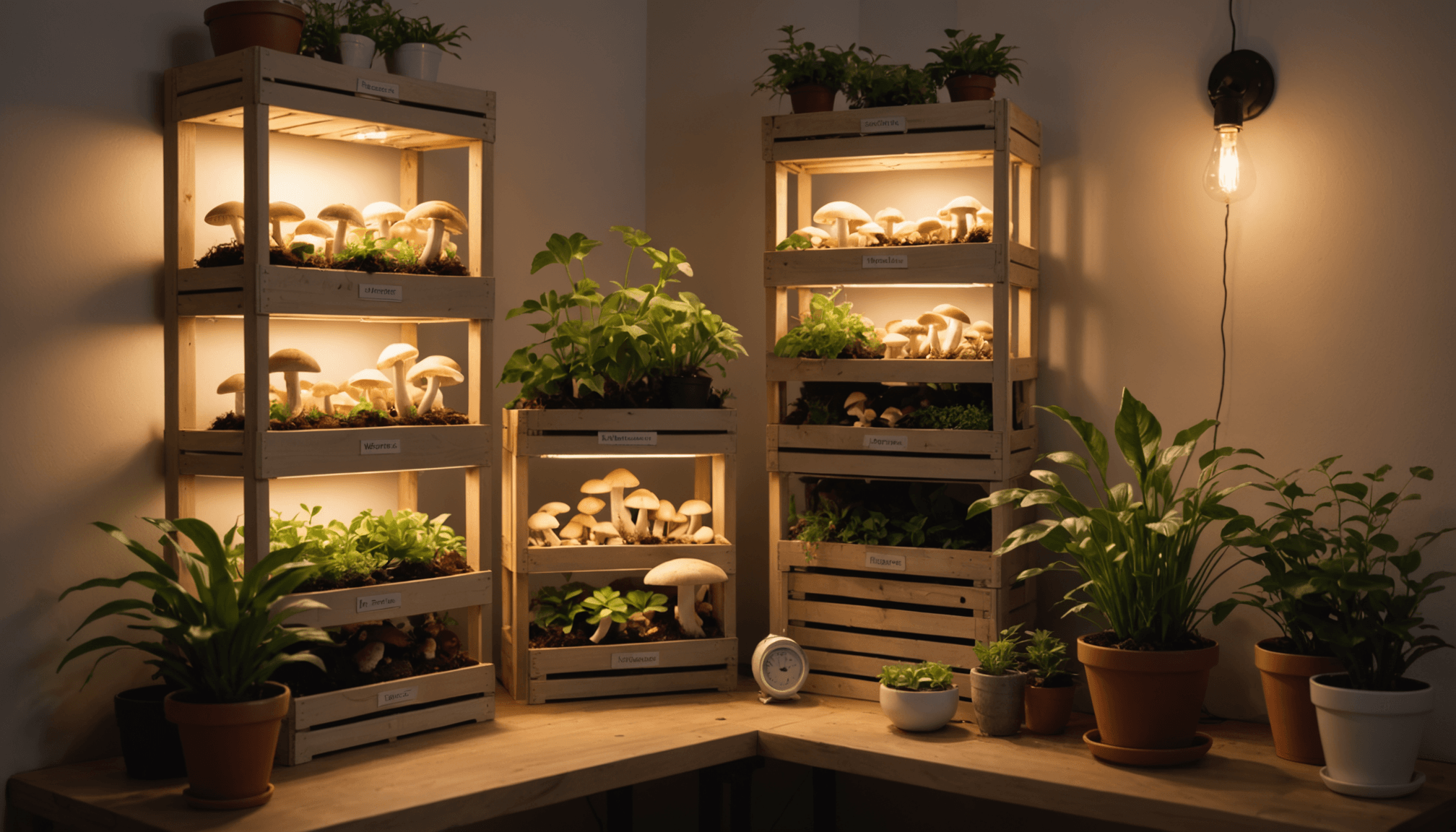
Creating an effective setup for mushroom cultivation in small spaces requires some creativity and resourcefulness. An underutilized corner of your home, a balcony, or even a closet can become a thriving mushroom farm with the right approach. Here are several tips to maximize your space and ensure optimal growing conditions:
- Choose Vertical Solutions: Utilizing vertical space can significantly increase your growing area. Consider stacking shelving units or using hanging kits specifically designed for mushroom bags. This strategy maximizes your footprint while allowing for airflow.
- Climate Control: Maintaining suitable temperature and humidity levels is vital for mushroom growth. Most varieties thrive between 60°F and 75°F (15°C to 24°C). Using a small room humidifier or a heat mat can help regulate these conditions. Keep a thermometer and hygrometer handy to monitor your environment.
- Lighting Considerations: Unlike traditional plants, mushrooms do not require direct sunlight. However, they do benefit from low light levels. Use soft LED lighting, which can provide the necessary light without overheating the growing area. A timer can simplify managing light exposure, ensuring mushrooms are in the dark most of the time for optimal growth.
- Airflow Management: Proper ventilation is essential to prevent mold growth and ensure healthy mushroom development. Create a flow of fresh air by leaving space between stacked containers or using small fans to circulate air. If you’re using a closed container or grow bag, ensure there are adequate holes for air exchange.
- Substrate Selection: Your choice of substrate will influence not only the type of mushrooms you can grow but also how you set up your space. Ready-to-use mushroom growing kits typically come with pre-packaged substrates that are easy to work with. However, if you’re making your own, ensure the substrate is pasteurized properly to avoid contamination.
- Maintenance Area: Designate a separate area for maintenance tasks like inoculating substrates, monitoring growth, and harvesting. Having a clean and organized space helps prevent cross-contamination and simplifies the process.
Additionally, consider using recycled materials for your growing containers. Items like plastic bottles, old baskets, or even wooden crates can serve as grow kits. Just remember to ensure they are cleaned and free of contaminants to provide a healthy environment for your mushrooms.
If you have children or pets, ensure that the setup is safe and out of reach, educating any young helpers about mushroom cultivation can also be a fun family project.
Starting small can help you learn the process without feeling overwhelmed. Once you get the hang of it, you can expand your operation gradually. Consider incorporating seasonal themes to your projects, which can make it enjoyable and educational for all involved.
For those interested in a more nutritious harvest, consider building a composting setup nearby. This can provide you with a constant supply of organic matter to enrich your substrates, creating a closed-loop system that enhances sustainability.
Remember that experimentation is key to finding the right fit for your specific environment. Every small space can become a vibrant haven for mushrooms with the right setup and a bit of patience!
Fun projects for beginners
For beginners diving into the world of mushroom cultivation, creative and fun projects can enhance the overall experience while developing new skills. Starting with simple kits or templates can pave the way for more complex ventures later on. Here are several engaging projects to consider:
- Mushroom Log Cultivation: One of the most satisfying projects involves growing mushrooms directly from logs. By inoculating freshly cut hardwood logs with spawn, you can create a sustainable source of mushrooms that can yield crops for years. This project not only provides the opportunity to work with natural materials but also connects you with traditional mushroom cultivation techniques. Logs can be placed in a shaded area of your yard or garden, requiring minimal attention once the initial setup is complete.
- Upcycled Grow Bags: Instead of purchasing commercial grow bags, consider creating your own using recycled materials. By filling black garbage bags with pasteurized straw or coffee grounds, you can make an effective substrate for growing mushrooms. This project is not only budget-friendly but also emphasizes sustainability by repurposing materials that might otherwise go to waste.
- Windowsill Gardening: For those limited on space, using a windowsill for mushroom cultivation can be a delightful project. Buying a ready-to-green mushroom kit designed for indoor cultivation can be a perfect way for beginners to experience mushroom growing without requiring a dedicated space. Position the kit where it can receive indirect sunlight, and watch your crop flourish!
- Mushroom Terrariums: Combining the beauty of terrariums with mushroom cultivation can be an artistic and educational venture. Using clear containers, you can create a micro-ecosystem that retains humidity and provides the necessary conditions for growth. This project allows for creative expression while learning about the delicate balance needed for successful mushroom cultivation.
- Family-Chef Collaboration: Encourage family involvement by designating a weekly cooking session focused on dish preparation using harvested mushrooms. This not only fosters bonding through cooking but also teaches children about the culinary benefits of home-grown produce. Trying different recipes and sharing the results can spark conversations about food origins and healthy eating.
- Educational Workshops: Consider organizing a small neighborhood workshop focused on mushroom cultivation. Invite friends and locals to learn together while sharing personal experiences, tips, and recipes. This communal approach creates a fun atmosphere while building a supportive community around a shared interest.
“In every walk with nature, one receives far more than he seeks.” – John Muir
Engaging in these beginner-friendly projects not only enhances your knowledge but also brings joy and satisfaction from witnessing the growth process firsthand. Each project can lead to a learning opportunity that fosters a deeper appreciation for mushrooms and the art of cultivation.
Maintenance and care tips
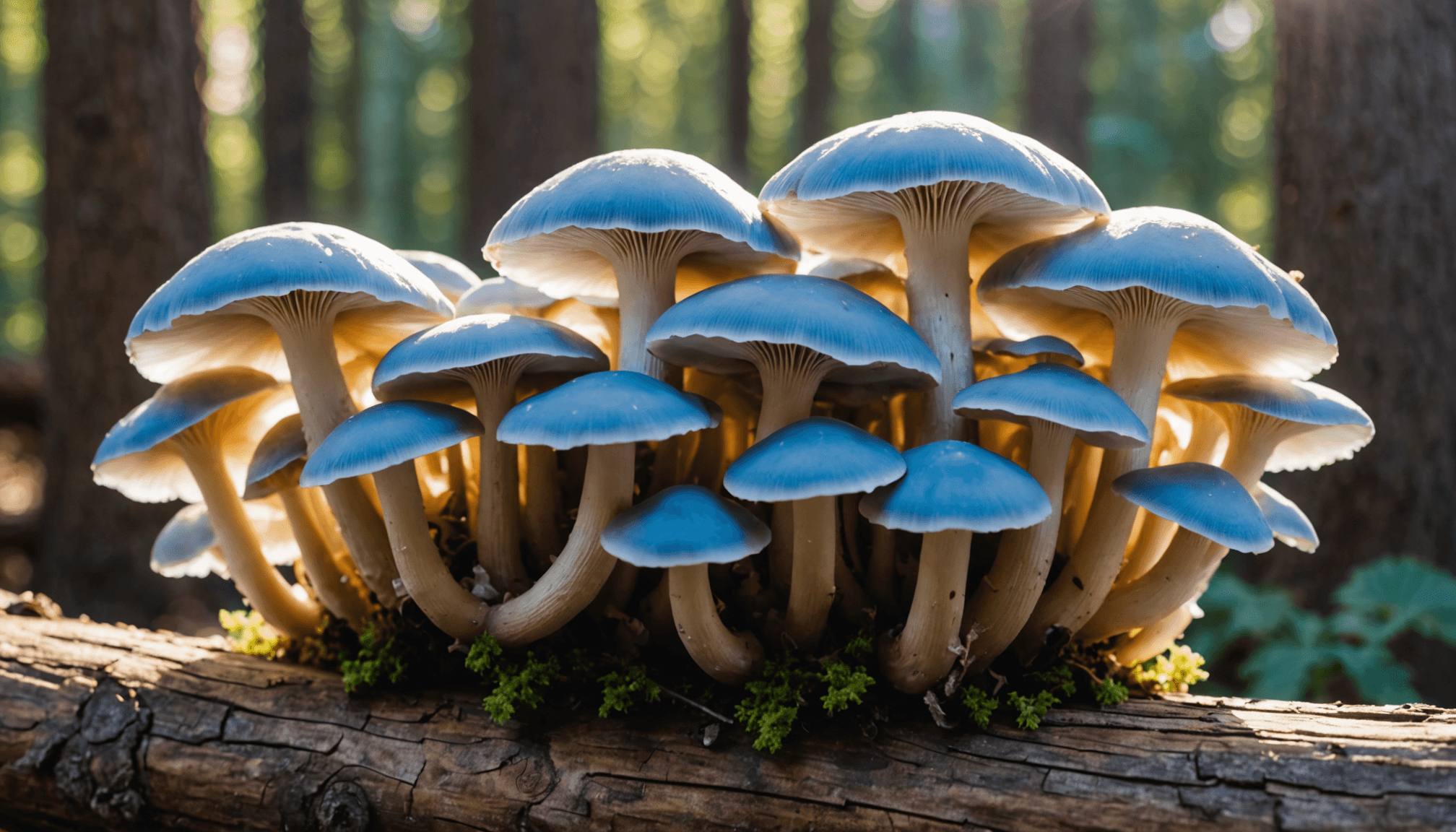
Maintaining your mushroom cultivation requires consistent attention to various factors that can significantly impact growth and yield. Monitoring humidity levels is crucial since mushrooms thrive in moist environments. Regularly misting the substrate can help maintain the appropriate humidity, especially in dry indoor conditions. Additionally, keeping the growing area clean and free from contaminants will reduce the risk of mold and pests that could threaten your yields.
Temperature control is another vital aspect of maintenance. Different mushroom species have specific temperature ranges that promote optimal growth. For instance, while some may do well in warmer conditions, others prefer cooler environments. Utilizing a thermometer can help you ensure that the conditions remain within the ideal range. If temperatures fluctuate significantly, consider using heating mats or cooling fans to stabilize the environment.
Air circulation must not be overlooked. Stagnant air can cause issues like mold growth or insufficient oxygen for the mushroom mycelium. Ensure adequate airflow around your growing setup by using small fans or strategically positioning your containers to allow fresh air to reach all areas of the substrate. This will help create an aerobic environment conducive to healthy mushroom development.
Routine inspections of your mushrooms are essential. Look for signs of healthy growth, such as firm, plump caps and pristine stems. If you notice any discolored or shriveled mushrooms, they may indicate overwatering or insufficient conditions. Act promptly to rectify any problems—remove unhealthy specimens to prevent contaminating the rest of your crop.
Remember that patience is key in mushroom cultivation. Some species may take time to mature, and experiencing setbacks is normal, especially as you gain experience. Keep a detailed journal of your growing conditions and any changes you implement; documenting your process will provide valuable insights for future cultivation endeavors.
Your engagement with the maintenance routine can deepen your appreciation for the mushroom-growing experience, turning it into an ongoing exploration of mycology, biology, and environmental stewardship. Delving into the specifics of mushroom maintenance can also inspire you to innovate and experiment, pushing the boundaries of home cultivation. Are you ready to embark on this fascinating journey?
- How often should I mist my mushrooms?
- Misting frequency depends on your environment’s humidity levels. Generally, it’s advised to mist your mushrooms once or twice a day, ensuring the substrate remains adequately moist but not waterlogged.
- What temperature is best for growing mushrooms?
- Most mushrooms prefer temperatures between 60°F and 75°F (15°C to 24°C). However, specific species may have different ideal ranges, so it’s essential to research your chosen variety.
- How do I know when my mushrooms are ready to harvest?
- Mushrooms are typically ready to harvest when their caps are fully formed and before they begin to open or release spores. The specific growth period varies by species, so monitoring is key.
- Can I reuse my mushroom substrate?
- Reusing substrate is possible, but it often leads to diminished yields. It’s generally recommended to compost the used substrate and start fresh with new material for best results.
- What pests should I watch out for when growing mushrooms?
- Pests like gnats, flies, and various molds may infest your mushroom crop. Maintaining cleanliness in your growing area and monitoring for any signs of pests can prevent infestations.
- Can I grow mushrooms without a kit?
- Absolutely! While kits are convenient for beginners, you can also grow mushrooms from spores or plugs using your chosen substrates and containers. Just ensure you follow proper inoculation and sterilization techniques.
- How long does it take to see results from mushroom cultivation?
- Time to harvest varies by species, generally ranging from a few weeks to several months. Most beginners can expect first flushes of mushrooms within 3 to 12 weeks, depending on the type and conditions.
Harvesting and enjoying your mushrooms
When the time finally arrives to harvest your mushrooms, it’s an exhilarating moment that promises culinary rewards and a sense of accomplishment. Knowing when and how to pick your mushrooms can enhance their flavor and texture immensely, as well as prolong your growing season. Here are some tips to ensure you enjoy your mushrooms at their best:
- Timing is Key: Proper timing is crucial when harvesting mushrooms. For most species, wait until the caps have fully opened but before they begin to release spores. This is often indicated by the cap being convex and firm. If you see the gills starting to brown, it’s probably past the ideal harvesting time.
- Gentle Handling: Handle your mushrooms with care to avoid bruising or damaging them. Using clean, sharp scissors or a knife, cut the stem just above the substrate, allowing the remaining mycelium to continue producing more mushrooms. This technique can extend your harvest season, allowing for multiple flushes.
- Harvesting at the Right Time of Day: The best time to harvest is in the early morning when mushrooms are at their freshest. The cooler temperatures and higher humidity levels can help preserve their texture and flavor. If you’re harvesting in the evening, ensure they are well-dried to avoid moisture build-up.
- Storage: After harvesting, store mushrooms in a paper bag in the refrigerator. Avoid plastic bags, as they trap moisture and can cause your mushrooms to become slimy. Mushrooms are best used within a week but can be dried or preserved for longer storage.
- Cooking and Enjoying: The culinary potential of freshly harvested mushrooms is boundless! Sauté them in olive oil, toss them into pasta dishes, or use them in stir-fries. For a fun family project, get everyone involved in creating meals using your home-grown mushrooms; they add a delightful, earthy flavor to dishes.
Exploring various recipes can elevate your culinary experience. For example, you could try creating a creamy mushroom risotto, adding fresh herbs like thyme or rosemary for an aromatic enhancement. Incorporating your harvested mushrooms into soups can also make for a warming and nutritious meal, especially during chilly months.
If you have excess mushrooms, consider sharing with neighbors or friends. Not only does this enhance community ties, but it also encourages a shared passion for home-grown foods, which can lead to others exploring mushroom cultivation themselves.
To maximize your experience, keep a journal to document your harvests, recipes tried, and personal preferences. This not only tracks your progress but also serves as an archive of enjoyable moments spent cultivating mushrooms.
As you continue your mushroom-growing journey, remember to experiment and have fun in the kitchen. Each harvest is a new opportunity to discover exciting flavors and cooking techniques, making this homesteading experience as rewarding as it is delicious!