
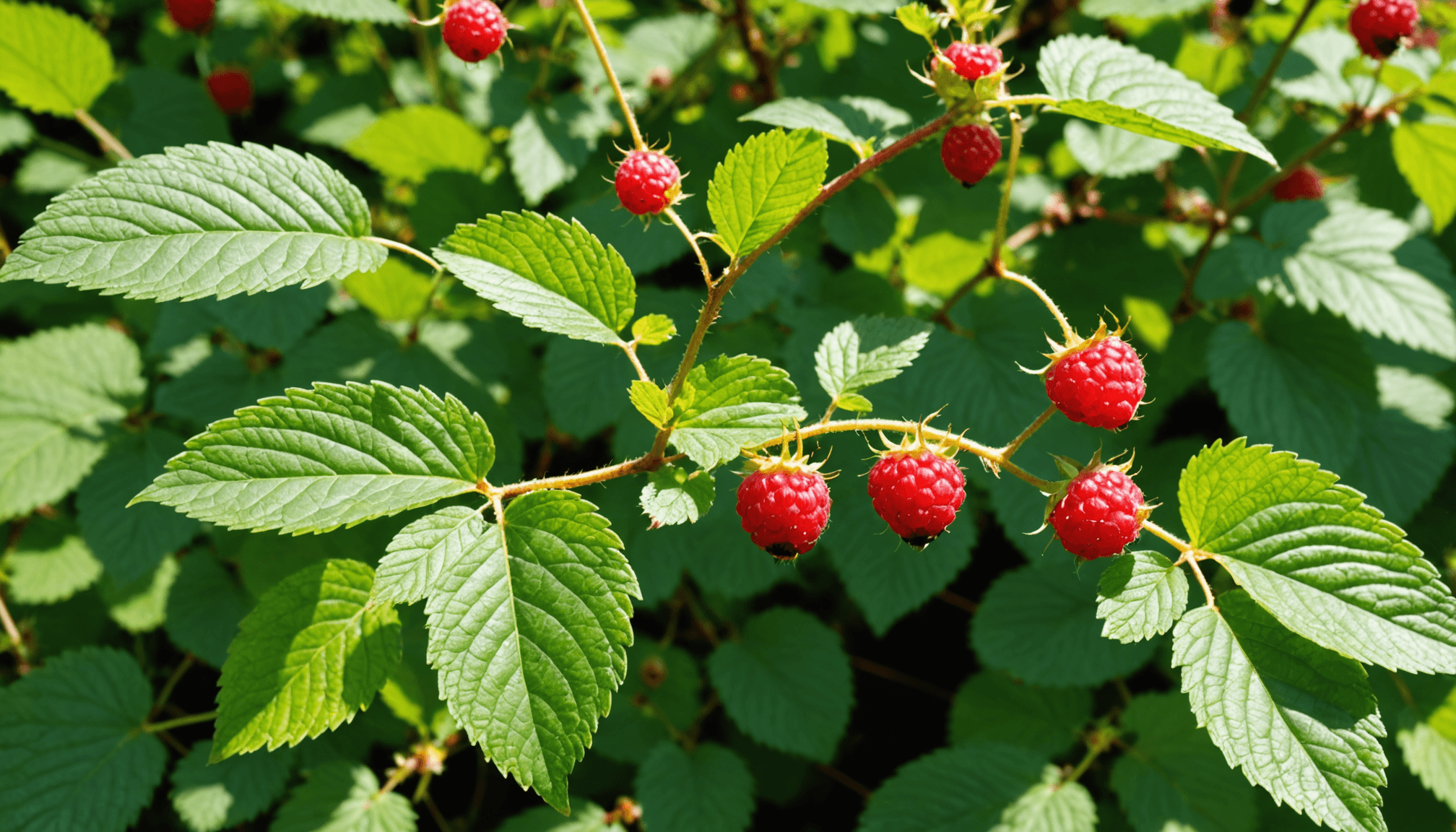
For urban homesteaders, the adventure of foraging can transform the mundane into the extraordinary, allowing you to connect with nature without leaving the city. Understanding the basics of foraging is essential for both your safety and success. Start by familiarizing yourself with your local environment—urban parks, green spaces, and even neglected lots can be treasure troves of edible plants.
One crucial step in your foraging journey is to invest time in learning about the plants that thrive in your area. Books and apps dedicated to regional flora can provide invaluable information. Consider titles like “Edible Wild Plants” by John Kallas or apps such as “PlantSnap” to help with identification on the go.
When you begin foraging, pay attention to the seasons. Certain plants are only available during specific times of the year. For example, wild greens like dandelion and chickweed can be found in early spring, while berries such as blackberries and blueberries are abundant in late summer. Remember that timing is essential to gather the freshest and most nutritious produce.
Start small; select a few common plants to focus on initially. Identifying common herbs like mint, nettle, and wild garlic can boost your confidence as you gain experience. Practice identifying them in various stages of growth and understand their growing conditions. For example, mint tends to thrive in moist soil, while nettles prefer shaded areas. This knowledge will help you locate them more easily during your foraging excursions.
Always forage sustainably. This means taking only what you need and allowing plants to continue to thrive in their natural habitat. A great rule of thumb is the “one-third rule”: only harvest one-third of any wild population to ensure that it remains healthy and can continue to grow. Sustainable foraging ensures that these resources are available for future generations.
It’s also important to be aware of the legalities surrounding foraging in urban spaces. Some parks and nature reserves have regulations or restrictions on collecting plants. Always check local laws to avoid any unwanted penalties. Additionally, be respectful of private property—obtain permission before foraging on someone else’s land.
Keep a foraging journal. Documenting your findings, including locations, tastes, and potential uses, will help refine your skills over time. If you discover a patch of delicious wild violets in a local park, note the spot and the time of year for your future foraging ventures. This practice will enable you to create a personal guide to your local foraging landscape, enhancing your urban homesteading experience.
Identifying Edible Wild Plants
Identifying edible wild plants is a critical skill for foragers, and mastering this can significantly enhance the rewards of your urban foraging experience. When venturing into city green spaces, it’s essential to develop a keen understanding of the local flora. Observations should focus on not just plant appearance but also their habitat, growth patterns, and seasonal variations.
Start with plants that are widely recognized and generally safe to eat. Many urban areas boast a variety of easily identifiable species. For example:
| Plant Name | Location | Seasonality | Edible Parts | Uses |
|---|---|---|---|---|
| Dandelion | Lawns, parks | Spring to Fall | Leaves, flowers, roots | Salads, teas, wine |
| Chickweed | Garden beds, disturbed soil | Spring to Early Summer | Leaves, stems | Salads, pesto |
| Wild Garlic | Woodlands, moist areas | Spring | Leaves, bulbs | Soups, sauces |
| Blackberries | Brambles, hedgerows | Summer | Berries | Jams, desserts |
In addition to visual identification, utilizing your senses can further aid in recognizing edible plants. Pay attention to smells and tactile characteristics; for instance, the distinctive garlic scent of wild garlic is a great clue. Taste testing, though risky and only recommended if the plant is confidently identified, can help confirm your findings. Always start with small amounts to gauge your body’s reaction.
Consider joining local foraging groups or classes where experienced foragers can mentor you. These communities often facilitate hands-on identification and provide a wealth of local knowledge. Learning from seasoned foragers allows you to share insights, build confidence, and refine your skills in a supportive environment.
For those starting their foraging journey, it’s imperative to have a reliable reference guide. A combination of field guides, mobile apps, and online resources can aid in plant identification. Look for materials that feature high-quality photographs and clear descriptions of the plants, emphasizing both their edible and toxic counterparts to avoid dangerous misidentifications.
It’s also worth noting that while many plants are safe, some have toxic look-alikes. For example, wild carrots (Queen Anne’s lace) closely resemble the highly toxic hemlock. Familiarize yourself with these deceptive plants; understanding their differences can prevent potentially hazardous errors. Always err on the side of caution and consult multiple resources when unsure.
Building your knowledge and skills in plant identification offers not just a way to enrich your diet but also a deeper appreciation for the urban ecosystem surrounding you. Taking the time to learn about edible wild plants can transform the way you view urban spaces, enriching your homesteading experience while fostering a responsible relationship with nature.
Sustainable Foraging Practices
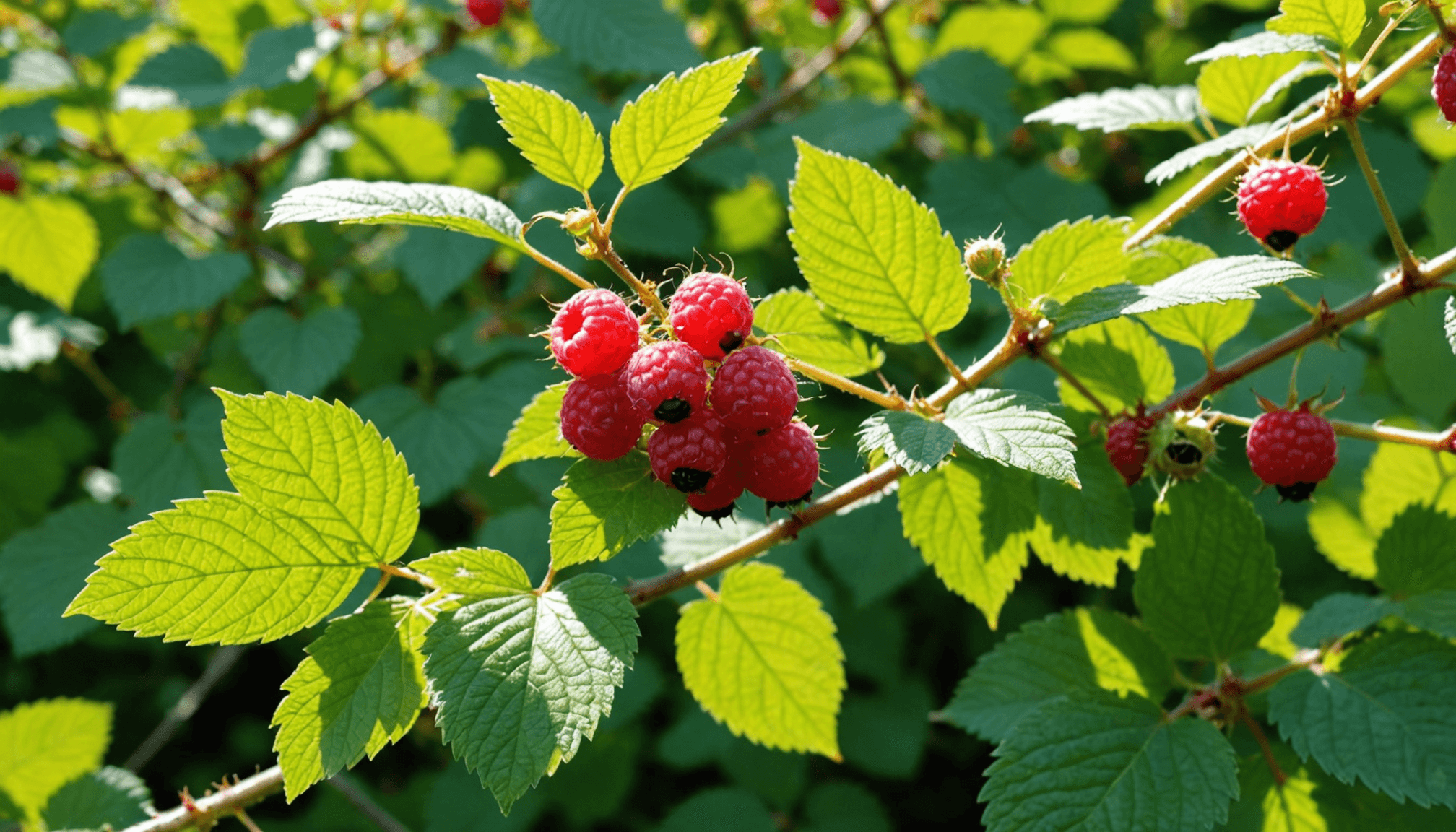
Sustainable foraging practices are essential for maintaining the balance between enjoying nature’s bounty and preserving it for future generations. As you embark on your foraging adventures, it’s important to adopt strategies that promote responsible harvesting. This not only ensures the longevity of plant populations but also reflects your commitment to sustainable living—a key principle of urban homesteading.
One of the most fundamental concepts in sustainable foraging is the practice of the “one-third rule.” When you locate a wild plant, only harvest up to one-third of its total population. This approach allows the plant to continue thriving and reproducing, maintaining a healthy ecosystem. For example, if you find a patch of wild berries, take only a portion to enjoy while leaving the rest for wildlife and future foragers.
Another important factor to consider is the timing of your harvest. Ensure that you are picking plants at the right time in their growth cycle. For roots and tubers like wild onions or garlic, it’s often best to dig them up after they’ve matured but before they flower. On the other hand, leafy greens can be harvested throughout their growing season, but ensure you leave enough foliage for the plant to photosynthesize and sustain itself. This attention to detail not only benefits the plants but it can also enhance the flavor and nutritional value of your foraged foods.
Be mindful of your surroundings as well. Foraging in areas that have been chemically treated, such as lawns that use pesticides or industrial sites, can pose health risks. Opt for clean, organic areas like community gardens or local parks where foraging is permitted. Consider reaching out to local gardening groups that may have insights on safe foraging spots in your area.
When foraging, seek to understand the natural habitat of the plants you are targeting. Many wild edibles grow in specific environments that contribute to their health and flavor. For instance, wild mushrooms thrive in moist, shaded areas, while certain herbs may prefer sunnier spots. By familiarizing yourself with the natural preferences of these plants, you’ll be better equipped to find them sustainably and ensure they are thriving in their ecosystems.
Documentation is another key component of sustainable foraging. Keep a foraging diary where you record your findings, locations, and any observations regarding the health and abundance of the plants. Over time, this journal can become a valuable resource, not just for you but for others in your community, promoting sustainable practices and knowledge sharing.
Remember that foraging should be a respectful practice. Always leave nature as you found it—don’t disturb wildlife habitats unnecessarily, and remove any litter or debris that may detract from the natural environment. Teaching children about ethical foraging can instill values of environmental stewardship early, creating a new generation of mindful foragers.
Lastly, consider getting involved with local conservation efforts or foraging clubs. These groups often participate in habitat restoration, plant identification workshops, and sustainability projects that can deepen your understanding and appreciation for your local environment. Working alongside others who share your passion for sustainable practices can provide support and foster a community dedicated to responsible foraging.
By embracing sustainable foraging practices, you can enjoy the benefits of urban foraging while ensuring that these practices can be continued for years to come. Not only will you enhance your homesteading journey, but you’ll also contribute positively to the ecosystem around you.
Creative Uses for Foraged Foods
Foraged foods can bring a fresh and unique twist to your culinary repertoire, allowing your meals to reflect the distinct flavors of nature. The versatility of wild ingredients means there are countless creative ways to incorporate them into your diet. From salads and soups to jams and herbal infusions, there’s no shortage of culinary opportunities waiting to be explored.
One of the simplest yet most rewarding uses for foraged products is in fresh salads. Wild greens like dandelion leaves, chickweed, and purslane can add a delightful crunch and an earthy flavor to your standard leafy greens. Combine these with edible flowers such as violets or nasturtiums to introduce vibrant colors and additional textures to your dish. A homemade vinaigrette made with foraged herbs like wild garlic or lemon balm can elevate the flavors even further.
Soups are another excellent avenue for wild ingredients. For example, you can create a hearty nettle soup that serves as both a nourishing meal and a way to embrace the bounty of spring. Simply sauté onions and garlic, add in washed and chopped nettles, pour in vegetable or chicken stock, and simmer until tender. Blend until smooth for a hearty and uniquely flavored dish. Similarly, wild mushrooms can add depth to broths, making for a rich, umami-packed base for soups and sauces.
If you’re feeling adventurous, try your hand at making wild fruit preserves. For instance, foraged blackberries can be transformed into a luscious jam. Combine the berries with sugar, lemon juice, and a touch of pectin, then cook down until set. This preserves the taste of summer, allowing you to enjoy it all year round. Serve it on toast, mix it into yogurt, or use it as a topping for desserts to share your foraging success with friends and family.
Consider crafting your own herbal teas and infusions using foraged plants such as mint, lemon balm, or even the flowers of elderberry. Dried wild herbs can be steeped in hot water to create fragrant, health-boosting beverages. Not only do these offer a refreshing alternative to store-bought options, but they can also boast unique flavors. Adding honey for sweetness and lemon for acidity can create a delightful drink to enjoy on a brisk day.
Creative uses for foraged elements extend to baking, as well. Incorporate wild blueberries or serviceberries into muffins, pancakes, or bread recipes. These fruits provide a burst of flavor and antioxidants. Similarly, you can experiment with wild herbs in savory baked goods like scones or biscuits, enhancing them with unique flavors that store-bought herbs simply can’t match.
“The best way to find yourself is to lose yourself in the service of others.” – Mahatma Gandhi
For those interested in food preservation, pickling is another fantastic method for using foraged items. Wild garlic and even young plantain leaves can be pickled to preserve their flavor and add zest to meals throughout the year. Create a quick pickling brine with vinegar, water, sugar, and spices, submerging your foraged goods for a few days to create tangy and delicious accompaniments to your meals.
With the rise of interest in foraging, many culinary enthusiasts are also beginning to host foraging dinners or potlucks, showcasing the unique flavors and dishes they’ve crafted from wild foods. Attending or organizing such events fosters community and encourages the sharing of recipes and techniques, enriching your foraging experience.
Ultimately, the palette of possibilities that comes with foraged foods is limited only by your imagination. The joy of discovering new ingredients in your urban environment can inspire a deeper connection to your food and the natural world, promoting a sustainable and creative lifestyle as you embrace the bounty that surrounds you.
Safety Tips for Harvesting Wild Food
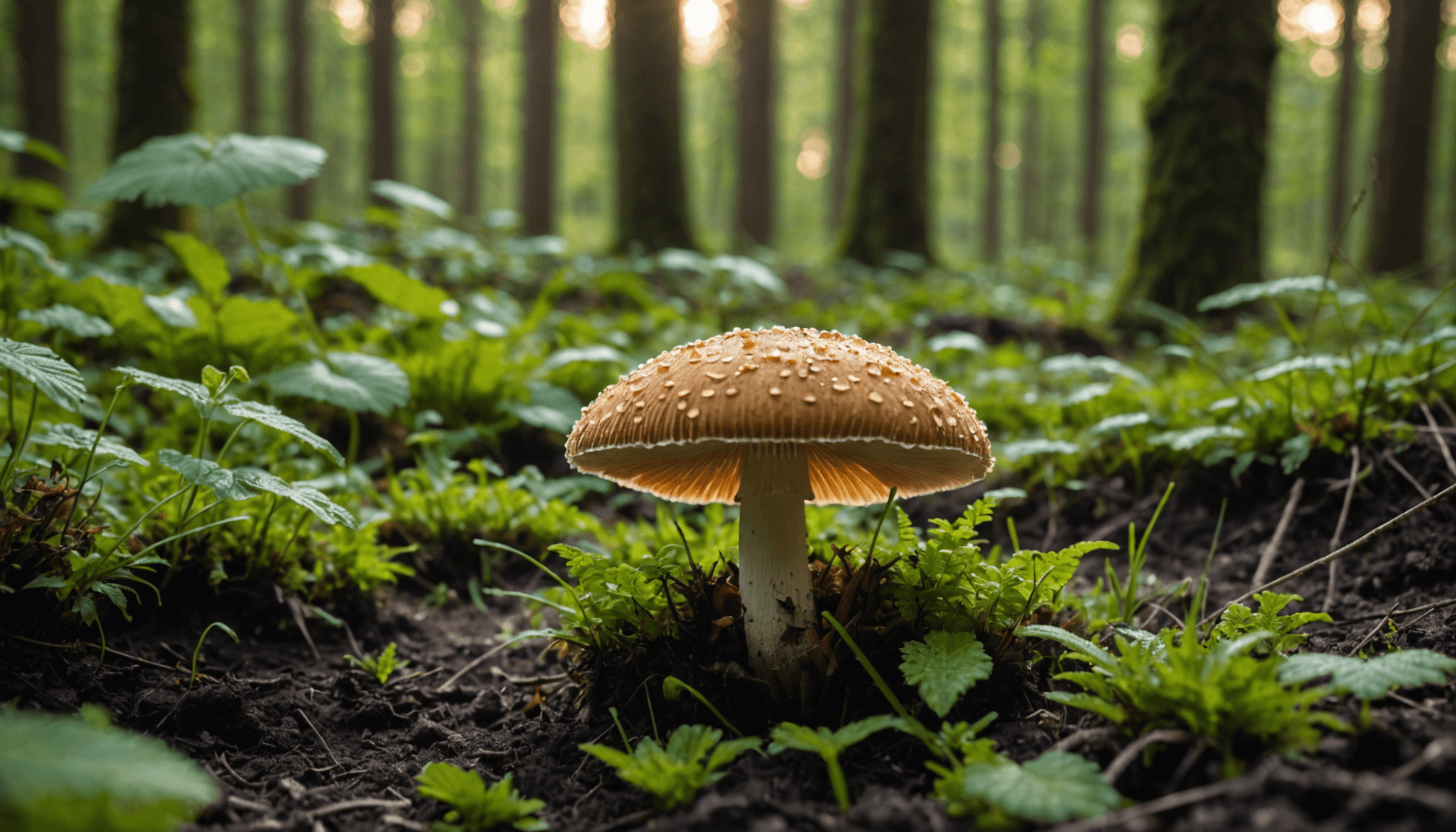
When venturing into the world of foraging, prioritizing safety is paramount for an enjoyable and healthy experience. Before harvesting wild foods, it’s essential to equip yourself with knowledge about the plants you’re interested in, including their habitats and the potential risks they may pose. Familiarize yourself with the guidelines that can ensure both your safety and the sustainability of your foraging endeavors.
Always start by confirming the identification of any plant before consuming it. Many edible plants have non-edible look-alikes that can pose serious health risks. One method to mitigate this risk is the “rule of three,” which encourages you to identify a plant through multiple reliable sources—books, apps, or mentorship from experienced foragers. If any uncertainty remains about a plant’s edibility, it’s best to err on the side of caution and avoid it. Remember, even small amounts of toxic plants can have adverse effects on your health.
Knowing the seasonal growth cycles of plants is crucial, as some may contain toxins at certain times of the year. For example, wild mushrooms may vary in safety depending on climate conditions, and specific plants might be harmless when young but develop harmful compounds as they mature. Keep a foraging calendar to document when and where you find certain plants, which will enhance your understanding of their growth patterns and help avoid potential dangers.
Aside from plant identification, it’s vital to be aware of your foraging environment. Avoid areas that may have been contaminated with chemicals, such as places near roadways, industrial sites, or lawns treated with pesticides. Many urban foragers find safer harvesting opportunities in organic community gardens or designated natural reserves, which often boast cleaner ecosystems.
As you forage, ensure you are aware of the legal regulations surrounding wild harvesting in your area. Many parks and nature reserves have specific rules that govern foraging activities to promote conservation. Respect these regulations to help protect the environment and ensure that future foragers can enjoy these resources.
Carry essential tools with you, such as gloves, a trowel for digging up roots, and a container for gathering your finds. Gloves not only protect your hands from dirt and potential irritants but can also prevent contamination of your foraged items. Opt for eco-friendly materials for your containers to minimize environmental impact. Make sure that all these tools are clean and properly maintained to avoid introducing foreign substances into your foraged foods.
Once you’ve harvested your wild foods, it’s critical to wash them thoroughly, especially if you’ve foraged from urban locations. Rinse off any dirt, contaminants, or potential pests. Some plants may also require cooking to neutralize natural toxins, so research the best preparation methods for your foraged finds. Cooking can help to enhance flavors and ensure any harmful substances are rendered safe.
Document your foraging adventures, not only to remember the plants you’ve identified and the areas you’ve explored but also to track your experiences with new foods. This record-keeping can aid in avoiding past mistakes and encourage a deeper understanding of the relationship between you and your environment.
- How do I know if a plant is safe to eat?
- Always confirm the identity of a plant using multiple reliable sources, such as field guides, apps, or experienced foragers. If you’re unsure about a plant, do not consume it.
- Are there any toxic plants I should be aware of in urban areas?
- Yes, urban areas may harbor toxic look-alike plants. Familiarize yourself with common toxic plants in your region, such as poison ivy or deadly nightshade, to avoid misidentification.
- What are the best times of year for foraging?
- Foraging times vary by plant species. Generally, spring is ideal for greens and flowers, while summer is great for fruits; familiarize yourself with seasonal calendars specific to your local flora.
- Can I forage in public parks?
- It depends on local regulations; some parks allow foraging while others prohibit it. Always review local laws and guidelines to ensure you are foraging legally.
- How can I safely collect wild mushrooms?
- Only harvest mushrooms you can confidently identify. Use field guides and consult with expert mycologists before consuming any wild mushrooms, as many are toxic without careful differentiation.
- What tools should I bring while foraging?
- Essential tools include gloves, a trowel for digging roots, and a durable container for collecting items. Having these allows for a smoother and safer foraging experience.
- Is it safe to eat wild plants harvested near roads?
- Generally, it’s not recommended to forage near roads or industrial areas due to potential contamination from pollutants and chemicals. Stick to private gardens or designated natural reserves for safer foraging.
Incorporating Foraged Foods into Your Diet
Incorporating foraged foods into your diet not only enhances your culinary experience but also reinforces your connection with nature and promotes sustainability. Embracing the flavors of wild edibles can enrich your meals, turning them into an exciting culinary adventure while you learn to appreciate the unique tastes and health benefits they offer.
Start by introducing foraged greens into your everyday meals. Tossing fresh wild greens, such as chickweed or dandelion leaves, into salads can elevate your usual routine. Their distinct flavors add a peppery kick, especially wonderful when paired with complementary dressings. A delightful salad can be made by combining dandelion leaves with fruit, nuts, and cheese for added texture and nutrition.
Consider incorporating wild herbs into your cooking. For example, wild garlic can be used just like domestic garlic—chop it into stir-fries, incorporate it into dressings, or blend it into pestos. Its milder flavor makes it an ideal starting point for those new to foraging. Experiment with combinations, such as mixing wild thyme with olive oil for a simple yet delicious dip for bread.
Foraged fruits are perfect for adding a natural sweetness to your dishes. Berries like blackberries and raspberries are not only delicious but also rich in antioxidants. Use them fresh in yogurt or oatmeal, or bake them into pies and crumbles. If you’re looking to preserve their flavor, consider making a seasonal jam. Simply cook down your berries with sugar and lemon juice, and you’ll have a vibrant condiment that can enhance breakfast or desserts.
A great way to experiment is by making wild-infused beverages. For example, you can steep freshly foraged mint in hot water to create a refreshing herbal tea, or incorporate it into cocktails for a twist on classic recipes. Foraged elderflowers can be made into fizzy drinks or syrups, adding a floral note to sparkling water or cocktails. Think outside the box, and create your unique drinks using wild ingredients.
Don’t overlook the power of foraged mushrooms in your meals. If you have the knowledge and confidence to identify them correctly, mushrooms such as chanterelles or morels can elevate a simple risotto or pasta dish into a gourmet experience. Sauté them with wild herbs to enhance their rich flavors. Always ensure proper preparation methods, as some mushrooms require cooking to neutralize toxins while showcasing their taste.
Another engaging idea is to involve your family in the cooking process. Turning foraged foods into family meals or snacks is a fun way to bond while educating each other on the plants and flavors you’ve discovered outside. You could organize a wild food night where everyone brings a dish made from foraged ingredients and shares their culinary experiments.
It can also be beneficial to keep a culinary journal dedicated to your foraged creations. Documenting each dish, including ingredients, flavors, and any modifications made along the way, will not only help you recreate successful meals but also inspire future explorations. Consider noting what you enjoyed most about each recipe and the reactions of those you’ve shared them with.
When trying new recipes, it’s vital to start with small quantities of foraged ingredients to gauge your body’s reaction. This practice ensures you adapt to unfamiliar flavors without overwhelming your palate. As you grow more comfortable with various wild foods, you can start incorporating them more liberally, creating stunning dishes that highlight the freshness of your harvests.
Incorporating foraged foods into your diet is a testament to your creativity and commitment to sustainability. By experimenting with these natural ingredients, you’ll not only enjoy unique culinary flavors but also foster a deeper appreciation for the environment around you, celebrating the bounty that urban landscapes can offer.