
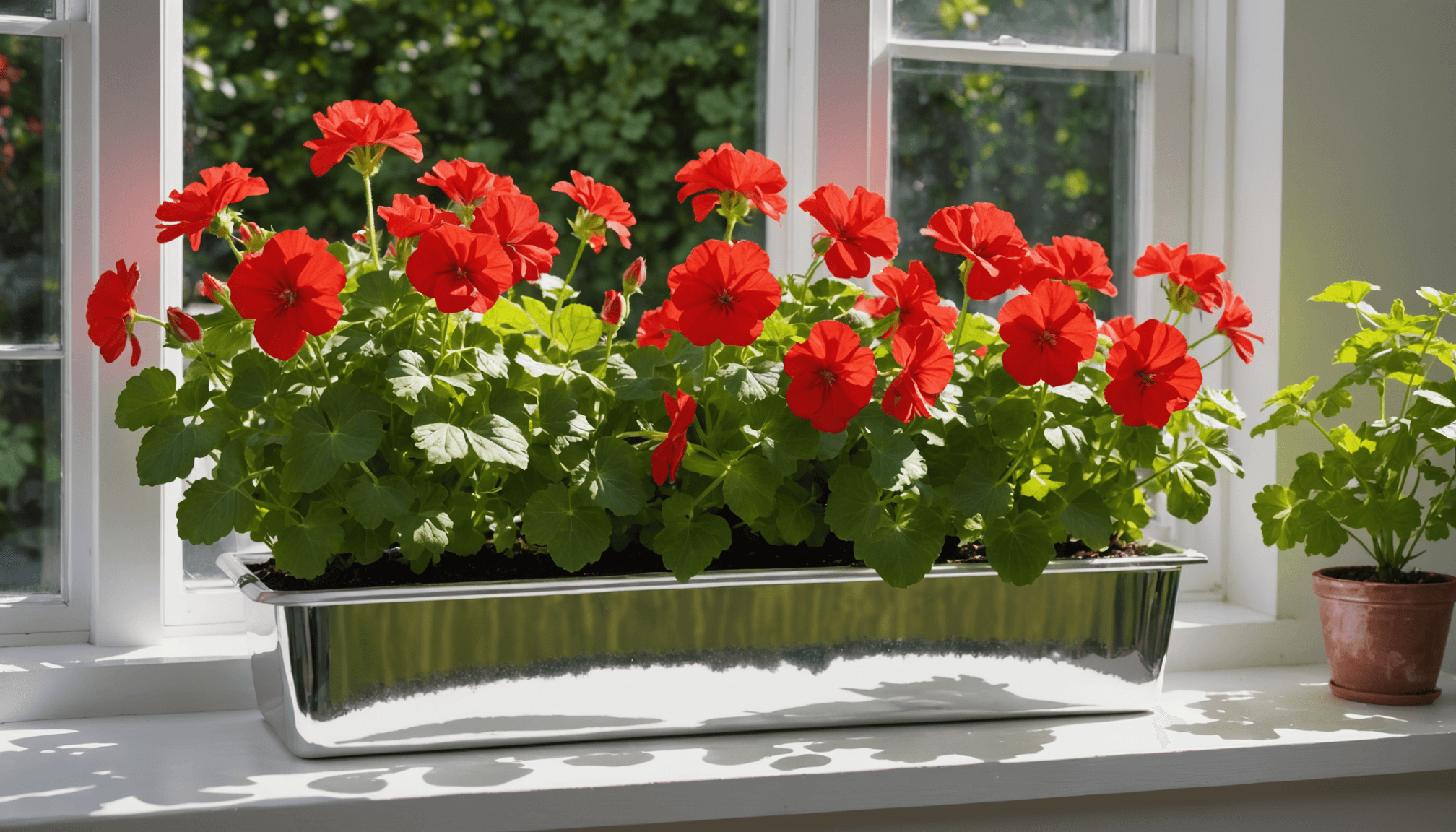
Windowsills can transform into a vibrant oasis for your home, providing an ideal space for indoor gardening, even in the smallest of living environments. With a little creativity and planning, you can cultivate a thriving garden that not only beautifies your home but also contributes to your well-being.
First, consider the orientation of your windows. South-facing windows typically receive the most light and are perfect for sun-loving plants such as herbs and succulents. Conversely, north-facing windows offer softer, indirect light, which is suitable for shade-tolerant species. Pay attention to how much sunlight each window receives throughout the day to make informed plant choices.
The depth of your windowsill is also crucial. If your sill is narrow, opt for compact plants that won’t require much space. Tiny succulents, small herb pots, or even a single flowering plant can work wonders without overcrowding your space. A vertical approach, such as using tiered plant stands or wall-mounted planters, can also maximize your planting area while keeping the aesthetic appealing.
Consider incorporating decorative pots to enhance the look of your indoor garden. Using colorful or uniquely designed containers can add a pop of personality to your space. Make sure your chosen pots have drainage holes to prevent root rot, which is a common problem in indoor gardening. If a pot doesn’t have drainage, add a layer of pebbles at the bottom before adding soil.
Utilizing windowsills for indoor gardening also allows you to engage in various fun projects. For instance, you can start a small herb garden to use fresh seasoning in your meals. Attractive herbs like basil, cilantro, and parsley thrive in these environments and can be harvested right at your fingertips, enhancing your culinary experiences.
Don’t overlook the aesthetics of your arrangement! Group plants with similar water and light needs together, and don’t shy away from mixing heights and textures for a dynamic look. Incorporating accessories such as small figurines or fairy lights can create a whimsical touch that personalizes your indoor garden.
Keep in mind that the indoor climate can differ significantly from outdoor conditions. Be prepared to adjust your care routine based on the season. In the colder months, your indoor plants may require more frequent watering, as the dry, heated air can dehydrate them quickly.
Lastly, be patient and attentive. Observe your plants regularly to recognize any signs of distress, such as wilting or discoloration. Adjust lighting, watering schedules, or nutrition accordingly to keep your indoor garden flourishing. With dedication and creativity, your windowsill can become a beautiful, productive extension of your home.
Choosing the Right Plants for Windowsills
When it comes to selecting plants for your windowsills, it is essential to focus on varieties that thrive in your specific indoor conditions. Different plants have unique requirements, making it vital to choose species that can adapt to the light and temperature of your windowsill environment. Various factors like climate, season, and local conditions will influence your selection. Below is a table that categorizes some popular plants based on their light preferences and space requirements:
| Plant Type | Light Requirement | Space Requirement | Notes |
|---|---|---|---|
| Herbs (Basil, Mint, Cilantro) | Full Sun | Compact | Great for culinary uses; regular pruning encourages bushy growth. |
| Succulents (Aloe Vera, Echeveria) | Bright Indirect Light | Small | Drought-tolerant; ideal for low-maintenance gardens. |
| Spider Plant | Indirect Light | Moderate | Air-purifying; produces ‘pups’ for easy propagation. |
| Pothos | Low to Bright Indirect Light | Vining | Low maintenance; perfect for hanging pots or trailing from shelves. |
| Chinese Evergreen | Low to Bright Indirect Light | Small to Moderate | Tolerant of low light; great for beginners. |
When selecting plants, consider your own lifestyle and the amount of care you can provide. For example, if you are often away from home or have a busy schedule, low-maintenance plants such as succulents or pothos may be preferable. On the other hand, if you enjoy gardening and can dedicate time to your plants, herbs and other flowering species might bring you joy as you nurture them.
Additionally, think about the color scheme and design of your indoor space. Choosing plants that complement your home décor can create a cohesive aesthetic. Opt for flowering plants if you want to add bursts of color, or stick to greenery for a more minimalistic approach. For example, the vibrant flowers of African violets can brighten up a dim corner, while the lush foliage of a snake plant can enhance a more modern look.
Another essential aspect is to plan for plant growth. Make sure to consider the mature size of the plants you choose. For tight spaces, select varieties that do not grow excessively large or require significant root space. This foresight prevents overcrowding and competition between plants for resources, ensuring each has enough room to thrive.
Lastly, if experimenting with propagation, many plants lend themselves to easy techniques for creating new specimens. For instance, you can propagate succulents or herbs by snipping a stem and placing it in water or directly into soil. This adds to your garden without the need for purchasing new plants. By thoughtfully choosing and arranging your plants, you can create a beautiful and vibrant indoor garden that reflects your personality while optimizing the available space on your windowsill.
Maximizing Sunlight Exposure
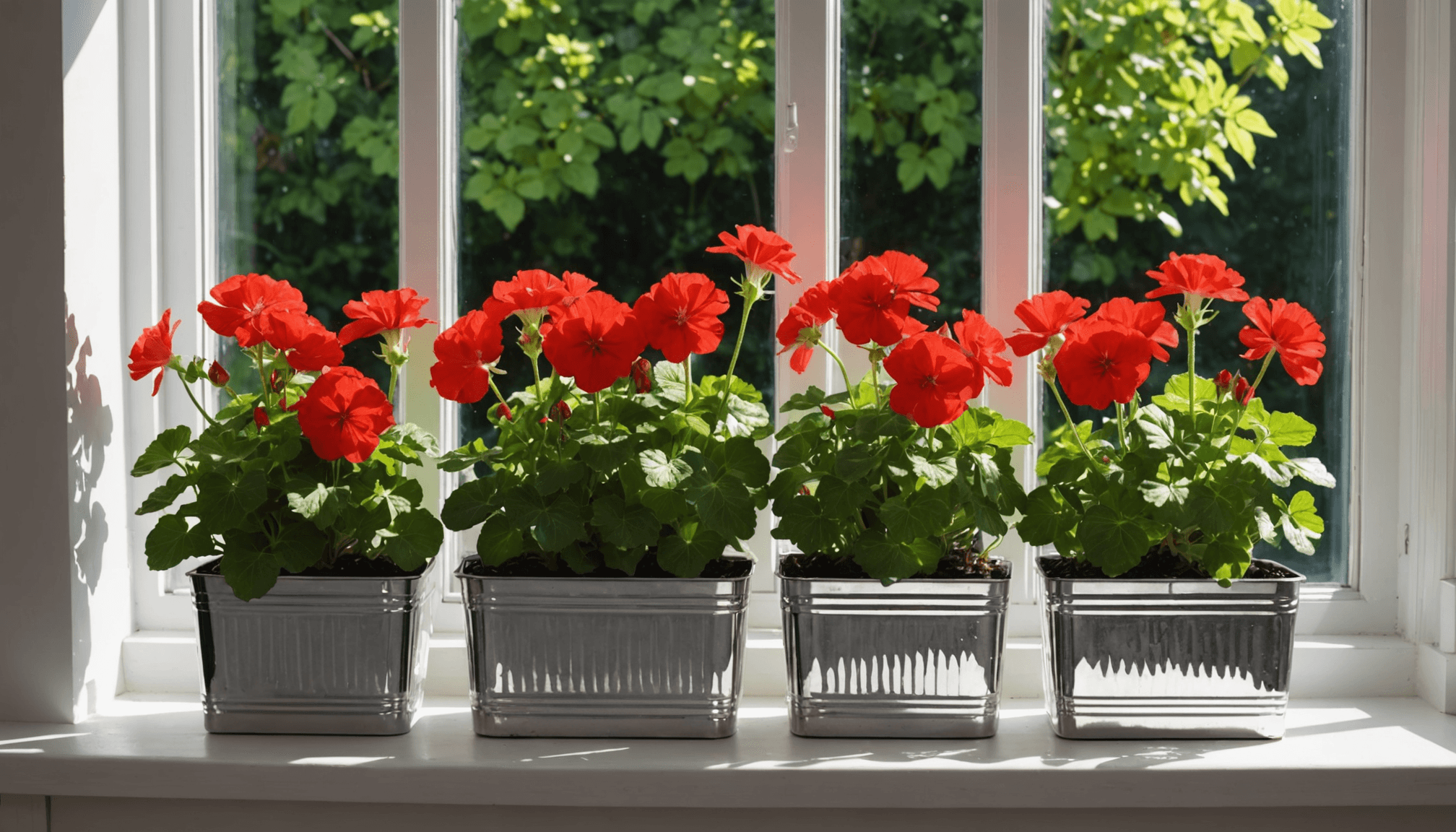
To enhance the light exposure for your windowsill garden, observe the sun’s path throughout the day and adjust your plants’ placements accordingly. If you find certain areas of your windowsill receiving more light than others, position your sun-loving plants in those spots. Additionally, using reflective materials can amplify the sunlight. Consider placing aluminum foil or a light-colored board behind your plants to bounce light towards them, ensuring they receive adequate illumination even in less bright areas.
Another strategy for maximizing sunlight exposure is to rotate your plants regularly. By turning them every week or so, you can prevent them from leaning towards the light, which promotes a more balanced growth pattern. This practice not only encourages healthy foliage but also ensures that all parts of the plants receive an equal share of sunlight, resulting in lush, vibrant growth.
For those living in apartments or homes with limited sunlight, utilizing grow lights can be a game-changer. LED grow lights come in various designs, including strips and bulbs, and can provide the tailored spectrum of light needed for healthy growth. Positioning these lights a few inches above your plants for several hours each day can mimic natural sunlight, encouraging robust plant development. Be sure to research the appropriate duration and intensity required for the specific types of plants you are growing.
Humidity levels can also affect how plants utilize sunlight. Indoor environments often have lower humidity, which can stress plants, making them less efficient at photosynthesis. To combat this, consider placing a small humidifier in the vicinity of your plants or grouping them closely together to create a mini microclimate. Mist your plants occasionally, particularly during the winter months when indoor heating can dry the air, helping them thrive.
If you’re struggling with plants that seem to shy away from sunlight, try incorporating ‘light-hungry’ companions. Plants like geraniums or chips are known for flourishing under brighter conditions and can provide a contrast to shade-tolerant varieties. Make sure to identify each plant’s specific light requirements to create harmonious groupings. This not only maximizes sunlight exposure but also adds dimension and interest to your indoor garden.
Lastly, don’t underestimate the power of seasonal changes. During winter months, the angle of sunlight shifts significantly, which may call for rearranging your plants to make the most of the available light. Additionally, consider seasonal plants that are not only tolerant of less light but can also add color and interest during the dreary winter months, keeping your indoor gardening passion alive. By being observant and adaptable, you can ensure that your windowsill not only supports healthy plant growth but also becomes a vibrant part of your home décor.
Creative Container Solutions for Small Spaces
When dealing with limited space on your windowsill, creative container solutions become essential to making the most of your indoor gardening experience. There are numerous options for container gardening that can enhance your ability to grow a variety of plants while keeping everything organized and visually appealing.
One popular approach is to use multi-tiered plant stands or shelves. These structures allow you to take advantage of vertical space by stacking containers, making it possible to grow several types of plants without encroaching on your limited sill area. By placing your tallest plants on top and gradually decreasing the height for each subsequent tier, you can create an eye-catching arrangement that draws the eye upward. Additionally, consider using a hanging plant shelf or wall-mounted brackets to free up precious windowsill space while still giving your plants the sunlight they crave.
Another inventive solution is to utilize window boxes or trough planters, especially designed to rest on the sill. These elongated containers can house several plants in a single line, allowing for diverse combinations while maintaining a streamlined look. If your window has limited depth, these shallower boxes can be the perfect alternative to deeper pots. You can mix and match different herbs, flowers, or succulents to create a living arrangement that is both functional and decorative.
“The best way to ensure that you are dressing your windowsills creatively is to use limitless imagination in your choice of containers.”
Additionally, consider repurposing items you already own as innovative planters. Teacups, mason jars, and tin cans can serve as charming containers for smaller plants. Painting or decorating these items can further enhance their aesthetic appeal, adding a personal touch to your indoor garden. Another popular trend is to use vertical gardening pockets, which are fabric planters that hang on walls or fences. These are especially effective for herbs or small flowering plants and add texture and color to your gardening space.
Self-watering planters are another smart container choice, particularly for busy individuals who may forget to water their plants regularly. These containers often come equipped with a reservoir at the bottom that allows plants to absorb water as needed, reducing the risk of over- or under-watering. This is particularly helpful on windowsills, where plants may dry out quicker due to direct sunlight and warm air.
In addition to selecting the right containers, consider integrating drip trays to prevent water damage to your windowsill. The drips can easily ruin the finish on wood or paint, so placing a decorative tray beneath your pots can catch excess water while also adding to your overall design. Decorative stones or pebbles can also be used to fill the bottom of pots for improved drainage alongside aesthetic value.
Don’t shy away from experimenting with colors and styles. Using containers that contrast or complement each other can help develop a cohesive look or add complexity to your indoor garden. Whether you prefer rustic, modern, or eclectic designs, diversity in your containers can enhance your overall gardening experience and contribute to a more engaging environment. There are countless ways to utilize creative containers; it’s all about finding what works best for your space and personal style while ensuring your plants have the perfect home to thrive in.
Care and Maintenance of Windowsill Gardens
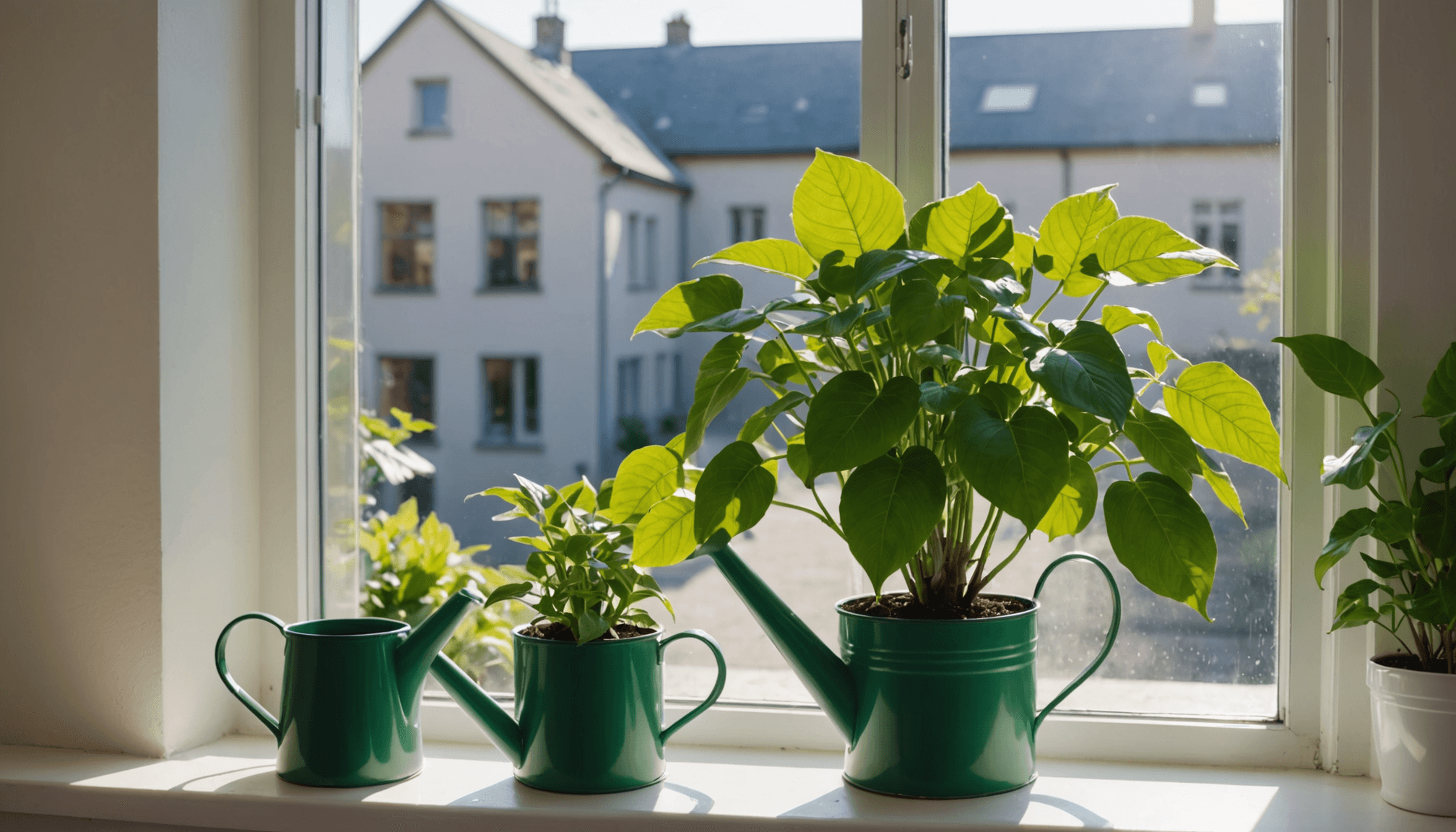
Caring for your windowsill garden involves a thoughtful approach to ensure each plant thrives in its confined environment. One of the primary considerations is the watering routine; too much or too little water can negatively impact your plants. Assess the moisture level of the soil regularly by sticking your finger about an inch deep into it; if it feels dry, it’s time to water. Always opt for room temperature water to avoid shocking the roots, and aim to water in the early morning or late afternoon to minimize evaporation.
Fertilization is another critical component of maintenance. Indoor plants often lack access to essential nutrients found in outdoor soil, so supplementing their diet with a balanced, diluted liquid fertilizer every four to six weeks can promote healthy growth. Choose a fertilizer suitable for the specific type of plants you’re growing, as certain species may require different nutrient compositions. Be cautious not to over-fertilize, as this can lead to nutrient burn and damage your plants.
Pests can also invade your indoor garden, despite the relatively controlled environment. Regularly inspect your plants for signs of common pests such as aphids, spider mites, or mealybugs. If you notice any infestations, act swiftly to remove them using natural remedies like neem oil or insecticidal soap. Maintaining good air circulation around your plants can help deter pests and reduce the risk of fungal diseases, making it crucial to avoid overcrowding in your arrangements.
Temperature and humidity levels should also be monitored closely, as indoor climates can fluctuate. Most houseplants thrive in temperatures between 65°F to 75°F. If possible, keep your plants away from drafts, heating vents, or air conditioning units, as these can create stress conditions. Additionally, many plants appreciate higher humidity, especially in the winter months when indoor air tends to be drier. Utilize pebble trays with water underneath your pots or place a humidifier nearby to raise ambient humidity levels.
Keep an eye on the overall growth and health of your plants. Pruning dead or yellowing leaves not only encourages new growth but also helps prevent disease. Additionally, consider repotting your plants every year or so to provide them with fresh soil and additional space for growth. As your plants develop, you’ll likely find the need for larger pots with better drainage options, ultimately enhancing their ability to flourish in the long run.
Lastly, never underestimate the power of observation. Spending time with your windowsill garden creates a connection and improves your ability to recognize when something is amiss. Each plant has its personality, and understanding their specific needs can be both gratifying and enlightening. By investing time in care and maintenance, you can enjoy a flourishing indoor garden that brightens your home and brings joy to your everyday routine.
- How often should I water my windowsill plants?
- Watering frequency depends on the plant type and environmental factors, but typically, you should check the soil moisture every few days. Water when the top inch of soil feels dry.
- What type of fertilizer should I use for indoor plants?
- A balanced liquid fertilizer is generally suitable for most indoor plants. It’s best to dilute it and apply it every four to six weeks during the growing season.
- How can I prevent pests in my indoor garden?
- Regularly inspect your plants for signs of pests and maintain good airflow around them. Natural remedies like neem oil can effectively manage infestations when they occur.
- What temperature is ideal for indoor plants?
- Most indoor plants thrive in a temperature range of 65°F to 75°F. Avoid placing them near drafts or heating vents to prevent temperature stress.
- How do I increase humidity for my indoor plants?
- You can increase humidity by using pebble trays filled with water under pots, clustering plants together, or using a humidifier in the room.
- When should I repot my indoor plants?
- Repot your plants annually or when the roots start to outgrow their pot. Choosing a slightly larger pot will give them room to grow and access fresh soil.
- How can I tell if my plant is getting enough light?
- Look for signs of healthy growth such as new leaves and vibrant color. If your plant is leggy, thin, or stretching toward the light, it may need more sunlight.
Benefits of Indoor Gardening for Small Living Environments
Indoor gardening offers numerous benefits, particularly for those living in small spaces. One of the most significant advantages is the access to fresh produce right at your fingertips. Imagine snipping basil leaves or harvesting cherry tomatoes without needing to step outside! These fresh ingredients not only enhance your meals, but they can also improve your diet by providing essential nutrients that store-bought produce often lacks due to transportation and storage methods.
Moreover, nurturing plants indoors promotes mental well-being. The act of gardening is inherently therapeutic; it allows you to engage with nature, even within the confines of your home. Studies indicate that interacting with plants can reduce stress, anxiety, and even depression levels (Holt-Lunstad et al., 2010). The vibrant colors and pleasant aromas of your indoor garden can uplift your mood, create a calming atmosphere, and foster a sense of responsibility as you care for living things.
The physical act of gardening can also serve as a light form of exercise. Stretching to water your plants or moving containers around for optimal light exposure can encourage gentle physical activity, contributing to a healthier lifestyle. Furthermore, this hands-on approach fosters mindfulness, allowing you to focus on the present moment and disconnect from the hustle and bustle of daily life.
In addition to health benefits, indoor gardening can significantly enhance air quality. Many common houseplants, such as spider plants and pothos, are known for their air-purifying qualities. They can help filter out toxins, providing you with cleaner air to breathe. This is particularly beneficial in urban environments where pollution levels may be high, and indoor spaces can often feel stuffy.
Indoor gardens also offer an opportunity for education and creativity. This space allows families, especially children, to learn about plant biology and ecosystems first-hand. Working with plants nurtures curiosity and fosters a connection to nature that can cultivate environmental stewardship in future generations. You’ll also discover that gardening provides a canvas for creativity; arranging plants, selecting colors, and designing layouts enhance your home aesthetic while making a personal statement.
When considering the overall costs associated with indoor gardening, think of the potential savings. Growing your own herbs, vegetables, or ornamental plants can reduce grocery expenses and promote self-sufficiency. With relatively low startup costs for seeds, soil, and containers, the return on investment can be significant over time, particularly for enthusiastic gardeners.
Finally, indoor gardening encourages a sense of community. Sharing your gardening journey online or with friends can foster connections, lead to swapping skills, and create a support network. Joining local gardening clubs or participating in community gardening events can further enhance these connections while also exchanging tips and resources to improve your own gardening experience.
With so many benefits that indoor gardening brings to small living environments, it’s a worthwhile endeavor that promotes physical health, mental well-being, and an enriched lifestyle. Dive into the world of indoor gardening and watch how it transforms not just your space, but your overall quality of life!
References: Holt-Lunstad, J., Smith, T. B., & Layton, J. B. (2010). Social relationships and mortality risk: A meta-analytic review. PLoS Medicine, 7(7), e1000316.