
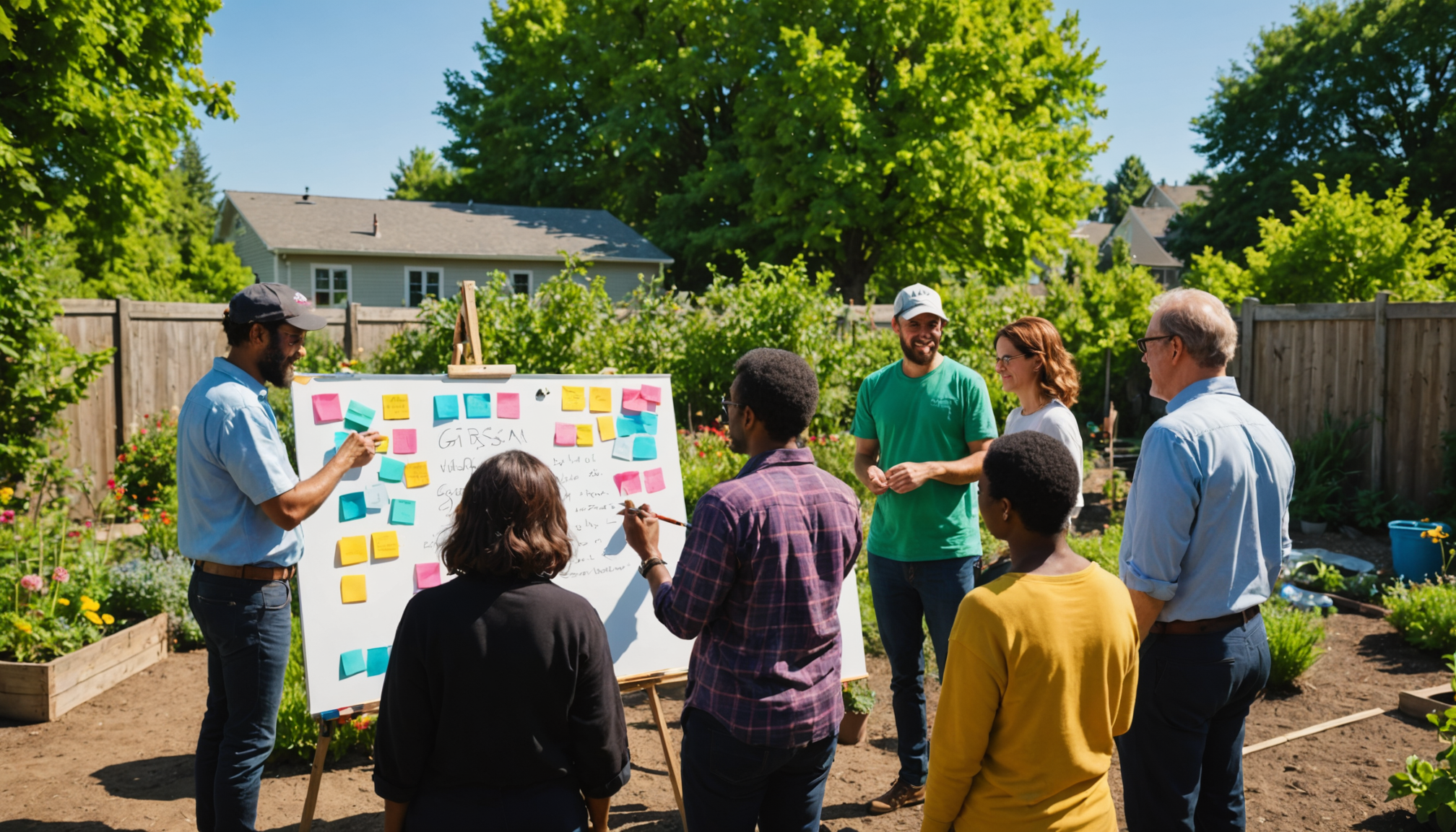
Establishing a successful community garden is an exciting endeavor that fosters collaboration and nurtures relationships among neighbors. To help you get started, here are some essential steps to consider in your journey.
- Gather Interest: Start by reaching out to your neighbors, local community groups, and social media platforms to gauge interest in the garden project. Create a simple flyer or an online poll to collect names and ideas, as early involvement helps build commitment.
- Identify a Suitable Location: Look for a plot of land that is accessible, receives adequate sunlight, and has a water source nearby. Parks, vacant lots, or even church grounds can be great options. Before securing a spot, check local zoning laws and get permission from landowners.
- Form a Management Team: Designate a few enthusiastic individuals to lead the planning process. This team can help coordinate decisions, manage resources, and communicate with participants. It’s essential to have a diverse group of people involved to ensure various perspectives and ideas are honored.
- Create a Garden Plan: Work as a group to design the layout of your garden. Consider which plants will be grown and space requirements for each. Incorporate a mix of flowers, vegetables, and herbs to benefit biodiversity, and share harvesting responsibilities. Be sure to document the plan clearly to avoid future misunderstandings.
- Set Up Rules and Regulations: Clearly outline the guidelines for participation, maintenance, and shared responsibilities. Discuss how to handle shared supplies, responsibilities, and conflict resolution. This can help alleviate potential issues down the line. Putting these in writing can make it easier for everyone to understand their role.
- Organize a Kickoff Event: Host a gathering to formally introduce the project, discuss roles, and perhaps start planting! A potluck gathering can encourage participation and promote an immediate sense of community. Sharing food and stories can deepen connections among participants.
- Secure Resources: Look locally for donations from garden centers, hardware stores, or local businesses. Utilize social media to ask for donations or volunteer hours. Many companies are supportive of community initiatives, and a simple request can open doors to resources such as soil, tools, and seeds.
- Establish a Maintenance Schedule: Develop a routine for garden upkeep, whether it’s daily watering or bi-weekly weeding days. Rotate responsibilities among members to ensure everyone pitches in. Consider using a shared online calendar to manage schedules effectively.
Community gardening can become the heart of your neighborhood, promoting not just healthy food production but also cherished bonds among neighbors. By following these steps and emphasizing collaboration, you can cultivate a thriving garden and community spirit.
Benefits of Community Gardening
Community gardening offers numerous advantages that extend beyond just the cultivation of plants. Engaging in this communal activity can significantly enhance the quality of life in your neighborhood and foster meaningful connections among residents. Below are some of the primary benefits that community gardening can bring to your area.
Firstly, community gardens provide a space for individuals to grow their own food, contributing to food security. By cultivating fruits and vegetables, participants gain access to fresh produce, which is often more nutritious than store-bought options. This not only promotes healthier diets but also encourages individuals to embrace better eating habits.
Another vital benefit is the enhancement of social interactions and community relationships. A shared gardening space encourages collaboration and communication among neighbors, leading to strengthened ties within the community. Participants can share gardening tips, recipes, and experiences, paving the way for deeper friendships.
Additionally, community gardens can improve mental well-being. Gardening is known to reduce stress, promote relaxation, and improve mood. Spending time outdoors, engaging in physical activity, and nurturing plants can provide therapeutic effects, making it a valuable outlet for emotional relief.
Moreover, these gardens often serve as educational platforms. They can teach members—especially children—about sustainability, ecology, and the importance of local food systems. Workshops and hands-on activities can be organized to educate participants about gardening techniques, composting, and biodiversity, resulting in a more informed and environmentally conscious community.
Another critical aspect to consider is the environmental benefits of community gardening. These gardens contribute to the greening of urban spaces, improving air quality, and promoting biodiversity by providing habitats for various insects, birds, and other wildlife. They can also reduce urban heat effects and manage stormwater runoff, contributing to more resilient local ecosystems.
Here’s a comparative table highlighting these benefits:
| Benefit | Description |
|---|---|
| Food Security | Access to fresh, organic produce grown by community members, promoting healthier diets. |
| Social Interaction | Gathers neighbors, fostering friendships and collaboration through shared tasks. |
| Mental Well-Being | Engagement in gardening can alleviate stress and promote relaxation and happiness. |
| Educational Opportunities | Teaches skills related to gardening, sustainability, and environmental stewardship. |
| Environmental Impact | Contributes to urban greening, improves biodiversity, and aids in environmental management. |
The impact of community gardening is multifaceted, enriching not only the physical landscape but also the social fabric of neighborhoods. By recognizing and harnessing these benefits, individuals can create a more vibrant, connected, and sustainable community through the simple act of gardening together.
Engaging Neighbors in the Planning Process
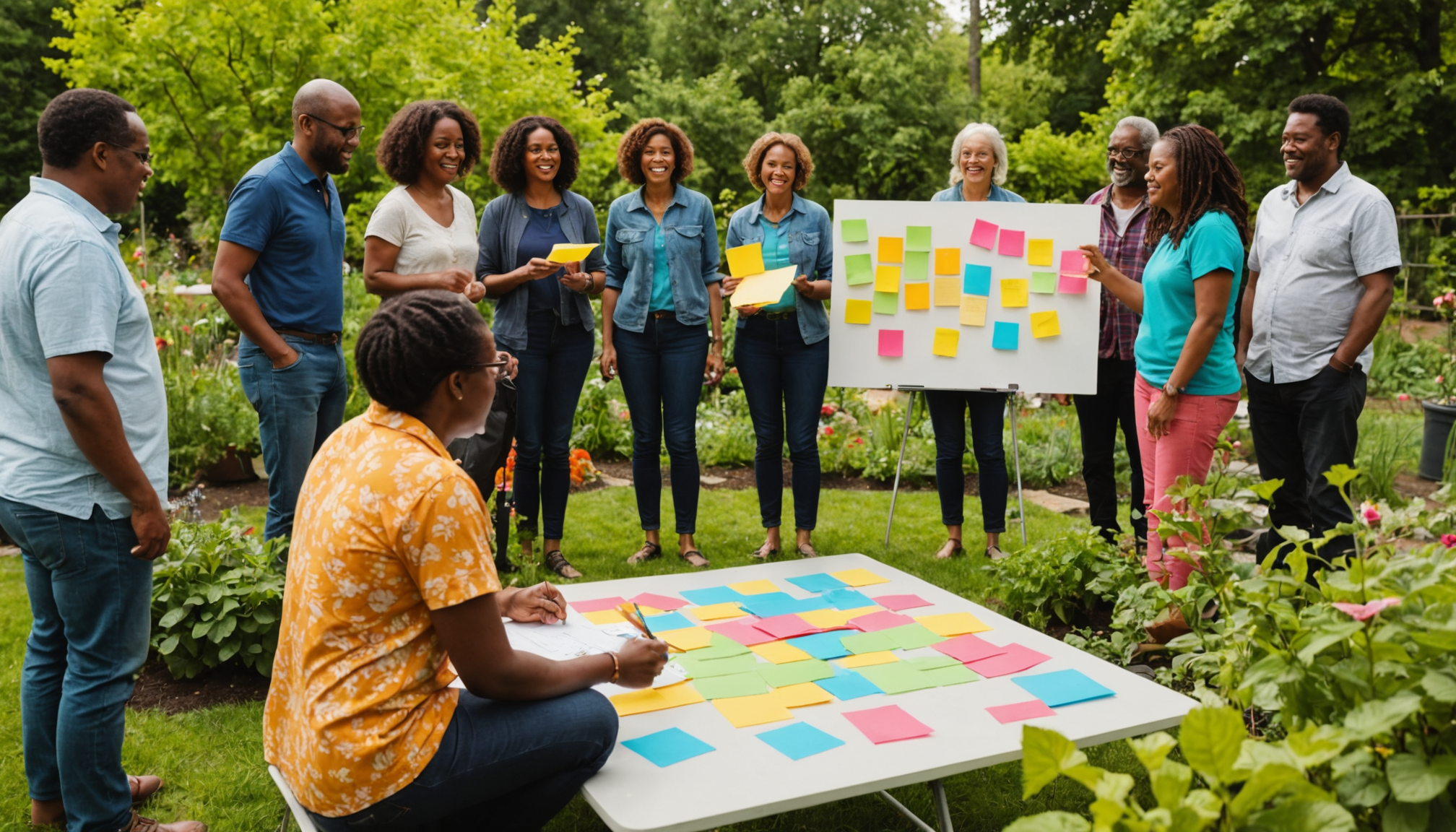
Engaging neighbors in the planning process of your community garden is crucial for building a strong foundation for collaboration and participation. To ensure everyone feels included, foster an environment where ideas can flow freely and all voices are heard.
One effective method to engage your neighbors is to host brainstorming sessions. Gather a small group of interested individuals and encourage them to share their thoughts on the types of plants to grow, potential garden designs, and maintenance strategies. Use post-it notes or a whiteboard to collect and categorize ideas, making it easy to visualize all suggestions. This technique not only legitimizes everyone’s input but also creates a sense of ownership over the project.
Additionally, consider creating an online forum or group where neighbors can exchange ideas and updates. Platforms like Facebook Groups or Nextdoor allow participants to communicate efficiently, share resources, and promote upcoming meetings or events. Regularly posting polls or questions can keep the momentum going and encourage those who might be hesitant to participate in person.
When discussing the garden layout and types of plants, it’s essential to consider the diverse preferences and dietary restrictions of your community. For example, some neighbors may prefer heirloom vegetables, while others might have a penchant for cooking with herbs. To accommodate everyone, you can opt for a community poll asking participants to rank their favorite plants. This not only helps to create a garden that reflects the collective preferences but also strengthens the bond among participants who might discover shared interests.
Hosting activities that engage neighbors in hands-on planning can significantly enhance participation. Organize events like design workshops where participants can sketch their ideas and collaborate on the garden layout. Another idea is to hold cooking nights where attendees can share recipes that utilize the plants that will be grown. These social events promote camaraderie and encourage neighbors to invest time in the garden’s planning.
It’s also beneficial to invite local experts to share their knowledge and provide guidance. Collaborate with local gardening clubs, agricultural extension services, or even universities, as they often have resources and personnel available for community projects. Invite them to speak at gatherings or lead workshops. Their expertise can help shape your garden while also providing credibility to the planning process.
Finally, don’t forget the importance of recognizing individual contributions. A simple shout-out on social media or within your community group for members who share valuable ideas or help with planning can go a long way. Celebrate every suggestion or act of participation, as this encourages further involvement and reinforces a sense of community.
As you work together to build your garden, remember that the ultimate goal is to create a shared space that benefits everyone involved. By incorporating inclusive planning practices, you foster a community garden that’s not only productive but also filled with joy and connection among neighbors.
Sourcing Resources and Supplies
To source the necessary resources and supplies for your community garden, start by forming partnerships with local businesses and agricultural organizations. Many garden centers and nurseries are often eager to support community projects and may offer discounted or even donated plants, seeds, and gardening supplies. Reach out to these establishments with a proposal outlining your garden’s goals and how their contributions would help enhance the community.
Additionally, consider organizing community fundraising events. Whether it’s a bake sale, garage sale, or a fun run, engaging the community to raise funds can foster a deeper connection to the garden project. Be sure to communicate how funds will be utilized, such as for soil amendments, tools, or educational materials, to create transparency and build trust among participants.
Leverage the power of online platforms to solicit donations. Utilizing social media can be a great way to invite in-kind contributions from neighbors or local businesses. Create a wishlist shared on social media, listing specific items needed for the garden, such as shovels, gloves, wheelbarrows, and organic fertilizers. Many community members may be cleaning out their garages or attics and might find tools they no longer use.
Consider applying for local grants aimed at community development or environmental enhancement. Many municipalities, nonprofits, and local governments offer grants specifically for community gardens and green spaces. Research these options and prepare a strong application that highlights how the garden will benefit the community.
Another effective approach is to establish a supply-sharing network among community members. Encourage neighbors to share tools, seeds, and gardening knowledge. Organizing a tool library can greatly benefit the garden without the need for everyone to purchase their own tools. Members can check out necessary equipment for specific gardening tasks, promoting resource-sharing and reducing individual expenses.
Connecting with local agricultural extension services can also provide valuable insights and resources. These services often provide educational workshops and can have access to seeds and plant stock, which can be beneficial for your community garden. They may also offer expertise in creating sustainable gardening practices, ensuring the long-term success of the garden.
As the garden begins to take shape, develop a system for monitoring supplies. Keeping an inventory of what is available and what is needed ensures that the garden remains well-stocked and operational. Assign a volunteer or team to manage this inventory to foster accountability and clarity among participants.
Moreover, consider hosting a “supply donation day” where community members can bring any excess gardening materials they may have. This can further promote community engagement while ensuring that you have the supplies necessary for successful gardening experiences.
Ultimately, sourcing resources is about harnessing the community’s collective strengths, fostering relationships with local businesses, and being resourceful in meeting the needs of the garden. By tapping into existing networks, utilizing social platforms, and encouraging collaboration among neighbors, you can gather the tools, supplies, and support necessary to ensure that your community garden thrives and serves as a vibrant hub for all participants.
“In every community, there is work to be done. In every nation, there are wounds to heal. In every heart, there is the power to do it.” – Marianne Williamson
Maintaining the Garden Together
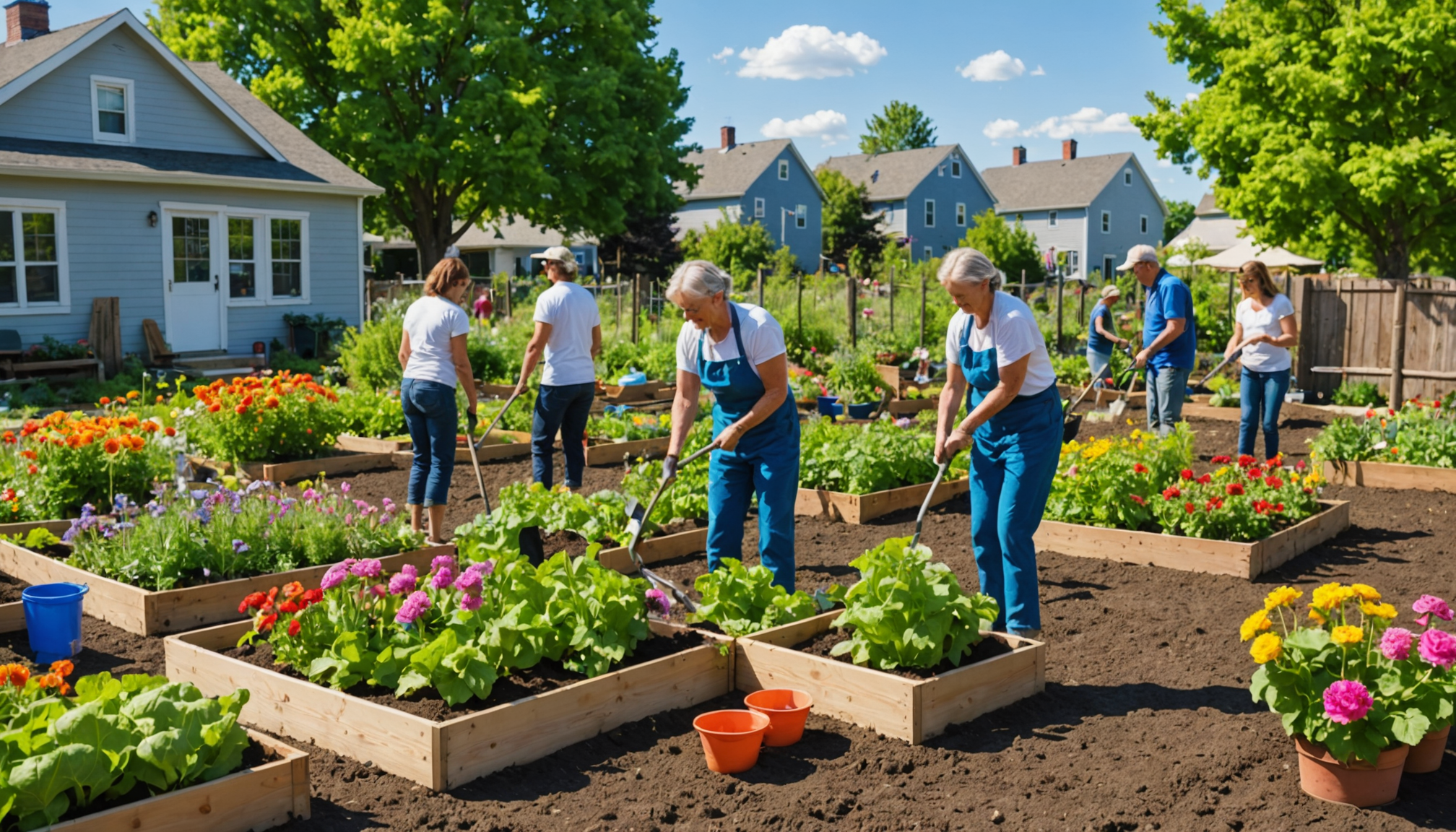 As the community garden begins to flourish, maintaining its vibrancy and ensuring collective care is essential for its long-term success. Establishing a shared sense of responsibility can strengthen bonds between participants and enhance the garden experience for everyone involved. Encourage open communication to address any issues that arise and promote a cooperative atmosphere where all members can contribute to the garden’s upkeep.
One effective strategy is to create a rotating maintenance schedule that assigns specific tasks to individuals or families. This approach not only distributes the workload but also allows participants to form personal connections with the garden. By understanding the unique aspects of their assigned tasks, individuals may feel more committed to the garden’s well-being. Additionally, incorporating regular group workdays can create opportunities for collaboration. These events allow individuals to gather, work on tasks together, and enjoy each other’s company, which helps to strengthen relationships within the community.
Sharing maintenance techniques among members can enrich the gardening experience. Organize workshops led by more experienced gardeners to teach others about pruning, pest management, or composting. By sharing knowledge, the community fosters a culture of learning and support, which can lead to more sustainable gardening practices. Members can also establish a ‘Gardening Buddy’ system, pairing new gardeners with more experienced ones for guidance and mentorship.
Community members should keep track of the garden’s progress through documentation. A simple logbook or digital platform can be effective for noting plant growth, harvesting dates, and maintenance activities. This not only helps with future planning but also serves as a reflection of the team’s collective efforts. You might even consider creating a photo journal to celebrate the garden’s milestones, making the experience even more memorable.
In addition to regular maintenance, addressing any issues or conflicts that may occur is a vital part of collaboration. Encourage members to voice their concerns openly and respectfully. Establishing a set of conflict resolution guidelines can provide clarity during challenging times. Regular meetings to discuss progress and challenges can facilitate this open dialogue, allowing for constructive conversations that can enhance cooperation.
Celebrating milestones and the abundance of the garden can foster a greater sense of community well beyond routine maintenance tasks. Organize potluck dinners, harvest festivals, or community picnics to highlight the fruits of your labor. These celebrations can serve as opportunities for members to share dishes made from the garden’s harvest, further enhancing the sense of community and enjoyment of shared resources.
As the garden thrives, make it a living place for learning and connection. Members can start new initiatives, like planting a pollinator garden or creating educational signs for children to understand plant life cycles. This can turn the garden into an interactive resource for all ages and a source of pride for the community.
- How do we decide who gets to plant what in the community garden?
- Establish a communal planting plan that reflects the preferences of all members. Use polls or meetings to gather input on desired plants and create a layout that accommodates everyone’s choices, ensuring inclusivity and shared ownership.
- What should we do if a member isn’t maintaining their assigned tasks?
- Open a dialogue with the member to understand their situation. Offer support if needed and remind them of the shared responsibilities. If issues persist, involve the management team to facilitate a constructive discussion that addresses any challenges.
- How often should we hold gardening meetings?
- Regularly scheduled meetings, such as monthly or bi-weekly, can help maintain engagement. Consider holding additional meetings during significant garden events or to address specific challenges, ensuring communication flows effectively.
- What if we need more tools or resources than we initially planned?
- Evaluate the situation and consider pooling funds for additional resources or organizing a fundraising event. Collaborating with local businesses for donations can also help meet the growing needs of the garden.
- How can we encourage more neighbors to join the community garden?
- Host an open house or informational event featuring gardening demonstrations and tastings from the garden. Utilize local social media groups or flyers to spread the word and create excitement surrounding the benefits of community gardening.
- Can children participate in the community garden?
- Absolutely! Involving children can enhance their understanding of nature and responsibility. Plan kid-friendly tasks and educate them through fun activities to instill a love of gardening and community engagement.
- How do we handle pests and diseases in the garden?
- Monitor plants regularly and encourage members to report any issues immediately. Use organic pest control methods and share knowledge on disease prevention through workshops to promote sustainable gardening practices.
Celebrating Success and Building Community Connections
One of the most rewarding aspects of creating a community garden is the celebration of your achievements and the strengthening of community ties through shared experiences. It’s essential to take time to relish in the successes and milestones reached along your gardening journey, as these celebrations can significantly enhance community spirit and encourage participation.
Start by organizing a harvest festival once the garden yields its first crops. This can be a fun and festive atmosphere where community members come together to share the fruits of their labor. Include activities like basket making or simple cooking demonstrations using garden produce. Invite everyone to bring dishes made with their harvested goods, allowing for a community potluck that showcases diverse culinary creations.
Consider creating themed events to celebrate specific garden accomplishments, such as “Bloom Day” to feature flowering plants or an “Herb Extravaganza” to highlight the herbs cultivated. These celebrations provide opportunities for members to teach each other about their favorite plants and recipes, engaging all generations and enhancing member participation.
If your garden has aimed goals such as promoting biodiversity or sustainable practices, use these themes to influence your celebrations. Host educational sessions at these events, inviting local experts or garden enthusiasts to share knowledge. For example, a local organic farmer might present about companion planting or native plants, enriching community members’ understanding while celebrating their hard work.
Incorporate community art projects into your celebrations. Encourage members to paint garden signs, create mosaic paths, or even develop a small mural reflecting the collective spirit of the garden. These interactive art initiatives can foster team spirit and add a personalized touch to the community garden, making it uniquely yours.
Don’t overlook the importance of recognizing individual contributions during these celebrations. Acknowledge the hard work put forth by volunteers and contributors, perhaps with small tokens of appreciation like certificates or homemade thank-you cards. Recognition not only validates their efforts but also motivates them and others to stay engaged in future gardening endeavors.
In addition to events, use social media as a powerful tool to showcase the garden’s progress and achievements. Create a dedicated page or hashtag to document the journey visually. Regular updates on growth milestones, garden gatherings, and success stories can help generate excitement and draw in new members who might see how vibrant and welcoming your community garden is.
Maintaining a sense of joy and achievement will strengthen your community over time and create lasting bonds among neighbors. Think about establishing regular gatherings, such as seasonal cookouts or maintenance barbecues, to continually encourage participation and sharing. These consistent interactions will deepen relationships while amplifying the joy of gardening.
When celebrating, consider moving the gathering around to different community members’ homes or local parks. A change of environment can bring fresh energy and excitement, reminding participants that the community garden isn’t just a plot of land—it’s a culmination of shared dreams, hard work, and growing friendships.