
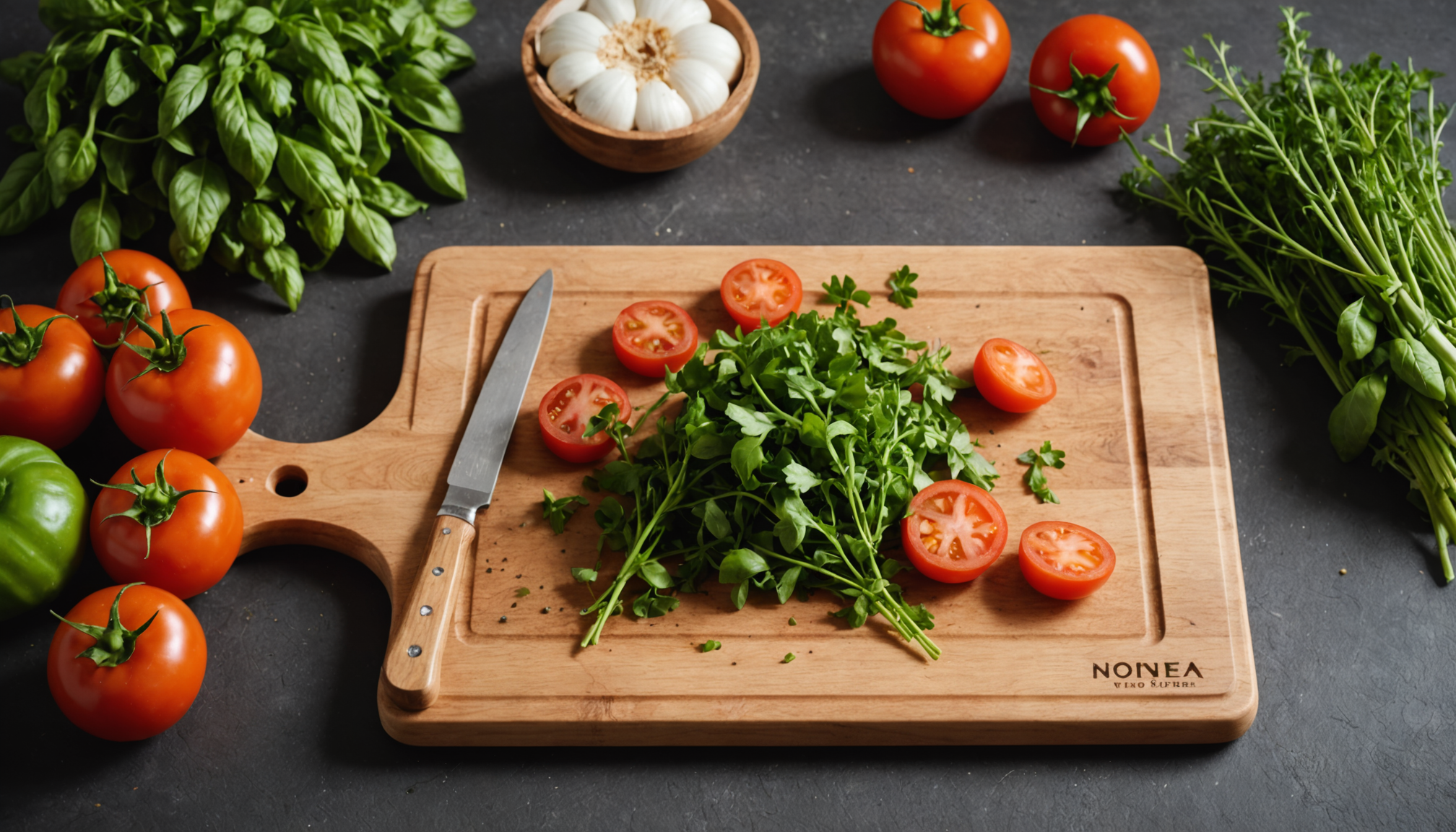
A minimalistic kitchen setup is essential for enhancing the efficiency and charm of your homesteading space. By focusing on simplicity, you can create an environment that fosters creativity while minimizing clutter and distractions. Here’s how to curate the essentials for your minimalistic kitchen:
- Gather Multi-functional Tools: Choose kitchen tools that serve multiple purposes. For example, a sturdy chef’s knife can be used for chopping, slicing, and dicing. Invest in items like a food processor that can blend, chop, and puree, saving space and time.
- Prioritize Quality Over Quantity: Instead of a drawer full of gadgets, select a few high-quality items that you will actually use. A good cast-iron skillet, for instance, can go from stovetop to oven and offers excellent heat retention. Similarly, a sturdy cutting board becomes a workspace as well as a serving platter.
- Simplify Your Pantry: Stock only essentials that can be used in multiple dishes. Whole grains, legumes, and a variety of spices can allow for countless meal options without the need for a large assortment of ingredients.
- Natural Storage Solutions: Consider using glass jars for bulk items such as flour and grains. Not only do they reduce plastic usage, but they also provide a clean and uniform aesthetic. Labels can help you identify contents quickly while tying your decor together.
- Cleaning Tools with Purpose: Select a few basic, eco-friendly cleaning supplies to maintain your kitchen. A natural all-purpose cleaner can handle most sticky situations, and cloths or reusable wipes help cut down on waste.
Remember that a minimalistic kitchen doesn’t mean sacrificing style. Incorporate personal touches like ceramic dishes or plants to bring warmth and character to your space. By keeping your setup simple and practical, you will find that both your cooking and your homesteading experience are greatly enriched.
Choosing the Right Tools
When it comes to selecting the right tools for your minimalistic kitchen, the focus should be on functionality, durability, and ease of use. The ideal tools streamline the cooking process and minimize clutter, embodying the principles of simplicity that are essential in homesteading. Here are some critical considerations to keep in mind as you choose your kitchen tools:
- Invest in Versatile Cookware: Look for cookware that can perform multiple functions. For instance, a Dutch oven is fantastic for braising, baking, and even slow-cooking, while a frying pan can be used for everything from scrambling eggs to searing meats.
- Prioritize Essential Utensils: Instead of a collection of specialty utensils, focus on a few that cover all cooking scenarios. A spatula, a wooden spoon, and tongs are often sufficient for a variety of cooking techniques.
- Choose Quality Knives: A good set of knives is one of the most significant investments in a kitchen. A sharp paring knife, a chef’s knife, and a serrated knife can handle nearly any cutting task. Regular maintenance through honing and occasional sharpening will ensure they remain effective.
- Look for Reusable and Sustainable Options: Items like beeswax wraps for food storage or silicone lids reduce the need for single-use plastic, aligning with the values of homesteading and environmental stewardship.
- Consider Practical Gadgets: Equip your kitchen with a few essential gadgets that simplify cooking. A digital scale for precise measurements, a microplane for zesting and grating, and a timer for perfect cooking timing can significantly enhance efficiency.
To illustrate how versatility and quality play a pivotal role in a minimalistic kitchen, the following comparison table outlines various kitchen tools, their uses, and recommended features:
| Tool | Primary Uses | Recommended Features |
|---|---|---|
| Chef’s Knife | Chopping, slicing, dicing | High-carbon stainless steel, comfortable grip |
| Cast Iron Skillet | Frying, baking, sautéing | Oven-safe, easy to clean with seasoning |
| Food Processor | Chopping, grating, blending | Multiple attachments, durable motor |
| Measuring Cups | Measuring liquids and dry ingredients | Set includes various sizes, made of glass or stainless steel |
| Wooden Cutting Board | Chopping, serving | Non-porous, easy to maintain |
The choice of tools in your kitchen significantly impacts not only the functionality but also your overall cooking experience. By selecting items wisely, you can create an environment that is conducive to creativity and efficiency, allowing for a seamless transition from preparation to cooking while adhering to the principles of minimalism that define your homesteading journey.
Organizing Your Space
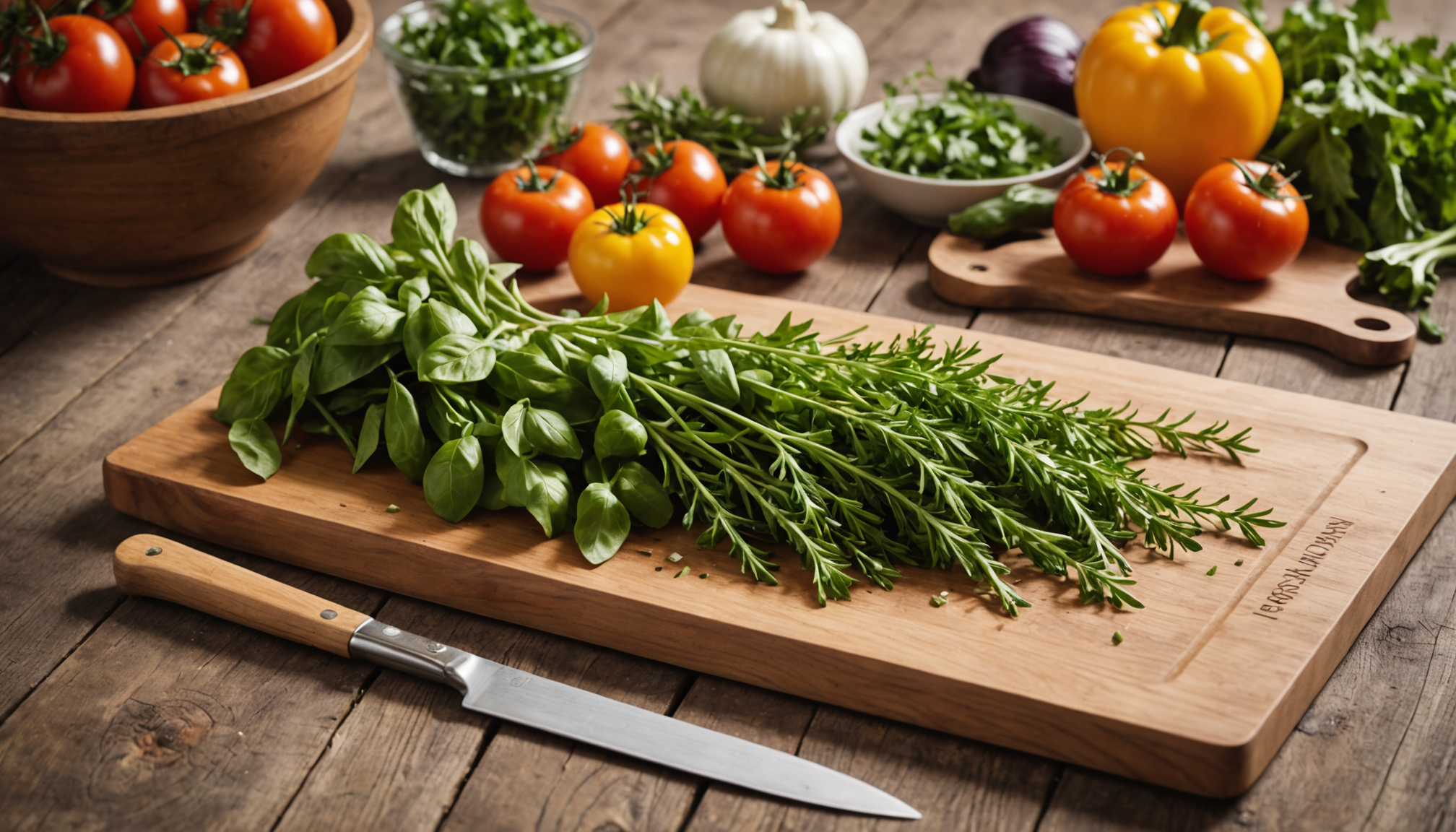
Optimizing your kitchen space is essential for maintaining the efficiency and simplicity that are hallmarks of a minimalistic setup. A well-organized kitchen not only makes cooking more enjoyable but also enhances your homesteading lifestyle by ensuring everything is within reach and easy to find. Here are some practical strategies to help you organize your space effectively:
- Zone Your Kitchen: Divide your kitchen into specific zones based on tasks—such as prep, cooking, baking, and storage. This organization allows you to streamline your workflow. For example, keep your cutting boards, knives, and mixing bowls close to your prep area, while pots and pans should be positioned near the stove to minimize movement during cooking.
- Use Vertical Space: Maximize storage by utilizing wall space. Install shelves or pegboards to hold mugs, pots, pans, or utensils. This not only frees up counter space but also adds visual interest to your kitchen. Hanging herbs in small pots can also contribute to both organization and aesthetics.
- Embrace Clear Containers: Store dry goods like grains and pasta in clear containers. This visibility helps you know when supplies are running low and can inspire meal planning based on available ingredients. For instance, using labeled glass jars can add a touch of elegance and create a uniform look.
- Drawer Dividers and Baskets: Keep utensils, cutlery, and tools orderly with dividers or small baskets. This prevents clutter and ensures that you can locate your items quickly. Consider dedicating a drawer solely for frequently used cooking tools, making it easy to grab what you need.
- Prioritize Accessibility: Place frequently used items at eye level or within easy reach. Reserve the upper cabinets for less often used appliances or serving dishes. For example, a blender that you use daily should be readily accessible on the counter, while the slow cooker can be tucked away.
- Regular Decluttering: Schedule periodic checks of your kitchen items to declutter. If an item hasn’t been used in the past six months, consider donating or repurposing it. This habit not only maintains order but also keeps your inventory aligned with your cooking needs.
Remember, the goal of an organized kitchen is to create a space that feels effortless to navigate. Invest time in arranging your kitchen based on how you cook and what you cook most often. As you tailor your setup to your habits, you’ll find that cooking becomes more instinctive and enjoyable, further enriching your homesteading experience.
Simple Cooking Techniques
In a minimalistic kitchen, simple cooking techniques can significantly enhance your culinary experience while aligning with homesteading principles. By mastering straightforward methods, you’ll not only simplify your cooking process but also celebrate the freshness of your ingredients. Here are various techniques that can elevate your meals with minimal effort:
- Batch Cooking: Preparing meals in larger quantities allows you to take advantage of time spent cooking. You can make sauces, soups, or stews in bulk and portion them for the week ahead. This not only saves time during busy days but also ensures you have healthy, home-cooked meals ready to go.
- One-Pot Meals: Embrace the simplicity of one-pot cooking by combining various ingredients in a single pot or pan. This technique minimizes cleanup and allows flavors to meld beautifully. Think of casseroles, stir-fries, and hearty soups that can incorporate seasonal vegetables, grains, and proteins in one go.
- Chopping Techniques: Familiarize yourself with foundational chopping methods such as julienne, dice, and chiffonade. Consistently sized pieces cook evenly and improve the presentation of your dishes. Mastering a few key knife skills can significantly speed up your prep time and make cooking feel effortless.
- Roasting: Roasting vegetables and proteins is a straightforward technique that enhances their natural flavors. The process involves seasoning your ingredients, placing them in the oven, and letting the heat work its magic. Roasting brings out the sweetness in vegetables and creates a rich crust on meats without requiring constant attention.
- Fermenting and Pickling: Simple preservation methods like fermenting and pickling can add complexity to your meals while extending the shelf life of seasonal produce. Techniques such as quick pickling require minimal ingredients, and the results can elevate sandwiches, salads, and more.
- Seasoning with Fresh Herbs: Incorporating fresh herbs can transform simple dishes into vibrant culinary experiences. Techniques like chiffonade or bruising herbs before adding them to a dish release their essential oils, enhancing flavor with very little effort. Consider growing your own herb garden to have fresh ingredients readily available.
- Simple Sauces and Dressings: Mastering a few basic sauces can diversify your meals tremendously. For example, a simple vinaigrette made from oil, vinegar, and seasonings can dress salads, marinate meats, or drizzle over vegetables. Learning to create foundational sauces like béchamel or pesto opens up numerous culinary possibilities, all while keeping your kitchen minimalist.
“The secret of a well-prepared meal lies not in the complexity of its execution, but in the simplicity of its ingredients and methods.” – Unknown
By integrating and honing these simple cooking techniques, you can enhance your cooking abilities without creating a cumbersome kitchen routine. Each method supports the ethos of minimalism and homesteading, allowing you to enjoy the process of cooking while celebrating the quality of your ingredients. As you become more familiar with these techniques, you’ll find that the joy of cooking lies not in complexity, but in the simple, satisfying act of creating nourishing meals for yourself and your loved ones.
Maintaining a Functional Setup
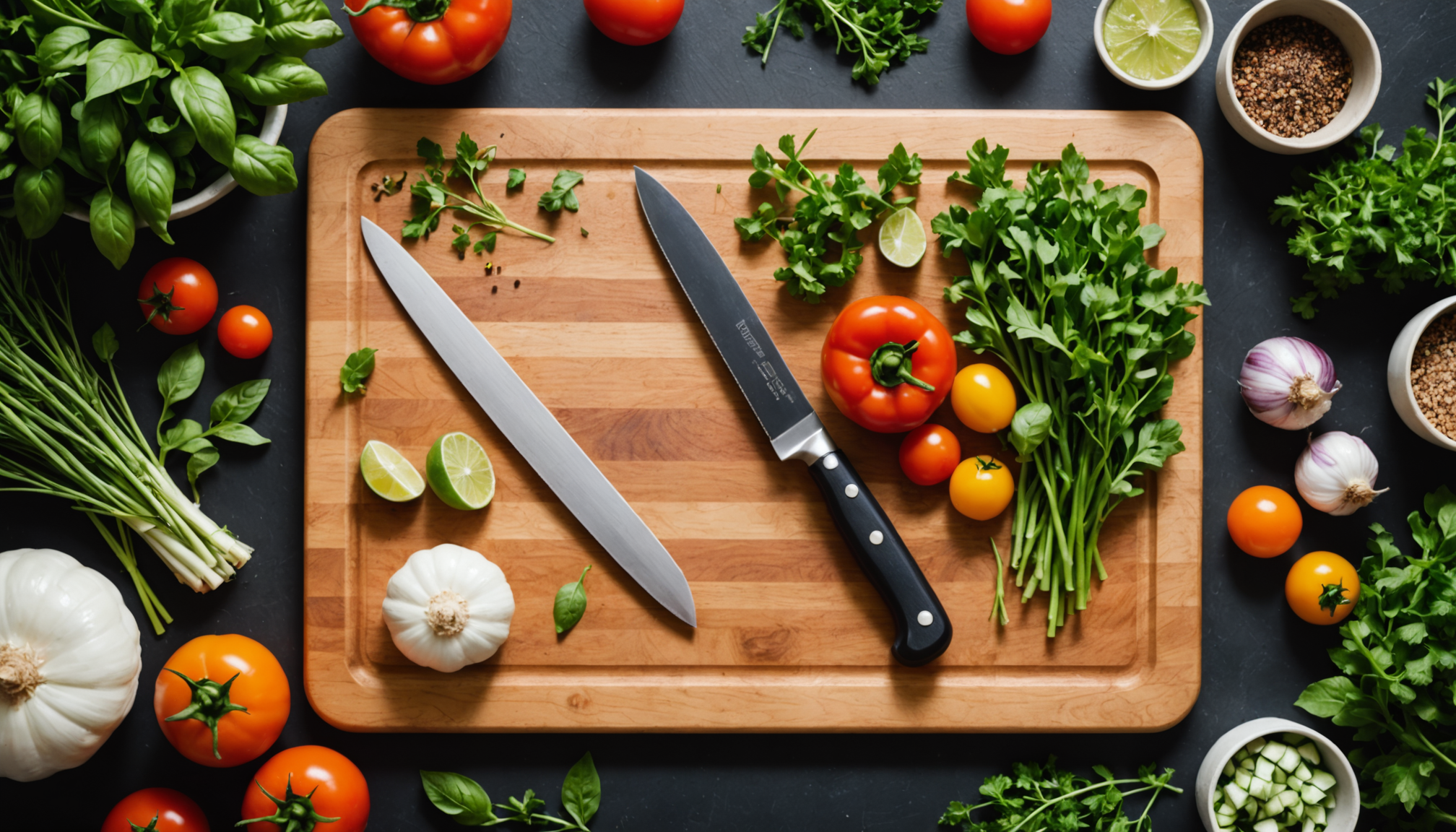
Maintaining a functional setup in your kitchen is not merely about keeping things tidy; it revolves around an ongoing commitment to simplicity and efficiency. Creating an environment that promotes seamless interaction with your space is essential for anyone pursuing a homesteading lifestyle. One key aspect of this is to foster a habit of mindfulness in how you use your kitchen tools and manage your ingredients. Regularly assess your workflow, identifying any bottlenecks or inefficiencies that disrupt your cooking process. Are certain tools too far from where they’re needed, or do some items linger in your space without purpose? By remaining attentive, you can continually refine your setup to better suit your evolving culinary practices.
Another vital component of maintaining functionality is adaptability. Your kitchen practices may change with the seasons, especially if you are growing your own produce. Embrace the natural rhythms of food availability and adjust your setups accordingly. For instance, during harvest time, you may wish to reallocate space to bulk storage of fruits and vegetables, creating a cycle of use that respects the season’s bounty while working within a minimalistic framework. Having a flexible approach to your kitchen’s organization ensures that it can accommodate your changing needs, and enhances your overall homesteading experience.
Also consider effective routine maintenance of the tools and equipment you use regularly. Cleaning and caring for your items extends their life and maintains their functionality. Develop a ritual for maintaining your tools; for instance, regularly honing your knives, seasoning your cast-iron, and ensuring that your cooking surface is in optimal condition. Such practices not only prolong the life of your equipment, but they also keep you engaged with the physical act of cooking—enhancing your connection to your food and the process.
Ultimately, maintaining a functional kitchen setup is about more than utility; it’s about fostering a space that inspires creativity and health. As you navigate your homesteading journey, consider how your kitchen practices reflect your way of living. Are they serving you well? A functional setup should leave you with a sense of satisfaction and connectedness—not only to your food but also to the very essence of what homesteading represents.
- How often should I declutter my kitchen?
- It’s recommended to declutter your kitchen every six months. This routine can help you reassess what tools and ingredients you truly use and need, keeping your space efficient and organized.
- What are the most essential tools for a minimalistic kitchen?
- The most essential tools include a high-quality chef’s knife, a versatile pan, measuring cups, a cutting board, and a food processor. These items cover a broad range of cooking tasks while minimizing clutter.
- How can I make sure my kitchen remains functional?
- To maintain functionality, regularly assess your kitchen setup, adapt it to your cooking habits, and keep frequently used items easily accessible. Emphasizing routine maintenance of your tools is also crucial for efficiency.
- What’s the best way to store bulk ingredients?
- Glass jars or containers with tight-fitting lids are ideal for storing bulk ingredients. They keep contents fresh, allow you to easily see what you have, and fit well within a minimalist aesthetic.
- How can I incorporate seasonal ingredients into my cooking?
- Plan your meals around what’s in season to take advantage of freshness and flavor. You might also consider batch cooking seasonal produce and preserving it through canning or freezing for later use.
- Are there any eco-friendly cleaning supplies I should use?
- Natural components such as vinegar, baking soda, and essential oils can be effective for cleaning without harsh chemicals. Look for biodegradable and environmentally friendly cleaning products to align with homesteading principles.
- How do I develop better knife skills?
- Practicing basic chopping techniques regularly is a good start. Consider watching tutorial videos or taking a cooking class to learn proper techniques and improve your confidence in the kitchen.
Embracing Homesteading Principles
Embracing the principles of homesteading involves a commitment to living sustainably, meaning you prioritize practices that honor the earth and your well-being. Simplifying your kitchen setup should align with these values, enhancing your cooking experience while minimizing your environmental footprint. Understanding this philosophy can guide your daily interactions in the kitchen as you aim for a life of greater simplicity and connection to your food sources.
One way to embrace homesteading principles is by incorporating seasonal ingredients into your meals. Shopping at local farmers’ markets or even growing your own vegetables allows you to connect directly with the food you consume. Consider setting up a small kitchen garden with herbs like basil, parsley, and cilantro, which can add fresh flavors to your meals while being easily accessible. As the seasons change, carry this practice into your cooking; adapt your recipes to highlight whatever is in season, reducing the need for out-of-season produce that has traveled long distances.
Another key principle is the art of preserving food. Techniques like canning, fermenting, and drying extend the shelf life of fruits and vegetables, allowing you to enjoy your harvest long after the growing season has ended. For instance, if you find yourself with an abundance of tomatoes, try preserving them as a chunky salsa or even as a simple tomato sauce, ready to pull from your pantry throughout the winter months. Such practices not only reduce food waste but promote self-sufficiency, both central tenets of homesteading.
Alongside food preservation, consider the impact of your kitchen waste. Composting is a helpful way to channel leftover organic materials back into the earth, enriching your garden soil. Setting up a small compost bin in your kitchen or yard can facilitate this cycle, allowing you to recycle scraps while reducing the amount of trash that goes to landfills. For those living in urban settings, even a countertop composting system can be a sustainable alternative.
Strengthening community ties is also a significant aspect of homesteading. Sharing recipes, skills, and ingredients can create a strong network of like-minded individuals. Host potlucks or cooking sessions with friends and neighbors, cooking up dishes that feature local ingredients or family recipes. These gatherings not only strengthen relationships but also allow for the exchange of cooking tips or preserving techniques, enriching everyone’s homesteading journey.
Lastly, embracing a mindset of simplicity and gratitude enhances the homesteading lifestyle. When cooking, take the time to appreciate each ingredient; understand where it came from and the effort involved in bringing it to your table. Mindful cooking encourages you to slow down and savor the process, transforming meal preparation into a moment of joy rather than a chore.
By intertwining these principles of sustainability, preservation, community, and mindfulness into your kitchen practices, you create a space that reflects and supports your homesteading journey. Each small decision contributes to a greater goal of simplicity and harmony with the world around you, enhancing both your cooking experience and your connection to the land.