
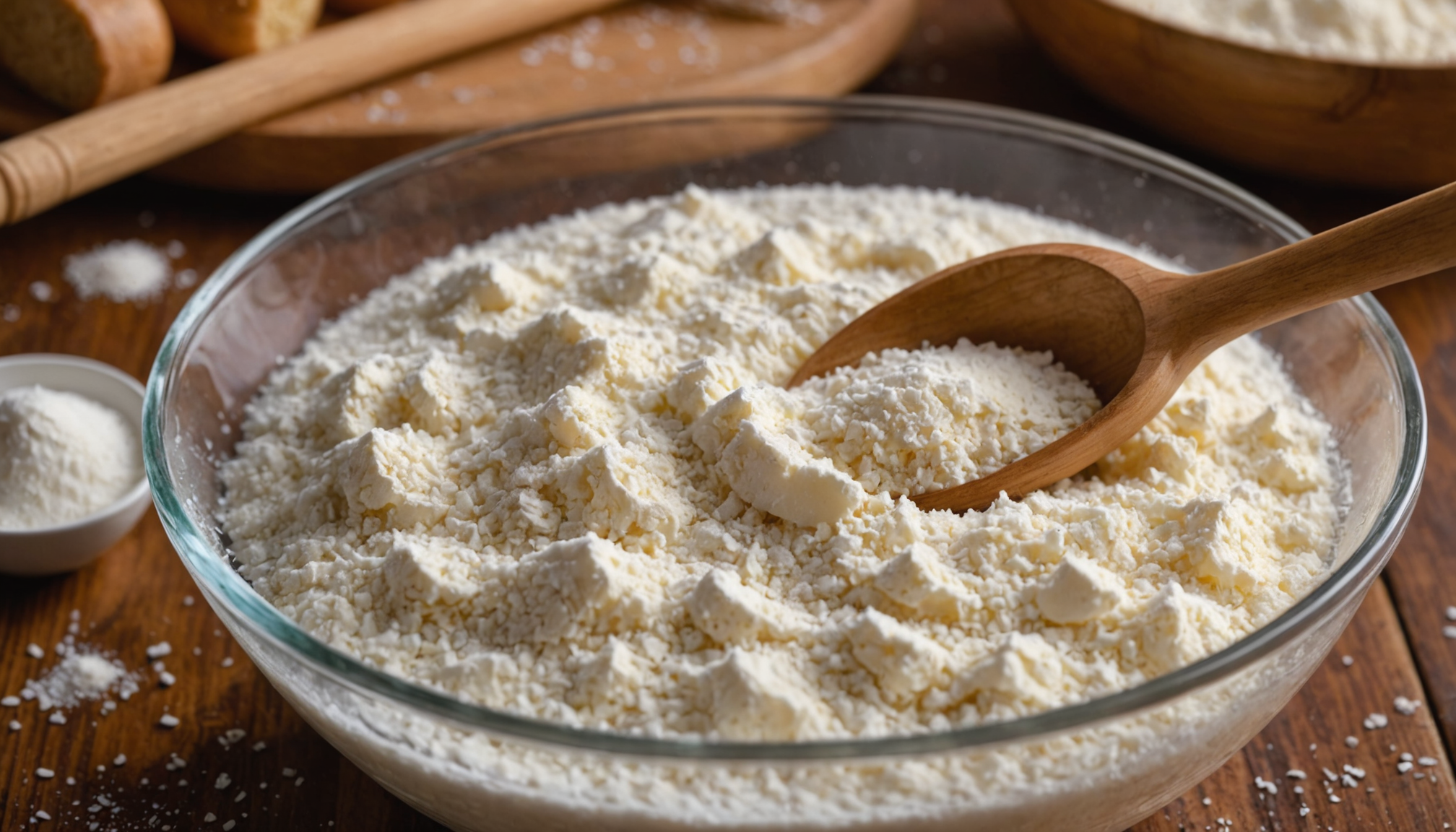
Bread making is a fascinating blend of art and science, where chemistry meets creativity in the kitchen. At the heart of every loaf of homemade bread lies a simple combination of ingredients, but the magic occurs when these ingredients interact through the processes of fermentation and baking. Understanding this science can elevate your baking experience and enhance your journey towards self-sufficiency.
First, let’s talk about yeast, the unsung hero of bread making. Yeast is a living organism that ferments sugar, producing carbon dioxide gas and alcohol. This gas is what gives bread its rise and fluffy texture. Here’s a fun fact: yeast is sensitive to temperature. If your water is too hot (over 130°F), you’ll kill the yeast. Too cold (below 70°F), and it will become inactive. Aim for a temperature around 110°F for optimal yeast activation.
Next up is gluten, a protein found in wheat flour. During kneading, gluten strands develop, forming a network that gives bread its structure and chew. Proper kneading allows the gluten to stretch and trap the gases produced by the yeast, resulting in a well-risen loaf. It’s important to knead your dough adequately; you should feel the dough becoming smoother and more elastic. If you’re unsure, the “windowpane test” is a great technique—stretch a small piece of dough between your fingers; if it stretches without tearing, you’ve kneaded it sufficiently.
Another crucial element is hydration. The amount of water mixed into your dough significantly affects the bread’s texture. A higher hydration dough tends to produce a more open crumb, resulting in those desirable air pockets, while a lower hydration dough yields a denser loaf. As a rule of thumb, aim for a hydration level of about 60-70%, but don’t be afraid to experiment. Just remember, wetter doughs can be more challenging to handle, so keep your flour handy for dusting!
Fermentation plays a vital role, too. After kneading, allowing your dough to rise—often referred to as “proofing”—is when the flavors develop and the texture begins to set. This process can take anywhere from 1 to 2 hours for the first rise, depending on temperature and yeast strength. Some enthusiasts opt for a longer, slower rise by placing their dough in the refrigerator overnight, which enhances the flavor complexity of the final product.
Lastly, the baking process itself brings everything together. The art of scoring your dough—making shallow cuts on the surface before baking—allows steam to escape while controlling how the bread expands, resulting in a beautifully shaped loaf with a crusty exterior. Make sure your oven is preheated, ideally using a stone or cast iron for better heat retention, to mimic the environment of a traditional wood-fired oven.
In summary, harnessing the science behind bread making can transform your baking from basic to extraordinary. Pay attention to your ingredients and their interactions, and don’t shy away from experimenting. Each attempt brings you one step closer to mastering the craft of homemade bread.
Essential ingredients for homemade bread
To create the perfect loaf of homemade bread, understanding the essential ingredients is paramount. Each ingredient plays a specific role in the baking process, contributing not just to taste and texture, but also to the overall success of your bread. Below is a breakdown of the main ingredients required for baking bread, along with their functions:
| Ingredient | Function |
|---|---|
| Flour | The backbone of bread, provides structure through gluten formation |
| Water | Hydrates the flour, activates gluten and yeast; also affects dough consistency |
| Yeast | Ferments sugars, producing carbon dioxide that causes dough to rise |
| Salt | Enhances flavor, controls yeast activity, and strengthens gluten network |
| Sweetener (optional) | Provides food for yeast, enhances browning in the crust, improves flavor |
| Fat (optional) | Tenderizes the crumb, adds flavor, and extends shelf life |
Flour is undoubtedly the star ingredient of homemade bread. The type of flour you choose can significantly alter the final product. All-purpose flour is a versatile option, but for many enthusiasts, bread flour is preferred due to its higher protein content, which contributes to a chewier texture. Whole wheat flour, on the other hand, delivers a nuttier flavor and denser loaf, but requires adjustments in hydration due to its absorbent nature.
Water is the medium in which all ingredients blend, yet its role in bread making goes beyond mere hydration. The temperature of the water is critical; warm water at around 110°F is ideal for activating yeast without killing it. The water you choose can also influence flavor—filtered water is often recommended, particularly if your tap water contains chlorine, which can adversely affect yeast performance.
Yeast is the catalyst for the fermentation process. While active dry yeast is common and easy to use, some bakers prefer fresh yeast or instant yeast for its reliability and quicker action. Regardless of the type, the yeast must be properly proofed and cared for; it thrives in warm, moist conditions. Understanding how yeast interact with other ingredients is essential for achieving optimal rise and texture in your loaves.
Salt may seem like an afterthought, but it serves multiple purposes. Not only does it enhance the flavor of the bread, but it also regulates yeast activity, ensuring that fermentation occurs at an optimal pace. Too much salt can inhibit yeast, while too little can cause over-fermentation, resulting in a sour taste and poor texture.
Sweeteners like sugar or honey can add flavor and color to your bread. However, they should be used judiciously. Excess sugar can lead to overly sweet bread and can also affect the yeast activity, leading to undesired results. When using sweeteners, consider their impact on the overall composition of your dough.
Finally, fats such as butter, oil, or even eggs can enrich your bread, adding flavor and making the crumb tender. While not necessary for all bread recipes, these ingredients are crucial when making enriched breads like brioche or challah.
Once equipped with this knowledge about essential ingredients, you are well on your way to mastering the art of homemade bread, contributing to both your culinary skills and self-sufficiency in the kitchen.
Step-by-step guide to baking bread
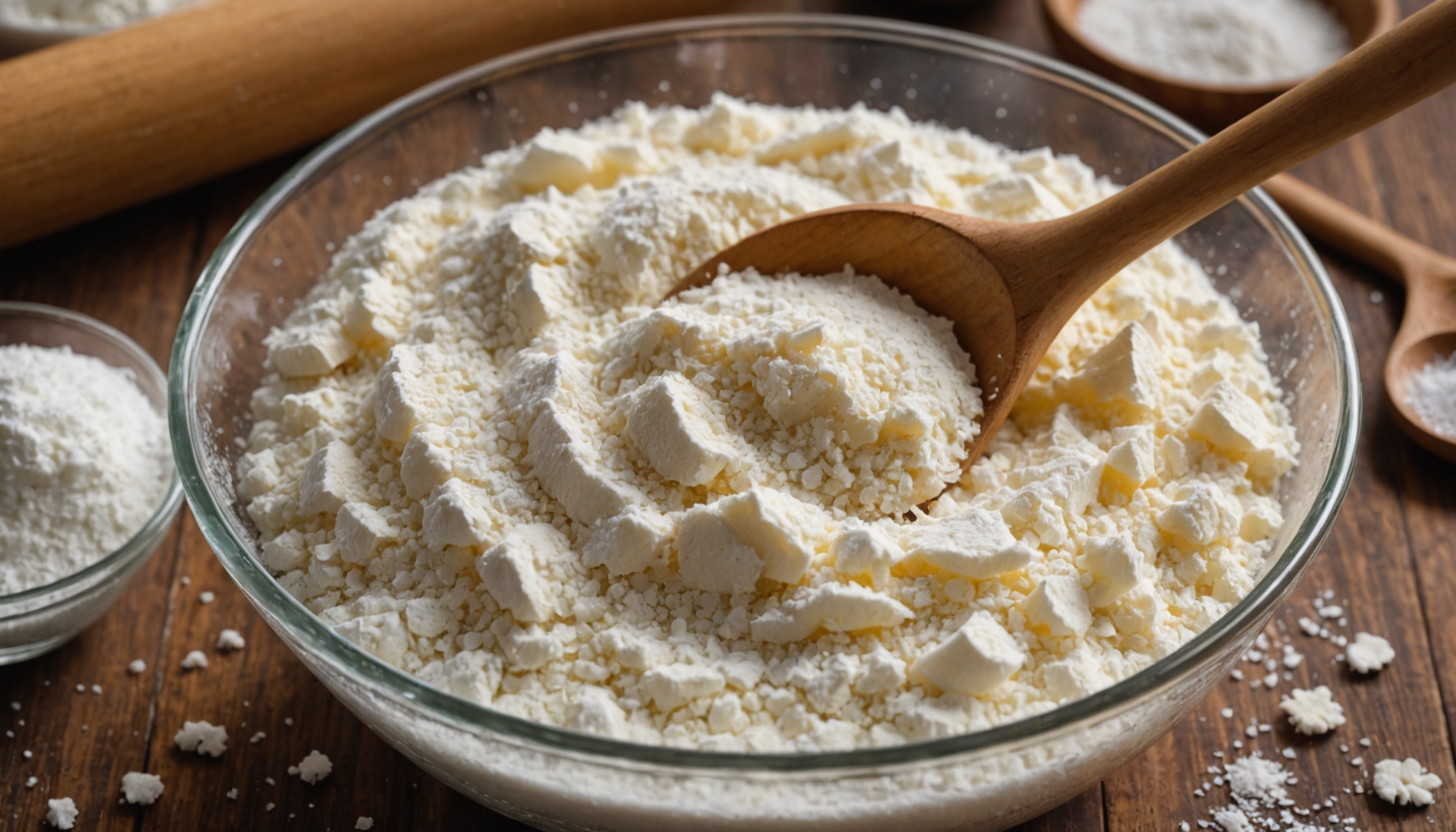
Once you have gathered all your essential ingredients and are ready to embark on your bread-making adventure, it’s time to dive into the step-by-step process that will take you from a heap of flour to a golden loaf of homemade bread. The beauty of this process lies in its simplicity and the opportunity to embrace the hands-on experience, which echoes the spirit of self-sufficiency.
Start by dissolving your yeast in warm water. Use a mixing bowl and ensure the water is at just the right temperature—between 100°F and 110°F. Add a pinch of sugar to help activate the yeast, and let it sit for about 5 to 10 minutes until it becomes frothy. This is a crucial step, as it ensures your yeast is alive and kicking, ready to create the fluffy texture of your loaf.
Next, combine your flour and salt in a large mixing bowl. Mix well to ensure the salt is evenly distributed, because salt can inhibit yeast activity if it comes into direct contact during mixing. Slowly pour in your yeast mixture along with any additional water you plan to use. Stir with a wooden spoon or your hands until the mixture begins to come together and form a shaggy dough.
Now it’s kneading time! Transfer your dough to a lightly floured surface and begin kneading. This is when the magic of gluten development occurs. Knead for about 8-10 minutes, or until the dough is smooth and elastic. If the dough is too sticky, add a little extra flour, but be cautious—using too much can lead to a dense bread. Remember the “windowpane test” from earlier; your goal is to achieve a dough that can stretch without tearing.
Once your dough is kneaded, shape it into a ball and place it in a lightly greased bowl, turning it once to coat the surface with oil. Cover the bowl with a clean kitchen towel or plastic wrap to retain warmth, and set it aside to rise in a warm draft-free area. Allow it to rise until it doubles in size—this typically takes about 1 to 2 hours, depending on your kitchen’s temperature.
After the first rise, gently punch down the dough to release some of the gases. This step is essential as it redistributes the yeast, sugars, and moisture, promoting a more even texture throughout the loaf. Now, shape your dough into a loaf or divide it to create rolls, as you prefer. Place your shaped dough into a greased loaf pan or onto a baking sheet lined with parchment paper. Cover it again and let it rise until it has nearly doubled in size, usually about 30 to 60 minutes.
While the dough is rising one last time, preheat your oven to 375°F. This is a good time to prepare your baking environment. For a crispier crust, consider placing a shallow pan filled with water on the bottom rack of the oven to create steam during baking.
Once properly risen, it’s time to score your dough. Gently make a few shallow cuts on the surface with a sharp knife or a lame. This step allows steam to escape and gives your homemade bread that artisan look. Then, place the dough in the oven and bake for about 25 to 30 minutes, or until the crust is golden brown and sounds hollow when tapped on the bottom.
Allow your bread to cool on a wire rack. This step is vital; cutting into warm bread can result in a gummy texture. Be patient and let it cool completely before slicing. Enjoy your fresh homemade bread with butter, or use it to create sandwiches, toast, or even croutons for your salads. The rewarding process of bread making goes beyond nourishment; it instills a sense of accomplishment and self-sufficiency, making every bite even more satisfying.
Common mistakes to avoid
Mistakes in the bread-making process can lead to disappointing results, often discouraging new bakers. One common error is neglecting to properly measure ingredients, particularly flour and water. Flour should always be measured by weight for accuracy, as the density can vary significantly depending on how it is scooped. Conversely, using too little water can result in a dry, dense loaf. A kitchen scale can be your best friend in achieving precision and consistency with each batch of homemade bread.
Another frequent mistake is rushing the fermentation process. Many bakers are eager to skip the proofing time, thinking that they can save time by cutting corners. However, these periods allow the dough to rise and develop complex flavors. Skipping or reducing the time can lead to a flat, flavorless bread. Remember that patience is key; a slow fermentation can transform your bread experience dramatically.
Kneading is an essential step that should not be overlooked. Inadequately kneaded dough can result in a loaf that lacks structure and chewiness. Conversely, over-kneading can make the bread tough. It’s important to learn the right balance, aiming for a smooth and elastic dough that can pass the windowpane test.
Additionally, temperature plays a critical role in bread making. If the environment is too cold, the yeast will work sluggishly, resulting in slow rises and dense bread. Conversely, overly warm conditions can lead to over-proofing, causing the structure to collapse. A warm, draft-free area is ideal for proofing your dough, helping to promote optimal yeast activity and rise.
Timing during baking is also critical. Underbaking may leave your bread gummy and unpalatable, while overbaking can lead to a dry texture. To ensure perfect results, keep a close eye on the color of the crust and tap the bottom of the loaf; it should sound hollow when fully baked.
Lastly, many bakers are tempted to skip the cooling stage. Cutting into hot bread may seem appealing, but it can disrupt the bread’s structure, resulting in a gummy texture. Allow the bread to cool completely on a wire rack before slicing to ensure a proper crumb and texture.
“Good bread is the most fundamentally satisfying of all food.” — James Beard
The benefits of making bread at home
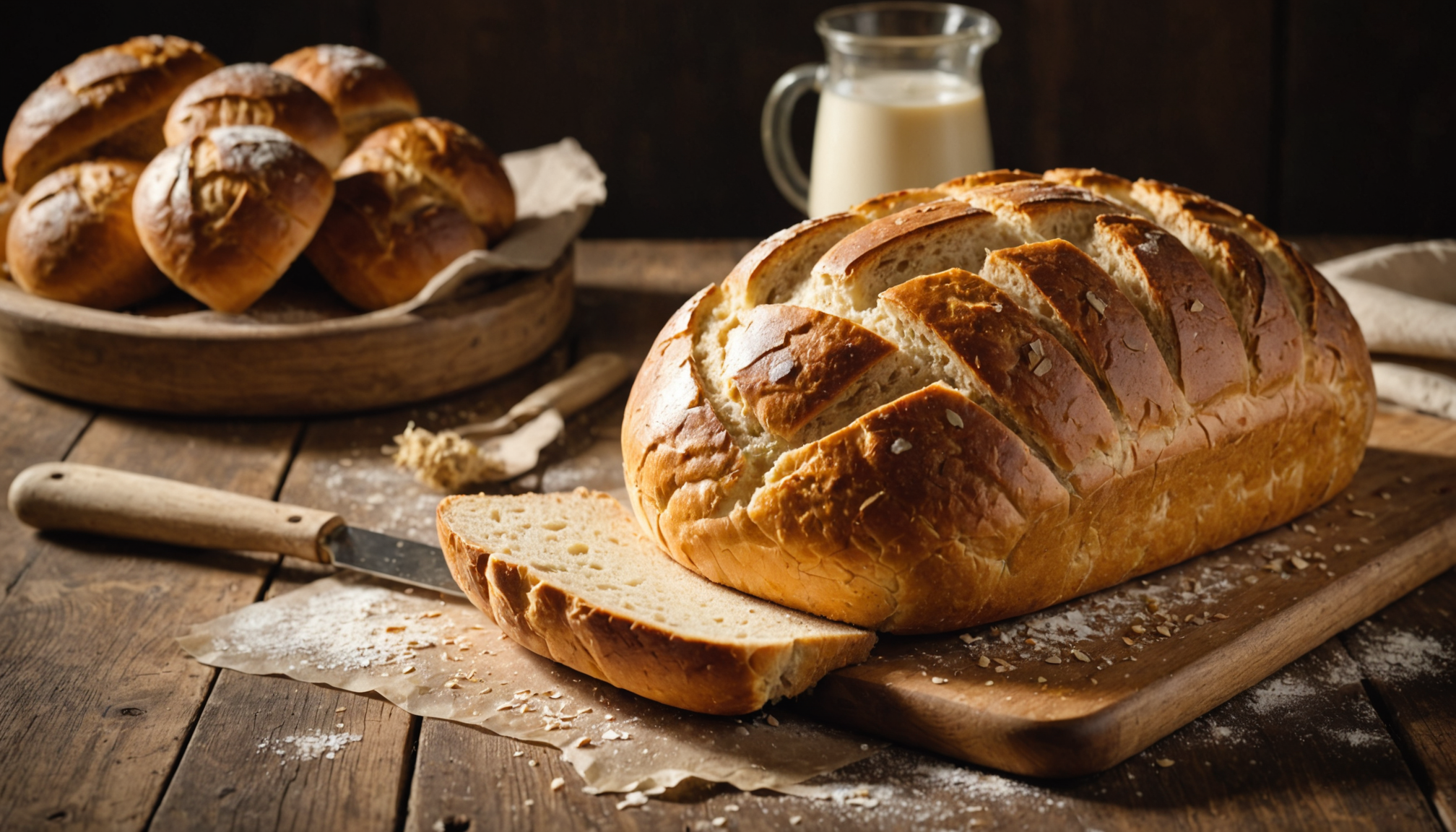
Making bread at home is an enriching experience that goes well beyond simply mixing ingredients and waiting for dough to rise. The benefits of this practice extend to your health, your wallet, and the environment, all while cultivating a sense of community and connection to the food you consume. When you take the time to craft your own loaves, you gain complete control over the ingredients, allowing you to avoid additives and preservatives often found in store-bought bread. This newfound self-sufficiency can bring clarity to what you eat, fostering a healthier lifestyle and even supporting dietary choices, such as gluten-free or whole grain options.
Moreover, the act of making your own bread becomes a ritual, a time to connect with your kitchen and engage your senses. The aroma of freshly baked bread fills your home, transcending mere nourishment to create a comforting environment for you and your loved ones. Sharing a loaf can forge bonds, too—nothing beats the joy of inviting family or friends over to share in the warm, homemade goodness that you took the time to create. As you knead the dough, you engage in a meditative process that soothes the mind and elevates the spirit, reinforcing the philosophy of cooking as an art form.
Financially, mastering homemade bread can result in savings over time. The ingredients required to make bread are relatively inexpensive, especially when bought in bulk. A single batch of homemade bread can yield multiple loaves, making it a cost-effective solution compared to purchasing artisanal bread from a bakery. Plus, the ability to create a variety of flavors and bread types fosters an adventurous spirit that may lead you to explore new culinary territories, enhancing your overall cooking repertoire.
As you dive deeper into the world of baking, consider the ecological impact of your choices. By opting to bake at home, you reduce packaging waste and carbon footprints associated with the bread-production chain, contributing positively to environmental sustainability. This awareness expands beyond just bread; it encourages a broader examination of food sourcing and preparation prioritization overall. Every loaf you bake is not just a meal; it becomes a step toward a more sustainable lifestyle.
- What are the health benefits of homemade bread?
- Homemade bread allows you to control the ingredients, reducing the presence of preservatives and unhealthy additives. You can opt for whole grain flours and natural sweeteners, enhancing the nutritional overall value of your bread.
- Can I make bread without yeast?
- Yes, you can make bread without yeast by using alternatives such as baking powder or baking soda. Recipes for quick breads and soda breads often utilize these leavening agents, resulting in a different texture but still delicious outcomes.
- How do I store homemade bread?
- To keep your homemade bread fresh, store it in a paper bag at room temperature for short-term use. For longer storage, wrap it tightly in plastic or aluminum foil and freeze it for up to three months.
- What types of flour are best for bread making?
- Bread flour is ideal due to its higher protein content, which promotes gluten development. All-purpose flour can also be used, while whole wheat flour adds flavor and nutrients, though it may require adjustments in hydration.
- How can I tell if my bread is fully baked?
- A fully baked loaf should be golden brown and sound hollow when tapped on the bottom. Additionally, an internal temperature of around 190°F to 210°F indicates that the bread is properly cooked.
- Can I add flavors to my bread?
- Absolutely! You can incorporate spices, herbs, cheese, nuts, or dried fruit into your dough for unique flavor combinations. Experimenting with different additions can elevate your baking experience.
- Is it difficult to make bread at home?
- While there is a learning curve, making bread at home can be quite straightforward with practice and patience. Following recipes and guidelines can help you avoid common pitfalls and achieve satisfying results.
Exploring different bread types and flavors
Exploring the wide array of bread types and flavors can be an exciting journey for any homesteader. Homemade bread offers an excellent opportunity to experiment with various ingredients, techniques, and flavors, allowing you to customize your loaves to suit your personal taste. From enriching your diet with whole grains to experimenting with sweet and savory flavor profiles, the possibilities are endless!
One popular type of bread you might want to try is sourdough. This ancient method of making bread uses a natural culture of wild yeast and bacteria, resulting in a tangy flavor and chewy texture. If you’re new to it, you can start by making your own sourdough starter from just flour and water. It requires patience and care, but the reward of baking a loaf of sourdough is immensely satisfying. To enhance your sourdough bread, consider adding herbs like rosemary or garlic, or even incorporating cheese for a savory twist.
If you’re looking for something a little sweeter, enriched bread such as brioche or challah might be right up your alley. These breads use added fat—like butter or oil—and sugar in the dough, making them rich and tender. Why not experiment with different flavors by adding chocolate chips or dried fruits like raisins or cranberries? Enriched breads are perfect for breakfast or brunch, served as French toast or simply toasted with butter.
For those who are health-conscious, consider incorporating whole grains into your bread. Whole wheat bread not only adds a nutty flavor but also packs in fiber and nutrients. You can mix whole wheat flour with all-purpose flour for a balanced loaf that offers both flavor and health benefits. Another interesting approach is to utilize nut flours—like almond or coconut flour—adding a delicious, mild sweetness and a unique texture to your baking. Just be aware that these flours often require adjustments in hydration and may need additional binding agents like eggs or flaxseed meal.
Flatbreads are another versatile category worth exploring. Think of pita, naan, or tortillas—these doughs can be made quickly without the need for yeast. Perfect for dipping into hummus or filling with your favorite ingredients, flatbreads are an excellent way of using up leftovers and bringing smiles to the table. Experiment with different seasonings, such as adding za’atar to your pita dough or infusing your naan with garlic and cilantro.
To further expand your culinary horizons, consider refining your flavor profile by incorporating spices or herbs directly into your dough. Adding ingredients like cumin, coriander, or even rosemary can create aromatic loaves. Additionally, toppings can make your homemade bread even more special; think sesame seeds, poppy seeds, or even a sprinkle of sea salt right before baking.
As you immerse yourself in the diverse world of bread making, remember that texture is just as important as flavor. Play with different hydration levels to create crusty artisan loaves, or nurture softer, pillow-like bread by keeping the dough on the wetter side. Don’t hesitate to try different shaping techniques, such as braiding or rolling to form delightful shapes that are as visually appealing as they are delicious.
Ultimately, the exploration of different bread types can showcase your creativity while embracing the art of cooking, which is essential for achieving self-sufficiency. Each loaf becomes a personal statement, reflecting not just your tastes but also your journey into the enriching world of homemade bread. So, roll up those sleeves, gather your ingredients, and let the adventures in bread making begin!