
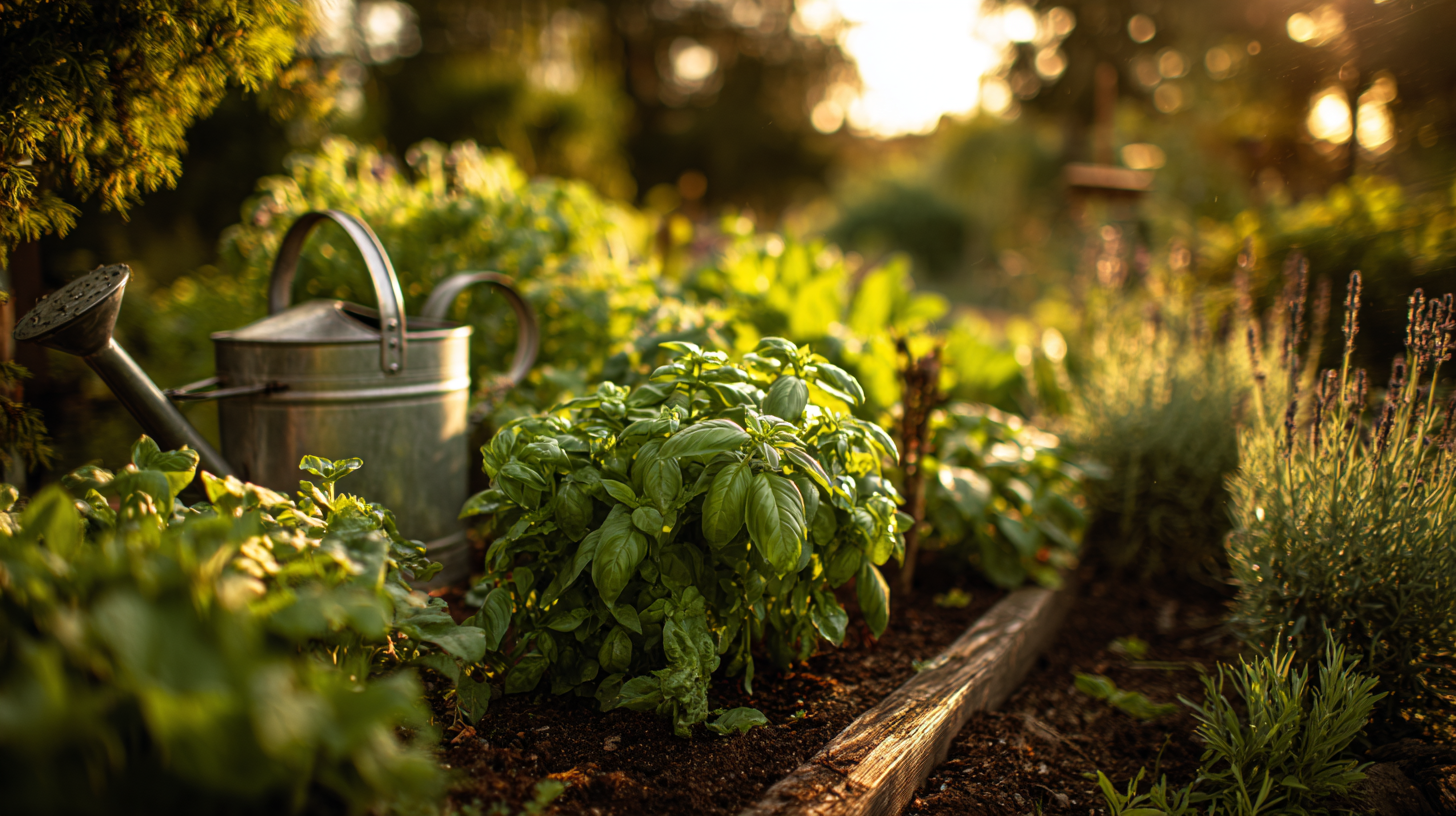
Creating a successful medicinal herb garden begins with thoughtful planning. Take the time to sketch out your garden layout, considering factors such as sun exposure, accessibility, and aesthetics. A well-planned garden not only enhances your gardening experience but also supports your journey towards self-sufficiency.
Start by assessing the space you have available. Measure your garden area and create a simple diagram to visualize where each herb will be planted. Consider the mature size of the plants, their sunlight needs, and irrigation requirements. Grouping herbs with similar watering and light demands will make maintenance simpler and more efficient.
When choosing which medicinal herbs to include, think about both your personal preferences and the needs of your household. Popular options for beginners include:
- Basil – Not only a culinary favorite, but also known for its anti-inflammatory properties.
- Chamomile – Perfect for making calming teas to aid sleep.
- Peppermint – Great for digestion and a refreshing addition to beverages.
- Lavender – Renowned for its soothing and relaxing qualities; ideal for sachets and infusions.
Next, think about the layout of your plants. A traditional design includes a central area with taller herbs or plants surrounded by lower-growing varieties. Alternatively, you could opt for an herb spiral, which maximizes space and creates varying microclimates for different herbs.
Don’t forget to consider companion planting to deter pests and promote growth. For example, planting rosemary near cabbage can help protect your crops from pests, while basil is known to improve the flavor of tomatoes when grown nearby.
As you plan, also take into account available resources for maintaining your garden. Make sure that you have a reliable water source, as well as any tools you may need for planting and maintenance, such as a trowel, gloves, and watering cans. Remember to budget for soil amendments or fertilizers if necessary.
Lastly, keep a journal to track your garden’s progress, jot down planting dates, and note any insights about the growth and use of your herbs. This will be invaluable as you develop your skills and knowledge in gardening and as you move towards greater self-sufficiency.
Choosing the right location
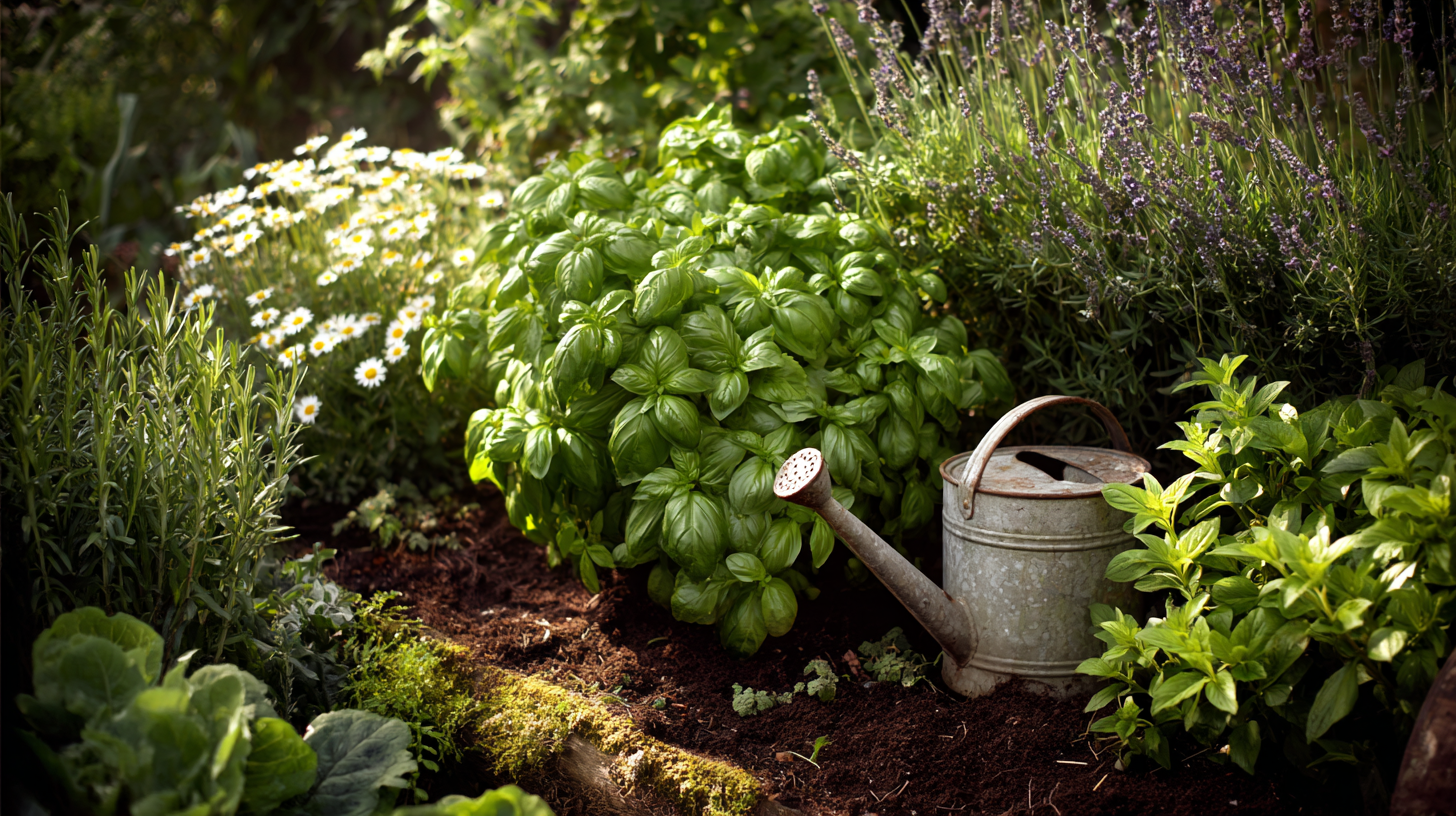
Choosing the right location for your medicinal herb garden is crucial to ensure the optimal growth and effectiveness of your plants. The success of your garden largely depends on carefully evaluating environmental factors such as sunlight, water access, and protection from harsh weather conditions. Begin by assessing how much sunlight your chosen area receives throughout the day; most medicinal herbs thrive in full sun, which typically means receiving at least six hours of direct sunlight daily. Areas with partial shade can work for certain herbs but may not support the growth of sun-loving varieties.
Next, analyze the drainage characteristics of your chosen location. Medicinal herbs prefer well-drained soil to prevent root rot. If your garden site retains water for prolonged periods, consider raised beds or choosing another location that offers better drainage. Avoid low-lying areas where water tends to pool after heavy rain and look for an area that can dry out quickly. The slope of the land can also play a part in drainage and sun exposure.
Water access is another key consideration. Ensuring that you have a reliable way to water your medicinal herbs, whether through a hose or a nearby water source, simplifies maintenance. Additionally, if you live in a region susceptible to strong winds, consider placing windbreaks such as fences or shrubs to shield your garden and prevent damage to your herbs.
Additionally, it is beneficial to choose a location that is easily accessible for regular maintenance. This can mean selecting a spot close to your home or frequently used pathways. An accessible location allows for easier weeding, watering, and harvesting, which can enhance your gardening experience.
The table below outlines different lighting and drainage needs for popular medicinal herbs:
| Herb | Sunlight Requirements | Drainage Needs |
|---|---|---|
| Basil | Full sun (6-8 hours) | Well-drained |
| Chamomile | Full sun to partial shade | Well-drained |
| Peppermint | Partial shade | Moist but well-drained |
| Lavender | Full sun (6-8 hours) | Very well-drained |
Remember that microclimates within your garden can influence plant growth as well. Areas with natural barriers or variations in elevation may have slightly different moisture levels or sunlight exposure. Be observant and adaptable, keeping these variables in mind as you plan and plant your medicinal herb garden.
Selecting medicinal herbs
When it comes to selecting medicinal herbs for your garden, the choices can be both exciting and overwhelming. With countless varieties boasting a range of benefits, it’s essential to focus on those that not only complement your lifestyle but also thrive in your specific growing conditions. Begin by considering the health needs of your family and which herbs can address those requirements.
Before diving into the world of medicinal herbs, keep in mind the following key factors:
- Usage: Decide how you intend to use the herbs. Will they be primarily for teas, tinctures, or culinary purposes? This knowledge will guide your selections. For instance, if you enjoy soothing herbal teas, you might want to plant chamomile, lemon balm, and peppermint.
- Growing Season: Consider your local climate and growing season. Some herbs are biennial or perennial, which means they might return year after year. Others, like basil, thrive in warm weather and are technically annuals. Knowing this can help you plan for continuous harvests.
- Maintenance Level: Some herbs are low-maintenance, like thyme and oregano, while others may require more attention and care, such as cilantro, which bolts quickly in heat. Be honest with yourself about the time you can dedicate to maintenance.
- Flavor Profiles: If you’re a cooking enthusiast, think about flavor compatibility. For instance, basil pairs well with tomatoes, while mint can enhance lamb dishes or salads.
To start building your herb-rich oasis, here are some essential medicinal herbs to consider:
- Calendula: Known for its anti-inflammatory and healing properties, calendula can be used in salves and ointments for skin issues.
- St. John’s Wort: Often used to alleviate mild depression, this herb is suitable for teas and tinctures but does require careful drying to retain its potency.
- Yarrow: Excellent for stopping bleeding and treating fevers, yarrow is a hardy herb that can thrive even in poorer soils.
- Echinacea: Famous for its immune-boosting qualities, echinacea is an excellent choice for your garden, particularly as winter approaches.
In addition to selecting herbs with medicinal properties, consider planting some beneficial companion plants alongside them. For example, planting garlic near your herbs can help deter pests, while fennel can aid in attracting beneficial insects. These harmonious relationships can lead to a healthier and more productive garden.
Don’t forget to source your seeds or seedlings from reputable suppliers who can provide information about the specific varieties you’re interested in cultivating. Look for organic options when possible to reduce exposure to harmful pesticides and fertilizers.
As you embark on this journey towards self-sufficiency and herbal mastery, keep an open mind and be willing to experiment. The world of gardening is filled with surprises and delightful lessons. It may take time to understand which herbs flourish best in your environment, so be patient and enjoy the process of nurturing your medicinal herb garden.
Soil preparation and planting
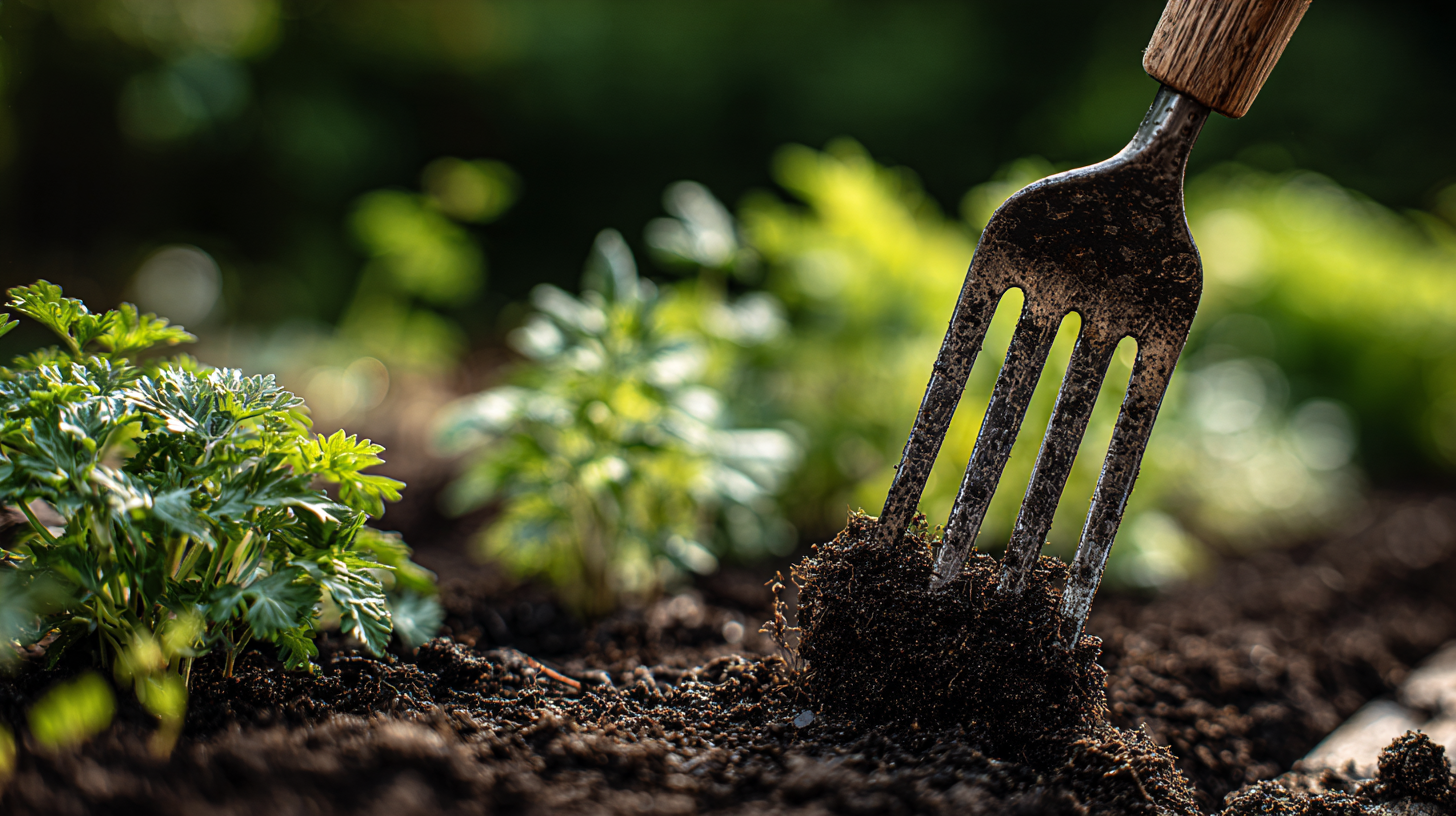
Preparing the soil is a vital step that directly influences the health and productivity of your medicinal herb garden. Quality soil provides the necessary nutrients for your plants while ensuring proper drainage and aeration. Begin by testing your soil’s pH and nutrient levels; most medicinal herbs prefer a slightly acidic to neutral pH range of 6.0 to 7.0. You can use a home testing kit or send a sample to a local agricultural extension office for analysis. Based on the results, you may need to amend your soil accordingly to create a thriving environment for your herbs.
Start with clearing the chosen area of any weeds, rocks, and debris. Undesirable plants can compete with your herbs for nutrients and water, so a clean slate is essential. Once cleared, use a garden fork or tiller to break up the soil to a depth of at least 12 inches. This loosens the soil, improving drainage and root penetration, which is critical for healthy herb development.
Next, consider enriching your soil with organic matter. Adding compost is one of the best ways to improve soil health, as it enhances nutrient content, soil structure, and moisture retention. If compost is not available, well-rotted manure and leaf mold can also provide valuable nutrients. Spread a layer of organic material across the soil and mix it in thoroughly to integrate it with the existing soil.
After preparing the soil, it’s time to plan your planting strategy. Depending on the herbs you have chosen, you may opt for direct sowing seeds or transplanting seedlings. If you’re sowing seeds, follow the specific depth recommendations on the seed packets; larger seeds can be sown deeper than smaller ones. When transplanting, gently handle seedlings by their leaves, avoiding damage to the roots, and plant them at the same depth they were growing in their previous containers to prevent root disturbance.
It’s essential to space your plants according to their mature size. Overcrowding can lead to reduced airflow, increasing the risk of diseases. For example, bushy herbs like basil may need more space between them compared to a narrow herb like chives. A good rule of thumb is to refer to each herb’s growing requirements and adjust your planting distances accordingly. Additionally, consider implementing a staggered planting method to maximize your garden’s output. This involves sowing seeds or planting seedlings at different times to create a continuous harvest throughout the growing season.
“A garden is a friend you can visit any time.” – Author Unknown
Once planted, water your herbs lightly but thoroughly. Ensure that the moisture reaches the root zone without waterlogging the soil, as excessive moisture can lead to root rot. Throughout the early stages of growth, check the moisture levels regularly, as young plants may require more frequent watering until their roots are well established.
Lastly, consider mulching around your plants after they’ve begun to grow. A layer of organic mulch, such as straw or shredded bark, can help retain soil moisture, suppress weeds, and regulate soil temperature. This not only aids in the healthy development of your medicinal herbs but also makes gardening less labor-intensive, enabling you to focus on enjoying the fruits of your labor as you move toward greater self-sufficiency.
Maintenance and care
Maintaining a medicinal herb garden involves conscious effort and attentiveness, ensuring your plants remain healthy and productive throughout their growth cycles. Start by establishing a consistent watering routine, as different herbs have varying water needs. As a general guideline, most herbs prefer soil that is moist but not soggy; therefore, it’s essential to assess the moisture levels of the soil regularly. Early morning is the best time for watering, allowing plants to absorb moisture before the heat of the day. This routine helps reduce evaporation and fungal diseases that can thrive in damp conditions.
Weeding is another vital aspect of garden maintenance. Regularly inspect your garden, removing unwanted plants that compete with your herbs for nutrients and water. Weeds can harbor pests and diseases, so addressing them promptly will help keep your medicinal herbs thriving. Use mulch to help suppress weed growth and retain moisture in the soil, but be careful not to smother your herbs. For larger weeds, a hoe can be an effective tool, while hand-pulling is best for smaller intruders, especially those that have just started to sprout.
In addition to watering and weeding, you’ll want to monitor your herb plants for signs of pests and diseases. Healthy plants can often resist pests better, but it’s still crucial to stay aware of any changes. Regularly inspect the leaves, stems, and soil for any signs of distress, such as discoloration, wilting, or unusual spots. If you spot any troubling signs, address them quickly with appropriate remedies, which could range from natural insecticides to removing affected plant parts.
Fertilization is also an important element in maintaining your medicinal herb garden. While many herbs flourish in nutrient-rich environments, it’s essential to avoid over-fertilizing, which can lead to excessive foliage at the expense of essential oils. Organic fertilizers like compost or well-balanced garden amendments can help maintain soil health without overloading your plants with nutrients. As you become more familiar with your herbs, you may find it useful to supplement your garden with nutrients tailored to specific plants’ needs as they grow and change.
Lastly, pruning can play a critical role in the health and productivity of your herbs. This practice encourages bushier growth and prevents unwanted legginess. Regularly harvesting the leaves not only provides fresh herbs for your kitchen but also stimulates the plant to produce more foliage. Aim to remove no more than one-third of the plant at a time to avoid stressing it. Each herb has its own growth habit, so be sure to learn the specific pruning techniques for the varieties you grow.
By being proactive about maintenance, you create a thriving environment for your medicinal herbs, enhancing both their efficacy and availability for your family’s health. Gardening is an ever-evolving journey that can deepen your understanding of nature, instilling a sense of accomplishment and self-sufficiency as your knowledge and skills grow.
- What are the best herbs for beginners in a medicinal herb garden?
- Some of the best herbs for beginners include basil, chamomile, peppermint, and lavender. These herbs are relatively easy to grow, have multiple benefits, and can be used in a variety of ways.
- How often should I water my medicinal herbs?
- The frequency of watering depends on the type of herbs and environmental conditions. Generally, herbs prefer consistently moist soil without becoming waterlogged, so check the soil moisture and water when the top inch feels dry.
- What should I do if my herbs are infested with pests?
- If your herbs are infested, start by removing any visibly affected parts. You can use natural remedies like neem oil or insecticidal soap, and introduce beneficial insects like ladybugs to help manage pests.
- How can I improve soil quality for my medicinal herb garden?
- Improving soil quality can be achieved by adding organic matter such as compost or well-rotted manure. Regular testing will help you understand your soil’s pH and nutrient levels, allowing you to amend it accordingly.
- Can I grow medicinal herbs in containers?
- Yes, many medicinal herbs can thrive in containers, making them a great option for limited spaces. Ensure your pots have drainage holes and use quality potting soil to support your herbs’ growth.
- When is the best time to harvest medicinal herbs?
- The best time to harvest herbs is typically in the morning after the dew has dried, just before the plants flower. This timing helps to preserve the potency and flavor of the herbs.
- How long does it take for medicinal herbs to grow?
- The growth time varies by herb; some, like basil, may be ready to harvest in just 4-6 weeks, while others, like echinacea, may take several months. Patience is key, as each herb has its unique growing cycle.
Harvesting and using your herbs
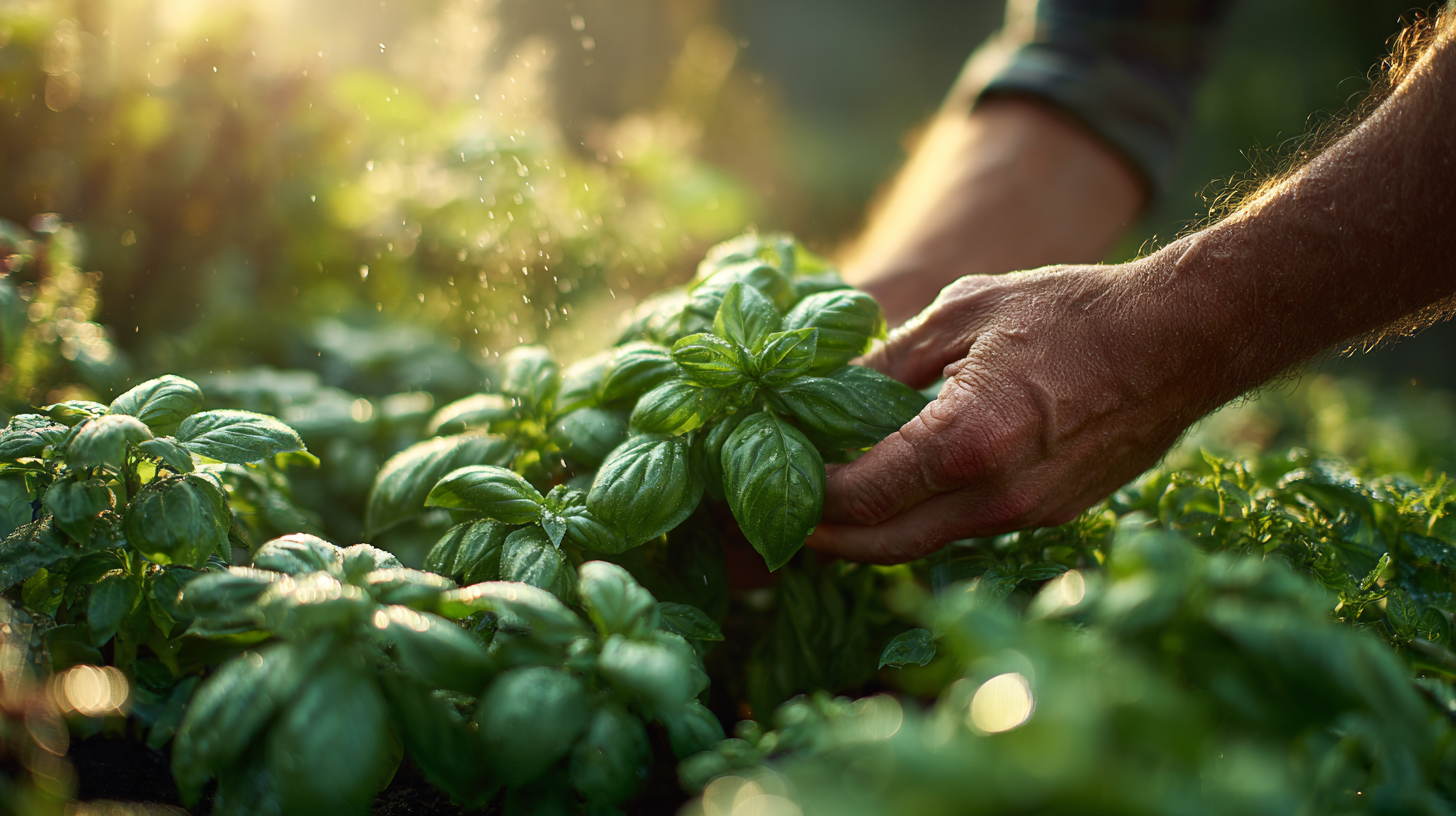
Harvesting your medicinal herbs is a rewarding step that connects you to the fruits of your labor. Knowing the optimal time for harvesting, as well as the best methods for doing so, ensures that you capture the maximum flavor and medicinal properties of your herbs. Most herbs are best harvested in the morning, after the dew has dried but before the heat of the day sets in, as this preserves their essential oils and potency.
To begin, understand the specific harvesting needs of each herb type. For example, herbs like basil and oregano can be trimmed back regularly to encourage bushier growth, while others, such as rosemary and thyme, benefit from less frequent but more substantial harvesting. Make it a habit to remove no more than one-third of the plant at a time; this not only minimizes stress on the plant but also promotes continued growth through the season.
When it comes to the actual act of harvesting, using sharp, clean shears or garden scissors is essential. This prevents tearing and damage to the plant, ensuring that you can continue to enjoy its benefits long after the initial harvest. For leafy herbs, simply snip the stems just above a leaf node to encourage regrowth. For herbs like chamomile and other flowering varieties, harvest the blossoms when they are fully open and vibrant, as this is when they contain the highest concentrations of active compounds.
Once harvested, it’s essential to handle your medicinal herbs with care to preserve their quality. Rinse them gently in cold water if they’re dirty and pat them dry with a clean towel. At this point, you can use them fresh in your cooking, teas, or remedies, or prepare them for long-term storage. If you plan to dry your herbs, ensure they are free of moisture to prevent mold during the drying process.
For drying, bundle stems together and hang them upside down in a dark, dry, and well-ventilated area. You can also use dehydrators or an oven set to the lowest temperature for a quicker method. Once thoroughly dried, store your herbs in airtight containers away from sunlight and heat to retain their potency.
Utilize your herbs creatively for optimum benefits. For instance, you can make infusions and tinctures, incorporating them into your family’s wellness routine. Consider crafting soothing teas with chamomile or peppermint, or creating calming salves from calendula and lavender for skin irritations. You can also experiment with various culinary applications, using fresh herbs to elevate the flavor and healthfulness of your meals.
As you explore the myriad uses of your medicinal herbs, keep track of what blends and recipes work best for your family. Document your successes and preferences in your gardening journal, ensuring you build a repository of knowledge to refer back to in subsequent growing seasons. This practice not only enhances your gardening and cooking skills but also fosters a deeper connection to the self-sufficiency journey you are embarking on through the cultivation of your medicinal herb garden.
Lastly, remember to share your harvest with family and friends! Doing so cultivates a sense of community and can inspire others to delve into their own gardening adventures. Whether it’s exchanging cuttings, sharing recipes, or gifting homemade remedies, your efforts can create a ripple effect of interest in self-sufficiency and natural health solutions.