
Natural pest control methods can transform your gardening experience into a more rewarding endeavor. By utilizing environmentally friendly techniques, you can enhance your self-sufficiency while minimizing harmful impacts on the ecosystem. Here are some effective strategies to keep pests at bay:
- Companion Planting: This method involves planting specific plants together to naturally deter pests. For example, marigolds can be planted alongside tomatoes to ward off nematodes and other harmful insects. Similarly, basil repels flies and mosquitoes, making it a great companion for various vegetables.
- Physical Barriers: Employ barriers such as row covers, nets, or fences to protect your plants from infestations. These barriers can physically block pests from reaching your crops, providing a straightforward defense mechanism.
- Handpicking: Though it may seem tedious, regularly inspecting your plants and handpicking visible pests can drastically reduce their populations. This is especially effective for larger nuisances like caterpillars and beetles.
- Traps: Homemade traps can be an effective way to manage pest populations. For instance, a simple mixture of apple cider vinegar and dish soap can attract and trap fruit flies, while sticky traps can catch flying pests.
- Naturally Derived Sprays: Utilizing sprays made from natural ingredients can deter pests without harming your plants. For instance, a solution of water mixed with soap or neem oil can help control aphids, mites, and other pests. Always test a small area of your plants before widespread application to ensure no adverse effects occur.
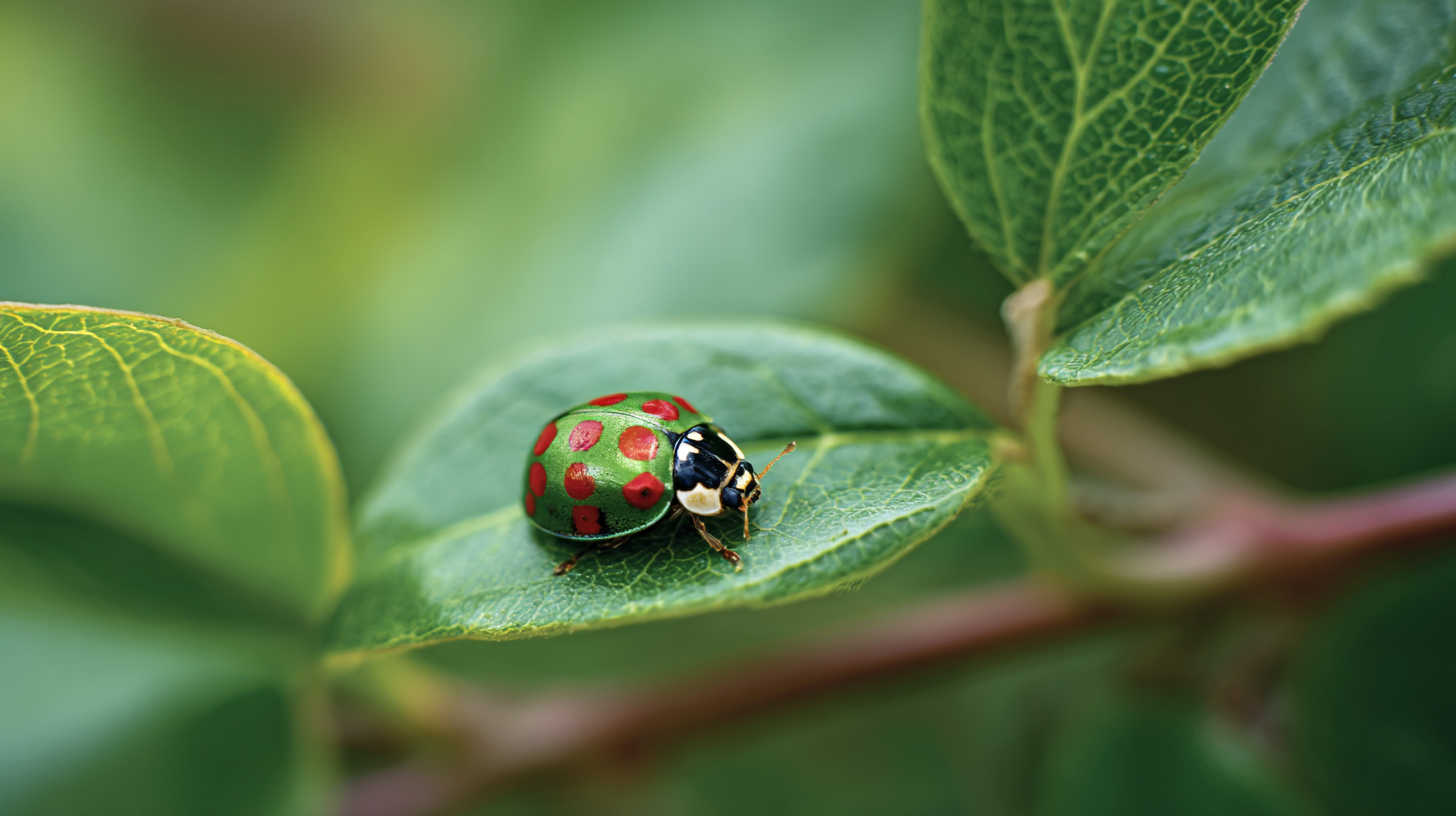
- Encouraging Predators: Attracting natural predators such as birds, frogs, and beneficial insects like ladybugs and lacewings can dramatically reduce pest populations. Consider installing birdhouses, providing shallow water sources, and incorporating native plants that attract these helpful species.
Incorporating these natural pest control methods not only protects your plants but also fosters a more sustainable gardening practice. Always remember that pest management is about balance; too much of any invasive species can disrupt the ecosystem, just as the absence of natural predators can lead to pest explosions. By tactically employing these strategies, you’ll foster a healthy garden that’s resistant to pests while promoting biodiversity.
Understanding pest biology
 Understanding the biology of pests is crucial for effective pest control and can greatly enhance self-sufficiency in organic gardening. By learning how pests interact with their environment, reproduce, and feed, gardeners can devise strategies to manage them more effectively.
Pests are organisms that can cause harm to crops or gardens, utilizing various methods of attack, such as feeding on plant tissues, spreading disease, or competing for resources. Understanding their life cycle is essential, as different life stages may be vulnerable to distinct control measures. For instance, many insects undergo metamorphosis, which means that the larval or nymph stages may be more susceptible to predators or specific organic treatments than the adult forms.
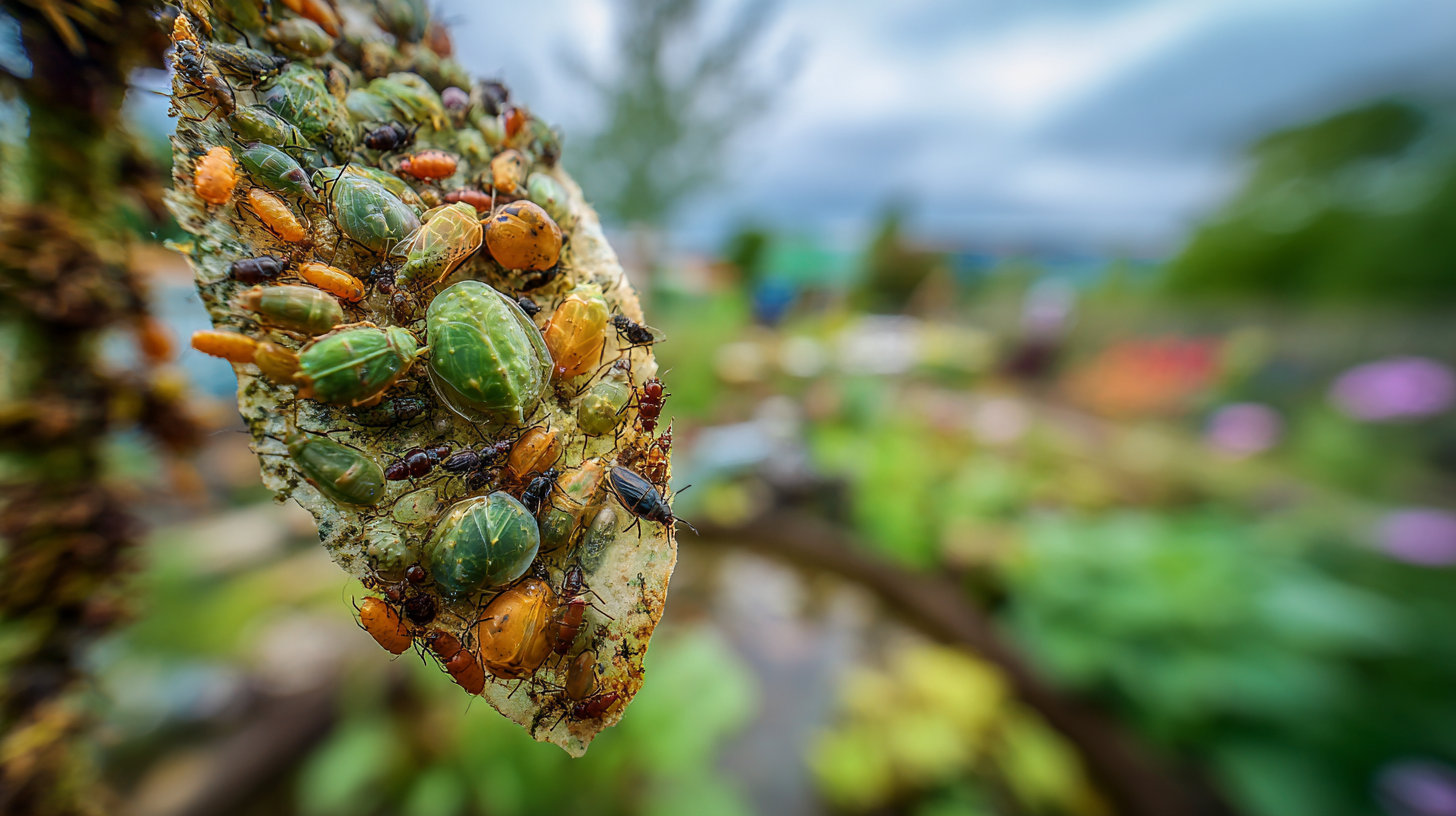
A key component of pest biology is understanding their reproductive strategies. Many pests can reproduce rapidly, which makes infestations challenging to manage. For example, aphids can give birth to live young and reproduce at an astonishing rate, leading to a sizable population in a short period. Effective pest control strategies often involve targeting these reproductive stages. For instance, applying biological control agents, such as parasitic wasps, can help reduce aphid populations by targeting their young.
Another critical aspect of pest biology is their feeding preferences. Many pests have specific plants or plant families they prefer, which can be exploited in organic gardening. Selecting resistant varieties or using companion planting techniques can deter pests from your crops. Developing a keen awareness of which plants attract pests will also help in the strategic placement of beneficial insects to combat these nuisances.
The table below summarizes key characteristics of some common pests and their respective control approaches:
| Pest | Life Cycle | Preferred Host Plants | Control Methods |
|---|---|---|---|
| Aphids | Incomplete metamorphosis (egg – nymph – adult) | Various vegetables and ornamentals | Introduce ladybugs, use neem oil, or insecticidal soap |
| Snails and Slugs | Simple metamorphosis (egg – juvenile – adult) | Vegetables, herbs | Set up beer traps or use diatomaceous earth around plants |
| Spider Mites | Incomplete metamorphosis (egg – larva – nymph – adult) | Houseplants, tomatoes, cucumbers | Introduce predatory mites, keep humidity levels high |
| Whiteflies | Incomplete metamorphosis (egg – nymph – adult) | Tomatoes, peppers, and other crops | Trap with yellow sticky cards, introduce parasitic wasps |
By integrating this knowledge about pest biology into pest control strategies, gardeners can make informed decisions about which natural methods will be most effective. Additionally, the relationship between plants and their pests is a reflection of the ecosystem’s balance. Thus, maintaining a healthy garden environment through biodiversity and the use of beneficial species not only reduces pest populations but also fosters self-sufficiency in organic gardening practices. Establishing a thorough understanding of pest biology ultimately empowers gardeners to create resilient systems that flourish, even in the presence of potential threats.
Creating a balanced ecosystem
Creating a balanced ecosystem within your garden is paramount for thriving plant life and effective pest control. By nurturing a harmonious environment, you allow beneficial organisms to take root and flourish alongside your crops, ultimately reducing the need for chemical interventions.
Start by introducing a diversity of plants. Not only does this strategy make your garden visually appealing, but it also helps create habitats for various beneficial insects, such as pollinators and predatory bugs. A mixture of flowers, vegetables, and herbs can attract these helpful allies. For example, planting sunflower patches can draw in bees, while also providing food and habitat for predatory insects like ladybugs.
Another significant element of a balanced ecosystem is soil health. Healthy soil fosters robust plants that are naturally more resistant to pests. To enhance your soil, consider implementing the following practices:
- Composting: Create a compost pile using kitchen scraps, yard waste, and organic matter. This not only enriches your soil but also promotes beneficial microorganisms that can outcompete harmful pests.
- Crop Rotation: Change the location of your crops each season to prevent pests from establishing themselves. This practice disrupts the life cycles of potential pest populations that may be lingering in the soil.
- Mulching: Apply organic mulch around your plants to maintain moisture, suppress weeds, and introduce beneficial organisms as it decomposes. Mulch can also provide habitats for ground-dwelling insects that prey on pest larvae.
In addition to plants and soil, water availability plays a crucial role. Ensure you have a consistent and balanced watering schedule that maintains optimal moisture levels without waterlogging any areas. Creating small water features or shallow puddles can attract frogs and toads, which are natural pest controllers. However, be sure to monitor these areas to prevent mosquito breeding.
Finally, incorporating wild or native plants into your garden can significantly enhance biodiversity. These plants are typically more resilient and require less water, making them easier to manage while attracting a variety of pollinators and predators. Consider adding plants like milkweed for monarchs or yarrow for ladybugs to your garden bed.
By focusing on creating a balanced ecosystem, you cultivate a self-sufficient environment where natural pest control methods can thrive. This not only helps reduce chemical usage but also encourages a vibrant community of life that benefits your gardening efforts in the long run.
Beneficial insects and their roles
 The role of beneficial insects in the garden is vital for maintaining a natural balance and effective pest control. These helpful allies not only assist in managing pest populations but also contribute to pollination and overall ecosystem health. Understanding which insects to attract and how they function can enhance your organic gardening efforts and bolster self-sufficiency.
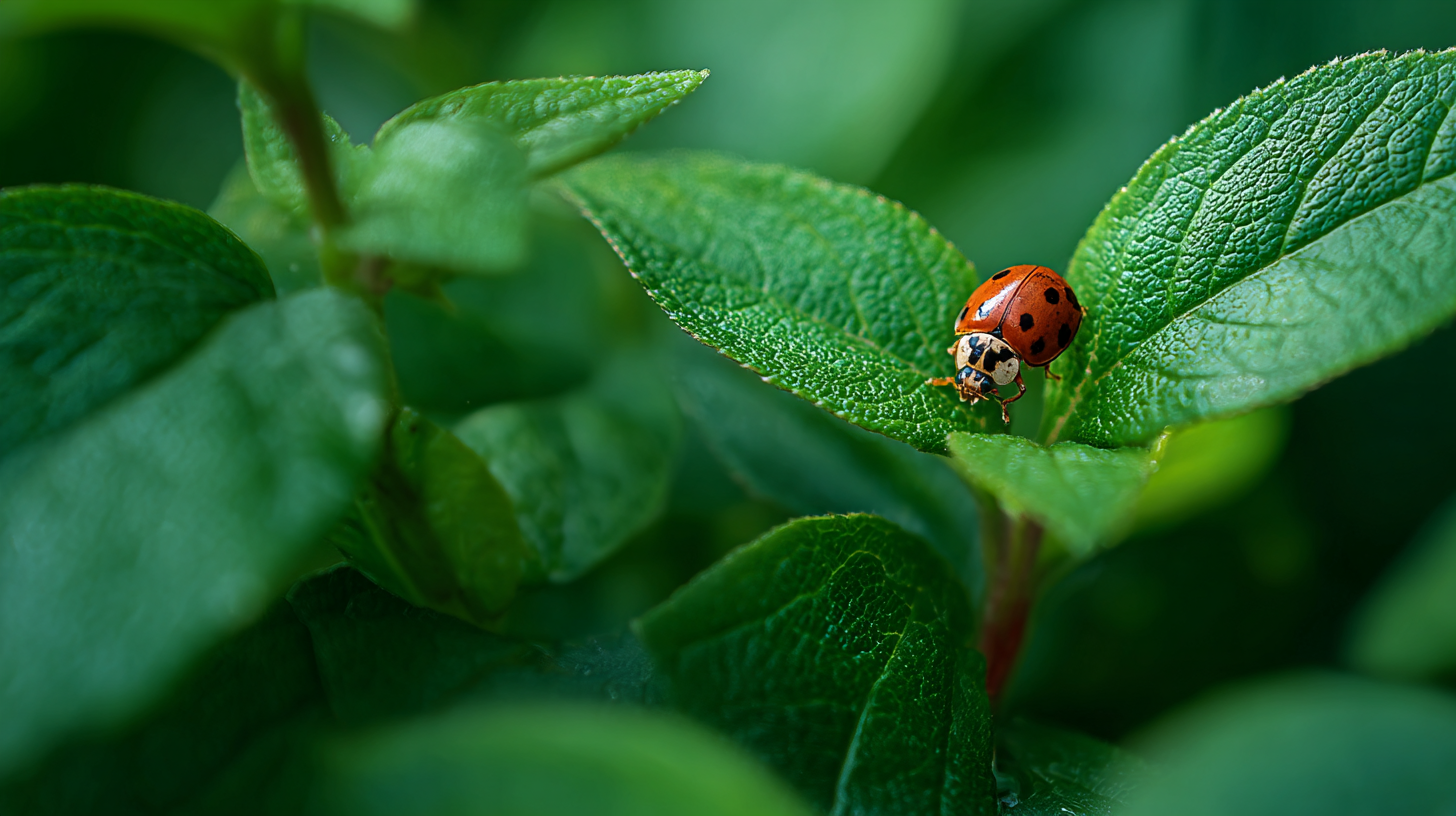
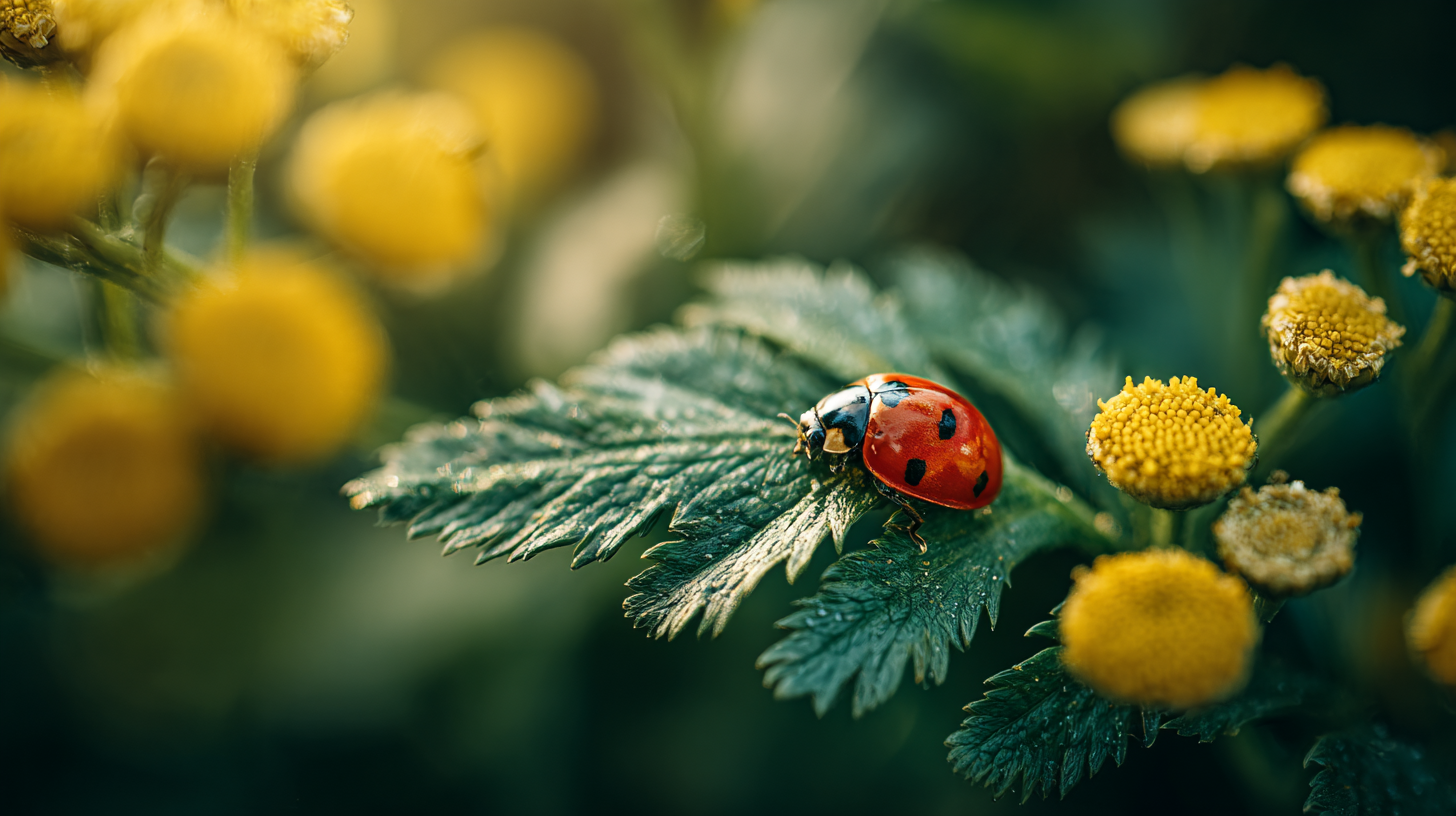
One of the most recognized beneficial insects is the ladybug, known for its voracious appetite for aphids. A single ladybug can consume hundreds of aphids in a day, making it an invaluable ally during peak pest seasons. To encourage ladybugs to inhabit your garden, consider planting a variety of flowers that produce pollen and nectar, such as yarrow or dill. These plants provide the necessary food sources for ladybug larvae and adult beetles, helping to establish a population that can keep aphid numbers in check.
Another significant predator is the lacewing, whose larvae are often termed “aphid lions” due to their aggressive predation on aphids and other soft-bodied pests. Lacewings are attracted to gardens with diverse flowering plants. By creating a habitat that includes asters or goldenrod, you can effectively invite lacewings to take up residence in your garden, providing a natural method of pest control.
Predatory wasps also play a crucial role in controlling pest populations. Parasitic wasps, for example, target pests like caterpillars and aphids by laying their eggs inside them. As the wasp larvae develop, they consume the host pest, effectively reducing their numbers. To attract these beneficial wasps, planting native flowers that bloom at different times can create a continual food source and habitat throughout the growing season.
Additionally, beneficial insects like pollinators greatly enhance your garden’s productivity. Bees and certain types of wasps contribute to the pollination of flowering plants, which is essential for fruit and seed production. To support these pollinators, incorporating flowering herbs like basil, chives, and clover can provide them with the nourishment they need.
“Nature is an exquisite balance of harmony and chaos, and a thriving garden reflects this balance through its diverse inhabitants.”
Creating habitats for beneficial insects can also include installing insect hotels, which provide shelter for solitary bees and other ground-dwelling beneficials. These structures can be constructed from natural materials like bamboo sticks, hollow logs, or dried plant stems, offering nesting sites that help maintain an active beneficial insect population.
Regularly assessing your garden for signs of beneficial insect activity allows you to adapt your gardening practices accordingly. Incorporate less disruptive methods when performing traditional pest management to ensure beneficial insects are not harmed during pest control efforts. Avoid broad-spectrum insecticides, which can kill pests but also unintentionally affect beneficial species.
Engaging with these beneficial insects cultivates a sustainable gardening ecosystem, where natural pest control thrives and supports your organic gardening goals. By fostering a welcoming environment for these allies, you not only streamline pest management but also contribute to a vibrant ecosystem and achieve greater self-sufficiency in your gardening endeavors.
Organic deterrents and repellents
Utilizing organic deterrents and repellents is a key strategy in achieving effective pest control while maintaining a commitment to self-sufficiency in organic gardening. These solutions not only help deter unwanted pests but also align with environmentally responsible practices. Developing a thorough understanding of these options can empower gardeners to protect their crops using non-toxic substances derived from nature.
One of the most accessible organic deterrents is garlic. Its strong scent acts as a natural repellent for various insects, including aphids, spider mites, and even larger pests like deer and rabbits. To create a garlic spray, simply blend a few cloves of garlic with water, strain the mixture, and use it to mist your plants. This method can create a barrier that pests find unappealing, thereby safeguarding your plants without resorting to harmful chemicals.
Another effective option is to use essential oils, such as peppermint or tea tree oil. These oils contain natural compounds that can repel a variety of pests. Mix a few drops with water and a mild soap solution to create a spray that can be applied to foliage. Not only does this deter pests, but it also leaves your garden smelling delightful.
Cayenne pepper is another potent deterrent. When added to a solution of water and soap, its spicy compound can irritate and deter certain pests. Additionally, the strong scent of cayenne pepper can confuse and repel insects that rely on scent to locate plants. Spraying your garden with this mixture can lead to a more peaceful coexistence with your leafy companions.
Diatomaceous earth, a naturally occurring powder made from the remains of tiny aquatic organisms, can also serve as an effective deterrent. When sprinkled around plants, it acts as a barrier that damages the exoskeleton of crawling pests like slugs and beetles. This non-toxic option is particularly useful for organic gardeners striving to maintain a pest-free environment.
Planting certain herbs and flowers can create a natural repellent garden. For example, the aromatics of mint, rosemary, and sage not only enhance your culinary endeavors but also deter pests, making them remarkable allies. Incorporating these plants into your garden landscape can enhance your homegrown food while simultaneously offering protection against pests.
Regularly monitoring your garden’s condition is vital for realizing the effectiveness of these organic deterrents. Keeping an eye on pest activity and adjusting your applications can lead to successful outcomes. According to the principles of organic gardening, the goal is to cultivate an environment that promotes balance. Therefore, understanding how to effectively employ repellents will not only deter unwanted guests but also ensure your gardening efforts flourish sustainably.
- What are organic deterrents?
- Organic deterrents are natural substances used to repel pests without harming beneficial insects or the environment. Common examples include garlic, essential oils, and cayenne pepper, which can be applied as sprays or powders in the garden.
- How do I make a garlic spray for pest control?
- To create garlic spray, blend a few cloves of garlic with water, strain the mixture, and transfer it to a spray bottle. This solution can be misted on plants to deter a wide range of pests.
- Is diatomaceous earth safe for pets and humans?
- Yes, food-grade diatomaceous earth is safe for pets and humans when used correctly. It is a non-toxic option that can be sprinkled around plants to deter crawling pests.
- Can essential oils harm beneficial insects?
- Essential oils may adversely affect beneficial insects if used in high concentrations. It’s important to test a small area first and apply them judiciously to avoid harming helpful species in your garden.
- How often should I apply organic deterrents?
- The frequency of application depends on the pest pressure and environmental conditions. Regular monitoring of your garden will help determine when to reapply organic deterrents for optimal effectiveness.
- Are there any plants that naturally repel pests?
- Yes, certain plants like marigolds, mint, and basil can naturally repel pests. Incorporating these plants into your garden design can enhance its natural pest control capabilities.
- What should I do if pests persist despite using organic methods?
- If pests continue to be a problem, consider evaluating your garden’s ecosystem and identifying any imbalances. You may need to implement additional organic strategies, such as introducing beneficial insects or adjusting your garden practices.
Monitoring and evaluating effectiveness
Monitoring and evaluating the effectiveness of your pest control strategies is essential in the journey towards self-sufficiency. Regular assessments can not only help you understand which methods work best in your garden but also guide you in making necessary adjustments to maintain a healthy ecosystem. Start by setting up a straightforward observation schedule, checking your plants for any signs of pest activity weekly.
One of the first signs to monitor is the presence of pests on your crops. Record the types and numbers of pests spotted, which can help you identify any patterns or recurring problems. You can create a simple chart to keep track of pest populations and any measures you’ve implemented to control them. This ongoing documentation will allow you to determine if your techniques are effectively reducing pest numbers over time.
After implementing natural pest control methods, such as companion planting or introducing beneficial insects, evaluate their effectiveness by examining the overall health of your plants. Are your crops thriving? Are there fewer signs of distress, such as wilting leaves or discolored foliage? The condition of your plants can be a direct indicator of whether your pest control efforts are succeeding.
If pests persist despite your organic gardening efforts, it may be time to reassess your strategies. Consider using a different combination of methods or enhancing the habitat for beneficial insects. For example, if you notice aphid populations remain high despite introducing ladybugs, consider increasing the number of flowering plants in your garden. These flowers not only provide food for ladybugs, but also create an inviting environment for other beneficial predators.
Additionally, evaluate the environmental conditions that might be impacting pest control efforts. Factors such as soil health, moisture levels, and sunlight can influence pest activity. A well-maintained, nutrient-rich soil creates robust plants that can fend off pests. Testing soil pH and nutrient levels can offer insights into any necessary amendments that could bolster your crops’ resistance.
An effective way to engage with your pest control methods is to utilize sticky traps or insect netting in key areas. These tools can provide real-time feedback on pest activity and assist you in identifying which specific areas in your garden require more attention. Furthermore, if certain pests appear on traps, this can guide you in adjusting your organic deterrents and repellents more effectively.
To further enhance your learning experience, consider joining local homesteading or gardening communities where members share their successes and challenges regarding natural pest control. Approaching pest management from a collective mindset can provide innovative solutions and support tailored to your region’s specific conditions.
Stay proactive with your monitoring efforts, as this continuous evaluation will not only sharpen your pest management skills but also lead you towards achieving long-term success in cultivating a sustainable and self-sufficient garden.