
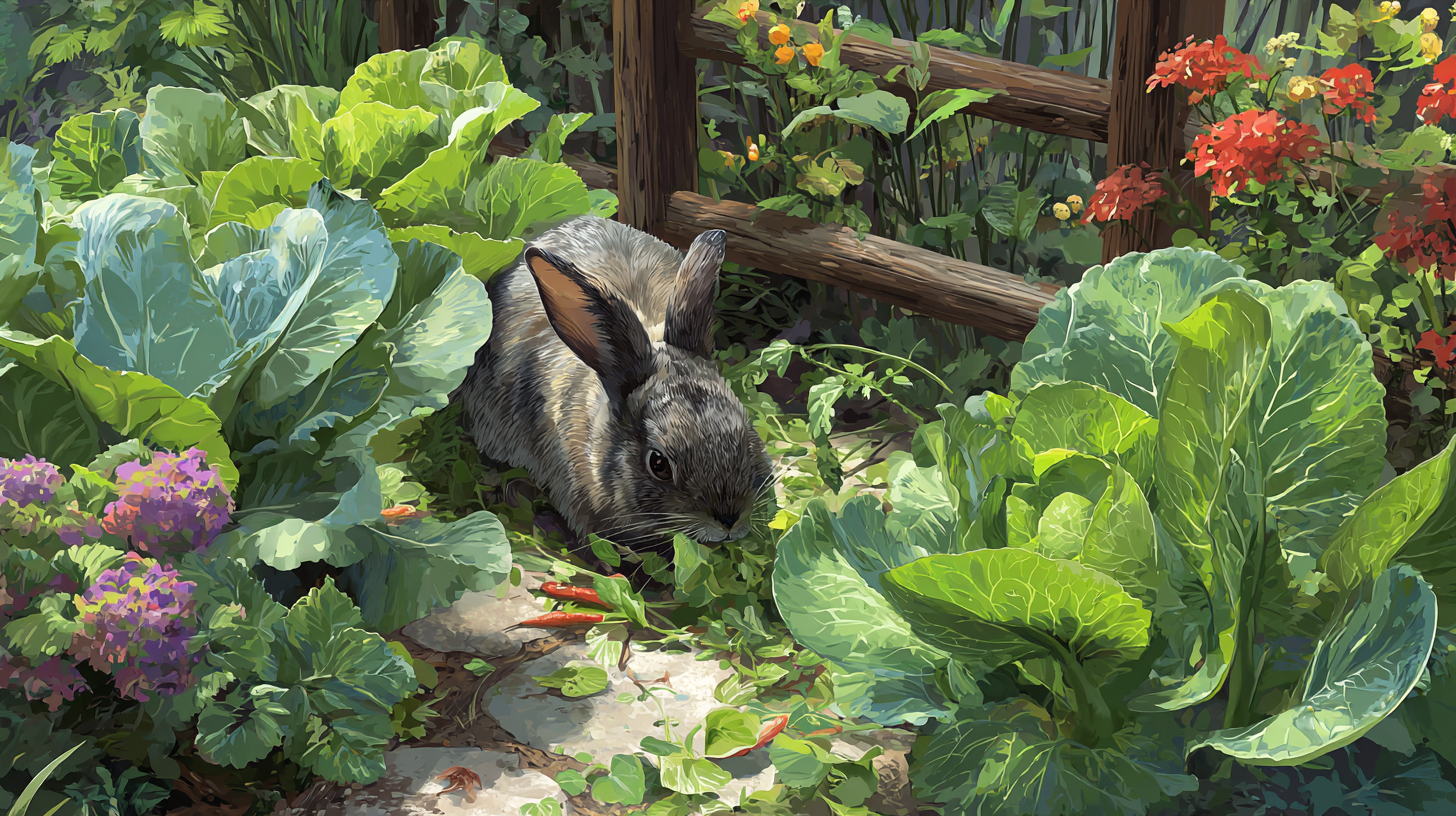
When embarking on a journey toward self-sufficiency, understanding the wildlife threats that can affect your garden is crucial for successful homesteading. Various wildlife species are often drawn to gardens, seeking food, shelter, or simply roaming through. These animals can range from small critters like rabbits and squirrels to larger creatures such as deer and raccoons. Recognizing these threats not only enables you to take proactive measures but also enhances your overall gardening experience.
One primary concern is the impact of herbivores like deer and rabbits, which can decimate your plants in a matter of days. These animals have the potential to destroy young seedlings, munch on vegetable crops, and even damage established plants. Similarly, rodents can be pests as they feed on seeds and root systems, compromising the garden’s health. Another group of wildlife threats are omnivores and carnivores, such as raccoons and skunks, which may not directly harm the plants but can create chaos—digging through soil and uprooting vegetables in search of food.
Urban dwellers may face heightened risks due to their proximity to wildlife habitats. It’s essential to recognize that every garden has its unique wildlife challenges depending on the region and the ecosystem surrounding it. Arm yourself with the knowledge of the species prevalent in your area, and consider their specific behaviors and feeding patterns. This understanding will help you craft a tailored strategy for effective wildlife protection.
To begin addressing these issues, observe your garden and take note of any signs of wildlife presence, such as tracks, scratches on trees, or nibbled leaves. Identifying these signs early can make all the difference in how you manage your garden. Keep in mind that different animals may have their preferred targets; for example, rabbits love tender shoots while deer are often attracted to tall leafy greens.
Additionally, consulting local gardening associations or wildlife organizations can provide valuable insights. They often have resources or guides that specify which animals are likely to roam in your area and what measures fellow gardeners have found effective. Becoming a part of local gardening communities can not only enrich your knowledge but also connect you with others who share similar goals of creating a bountiful, protected garden.
By understanding wildlife threats, you pave the way towards creating a resilient garden that thrives despite the challenges posed by nature. With careful observation and informed planning, you can defend your green sanctuary and enjoy the rewards of your hard work.
Identifying Common Garden Pests
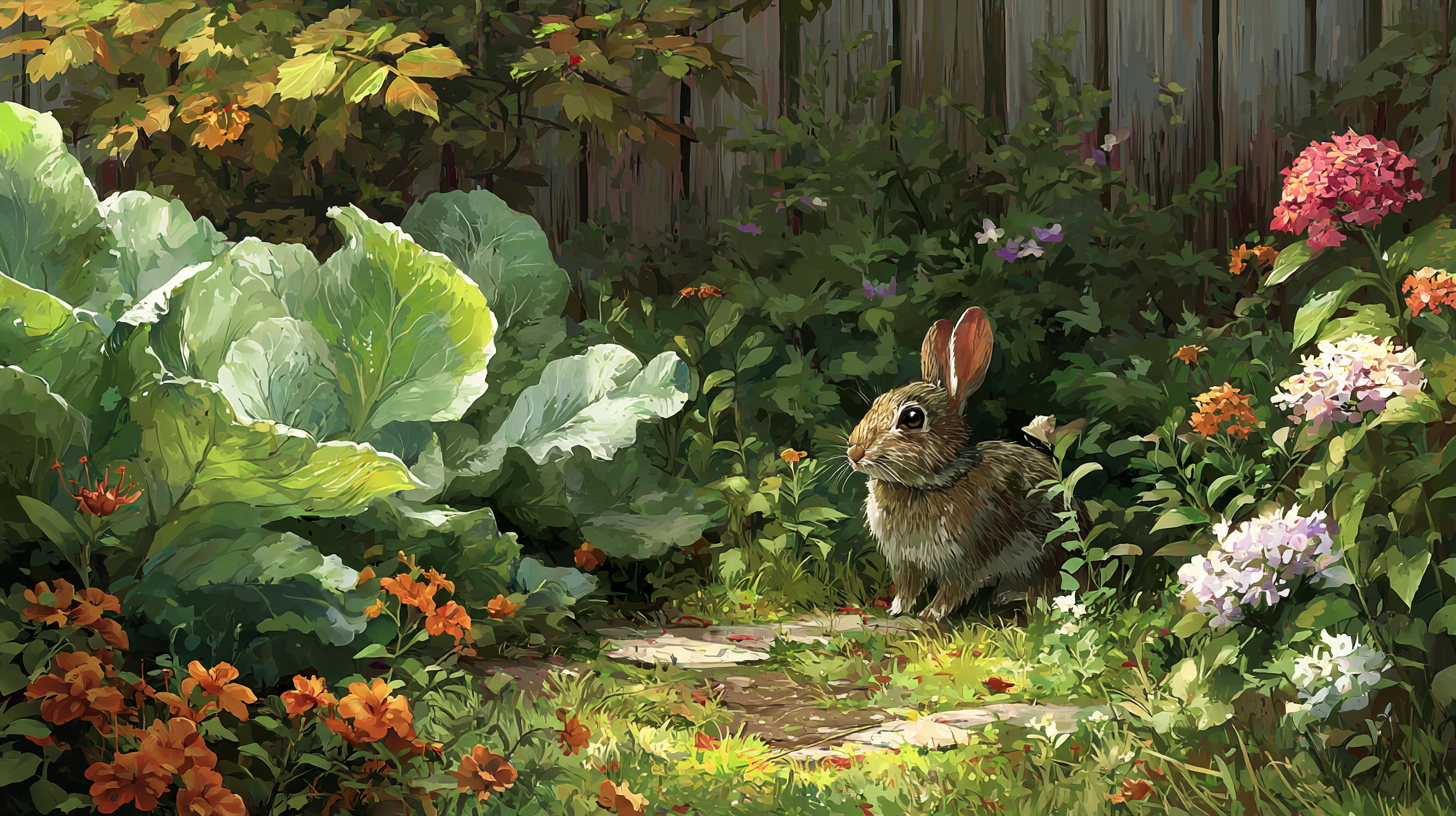
To effectively manage the threats posed by various wildlife, it is imperative to accurately identify the common garden pests that may invade your space. Knowing which animals frequent your garden allows you to implement targeted protection strategies, ensuring your plants thrive while maintaining the goal of self-sufficiency. Here are some of the most frequently encountered garden pests:
| Animal | Typical Feeding Behavior | Signs of Damage | Prevention Tips |
|---|---|---|---|
| Rabbits | Nibble on leafy greens, tender shoots, and seedlings. | Cleanly cut stems, missing seedlings, and small droppings. | Install fencing at least 2 feet high with buried edges. |
| Deer | Favor shrubs, flowers, and vegetable crops such as lettuce. | Large, ragged holes in leaves, track marks in soil. | Use 8-foot fencing or deer repellents made from strong scents. |
| Squirrels | Digging for bulbs and seeds; consume fruits and vegetables. | Uprooted plants, missing bulbs, and gnaw marks on fruits. | Netting over bulbs; habitat modification to reduce attraction. |
| Skunks | Known for digging up soil in search of insects; may eat veggies. | Disturbed soil, overturned plants, and droppings with insect parts. | Secure trash and compost bins; use strong odors to deter. |
| Bears | Will raid gardens for fruits, especially in late summer. | Signs of large paw prints, broken branches, and uprooted plants. | Eliminate attractants; employ electric fencing for gardens. |
It’s vital to regularly monitor your garden to note any changes that could indicate wildlife activity. Besides the visible signs of damage, look for less obvious indicators like footprints, droppings, or shredded bark on nearby trees. Each species presents its unique challenges and opportunities for gardening enthusiasts aiming for wildlife protection.
Furthermore, researching the behavioral patterns of these pests helps in understanding when they are most likely to invade your garden. For instance, deer are typically more active during dawn and dusk, while rabbits tend to forage throughout the day. Adjusting your protective measures and timing your interventions according to these habits can significantly enhance the efficacy of your strategies.
Incorporating this knowledge into your garden management practices not only safeguards your crops but also fosters a more harmonious relationship with the surrounding wildlife. Utilizing humane deterrents and barriers will contribute to a balanced ecosystem, allowing you to pursue both your gardening goals and an appreciation for the natural world around you.
Implementing Physical Barriers
Implementing physical barriers is one of the most effective strategies for ensuring that your garden remains a safe haven for your plants. By creating a protective environment, you can deter unwanted wildlife from wreaking havoc on your carefully nurtured crops and flowers. To effectively shield your garden, consider these approaches:
- Fencing: A robust fence serves as a primary line of defense. For herbivores like deer and rabbits, a fence should be at least 6 to 8 feet high to prevent jumping over, with a buried section of at least 12 inches to avoid burrowing underneath. Opt for materials like wire mesh or stock fencing, which provide visibility while ensuring sturdiness. Remember, a well-constructed fence must be maintained regularly to address any potential wear or gaps that animals could exploit.
- Netting: Using garden nets not only protects tender seedlings and fruiting plants from birds and small mammals, but it also helps maintain airflow and sunlight exposure. Drape the netting loosely over the plants and secure the edges to the ground to prevent animals from sneaking underneath. Opt for lightweight options that won’t damage delicate plants while providing adequate coverage to deter pests.
- Row Covers: These lightweight fabrics provide protection against both insects and larger wildlife while allowing sunlight, air, and moisture to reach your plants. They are particularly useful for seedlings and young plants, as they create a microclimate that helps with growth and shields plants from pests.
- Raised Beds: Building raised garden beds not only improves drainage and soil health but also serves as a deterrent to some garden intruders. By elevating your crops, you can make it more challenging for certain animals to access your plants. Combine raised beds with fencing or netting for optimal protection.
- Prickly Plants: Employing strategically placed thorny plants around your garden can be an effective natural barrier against herbivores. Consider planting a ring of barberry or holly bushes to keep deer and rabbits at bay. These plants can act as a living fence while enhancing the aesthetics of your garden.
In addition to these physical barriers, think about using motion-activated sprinklers for larger animals like deer. The sudden burst of water can startle them away from your garden area without causing any harm. These devices serve as both a deterrent and an engaging feature of your garden’s ecosystem.
While installing physical barriers might seem labor-intensive upfront, these measures contribute significantly to your long-term gardening success. Not only do they empower your self-sufficiency goals by protecting your investment, but they also encourage the growth of a thriving and resilient garden ecosystem that can withstand the challenges posed by wildlife intrusion.
Using Natural Deterrents
Utilizing natural deterrents can greatly enhance your wildlife protection strategy, allowing you to safeguard your garden without resorting to harmful chemicals or traps. These methods draw on nature’s own defenses to keep unwanted visitors at bay, fostering a healthier environment for your plants and beneficial insects.
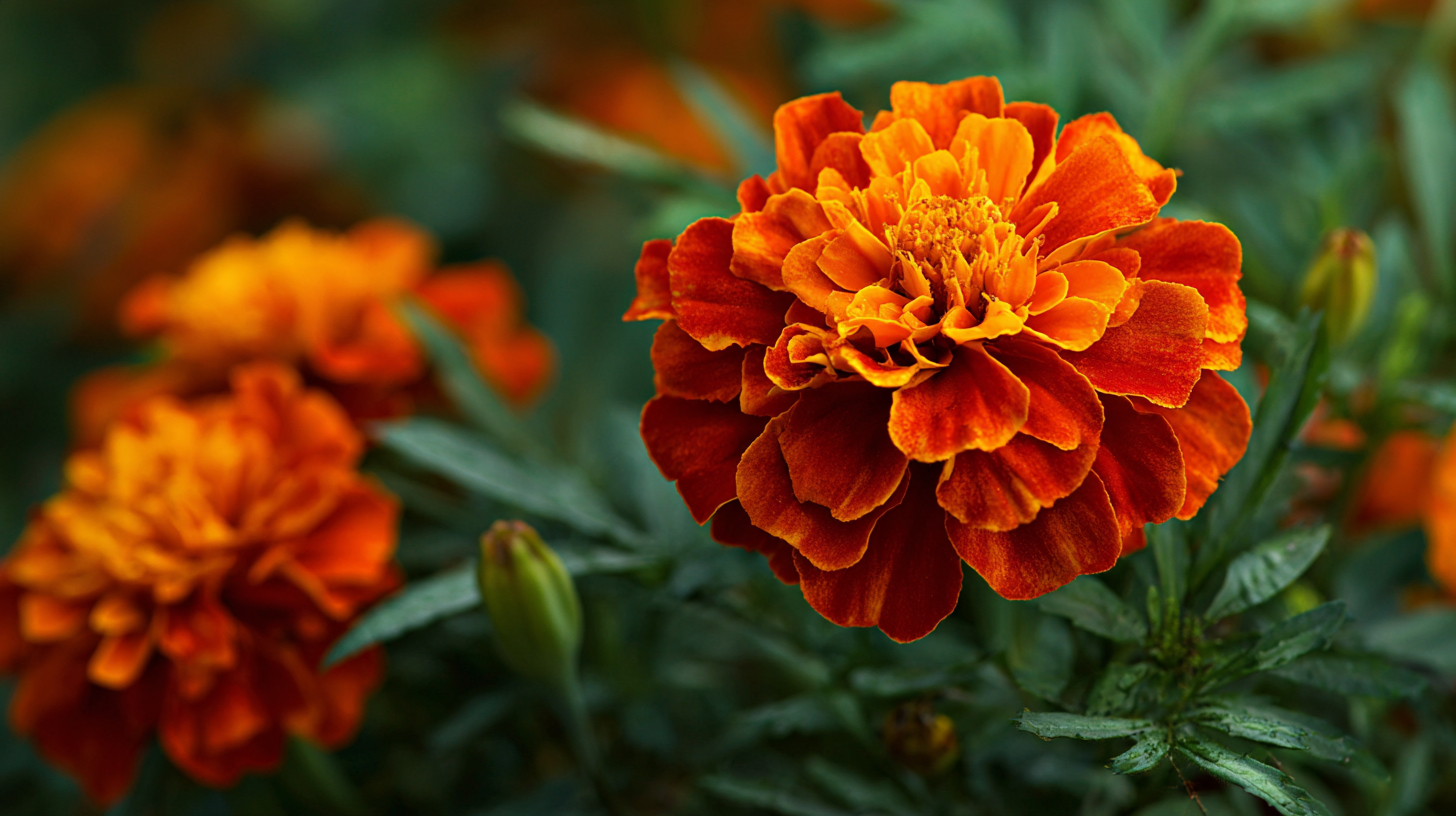
One effective natural deterrent is the use of strong-smelling plants. Certain herbs and flowers emit odors that are unappealing to many common garden pests. For example, planting marigolds can deter nematodes and attract beneficial insects, while the pungent aroma of garlic and chives can repel deer and rabbits. Interspersing these plants throughout your garden not only enhances its aesthetic appeal but also creates a more hostile environment for wildlife threats.
“Companion planting—growing plants together for mutual benefit—can enhance your garden’s health and deter pests naturally.”
Another natural approach is employing sprays made from various ingredients. A mixture of water and crushed red pepper or garlic can be sprayed on plants to create an unpalatable surface for munching critters. Similarly, a diluted solution of soapy water can help ward off insects without harming the plants. Be sure to reapply these treatments after rain or watering, as their effectiveness diminishes over time.
Natural repellents often come in commercial forms as well. These products, made from predator urine or plant extracts, can deter larger animals like deer and raccoons. Spread them around the garden’s perimeter for a scent barrier that warns potential intruders to stay away. However, avoid overusing these deterrents, as a constant strong odor can be off-putting even to humans and could harm beneficial insects.
Creating disturbances in your garden can also deter wildlife. Sound devices, like wind chimes or ultrasonic animal repellers, disrupt the normal ambiance, making animals feel uncomfortable. Incorporating motion-activated devices can also help; the sudden noise or movement can spook animals, training them to steer clear of the area.
Lastly, maintaining a healthy garden ecosystem is essential. A robust garden filled with diversity—such as a variety of plants and beneficial insects—acts as a natural barrier against wildlife. By fostering a balanced environment, you reduce the chances of specific animals targeting your garden while promoting self-sufficiency and resilience.
Incorporating these natural deterrents into your gardening practices not only aids in protecting your plants but also aligns with sustainable living principles, allowing you to nurture both your crops and the biodiversity around you. Embracing this holistic approach ensures a thriving garden while minimizing negative impacts on the local wildlife population.
Maintaining A Safe Environment
Maintaining a safe environment for your garden involves creating conditions that discourage unwelcome guests while promoting the health and longevity of your plants. One of the key aspects is ensuring that your garden space is not only productive but also inhospitable to wildlife that might interfere with its success. Regularly inspecting your garden for any signs of damage or animal activity allows you to remain proactive, adjusting your methods before problems escalate.
Establishing a clean and tidy garden can greatly reduce the likelihood of attracting wildlife. Remove debris, fallen fruit, or any potential food sources around your garden that might entice animals. By keeping pathways clear and plants well-trimmed, you minimize hiding spots and reduce accessibility, making your garden less appealing to pests and larger wildlife. Additionally, employing mulch can help improve soil health while discouraging burrowing and nesting behavior from ground-dwelling animals.
Water management plays a crucial role as well. Creating a designated watering area can keep moisture centralized, reducing the chance of wildlife straying into your garden in search of water sources. Consider using self-watering systems that regulate moisture without pooling, as standing water often attracts various animals looking for hydration. Ensuring that your garden isn’t too close to natural water sources or stagnant ponds can further decrease wildlife interaction.
Another significant aspect is understanding the seasonal behaviors of local species. As different animals have varying reproductive cycles and food availability throughout the year, their presence in your garden might fluctuate. For instance, rabbits are particularly active in the spring, while deer may forage heavily in the autumn. Awareness of these patterns allows you to implement timely protective measures, such as intensifying barriers or deterrents during peak invasion periods.
Lastly, consider using plants that naturally repel wildlife, such as those with strong scents or unpleasant tastes. Herbs like mint or strong-smelling flowers can create a fragrant barrier that keeps animals at bay while adding beauty to your gardening endeavor. Opt for a range of such plants to enrich your garden’s ecosystem and mitigate the risks posed by wandering wildlife.
- What are some effective ways to discourage wildlife from entering my garden?
- Effective methods include installing sturdy fencing, using netting or row covers, and incorporating natural deterrents like strong-smelling plants. Keeping the garden tidy and managing water sources can also help minimize wildlife attraction.
- How can I identify which wildlife is causing damage in my garden?
- Observe for signs like tracks, droppings, chewed plants, or uprooted seedlings. Learning about the habits and feeding patterns of local wildlife can also help you identify specific culprits more accurately.
- Are there specific plants that repel garden pests?
- Yes, certain plants, such as marigolds, garlic, and mint, can effectively repel various pests and tempting wildlife. Integrating these plants into your garden can enhance protection while enriching biodiversity.
- What is the best type of fencing to use for protecting my garden?
- A fence at least 6 to 8 feet high is recommended for deer and other larger herbivores. Use materials like wire mesh or stock fencing, and bury the bottom to prevent burrowing animals from getting in.
- How often should I check for wildlife damage in my garden?
- Regular inspections at least once a week, or more frequently during peak activity seasons, can help you catch issues early. Immediate action can prevent significant damage to your plants.
- Can natural deterrents be harmful to beneficial insects?
- While many natural deterrents are designed to target specific pests, some may inadvertently affect beneficial insects. It’s important to use these methods judiciously and in moderation, focusing on strategic application.
- How can I maintain a balanced ecosystem in my garden?
- Encouraging biodiversity by planting a variety of species, incorporating beneficial insects, and providing habitats can help create a balanced ecosystem. This natural diversity deters pests and promotes the overall health of your garden.
Practical Tips for Long-Term Protection
To fortify your garden against wildlife threats, consider implementing a variety of practical strategies that ensure long-term protection. An essential practice involves regular monitoring of your garden ecosystem. By habitually inspecting your plants for any signs of damage or wildlife activity, you can pinpoint problems before they escalate. This proactive approach not only preserves the health of your crops but also enhances your self-sufficiency by promoting the continuous growth and yield of your garden.
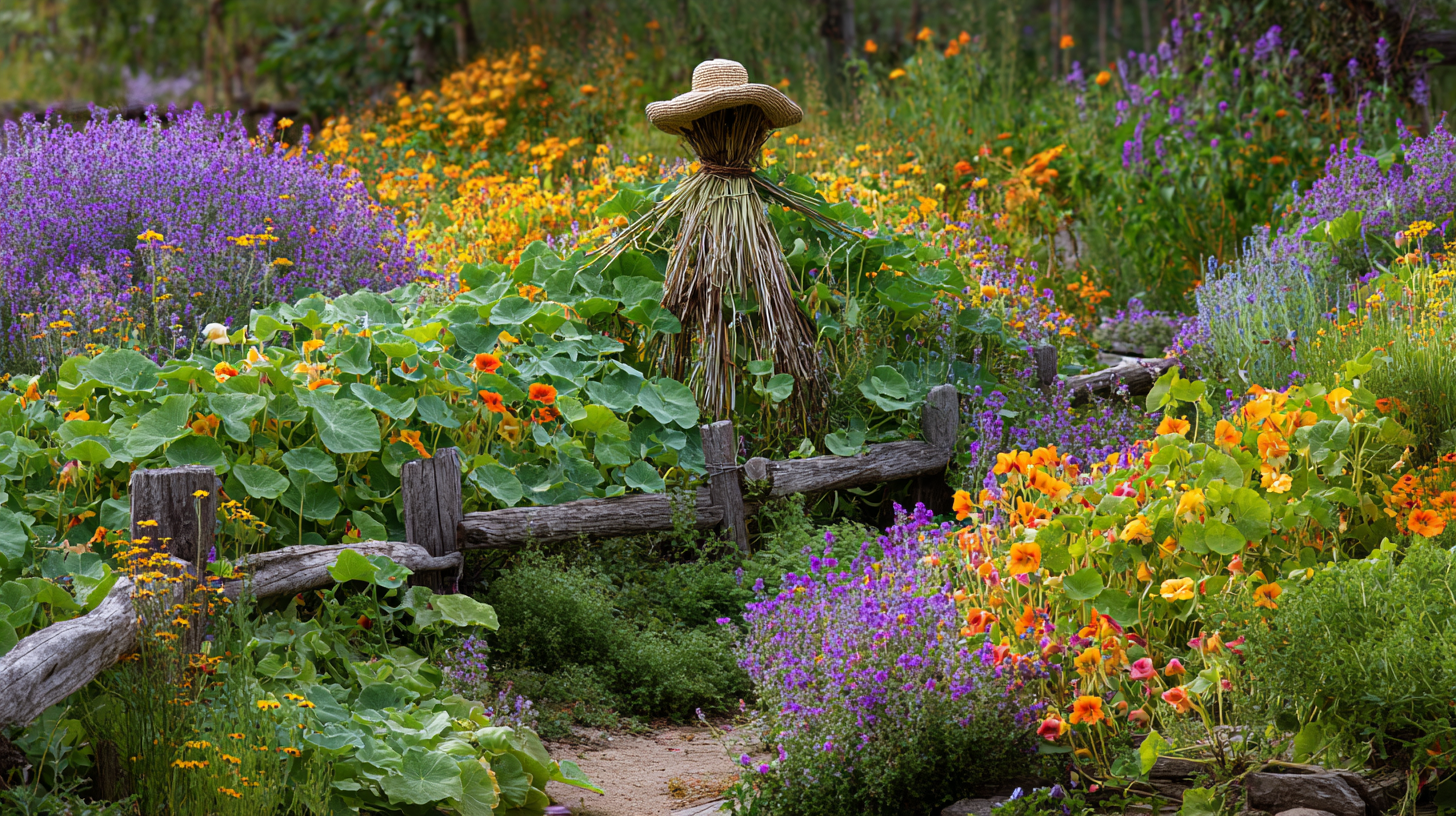
One vital aspect is to establish a thriving ecosystem that attracts beneficial insects while deterring harmful wildlife. Planting a diverse array of flowers and herbs can create a natural barrier against pests. For instance, vibrant nasturtiums and fragrant lavender can lure pollinators and repel certain insects. The more biodiversity you cultivate, the lower the probability that a single pest can damage your garden. Aim for companion planting, allowing plants to support each other while simultaneously discouraging wildlife intrusions.
Another idea is to maintain a consistent cleanup routine around your garden. Regularly removing debris—such as fallen fruit, leaves, and dead plants—reduces potential food sources for unwanted wildlife. Cleanliness extends to storage as well; ensure that compost bins and trash containers are secured and away from your garden plot, effectively minimizing attractants.
- Rotating crops: Implement crop rotation annually to disrupt pest life cycles and reduce the likelihood of wildlife becoming accustomed to a specific food source. This tactic not only protects your current harvest but also enhances soil health by varying nutrient demands.
- Using scents: Incorporate natural repellents, such as essential oils from peppermint or citronella, around the perimeter of your garden. These scents can effectively confuse and deter foraging animals, especially if reapplied routinely.
- Setting traps strategically: If certain pests persist despite your preventative measures, consider using humane traps to capture them. Be sure to check local regulations regarding animal control, as humane measures focus on relocation rather than lethal methods.
- Encouraging a natural predator presence: Attract birds of prey or other natural predators that can help control garden pests. Installing birdhouses or owl boxes can encourage these birds to take up residence nearby, creating a balance in your garden ecosystem.
Moreover, employing technology can enhance your wildlife protection tactics. Solar-powered motion-activated lights or sound devices can startle animals away from your garden during their active hours. The unexpected lights or sounds act as deterrents, teaching wildlife to avoid your garden without causing harm.
Finally, don’t underestimate the power of community knowledge. Engage with local gardening groups or forums where other homesteaders share their insights on effective wildlife protection methods. Learning from their experiences can introduce you to new techniques tailored to your specific environment.
By integrating these practical tips into your gardening practices, you create a sustainable and flourishing garden that stands resilient against wildlife threats. This approach not only reinforces your garden’s defenses but also aligns perfectly with the principles of self-sufficiency, allowing you to reap the rewards of your hard work while preserving the balance within the local ecosystem.