
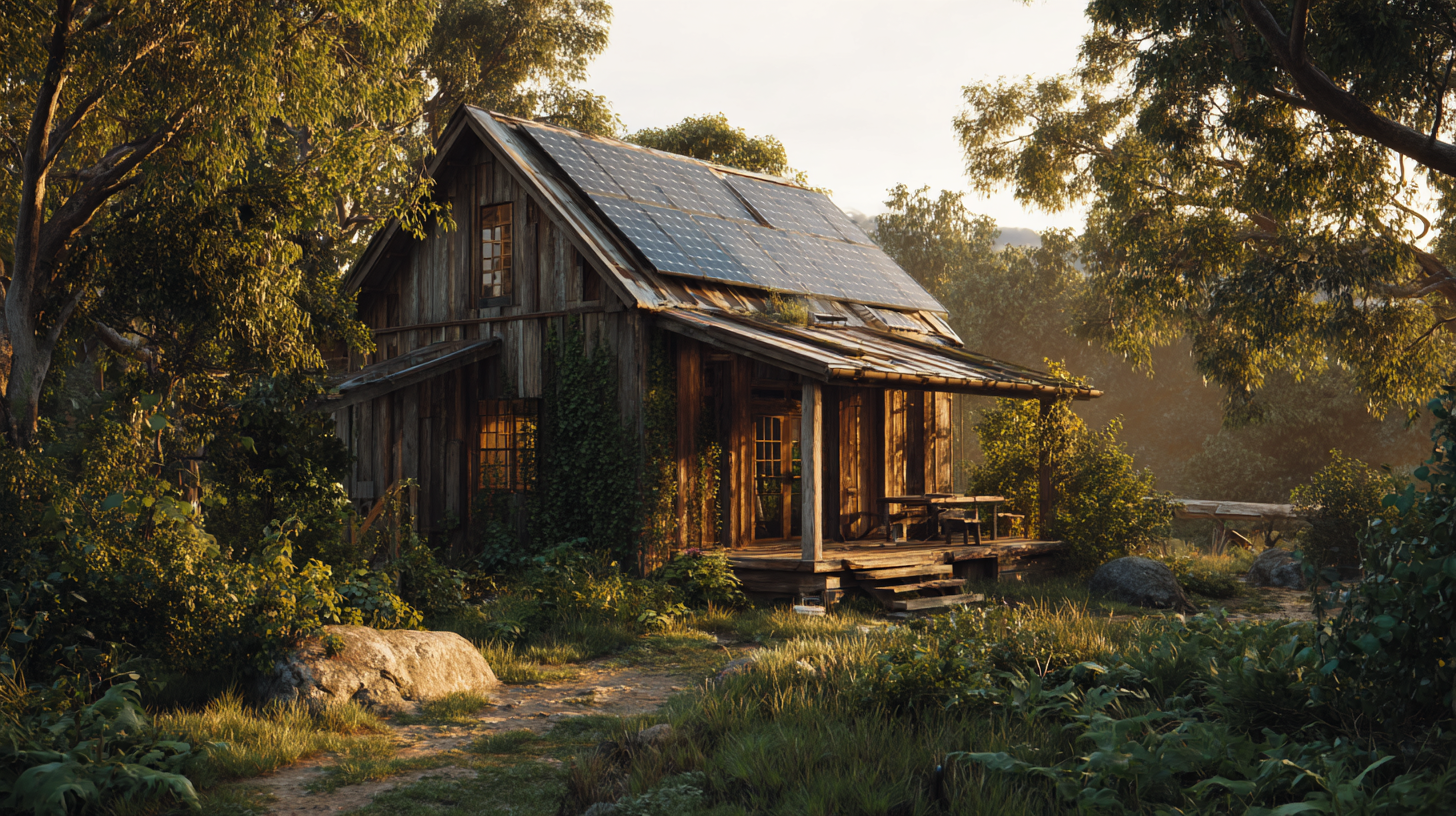
Off-grid living represents a lifestyle choice where individuals and families strive for self-sufficiency by disconnecting from conventional utilities like electricity, water, and gas supplied by urban infrastructure. Instead, they create autonomous systems that cater to their everyday needs, promoting a more ecological and sustainable way of life. Transitioning to this lifestyle often begins with a mindset shift; instead of relying on external sources for essentials, you become proactive in managing resources.
Understanding the foundational aspects of off-grid living involves recognizing the importance of self-reliance. This way of living encourages individuals to develop skills ranging from energy management to food production. As you embark on this journey, it’s beneficial to consider a few critical elements:
- Energy Independence: Explore various renewable energy options such as solar panels, wind turbines, or micro-hydro systems. Each option has its installation requirements and maintenance needs, but investing in renewable energy sources not only decreases your dependence on the grid but also reduces your environmental footprint.
- Water Resourcing: Analyze your water supply options. Rainwater harvesting and well drilling are popular solutions in off-grid setups. Understanding local regulations concerning water collection can save you time and money, and ensure you remain compliant.
- Soil Fertility: Develop your understanding of soil health and sustainable agricultural practices. Techniques such as composting, crop rotation, and organic gardening contribute to a productive garden that provides food for your family.
Additionally, consider the benefits of community and collaboration. While off-grid living emphasizes independence, connecting with local networks or groups of like-minded individuals can provide invaluable support and knowledge. Engage in workshops, online forums, or social media groups dedicated to off-grid living or homesteading; these platforms are treasure troves for information and advice.
As you delve deeper into off-grid living, keep in mind the journey requires patience and continuous learning. Emphasizing sustainability in your choices will not only secure your lifestyle but also contribute positively to the environment. Whether choosing to grow your own food, harness renewable energy, or manage water resources, each step toward off-grid living is a step towards creating a more resilient future.
Benefits of off-grid lifestyles
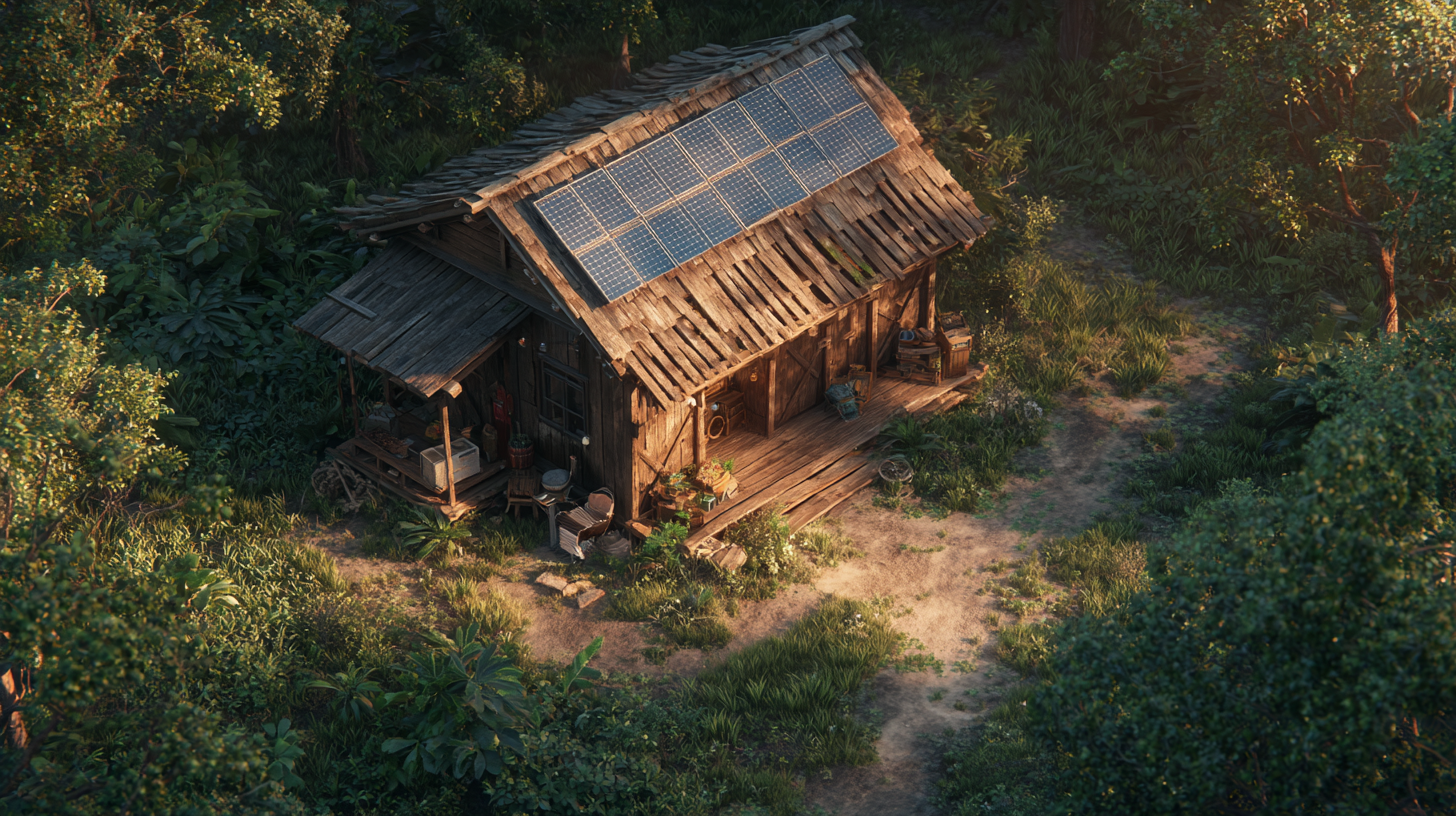
Adopting an off-grid lifestyle can bring about a multitude of benefits that extend far beyond mere independence from traditional utilities. The following aspects illustrate the positive impacts associated with this way of living, highlighting how it enhances not only individual circumstances but also the environment as a whole.
One of the most significant advantages of off-grid living is the increased self-sufficiency it fosters. By sourcing your own energy, water, and food, you become less vulnerable to fluctuations in utility prices and resource scarcity. This self-reliance empowers you to make choices that align with your values, ensuring that you live in a manner that respects the planet while meeting your needs. For example, during energy crises or droughts, off-grid residents can maintain steady access to essential resources through their managed systems.
Furthermore, off-grid living promotes sustainability and environmental stewardship. Utilizing renewable energy sources such as solar panels or wind turbines significantly reduces carbon emissions compared to conventional energy usage. This not only helps combat climate change but also minimizes your ecological footprint. Off-grid homes often incorporate sustainable practices when it comes to waste management, such as composting organic materials and recycling, further emphasizing a commitment to protecting natural resources.
Financial benefits also play a critical role in the attractiveness of off-grid life. While the initial investment in systems such as solar panels or rainwater collection setups can be high, the long-term savings on utility bills can be substantial. Over time, many off-grid homeowners find that their monthly expenses decrease dramatically, allowing them to reinvest in their land or other personal endeavors. Additionally, there is often an enhanced value in quality of life, with many individuals reporting increased satisfaction and reduced stress due to a simplified lifestyle.
Socially, off-grid living can lead to stronger community ties. Many off-grid residents choose to live in close proximity to others who share similar values. This encourages collaboration, resource-sharing, and the exchange of knowledge on sustainable practices. Community gardens, tool-sharing co-ops, and collaborative workshops become commonplace, fostering a sense of solidarity and belonging. Leveraging local resources and expertise can amplify the benefits of off-grid living while creating lasting friendships.
| Benefit | Description |
|---|---|
| Self-Sufficiency | Reduced reliance on external resources leads to greater control over one’s life and finances. |
| Sustainability | Utilization of renewable resources lowers environmental impact and conserves natural habitats. |
| Financial Savings | Lower utility bills and potential for renewable energy credits contribute to long-term savings. |
| Community Connection | Encourages collaboration and knowledge-sharing among like-minded individuals, enhancing social ties. |
Ultimately, the transition to an off-grid lifestyle is not merely about detaching from the conventional grid; it represents a transformative journey towards enhanced self-reliance, sustainability, and community engagement. By embracing this lifestyle, individuals can significantly reshape their lives while contributing positively to the planet and their communities.
Essential resources for off-grid homes
Creating a successful off-grid home requires careful consideration and a variety of essential resources. When transitioning to this self-sufficient lifestyle, it’s crucial to prioritize your needs while ensuring that your choices support sustainability and resilience. Here are several key resources and practical advice to enhance your off-grid living experience:
- Building Materials: Choosing the right materials for your home is fundamental. Opt for sustainable and locally-sourced options whenever possible. Wood, straw bales, and cob (a mixture of clay, sand, and straw) are excellent choices for eco-friendly construction. These materials have low environmental impact and can contribute to energy efficiency.
- Waste Management Solutions: Effective waste management is vital for off-grid living. Composting toilets can be a practical choice, converting waste into fertile compost while conserving water. Additionally, implementing a greywater system to recycle water from sinks and showers for irrigation or toilet flushing can greatly increase your home’s sustainability.
- Storage Solutions: Proper storage for food, water, and tools is essential in an off-grid setup. Invest in high-quality, freezer-safe glass containers for storing food, and consider building or buying a cool cellar or root cellar to keep produce fresh without refrigeration. For water storage, large tanks or cisterns designed for potable water can ensure you’re well-equipped for dry seasons.
- Gardening Tools: If you plan to grow your own food, having the right tools makes the process much simpler and more enjoyable. Basic tools like shovels, rakes, and hoes are a must. Additionally, consider obtaining raised beds or containers to maximize your growing space and soil conditions.
- Gardening Education: Embracing continuous learning will bolster your off-grid journey. Invest in books or online courses that focus on permaculture principles, organic gardening, and traditional preservation techniques like canning and dehydrating. Joining local homesteading workshops or groups can provide you with hands-on experience and valuable networking opportunities.
As you build your off-grid home and lifestyle, keeping an eye on resource efficiency is essential. Periodically auditing your energy use and resource consumption will help you make informed decisions, whether it be switching to energy-efficient appliances or enhancing insulation to retain heat during winter months. Additionally, integrating multi-functional tools or systems (such as a solar oven that doubles as a dehydrator) can save space and resources.
Lastly, embrace technology where appropriate. Smart devices can offer real-time insights into your energy use and water consumption, helping you make adjustments to optimize your self-sufficiency. Solar-powered gadgets and apps designed for off-grid living can further enhance your ability to manage resources effectively. For example, online platforms can connect you with local suppliers for materials or seeds, further simplifying your transition into off-grid living.
Focusing on these essential resources and their practical applications can significantly enhance your off-grid living experience. By prioritizing sustainability, education, and efficiency, you set yourself up for a successful journey toward self-sufficiency.
Energy generation options
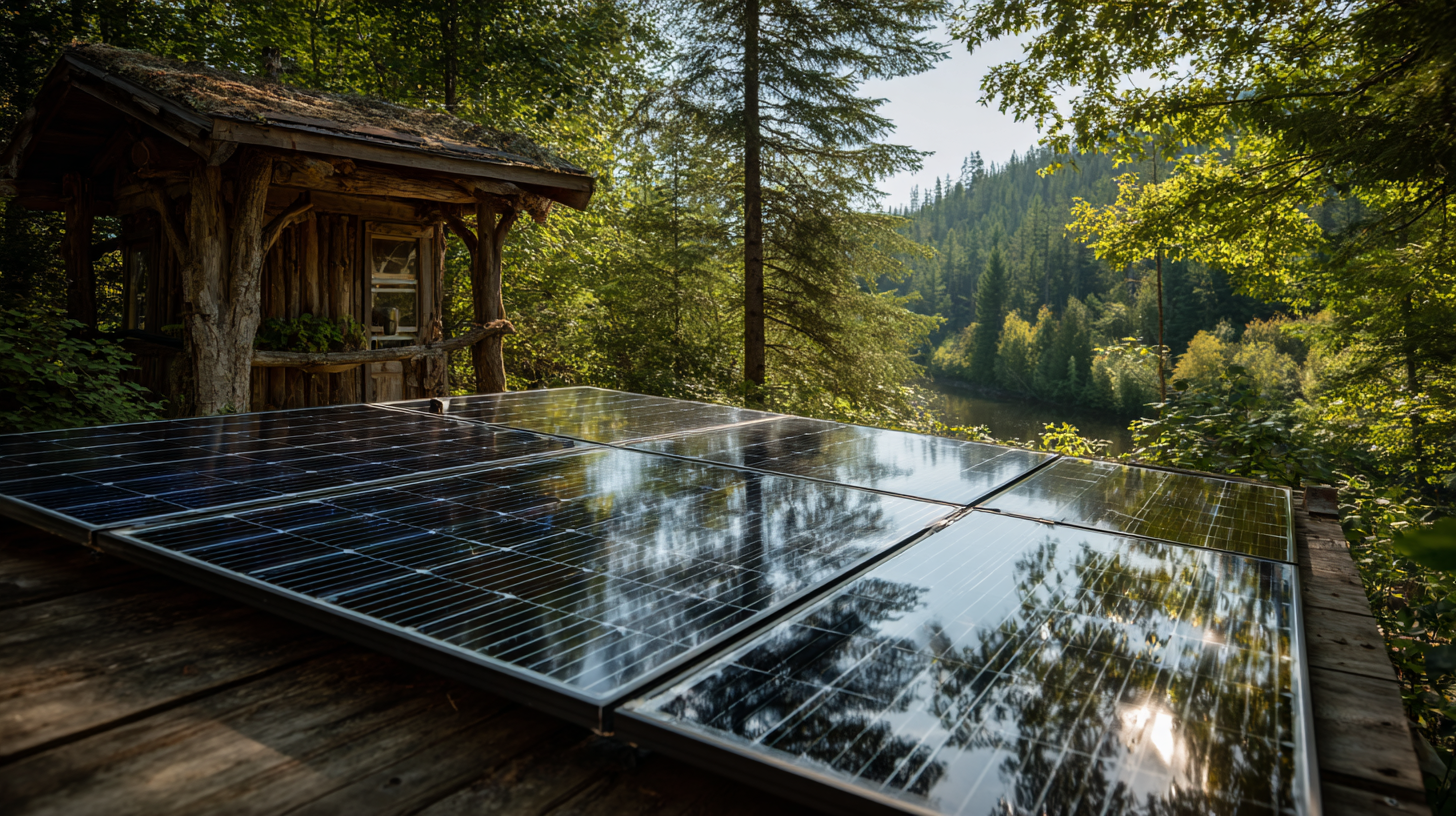
Energy generation is a pivotal aspect of off-grid living, as it directly affects your ability to achieve self-sufficiency and ensure a sustainable lifestyle. When you break away from conventional energy sources, the choices you make in this area can shape your experience significantly. Here are several popular and effective options for energy generation that can help you create a reliable and efficient system.
Solar energy remains one of the most accessible and widely adopted forms of renewable energy for off-grid homes. By installing solar panels, you can harness sunlight and convert it into electricity. The initial investment can be substantial, but the long-term savings on electricity bills and the absence of ongoing fuel costs make it a desirable choice. Solar power systems vary in size and complexity, from small setups powering a few devices to larger arrays capable of supplying all your home’s energy needs. Furthermore, advances in battery technology mean that you can store excess energy generated during sunny days for use on cloudy days or at night, enhancing your energy independence.
Wind energy is another option that can complement your solar system. If you live in an area with consistent wind patterns, installing a wind turbine can provide a substantial amount of energy. These turbines convert kinetic energy from the wind into electricity and can be particularly beneficial during times when solar generation is low, such as in winter or during prolonged rainy periods. Combining wind and solar energy sources can lead to a more balanced and reliable power supply.
Micro-hydro systems offer an alternative for those who have access to a flowing water source, such as a stream or river. By installing a small turbine in the water, you can generate electricity continuously as long as there is water flow. This method can yield a consistent energy supply and has the potential to produce more energy than wind or solar individually. However, setting up a micro-hydro system typically requires more effort and investment, including considerations for environmental impact and permitting processes.
“The future of our planet will depend on the choices we make today about energy.” – Anonymous
In addition to these methods, consider incorporating energy-efficient appliances and technologies into your off-grid setup. Energy-efficient LED lighting, high-efficiency refrigerators, and energy-saving heating systems can significantly reduce your overall energy consumption, allowing you to maximize the benefits of your energy generation systems. Integrating smart home technologies can also help monitor and control energy use more effectively, ensuring you remain conscious of consumption levels.
Ultimately, the key to successful energy generation in an off-grid home lies in a well-thought-out strategy that aligns with your specific needs and environmental conditions. By exploring and investing in renewable energy options like solar, wind, and hydro power, you can establish a system that not only provides for your energy needs but also fosters a lifestyle of self-sufficiency and sustainability. Regular maintenance and periodic assessments will ensure that your energy generation systems remain efficient and functional over the long term, allowing you to enjoy the benefits of off-grid living fully.
Water supply and management
Water supply and management are fundamental elements of off-grid living, serving as a critical foundation for sustainable and self-sufficient lifestyles. Without a reliable source of water, even the most meticulously structured homestead can struggle to operate effectively. Therefore, understanding how to gather, store, and utilize water efficiently is essential for anybody considering a transition to life off the grid. One of the most common and effective methods for securing a sufficient water supply is through rainwater harvesting. Setting up a rainwater catchment system involves directing rain that falls on your rooftop into gutters and downspouts leading to storage tanks. This not only reduces reliance on municipal water sources but also helps manage stormwater runoff, contributing positively to the environment.
When contemplating your water supply options, you may also explore the potential of digging a well. This method requires careful planning, including considerations of local geology and hydrology, it can provide a consistent supply of water year-round. Investing in filtration systems ensures that any well water collected is safe to drink, an essential step in achieving self-sufficiency. For those living in arid regions, it’s crucial to understand water conservation techniques, such as using drip irrigation in gardens or greywater recycling systems, which repurpose water from sinks and showers for irrigation purposes.
In addition, maintaining adequate water quality should be a priority. Regular testing of water sources for contaminants ensures that your family has access to clean, healthy water. Incorporating natural filtration methods, such as bio-sand filters, can help purify harvested water and mitigate risks of pollution. The integration of these practices not only secures your water needs but aligns seamlessly with the principles of sustainability central to off-grid living.
Moreover, managing water usage efficiently can significantly lessen the strain on personal water supplies. Techniques like rain gardens and swales allow for effective water infiltration and management within land systems, enabling gardens to flourish while ensuring that natural hydrology is respected. By embracing these strategies, you cultivate a balanced ecosystem that enhances both your homesteading efforts and environmental stewardship.
As you embark on or deepen your off-grid journey, consider making informed choices regarding water sourcing and management. The insights and techniques you learn will not only empower your sustainable practices but also deepen your connection to the land and the resources you nurture.
- How can I harvest rainwater effectively?
- To effectively harvest rainwater, set up a system that includes gutters, downspouts, and storage tanks. Ensure your storage tanks are covered to prevent contamination and regularly clean your filters to maintain water quality.
- What are the benefits of having a well?
- A well provides a reliable water supply year-round and can be more sustainable than relying solely on rainwater, especially in regions with inconsistent rainfall. Additionally, it increases your self-sufficiency by reducing dependency on municipal water systems.
- How do I ensure the water I collect is safe?
- Test your water sources for contaminants regularly. You can use water filtration systems or natural methods like bio-sand filters to purify harvested rainwater or well water to ensure it is safe to consume.
- What is greywater recycling, and how can I use it?
- Greywater recycling involves redirecting water from sinks, showers, and washing machines for irrigation purposes. By setting up a greywater system, you can conserve water and nurture your garden simultaneously.
- Are there specific laws for rainwater harvesting in my area?
- Yes, regulations regarding rainwater harvesting vary by region. Check your local laws to ensure compliance and understand any permits that might be necessary before setting up your system.
- How does using rainwater help the environment?
- Rainwater harvesting reduces the demand on local water resources, helps manage stormwater runoff, and minimizes the environmental impact of traditional water use. This contributes positively to local ecosystems and promotes sustainability.
- What are the best plants for water-efficient gardening?
- Consider planting drought-resistant species like succulents, native plants, and herbs that require less water. Additionally, using mulches and practicing xeriscaping can enhance water conservation in your garden.
Sustainable food production techniques
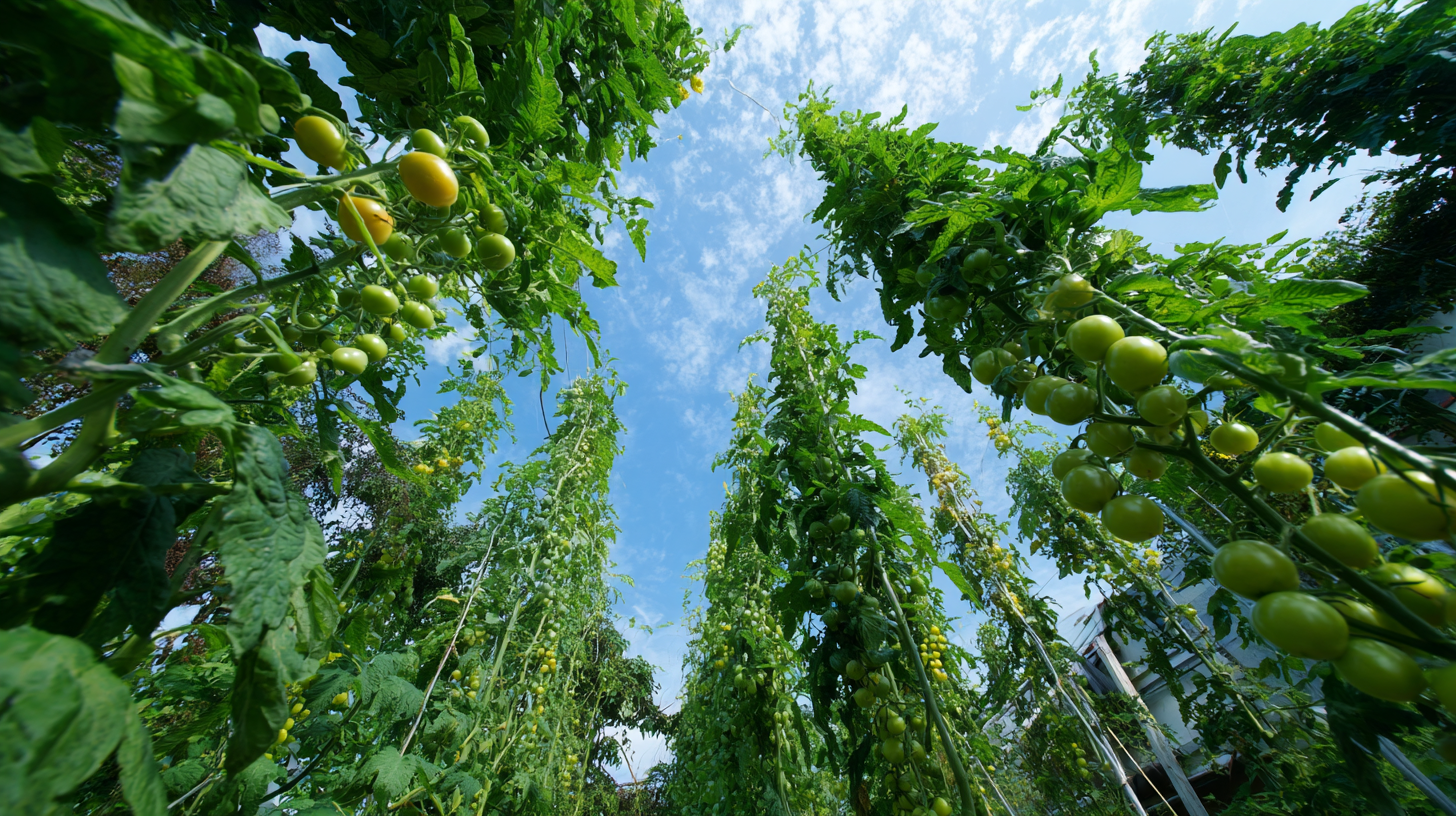
One of the most rewarding aspects of off-grid living is the opportunity to grow your own food, embracing sustainable production techniques that not only nourish your family but also respect and enhance the environmental ecosystem. By adopting these methods, you can achieve a greater level of self-sufficiency, minimizing your reliance on grocery stores and industrial agriculture while maximizing the quality and freshness of your produce.
To start, consider implementing a permaculture design in your garden. Permaculture focuses on creating a self-sustaining ecosystem by mimicking natural processes. This can involve mixed planting, where different crops benefit each other; for example, pairing nitrogen-fixing legumes with heavy feeders like corn. By using these natural relationships, you can improve soil health, reduce the necessity for fertilizers, and encourage biodiversity.
Additionally, using companion planting techniques can enhance pest management. For instance, planting marigolds among your vegetable crops can deter harmful insects while attracting beneficial pollinators. This approach minimizes the need for chemical pesticides, aligning with sustainable practices that protect both your health and the environment.
- Vertical gardening: Make efficient use of space by growing upward. Utilize trellises and vertical planters to support squashes, tomatoes, and beans. This technique can increase your yield in limited areas.
Example: If space is constrained, create a vertical garden using pallets or old ladders. - Soil health: Focusing on composting kitchen scraps and yard waste enriches your soil with vital nutrients. Apply organic matter regularly to improve soil structure and water retention, which is critical for healthy plants.
Example: Set up a compost bin in your backyard for easy access and a steady supply of nutrients. - Season extension: Use hoop houses or cold frames to extend your growing season. This allows you to plant early in the spring or harvest later in the fall, maximizing your food production throughout the year.
Example: Consider building a simple hoop house with PVC pipes and plastic sheeting for an inexpensive and effective growing environment.
The concept of seed saving is also crucial in sustainable food production. Choosing heirloom varieties allows you to collect seeds from your best plants each season, ensuring your crops become increasingly adapted to your growing conditions. This practice promotes biodiversity while empowering you to maintain a resilient food system.
Integrating animals into your homesteading plan can further enhance your self-sufficiency. Chickens, for example, provide eggs, natural pest control, and manure that can be composted into your garden. Moreover, goats can contribute milk and clear brush areas, making them useful companions in your sustainable homesteading journey.
Finally, consider the benefits of community gardens. Participating in or supporting local community gardens can offer learning opportunities while strengthening neighborhood ties. Sharing seeds, tools, and techniques with fellow gardeners fosters collaboration and knowledge exchange, which is especially valuable as you develop your own homesteading skills. Online platforms or local meetups can serve as excellent starting points to connect with others who share your passion for sustainable living and self-sufficiency.
By embracing these sustainable food production techniques, you’ll not only enhance your off-grid lifestyle but also become part of a movement towards a greener and more resilient future. Each step you take in this direction paves the way for a fulfilling, productive, and environmentally-conscious way of living.