
In today’s fast-paced world, embracing a lifestyle centered around minimalism can lead to greater peace and productivity, especially for those embarking on the homesteading journey. Understanding how minimalism manifests in everyday life is essential for anyone looking to streamline their activities and focus on self-sufficiency.
Minimalism encourages individuals to prioritize what truly matters, which is particularly beneficial for homesteaders who often juggle various responsibilities. By reducing physical and mental clutter, you create space to concentrate on essential tasks like gardening, animal care, or food preservation.
- Assess Your Belongings: Routine evaluations of your possessions can help determine what items truly support your homesteading goals. For instance, if a tool has not been used in over a year, consider donating or selling it. This not only declutters your space but also frees up energy to focus on what you love.
- Practice Quality Over Quantity: Invest in high-quality tools and materials that will last longer and reduce the need for frequent replacements. When building your homestead, select durable, sustainable materials. For example, choosing organic heirloom seeds for your garden not only promotes self-sufficiency but also ensures a rich, vibrant harvest.
- Streamline Your Schedule: Keep your days flexible and focused on productive activities. Designate specific times in your week for tasks like planting, animal care, or crafting. By eliminating unnecessary appointments or distractions, you enhance your efficiency and cultivate a greater connection to your homesteading lifestyle.
- Engage Your Family: Teaching children about minimalism and self-sufficiency can foster a collaborative environment. Introduce them to the idea of keeping only what is necessary, and involve them in maintaining a tidy workspace or homestead. This instills valuable life skills and encourages a deeper respect for the resources at hand.
Additionally, remember that minimalism is not about deprivation; it’s about intention. Every selection, whether it’s the crops you choose to plant or the tools you utilize, should be a reflection of what aligns with your lifestyle and values. By consciously curating your environment and activities, you create not just a physical space but a way of life that supports your journey toward self-sufficiency.
Incorporate these principles gradually, and soon you’ll find that stepping into a minimalist way of living liberates not just your space but your mind, allowing you to thrive in every aspect of your homesteading adventure.
The principles of minimalism
At the core of minimalism lie several key principles that serve as guidelines for simplifying one’s life and maximizing efficiency. These principles are not merely suggestions but foundational concepts that can transform the way individuals approach their homes, schedules, and interactions, particularly in the context of self-sufficient living.
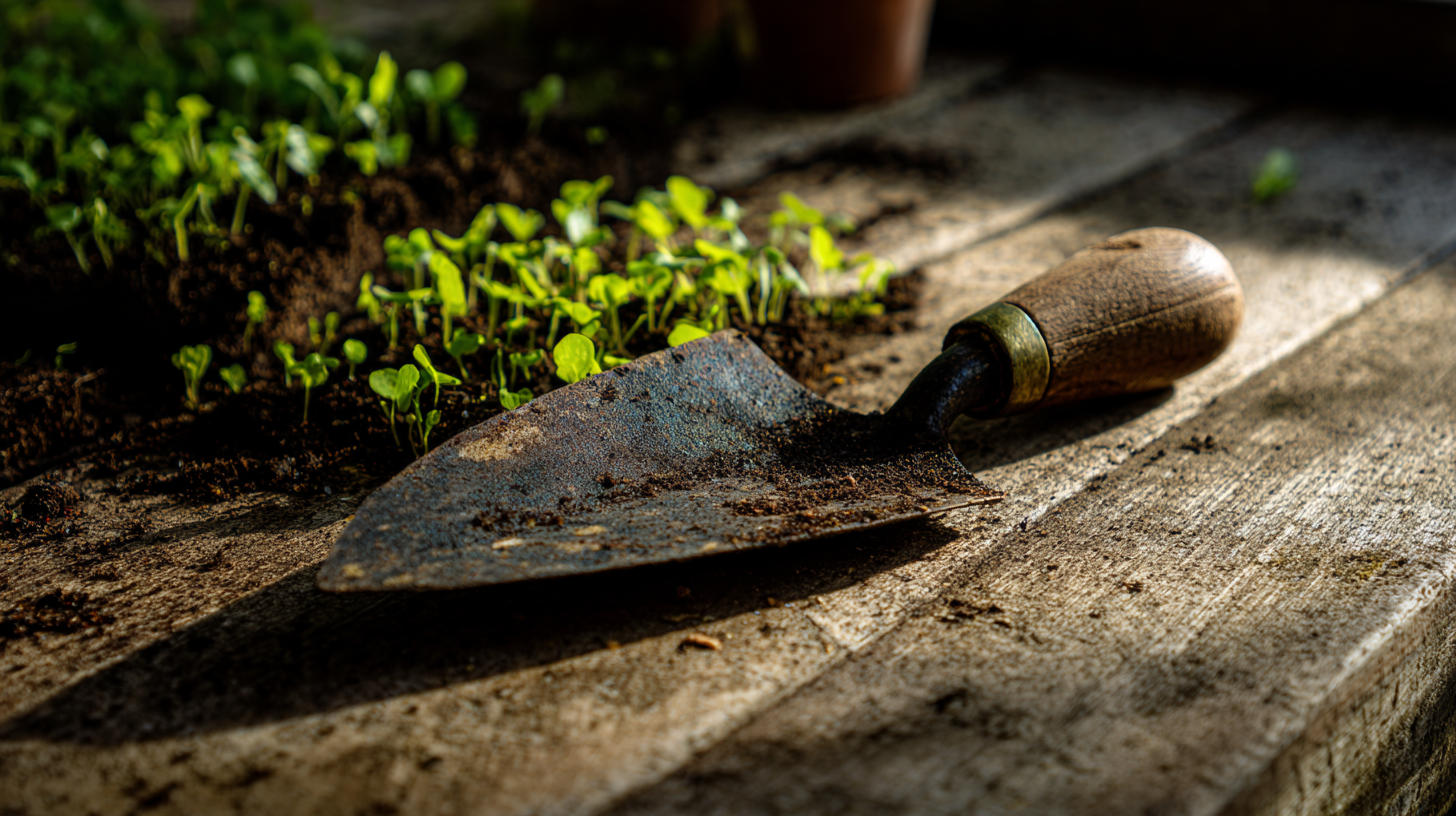
One of the foremost principles is the emphasis on intentionality. This involves making deliberate choices about what to keep in your life, whether it be possessions, commitments, or even relationships. Every item should serve a purpose or bring joy. For instance, when considering tools for your garden, evaluate their necessity and functionality. A simple hand trowel might be far more valuable than a complex, multi-tool if it effectively meets your gardening needs.
Another essential principle is the commitment to simplicity. This means stripping away the non-essentials to make room for what truly matters. A simpler lifestyle often leads to clearer thinking and reduced stress, which is particularly important when managing the many tasks involved in homesteading. Regularly reassessing your commitments, such as social engagements, can help you focus on activities that facilitate self-sufficiency and foster deeper connections with your community.
Additionally, minimalism encourages sustainability. Choosing high-quality, sustainable materials for your homesteading projects epitomizes this principle. By investing in durable products and practices, you not only support your personal economy but also contribute to a healthier planet. For example, using reclaimed wood for construction or planting native species in your garden can yield both aesthetic and ecological benefits.
As minimalism revolves around mindful consumption, keeping track of what you acquire is critical. An effective way to visualize this is through a comparison of two hypothetical approaches to homesteading tools:
| Tool Approach | Minimalist Approach | Traditional Approach |
|---|---|---|
| Quantity of Tools | 3 versatile, high-quality tools | 10 assorted tools |
| Maintenance | Regular care and upkeep on a few essential items | Variable, often neglected due to the number of items |
| Space Used | Minimal space occupied, easy to locate | Cluttered storage, difficult to find when needed |
| Investment Over Time | Higher upfront cost for quality but lower total costs | Lower initial cost but recurring expenses for replacements |
This table illustrates how a minimalist approach can yield greater efficiency and satisfaction in terms of time, space, and finances. By prioritizing quality and necessity, homesteaders can focus on cultivating their land and passions rather than being bogged down by excess.
Lastly, the principle of community engagement cannot be underestimated in minimalism. Connecting with like-minded individuals can provide support, inspiration, and shared resources. Building relationships centered around self-sufficiency can enhance your journey and create a network for sharing knowledge and skills. By fostering a community that values minimalism and sustainability, you contribute not only to your growth but also to the collective well-being.
These principles of minimalism craft a pathway to achieve a more focused, fulfilling life that aligns with the goals of self-sufficient living. As individuals incorporate these concepts, they will find that each step towards minimalism reinforces a lifestyle rooted in intention, simplicity, and connection.
Benefits of a minimalist lifestyle
Adopting a minimalist lifestyle brings numerous benefits that can significantly enhance your journey towards self-sufficiency. By emphasizing quality over quantity and focusing on what truly matters, you create a harmonious environment that fosters productivity and mental clarity. One of the primary advantages of minimalism is the reduction of stress caused by clutter. A tidy, organized space not only looks inviting but allows you to think clearly and work efficiently. When your environment is streamlined, you can dedicate your energy to activities that enhance your homesteading efforts, such as planting, maintaining your garden, or crafting.
Furthermore, minimalism promotes improved decision-making skills. With fewer distractions and obligations, you can concentrate on what’s important, making choices that align with your goals and values. For example, rather than being overwhelmed by an array of gardening supplies, you can focus on acquiring only the essentials that will promote a successful and productive garden. This level of selective purchasing not only saves you money but also ensures that you make informed investments in tools and materials.
Another significant benefit of adopting a minimalist approach is the increase in financial savings. By refraining from unnecessary purchases and instead funneling resources into high-quality, durable items, you can avoid the recurring costs associated with low-quality goods that require frequent replacements. For instance, consider investing in a quality cast iron skillet rather than opting for multiple non-stick pans that may wear out quickly. A well-maintained cast iron skillet can last a lifetime, becoming an essential part of your cooking routine while also reducing waste.
Minimalism also extends to the mental realm, encouraging mindfulness and a greater appreciation for the present moment. By intentionally limiting what you bring into your life, you cultivate a sense of gratitude for the resources you do have. For example, when undertaking a new gardening project, you can focus fully on the pleasure of planting seeds, nurturing plants, and eventually reaping the rewards of your efforts rather than feeling distracted by the myriad of options available. This mindfulness enhances your connection to nature and the food you produce, deepening your satisfaction in the outcomes.
- Creating More Time: With fewer items to manage and maintain, you free up significant time that can be devoted to learning new skills, participating in local workshops, or engaging with your community.
- Building Sustainable Habits: Minimalism encourages sustainable practices, which is vital in self-sufficient living. By minimizing your consumption of resources, you contribute to a healthier environment. For instance, you could start a composting system, utilizing kitchen scraps that would otherwise contribute to landfill waste.
- Strengthening Relationships: A minimalist lifestyle allows more time for relationships, whether with family or your homesteading community. Emphasizing experiences over material possessions can deepen bonds and foster collaborations that enhance your self-sufficient lifestyle.
The lifestyle benefits of minimalism extend far beyond physical space; they touch on the very essence of living intentionally. By simplifying your surroundings and commitments, you enable yourself to forge a path of meaningful engagement with your homesteading goals. The embrace of minimalism becomes not just a choice, but a way of life deeply intertwined with the principles of self-sufficiency, resulting in a richer, more fulfilling existence.
Practical steps to declutter
 As you begin the process of decluttering, it’s crucial to establish a step-by-step approach that aligns with your goals for a minimalist and self-sufficient lifestyle. Start by categorizing your possessions into three main groups: keep, donate/sell, and discard. This simple framework makes the decision-making process less overwhelming and gives you a clear roadmap for your decluttering journey. For each item, ask yourself whether it serves a purpose or brings joy. If not, it’s a strong candidate for removal from your life.
Begin with specific areas of your home, such as a single room or even a drawer. Breaking down the process into smaller tasks can make it less daunting and more manageable. For instance, when tackling your kitchen, focus on a particular section like the pantry or utensils drawer. Evaluate each item based on how often you use it and whether it contributes to your self-sufficiency goals. If a gadget has sat unused for months, consider whether it’s time to let it go.
Utilize the “one in, one out” rule to maintain your minimalism momentum. Each time you acquire a new item, commit to removing an old one to prevent clutter from building up again. This principle not only reinforces thoughtful purchasing decisions but also encourages continual assessment of what you truly need in your life.
In addition to physical decluttering, consider a digital declutter as well. In our hyper-connected world, digital clutter can be just as overwhelming as physical clutter. Spend time unsubscribing from unwanted emails, organizing files on your computer, and removing apps that no longer serve you. A streamlined digital space allows for better focus on the tasks that support your self-sufficient lifestyle, such as planning your garden or tracking your livestock’s health.
Another effective decluttering strategy is to enlist help. Inviting a friend or family member to join you can bring an element of accountability and make the process more enjoyable. They can offer an outside perspective, which can help you make more objective decisions about what to keep. Often, having a supportive partner can rekindle the motivation needed to part with items that may hold sentimental value but no longer serve a functional purpose.
Finally, when considering what to do with items you no longer want, think about the potential for reuse or recycling. The cycles of decluttering and sustainable practices go hand-in-hand. Donate items to local charities, host a garage sale, or explore online marketplaces to sell useful goods. This approach not only benefits others but also aligns with the principles of minimalism by extending the life of products and reducing waste.
“Minimalism isn’t about giving up everything you love; it’s about giving up everything that isn’t serving you.”
Through this thoughtful decluttering process, you not only create a more organized and serene living environment but also foster a lifestyle rooted in intention and clarity. Embracing these practical steps empowers you to focus more on the aspects of your homesteading journey that truly matter, bringing you closer to a self-sufficient way of life.
Integrating minimalism into self-sufficient living
Integrating minimalism into your self-sufficient living can profoundly enhance your overall experience. Start by examining how each element of your homestead—whether it be your garden layout, your livestock management, or your food storage—can reflect minimalist principles. For example, consider implementing a permaculture design that prioritizes synergy between crops while avoiding excess. This method not only reduces waste but also ensures that each plant has a purpose, contributing to the health of the ecosystem while minimizing the input required from you.
In your garden, practice companion planting, where certain plants support the growth of others, maximizing yields without overwhelming your space. By intentionally selecting which plants to cultivate based on their compatibility, you can streamline your gardening efforts and enjoy a bountiful harvest without the struggle of managing overcrowded plots. This illustrates how minimalism isn’t about doing less, but rather about doing more with what you prioritize.
When it comes to livestock, focus on breeds or species that thrive in your specific environment and provide multiple benefits. For instance, dual-purpose chickens can offer both eggs and meat, optimizing your resources while minimizing the number of animals you need to care for. Reducing the variety of livestock not only lightens your daily chores but also enhances your ability to manage their needs more efficiently.
Furthermore, adopt a minimalist approach to your food preservation techniques. Simplifying your methods for canning, fermenting, or dehydrating food can make the process more enjoyable and less time-consuming. Instead of stockpiling multiple gadgets, invest in versatile equipment that can handle various tasks, like a multi-functional food processor. This ensures you’ll have the tools you need without the clutter of specialized equipment.
Minimalism also invites you to evaluate your consumption habits. As you aim for self-sufficiency, practice mindful purchasing by favoring local, sustainably-sourced materials. Consider the environmental impact of your choices and the long-term benefits they provide towards your self-sufficient lifestyle. For instance, when purchasing supplies for building a chicken coop, opt for reclaimed or sustainably harvested wood that reduces waste while offering a sturdy solution.
Finally, cultivate a minimalist mindset that encourages continuous learning and adaptation. Embrace the opportunity to learn from your successes and failures in homesteading, adjusting your approach as you go. This fluidity minimizes frustration and fosters resilience, allowing you to reframe challenges into growth opportunities.
- What is minimalism in the context of self-sufficient living?
- Minimalism in self-sufficient living involves simplifying your lifestyle to focus on the essentials that support sustainability and efficiency. It encourages mindful choices about possessions, practices, and commitments to enhance productivity and reduce waste.
- How can I start implementing minimalism in my homestead?
- Begin by decluttering your space and assessing each item’s value and function. Prioritize tools and supplies that align with your homesteading goals, and gradually incorporate practices that promote simplicity and intentionality.
- What are some key benefits of adopting minimalism in homesteading?
- Benefits include reduced stress from clutter, improved decision-making, enhanced productivity, and increased financial savings. A minimalist lifestyle can also deepen your connection to the land and the process of growing food.
- Can minimalism help with gardening?
- Absolutely. Minimalism encourages techniques like companion planting, which maximizes space and yields. It also involves investing in high-quality, multipurpose tools rather than accumulating numerous specialized items.
- How does minimalism influence livestock management?
- By focusing on fewer, more efficient breeds that provide multiple benefits, you can minimize the complexity of care. This approach streamlines management tasks and enhances the productivity of your homestead.
- What are some ways to minimize food waste while preserving harvest?
- Opt for versatile preservation methods that suit your lifestyle and reduce clutter in your kitchen. Aim for fewer, high-quality tools that can perform multiple functions, making the preservation process simpler and more enjoyable.
- How can minimalism enhance my overall mindset toward self-sufficiency?
- Adopting a minimalist mindset encourages continual learning, fostering resilience and adaptability. It allows you to frame challenges as growth opportunities, ultimately enhancing your self-sufficient lifestyle.
Maintaining a minimalist mindset

Maintaining a minimalist mindset is essential for fully embracing a self-sufficient lifestyle that enhances productivity and personal satisfaction. This mindset revolves around intentionality and simplification, ensuring that each element of your life supports your homesteading goals and well-being. One effective way to integrate this mindset is by creating a personal mission statement that outlines your homesteading intentions. Clearly defining what minimalism and self-sufficiency mean to you will help keep your focus sharp and your motivations clear.
Regular reflection is another powerful tool in maintaining a minimalist mindset. Set aside time each week or month to assess your activities, thoughts, and possessions. Ask yourself questions like: Are these tools still serving my needs? Is this commitment enhancing my life or adding stress? By continually evaluating your choices, you reinforce your dedication to minimizing distractions and focusing on what truly matters.
Incorporate a gratitude practice to deepen your appreciation for the resources you utilize in your homesteading journey. By recognizing the value of what you have, you foster a sense of contentment that counters the societal pressure to consume more. For instance, keeping a daily journal of things you are thankful for, including your harvests or quality time spent with family, helps shift your mindset from scarcity to abundance, aligning perfectly with minimalist principles.
Another strategy is to embrace the concept of slow living. In our fast-paced world, it’s easy to rush through tasks or feel overwhelmed by obligations. However, slowing down allows you to savor each moment and genuinely engage with your work. Whether it’s taking the time to thoroughly enjoy the process of planting seeds or crafting homemade preserves, savoring the process naturally enhances satisfaction and gives you room to breathe, reinforcing your minimalist approach.
Your digital life deserves the same minimalist attention as your physical surroundings. Regularly audit your online presence by unsubscribing from unnecessary newsletters, unfollowing distracting accounts, and organizing your digital files. Just as physical clutter can cloud your homestead, digital clutter can divert your attention from essential tasks. Consider setting a specific time each week for these digital decluttering efforts, making it part of your routine.
Seek inspiration and connection within the homesteading community. Engage with groups that prioritize minimalism and self-sufficiency. Sharing experiences and learning from others can bolster your commitment to a minimalist lifestyle, gently reminding you of the values you’re striving to uphold. Whether through local meet-ups or virtual forums, being surrounded by like-minded individuals can help reinforce your focus and commitment.
Accountability can also play a significant role in maintaining your minimalist mindset. Enlist friends or family members who share similar values to engage in regular check-ins. Discuss progress, challenges, and breakthroughs together. This not only reinforces your commitment but can also provide motivation and fresh perspectives as you navigate your homesteading journey.
Nurture a sense of flexibility and adaptability. Minimalism is not a rigid framework but a dynamic approach that invites exploration and growth. Embrace the idea that it’s okay to adjust your plans or let go of outdated routines that no longer serve your goals. When the focus remains on what enhances your lifestyle and fulfills your self-sufficiency aspirations, you’re likely to feel more at peace and empowered in your choices.