
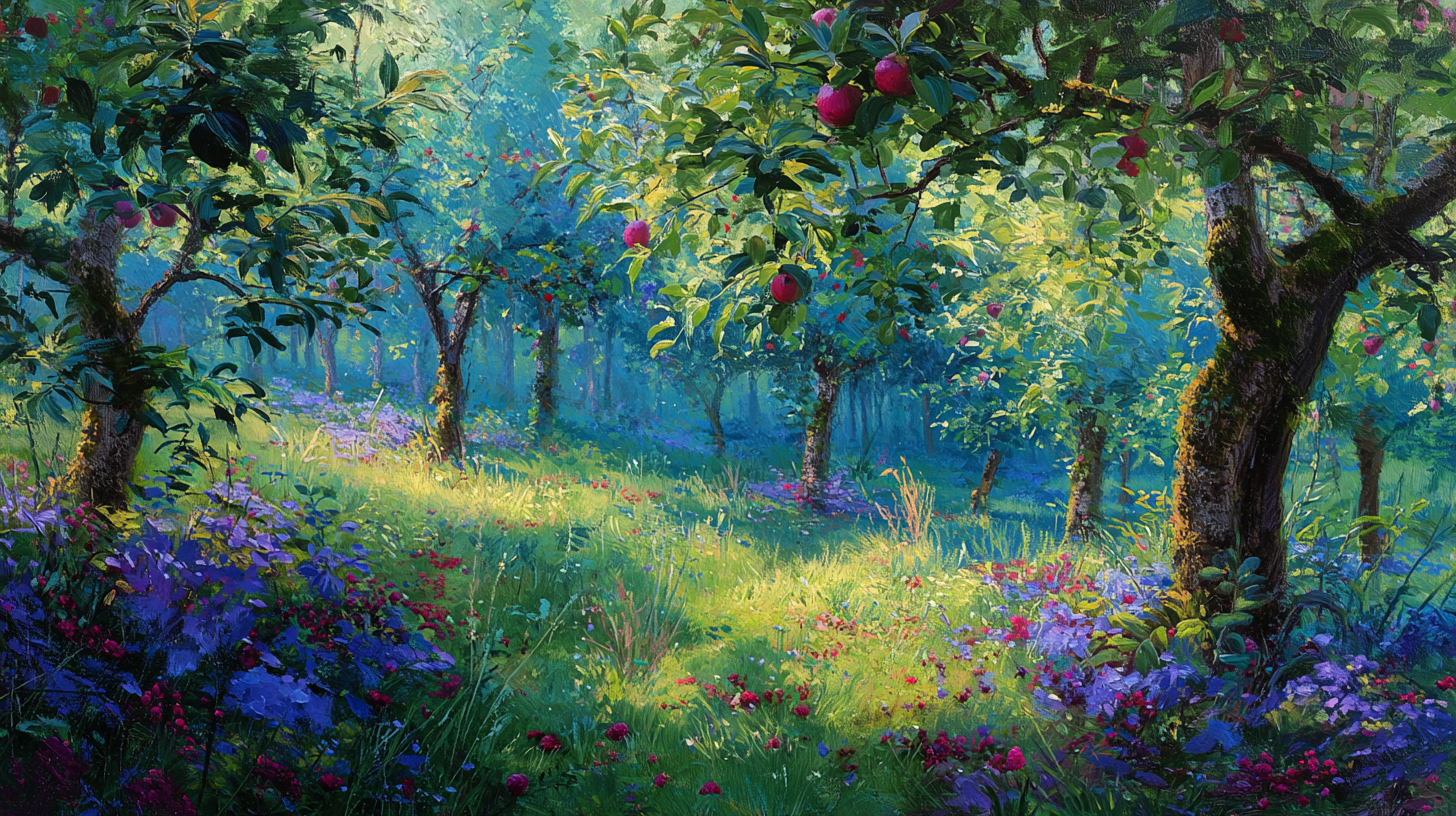
Creating a successful food forest in your backyard begins with thoughtful planning of its layout. The ultimate goal is to foster a balanced ecosystem that maximizes productivity while minimizing maintenance. Start by observing your space: consider factors such as sunlight exposure, drainage, existing vegetation, and the wind direction. Understanding these elements will guide your design and help you choose the best areas for different plants.
When envisioning your food forest, think about incorporating layers. A traditional food forest consists of several vertical layers: tall trees, short trees, shrubs, herbs, ground cover, and even root crops. This structure mimics a natural forest and utilizes space efficiently. For example:
- Tall trees: Plant nut trees or fruit trees such as chestnuts or apples to form the canopy. These will provide shade and shelter for lower layers.
- Short trees: Use smaller fruit trees or dwarf varieties that can thrive beneath the canopy, such as plum or cherry.
- Shrubs: Include berry bushes like blueberries or raspberries, which can benefit from the protection of taller plants.
- Herbs: Sow a variety of culinary and medicinal herbs like basil, thyme, and chamomile that will thrive in the dappled sunlight of your food forest.
- Ground cover: Utilize plants like strawberries or clover that will help suppress weeds while also providing edible yields.
- Root crops: Incorporate carrots, garlic, or potatoes, which flourish underground without competing for light.
Awareness of your space will inform whether you need raised beds, swales for water management, or pathways to navigate the diverse plantings easily. Take care to plan your layout in a way that minimizes overlapping plant needs, ensuring that taller plants do not shade out smaller ones.
As you sketch your layout, consider using permaculture principles, which prioritize design elements that increase biodiversity and resilience. Incorporate companion planting strategies to enhance growth and deter pests. Remember that key advantages of a food forest include sustainable self-sufficiency and the ability to cultivate a wide variety of plants without relying heavily on outside sources.
After you’ve drafted a satisfying layout, it’s beneficial to visualize the seasonal changes: how will your food forest evolve throughout the year? This foresight will encourage a thriving ecosystem, ensuring that every layer plays its part in supporting overall health and productivity.
Don’t hesitate to reach out to local permaculture groups or agricultural extension services for tailored advice based on your specific climate and soil conditions. By actively planning your food forest layout, you’ll be taking crucial steps toward a productive and sustainable homesteading experience.
Choosing the right plants

Choosing the right plants for your food forest is a key step that will significantly influence its success and productivity. The diversity of plants selected will not only determine the yield of your food forest but also its resilience to pests, diseases, and environmental conditions. When selecting plants, consider the following factors:
- Climate and Hardiness Zones: Before you begin, familiarize yourself with your local climate and USDA hardiness zone. Selecting plants that are well-suited to your climate will reduce the need for interventions like irrigation and pest control.
- Plant Compatibility: It’s essential to choose plants that work well together, either by enhancing each other’s growth through complementary needs or by providing mutual protection from pests.
- Growth Habits: Consider the size and growth rate of the plants. Fast-growing species might outcompete slower ones unless properly spaced and layered in your design.
- Pest Resistance: Choose a mix of plants that are resistant to local pests. This strategy aligns with permaculture principles by encouraging a natural balance within your ecosystem.
- Edibility and Use: Prioritize plants that will yield food or beneficial products, such as fruits, nuts, herbs, and edible flowers, while also considering plants that can serve other functions like nitrogen-fixing or attracting pollinators.
To facilitate your plant selection, here’s a comparison table showcasing various plant types that can be integrated into your food forest, along with their benefits:
| Plant Type | Examples | Layer | Benefits |
|---|---|---|---|
| Tall Trees | Apples, Chestnuts | Canopy | Provide shade, fruits, and habitat for birds and beneficial insects. |
| Short Trees | Plum, Dwarf Cherry | Understory | Yield fruits; require less sunlight than canopy trees. |
| Shrubs | Blueberries, Raspberries | Shrub Layer | High yields of berries; attract pollinators. |
| Herbs | Thyme, Oregano | Herb Layer | Flavorful culinary additions and pest deterrents. |
| Ground Cover | Strawberries, Clover | Ground Layer | Suppress weeds; edible fruits; improve soil health. |
| Root Crops | Carrots, Garlic | Ground Layer | Nutrient-dense food that grows underground, reducing competition. |
Furthermore, understanding the seasonal growth patterns of the plants selected for your food forest is vital. Some plants may be perennial and provide yields year after year, while others could be annuals that require replanting. By integrating both types in a thoughtful rotation, you can ensure continuous productivity and maintain soil health.
If you’re unsure about which plants to choose, consult local nurseries or online resources dedicated to permaculture. Many communities have plant swaps or local events focused on sustainable gardening where you can find a wide variety of appropriate species. By carefully selecting the right plants for your food forest, you pave the way toward achieving self-sufficiency while creating a varied, resilient ecosystem that thrives year after year.
Soil preparation and enrichment
Soil is the foundation of any successful food forest, and preparing it correctly will set the stage for strong, healthy plant growth. Start with a soil test to understand its composition, pH level, and nutrient profile. Many local agricultural extension offices provide affordable soil testing services. Understanding your soil’s condition will help you determine what amendments it might need to support the diverse range of plants you plan to cultivate.
Once you’ve acquired your soil test results, you can focus on enriching the soil. Here are some essential strategies to improve your soil quality:
- Add Organic Matter: Incorporating organic matter is critical for enhancing soil structure and fertility. Well-rotted compost, leaf mold, and aged manure will not only provide nutrients but also promote beneficial microorganisms, improving soil health. Aim for a mix of carbon-rich materials (browns) and nitrogen-rich materials (greens) to achieve a balanced compost.
- Utilize Cover Crops: Planting cover crops such as clover or vetch during the off-season can protect your soil from erosion, suppress weeds, and fix nitrogen. When turned into the soil before planting, these crops will decompose and enrich the soil.
- Apply Mulch: Use organic mulch such as straw, wood chips, or grass clippings around your plants to retain moisture, suppress weeds, and slowly add nutrients back into the soil as it breaks down. Mulching also helps to stabilize soil temperature, benefiting your crops.
- Improve Drainage: If your soil holds too much water or drains poorly, consider amending it with sand or organic materials to improve texture and drainage. Raised beds can also elevate plants above any waterlogged conditions while enhancing root growth.
- Practice Crop Rotation: To prevent nutrient depletion and disease buildup, rotate your crops each season. Different plants absorb different levels of nutrients, and rotating them helps to balance soil health.
In addition to these techniques, be mindful of the soil’s microbial life. Healthy soil teems with microorganisms that promote organic processes essential for nutrient cycling. Avoid relying on chemical fertilizers, as they can harm beneficial microbes and disrupt the balance in your food forest.
Integrating permaculture principles into your soil preparation can yield excellent results. For example, consider implementing a “no-dig” method, which preserves soil structure and minimizes disturbance to the ecosystem. This approach encourages earthworms and other beneficial organisms to thrive, further enhancing your soil’s fertility.
After enhancing your soil, allow it time to rest before planting. This period will enable microbes and nutrients to stabilize and become available to your plants. Observing how your soil evolves will inform future amendments, as the ongoing process of soil health is crucial to achieving self-sufficiency in your food forest.
Lastly, remember to continue monitoring your soil health regularly. Keeping a garden journal or logs of your observations can assist in identifying trends and making adjustments as necessary. By prioritizing soil preparation and enrichment, you’re laying the groundwork for a flourishing food forest, full of life and abundance.
Planting techniques and spacing
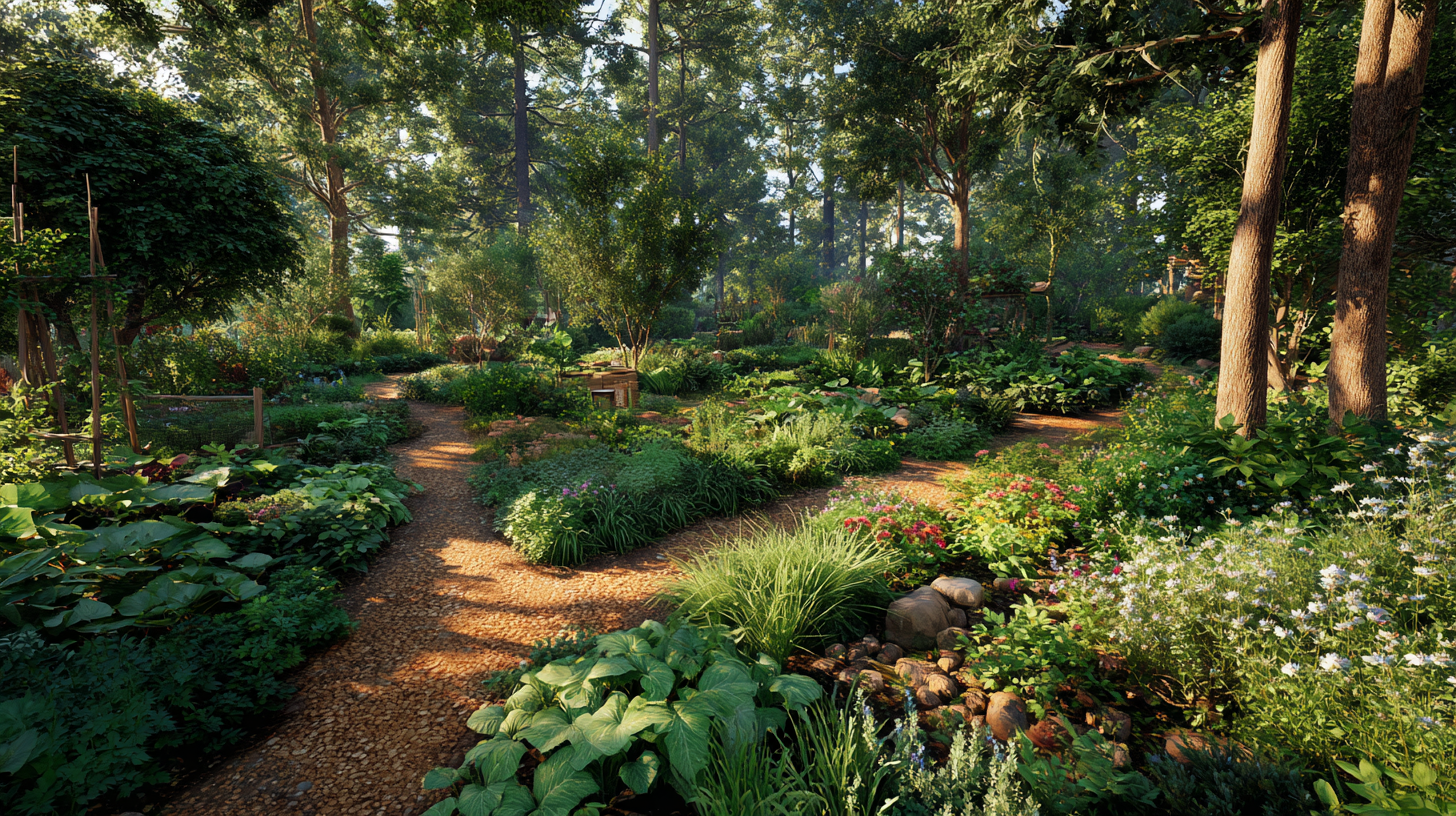 When it comes to establishing your food forest, employing effective planting techniques and appropriate spacing is integral to ensuring each plant thrives and fulfills its role within the ecosystem. Begin by respecting the natural growth habits of the chosen species. Taller plants should be positioned away from those that require more sunlight, while bushy plants can provide shelter for smaller varieties. This allows each layer to flourish without competing for light or resources.
Spacing is crucial to prevent overcrowding, which can lead to poor air circulation and increased competition for nutrients and water. As a general guideline, refer to the specific spacing recommendations for each plant type as indicated by nursery instructions. For trees, a distance of 10 to 15 feet may be ideal, while shrubs can be planted closer together, typically spanning 3 to 5 feet apart. Ground covers and herbs require less space, often thriving in clusters or rows.
“In essence, permaculture values diversity in planting, recognizing that a variety of species working together builds a resilient ecosystem.”
Consider utilizing a staggered or triangular planting arrangement when positioning your plants. This allows better light penetration and air flow, supporting the health of all plants involved. For taller plants, ensure they don’t cast excessive shade on smaller ones, inhibiting their growth. Observe how the sunlight tracks across your garden to plan the arrangement wisely.
Employ mulching techniques immediately after planting. Mulch serves multiple functions: it retains soil moisture, suppresses weeds, and introduces organic material as it breaks down. Using organic mulch around your plants enhances soil health while also creating a welcoming environment for beneficial insects and organisms. Furthermore, employing a wider ring of mulch around newly planted seedlings can create a nutrient-rich buffer, fostering their immediate growth and overall resilience.
Additionally, consider staggering your planting times throughout the growing season. Successive planting of crops allows you to utilize space more efficiently, leading to continuous harvests. This method ties back into self-sufficiency, as it maximizes your available resources and ensures that your food forest continues to yield produce well into the dormant seasons.
Finally, practice patience as your food forest establishes itself. Depending on the plants involved, it might take a couple of seasons for them to reach their full potential. Monitoring their growth, observing interactions between species, and adjusting your techniques as you learn from experience are key to forming a successful, thriving food forest that brings you fresh produce year after year.
Maintenance and care
Maintaining a food forest requires commitment and an understanding of the delicate balance within the ecosystem you’ve created. Regular monitoring of your plants and soil is essential to help you identify any issues early on and respond appropriately. Begin with a routine check-up on your plants, observing for signs of pests or diseases. Integrated pest management (IPM) methods can be immensely beneficial; they focus on promoting natural predators and using non-toxic treatments when necessary.
Watering practices play a significant role in the vitality of your food forest. During the establishment phase, young plants require consistent moisture, especially in dry spells. A drip irrigation system can conserve water and deliver it precisely where it’s needed most. Once established, your food forest will better handle drought conditions as the diverse root systems of your plants work together to access water from various soil depths.
Regular application of organic mulch will not only suppress weeds but also contribute to soil nourishment as it breaks down, retaining moisture and fostering a rich habitat for microbes. It is important to refresh your mulch layer periodically, especially during the growing season, to maintain coverage and moisture levels. The layer of organic matter contributes significantly to a thriving ecosystem, fostering nutrient cycling and healthy soil structure.
Fertilization strategies should align with permaculture principles, focusing on natural and organic amendments that promote long-term health over quick fixes. This can include compost teas, worm castings, or biochar, which support the soil microbiome and enhance nutrient uptake. Regular soil tests every few years will help determine any necessary adjustments based on plant growth and yield.
To enhance biodiversity, you might consider integrating companion planting and polycultures within your food forest. Certain plants can help repel pests, attract beneficial insects, or improve soil health when grown close together. Be proactive in understanding which combinations flourish together, fostering an environment where plants support one another.
Seasonal care is pivotal, with attention needed for tasks such as pruning, harvesting, and preparing your food forest for winter. Prune trees and shrubs to ensure proper air circulation and encourage healthy growth. After harvesting, consider planting cover crops in empty spaces to enrich the soil and prevent erosion. This practice not only contributes to soil health but maintains the overall vitality of your food forest year-round.
Each of these practices contributes to a thriving system where self-sufficiency can flourish, allowing you to enjoy a bountiful yield. Continuous observation of your landscape will reveal which practices yield the best results for your unique conditions, deepening your understanding of sustainable gardening.
- What is the best time of year to maintain a food forest?
- The best time for maintenance is during the growing season, particularly in spring and summer. Regular checks throughout this period ensure you can address any issues such as pests or diseases early on.
- How do I know if my food forest needs water?
- Monitor your plants for signs of stress, such as drooping leaves or dry soil. Conducting a finger test—sticking your finger into the soil a couple of inches deep—will help determine if moisture is needed.
- What can I do about pests in my food forest?
- Implement integrated pest management (IPM) strategies, such as attracting beneficial insects, utilizing natural repellents, and introducing companion plants that deter pests. Regular monitoring is key to catching problems early.
- How often should I add mulch to my food forest?
- It’s ideal to refresh the mulch layer every spring or as needed to ensure adequate coverage. Consider adding a new layer when the old mulch has significantly decomposed or thinned out.
- Can I use synthetic fertilizers in my food forest?
- It’s best to avoid synthetic fertilizers as they can harm beneficial soil microorganisms. Instead, opt for organic amendments like compost or natural fertilizers, which enhance soil health over time.
- What should I do to prepare my food forest for winter?
- Prepare for winter by mulching heavily around plants, pruning back perennials, and planting cover crops in any open spaces. This protects soil health and helps sustain the ecosystem through colder months.
- How can I increase biodiversity in my food forest?
- Increasing biodiversity can be achieved by planting a mix of native species, incorporating various layers of plants, and utilizing companion planting techniques. This creates a balanced ecosystem that supports a range of beneficial organisms.
Harvesting and enjoying your bounty
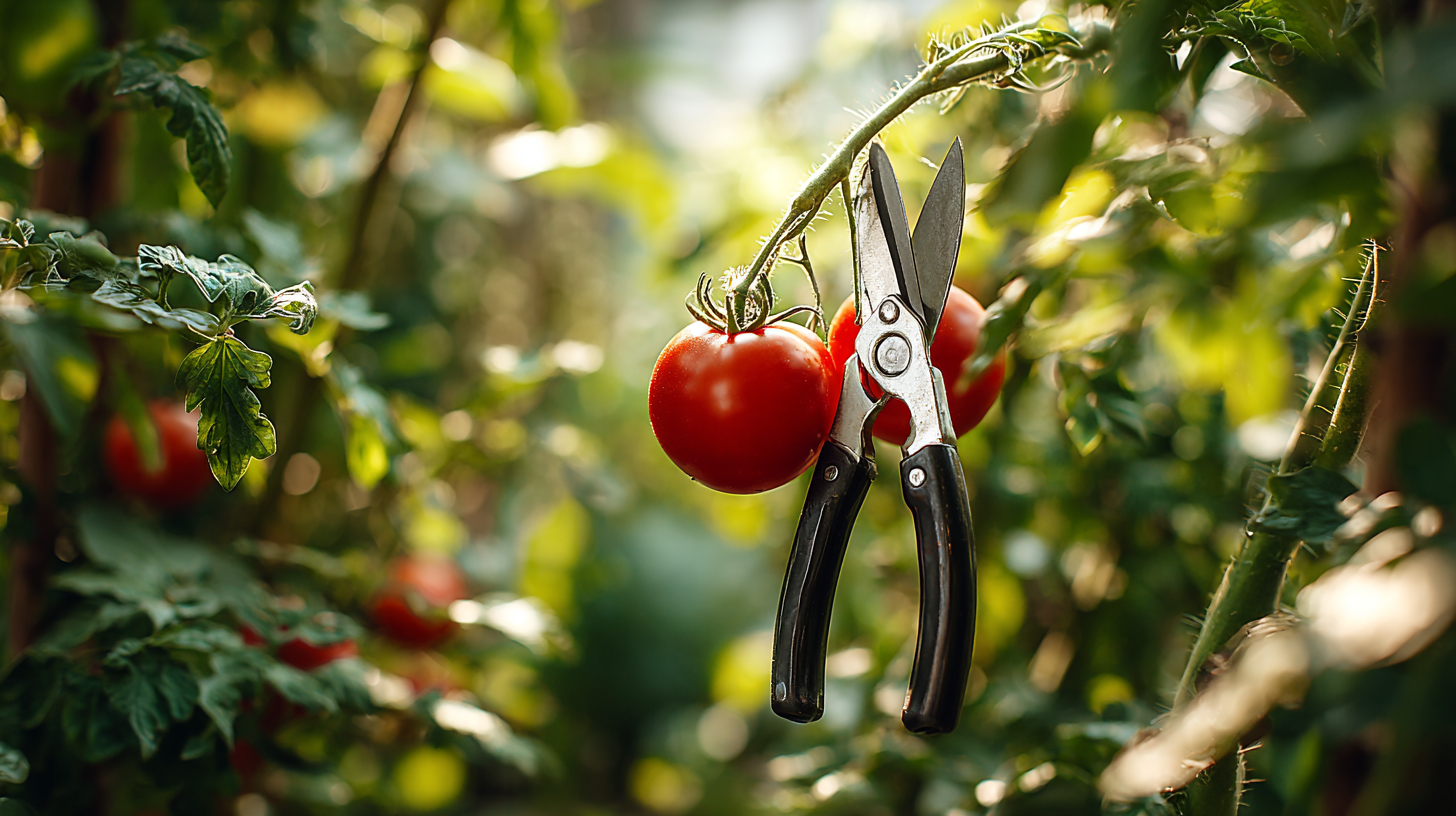
There’s nothing quite as rewarding as standing in your thriving food forest, ready to harvest the fruits of your labor. As you approach this beautiful moment, it’s essential to adopt effective harvesting techniques that maximize yield while respecting the plants’ health. Start by observing the ripeness of your fruits and vegetables. Each plant has specific signs that indicate when it’s the perfect time to pick. For example, fruits like tomatoes should be fully colored and slightly firm to the touch, while leafy greens can be harvested when they reach a desirable size but before they start to bolt.
When harvesting, utilize a clean and sharp tool to prevent damage to plants. A pair of scissors or garden shears can help in cutting fruit or leaves cleanly. Always engage in gentle handling to avoid bruising, which can lead to quicker spoilage. Organizing your harvest by grouping similar items together can help keep your bounty fresh and makes it easier to store or process later.
Consider integrating the concept of *succession planting* to ensure continuous yields throughout the growing season. This method involves staggering your planting times so that you can harvest fresh produce without waiting for everything to mature at once. For instance, planting different varieties of lettuce every few weeks will provide you with a steady supply of greens.
Utilize your harvest not just for immediate consumption, but also to engage your family and children in the joys of homesteading. Involve them in the kitchen as you cook or can your produce. This engages them in the full cycle of farming, from planting to enjoying the fruits of their labor, creating lasting memories and instilling a sense of self-sufficiency. Show them ways to preserve the harvest by drying herbs, freezing excess fruits, or canning vegetables. This not only prolongs the life of your products but also enhances your preparedness for the off-season.
When enjoying the bounty of your food forest, take the time to explore creative ways to incorporate your harvest into meals. Experiment with new recipes or learn to create signature dishes that feature your harvested ingredients, which strengthens your connection to the land and the rewards it provides.
Moreover, don’t overlook the potential of your food forest for creating value-added products. Transform surplus fruits into jams or jellies, or dry herbs for teas and seasoning blends. This can bolster your self-sufficiency and possibly open doors for local markets or gift-giving, spreading the joy of your harvest with others.
Record your harvest quantities and varieties in a gardening journal. This can help you track what yields best in your specific conditions, allowing you to make informed decisions for future growing seasons. Observing and documenting your results adds to your understanding of permaculture principles, guiding you toward a more fruitful food forest with each passing year.