

When embarking on the journey of creating a herb spiral, effective planning is essential to ensure a thriving and sustainable structure that enhances your gardening method. Start with an assessment of your available space, considering both sunlight and accessibility. An ideal spot will receive at least six hours of direct sunlight per day, as most herbs flourish in bright light.
Next, determine the size of your herb spiral. Generally, they can range from three to six feet in diameter depending on the space you have and the quantity of herbs you aim to grow. A smaller spiral is perfect for urban gardens where space is limited, while a larger spiral can accommodate a greater variety of herbs.
Make a list of the herbs you wish to include in your spiral. Consider culinary favorites like basil, rosemary, and thyme, as well as medicinal herbs such as chamomile and echinacea. Including a mixture of both will enhance your self-sufficiency by providing diverse options for cooking, health, and natural remedies.
Additionally, take into account the drainage and water needs of the plants you select. Herbs that thrive in drier conditions, like lavender, should be placed at the top of the spiral, while those that prefer more moisture, such as mint, can be located at the base where water tends to accumulate.
Having a vision in mind, sketch a basic layout of your herb spiral. This will help you better visualize how each herb will be positioned and assist in planning the construction process.
Finally, think about the accessibility of your herb spiral. Ensure that it is easy to reach for both planting and harvesting. Consider pathways around the spiral to facilitate maintenance without trampling on your plants.
Effective planning not only saves time during construction but also enhances the beauty and productivity of your herb spiral, resulting in a self-sufficient garden feature that offers both utility and aesthetic appeal!
Choosing the right location
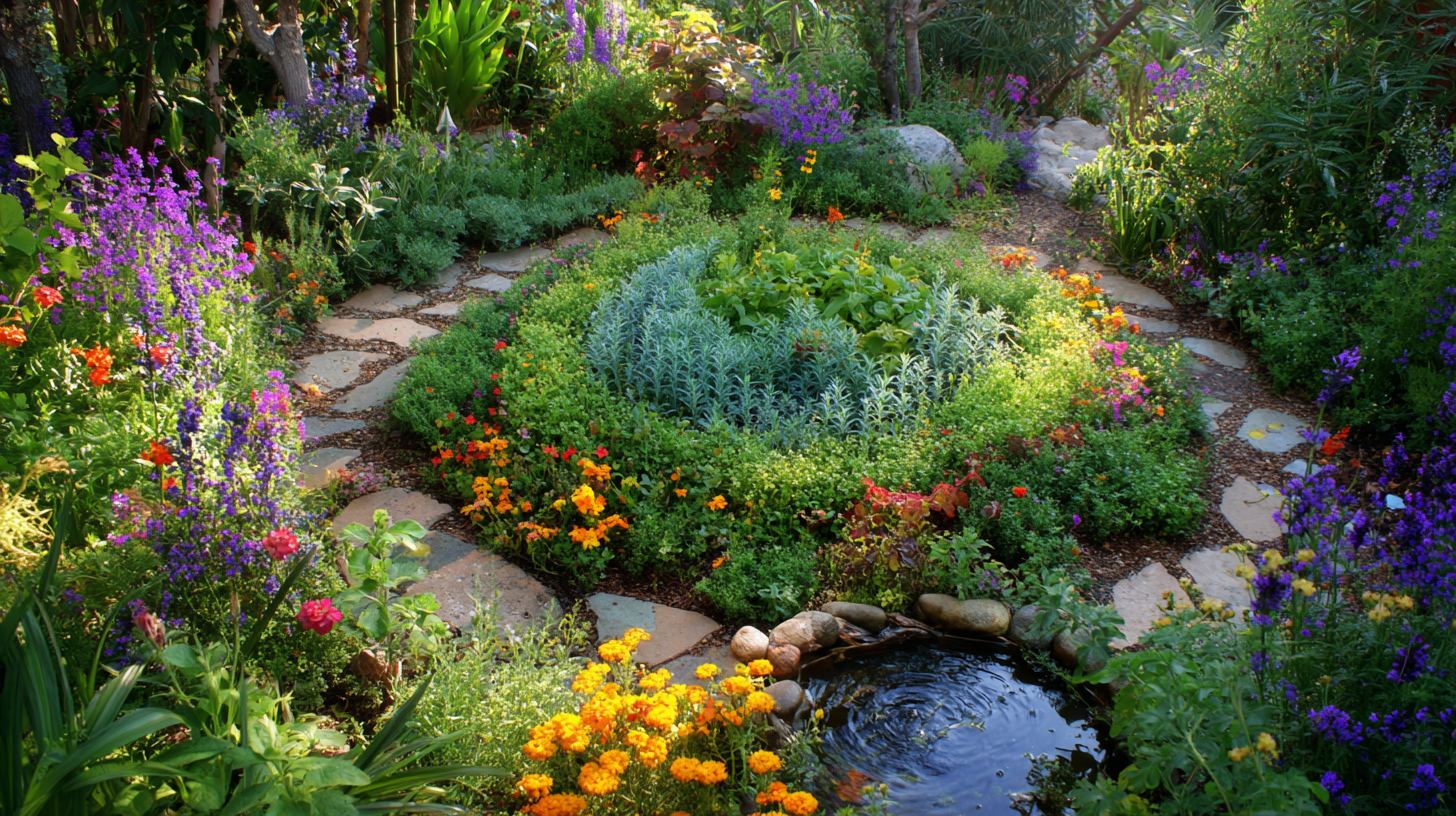
Choosing the right location for your herb spiral is a critical step in its success. This involves not just selecting a spot that is aesthetically pleasing, but also one that meets the environmental needs of your herbs. Consider factors such as sunlight, wind protection, and proximity to a water source.
Sunlight is paramount for growing healthy herbs. Most herbs thrive in a sunny environment, requiring at least six to eight hours of direct sunlight each day. Observe the sunlight patterns in your garden throughout the day to identify the ideal spot. For instance, a south-facing area is often optimal as it receives consistent sunlight, helping your herb spiral flourish.
Wind can affect the growth of your herbs, especially delicate varieties. If your garden is particularly exposed to high winds, look for a location that provides natural windbreaks, such as walls, fences, or larger plants. This protection will help maintain the moisture levels and prevent damage to fragile plants, promoting a healthier herb spiral.
Access to water is another critical consideration. Placing your herb spiral near a water source will simplify irrigation. However, it’s also important to ensure that the site has good drainage to prevent waterlogging, which can harm the roots of your herbs. If your location tends to retain water, consider implementing drainage solutions or enhancing soil composition with organic materials to improve its structure.
| Location Criteria | Ideal Conditions | Considerations |
|---|---|---|
| Sunlight | 6-8 hours of direct sunlight | Avoid shaded areas from trees or buildings |
| Wind Protection | Natural windbreaks present | Choose areas shielded from prevailing winds |
| Water Access | Close to a water source | Ensure excellent drainage and avoid waterlogging |
| Accessibility | Easy to reach for planting and maintenance | Consider pathways to avoid trampling |
In addition to the environmental factors, accessibility is crucial. Your herb spiral should be placed in a location that allows you easy access for planting, maintenance, and harvesting. Consider foot traffic; creating paths around the spiral not only helps in reaching your herbs comfortably but also minimizes disruption to the plants as they grow.
Moreover, think about the visual aspect of your herb spiral. Incorporating it into your garden design can enhance its aesthetic appeal and harmonize with surrounding plants. If possible, position it where it can be admired from the main areas of your garden, turning it into a feature that contributes to both your self-sufficiency and the overall beauty of your gardening environment.
Gathering materials
Gathering materials for your herb spiral is an exciting part of the process that can bring your vision to life while promoting self-sufficiency in your gardening method. The materials you choose will significantly influence the durability and functionality of your spiral, so let’s delve into what you’ll need to create a successful structure.
First and foremost, you will need a solid foundation. Typically, stone, bricks, or untreated wood work great as building materials. Stone and bricks will not only withstand the elements but also offer a natural appearance. If you opt for wood, ensure that it is untreated to avoid chemicals leaching into the soil, which could harm your herbs. Some gardeners also experiment with recycled materials, like old tires or wooden pallets, which can be an eco-friendly alternative.
After deciding on your primary structure, gather the soil components necessary for your herb spiral. A well-draining mix is crucial for healthy herb growth, so combine high-quality topsoil with organic compost and some coarse material like sand or perlite. This combination will provide essential nutrients while allowing excess water to drain away effectively. Aim for a mixture in a ratio of about 50% topsoil, 30% compost, and 20% coarse material to foster a thriving environment.
The next step involves collecting mulch, which will help retain moisture and suppress weeds. Organic options such as straw, wood chips, or dried leaves can be excellent choices. As a bonus, they contribute to the health of your soil as they break down over time. Just ensure that the mulch you select is free from pathogens and weed seeds to avoid introducing problems to your herb spiral.
Don’t forget the additional elements that can enhance both functionality and aesthetics. Here are some materials you might consider including:
- Plant markers: Use bamboo stakes or stones to label your herbs, making identification and maintenance easier.
- Watering system: Consider a soaker hose or drip irrigation setup to facilitate efficient watering, particularly during dry spells.
- Compost bin: A compact compost bin by the herb spiral can provide you with easy access to nutrient-rich compost to feed your plants.
Finally, tools are essential in your material gathering. Ensure you have a shovel, rake, and trowel for constructing the spiral and doing the necessary planting. A level can also be helpful to keep the structure even as you build up the layers. Gloves are advisable to protect your hands, especially when dealing with stone or rough materials.
By carefully selecting these materials, you’re setting the stage for a productive and beautiful herb spiral that can serve as a centerpiece in your garden. Remember, the effort you put into gathering the right materials will pay off in the thriving herbs you cultivate, enhancing your journey toward self-sufficiency.
Building the spiral structure
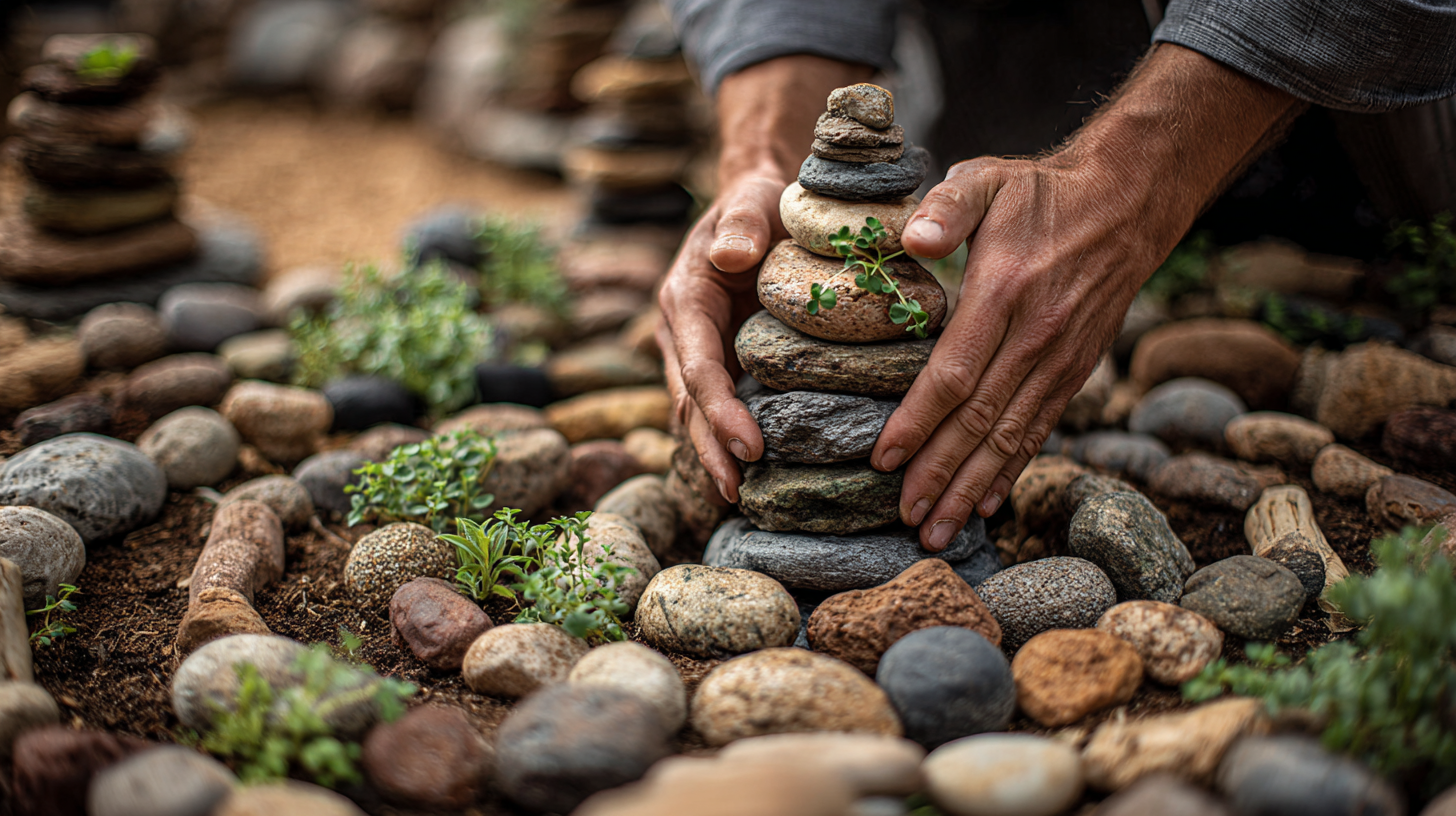
Building the herb spiral is an exhilarating part of the creation process, where your planning transforms into a tangible structure. Begin by marking the outline of your spiral on the ground following your sketched layout. This can be done simply with stakes and string or even with a garden hose, allowing you to visualize the shape you’ll be working with before starting the actual construction.
Once you have your outline, it’s time to gather your primary materials. If you chose stone or brick, start by placing them along the marked outline. Lay the first layer to form the base of the spiral. To add the dynamic height that is characteristic of herb spirals, you’ll begin constructing walls that follow the curvature of your design. It helps to create a level foundation, as uneven stones can lead to instability, so adjust as needed while stacking. For untreated wood, construct a circular frame or series of walls that prevention soil slippage without compromising the aesthetics.
As you build the spiral upward, ensure that each layer is slightly wider than the one below it. This tapering effect not only enhances the aesthetic appeal but also creates an effective environment for plant growth, as it allows for better sunlight exposure at all levels. Keep in mind that the upper portion of the spiral, where more sun and heat is available, will be ideal for drought-resistant herbs, while the lower areas should allow for moisture-loving varieties.
Once your walls are securely in place, it’s time to fill your spiral with the soil mixture you prepared earlier. Start by adding your well-draining soil mix into the center of the spiral, gradually working outward to ensure even coverage. It’s important to pack the soil gently to avoid air pockets while maintaining adequate drainage for your herbs. After filling the spiral, slightly mound the soil at the top; this will help prevent water accumulation and provide a proper incline for optimal drainage.
As you approach completion, consider adding decorative elements such as small rocks, seashells, or even sculptures that can accentuate the spiral. This not only serves a functional purpose by providing additional structure but also enhances the visual appeal of your herb spiral. Remember, this is not just about practicality, but about creating a space in your garden that reflects your personal touch.
“Gardening is a way of showing that you believe in tomorrow.” — Audrey Hepburn
Step back and appreciate the spiral you’ve built. It’s not just a gardening method; it represents your commitment to self-sufficiency and sustainable practices. Take a moment to envision the flourishing herbs that will soon occupy this unique structure, looking forward to many harvests ahead. With the spiral in place, you’re now poised to select the herbs that will thrive in your newly constructed environment, completing the journey of your herb spiral creation.
Selecting herbs for your spiral
Selecting the right herbs for your herb spiral is a crucial step that can greatly enhance both its aesthetics and productivity. Consider including a mixture of annuals, perennials, and biennials to ensure a varied harvest throughout the seasons. This diversity not only benefits your culinary needs but also helps create a vibrant garden ecosystem, attracting beneficial pollinators and deterring pests.
Begin by identifying the herbs you frequently use in your cooking. Culinary staples such as basil, oregano, parsley, and chives are great choices. These herbs thrive in warm conditions and will appreciate the sun-soaked top of your spiral. Additionally, you may want to incorporate perennial herbs like sage, thyme, and rosemary that will provide you with ongoing harvests year after year. Place them strategically at the higher elevations of the spiral where they can capture more sunlight.
Next, consider adding some medicinal herbs to your spiral. Plants such as calendula, mint, and lemon balm are not only useful in the kitchen but also offer health benefits, making them valuable additions to your garden. Mint, however, should be planted at the bottom of the spiral due to its aggressive growth habit and preference for more moisture while still allowing you easy access for periodic harvesting.
Layering different herbs based on their moisture and sunlight preferences is vital. For instance, at the very top of the spiral, place arid-loving herbs like lavender and marjoram, whereas the lower levels can host herbs that appreciate more hydration. This vertical gardening method allows you to optimize space and resources while minimizing competition for water and nutrients among your plants.
When selecting your herbs, consider how they’ll interact with one another. Certain herbs have natural pest-repelling qualities and thereby contribute to a healthier growing environment. For instance, planting basil near tomatoes can improve tomato flavor and deter pests. Additionally, herbs like nasturtium can attract aphids away from more vulnerable plants in your spiral. Such companion planting not only promotes growth but also aligns with the principles of self-sufficiency, allowing you to cultivate a balanced ecosystem.
Finally, don’t forget about seasonal variation in your selections. Incorporating a mixture of fast-growing herbs that can be harvested in a few weeks with those that take longer to mature will help ensure a continuous harvest. By thoughtfully choosing a range of herbs suited to your herb spiral, you will create a vibrant, productive, and diverse garden that enhances your overall homesteading aspirations.
- What is a herb spiral?
- A herb spiral is a vertical garden design that maximizes space and different climatic conditions to create an ideal growing environment for various herbs. It combines aesthetics with function, making it a popular choice for both small and large gardens.
- How do I choose herbs for my spiral?
- Consider the herbs you frequently use in cooking and look for a mix of annuals, perennials, and biennials. Factor in each herb’s sunlight and moisture requirements to optimize their placement in the spiral.
- Can I grow vegetables in a herb spiral?
- While a herb spiral is primarily designed for herbs, you can incorporate some smaller vegetables that have similar needs. Just make sure they won’t overshadow the herbs and are compatible with the growing conditions of the spiral.
- How often should I water my herb spiral?
- The watering needs will depend on the herbs you select and the climate in which you live. Generally, you should check the moisture level regularly and water when the soil is dry to touch, especially during hot and dry periods.
- What should I do if my herbs start to wilt?
- Wilting can indicate either insufficient watering or overwatering. Assess the soil moisture, adjust your watering schedule, and consider drainage issues if the problem persists.
- How can I maintain healthy soil in my herb spiral?
- Regularly add organic matter such as compost to nourish the soil and support beneficial microorganisms. Mulching will help retain moisture and suppress weeds, promoting a balanced soil ecosystem.
- Can I use chemical fertilizers in my herb spiral?
- It’s best to avoid chemical fertilizers, as they can harm beneficial soil organisms and compromise the health of your plants. Instead, rely on organic amendments and compost to enrich your soil sustainably.
Maintaining your herb spiral
Maintaining your herb spiral is an ongoing process that ensures your garden remains vibrant and productive throughout the growing seasons. Proper care not only promotes healthy herb growth but also enhances your self-sufficiency in harvesting fresh ingredients for your meals and remedies.
Regular watering is fundamental to maintaining the health of your herb spiral. Given the varying moisture needs of the plants, be mindful of checking soil moisture levels frequently. A simple finger test—putting your finger about an inch into the soil—can help you gauge the moisture content. If it feels dry, it’s time to water. Generally, plants at the top of the spiral, such as oregano and thyme, will require less frequent watering, while the lower sections, housing moisture-loving varieties like mint and parsley, will need more consistent hydration. A drip irrigation system can also be an efficient way to provide consistent moisture without the risk of overwatering.
Furthermore, consider applying mulch around your herbs. Organic mulches, such as straw or wood chips, can retain moisture, suppress weeds, and gradually enrich the soil as they decompose. A layer of about two to three inches thick will suffice, but make sure to keep it a few inches away from the stems to prevent rot.
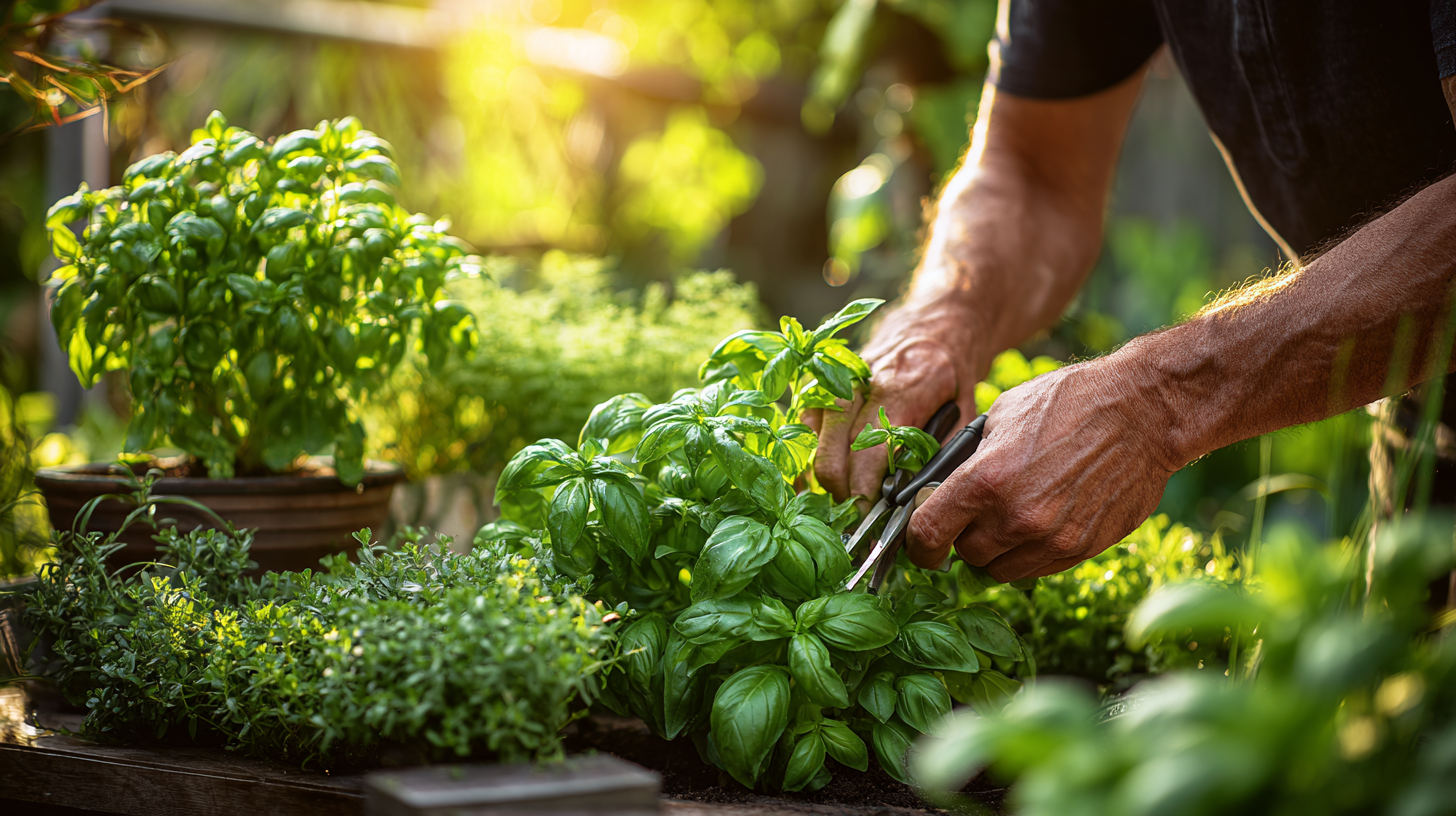
Another crucial aspect of maintenance is regular harvesting. This practice not only provides you with fresh herbs for cooking but also encourages the plants to produce more foliage. Aim to harvest the leaves when they are vibrant and healthy, and be sure to use clean, sharp shears or scissors for precise cuts. Creating small cuttings rather than stripping the plant of all foliage promotes vigorous regrowth. For instance, regularly trimming basil will lead to bushier plants, maximizing your yield over the growing season.
Periodically, revisit the layout of your herb spiral. As seasons change, you may find that some herbs thrive better in different conditions. For example, if you notice that a particular herb is struggling at its current height, consider replanting it in a spot where it may receive more light or moisture. This adaptability is key in maximizing the effectiveness of your gardening method while ensuring that your spiral remains productive.
Monitoring for pests and diseases is also essential. Regular inspections will help you catch any potential issues before they escalate. Look for signs of aphids, spider mites, or fungal infections. If pests are spotted, consider using natural solutions such as insecticidal soap or neem oil that won’t interfere with the organic nature of your herb spiral. Interplanting with pest-repelling herbs like marigold can also bolster your defenses against unwanted visitors.
Finally, periodically refresh your soil by adding compost or well-aged manure to replenish nutrients. This amendment not only boosts soil fertility but also supports a thriving ecosystem of beneficial microorganisms that contribute to plant health. It’s advisable to do this at the beginning of each growing season to ensure that your plants have the best possible start.
By committing to these maintenance practices, your herb spiral will remain a flourishing hub of productivity, supporting your cooking and wellness needs while furthering your journey toward self-sufficiency. The beauty of this gardening method lies in its potential for continual growth, allowing you to enjoy the fruits of your labor season after season.