
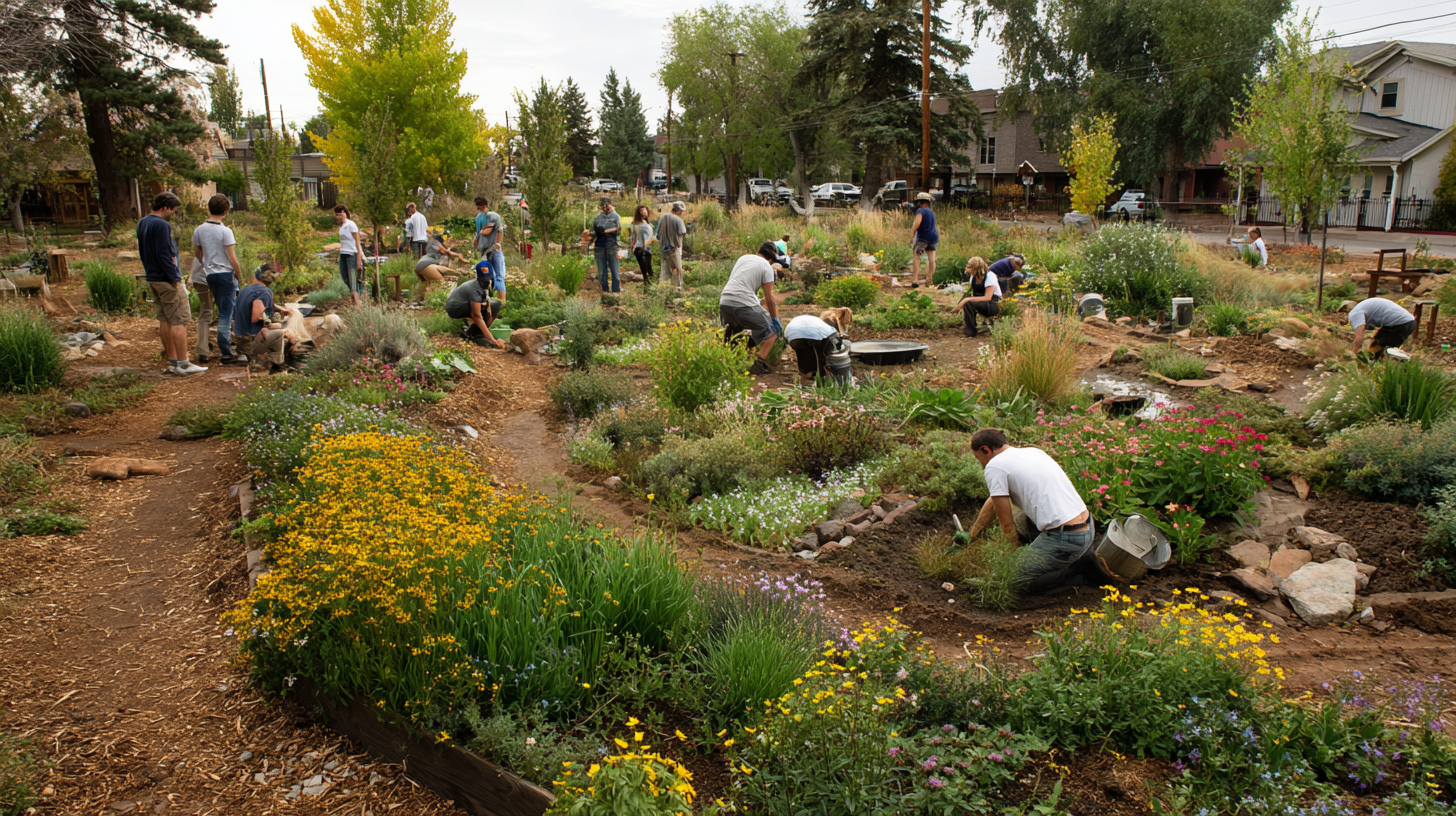
When embarking on a homesteading journey, understanding the foundational principles of sustainability is crucial for creating a thriving and resilient living environment. These principles guide you to make decisions that not only benefit your household but also contribute positively to the planet. Here are some essential practices to consider:
- Resourcefulness: Embrace the idea of using what you already have. This can mean repurposing old materials for new projects, such as turning an old pallet into garden beds. It encourages creativity and reduces waste, aligning perfectly with the spirit of self-sufficiency.
- Permaculture: Dive into the world of permaculture design, which uses natural ecosystems as a model for your garden. Planting a variety of crops that support each other—like tomatoes with basil—can lead to higher yields, reduced pests, and ultimately, greater ecological balance.
- Mindful Consumption: Pay attention to your purchases. Focus on buying eco-friendly products made with sustainable materials. This not only supports responsible companies but also reduces your ecological footprint.
- Community Engagement: Surround yourself with like-minded people. Engage in local farmers’ markets or join community-supported agriculture (CSA) programs. Not only does this strengthen community ties, but it also promotes local, sustainable agriculture practices.
- Education: Never stop learning. Whether it’s through books, online courses, or workshops, seek knowledge about sustainable practices that can be applied to your homestead. Understanding seasonal cycles, soil health, and the importance of biodiversity can dramatically improve your outcomes.
- Water Conservation: Implement strategies to conserve water. Consider rainwater harvesting systems or greywater recycling for your garden. Reducing water waste is a critical aspect of ensuring the sustainability of your homestead.
These principles create a framework for living sustainably and can lead to significant improvements in your homesteading practices. By integrating these ideas into your daily routine, you will not only foster a productive living space but also contribute positively to the environment around you.
Environmental impact
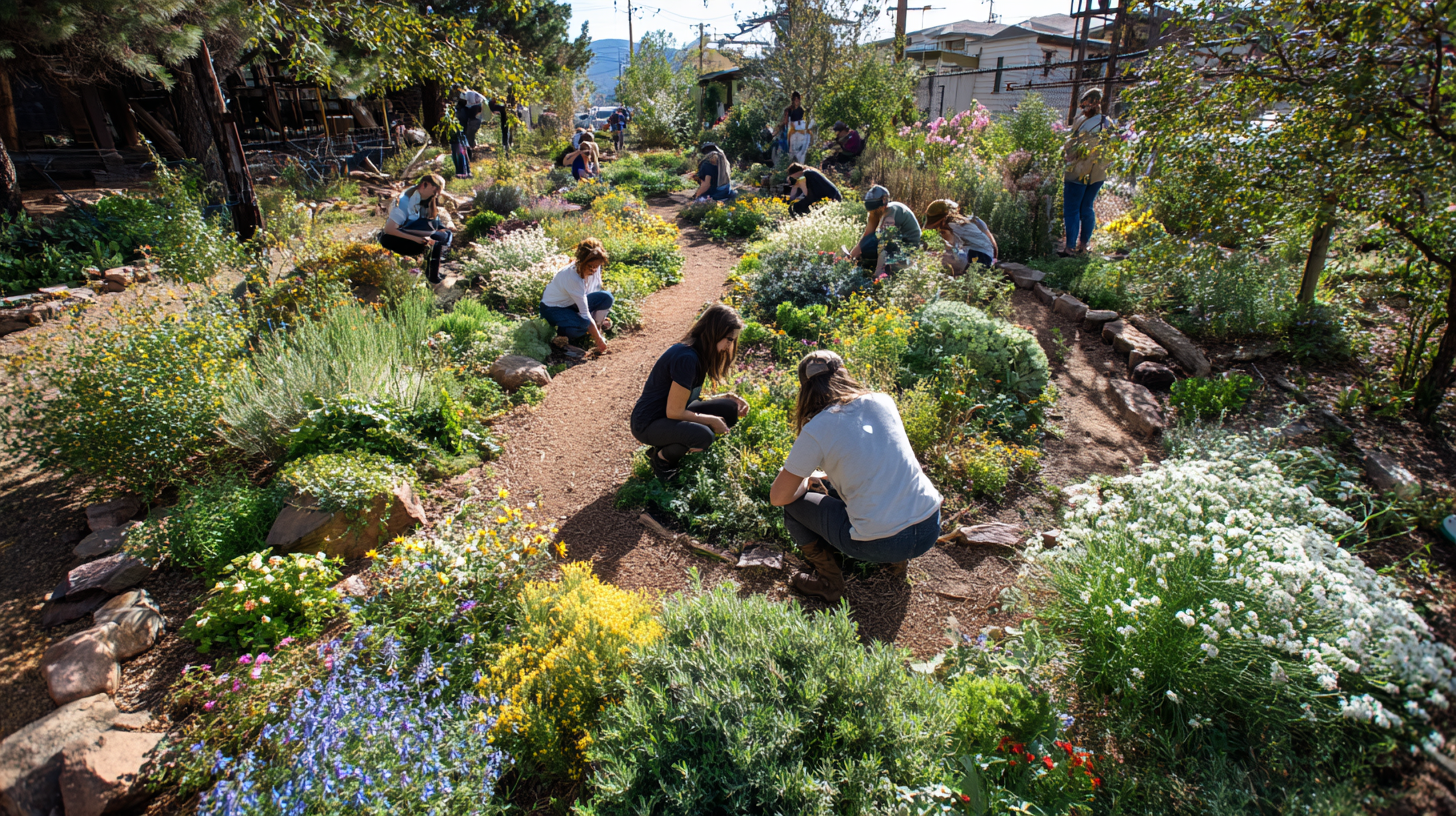
The environmental impact of our actions is a fundamental aspect of sustainability that cannot be overlooked. Each choice we make—whether it is in our individual lifestyles or within broader societal frameworks—contributes to the overall health of our planet. Understanding this impact is essential for fostering a sustainable future, as it highlights the interconnectedness of human activities and natural ecosystems.
To evaluate the environmental impact, we can analyze several key components, including carbon footprints, resource consumption, waste generation, and biodiversity loss. Each of these factors plays a significant role in determining the sustainability of our practices and the health of our environment.
| Environmental Factor | Impact | Solutions for Improvement |
|---|---|---|
| Carbon Footprint | Contribution to greenhouse gas emissions from energy use, transportation, and industrial processes. | Transition to renewable energy sources, enhance energy efficiency, and encourage the use of public transport or cycling. |
| Resource Consumption | Depletion of natural resources due to overconsumption in agriculture, manufacturing, and daily living. | Adopt sustainable sourcing practices, prioritize recycled materials, and promote conservation efforts. |
| Waste Generation | Excess waste contributing to landfill overflow, soil and water pollution, and harm to wildlife. | Implement zero-waste practices, improve recycling programs, and support composting initiatives. |
| Biodiversity Loss | Destruction of natural habitats leading to the extinction of species and loss of ecosystem services. | Promote habitat restoration projects, protect endangered species, and foster agricultural biodiversity through polyculture. |
By understanding and addressing these environmental factors, individuals and communities can take actionable steps toward reducing their impact. For example, by shifting towards eco-friendly products and limiting the use of plastics, one can significantly lower their carbon footprint. Furthermore, embracing practices that promote biodiversity—such as incorporating native plants into landscaping—can enhance ecosystem resilience.
Self-sufficiency also plays a vital role in mitigating environmental impact. By growing your own food and sourcing materials locally, you minimize transportation emissions and support sustainable practices in your community. Not only does this foster a deeper connection to your environment, but it also contributes to overall resource conservation.
Education and awareness are critical in driving change. Engaging in community sustainability initiatives, participating in workshops, and spreading knowledge about the importance of reducing environmental impact can galvanize collective action. Communities that work together can set ambitious sustainability goals, thus amplifying their positive effects on the environment.
Examining the environmental impact of our actions allows for a more comprehensive understanding of sustainability. Through informed choices and dedicated community efforts, it is possible to create a thriving, eco-friendly environment that respects and nurtures natural resources while promoting social equity and economic viability.
Social equity
In the journey of homesteading, social equity plays a pivotal role in ensuring that everyone has the opportunity to thrive. This principle goes beyond the individual aspiring to self-sufficiency; it encompasses the entire community and its access to resources like land, education, and sustainable practices. Promoting social equity fosters a more inclusive environment where diverse voices contribute to building a resilient homesteading culture.
One way to enhance social equity in your homesteading venture is to engage with local programs that encourage cooperative initiatives. Consider the following suggestions to promote inclusivity and support within your community:
- Community Gardens: Participate in or establish community gardens that invite people of all backgrounds to share knowledge, seeds, and labor. This collaborative endeavor not only grows food but also builds relationships and strengthens community ties.
- Workshops and Skill-Sharing: Organize workshops that teach practical skills, such as canning, composting, or gardening. Ensure these are accessible to everyone, perhaps by offering sliding-scale fees or free workshops to those in need. Sharing knowledge empowers individuals and promotes self-sufficiency.
- Local Food Cooperatives: Support or create food cooperatives that allow members to collectively buy local produce at lower prices. This encourages local farmers and promotes sustainable farming practices while ensuring that nutritious food is accessible to all.
- Advocacy and Representation: Stand up for policies that improve access to land, financial resources, and education for marginalized groups. Advocate for zoning laws that allow for urban agriculture and community farming initiatives.
- Exchange Programs: Establish systems where community members can exchange goods and services, such as a “tool library” where families can borrow gardening tools instead of purchasing them. This promotes resource sharing and reduces personal expenditures.
As you explore ways to cultivate equity, it’s important to educate yourself on the diverse backgrounds and experiences of those in your community. Listening to their stories helps build trust and encourages collaboration. For example, host a potluck where everyone brings a dish representing their culture, encouraging dialogue about food traditions, local farming methods, and sustainable practices.
Your homesteading practices can also embrace the importance of equitable partnerships with local organizations. Collaborating with schools, community centers, or non-profits can amplify your efforts in promoting social equity. Partner to create educational programs that target youth or marginalized populations, teaching them about gardening, nutrition, and ecological responsibility.
Moreover, don’t overlook the possibilities of technology in promoting equity. Utilize social media platforms to disseminate information about local resources, upcoming workshops, or community events. Creating an online forum can facilitate discussion and support among homesteaders and aspiring gardeners, further breaking down the barriers to access.
As you innovate in your homesteading practices, remember that fostering social equity not only benefits your immediate network but contributes to a broader movement of inclusivity within sustainable living. Understanding that sustainability incorporates the well-being of all community members allows you to build a resilient and diverse homesteading culture, enhancing both personal and collective self-sufficiency.
Economic viability

Economic viability is a cornerstone for sustaining any endeavor, including those centered around homesteading and sustainable living. For a homestead to thrive in the long term, it must not only be guided by principles of sustainability but also by sensible economic strategies that ensure its financial health while adhering to ecological and social values. This balance is crucial for maintaining a viable lifestyle that achieves both personal and communal goals.
At its core, economic viability emphasizes the importance of creating and maintaining a profitable operation without compromising the environment or social equity. This involves careful planning and execution of various elements such as budgeting, resource allocation, and revenue generation. Every homesteader must assess their resources, including land, time, skills, and capital, to develop a realistic economic plan that supports sustainable practices while also fulfilling the immediate needs of their household.
One effective approach is to diversify income streams. Rather than relying on a single source of income, homesteaders can explore multiple avenues, such as selling produce, crafting artisanal goods, or offering workshops on sustainable practices. For instance, a surplus of vegetables can be sold at local farmers’ markets, while homemade crafts might find a market online. This not only reduces financial risk but expands the homesteader’s engagement with the community, promoting an eco-friendly exchange of resources and knowledge.
“Local economies thrive when we embrace the wealth of skills and sustainability inherent in our communities.” – Unknown
Moreover, incorporating value-added products can further enhance economic viability. Processing excess fruits into jams, pickles, or dried goods offers additional profit potential and reduces waste. By maximizing the value derived from available resources, homesteaders can significantly increase their revenue while adhering to principles of sustainability and self-sufficiency.
It is also essential to consider the long-term investments required for sustainable practices. While initial startup costs for solar energy systems, rainwater harvesting, or even soil amendments might seem steep, these investments pay off over time through reduced utility bills, improved crop yields, and enhanced resilience to environmental changes. By evaluating the return on investment for eco-friendly technologies and techniques, homesteaders can make informed decisions that bolster not just their physical homesteads, but also their economic stability.
Building relationships and networks within the community plays an influential role in achieving economic viability. Collaborating with local businesses, participating in cooperative buying groups, or joining community-supported agriculture (CSA) initiatives creates a support system where resources, skills, and knowledge are shared. This community-based approach reduces costs and enhances resilience, as members can rely on each other in times of need.
Furthermore, embracing educational opportunities not only fosters personal growth but also creates pathways to economic viability. Workshops and courses can equip homesteaders with skills that improve their operations, from organic gardening techniques to sustainable financial management practices. Engaging in lifelong learning reinforces the self-sufficiency ethos and enables individuals to adapt and thrive within changing economic landscapes.
Understanding and applying sustainable business practices ensures that economic strategies align with environmental stewardship. Utilizing eco-friendly materials, minimizing waste, and practicing responsible sourcing not only create a positive impact but also appeal to a growing consumer base that prioritizes sustainability. This alignment broadens market opportunities and enhances the overall viability of homesteading ventures.
Sustainable practices
Sustainable practices are crucial for transforming homesteading into a responsible way of life that honors both environmental and social values. Each homesteader must look at their day-to-day operations through the lens of sustainability, identifying methods that enhance resource efficiency while fostering ecological balance. Consider the implementation of regenerative agricultural techniques, such as crop rotation and cover cropping, which enrich the soil and preserve its integrity, allowing it to produce healthy yields for generations to come.
Another powerful sustainable practice involves integrating livestock into your homesteading model. When managed correctly, animals can play a fundamental role in nutrient cycling, providing manure that fertilizes the soil, while also controlling pests through natural foraging patterns. For instance, chickens can be rotated through garden beds, breaking down debris and adding rich nutrients to the soil, all while your family enjoys fresh eggs. These symbiotic relationships within your homestead create a closed-loop system, aligning perfectly with principles of sustainability.
Moreover, harnessing renewable energy, such as solar or wind, not only reduces dependence on non-renewable resources but also lowers long-term operating costs, enhancing economic viability. Investing in eco-friendly technologies like solar panels can dramatically decrease utility expenses, fostering a more self-sufficient lifestyle. Implementing energy-efficient designs in your homestead, such as passive solar heating and natural cooling methods, can contribute to long-term sustainability goals while minimizing your carbon footprint.
Water management is equally vital. Strategies like rainwater harvesting and drip irrigation conserve precious resources while ensuring that your gardens thrive. By prioritizing water efficiency, you promote sustainability within your agricultural practices, allowing your homestead to withstand potential droughts or adverse climatic conditions. Collecting runoff from roofs and directing it to storage tanks or barrels not only provides water for irrigation but also reduces stormwater runoff, protecting local ecosystems.
As you continue to explore sustainable practices, embrace technology as an ally. Tools such as mobile apps for garden planning or soil health tracking can enhance your understanding of how different variables affect your ecosystem. Staying informed through sustainable agriculture forums or online courses broadens your knowledge base and keeps you connected with the latest developments in the field, allowing for an ongoing evolution of your practices.
Finally, one of the most rewarding aspects of sustainable homesteading is the strong sense of community it fosters. By sharing resources, tools, and knowledge with fellow homesteaders, you create a supportive environment that enriches everyone involved. Participating in local workshops or skill-swaps can inspire new ideas, encourage collaboration, and strengthen bonds, leading to a more resilient and diversified self-sufficient lifestyle.
- What are some examples of sustainable practices for homesteaders?
- Homesteaders can adopt practices such as crop rotation, permaculture design, and composting. Integrating livestock for natural pest control and using renewable energy sources are also effective ways to promote sustainability.
- How can I live sustainably on a budget?
- Start by focusing on resourcefulness, such as repurposing materials and starting a home garden. Educate yourself on DIY projects and consider barter systems with neighbors to exchange goods or services, cutting costs while enhancing sustainability.
- What role does water conservation play in sustainable homesteading?
- Water conservation is vital for maintaining healthy gardens and livestock. Implementing rainwater harvesting systems and efficient irrigation methods minimizes waste and supports sustainable practices, especially in areas prone to drought.
- How can community engagement enhance sustainable living?
- Community engagement fosters shared knowledge and resources, making sustainability efforts more feasible. Joining local farmers’ markets or cooperatives can create powerful support systems that encourage sustainable practices.
- Can sustainable practices improve economic viability?
- Yes, adopting sustainable practices can lead to cost savings over time, such as reduced utility bills from renewable energy. Diversifying income through eco-friendly products or services can also enhance your economic stability.
- What are value-added products, and how do they support sustainability?
- Value-added products are items created from raw materials that enhance their market value, such as turning fruits into jams or vegetables into pickles. This practice reduces waste and increases profits while promoting local sustainability.
- Why is lifelong learning important for sustainable homesteading?
- Lifelong learning keeps homesteaders informed about best practices and new developments in sustainability. Engaging in workshops, online courses, or community discussions allows for continuous improvement and adaptation to changing conditions.
Future challenges and opportunities

As we look toward the future of homesteading, several challenges and opportunities arise that can shape this way of life in the years to come. The growing global emphasis on sustainability and self-sufficiency presents a unique chance for homesteaders to innovate and adapt, thereby enhancing their contributions to both local communities and the broader environment.
One significant challenge faced by homesteaders is the phenomenon of climate change, which can drastically affect weather patterns, crop yields, and livestock health. Extreme weather events, like floods and droughts, are becoming more common and can jeopardize the sustainability of food production. To counteract this, it is essential to adopt adaptive agricultural practices. Techniques such as selecting resilient crop varieties, implementing soil conservation methods, and adopting water-efficient irrigation systems can help ensure that your homestead remains productive despite environmental changes.
Moreover, urbanization poses a challenge for aspiring homesteaders, particularly those living in metropolitan areas. As cities expand, access to land declines, making it vital to utilize available space efficiently. Embracing urban farming practices, such as vertical gardening, container gardening, and rooftop farms, not only makes use of underutilized areas but can also foster a sense of community through food production.
Integration of technology in homesteading can serve as both an opportunity and a solution to emerging challenges. For instance, utilizing online platforms for exchanging resources and knowledge can enhance community connections. Homesteaders can join or create local social media groups to share tips, offer goods, or seek help—integrating resources within a tech-savvy framework. Additionally, employing technologies like soil sensors can provide real-time data on soil health, prompting timely interventions that support sustainability.
Networking with local agricultural organizations can also present opportunities for growth. Collaborating with fellow homesteaders or local farmers through joint ventures, workshops, and cooperative buying groups can enable shared expertise and resources. Such partnerships optimize resource use and build resilient networks capable of facing economic fluctuations while promoting eco-friendly practices.
As we envision a future with abundant opportunities, it is essential for homesteaders to stay informed about innovations in sustainable practices. Explore trends in regenerative agriculture, which focuses on improving soil health and biodiversity through holistic practices. Engage in forums, webinars, or workshops that address the latest advancements in eco-friendly technologies that enhance agricultural productivity without compromising ecological integrity.
Furthermore, the rise of consumers prioritizing environmentally conscious products offers homesteaders the chance to diversify their income streams. By producing organic or specialty items, you can tap into growing markets that favor eco-friendly goods. Value-added products, such as homemade preserves, herbal remedies, or artisan crafts, can significantly boost your financial viability while supporting local economies.
Lastly, as the world increasingly recognizes the importance of food sovereignty, opportunities to advocate for policies that support sustainable agriculture arise. By participating in local governance discussions, you can contribute ideas that promote equitable access to land and resources. This advocacy not only empowers your homesteading efforts but also helps build a stronger, more sustainable community overall.
The journey of homesteading is one filled with both challenges and opportunities. By remaining adaptable, resourceful, and engaged with your community and the environment, you can navigate the complexities of a changing world while fostering a sustainable lifestyle for yourself and future generations.