Strategies for winter chicken care
Part of the Chickens guide
Understanding winter chicken needs
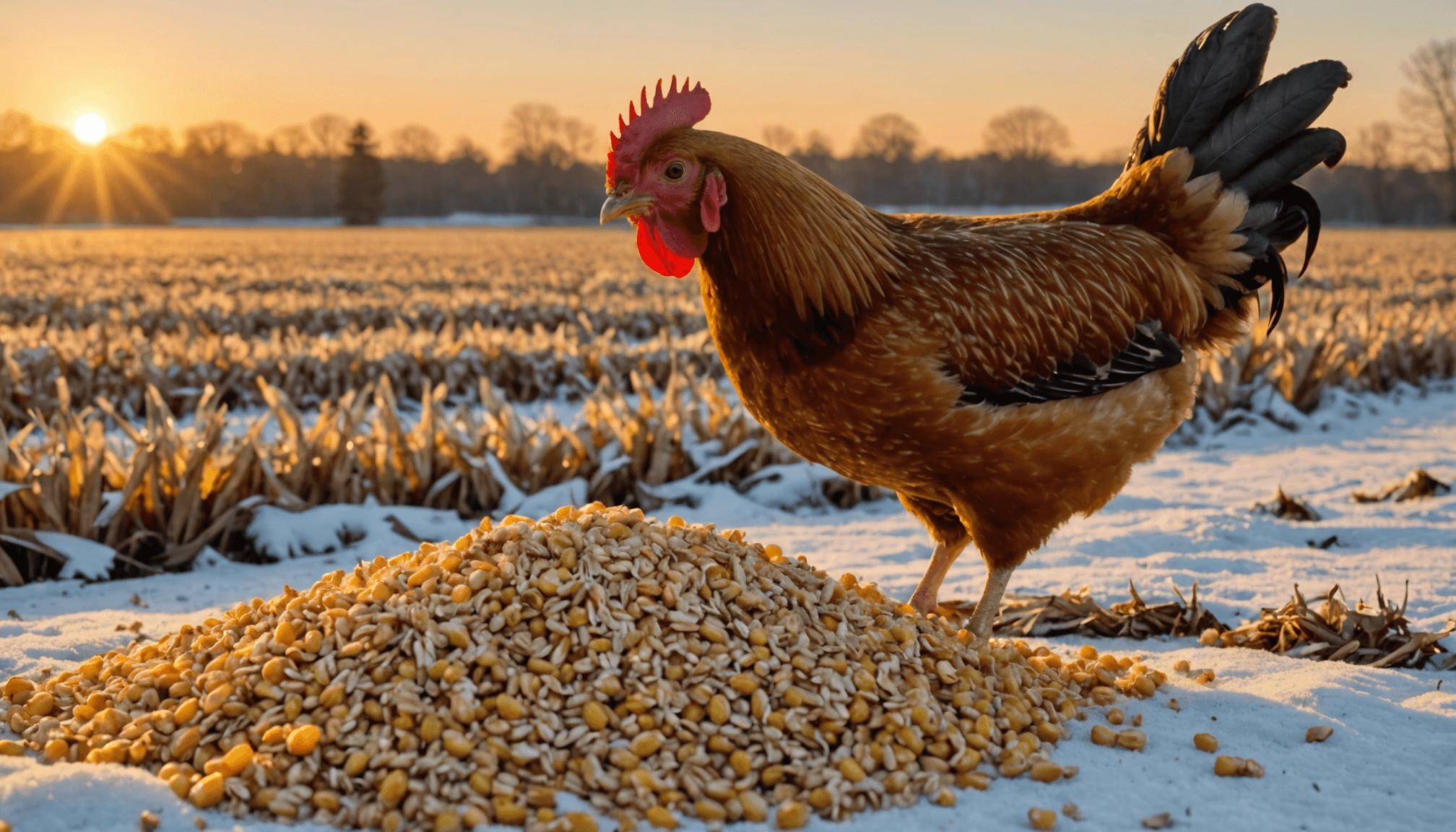
As the temperatures drop and winter sets in, understanding the unique needs of your chickens becomes essential for successful winter care. Chickens are remarkably resilient creatures, but they do have specific requirements to ensure their health and well-being during the colder months.
First and foremost, it’s important to recognize that chickens are not particularly fond of extreme cold. While some breeds are hardier and can withstand frigid temperatures, most will benefit from a little extra TLC. Keeping your chickens warm should be a priority, but it’s crucial to do this without compromising ventilation in their coop. Poor airflow can lead to humidity build-up, which may cause frostbite and respiratory issues.
- Coop Insulation: Insulate the walls of the coop with straw, hay, or foam board to help keep the cold at bay.
- Ventilation: Ensure there are vents close to the roof to allow humid air to escape, while still maintaining a warm environment near the ground for your flock.
- Bedding: Use thick bedding to provide warmth and comfort. Straw works wonders as it provides excellent insulation and is easy to change.
- Heat Sources: While many homesteaders avoid using heat lamps to prevent fire hazards, a safe heat source can be used if temperatures plunge abnormally low. Consider using a radiant heat panel that’s safer than traditional heat lamps.
In addition to physical shelter, it’s vital to monitor your flocks’ behavior. Chickens are social creatures and can experience stress if they feel isolated during winter months. Maintain flock dynamics by ensuring they have enough space, even in their cozy shelter, as crowded conditions can lead to pecking and distress.
Lastly, consider the breed of chicken you have. Different breeds tolerate cold differently; for example, heritage breeds like Rhode Island Reds and Plymouth Rocks are known for their hardiness, while more tropical breeds may struggle. As urban dwellers or homesteading enthusiasts, it’s worth investing in breeds that will thrive in your specific climate.
A little planning goes a long way in ensuring that your chickens adapt well to the winter season, enabling them to remain healthy, productive, and content throughout the cold months.
Preparing the coop for cold weather
Preparing your chicken coop for the harsh realities of winter is a multifaceted endeavor that requires attention to detail and a proactive approach. Start by thoroughly assessing the structural integrity of the coop. Check for any gaps, cracks, or weak spots where cold air could infiltrate. Sealing these openings with weatherproof materials can significantly reduce drafts. In addition to sealing, consider reinforcing doors and windows to ensure they are snugly fitted, preventing cold winds from disturbing your flock.
Insulation is one of the cornerstones of effective winter care. In regions where temperatures drop significantly, using rigid foam board or straw bales around the coop can enhance thermal resistance. This method not only preserves heat but also reduces the need for additional heat sources, minimizing the risk of fire hazards associated with electric heating elements. Insulating the roof of the coop is equally important, especially in areas prone to snow accumulation, as it helps prevent the weight of snow from compromising the structure.
While keeping the coop warm is vital, it should not come at the cost of proper ventilation. A well-ventilated coop will help maintain a dry environment, which is crucial for preventing frostbite and keeping the chickens healthy. Installing vents near the peak of the coop allows warm, moist air to exit while cold air is kept out. A good practice is to ensure that ventilation can be adjusted according to weather conditions—having the option to partially close vents during especially windy or snowy periods can aid in controlling the coop’s climate.
Additionally, bedding plays a crucial role in winter comfort. A thick layer of straw or wood shavings not only provides a soft resting place but also acts as insulation against the cold ground. This bedding can absorb moisture and droppings, which further enhances the coop’s warmth. Regularly replacing or fluffing the bedding helps maintain its insulating properties. The decomposition of organic matter in the bedding will generate some heat, creating a warmer environment for the chickens.
A well-designed chicken coop will also provide enough room for your flock to move around comfortably, even in winter. Ideally, there should be both indoor and outdoor space. Emphasize the importance of outdoor enclosures that are protected from harsh winds, and consider installing a windbreak using tarps or hay bales. Chickens can still enjoy the outdoors during milder winter days, which contributes to their mental and emotional well-being.
| Feature | Considerations | Benefits |
|---|---|---|
| Insulation | Use rigid foam, straw, or hay | Maintains warmth, reduces heating costs |
| Ventilation | Adjustable vents near the roof | Prevents humidity buildup, enhances air quality |
| Bedding | Thick layer of straw or shavings | Increases comfort, retains heat |
| Outdoor Protection | Windbreaks using tarps or hay bales | Encourages outdoor activity, reduces wind chill |
Ensuring your coop meets these needs will create a safe and warm environment for your chickens, allowing them to thrive during the winter season. Regular monitoring and adjustments as conditions change are essential in maintaining optimal winter care.
Providing adequate nutrition
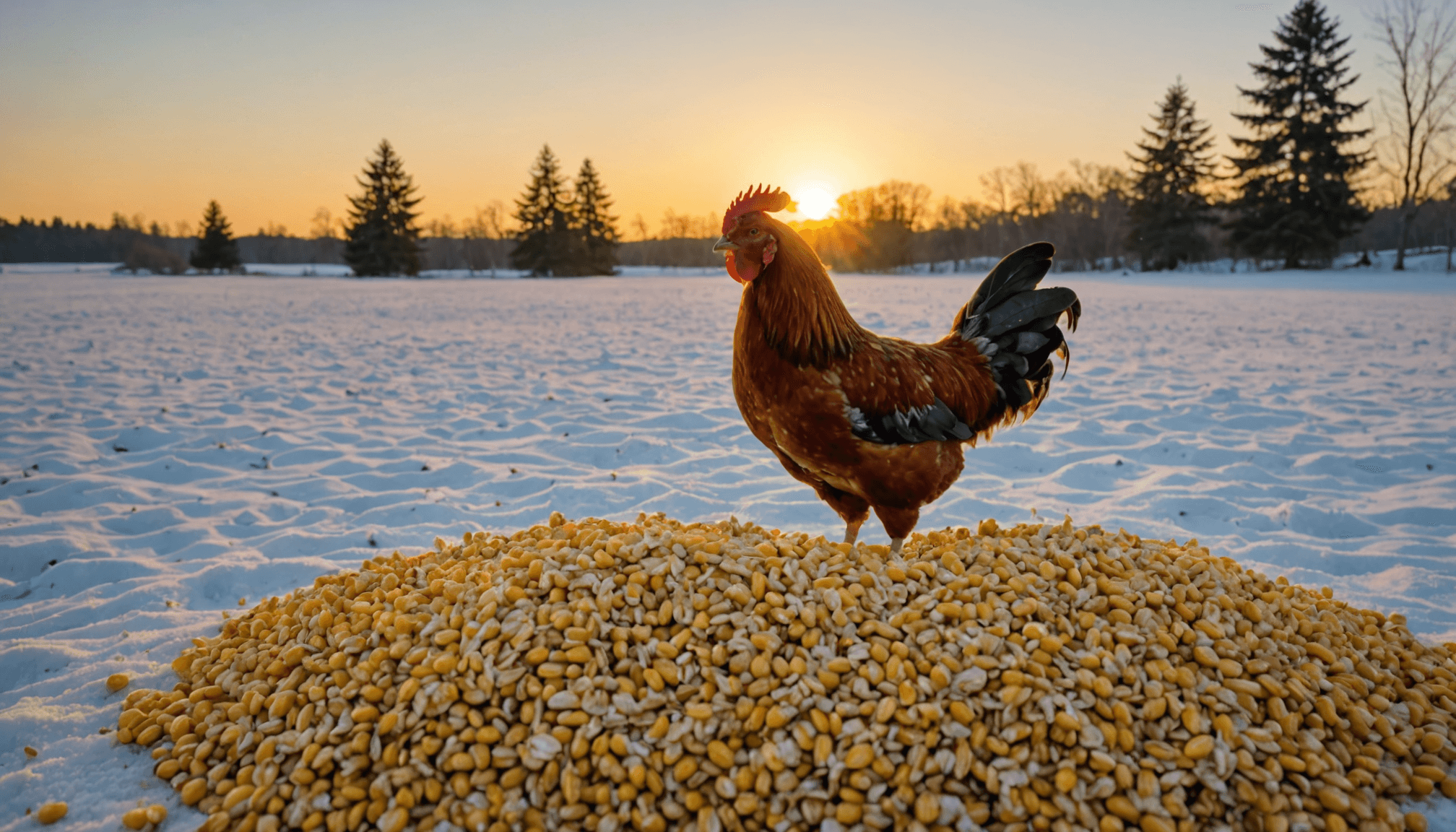
Providing your chickens with the right nutrition during the winter months is essential for their health and productivity. As temperatures drop, their metabolic rates increase, requiring more energy to keep warm. This is your opportunity to ensure they receive a nutrient-dense diet that supports their needs during this critical time.
Start by enhancing their usual feed. If your chickens are primarily on a layer feed, consider supplementing it with high-energy treats. Whole grains, such as cracked corn, oats, or barley, are excellent choices. These grains are not only calorie-dense but also provide essential fiber, supporting digestive health. Just be cautious with the quantity; aim to make these treats no more than 10–15% of their total diet to maintain a balanced nutritional profile.
- Protein-Rich Snacks: Providing additional protein sources, such as mealworms or black soldier fly larvae, can help support muscle maintenance and egg production during winter. Protein is vital for maintaining body temperature and overall vitality.
- Greens and Vegetables: Chickens love greens, and providing them with fresh or dried options like kale, collard greens, or carrot tops can add important nutrients and prevent boredom in their diet. Chickens also thrive on leftover vegetable scraps, making them ideal homesteading companions.
- Preventing Nutritional Deficiencies: Make sure to offer a well-balanced layer feed that includes calcium and other vital minerals. As they need calcium for eggshell production, consider adding crushed oyster shells free-choice to your flock’s diet.
Moreover, hydration is just as crucial as nutrition. With colder weather, chickens may not drink as much water, which can lead to dehydration. Ensure that their water source is always accessible and free from ice. You might want to invest in a heated water bowl or use insulated containers to keep their water from freezing over. Remember, hydration supports digestion and nutrient absorption, which are vital for maintaining their winter well-being.
Keep an eye on your flock’s overall health during winter. As temperatures fall, signs of stress can manifest, including reduced egg production or changes in behavior. A well-fed chicken is a happy chicken, so pay attention to how your chickens respond. If you notice unusual changes, it could require a reassessment of their dietary needs.
As you navigate winter care for your chickens, remember that quality nutrition not only helps them withstand the cold but also supports ongoing egg production, even in challenging conditions. Incorporating a thoughtful approach to feeding can have a remarkable impact on their health and happiness, enhancing your homesteading journey this winter.
Addressing common winter health issues
During the winter months, chickens are susceptible to various health issues that can arise due to the cold, damp, and sometimes stressful environment. It’s crucial for chicken owners, especially those involved in homesteading, to be vigilant about observing their flock for any signs of illness or discomfort. Understanding common winter health problems helps in taking proactive measures to keep your chickens healthy throughout the season.
One of the most common health issues in winter is frostbite, particularly on the combs and wattles of chickens. Frostbite occurs when chickens are exposed to extreme cold and wind chill for extended periods, leading to tissue damage. It’s vital to ensure that chickens have a warm, dry place to roost and that their combs and wattles are not in direct contact with the cold air. Applying a thin layer of petroleum jelly can help provide a barrier against the cold.
Another concern is respiratory issues, which can be exacerbated by poor ventilation in the coop. High humidity levels combined with ammonia build-up from droppings can lead to respiratory infections. Regular cleaning of the coop and ensuring proper ventilation will help maintain a dry air quality. Chickens should also be monitored for symptoms such as coughing, wheezing, or nasal discharge, as these can be indicators of respiratory problems.
“Prevention is the best medicine, and proactive care lays the foundation for a healthy flock during the harsh winter months.”
In addition, metabolic issues may arise when chickens are not receiving adequate nutrition. A decrease in food intake due to reduced appetite during extremely cold weather can lead to malnutrition or weight loss. Make adjustments to your feeding routine and ensure they have access to high-energy foods, as previously mentioned. Also, watch for signs of lethargy or changes in egg production, which could indicate underlying health issues.
Lastly, pest infestations can become a problem during winter. Insects and mites may seek refuge in coops for warmth, leading to increased stress and health problems for your flock. Regularly inspect for signs of mites or lice and treat accordingly with natural or chemical treatments to ensure your chickens remain comfortable and healthy.
Ultimately, maintaining a close eye on your chickens during winter is essential. Regular health checks, combined with a suitable habitat and proper nutrition, will create a well-rounded approach to winter care. With vigilant attention and care, your flock can thrive even in the coldest months, ensuring their vitality and productivity as a part of your homesteading efforts.
Ensuring proper water access
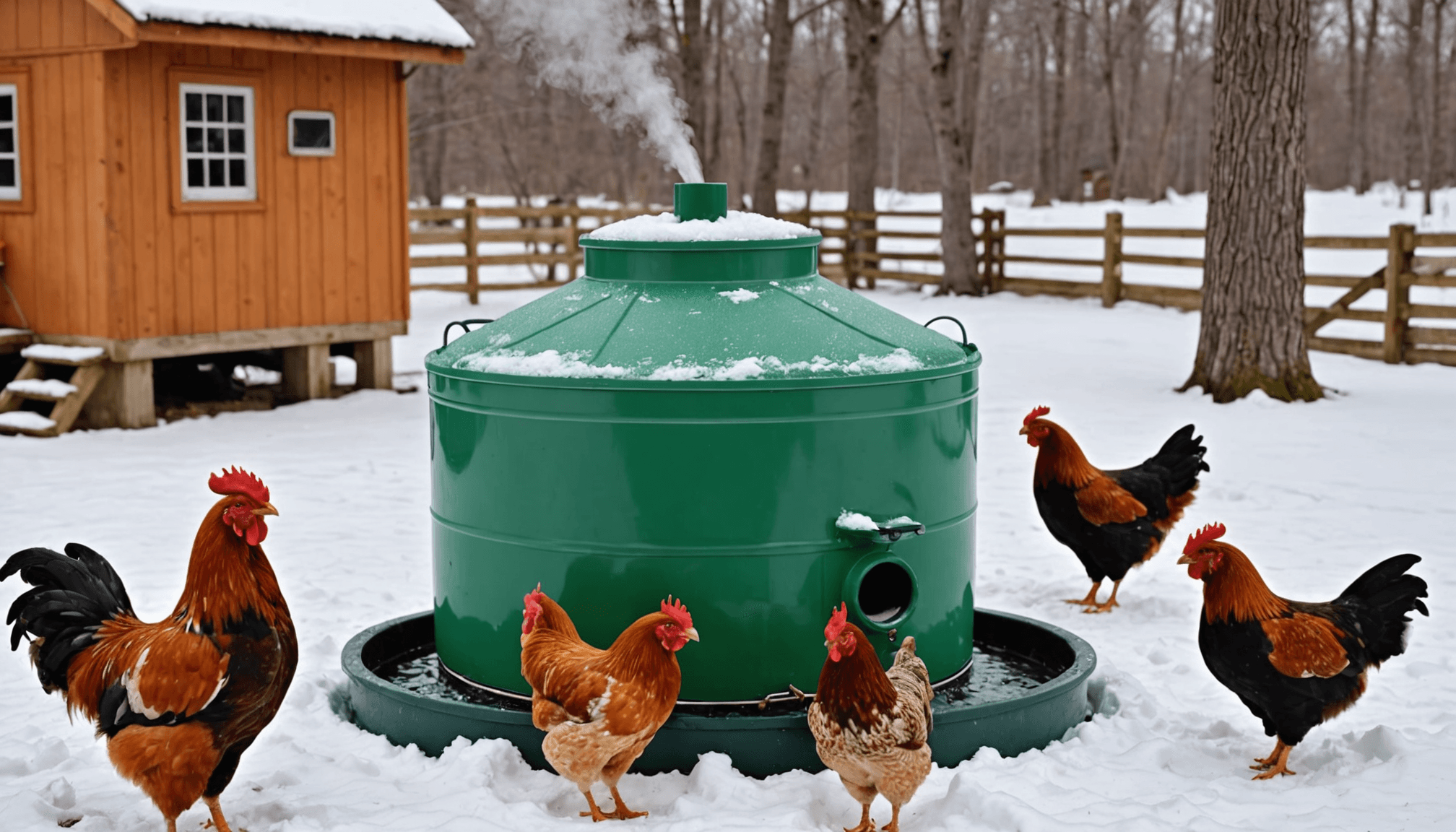
Providing chickens with access to fresh, unfrozen water is a cornerstone of winter care that is often overlooked. Hydration becomes even more critical during the colder months, as chickens may not instinctively drink as much when temperatures drop. When water sources freeze, chickens can become dehydrated, leading to serious health issues. To prevent this, it is important to have a reliable plan for water access that ensures your flock stays hydrated and healthy all winter long.
Begin by investing in heated waterers or insulated containers that can withstand the cold. These devices help to keep water from freezing, ensuring your chickens have a steady supply throughout the day. Placing the water station in a sheltered location will also add an extra layer of protection against the chill. Monitor the water levels frequently, as chickens may consume more water during the day, especially if they are eating high-energy foods. Make it a daily routine to check and refresh their water supply to keep it clean and appealing.
Consider the importance of spacing your water sources within the coop and outdoor areas. Chickens will thrive when they have options, allowing them to hydrate where they feel comfortable, whether indoors or out in the fresh air. When different areas of your coop are well accommodated, you’ll notice improved behavior and health within your flock. Adequate water access not only aids digestion but also supports overall metabolic functions, vital for maintaining warmth during the chilly winter months.
Moreover, take the time to observe how your chickens interact with their water supply. Pay attention to any changes in their drinking behavior; less frequent drinking could indicate that they are not comfortable accessing the source, particularly if there are strong drafts or biting winds. Always ensure that waterers are easy to reach and are relatively free from litter and debris that can make drinking less appealing. Regular cleaning of the water containers is essential to reduce bacterial growth and maintain hygiene.
Water is life, especially for your chickens during winter. This simple task can have profound implications on their well-being. By prioritizing water accessibility and quality, you can safeguard the health of your flock, ensuring they continue to thrive during the winter months. Engaging in such practices not only uplifts your chickens’ health but also reflects the essence of mindful homesteading, where every detail counts toward the well-being of your farmstead.
- Why is hydration crucial for chickens in winter?
- Chickens may not drink as much water in colder months, leading to dehydration, which can affect their health and egg production. Keeping their water sources from freezing is essential to ensure they remain hydrated and healthy.
- What can I do if my chickens’ water freezes?
- Invest in heated waterers or insulated containers to keep water from freezing. Regularly check and refill their water sources to ensure they always have access to fresh water.
- How can I encourage my chickens to drink more water during winter?
- Ensure that the water is clean and at a comfortable temperature. Additionally, place waterers in sheltered areas where chickens feel safe and comfortable approaching them.
- Can I give my chickens warm water?
- Yes, offering slightly warm water can encourage drinking, especially in cold weather. Just be careful not to make it too hot, as this can surprise them.
- How often should I check the water supply in winter?
- It’s best to check their water supply at least twice a day to ensure it is not freezing and that the water is clean and fresh.
- Should I add any supplements to their water during winter?
- While it’s not generally necessary, you can add apple cider vinegar or electrolytes occasionally to support their immune system, but be sure to follow guidelines specific to your flock’s needs.
- What should I do if I notice my chickens aren’t drinking enough water?
- Observe their environment for any stressors and ensure their water is easy to access. If the problem persists, consider consulting a vet to address any underlying health concerns.
Monitoring and adjusting daily routines
Adjusting daily routines during winter is key to ensuring the health and well-being of your chickens. The shift in seasons calls for a reassessment of how you manage your flock, emphasizing the need to respond promptly to their changing needs. As temperatures drop, establishing a consistent daily routine can help monitor the chickens effectively, ensuring they thrive despite the chill.
First, consider adjusting feeding schedules. Chickens typically require more energy to maintain their body heat during colder months. Increasing their feed intake slightly may be necessary, especially early in the day, when temperatures are at their lowest. You might want to have an extra feeding session in the morning before they venture outside. Offer high-calorie treats, such as scratch grains or kitchen leftovers, at this time to boost their energy and keep morale high.
Next, monitor your chickens’ outdoor time. While they still benefit from fresh air and sunlight, the duration of their outdoor excursions may need to be adapted. On frigid days, limit their outdoor time to a couple of hours, focusing on sunny periods when they can soak up some warmth. Ensure that their outdoor area is equipped with windbreaks or shelter where they can retreat if they feel too cold. This balance will keep them engaged and content without compromising their safety.
- Morning Checks: Get into the habit of a morning routine that includes checking for any signs of frostbite or discomfort. Quickly assess the coop conditions, ensuring they are dry and adequately ventilated to ward off humidity issues.
- Midday Monitoring: Take a moment during the day to observe how your flock is faring. Look for signs of stress or sickness, such as unusual behavior or lethargy. This will help you stay ahead of any potential health issues.
- Evening Rituals: As night falls, ensure that all that is left to do for the day, such as locking the coop and providing extra bedding, is taken care of. This not only supports your birds but also simplifies your own routine.
Adjusting your routines also allows for opportunities to foster flock interaction. Reflect on methods to keep their spirits high. Chickens, being social animals, can grow stressed if left alone too long. Including them in your homesteading activities—allowing them to scratch around in your garden or be outside while you do yard work—can create a mutually beneficial environment, enriching their experience while giving them physical activities to engage their instincts.
Moreover, the importance of lighting cannot be overlooked in your routine adjustments. Artificial lighting can help extend the day length for your flock, which can counteract the drop in egg production often seen during winter. Consider installing a light timer to simulate longer days, helping ensure your hens remain productive while also providing them with a signal for movement and activity.
Lastly, interaction with your chickens shouldn’t be neglected. They thrive on routine and predictability, which can also mean more engagement with their daily lives. Make it a point to spend time observing them, learning their habits and quirks, reinforcing that connection to nature that homesteaders cherish. Whether it’s monitoring their behavior, administering health checks, or just enjoying their company, find ways to integrate these vital checks into your daily rhythm. Each moment spent with your flock adds value to both your homesteading experience and their winter care.