
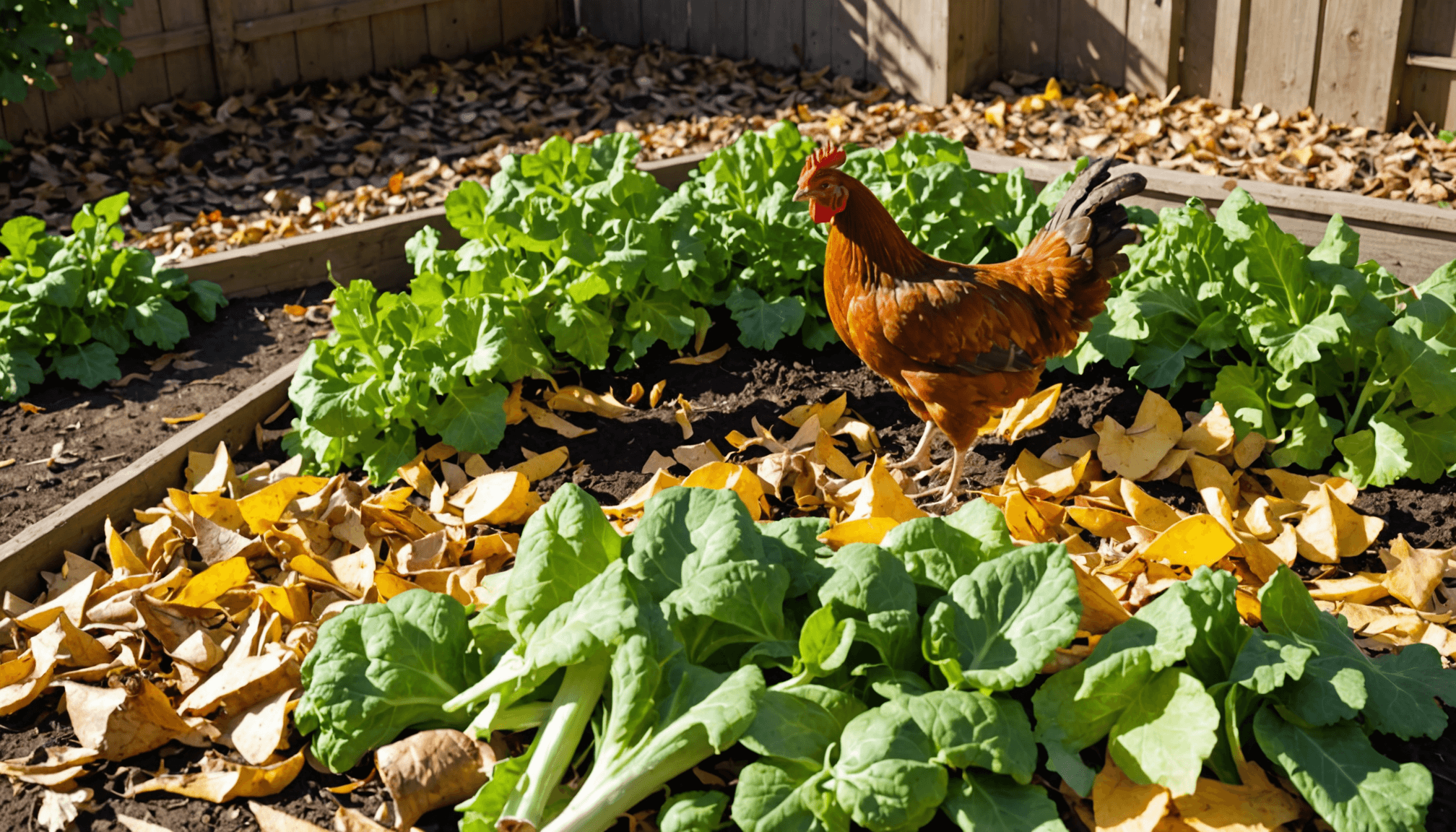
When it comes to composting, it’s essential to create an environment that is welcoming and safe for your chickens. These feathered friends can play a crucial role in the composting process, turning kitchen scraps and yard waste into nutrient-rich soil while also enjoying a buffet of insects and organic matter in the process. Understanding how to make your compost pile chicken-friendly is key to maximizing its benefits for both your garden and your flock.
One of the first steps in fostering a positive relationship between your compost pile and your chickens is ensuring that the materials used in the pile are safe for their consumption. Chickens have a distinct digestive system; thus, certain items like citrus peels or large quantities of onion should be avoided, as they can be harmful to birds. Instead, focus on incorporating chicken-friendly materials such as:
- Fruit and vegetable scraps
- Grass clippings
- Coffee grounds
- Crushed eggshells
- Dry leaves and straw
Additionally, it’s important to monitor the moisture content of the compost pile. Chickens tend to enjoy a less humid environment where they can forage for worms and bugs. If your compost is too wet, consider adding some drier materials like shredded paper or cardboard to balance it out. On the other hand, if it’s too dry, a sprinkle of water can help revive the compost and make it more inviting for your birds.
Another aspect to consider is the location of your compost pile. If possible, position it in an area easily accessible to your chickens, but also away from their feeding area to prevent any unwanted contamination. A well-placed compost bin can become a foraging paradise for your chickens, allowing them to scratch and peck while you tend to your garden, keeping your flock active and engaged.
Encouraging your chickens to participate in the composting process not only benefits them but also contributes to a vibrant homesteading ecosystem. Watch for their natural behavior as they dig around – this mixing action helps aerate the compost, ensuring a faster breakdown of materials. Just imagine the satisfaction of seeing your compost pile thrive as a result of teamwork between you and your chickens! With thoughtful planning and proper maintenance, your composting endeavors can truly flourish while enhancing your homesteading experience.
Choosing the right location
When choosing the right location for your compost pile, several factors come into play to ensure that it benefits both your garden and your chickens. First and foremost, pick a spot that is convenient for access so that you can easily add materials and maintain the pile. An ideal location will allow you to check on the compost regularly while observing your chickens’ natural behaviors as they investigate and engage with the area.
Consider the sun and shade patterns of your yard. Compost piles thrive in warm conditions, as the heat helps accelerate the decomposition process. However, it is also crucial to provide some shade, especially during the hotter months, as excessive heat and direct sunlight can dry out the compost too quickly and make it less appealing to your chickens. A partially shaded spot can help maintain optimal moisture levels.
Drainage is another vital aspect to consider. Your compost pile should be in a location that allows for good drainage to avoid pooling water, which can create a stale environment and attract pests. Ensure that the site is not too close to any low areas where water tends to collect after rain. A slight slope can be beneficial to encourage proper drainage while keeping your compost pile well-aerated.
Proximity to your chickens is essential, but it’s also wise to keep the compost pile at a safe distance from their feeding and nesting areas. This prevents contamination and ensures that the compost remains a clean source of food and entertainment for your feathered friends. A distance of about 10-15 feet is typically sufficient to keep the compost engaging yet safe from any feed contamination.
Additionally, maintaining a distance from neighboring properties is advisable if you are in a suburban environment. This consideration reduces the possibility of odors or attracting unwanted pests, ensuring a harmonious relationship with your neighbors while enjoying your homesteading experience.
| Factor | Recommendations |
|---|---|
| Access | Choose a location that is easy to reach for regular maintenance and monitoring. |
| Sun and Shade | Opt for a spot that receives partial sun to promote warmth without excessive drying. |
| Drainage | Avoid low-lying areas and ensure proper drainage to prevent water accumulation. |
| Distance from Chickens | Maintain 10-15 feet from feeding and nesting areas to prevent contamination. |
| Proximity to Neighbors | Keep the compost pile at a reasonable distance to reduce odors and attract pests. |
By thoughtfully considering these factors, you can create an optimal location for your compost pile that supports the health and happiness of your chickens while enhancing your garden ecosystem. This careful planning ensures that your composting efforts yield rich, nutritious compost for your plants while allowing your flock to enjoy a dynamic foraging environment.
Materials to include and avoid
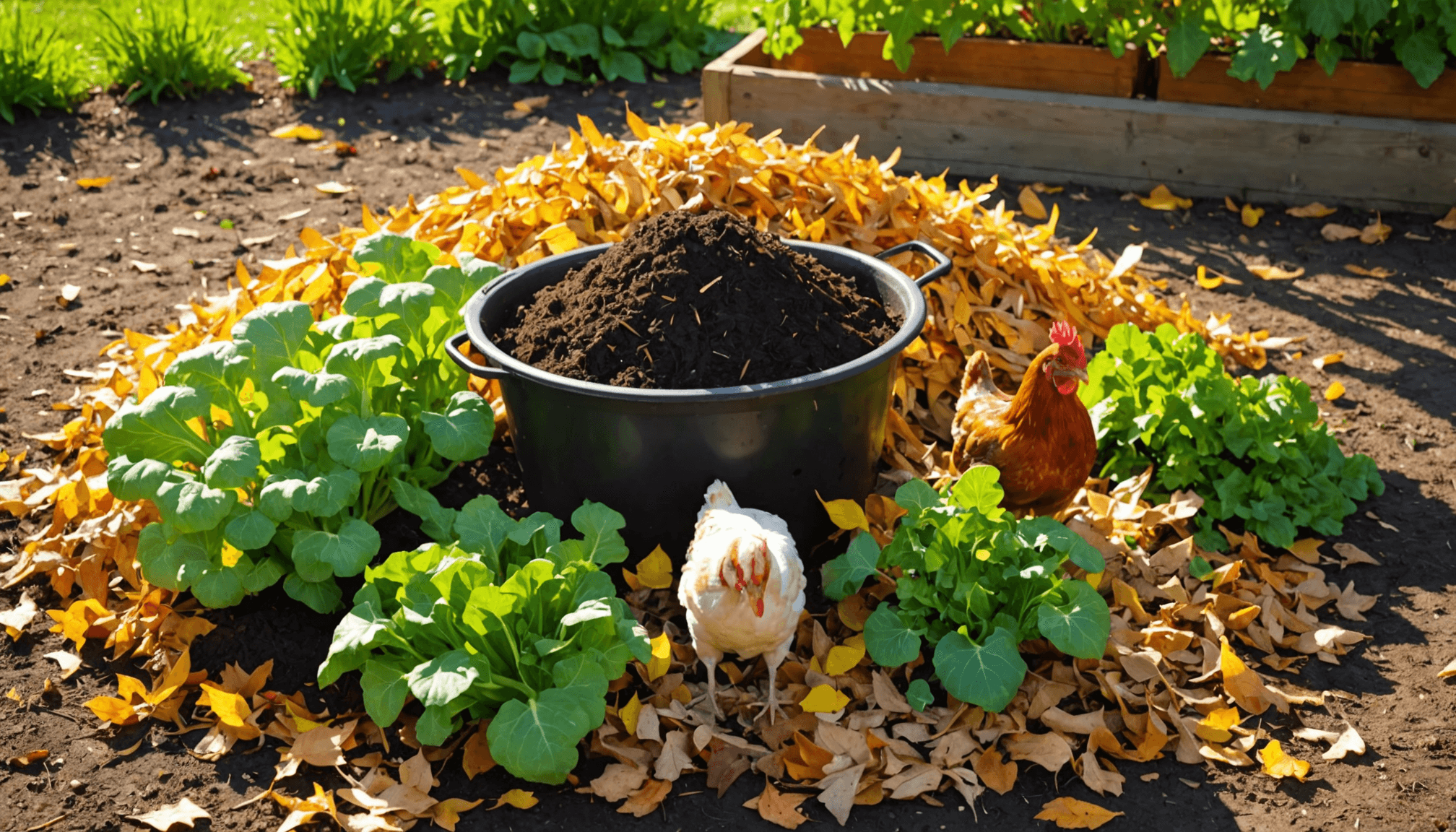
Creating a successful compost pile involves knowing what materials to include and which ones to avoid. Chickens are naturally curious creatures, often eager to peck at anything within their reach. This tendency makes it essential to select compost materials that are not only beneficial for your garden but also safe for your feathered friends.
Start by including a variety of green materials in your compost pile. These are typically rich in nitrogen and include:
- Fruit and vegetable peels
- Fresh grass clippings
- Kitchen scraps like stale bread (but avoid moldy food)
- Coffee grounds and filters
On the other hand, opting for brown materials adds carbon to your compost, aiding in the decomposition process. Suitable brown materials include:
- Dry leaves
- Shredded cardboard
- Straw and hay
- Paper towels and napkins (unscented and unwaxed)
It’s just as important to be aware of which materials to avoid, as some can be detrimental to your chickens or inhibit the composting process. Steer clear of:
- Citrus peels, which can upset chickens’ digestive systems
- Onions and garlic, known to cause health issues in poultry
- Meat, dairy, and fatty foods that can attract pests and create odors
- Pet waste or any products containing pesticides and herbicides
Additionally, be cautious with using herbaceous plants such as rhubarb and tomato leaves, as they can be toxic to chickens in significant amounts. Stick to safe harvests from your garden, and your compost pile will benefit from healthy and diverse contributions.
To boost the health of your compost and poultry alike, you might add crushed eggshells, which not only provide a natural source of calcium for your chickens but also enrich the compost heap. Just remember to rinse any compostable materials of excess oils or residues before adding them to avoid unwanted attractants to pests.
When crafting a chicken-friendly compost pile, keep in mind that balance is key. Aim for a mix of greens and browns, ensuring that your chickens can safely scavenge while aiding in the decomposition process. The vibrant ecosystem created through intentional composting will not only provide nutrients for your plants but will also contribute to a lively and engaging environment for your flock, creating a delightful homesteading experience right in your backyard.
Building the compost pile
Building your compost pile is a vital step in the process of creating a chicken-friendly composting system. Begin by laying a solid foundation with a few inches of coarse materials like straw or small branches. This base layer promotes excellent airflow, which is essential for maintaining the temperature and moisture levels that encourage decomposition. If possible, consider using a raised structure to improve drainage and keep the compost pile off the ground.
When adding materials to your compost pile, aim for a balanced ratio of green and brown materials. The green materials provide nitrogen, while the brown ones contribute carbon, creating a rich environment for microorganisms to thrive. Layer different materials in your compost pile, alternating between greens and browns. For instance, after your initial base, add a layer of kitchen scraps followed by a layer of dry leaves or shredded cardboard. This layering technique not only aids in aeration but also helps optimize the decomposition process.
Keep in mind the importance of size when adding materials; breaking down larger items into smaller pieces accelerates the composting process. Chickens, with their natural instincts, can help in this regard. As they scratch and peck around the compost pile, they naturally mix the materials, providing irreplaceable help by turning your compost pile. This teamwork fosters an ecosystem where your chickens can safely engage while lending a helping hand to accelerate decomposition.
A crucial aspect of building your compost pile is ensuring it retains adequate moisture. A compost pile that is too dry will not break down effectively, while one that is too wet can become smelly and attract pests. If you notice that your pile is drying out, a light sprinkling of water will bring it back to life. Conversely, if your compost is too soggy, adding dry materials like straw or shredded paper will help absorb excess moisture.
“Composting not only enriches our gardens but also fosters a habitat where our chickens can thrive.”
Periodically check the internal temperature of your compost pile. A well-maintained pile usually reaches temperatures between 130°F and 160°F, which Is vital to kill off any pathogens or weed seeds present in the materials. If the temperature starts to cool too quickly, turning the pile with a pitchfork or shovel will introduce oxygen and help re-ignite the composting process. As your compost pile matures, you can continue to add materials, rotating the mixture periodically to maintain airflow and uniform decomposition.
During this building phase, be mindful of the proximity of your compost pile to your chickens. While it’s beneficial for them to have access, ensure there is a clear boundary to prevent any potential contamination from their droppings or mischief with your compost materials. With careful construction and continuous engagement, your compost pile will evolve into a thriving ecosystem that supports both your gardening efforts and your chickens’ health and happiness, allowing you to fully embrace the joys of homesteading.
Maintaining your compost pile
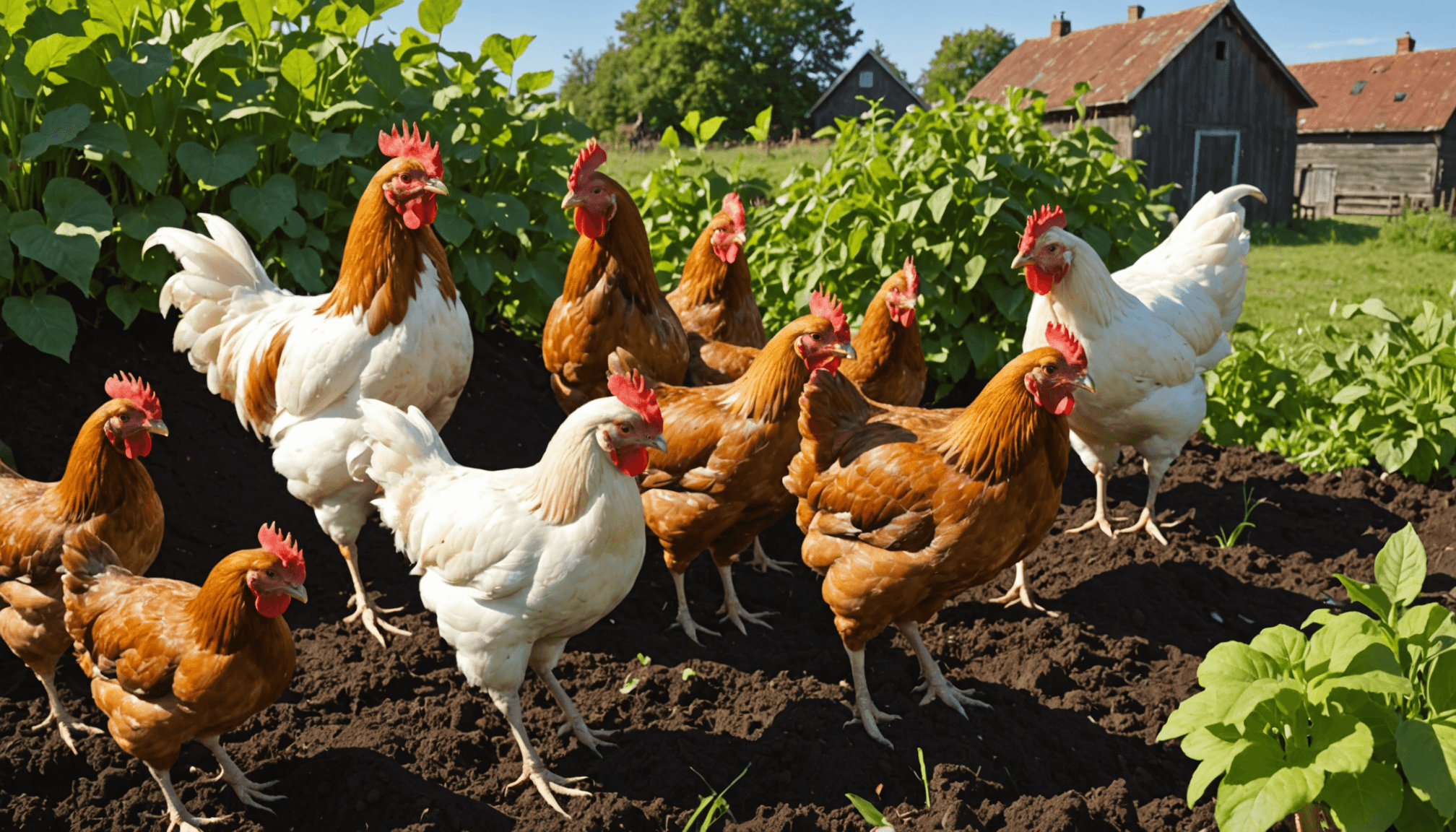
Maintaining your compost pile is a vital process that ensures the continued health of your composting ecosystem and the well-being of your chickens. Regular monitoring is essential; check for the composition and moisture levels weekly. This close attention will allow you to identify any problems early on, such as excessive dryness or unwanted odors that might signal an imbalance.
Turning the compost pile is another critical maintenance step. Aeration encourages the growth of beneficial microorganisms that break down organic matter. Use a garden fork or pitchfork to turn the pile every couple of weeks. Aeration not only speeds up decomposition but also provides fresh oxygen, which is crucial for a thriving composting environment. Involving your chickens in this process can be beneficial, as their natural scratching and pecking enhance the aeration process even further. It’s fascinating to observe how they instinctively know how to improve the compost environment.
Maintaining the correct moisture content is key to successful decomposition. Aim for a consistency similar to a wrung-out sponge. If the pile feels too dry, sprinkle some water to revitalize it. On the other hand, if it’s too wet, incorporate dry materials like leaves or cardboard to achieve balance. Your chickens will appreciate the drier and fluffier compost, making it an inviting place for them to forage and explore.
Watch for signs of compost maturity. Indicators such as a dark, crumbly texture and earthy smell mean that your compost is nearly ready for use. However, if you notice any foul odors or the presence of pests, it may indicate that the compost is too wet or contains inappropriate materials. Adjusting the materials and moisture levels can resolve these issues, creating a thriving environment that benefits both your plants and your chickens.
The relationship between chickens and a well-maintained compost pile is symbiotic. The chickens can help aerate the pile while enjoying the nutrients from the scraps, and in return, they contribute to a richer compost system through their natural behaviors. Engaging with this process encourages a deeper understanding of ecology and the interconnectedness of systems in homesteading. Each turn of the compost and each peck from your chickens adds to this vital cycle of life.
- How often should I turn my compost pile?
- Turning your compost pile every couple of weeks is recommended to improve aeration and promote faster decomposition. This also helps reintroduce necessary oxygen to the composting materials.
- Can my chickens help with the composting process?
- Absolutely! Chickens can naturally aerate the compost pile as they scratch and peck, which enhances decomposition while allowing them to forage at the same time.
- What should I do if my compost pile smells bad?
- If your compost pile emits a foul odor, it might be too wet or contain inappropriate materials. Add dry materials and ensure proper aeration to alleviate the smell.
- How can I tell when my compost is ready to use?
- Finished compost typically appears dark, crumbly, and has an earthy smell. If it’s free of recognizable food scraps and has a uniform texture, it’s likely ready for use in your garden.
- Is it safe for chickens to eat kitchen scraps from my compost?
- Yes, provided that the scraps are safe for chickens. Be sure to avoid toxic foods like citrus peels or large amounts of onions to keep them healthy.
- What if my compost pile is too dry?
- If your compost is too dry, sprinkle water evenly over the pile until the consistency resembles a wrung-out sponge. This helps maintain the necessary moisture for decomposition.
- Can I add pet waste to my compost pile?
- It’s best to avoid adding pet waste to your compost pile, particularly from carnivorous pets, as it may contain pathogens that can harm your chickens and contaminate the compost.
Using finished compost in your garden
Once your compost pile has aged to perfection, it’s time to put that rich, dark organic matter to work in your garden! Finished compost serves as a powerhouse of nutrients that can significantly improve soil health, and it’s particularly beneficial for growing vibrant vegetables, herbs, and flowers. As you prepare to use it, consider the best practices to enrich your garden while ensuring your chickens remain engaged and safe.
First, begin by assessing the texture and smell of your compost. You should find it crumbly and earthy, devoid of any strong odors. If your compost passes this test, it’s ready to be introduced to your garden beds. Use it as a top dressing by evenly spreading a layer of compost over the soil surface. This approach not only nourishes your plants but also helps retain moisture, suppress weeds, and encourage beneficial microorganisms.
Another excellent way to utilize your finished compost is by mixing it into your garden soil. For new beds or during the planting process, you can combine one part compost with three parts existing soil. This mixture will provide a nutrient-rich medium that supports strong root growth and promotes healthy plants. Consider incorporating compost when you plant your spring seedlings or fall crops to give them a head start, ensuring a fruitful harvest later on.
If you’re growing container plants, mixing compost into your potting soil can yield fantastic results. A blend of 30% compost with 70% potting mix will enhance drainage and supply essential nutrients, promoting healthy growth. Your potted plants will thrive, and you can enjoy the fruits (or vegetables) of your labor even in limited space.
Don’t forget about your >chickens while using your compost! Once you’ve finished applying compost to your garden, allow your chickens to explore the area afterwards. They love to scratch through the soil and may find worms and insects, which serve as a delightful protein boost. However, ensure that you supervise them to prevent any potential disturbance to new plantings.
Make sure to observe any precautions with the compost you use. If your compost pile contained any materials that could harm your chickens, like the aforementioned citrus peels or onion scraps, avoid applying that compost where they may forage. Stick to chicken-safe compost derived from untreated yard waste and kitchen scraps that are known to be safe for your birds.
Additionally, incorporating compost into your garden can pave the way for an expansive homesteading journey. Enhancing soil health through compost not only makes your plants flourish but creates a more resilient ecosystem. Stronger plants can better resist pests and disease, leading to bountiful harvests that extend beyond your immediate gardening needs.
Finally, consider keeping a compost journal. Documenting how much compost you apply, your plant growth progress, and any chicken interactions can provide valuable insights over time. This practice not only enhances your knowledge of composting and gardening but also cements your ongoing connection with your chickens and the cycle of growing food in harmony with nature.
With these tips, you can confidently use your finished compost in your garden, enriching your plants and providing a fun foraging experience for your feathered friends. Thus, the circle of life in your homesteading paradise continues, with splendid results blossoming all around!