
In the world of homesteading, understanding how to effectively utilize a rotation system for your chickens can elevate your poultry farming experience. A chicken rotation system involves moving your flock of chickens to different sections of pasture over time, allowing them to forage in fresh areas while also giving previously grazed patches a chance to recover. This practice not only mimics the natural behavior of wild birds but also enhances the overall health and productivity of your flock.
When you implement a rotation system, consider breaking your pasture into designated zones. Each zone should be large enough to provide ample space for your chickens to roam, forage for insects, and scratch the soil. An effective setup might include four to six sections that you can rotate through, allowing a suitable rest period for each area. During the rest phase, the grasses and soil life can rejuvenate, promoting biodiversity and preventing overgrazing.
It’s crucial to observe the behavior of your chickens as they transition between pastures. They will instinctively seek out the best foraging spots, which can help with pest control and provide a more varied diet, leading to healthier birds and improved egg quality. Make sure to rotate the chickens before they completely deplete the forage in any given section, typically after 1-2 weeks, depending on your flock size and pasture availability.
Another important aspect of understanding rotation systems is being mindful of soil health. As chickens interact with the pasture, they contribute vital nutrients through their droppings. However, if left in one area for too long, they can also compact the soil. A well-planned rotation system mitigates these issues, preserving the health of your pastures while ensuring your chickens remain happy and active.
To maintain an effective chicken rotation system, consider utilizing portable fencing to create temporary enclosures that guide your flock from one section to another. This not only makes handling easier but also allows for greater flexibility. Moreover, investing in a mobile coop can enhance the efficiency of your rotation strategy, making it simpler to shift your flock along with their shelter as they move through different zones.
Ultimately, a well-thought-out rotation system enriches your homesteading journey by fostering a thriving ecosystem for both your chickens and the land they inhabit. Stay observant, adjust your practices as needed, and enjoy the benefits of a productive rotation system.
Benefits of rotating chickens
Implementing a chicken rotation system offers numerous benefits, both for the chickens themselves and for the overall health of your pasture. One of the primary advantages is improved soil fertility, as chickens naturally deposit manure as they roam. This manure is rich in nitrogen, phosphorus, and potassium—key nutrients for plant growth. The even distribution of chicken droppings across the pasture helps create a natural fertilizer that boosts soil health without the need for synthetic alternatives.
Additionally, rotating chickens through different sections of pasture aids in pest management. Chickens are natural foragers, and as they move to fresh areas, they actively search for insects, worms, and larvae. This behavior not only enhances their diet but also reduces pest populations that could harm grasses or other crops on your homestead. The presence of chickens can thus lead to a more balanced ecosystem, minimizing the need for chemical pest control methods.
Another significant benefit is the encouragement of diverse plant growth. When chickens are allowed to graze in a section for a short period, they consume certain plants while leaving others undisturbed. This selective grazing promotes a variety of plant species to thrive and helps maintain a resilient pasture. Over time, this diversity can lead to a healthier and more sustainable environment, which contributes positively to your overall homesteading efforts.
To further illustrate the advantages of rotating chickens, the following table compares traditional stationary chicken keeping with a rotation system:
| Aspect | Stationary System | Rotation System |
|---|---|---|
| Soil Fertility | Potentially decreases due to manure build-up | Improves through even manure distribution |
| Pest Management | Increased pests due to stagnant environment | Decreased pest population due to active foraging |
| Plant Diversity | Limited diversity due to overgrazing | Enhanced diversity from selective grazing |
| Labor Input | More effort to clean and manage waste | Less effort with lower maintenance needs |
| Egg Production | Potentially lower quality due to stress and unhealthy diets | Higher quality eggs from a varied diet and healthier birds |
Incorporating a rotation system not only supports the chickens’ natural behaviors but also creates a more productive and sustainable homestead. The benefits extend beyond just the chickens; healthier pastures lead to more resilient land, fostering a sustainable ecosystem that can thrive in the long run. Adapting to a rotation system cultivates a harmonious relationship between your poultry and the environment, enhancing the overall success of your homesteading efforts.
Planning your rotation schedule
To effectively plan your chicken rotation schedule, it’s essential to consider several key factors that will help you optimize both your flock’s health and your pasture’s vitality. First and foremost, assess the size and condition of your pastures. Measure their total area and determine how many chickens you plan to keep. A good rule of thumb is to allocate about 100 square feet per chicken, though this can vary based on the breed and temperament of your birds.
Next, break down your pasture into smaller, manageable sections based on your flock’s needs. Ideally, dividing your area into four to six sections allows for a rotation schedule that gives each zone adequate recovery time before the chickens return. A typical rotation cycle lasts anywhere from 14 to 30 days, depending on grass growth and how quickly the chickens consume the available forage. Keeping a record of where your chickens have been and when will help you effectively manage pasture recovery.
Consider using a simple calendar or a spreadsheet to outline your rotation schedule. Mark the days when your chickens will be moved from one section to another, along with any observations related to pasture condition. For instance, if you notice that a section is green and thriving, you may want to keep the chickens away a bit longer to further promote growth. Conversely, if a pasture looks worn or sparse, you can plan to rotate your chickens in sooner. This level of attention will enhance your decision-making and allow your land to maintain its health.
After establishing a schedule, you might want to sync your chicken rotation with other farming activities. For example, if you have a vegetable garden, timing the chicken rotation to coincide with your planting schedule can yield great benefits. Letting chickens roam the area post-harvest can help control pests while their droppings naturally fertilize the soil, setting you up for future success.
It’s also important to consider seasonal changes. During hotter months, chickens might require more shade and fresh water, while in cooler periods, you might need to protect them from harsh weather. Adjust your rotation schedule accordingly, allowing your flock to utilize areas that are more favorable based on the time of year. Pay close attention to the environmental factors—including rain patterns, temperature shifts, and available forage—as these aspects significantly influence your chicken rotation plan.
Finally, don’t forget to involve your family in the planning process. Encouraging participation can foster an appreciation for both the chickens and the land they inhabit, making homesteading a more enjoyable and engaging endeavor. You can also leverage online resources such as blogs and forums for homesteaders to find inspiration and share experiences. Sites like Backyard Chickens and Mother Earth News provide valuable insights about sustainable practices and can help refine your approach.
With careful planning and a keen eye on the details, you can create a chicken rotation system that enhances your homesteading experience while benefitting both your flock and your land. Embrace the journey, stay adaptable, and reap the rewards of a thriving farming ecosystem.
Implementing the rotation system
To successfully implement your chicken rotation system, begin by preparing the necessary infrastructure for managing the movement of your flock. Consider the layout of your pasture and how you’ll navigate between the various sections. Installing portable fencing can significantly ease the process, allowing you to create temporary enclosures that guide the chickens as they transition from one area to another. This method not only simplifies the relocation but also reduces the impact on your pastures by allowing you to control the grazing pressure on the land better.
When moving your chickens, timing is crucial. As mentioned earlier, the recommendation is typically to rotate the flock every 1-2 weeks, although this may vary depending on environmental factors and the growth rate of your pasture. Before relocating, observe the current condition of the section your chickens are about to leave. Look for any signs of overgrazing, compacted soil, or a depletion of forage, which can signal when it’s time to move on. This close monitoring ensures that you are making informed decisions, allowing your pastures to regenerate and your chickens to have access to the best available foraging options.
In practical terms, the relocation process may involve creating a routine. Designate specific days for rotation, and always ensure the new area is secure and free of potential hazards. Providing fresh water and access to shelter in the new section will help ease the transition for your flock. Chickens can be creatures of habit, so fostering a smooth relocation routine will contribute to their overall comfort and productivity.
As you begin implementing your rotation system, consider how weather conditions affect pasture quality. Rainy seasons may foster lush growth, while dry spells can lead to quicker depletion of grasses. Adjust your rotation frequency accordingly, ensuring that your flock does not overuse any area before it has had an adequate recovery period. Using soil and plant health indicators will aid in assessing the readiness of each section to welcome the chickens back.
Lastly, keep detailed records of your rotation log. Documenting when each section is accessed, the condition it was in before and after grazing, and any notes on chicken health and behavior will provide invaluable data to refine your system over time. This continuous evaluation and adjustment are vital for optimizing your chicken rotation system and ensuring it meets the needs of both your chickens and your homesteading goals.
“Good management and rotation make for good land stewardship, which ultimately leads to better productivity and health for both the animals and the pasture.”
Managing pasture health
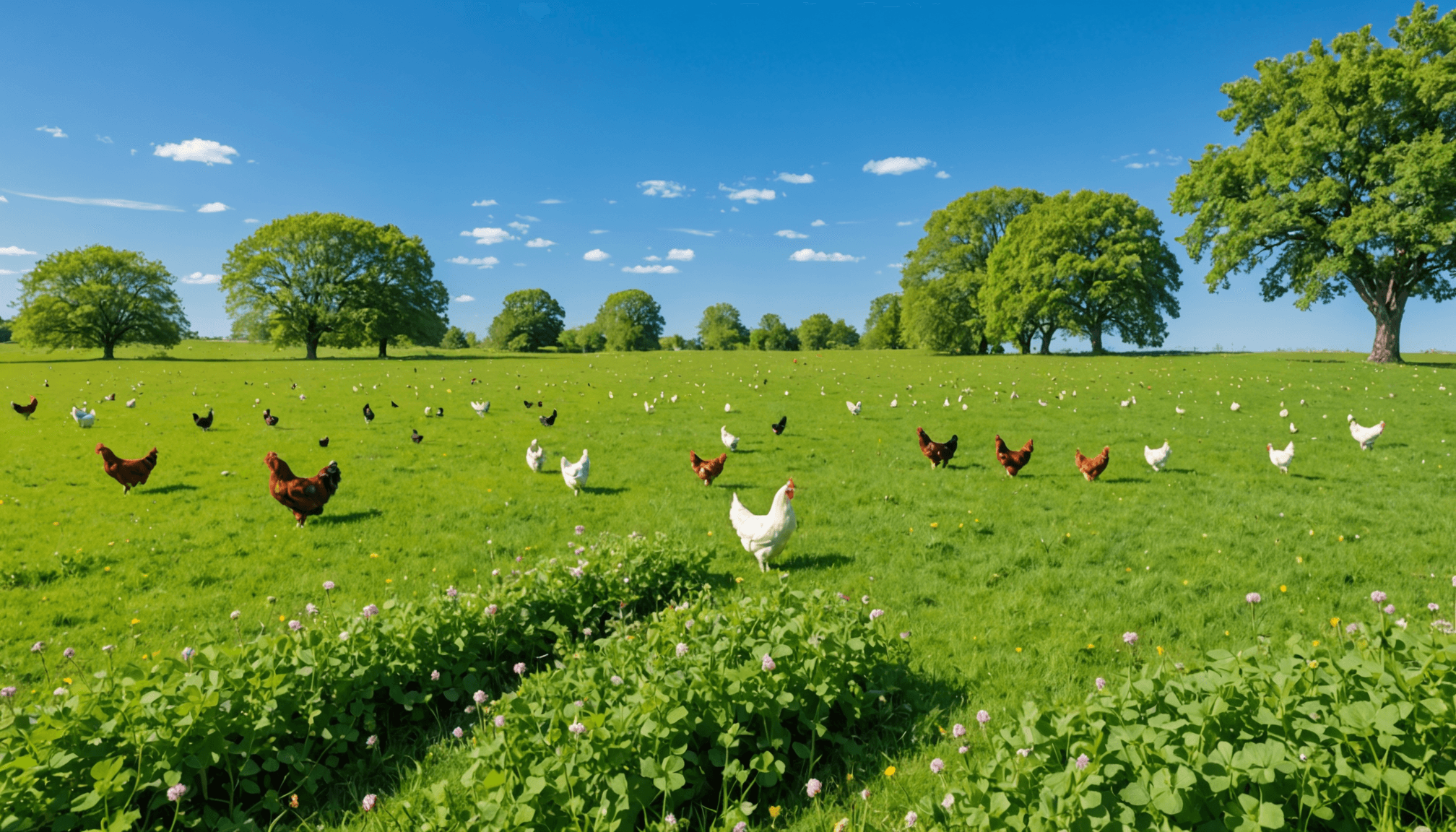 Maintaining the health of your pasture is crucial for a successful chicken rotation system. One of the first steps in managing pasture health is to monitor the grass length and soil condition regularly. Healthy pastures should have adequate grass cover, which helps prevent soil erosion and promotes a vibrant ecosystem. When you rotate your chickens, they graze down the forage and naturally fertilize the earth, but it’s essential to strike a balance. Overgrazing can lead to bare patches, making the soil vulnerable to compaction and weed invasion. A well-planned rotation allows grasses to recover fully, ideally leaving approximately one-third of the grass height to sustain the root system.
In addition to evaluating grass health, consider the diversity of your pasture plants. A mix of species not only supports soil health but also provides a varied diet for your flock. The presence of legumes, for example, can improve nitrogen levels in the soil and offer additional foraging options for the chickens. Introducing clover or other beneficial plants can enhance both pasture resilience and chicken health, encouraging a symbiotic relationship between the two.
Soil testing is another invaluable tool in managing pasture health. Assessing pH and nutrient levels can inform you of any deficiencies that may exist, guiding your decisions on amendments or rest periods for specific areas. Implementing composting strategies can also enhance soil quality, as chicken droppings paired with carbon-rich materials can create a nutrient-dense solution for your pastures.
Finally, keep an eye on the overall environmental conditions affecting your pasture. Weather patterns, such as prolonged rain or drought, can dramatically affect forage availability. Adapt your rotation schedule based on these observations, allowing you to provide your chickens with the best possible foraging experience while promoting the health of your land. By focusing on pasture health management, you cultivate an environment that benefits both your chickens and the overall sustainability of your homestead.
- Why is pasture rotation important for chickens?
- Rotating chickens helps promote pasture health by preventing overgrazing and allowing grass to recover. It also reduces pest populations and enhances nutrient distribution through their droppings, leading to a more sustainable environment.
- How often should I rotate my chickens?
- Generally, it’s recommended to rotate chickens every 1-2 weeks. The exact timing may vary based on the size of your flock and the grazing pressure on your pastures.
- Can rotation systems help with pasture weeds?
- Yes, by rotating chickens, certain plants may be grazed while others are left to grow, allowing for a more balanced plant community. Chickens will help control some weed populations through their foraging behavior.
- What signs indicate it’s time to rotate my chickens?
- Indicators include reduced forage availability, bare patches in the pasture, and signs of overgrazing. If the grass height is significantly lower or the area looks stressed, it’s time to move on to the next section.
- Will rotating chickens affect egg production?
- Yes, chickens on a well-managed rotation system often produce higher quality eggs. A varied diet and access to fresh pasture promote better health and wellbeing, which can translate to increased egg production.
- How can I determine the size of my pasture sections?
- The size of each pasture section typically depends on your flock size and grass growth rate. A general guideline is around 100 square feet per chicken, but adjust based on the specific conditions of your land.
- What is the best time of year to start a chicken rotation system?
- The best time to implement a chicken rotation system is in spring when grasses begin to thrive. However, the system can be adapted throughout the year based on seasonal changes and pasture conditions.
Monitoring and adjusting the system
Monitoring and adjusting your chicken rotation system is vital for ensuring optimal health for both your flock and your pasture. Start by establishing a regular schedule for observation. This means not just moving the chickens along as planned but taking the time to assess the condition of each section they’ve grazed. Look for telltale signs such as grass height, soil quality, and any signs of wear and tear that can indicate overgrazing.
Utilize a simple checklist to help during your monitoring sessions:
- Grass Growth: Is the grass in the section tall enough (typically around 4-6 inches) before allowing chickens to graze again?
- Forage Availability: Are there sufficient insects and greens for your chickens to enjoy? Lack of these can affect their health.
- Soil Condition: Is the soil compacted or has it lost its texture? Loose, aerated soil is crucial for healthy grass growth.
- Chicken Behavior: Are the chickens displaying signs of stress or boredom? A lack of foraging options can lead to pecking or other behavioral issues.
As you observe these elements, you might find that some sections require a different recovery period than others. Always keep records of what you observe during each rotation phase to help you make informed adjustments in the future. For instance, if one pasture section is slow to recover, give it a longer rest period while rotating your chickens through other, more resilient areas.
Seasonal changes can also significantly impact your methodological adjustments. During the wet season, areas may become muddy and overgrown, requiring more frequent rotations to keep your chickens healthy. Conversely, in dry conditions, sections might become sparse quickly, necessitating faster rotations to prevent overgrazing. Always review weather patterns and modify your rotation schedule to align effectively with these fluctuations.
Moreover, you’ll want to pay attention to chicken health indicators. Regularly check for any signs of distress, such as feather pecking, lethargy, or reduced egg production—all of which can signify problems with their current living conditions. Be proactive; if you notice a decrease in egg production or health concerns, it may be time to adjust your rotation schedule or even alter the composition of what you’re planting in each pasture section to enrich their diets.
Experimenting is key in a homesteading environment. Don’t hesitate to tweak aspects of your system based on your observations. For instance, if you find that chickens prefer certain grasses or plants, consider introducing more of these plants in your pasture mix to enhance their foraging experience. Get creative with your rotation system, and take into account various plant species that can enrich the pasture ecosystem while providing nourishment for your chickens.
Lastly, engage your family and homesteading community in discussions about what works, what doesn’t, and what adjustments are beneficial. By embracing a collaborative approach, you cultivate a wealth of shared knowledge, ensuring the success of your chicken rotation system for many seasons to come.