
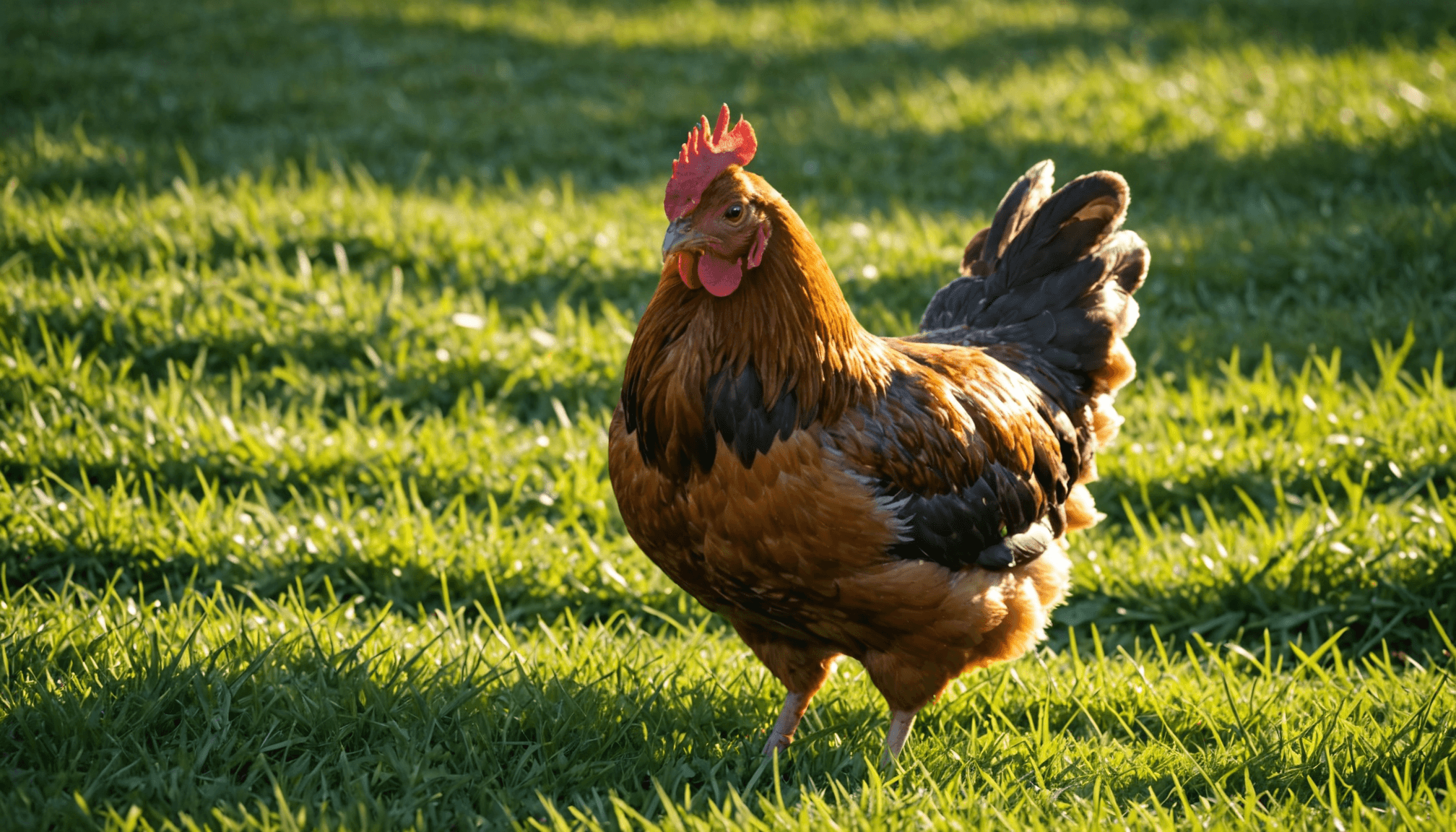
Being vigilant about your flock’s health is crucial in successful homesteading. Chickens can hide their illnesses well, making it essential to recognize the signs of sick chickens promptly. Here are some key indicators to watch for:
- Change in Eating Habits: If your chickens suddenly stop eating or their feed is left untouched, it’s a red flag. Healthy chickens are usually enthusiastic about food.
- Decreased Egg Production: A sudden drop in egg production can signify health issues. Compare current production rates to their average, so you can spot any concerning trends.
- Behavioral Changes: Watch for lethargy or isolation from the flock. Chickens that are sick may separate themselves and show less interest in social interactions.
- Posture and Movement: Observe their stance; sick chickens might walk awkwardly or appear hunched over. Look for signs of limping or favoritism toward a particular leg.
- Abnormal Vocalizations: Pay attention to changes in their usual clucking or crowing. Persistent squawking or unusual sounds can signal distress.
- Physical Appearance: Notice any changes in feather condition, such as ruffled feathers or bald spots, as well as the presence of discharge from the eyes or nostrils.
Having a keen eye for these signs can save your flock and contribute significantly to your overall homesteading success. Familiarize yourself with these symptoms, and perform regular health checks on your chickens to ensure they remain healthy and productive.
Common Chicken Diseases
Being informed about common chicken diseases is vital for any chicken owner dedicated to effective homesteading. Chickens are susceptible to a variety of illnesses that can manifest in different ways. Understanding these diseases will help you identify potential issues early, ensuring proper care and treatment. Below is a list of common chicken diseases along with their symptoms:
| Disease | Symptoms | Transmission | Treatment |
|---|---|---|---|
| Avian Influenza | Sudden death, respiratory distress, swelling around the head and neck | Contact with infected birds or contaminated surfaces | Quarantine and culling; supportive care |
| Newcastle Disease | Respiratory distress, twisting of the neck, diarrhea, sudden drop in egg production | Airborne transmission, contact with feces | Vaccination is the primary preventive measure; symptomatic treatment is suggested |
| Infectious Bursal Disease | Depression, diarrhea, reduced feed intake, swollen bursa | Faeco-oral route | Supportive care; vaccination for prevention |
| Coccidiosis | Bloody diarrhea, weight loss, lethargy | Contact with contaminated litter or feces | Anticoccidial medications and improved sanitation |
| Gapeworm | Coughing, gasping for air, weight loss | Ingestion of infected earthworms | Anthelmintics for treatment |
Each disease exhibits specific symptoms that can significantly affect the overall health of your flock. For example, respiratory diseases like Avian Influenza and Newcastle Disease may present with similar signs such as respiratory distress but are caused by different pathogens. Observing these symptoms diligently will allow you to act quickly and potentially save your sick chickens
Furthermore, understanding the mode of transmission for each disease aids in implementing effective biosecurity measures. Keeping your chickens in a clean environment, minimizing contact with wild birds, and isolating any new or sick birds can help prevent the spread of these illnesses. Knowledge and prompt action are your best assets in maintaining a healthy and productive flock.
Behavioral Changes to Watch For
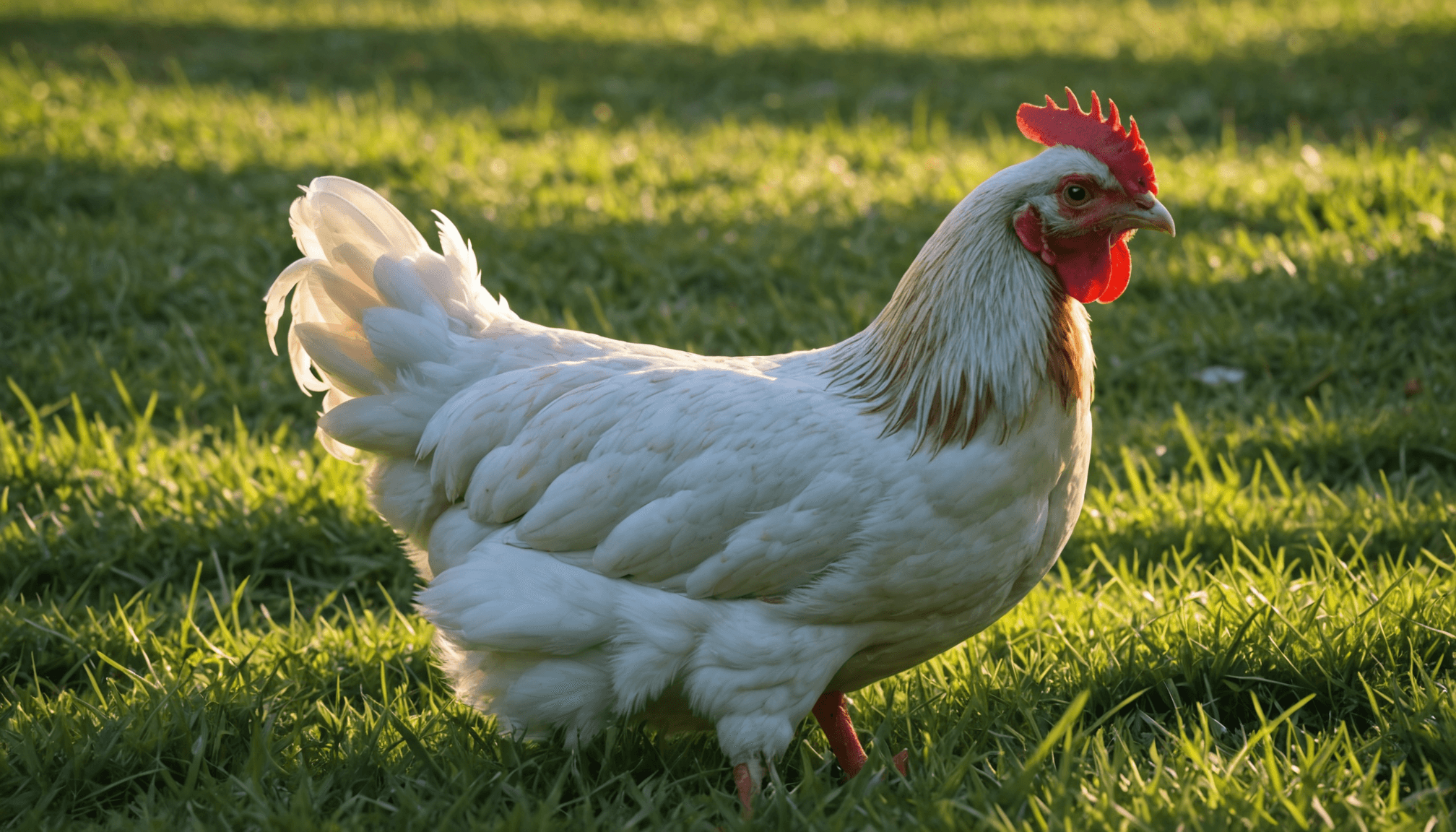
Behavioral changes in your chickens can be subtle but are often the first indication that something may be amiss. As a homesteader, tuning into these nuances can empower you to take swift action to safeguard your flock’s health. Here are a few behavioral patterns to keep an eye on:
- Lethargy: If your usually active chickens are spending more time sitting or lying down, this could indicate sickness. A healthy chicken is generally alert and engaged with its environment.
- Isolation: Watch for chickens that choose to separate themselves from the flock. This desire to isolate can signal that they are feeling unwell, as healthy chickens typically enjoy the company of their peers.
- Changes in Pecking Order: Any disruption in the established social hierarchy can indicate stress or illness. A sick chicken may become the target of pecking due to its vulnerable state.
- Reduced Activity: Normal chickens enjoy foraging and scratching around their space. If you observe a significant decrease in these activities, or if your chickens seem disinterested in food and treats, it could be time to investigate further.
- Vocalizations: Pay attention to any changes in their vocal behavior. Unusual or excessive squawking, in contrast to their typical clucking, could imply distress or discomfort.
Additionally, it’s crucial to consider environmental factors that can influence behavior. Stress caused by inadequate space, overwhelming heat, or poor nutrition can worsen behavioral changes. Therefore, ensuring that your flock is well-cared for in terms of proper housing, feed, and socialization can make a substantial difference in their overall behavior and well-being.
Regularly observing your chickens helps foster a strong bond and enhances your understanding of their needs. Keep a close watch during feedings and social interactions, and consider keeping a diary of changes you observe. This documentation can aid in spotting trends and recognizing sick chickens earlier, providing you with the essential information needed to respond effectively. Remember, healthy behavior is a key component of a healthy flock!
Physical Symptoms to Identify
When assessing the health of your flock, physical symptoms can provide crucial insights into whether your chickens are suffering from illness. Start by closely examining the chickens’ overall condition. A healthy chicken should have bright eyes, smooth feathers, and a well-rounded body. If you notice any deviations from this norm, it may signal a problem.
Pay attention to their droppings, as the color and consistency can indicate various health issues. Normal droppings are typically firm and dark brown. Watery or markedly different colored droppings could be a sign of disease or digestive issues. Additionally, the presence of blood or a foul odor suggests serious conditions that warrant immediate attention.
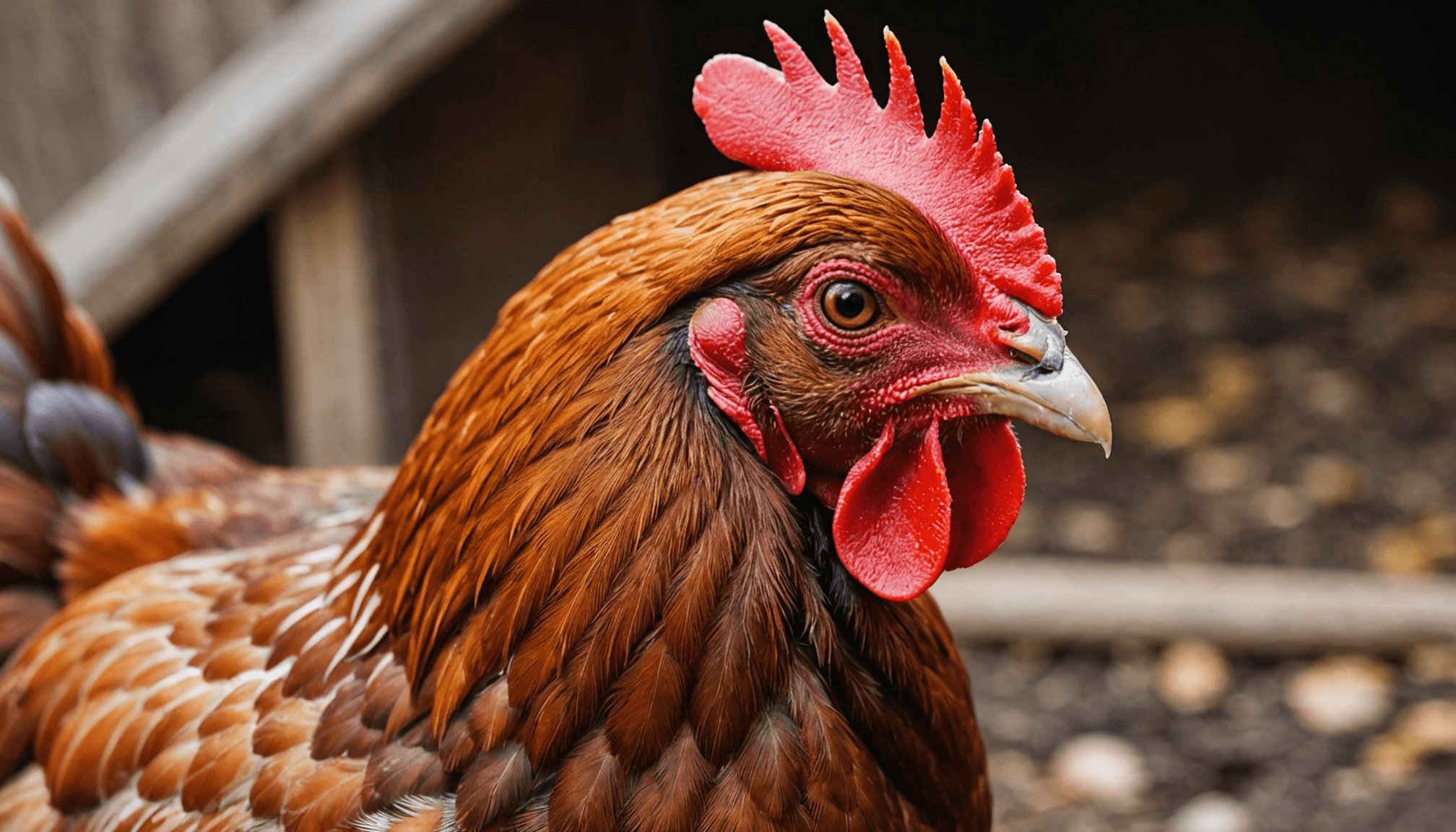
Inspect the comb and wattles regularly. In a healthy chicken, these should be bright red and well-formed. A pale or cyanotic comb indicates poor circulation or oxygen deprivation, which could stem from respiratory diseases. Similarly, swelling or discoloration can indicate infections or other health problems.
Keep an eye out for respiratory symptoms, such as coughing, sneezing, or unusual nasal discharge. Chickens should breathe quietly without any signs of distress. Difficulty breathing can be a sign of a serious condition and should prompt quick action. Feather abnormalities, such as excessive molting or absence of feathers in specific areas, can also indicate underlying health concerns.
Observing for leg and foot problems is equally important. Chickens should walk normally, without signs of limping or discomfort. Swelling, redness, or any change in their ability to move comfortably can signal infections, injuries, or conditions like bumblefoot, which requires treatment.
“Healthy chickens show an eagerness to forage, eat well, and display vibrant feather conditions.”
Monitoring body weight is another critical aspect of identifying sick chickens. Sudden weight loss or a bloated abdomen can indicate numerous health issues, such as worms or organ failure. Using a scale may not be practical for everyone, but consistently observing your chickens can help you recognize any drastic changes in their size and weight.
Additionally, consider their hydration levels. Chickens should have access to clean water at all times. Signs of dehydration include dry beaks and sunken eyes. If a chicken appears withdrawn or sluggish, they may not be drinking enough water, leading to further complications.
Taking the time to conduct regular health checks that include identifying these physical symptoms will greatly enhance your ability to keep your chickens healthy and detect when they’re sick. Early identification of these symptoms sets the stage for prompt intervention, ensuring the wellbeing of your flock in the homesteading environment.
When to Seek Veterinary Care
Knowing when to seek veterinary care for your chickens is imperative to safeguarding their health. Chickens can exhibit a range of symptoms that can escalate quickly, and prompt intervention can be the difference between recovery and severe illness. If you notice any combination of critical signs, such as extreme lethargy, failure to eat or drink, persistent coughing, or apparent distress, these warrant immediate attention. Additionally, if physical symptoms such as unusual swelling, bloody droppings, or ruffled feathers appear along with behavioral shifts—such as isolation or reduced activity—it’s time to consult with a veterinarian who specializes in poultry medicine.
It’s equally important to monitor any changes in your chickens’ hanging combs or wattles. A sudden change in color or texture can indicate underlying health issues. If multiple chickens display similar worrying symptoms, this suggests a potential outbreak and a more urgent need for veterinary advice. Delaying care may not only harm the individual chickens but can jeopardize the entire flock as diseases can spread quickly among chickens.
Furthermore, consider the duration of symptoms. If signs persist for more than a day or two, especially if they are worsening, professional help should be sought, even if the symptoms appear mild. Early intervention considerably increases the chance of successful treatment, making it essential for any dedicated homesteader to be proactive about veterinary contact.
Being active in communicating any observations to your veterinarian can also facilitate a more effective diagnosis and treatment plan. Great questions to bring up might include inquiries about potential vaccinations for your flock, nutritional needs, or environmental factors contributing to recurring health issues. Your commitment to thoughtful care and swift action will ensure your chickens remain vibrant and integral to your homesteading lifestyle.
- How do I know when my chicken is sick?
- Watch for signs such as lethargy, changes in eating habits, decreased egg production, and abnormal vocalizations. Any combination of these symptoms can indicate sickness and requires careful observation.
- What should I do if I suspect my chicken is sick?
- Isolate the sick chicken from the rest of the flock to prevent potential spreading of illness and consult with a veterinarian who specializes in poultry as soon as possible for a proper diagnosis and treatment plan.
- How often should I check my chickens for signs of illness?
- Routine health checks should be performed at least once a week, but more frequent observations are advisable, especially during seasonal changes or if new birds have been introduced to the flock.
- Can I treat sick chickens at home?
- While some mild ailments can be treated at home with veterinary guidance, serious or persistent symptoms should always prompt a visit to the veterinarian for professional care to ensure proper treatment.
- What common vaccines are necessary for chickens?
- Chickens may benefit from vaccines against diseases such as Marek’s disease, Newcastle disease, and infectious bronchitis. Consult a vet for advice tailored to your specific flock and local area requirements.
- Are there specific signs that indicate I need to call a vet immediately?
- Yes, if your chickens show symptoms such as severe respiratory distress, unusually high mortality in the flock, bloody droppings, or significant swelling, you should contact a vet immediately. These could indicate serious health risks.
- How can I prevent sickness in my flock?
- Maintain a clean and spacious environment, provide high-quality nutrition, and practice good biosecurity measures to minimize stress and exposure to pathogens, helping to keep your chickens healthy.
Prevention and Care Tips
Prevention is the cornerstone of maintaining a healthy flock and fostering your homesteading success. By implementing proactive measures, you can significantly reduce the risk of your chickens falling prey to illness, thereby ensuring they remain vibrant and productive. Here are some essential tips to keep your flock healthy:
- Maintain Cleanliness: Regular cleaning of your coop is vital. Remove manure and waste, replace bedding, and sanitize feeders and waterers. A clean environment minimizes pathogens and keeps your chickens happy and healthy. Aim for a thorough clean at least once a week, more often if necessary.
- High-Quality Nutrition: Providing a balanced diet with layers pellets, grains, and a variety of greens ensures your chickens get the necessary nutrients. Pay attention to their dietary needs according to age and purpose (e.g., egg production). Adequate protein is especially crucial for laying hens.
- Access to Fresh Water: Ensure your chickens always have access to clean, fresh water. Dehydration can lead to numerous health problems, so check their water supply daily to keep them hydrated.
- Regular Health Checks: Get into the habit of performing health checks at least once a week. Observe their behavior, look for any physical symptoms, and inspect their living conditions. Early identification of issues can prevent potential disease outbreaks among your flock.
- Proper Ventilation: Ensure that your coop is well-ventilated to prevent the buildup of moisture and ammonia, which can lead to respiratory problems. Chicken coops should have adequate airflow while protecting from drafts.
- Biosecurity Measures: Practice strict biosecurity to prevent the introduction of diseases. Keep new birds isolated for a minimum of 30 days before introducing them to your existing flock. Limiting visitors and minimizing contact with wild birds is equally important.
- Vaccination: Consult a veterinarian about the appropriate vaccines for your flock based on local disease prevalence. Vaccinating against common illnesses can provide an essential layer of protection and set your chickens up for a healthier life.
- Stress Management: Chickens are sensitive to stressors like overcrowding, sudden temperature changes, or changes in their environment. Ensure they have adequate space, proper shelter, and access to outdoor areas to reduce stress levels.
- Environmental Enrichment: Providing activities and stimulation can help reduce boredom and stress among your chickens. Consider adding perches, dust-bathing areas, and safe objects to peck at or scratch to keep them engaged.
Implementing these prevention and care tips not only supports the health of your flock but also enhances your overall homesteading experience. Strong, healthy chickens will not only provide you with sustenance but also contribute to the joy of sustainable living.