
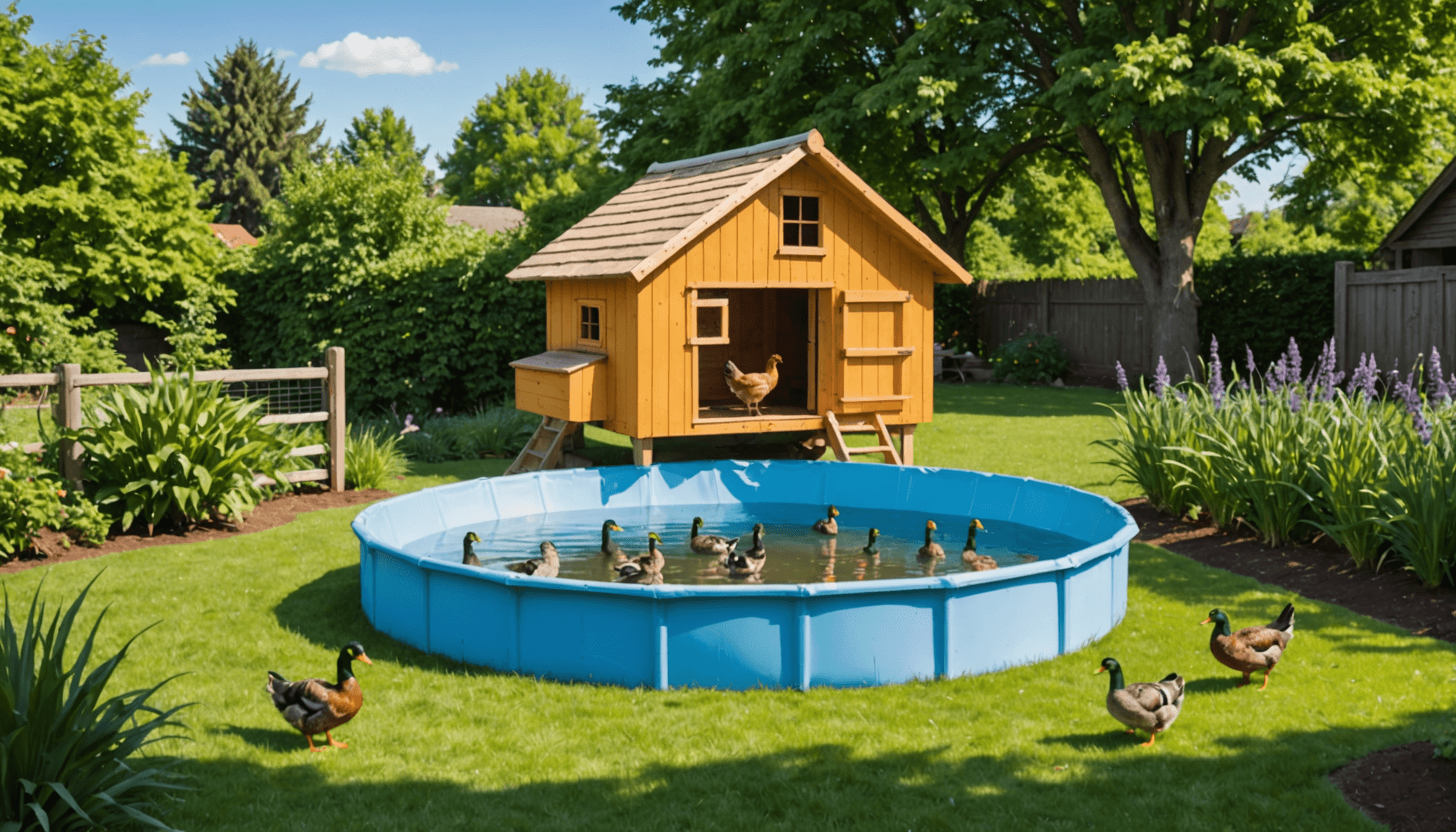
Integrating ducks and chickens on your homestead brings a myriad of benefits that can enhance your overall farming experience. Both of these birds contribute uniquely to the ecosystem of your small farm, and their coexistence can lead to a harmonious and productive environment.
First and foremost, you’ll notice an increase in pest control. Ducks are natural foragers and love to eat insects, snails, and slugs, which can be a bane to your garden. Chickens, while also foragers, tend to scratch the ground for seeds and insects, making their combination a dynamic duo that targets a wider range of pests. This integrated approach can lead to less reliance on chemical pesticides, promoting a healthier growing environment.
Another benefit is the nutrient output. Ducks and chickens have different waste compositions, which means their droppings complement each other well. Chicken manure is rich in nitrogen, while duck manure has a higher phosphorus content. When mixed, this creates a more balanced fertilizer for your garden, ensuring that your plants receive a well-rounded diet that can enhance their growth.
Additionally, diversifying your flock can reduce the stress on individual species. For instance, ducks are typically calmer and can help create a more relaxed atmosphere for your chickens. If your chickens are free-ranging, having ducks around can deter hawks and other predators that may target your birds. The mixed flock can offer emotional support; when one species is nervous, the other may help keep them calm.
Don’t forget the aesthetics! A mixed flock of ducks and chickens can create a picturesque scene on your homestead. With vibrant colors and distinct behaviors, these birds not only serve functional purposes but also add charm to your outdoor spaces, making your homestead a delightful place to gather and enjoy.
Finally, the integration process itself provides an educational opportunity for families and urban dwellers alike. Being involved in this collaboration allows you to observe and understand animal behavior, care requirements, and even social hierarchies. Children can learn valuable life skills, empathy, and responsibility through hands-on experiences with both ducks and chickens.
All in all, considering the advantages of integrating ducks and chickens yields a wealth of opportunities for a more resilient, productive, and engaging homesteading experience.
Choosing the right breeds
When selecting the right breeds of ducks and chickens for integration, it’s essential to consider the temperaments, sizes, and specific traits of each breed. This careful selection helps ensure a harmonious coexistence, reducing stress and conflict within your mixed flock. Various breeds exhibit different characteristics, so understanding these can greatly aid in making suitable choices for your homestead.
Ducks, for instance, can vary significantly in size and temperament. While Mallards are known for their hands-on foraging instincts and adaptability, they may not be the best choice for confined spaces due to their active nature. On the other hand, smaller breeds like Pekins are friendly and have a more docile demeanor, making them great companions for chickens.
Similarly, chickens come in many varieties that exhibit various behaviors and laying abilities. Breeds such as the Rhode Island Red are known for their hardiness and friendly disposition, whereas Leghorns are energetic and prolific layers but might be overly skittish, possibly unsettling more docile ducks.
The integration strategy should consider creating balance; blending active breeds with calmer ones can mitigate potential ruckus and competition for resources. Below is a comparative table of some recommended breeds of ducks and chickens that work well together based on temperament, size, and productivity:
| Type | Breed | Size | Temperament | Egg Production |
|---|---|---|---|---|
| Ducks | Pekin | Large | Docile and Friendly | Medium (around 200 eggs/year) |
| Ducks | Mallard | Medium | Active and Independent | Low (farmed mainly for meat) |
| Chickens | Rhode Island Red | Medium | Calm and Hardy | High (around 250-300 eggs/year) |
| Chickens | Leghorn | Light | High-strung but Smart | Very High (around 300 eggs/year) |
Choosing breeds with compatible dispositions is a foundational aspect of successful integration. Ducks and chickens that share compatible traits in terms of foraging habits, size, and temperament can coexist without undue stress or territorial disputes. It’s also wise to consider the purpose of your flock—whether you’re raising them primarily for eggs, meat, or companionship—as different breeds cater to different needs.
To further enhance the integration process, allow for gradual introductions. When introducing your chosen breeds, start with small, supervised interactions. This can help minimize any aggressive behaviors that can arise from unfamiliarity. Over time, as they grow accustomed to one another, they will establish their social hierarchy, leading to more harmonious living conditions on your homestead.
Housing considerations for mixed flocks
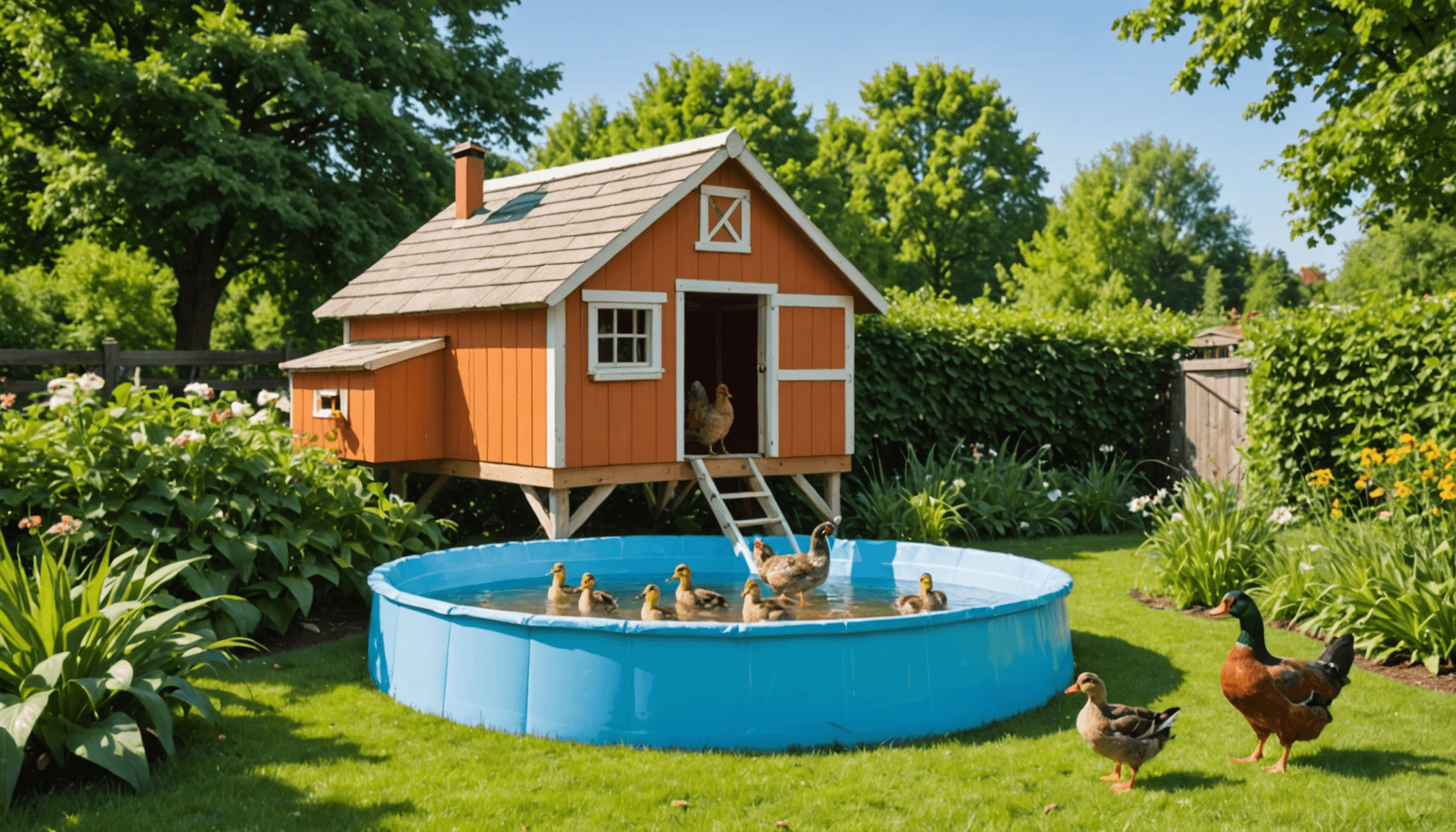
When planning housing for a mixed flock of ducks and chickens, it is crucial to consider several factors that ensure both species thrive together in a safe and comfortable environment. Proper housing not only protects your birds from harsh weather but also enhances their overall health and well-being, promoting a successful integration process.
First, the size of the housing area is paramount. Ducks generally need more space than chickens due to their larger body size and more active nature. A good rule of thumb is to provide at least 4 square feet per duck and 2-3 square feet per chicken in the coop. This ensures that each bird has enough space to move around without feeling crowded, which can lead to stress and aggression.
Ventilation is another critical aspect of housing. Adequate airflow helps prevent moisture buildup, which can lead to respiratory problems. Consider incorporating windows or vents that can be opened and closed based on the weather. If you’re in a colder climate, insulated coops will help retain warmth during colder months while still allowing for ventilation when needed.
Don’t forget about the floor type. Ducks love to splash around and can easily make a watery mess. Consider using a durable and easy-to-clean flooring material like concrete or treated wood, covered with a layer of straw, wood shavings, or sand, which absorbs moisture and provides comfort.
When creating a secure environment, ensure that your housing has a lockable door, especially if your flock is free-ranging during the day. Predators like raccoons and hawks pose a significant threat, so a sturdy coop with secure latches is vital. You may also want to install a fencing perimeter around the outdoor area where your flock roams to further protect them from predators.
A separate area for ducks to swim or splash is highly recommended. Ducks need access to water not only for drinking but also for their bathing habits. A kiddie pool or a designated water trough can be excellent solutions. Ensure it is shallow enough for easy access and that this water source is cleaned regularly to prevent the spread of disease.
In addition to physical spaces, consider the social dynamics among your birds. Establishing a pecking order is natural in both ducks and chickens, so provide enough hiding spots and enrichment tools (like perches and nesting boxes) to allow for personal space. This decreases tension and helps the birds to coexist peacefully. Make sure each species has access to its own feeding and watering stations to prevent competition and bullying.
Thoughtful considerations concerning housing not only enhance the welfare of both your ducks and chickens but also promote a smoother integration process, laying the groundwork for a productive and harmonious homesteading experience.
Feeding ducks and chickens together
Feeding ducks and chickens together can be a rewarding yet challenging aspect of raising these two species on your homestead. Understanding their unique dietary needs is crucial for ensuring both thrive in a shared environment with minimal competition for food resources.
Both ducks and chickens are omnivores and require a balanced diet to support their health and productivity. However, the precise nutritional needs and feeding habits can differ significantly between the two, which might necessitate some adjustments to your feeding regimen.
For chickens, a commercial layer feed is often the go-to option. These feeds are specially formulated to deliver the right balance of protein, calcium, and other essential vitamins and minerals that promote egg-laying. Chickens typically do well on a diet that contains around 16-18% protein, along with adequate calcium for strong eggshells. However, they also enjoy foraging and can be given kitchen scraps, grains, and greens as supplementary treats.
Ducks, on the other hand, need a diet that is lower in calcium but higher in protein compared to chickens. A waterfowl-specific feed or grower feed containing approximately 16-20% protein is recommended, as it provides the necessary nutrients for their overall growth and development. Ducks are also avid foragers, and they thrive on a diet rich in greens, insects, and other natural foods found in their environment.
When feeding both species together, it’s beneficial to establish a dual feeding strategy. You can offer both types of feed simultaneously in separate areas or feeding stations to ensure each bird gets what it needs. The key is to position the stations close enough that the birds can intermingle while still encouraging them to stick to their respective diets. This arrangement not only minimizes competition but also promotes social interaction between the two species.
Moreover, allowing ducks access to their shared water source during feeding times can be advantageous. Ducks need water to help them swallow their food, and they love to dabble and splash around. By incorporating a shallow water source nearby, you can encourage ducks to partake in their natural behaviors while feeding alongside the chickens.
When introducing new feeds or changes to their diets, monitor the birds closely. Observe their eating habits and ensure that neither species is monopolizing the feeding area. It’s crucial to ensure that both ducks and chickens have equal access to food, reducing skirmishes and food-related stress. Providing multiple feeding sites can spread out the traffic and help maintain peace.
Finally, always be mindful of the quality of the feeds you provide. Freshness is key, as stale or spoiled food can lead to health issues for your birds. Regularly check feed storage to ensure that your ducks and chickens have access to nutritious and palatable food that promotes healthy growth and egg production.
“The best way to feed ducks and chickens together is to ensure they both have access to food tailored to their specific needs while encouraging a harmonious environment.” – Homesteading Wisdom
Managing health and hygiene
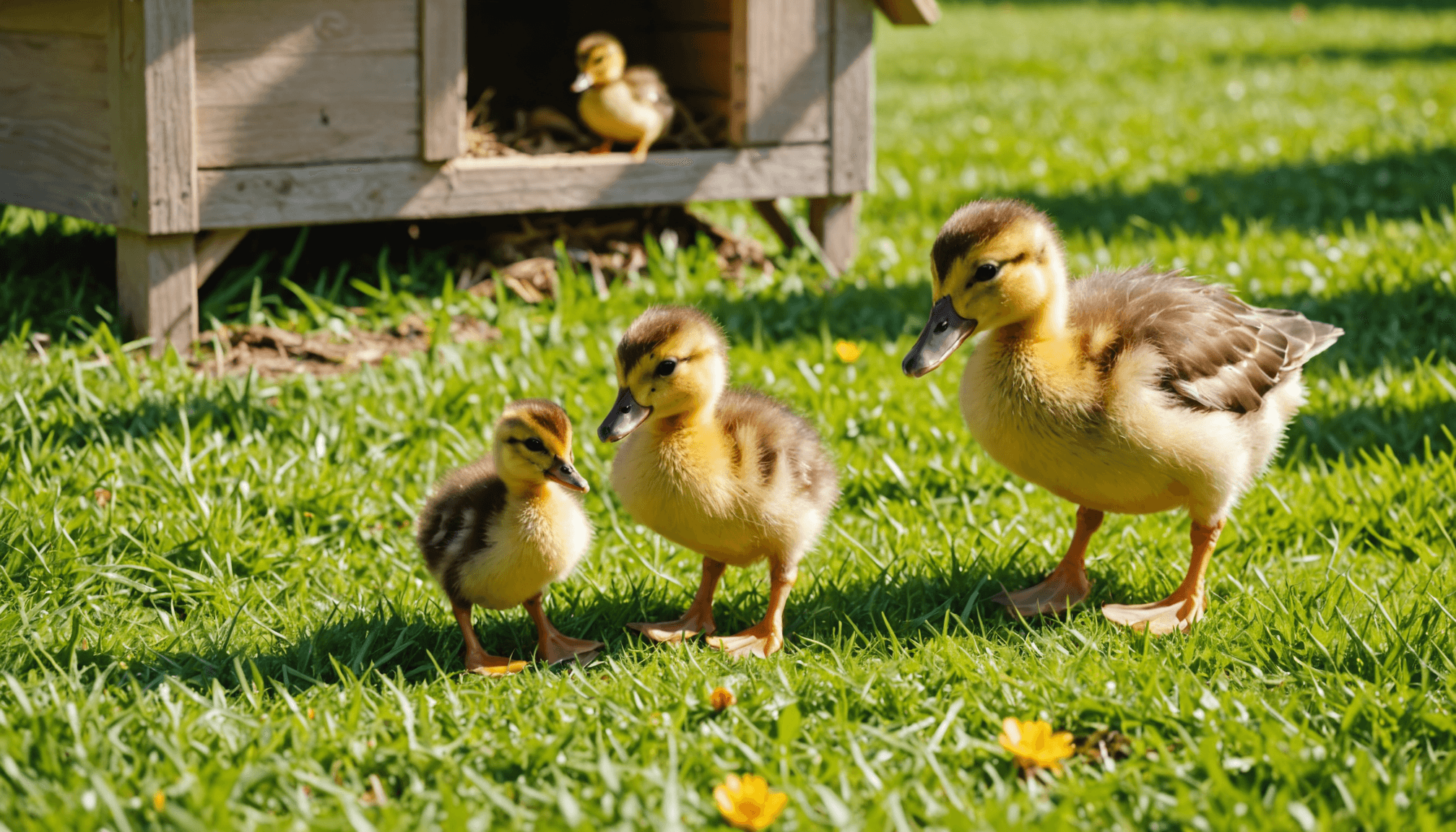
Effective management of health and hygiene within a mixed flock of ducks and chickens is essential for ensuring their long-term well-being. Because each species exhibits different behaviors and health requirements, understanding these nuances can prevent common issues and create a more resilient ecosystem on your homestead.
Regular health checks are foundational. Observing both ducks and chickens for signs of illness or distress should become a daily routine. Look for behavioral changes such as isolation, altered eating habits, or unusual lethargy, which might indicate health problems. Ducks, for instance, are particularly susceptible to waterfowl-specific illnesses, while chickens can be prone to respiratory issues. By staying vigilant, you can identify problems early on and seek veterinary care when necessary.
Maintaining cleanliness in housing is paramount. Regular cleaning of coops and outdoor enclosures not only minimizes odors but also reduces the risk of disease transmission among birds. Establish a routine that includes waste removal and replacing soiled bedding at least once a week. Additionally, providing ample space for birds to roam reduces the buildup of manure in confined areas, directly contributing to a cleaner environment.
Access to clean water is also critical, especially for ducks who require it for their bathing behaviors. Ensure that water sources are replenished frequently and kept clean; ducks like to dabble in water and can quickly turn a clean source murky. Regularly cleaning water troughs will help maintain their hygiene, safeguarding against health issues such as parasites and gastrointestinal infections.
Pairing birds with compatible health needs can further streamline management. For instance, some breeds of ducks are less tolerant to certain diseases that may affect chickens and vice versa. Selecting breeds known for their hardiness can reduce the likelihood of health problems in your mixed flock. Make sure to research each breed’s health history and requirements to make informed choices about your birds.
In addition to physical health, consider the mental well-being of your birds. Stress can weaken their immune responses, making them susceptible to illnesses. Providing a stimulating environment that promotes natural behaviors—such as foraging or dust bathing—can significantly reduce stress levels. Enrichment tools like perches, hiding spots, and interactive toys can enhance their living conditions and encourage healthy social interaction between ducks and chickens.
Proper nutrition is another critical factor in maintaining health in a mixed flock. Providing species-specific feeds along with fresh vegetables, grains, and high-quality supplements can bolster their immune systems. Consider consulting with a poultry nutritionist to ensure their diets are meeting all nutritional needs, particularly in a shared environment.
Lastly, mindful integration practices are essential in protecting the overall health of your flock. Gradually introducing new birds to established members can help prevent stress-related illnesses and ensure a smoother transition to a harmonious living situation. A well-planned approach paves the way for both ducks and chickens to coexist peacefully and thrive together.
- How often should I clean the coop and outdoor area?
- It’s advisable to clean the coop and outdoor spaces at least once a week. Regular cleaning helps minimize odors, prevents the spread of diseases, and ensures both ducks and chickens have a healthy living environment.
- What are common health issues in ducks and chickens?
- Ducks can suffer from waterfowl-specific diseases like botulism, while chickens are prone to respiratory illnesses and parasites. Regular health checks and vaccinations can help mitigate these risks.
- Can ducks and chickens share the same water source?
- Yes, ducks and chickens can share a water source, but it should be monitored for cleanliness. Ducks need water for both drinking and their bathing habits, while chickens will primarily use it for drinking.
- What should I feed my ducks and chickens?
- Chickens typically require a layer feed for egg production, and ducks benefit from a waterfowl-specific diet. It’s important to provide both species with nutrition tailored to their dietary needs while allowing for some overlap in treats.
- How can I tell if my bird is sick?
- Signs of illness include lack of appetite, lethargy, isolation from the flock, and unusual droppings. Observing behaviors regularly can help you catch any health issues early.
- Is it necessary to separate ducks and chickens?
- While not always necessary, separating them during integration or if health issues arise can prevent bullying and stress. A slow introduction can also help them adjust to each other calmly.
- What steps can I take to reduce stress in my birds?
- Providing ample space, enrichment activities, and a proper social structure can help reduce stress levels in both ducks and chickens. Observing their interactions closely can also help prevent conflicts.
Best practices for integration and coexistence
Successfully integrating ducks and chickens involves several best practices to ensure both species coexist peacefully and thrive in your homestead environment. By following these strategies, you can create a harmonious setting that benefits from the unique abilities and traits of each bird.
First, establish a gradual introduction process. When bringing new ducks or chickens into an existing flock, start by isolating the new arrivals in a separate area where both species can see and hear each other, but cannot physically interact. This allows them to acclimate to one another’s presence without the chaos that can unfold when they’re thrown together all at once. After a few days, permit short, supervised interactions. Observe how they behave towards each other, and be prepared to intervene should any aggressive or overly curious behavior arise.
In addition, consider the social hierarchy that will develop among your mixed flock. Ducks tend to be more assertive than chickens, so it’s important to monitor their interactions closely. Provide plenty of space for each species to establish their pecking order without excessive conflict. Within the coop, ensure there are enough perches, hideaways, and food and water stations to cater to both species. This will help reduce resource competition and provide security for the more timid birds.
Utilizing separate feeding zones can significantly enhance the integration process. As mentioned, chickens and ducks have different dietary needs; therefore, it’s wise to set up distinct feeding areas for each type of bird to access their specific feed. This can prevent one species from dominating the feeding area and ensures that everyone receives the nutrition they need. Using elevated feeders for chickens and ground-level troughs for ducks can also help to separate their feeding practices clearly.
Another effective strategy is to create enrichment activities that cater to both species. Ducks love to dabble in water and forage, while chickens enjoy scratching at the ground. By providing a shared foraging area filled with fresh clippings, grains, or even a dust bath, you can encourage positive interactions between your birds as they engage in natural behaviors. Be sure to supervise these activities initially, watching how both groups interact and ensuring that each has opportunities to participate without feeling threatened.
Consider the environment as well—if your homestead allows, placing your birds in a field or garden area during the day can promote healthy socialization as they forage together. Ducks can help manage insect pests, while chickens can scratch at the soil to aerate and fertilize it. Observing their interactions in this setting can provide insights into their social dynamics as they work alongside one another.
Lastly, keep health care in mind during integration. Stress can weaken the immune systems of your birds, making them more susceptible to illness. Regular health checks will become vital, especially during the initial phases of integration when they may be more prone to stress-related issues. By maintaining sanitary conditions and providing a balanced diet, you set up both ducks and chickens for a healthy start in their new shared environment.
By implementing these best practices—gradually introducing birds, creating distinct feeding zones, providing enrichment activities, and monitoring health—you can foster a thriving, integrated homestead that takes full advantage of the benefits both ducks and chickens offer. Happy homesteading!