
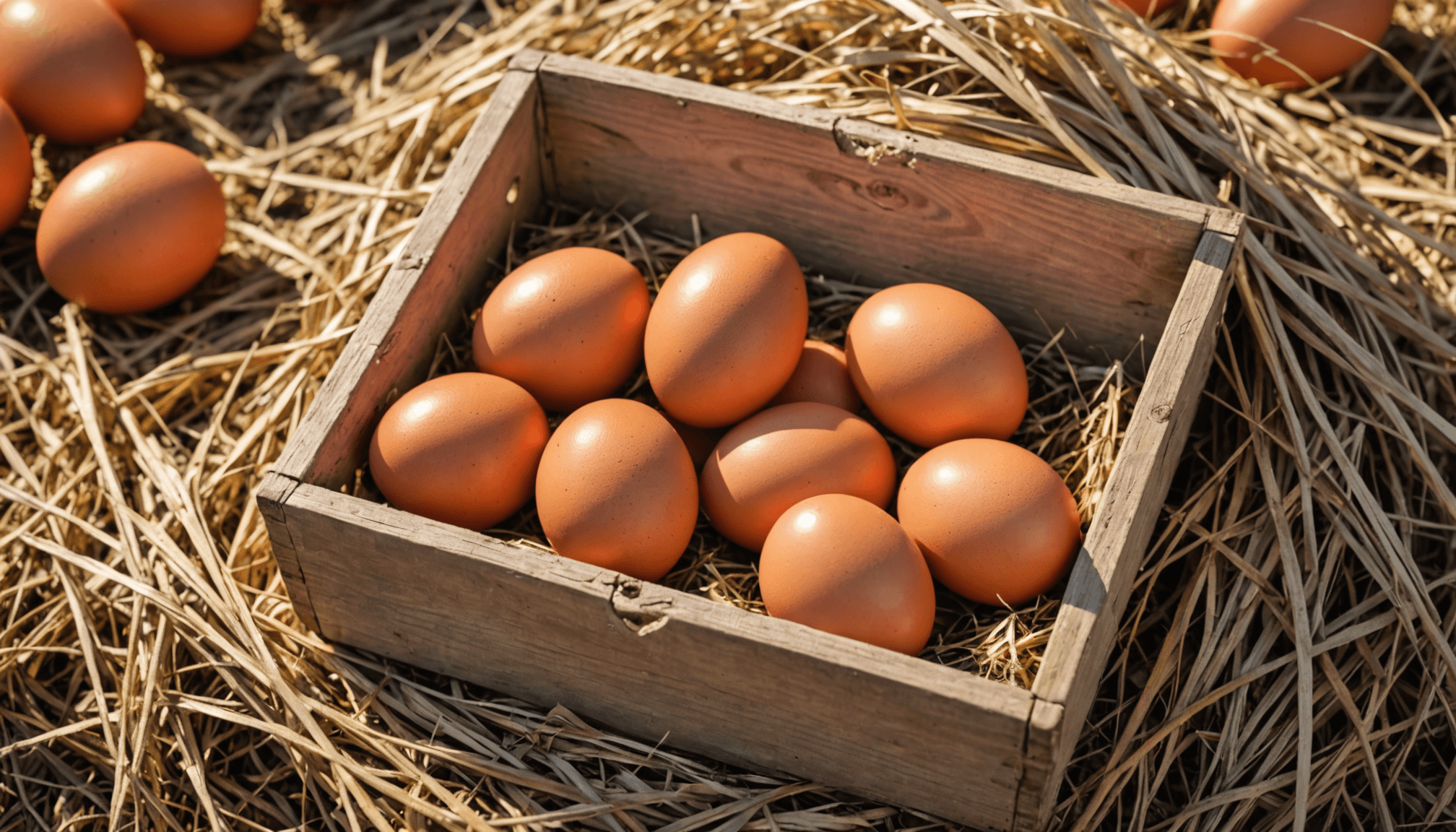
Homesteading culture has deep roots intertwined with the presence of chickens. These birds have become a symbol of self-sufficiency and sustainability for many homesteaders. Across various regions, from rural farms to urban backyards, the relationship between humans and chickens showcases an embrace of traditional practices and a commitment to practical living.
One of the compelling reasons for this connection is the myriad of personal stories that homesteaders share regarding their experiences with chickens. These tales often highlight the joys and challenges of managing a flock, offering insights into the heart of homesteading culture. For instance, some homesteaders express how raising chickens has become a family affair, with children learning responsibility by helping with daily chores, such as feeding and egg collecting.
Moreover, the use of chickens extends beyond mere egg production. They are integral to the homesteading ecosystem, providing natural pest control and enriching the soil with their manure. By observing and interacting with their flocks, homesteaders develop a profound appreciation for these creatures, which fosters a strong bond that exemplifies the essence of homesteading.
To fully embrace the culture, consider engaging with local communities, many of which have supportive groups online and offline. Joining such groups allows homesteaders to exchange tips, share stories, and even trade chickens or eggs. Participating in local farmers’ markets also enhances the homesteading experience, providing opportunities to showcase homegrown produce, including fresh eggs from your flock.
In modern contexts, urban dwellers and millennials are increasingly adopting chicken-keeping as part of their journey towards self-sufficiency. Urban gardening, coupled with small-scale chicken raising, can transform backyards into productive spaces, cultivating a deeper connection to food sources and empowering individuals to live more sustainably.
Engage in workshops or courses that teach the fundamentals of chicken care and homesteading practices; not only will these educational opportunities enrich your skills, but they can also connect you with fellow enthusiasts who share your passion. Whether it’s starting a cooperative venture or simply enjoying the camaraderie of shared interests, the community aspect of homesteading is invaluable.
Choosing the right chicken breeds for your homestead
Choosing the right chicken breeds for a homestead involves careful consideration of various factors tailored to the unique circumstances of each homesteader. The right breed can significantly enhance the experience of raising chickens, as different breeds offer distinct characteristics that influence productivity, temperament, and adaptability to the environment.
When selecting chicken breeds, it is essential to assess the intended purpose. Homesteaders often seek chickens for three primary reasons: egg production, meat production, and dual-purpose breeds that provide both eggs and meat. Below is a comparison table of several popular breeds, highlighting their main attributes:
| Breed | Type | Egg Production (per year) | Weight (lbs) | Temperament | Climate Adaptability |
|---|---|---|---|---|---|
| Leghorn | Egg Layer | 250-300 | 4-5 | Active | Excellent |
| Brahma | Meat | 150-200 | 8-12 | Calm | Good |
| Rhode Island Red | Dual Purpose | 200-300 | 6-8 | Friendly | Excellent |
| Orpington | Dual Purpose | 180-250 | 6-8 | Docile | Good |
| Plymouth Rock | Dual Purpose | 200-280 | 5-7 | Gentle | Good |
Personal stories from homesteaders often reveal their journeys in choosing chicken breeds. Some share that their initial decision was influenced by local availability, leading them to discover the benefits of raising specific breeds that thrived in their environment. For instance, a homesteader in a colder climate found that Orpingtons not only provided consistent egg production but also adapted well to harsher weather, showcasing their hardiness.
Other homesteaders emphasize the importance of temperament. Families with children often prefer friendly breeds like Rhode Island Reds or Plymouth Rocks, as these chickens are known to be sociable and interactive. Conversely, those looking for a quieter atmosphere may opt for Leghorns, which, although highly productive, are more active and less prone to human interaction.
It is also vital to consider space and housing requirements based on breed size. Heavy breeds like Brahmas require more space to accommodate their larger bodies, while lighter breeds like Leghorns can thrive in tighter quarters. Personal anecdotes illustrate how accommodating these needs can lead to an overall positive experience, ensuring that the chickens are healthy and productive.
Ultimately, the selection process involves balancing personal preferences with practical considerations. Networking with fellow homesteaders, attending local agricultural fairs, and joining breed-specific groups can provide valuable insights and recommendations. Each decision leads to a deeper connection to the land and fosters the overall goals of sustainability and self-sufficiency that underpin the essence of homesteading culture.
Daily routines: Caring for chickens on the homestead
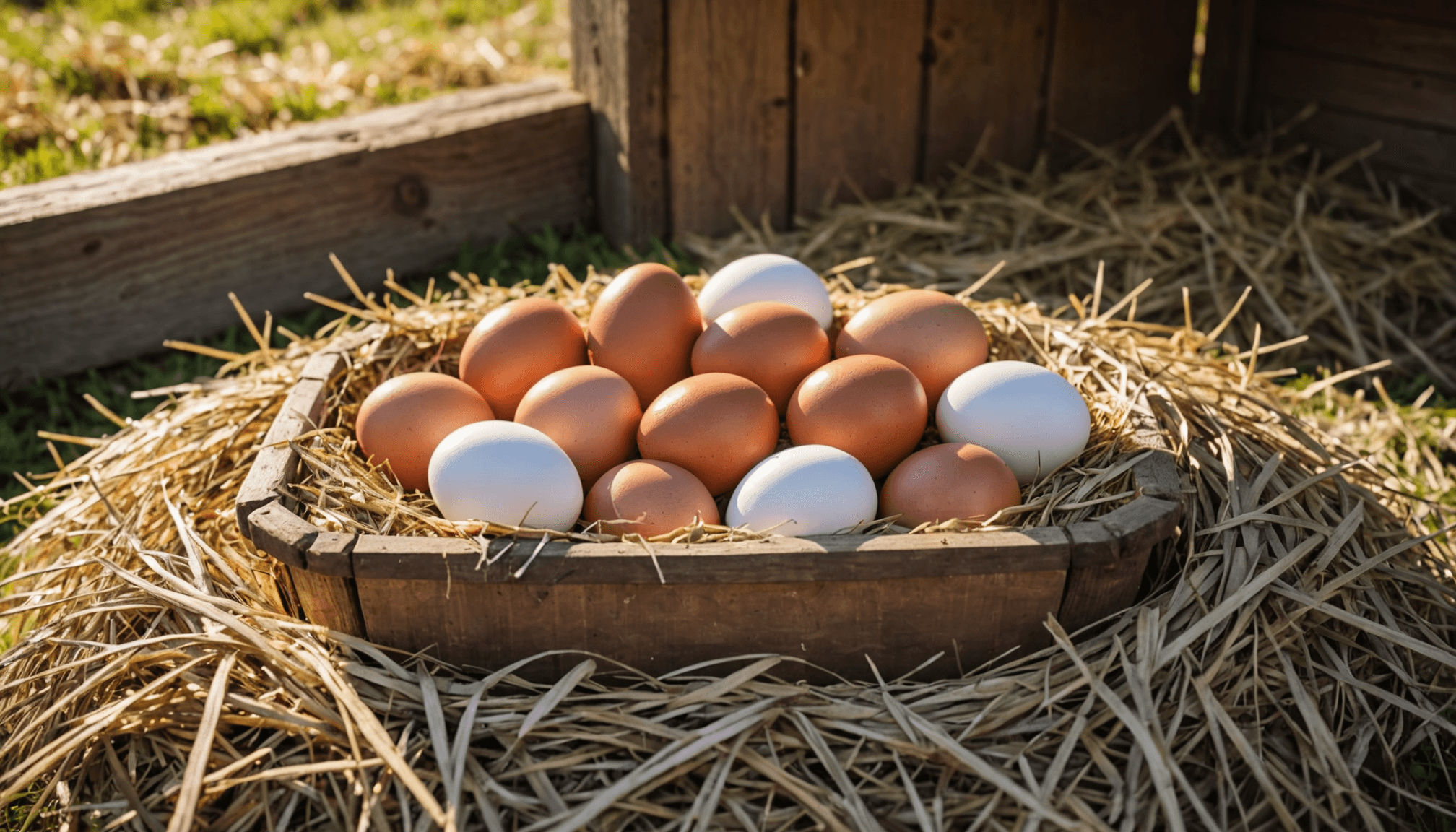
Caring for chickens on a homestead involves a set of daily routines that ensure the health and happiness of your flock. From feeding and watering to cleaning and providing enrichment, these tasks may seem daunting at first but can quickly become a fulfilling part of your daily life.
The first step in your daily routine is to feed your chickens. A balanced diet is crucial for strong health and consistent egg production. Most homesteaders opt for quality commercial feed that meets their flock’s dietary needs. However, supplementing their diet with kitchen scraps—such as vegetable peels, fruits, and grains—can improve their nutrition and reduce waste. Always avoid feeding them avocados, chocolate, or anything moldy.
Fresh water is another cornerstone of chicken care. Ensure that your chickens have clean and accessible water at all times. On hot days, consider placing water containers in shaded areas or using refillable waterers equipped with heaters during the winter months to prevent freezing. Remember to clean the waterers regularly to avoid algae growth.
Daily egg collection is an essential part of your routine if your hens are laying. Collecting eggs at least once a day prevents potential breakage and keeps the nesting boxes clean and comfortable. It also builds a routine for your hens, encouraging them to lay consistently in their designated areas.
Once the basics are covered, take time to observe your flock. Homesteaders often share personal stories of how they’ve noticed subtle changes in the behavior or health of their chickens simply by spending time with them. Keeping an eye out for any signs of illness, such as lethargy, changes in appetite, or abnormal droppings, will allow you to address problems before they escalate.
Cleaning their coop is another vital task that can’t be overlooked. Depending on the size of your flock, establish a regular schedule—often weekly or biweekly—for deep cleaning their living space. Use this time to change the bedding, which can consist of straw, wood chips, or shredded paper, and remove any waste to maintain a healthy environment. A clean coop minimizes odors and reduces the risk of respiratory issues and pests.
Providing enrichment activities is essential to keep your chickens happy and engaged. Create a space for them to forage by scattering treats around their yard or providing access to a dust bath area, which is essential for keeping their feathers clean. Install perches or hanging vegetables to encourage climbing and pecking, stimulating their natural instincts. Personal experiences shared by homesteaders often highlight the joy of watching their chickens engage with their environment in creative ways.
Finally, it’s worth considering the seasonal changes and their impact on daily routines. In the winter, you may need to check for frozen water and adjust feeding schedules to accommodate for colder temperatures. During warmer months, ensure your flock has ample shade and cooling opportunities. Homesteaders frequently share that adapting to the seasons not only benefits the chickens but also makes the experience more rewarding.
By establishing a consistent routine that covers feeding, cleaning, and health checks, homesteaders can enjoy the many benefits of raising chickens while fostering a deeper connection with their feathered companions. Building this daily relationship not only enriches your homesteading adventure but also contributes to a sustainable and self-sufficient lifestyle.
Benefits of raising chickens for homesteaders
The advantages of raising chickens for homesteaders are numerous and varied, making them a valuable addition to any homestead. One of the most significant benefits is the ability to produce fresh eggs. Having a reliable source of homegrown eggs not only guarantees quality but also fosters independence from store-bought products. Homesteaders often share personal stories about the satisfaction of cracking open an egg laid by their own hens, relishing in the rich, vibrant yolks that differ markedly from mass-produced counterparts.
In addition to providing fresh eggs, chickens play an essential role in natural pest control. Homesteaders frequently report that their flocks diligently forage for insects, which can significantly reduce pest populations in gardens and crops. This behavior helps maintain a healthier homestead ecosystem, minimizing the need for chemical pesticides. The simple act of allowing chickens to roam and forage not only benefits the gardens but also assists in maintaining the overall balance of nature by enabling natural chicken instincts to thrive.
Moreover, raising chickens offers an effective way to recycle kitchen scraps. Many homesteaders find joy in transforming waste into nourishment for their flock. Hens can consume a variety of food scraps, contributing to less waste and encouraging a cyclic approach to food production. This fosters a sense of responsibility as homesteaders appreciate the value of every part of their food system, leading to more sustainable living practices.
Another noteworthy advantage is the companionship chickens provide. Many homesteaders recount how their chickens have become more than just livestock; they are cherished family members. The gentle clucking and unique personalities of each bird create a lively atmosphere on the homestead. Engaging with chickens can be therapeutic, with homesteaders expressing joy in watching the hens interact with one another and their environment. As one homesteader said,
“Chickens have taught me patience and humility, reminding me daily of the simple pleasures in life.”
Additionally, manure from chickens serves as an excellent fertilizer. Homesteaders often emphasize how chicken droppings add vital nutrients to the soil, promoting healthy growth in their gardens. This integration of chicken waste into the homestead’s ecosystem creates a natural cycle of fertilization and renewal, enhancing the productivity of both the land and the flock.
Financially, while initial costs such as purchasing chicks, building coops, and providing feed can be substantial, the long-term savings on eggs and fertilizer often outweigh these expenses. Homesteaders frequently detail how raising a small flock has led to significant savings over time, allowing them to allocate funds toward other homesteading projects.
Ultimately, the benefits of raising chickens are multifaceted, enriching the lives of homesteaders in various dimensions—nutritional, economical, and emotional. Whether through the joy of fresh eggs, companionship, or sustainability, integrating chickens into a homestead often yields an array of rewards that enhance the overall experience of living off the land.
Personal anecdotes from experienced homesteaders
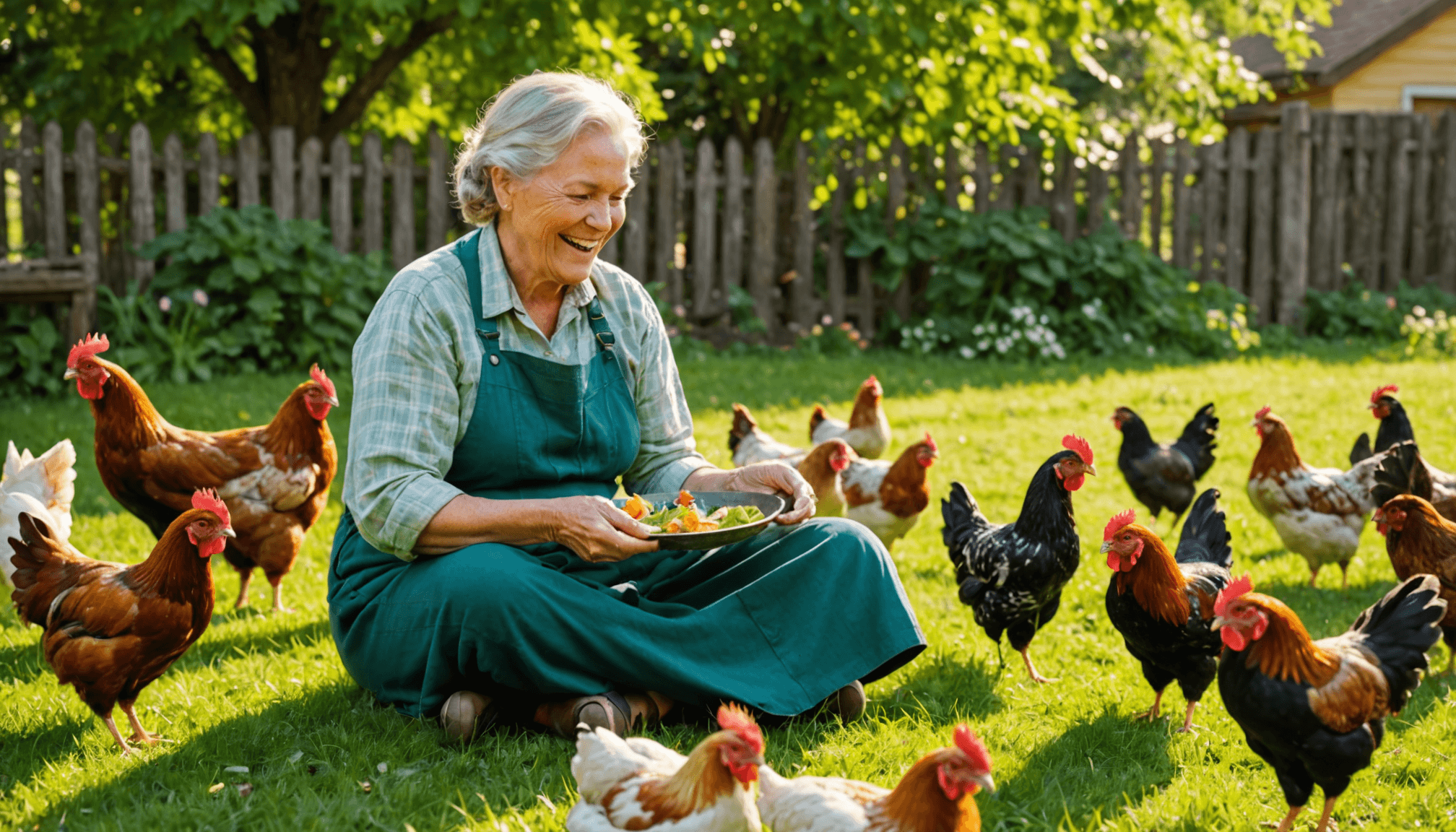
Personal anecdotes from homesteaders reveal the profound impact that raising chickens can have on their daily lives. A homesteader named Clara shared her experience of adopting a few hens after moving to her new property. Initially attracted by the prospect of fresh eggs, she soon found herself enchanted by her flock’s antics and personalities. Each chicken quickly became a cherished member of her family, with unique quirks and behaviors that brought unexpected joy to her homesteading journey.
Another homesteader, Tom, recounted how his young daughters became involved in the chickens’ care, learning responsibility while forging bonds with the animals. The girls named their hens and would often sit quietly in the coop, observing their flock with wonder. Tom reflected on how these moments became core memories for his family, illustrating the deep connections that can be fostered through caring for chickens.
Many homesteaders also emphasize the sense of community that arises from sharing chicken stories. For example, during a local farmer’s market, Emily struck up conversations with neighbors who kept chickens as well. They exchanged tips on breeds, care routines, and even favorite recipes for using fresh eggs. These shared experiences not only enriched her knowledge but also strengthened ties with fellow homesteaders, creating a network of support and camaraderie that is often described as one of the most rewarding aspects of the homesteading lifestyle.
Moreover, personal stories from seasoned homesteaders often highlight the unexpected challenges that arise in chicken keeping. Alex shared a tale of a harsh winter where the extreme cold necessitated additional precautions for his flock. By collaborating with other local homesteaders, he learned effective strategies for keeping coops warm and ensuring his chickens stayed safe and healthy during the freeze. This experience not only taught him valuable lessons in resilience but also underscored the importance of community support in overcoming homesteading hurdles.
Ultimately, the stories shared by homesteaders illustrate that the journey with chickens is filled with moments of laughter, learning, and community. Each tale showcases an aspect of life that transcends mere livestock, showcasing how chickens enrich not only the land but also the lives of those who nurture them. These personal experiences compel aspiring homesteaders to consider not only the logistics of raising chickens but also the relational and emotional dimensions that come with being a caretaker in a vibrant homesteading environment.
- What are the best chicken breeds for beginners?
- For beginners, it’s often recommended to start with friendly and hardy breeds like Rhode Island Reds, Orpingtons, and Plymouth Rocks. These breeds are known for their good temperament, resilience, and consistent egg production, making them ideal for those new to chicken keeping.
- How much space do chickens need?
- Generally, chickens require about 4 square feet of indoor space in the coop and 8-10 square feet of outdoor space per bird. Providing ample space helps prevent overcrowding and keeps your chickens healthy and stress-free.
- Can I keep chickens in my backyard?
- In many areas, keeping chickens in your backyard is permissible, but it’s important to check local regulations and zoning laws. Some municipalities may have restrictions on the number of birds or may require permits, so it’s advisable to research beforehand.
- Do chickens need a lot of attention?
- While chickens are relatively low-maintenance animals, they do require daily care, including feeding, watering, and health checks. Regular interaction can also enhance their well-being, making them more sociable and easier to manage.
- How do I keep my chickens healthy?
- Keeping chickens healthy involves providing a balanced diet, fresh water, and a clean living environment. Regularly monitoring their behavior for signs of illness and ensuring they have a safe and enriching space are also crucial components of chicken health.
- What should I feed my chickens?
- A high-quality poultry feed formulated for their age and purpose should be the primary diet for your chickens. Supplementing with kitchen scraps, greens, grains, and occasional treats can enhance their diet, but always avoid harmful foods like chocolate or avocados.
- How long do chickens live?
- Chickens typically have a lifespan of 5 to 10 years, depending on the breed and care. Factors like living conditions, diet, and overall health can influence their longevity, so good management practices are essential.
Challenges and rewards of integrating chickens into homesteading
Integrating chickens into a homestead can be both a rewarding and challenging journey for many. While the allure of fresh eggs and the joy of watching these lively creatures roam free attracts many new homesteaders, the reality of caring for chickens often comes with its own set of hurdles. Understanding these challenges is crucial for anyone considering this venture.
One of the primary challenges faced by homesteaders is predation. Chickens, especially when free-ranging, can inadvertently become targets for local wildlife looking for an easy meal. It’s essential to construct a secure coop and run, ensuring that they are both predator-proof and well-ventilated. Many experienced homesteaders recommend using sturdy materials like hardware cloth instead of chicken wire, which can be easily breached by determined predators. Personal stories from seasoned homesteaders often recount close calls with foxes, raccoons, and hawks, emphasizing the importance of vigilance and security.
Another common challenge is maintaining flock health. Chickens are susceptible to various diseases and parasites, which can spread quickly, especially in confined spaces. Establishing a regular health check routine is important; observe your flock daily for signs of distress or abnormal behavior. Appropriate vaccination schedules and deworming protocols can vary widely by region, so consulting with a veterinarian who specializes in poultry can provide valuable insights tailored to your local environment. Personal anecdotes from homesteaders often reveal how proactive health management can save not only the birds but also a lot of future heartache.
Weather changes pose another challenge for chicken keepers. Extreme temperatures can be detrimental to a flock’s health. Providing adequate shelter and ensuring that your chickens have access to shade during hot months and warmth during cold months is vital. Installing heat lamps in the winter can protect your chickens from freezing, while providing fans and plenty of water helps them avoid overheating in the summer. Some homesteaders share strategies like using deep litter systems in their coops to naturally insulate and maintain a stable temperature, illustrating creative solutions to seasonal challenges.
Social dynamics within a chicken flock can also present challenges. Chickens can establish a strict pecking order, which might lead to bullying or stress among the birds. Observing your flock’s interactions allows you to identify and mitigate issues before they escalate. Integrating new birds into an established flock requires patience and careful introduction to minimize conflict; many homesteaders share personal stories of successful introductions that involved gradual mingling and separate spaces before full integration.
However, the rewards of overcoming these challenges are numerous. Maintaining a healthy, well-managed flock can lead to abundant egg production, a rich source of natural fertilizer for gardens, and the sheer joy of watching your chickens thrive. The emotional connection formed through daily care turns chickens from mere livestock into cherished companions, further enriching the homesteading experience. As homesteaders navigate the ups and downs of integrating chickens into their lives, they often find that the challenges faced ultimately contribute to the deep satisfaction that comes with self-sufficient living.
While the integration of chickens presents challenges that must be addressed with care and diligence, the fulfillment that comes from overcoming these obstacles is immeasurable. The journey of chicken-keeping is one filled with learning, growth, and a strengthened bond with the land, ultimately enhancing the entirety of the homesteading lifestyle.