
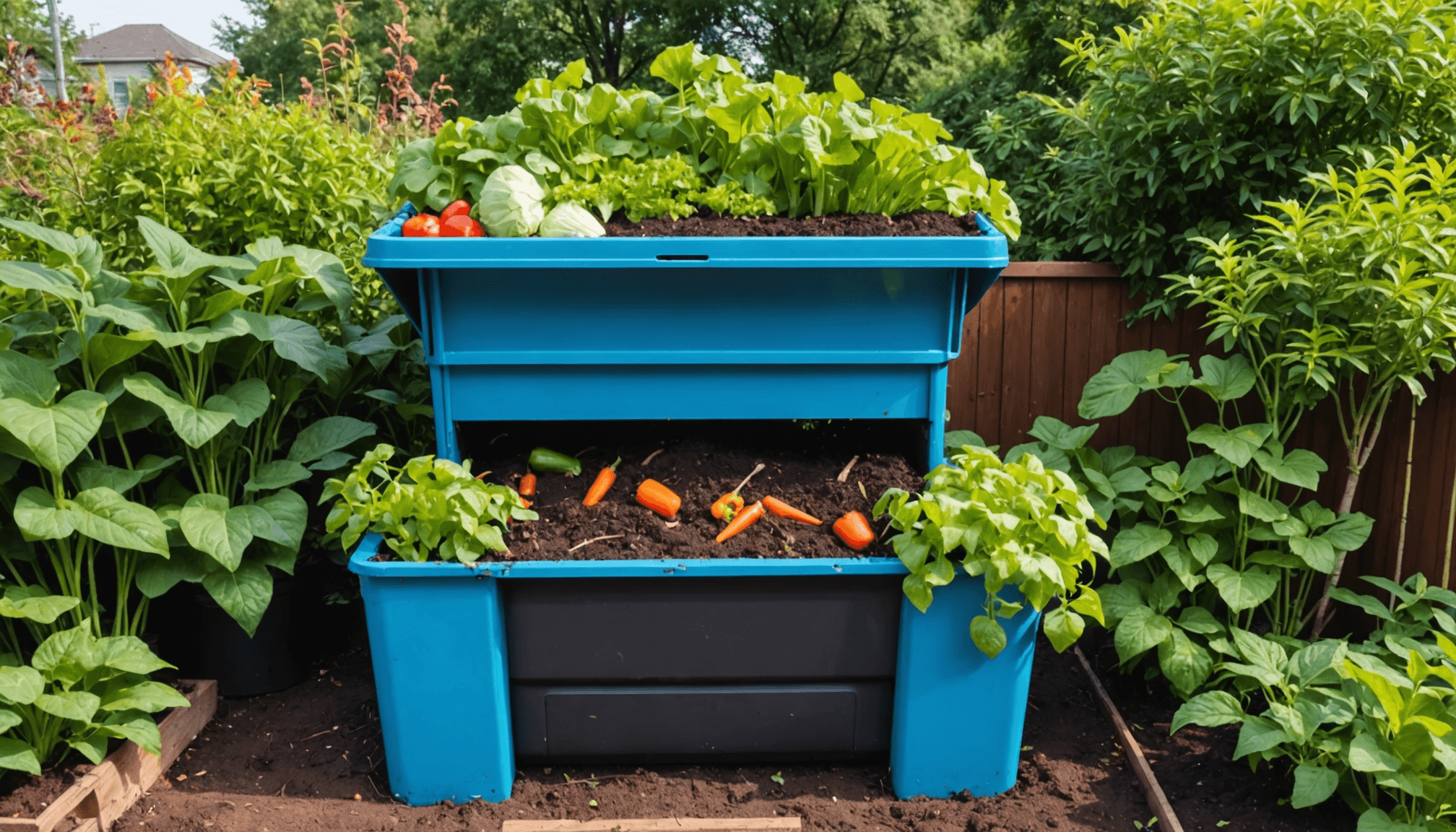
Aquaponics has emerged as a revolutionary technique in the landscape of modern agriculture, especially for those residing in urban environments. This innovative approach combines aquaculture (raising fish) with hydroponics (growing plants in water) in a symbiotic system. By leveraging this method, urban dwellers can create self-sustaining mini-ecosystems that maximize space and resources.
The core of aquaponics lies in its efficient cycling of nutrients. Fish waste provides organic nutrients for the plants, while the plants help to purify the water for the fish. Here are some practical steps to implement aquaponics in your home:
- Choose the Right Fish: Start with fish that are easy to raise, such as tilapia or goldfish. These species thrive in varying conditions and are resilient, making them perfect for beginners.
- Plant Selection: Opt for fast-growing plants like lettuce, herbs, or watercress, which also do well in nutrient-rich environments.
- System Design: You can either build your own system using PVC pipes and tanks or purchase a complete aquaponics kit. Ensure your system has proper filtration and aeration, essential for maintaining fish health and plant growth.
- Monitor Water Quality: Regularly check pH levels, nitrate, and ammonia concentrations. Ideal pH for aquaponics is typically between 6.8 and 7.2. Maintaining these levels will ensure both fish and plants prosper.
- Use Organic Practices: Avoid chemicals or pesticides that can harm your fish. Embrace organic methods such as natural pest deterrents and beneficial insects.
Additionally, consider integrating technology into your aquaponics system. Smart sensors can help you monitor temperature, pH, and water levels remotely. This tech-savvy approach is ideal for busy urbanites who want to stay connected to their farming operations.
Engaging with local communities via gardening groups or online forums can provide invaluable support and resources. Websites like Aquaponics.com offer a wealth of information, including tips and success stories from other urban gardeners. Remember, the beauty of aquaponics is that it’s a learning journey! Each step you take builds not only your gardening skills but also contributes to sustainable living in the heart of the city.
Benefits of small gardening in urban areas
Small gardening in urban areas offers numerous advantages, transforming concrete jungles into vibrant green spaces that contribute to improved quality of life and environmental health. One of the primary benefits is the enhancement of air quality. Urban areas are often plagued by pollution; however, plants naturally absorb carbon dioxide and other harmful pollutants, releasing oxygen in return. This process significantly mitigates the urban heat island effect and fosters healthier living conditions.
Moreover, small gardens foster biodiversity, providing habitats for various species of insects, birds, and other wildlife, which is crucial in densely populated areas where natural ecosystems have been compromised. Such spaces can also contribute to urban agriculture, allowing city dwellers to cultivate their vegetables and herbs. This not only promotes self-sufficiency but also reduces the carbon footprint associated with transporting food from rural areas to urban centers.
The psychological benefits of small gardening in urban settings cannot be overstated. Green spaces provide a refuge for relaxation and recreation, helping to alleviate stress and improve mental well-being. Engaging with nature has shown to enhance emotional health, making small gardens a vital component of community spaces that promote social interaction and a sense of belonging. Many urban gardeners report increased happiness and a sense of accomplishment when cultivating their own plants.
Furthermore, small gardening encourages the practice of sustainability. Urban dwellers are increasingly looking for ways to live more sustainably, and small gardens offer a practical way to practice environmentally friendly habits. This includes composting organic waste, collecting rainwater, and utilizing organic gardening techniques to minimize chemical usage. By implementing these practices, urban gardeners contribute to reducing landfill waste and conserving water resources.
| Benefit | Description |
|---|---|
| Improved Air Quality | Plants absorb pollutants and release oxygen, enhancing urban air quality. |
| Biodiversity | Small gardens create habitats for urban wildlife, supporting local ecosystems. |
| Self-Sufficiency | Growing food in small gardens reduces dependence on grocery stores and lowers carbon footprints. |
| Mental Well-Being | Gardening acts as a stress reliever, improving overall mental health. |
| Sustainable Practices | Incorporates composting and organic methods, promoting environmental stewardship. |
Placing particular emphasis on education and community engagement can further amplify the benefits of small gardening. Urban gardening workshops and community gardening initiatives create platforms for knowledge sharing and skills development. Participants not only learn about gardening techniques but also about sustainable practices that can be implemented in their own spaces. This collective effort fosters a culture of sustainability as communities work together toward common goals of food security and ecological restoration.
In essence, small gardening in urban areas is a multifaceted solution that addresses environmental, social, and personal well-being. It enriches the urban landscape, ushering in a new era of innovative farming practices that align closely with sustainable living principles. As cities continue to grow, the philosophy of combining nature with urban life becomes increasingly vital, echoing the necessity for adaptable and resilient agricultural strategies.
Sustainability in agricultural practices

Sustainability in agricultural practices hinges on the commitment to preserving resources while ensuring that our food systems remain viable and productive for future generations. For urban dwellers, this presents an exciting opportunity to explore sustainable methods that fit within limited spaces and urban lifestyles. Here, we delve into practical strategies that not only promote sustainability but also enhance the enjoyment and bounty of small-scale gardening efforts.
One of the most effective ways to embrace sustainability is through composting. Composting organic waste reduces landfill contributions and generates nutrient-rich soil amendments for your plants. Set up a simple compost bin in your garden or even in a designated corner of your kitchen. As you collect vegetable scraps, coffee grounds, and yard waste, you’ll start to notice how quickly your compost pile transforms into a valuable resource that nourishes your plants. For those with limited space, consider a bokashi bin, which ferments kitchen waste and can fit under your sink!
Another significant component of sustainable urban gardening is the use of native plants. Native species are already adapted to your local climate and soil conditions, requiring less water and maintenance compared to non-native plants. They are also essential for supporting local biodiversity, attracting beneficial insects and pollinators. Visit a local nursery that specializes in native flora, and you’ll not only find beautiful plants but also contribute to the ecological health of your area.
Water conservation is another critical aspect of sustainable gardening practices. By collecting rainwater through barrels or installing drip irrigation systems, you can significantly reduce water usage while keeping your plants hydrated. These methods help lower your water bill and promote responsible consumption of this vital resource. Additionally, consider incorporating xeriscaping principles—designing gardens that minimize water needs by using drought-tolerant plants—especially if you live in areas prone to dry spells.
To combat pests and diseases without resorting to harmful chemicals, practice integrated pest management (IPM). This involves a combination of natural predators, traps, and plant companions that deter harmful insects. For example, planting marigolds can repel pests, while inviting ladybugs into your garden can help manage aphid populations. By creating a balanced ecosystem, you’ll find that your garden will thrive sustainably, organically, and beautifully.
In addition to these practices, urban gardeners should consider engaging with local resources that enhance sustainability. Community-supported agriculture (CSA) programs offer subscriptions to fresh produce while supporting local farms. By buying from CSA programs or local farmers’ markets, you can reduce carbon footprints associated with food transportation, support local economies, and still enjoy delicious, seasonal produce.
Finally, educate yourself and others in your community about sustainable practices. Hosting workshops or participating in local gardening clubs can significantly increase awareness and promote collective sustainability efforts. Sharing knowledge about composting, natural pest management, and organic gardening techniques creates a supportive community dedicated to enhancing urban agriculture.
Incorporating these approaches into your urban gardening activities will not only amplify your sustainability efforts but also foster a greater connection to your environment. Sustainable agricultural practices are not just about growing food; they are about cultivating community, improving health, and respecting our planet’s resources. Each small action contributes to a larger movement towards a more sustainable future, nurturing not only our gardens but also our communities.
Combining aquaponics with traditional gardening
Combining aquaponics with traditional gardening creates a holistic and innovative approach to urban agriculture that leverages the strengths of both systems. By integrating aquaponics into conventional gardening methods, enthusiasts can enhance their cultivation efforts, optimize space efficiency, and promote biodiversity within their urban environments.
One effective way to merge these practices is by employing aquaponics as a supplemental system for soil-based gardens. This technique can ensure a steady supply of nutrients for the garden by creating a closed-loop system where fish waste is converted into usable substances for the soil. Plants grown in traditional soil gardens can receive nutrient-rich water from aquaponic systems, which helps conserve water while enhancing soil fertility.
Additionally, traditional gardening can diversify the variety of yields, allowing for a broad spectrum of vegetables, fruits, and herbs. For instance, while aquaponics excels with leafy greens and herbs, many fruiting plants, like tomatoes and peppers, thrive better in soil-based systems. Therefore, by strategically placing these crops adjacent to an aquaponics setup, gardeners can benefit from both systems while increasing overall harvests.
“The beauty of integrating aquaponics into traditional gardening lies in the synergy created — one system enhances the other, leading to a more productive and sustainable solution.”
Another aspect of combining these two approaches is the potential for increased pest management. In traditional gardening, diverse plant species can deter pests and promote healthier ecosystems. Complementing this with aquaponics introduces fish that can help control certain pests naturally. For instance, some fish will consume the larvae of mosquitoes and other pests, thereby reducing the need for chemical pesticides.
Community gardens can particularly benefit from this integration. Shared aquaponic systems can educate participants about sustainable practices and help them understand the aquatic ecosystem’s interactions with terrestrial plants. Workshops can be organized to show how these systems work in tandem, encouraging collaboration and knowledge sharing while fostering a sense of community.
When setting up this integrated system, it’s essential to consider the design and layout carefully. A vertical aquaponics system can be placed next to traditional garden beds, allowing for accessibility and efficient use of urban space. Moreover, incorporating raised beds in combination with aquaponics can better cater to localized sun exposure and watering needs, enhancing both systems’ overall productivity.
To further solidify the combination of these practices, actively monitoring and managing system health is vital. Regular water quality assessments in aquaponics can guide nutrient levels for traditional gardens, while soil testing can inform how much aquaponic water to circulate into the garden beds without overwhelming the soil. Such integration requires continuous observation and adjustment but ultimately results in healthier plants and a more sustainable cultivation model.
By bridging aquaponics with traditional gardening, urban farmers can create multifunctional green spaces that are resilient, productive, and ecologically sound. This innovation not only maximizes the potential for food production but also nurtures the connection between humans and nature in urban settings, fostering an understanding of interdependent ecosystems.
Challenges and solutions in innovative farming

The journey of innovative farming is not without its challenges, especially as urban gardeners venture into methods like aquaponics and small gardening. While the integration of these practices can lead to remarkable outcomes in sustainability and food production, numerous obstacles can arise, including technical issues, resource availability, and knowledge gaps among practitioners. Understanding these challenges and seeking viable solutions can enhance the success of these innovative methods and empower individuals to take ownership of their agricultural endeavors.
One prevalent challenge in aquaponics is the management of system balance. The delicate relationship between fish and plants means that fluctuations in water quality can impact both simultaneously. Sudden changes in pH levels or ammonia spikes can be detrimental, leading to stress for fish and poor plant growth. The solution lies in regular monitoring and employing automated systems that alert you to changes in key parameters, ensuring a healthy ecosystem. Additionally, implementing biological filters and maintaining a diverse range of plants can help stabilize system conditions, encouraging resilience.
Another significant issue is the initial investment that aquaponics may require. While the long-term benefits are considerable, the upfront costs for equipment, fish, and seedlings can be discouraging for beginners. Community-supported agriculture groups, local grants, or crowdfunding can facilitate support for starting such systems. Furthermore, sharing costs and knowledge through community gardens can create opportunities for greater resource pooling, reducing individual financial burdens while enhancing communal learning.
Aquaponic systems can also face challenges related to fish selection and care. Choosing the right species is critical; certain fish require specific conditions that may not be suitable for every system. Beginners should focus on hardier species like tilapia that can withstand fluctuations in environment. Leveraging online forums or local aquaponics workshops can provide insights and real-life experiences that guide new growers in making informed choices, nurturing confidence as they embark on their farming journey.
Moreover, education and skill development are vital to overcoming many hurdles associated with innovative farming. Urban gardeners may lack experience with aquaponic systems or traditional gardening practices, leading to potential mismanagement. Establishing educational programs, either through local universities or gardening clubs, can elevate the community’s skill level and cultivate a support network. Knowledge exchanges and collaborative workshops not only provide hands-on experiences but also foster a culture of learning and innovation.
Resource accessibility is another hurdle, particularly in food deserts or economically challenged regions. Limited access to quality seeds, fish, or equipment can stifle efforts to implement these sustainable practices. Community partnerships with local businesses or nonprofits can help bridge this gap, offering resources like donated materials or educational workshops. Establishing schemes that promote urban agriculture within local policies can initiate change, ensuring urban residents have the tools and support they need to thrive.
Furthermore, weather variations and climate conditions can pose significant challenges, especially with the unpredictability of urban microclimates. This necessitates adaptability when designing systems that can withstand environmental changes. Utilizing climate-research data and embracing crop diversity can enhance resilience while also promoting better risk management practices. Emphasizing permaculture principles, where systems are designed to mimic natural ecosystems, can create more robust agricultural practices that withstand climate variability.
Ultimately, it is imperative to recognize these challenges as opportunities for growth and innovation. With a focus on community engagement, continuous education, and resource-sharing, urban farmers can develop a thriving culture of sustainable agriculture that not only addresses modern challenges but also inspires a collective effort towards ecological stewardship and food security.
- What is aquaponics and how does it work?
- Aquaponics is a sustainable farming system that combines aquaculture (raising fish) with hydroponics (growing plants in water). In this symbiotic environment, fish waste provides nutrients for the plants, while the plants help clean the water for the fish.
- What are the main challenges of starting an aquaponics system?
- Common challenges include maintaining proper water quality, managing fish health, and addressing initial costs. Regular monitoring and community support can help mitigate these issues as you start your aquaponics journey.
- Is it expensive to set up an aquaponics system?
- The initial setup can be costly due to equipment and materials, but there are budget-friendly options and community resources available. Collaborating with local groups or utilizing DIY methods can reduce costs significantly.
- What types of fish are best for aquaponics?
- Hardy fish such as tilapia, goldfish, or catfish are commonly used in aquaponics. These species are relatively easy to care for and can adapt to various water conditions, making them suitable for beginners.
- Can traditional gardening methods be integrated with aquaponics?
- Yes! Combining traditional gardening with aquaponics can enhance plant growth and biodiversity. Water from the aquaponics system can be used to nourish soil-based plants while benefiting from the healthy ecosystem both systems create.
- How can I get involved in urban gardening in my community?
- Look for local gardening clubs, workshops, or community gardens in your area. Participating in these initiatives can enhance your skills, provide support, and foster connections with fellow urban gardeners.
- What role does education play in overcoming barriers in innovative farming?
- Education equips individuals with the knowledge and skills to manage systems effectively, helping to address challenges associated with aquaponics and small gardening. Community-based learning initiatives can foster collaboration and enhance overall success in urban agriculture.
Future trends in sustainable agriculture
As we look toward the future of sustainable agriculture, several exciting trends are emerging that hold promise for enhancing food security and promoting environmentally friendly practices. Urban dwellers, particularly millennials and gardening enthusiasts, are at the forefront of these changes as they adopt innovative farming practices that align with their lifestyles and values.
One of the most notable trends is the increased integration of technology in urban farming. Smart agriculture tools, such as IoT (Internet of Things) sensors, allow gardeners to monitor their plants’ needs in real-time. These devices can track moisture levels, light exposure, and nutrient availability, helping gardeners optimize conditions for plant growth. By utilizing apps linked to these sensors, you can receive alerts about critical environmental parameters, ensuring your urban garden thrives. This tech-savvy approach resonates well with millennials who appreciate hands-on involvement yet seek efficiency and convenience in their gardening practices.
A very promising direction in sustainable agriculture is the rise of vertical farming. As urban spaces become more crowded, the ability to grow food vertically presents a compact and efficient solution. Vertical farms utilize hydroponic and aquaponic systems, allowing for high yields in limited spaces. You can create your own mini vertical farm at home by repurposing old furniture or utilizing wall-mounted planters. This method not only maximizes space but also enhances your gardening aesthetic and serves as a conversation starter about sustainable practices.
Urban agriculture is also seeing a surge in community-driven initiatives. Neighborhoods are forming cooperative gardens where residents can collectively grow and share crops. Participating in or starting a community garden not only fosters social interactions but also allows members to learn from one another, exchange knowledge, and cultivate a shared sense of purpose. These collaborations help address food security while nurturing a supportive community environment. Plus, they can be an excellent way to introduce children to growing their own food, instilling a sense of responsibility and connection to the earth.
In addition to these collaborative efforts, there’s a growing recognition of the importance of local food systems. With the demand for organic produce skyrocketing, more people are seeking out local farmers’ markets or joining community-supported agriculture (CSA) programs. These initiatives directly connect consumers to producers, reducing transportation emissions and ensuring the freshest possible produce. For city dwellers, building relationships with local farmers not only supports the economy but also fosters a sense of trust regarding the food they consume.
Another significant trend is the emphasis on regenerative agriculture practices that prioritize soil health. This approach goes beyond merely sustaining the land; it seeks to enhance its vitality through techniques such as cover cropping, crop rotation, and composting. By adopting regenerative methods, urban gardeners can play a vital role in improving soil health in their neighborhoods, leading to better yields and eco-friendly landscapes. Workshops and online courses focusing on these techniques can empower city dwellers to transform their gardening habits and promote sustainability.
Finally, as awareness around climate change grows, many gardeners are shifting toward permaculture principles. Permaculture emphasizes design solutions that are in harmony with nature, promoting biodiversity and minimizing waste. By creating self-sustaining ecosystems, urban gardeners can significantly reduce their ecological footprints. For instance, including pollinator-friendly plants in your garden supports local ecosystems, enhances biodiversity, and ensures healthy food production through natural pollination.
The future of sustainable agriculture is bright, with exciting trends that underscore the importance of innovative farming techniques in urban spaces. As you explore these emerging practices, consider how they can seamlessly integrate into your urban gardening efforts. Whether it’s through embracing technology, participating in a community garden, or advocating for local food systems, each step you take contributes to a greener, more sustainable future.