
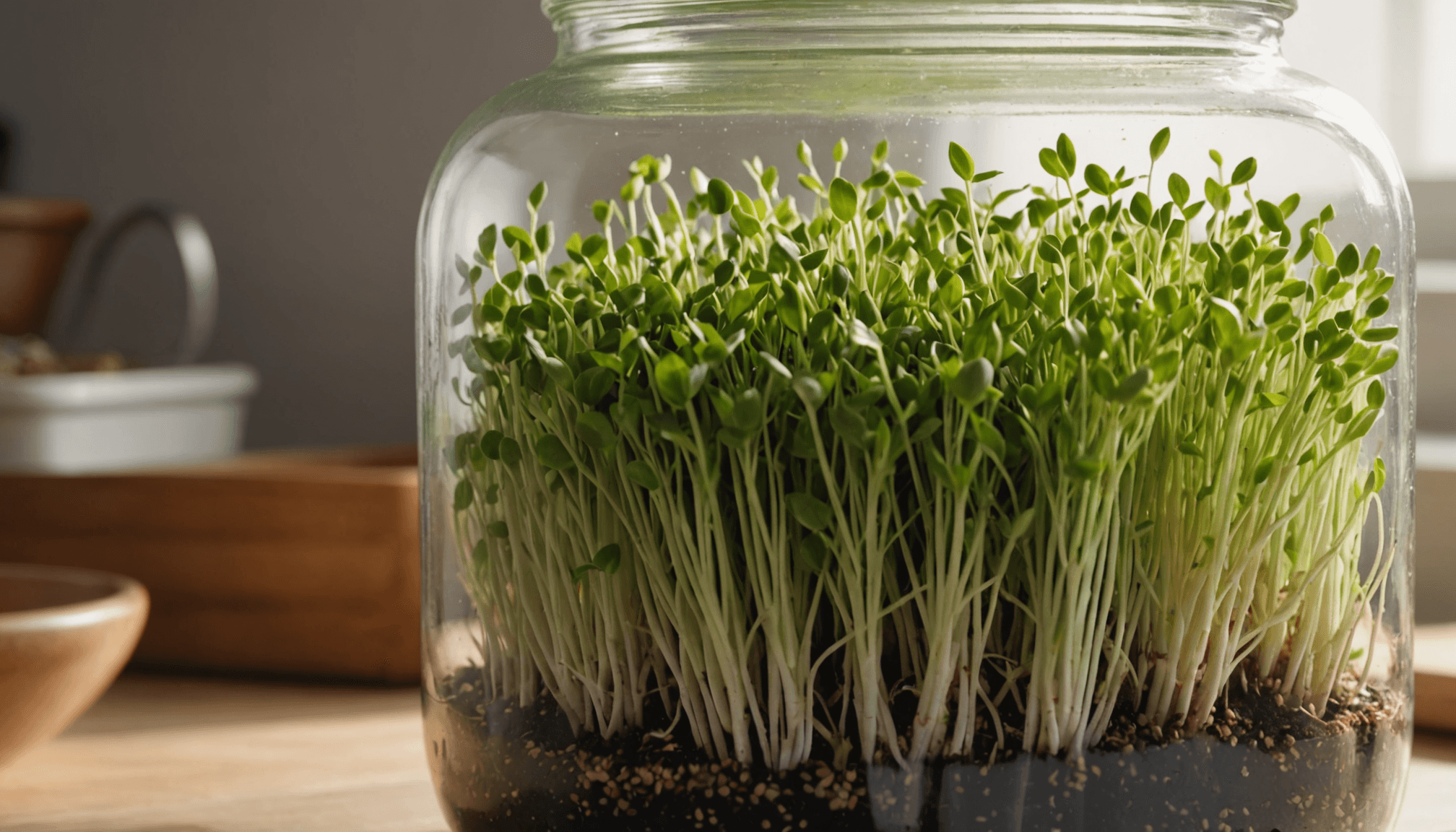
Sprouts are tiny powerhouses of nutrition, often overlooked by many in the quest for healthy eating. These little greens pack a punch, offering a concentrated source of vitamins, minerals, and enzymes that can dramatically enhance your diet. When seeds sprout, they undergo a process called germination, which triggers a transformation that increases their nutrient content significantly.
One of the standout benefits of sprouts is their remarkable vitamin C levels. For instance, alfalfa sprouts can contain up to 10 times more vitamin C than their dried seed counterparts. This vitamin is essential for immune function and skin health. Moreover, sprouts are rich in B vitamins, which are critical for energy production and metabolic processes, making them ideal for anyone leading an active lifestyle.
Beyond vitamins, sprouts are also abundant in minerals like magnesium, potassium, and iron, contributing to overall bodily function and health. They’re particularly appealing for those on plant-based diets, as they provide essential nutrients often found in animal products.
One cannot overlook the abundance of dietary fiber found in sprouts, which aids in digestion and contributes to feelings of fullness. For families and urban dwellers, incorporating this fiber into meals can help in managing weight and improving gut health.
Another fascinating aspect of sprouts is their enzyme activity. Sprouts are rich in enzymes that can help boost digestion and assist in the absorption of nutrients. This is particularly important, as many cooked foods can lose many of their enzymes in the cooking process. By introducing sprouts into your meals, you’re also adding living foods that can vitality to your diet.
It’s also worth mentioning that by choosing to grow sprouts at home, you’re not only improving your health, but you’re also making a budget-friendly choice. Sprouting requires minimal space, making it perfect for urban dwellers and garden enthusiasts alike. A small jar or a sprouting tray will suffice, and seeds are relatively inexpensive, often yielding several batches of nutritious greens.
Be sure to source your seeds from reputable suppliers, prioritizing organic and raw varieties. This ensures that your sprouts are free from harmful chemicals, enhancing their health benefits and your peace of mind. Remember, the right seed choice can elevate the flavor and nutritional content of your sprouts!
Choosing the Right Seeds for Sprouting
When it comes to cultivating sprouts, selecting the right seeds is paramount. Not all seeds are suitable for sprouting, and some will yield better nutritional profiles and flavors than others. Here are some popular options and their benefits:
| Seed Type | Nutritional Highlights | Flavor Profile |
|---|---|---|
| Alfalfa | High in vitamin K, C, and antioxidants. | Delicate and mildly sweet. |
| Broccoli | Rich in sulforaphane, known for its cancer-fighting properties. | Earthy and spicy kick. |
| Radish | Contains vitamin B6, potassium, and has anti-inflammatory properties. | Bold, peppery flavor. |
| mung bean | High in protein, fiber, and essential amino acids. | Crisp and slightly sweet. |
| Sunflower | Excellent source of vitamin E and healthy fats. | Nutty and crunchy. |
Choosing organic seeds is also crucial. Organic seeds are grown without synthetic pesticides or fertilizers, significantly reducing the risk of chemical residues on your sprouts. When purchasing seeds, make sure they are specifically labeled for sprouting, as some seeds may be treated with chemicals that inhibit germination or may be unsuitable for consumption.
In addition to the nutritional benefits, each type of seed has its specific sprouting time and method, affecting the final yield and nutrient density. For instance, broccoli seeds may sprout within 4-6 days, while alfalfa requires about 5-7 days to reach optimal growth. Understanding these timelines will help you plan your sprouting schedule effectively, ensuring a continuous supply of fresh greens.
Consider your personal tastes and dietary needs when selecting seeds. If you’re looking for protein-rich options, mung beans might be your best bet, whereas if you’re aiming for a higher vitamin content, broccoli is an excellent choice. Experimenting with different seed varieties can also lead to exciting new flavors in your meals. Whether you’re adding them to salads, sandwiches, or smoothies, a mix of sprouts can bring both nutritional diversity and vibrant taste to your table.
Easy Step-by-Step Guide to Sprouting at Home
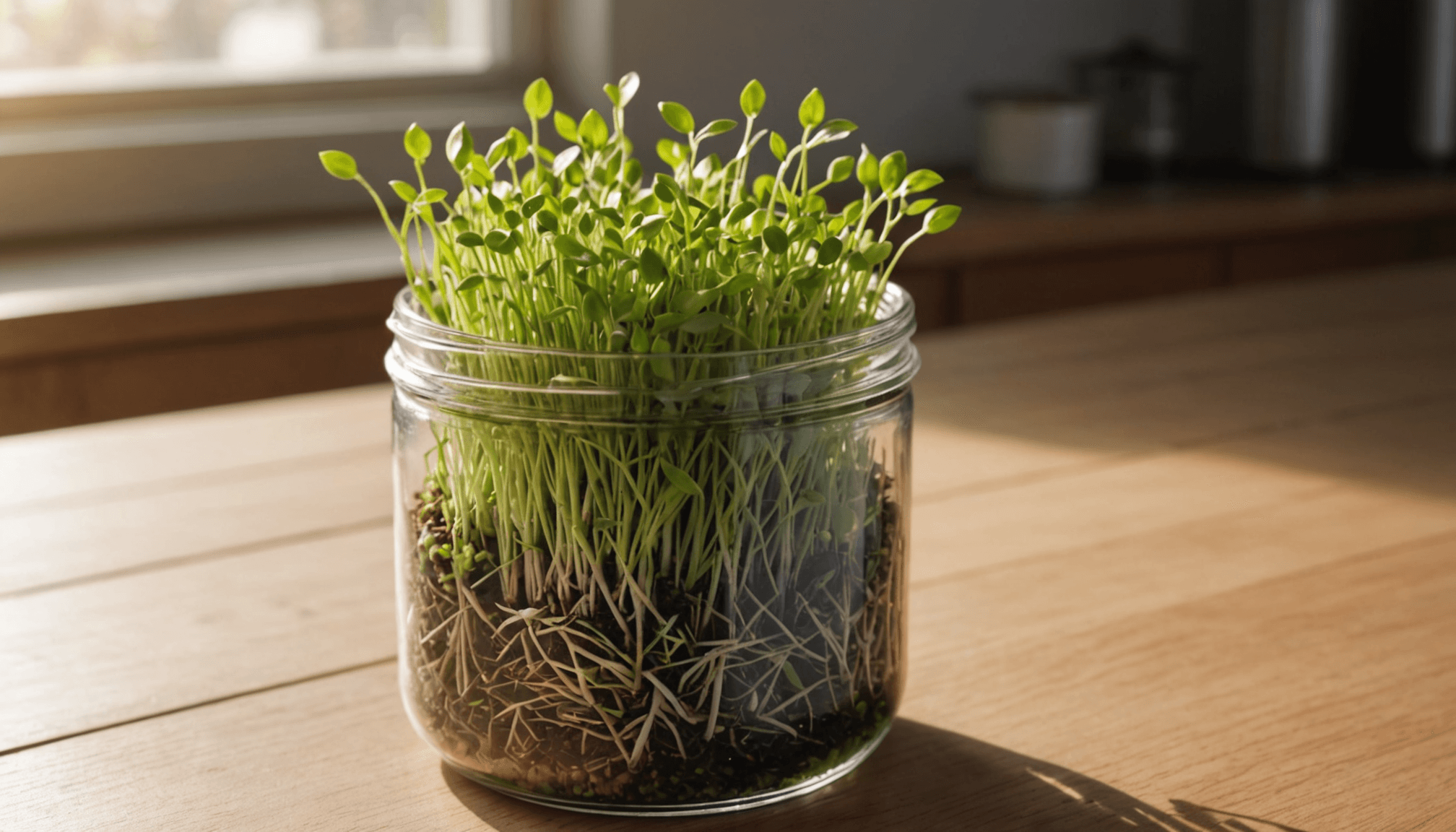
Growing sprouts at home is not only straightforward but also an immensely satisfying activity that brings fresh nutrition right to your fingertips. No matter your level of experience, this easy step-by-step guide will help you cultivate your own healthy greens effortlessly and efficiently.
Step 1: Gather Your Supplies
Before starting, make sure you have the following supplies:
- Seeds: Choose organic sprouting seeds as mentioned before.
- Sprouting Jar or Tray: A wide-mouth mason jar works great, or you can use a dedicated sprouting tray if you have one.
- Cheesecloth or Fine Mesh Lid: For covering the jar to allow for air circulation while keeping the seeds from falling out.
- Water: Filtered water is best to keep the sprouts pure and free from any contaminants.
Step 2: Soak the Seeds
Begin by measuring out about 1-2 tablespoons of seeds, depending on the type and your sprouting container size. Place the seeds in your jar and cover them with enough water to submerge them completely. Let them soak for 4 to 8 hours; this will kickstart the germination process. Be sure to check the specific soaking times for each seed type, as they can vary.
Step 3: Drain and Rinse
After the soaking period, drain the water from the jar using your cheesecloth lid or mesh. Rinse the seeds gently with fresh water to remove any debris. This rinse also helps to keep them moist. Make sure to drain any excess water thoroughly to avoid rot.
Step 4: Germinate
Place the jar in a well-ventilated area out of direct sunlight. Ideally, you want to keep the temperature around 70°F to 75°F (21°C to 24°C). Rinse and drain the seeds 2-3 times daily to keep them moist and promote healthy growth. This practice also helps to prevent mold from developing.
Step 5: Harvest
In about 4 to 7 days, your sprouts should be ready to harvest! They will have grown to a height of about 1 to 2 inches, with tiny leaves unfurling. Give them a final rinse and drain them thoroughly to remove any remaining water.
Step 6: Store Your Sprouts
Transfer your freshly harvested sprouts into a bowl or container and store them in the refrigerator. They are best eaten within a week, but proper storage can extend their freshness. Use an airtight container for optimal results. Avoid washing them until you are ready to consume them to prolong their shelf life.
Helpful Tips
- Always wash your hands and use clean equipment to prevent contamination.
- If you notice any unusual odors or signs of mold, discard the sprouts immediately.
- Rotate your sprouting jars to encourage even growth if sprouting multiple varieties at once.
- Experiment with different seeds to find your favorites; each type has a unique flavor profile and nutritional benefits.
By following these easy steps, you’ll be able to grow your own sprouts with minimal effort and enjoy the benefits of fresh, nutritious greens right from your kitchen. Whether you sprinkle them on salads, blend them into smoothies, or include them in wraps, your home-grown sprouts will surely enhance any meal!
Cost-Effective Tips for Cultivating Sprouts
Growing sprouts at home is not only a fulfilling endeavor but also a remarkably cost-effective way to enhance your meals with fresh nutrition. Here are some actionable tips to help you optimize your sprouting experience while keeping expenses low.
First and foremost, consider the initial investment for cultivating sprouts. Unlike many gardening ventures that require extensive supplies and equipment, sprouting needs minimal setup. A simple glass jar or a dedicated sprouting tray serves as the foundational tool, allowing you to sprout a variety of seeds without breaking the bank. Additionally, most sprouting seeds are sold in bulk, which can further reduce costs compared to pre-packaged options. Always compare prices from different suppliers, prioritizing local sources or farmers markets, where you might also find fresher and more affordable seeds.
Another strategy for saving money is to maximize your sprout yield. Each type of seed can produce significantly more sprouts than you might expect. By carefully measuring your starting seeds according to container size and type, you can ensure that you’re utilizing your space efficiently and minimizing waste. Remember that even a small amount of seeds can yield a generous harvest within a week, so you don’t need to overspend on large quantities.
Consider sprouting a variety of seeds simultaneously. This not only diversifies your nutrition but also creates a more engaging culinary experience. Sprouting trays often come with sections that allow for the cultivation of multiple seed types, making it easy to grow a mix without needing separate jars. This method effectively maximizes your space and time, as you’ll have fresh greens ready to enjoy in different forms faster.
When it comes to maintenance, keep your sprouting setup simple. Rinsing and draining are essential to healthy sprouts, and by establishing a regular schedule—such as doing it first thing in the morning and right before bed—you can seamlessly integrate this into your daily routine. Not only will this ensure healthy growth, but it will also keep your sprouts fresher and more vibrant, enhancing their shelf life and reducing food waste.
By using kitchen scraps or leftover vegetable trimmings to flavor your meals with sprouts, you can create a delicious blend of nutrients without additional costs. For example, using herbs or vegetables you already have can enhance the flavors of your dishes, making your sprouts a delightful addition without needing to buy new ingredients. You also have the option to grow microgreens from leftover vegetable scraps, taking full advantage of your kitchen waste.
Additionally, if you’re part of a community or have friends interested in sprouting, consider exchanging seeds or sharing yield. This not only fosters a sense of community but can significantly reduce your costs as you can try multiple varieties without investing in full packets of seeds. Furthermore, sharing knowledge and tips on sprouting can enhance your success and enjoyment as you learn from one another’s experiences.
“Investing in your health with sprouting is not only affordable but empowers you to take charge of your nutrition.”
Lastly, leverage online resources and communities dedicated to home sprouting. They often provide insights on the best deals, seed sources, and growing techniques specific to your region. By connecting with like-minded individuals, you may uncover additional savings opportunities and support your ongoing journey to healthy eating on a budget.
Incorporating Sprouts into Your Daily Meals
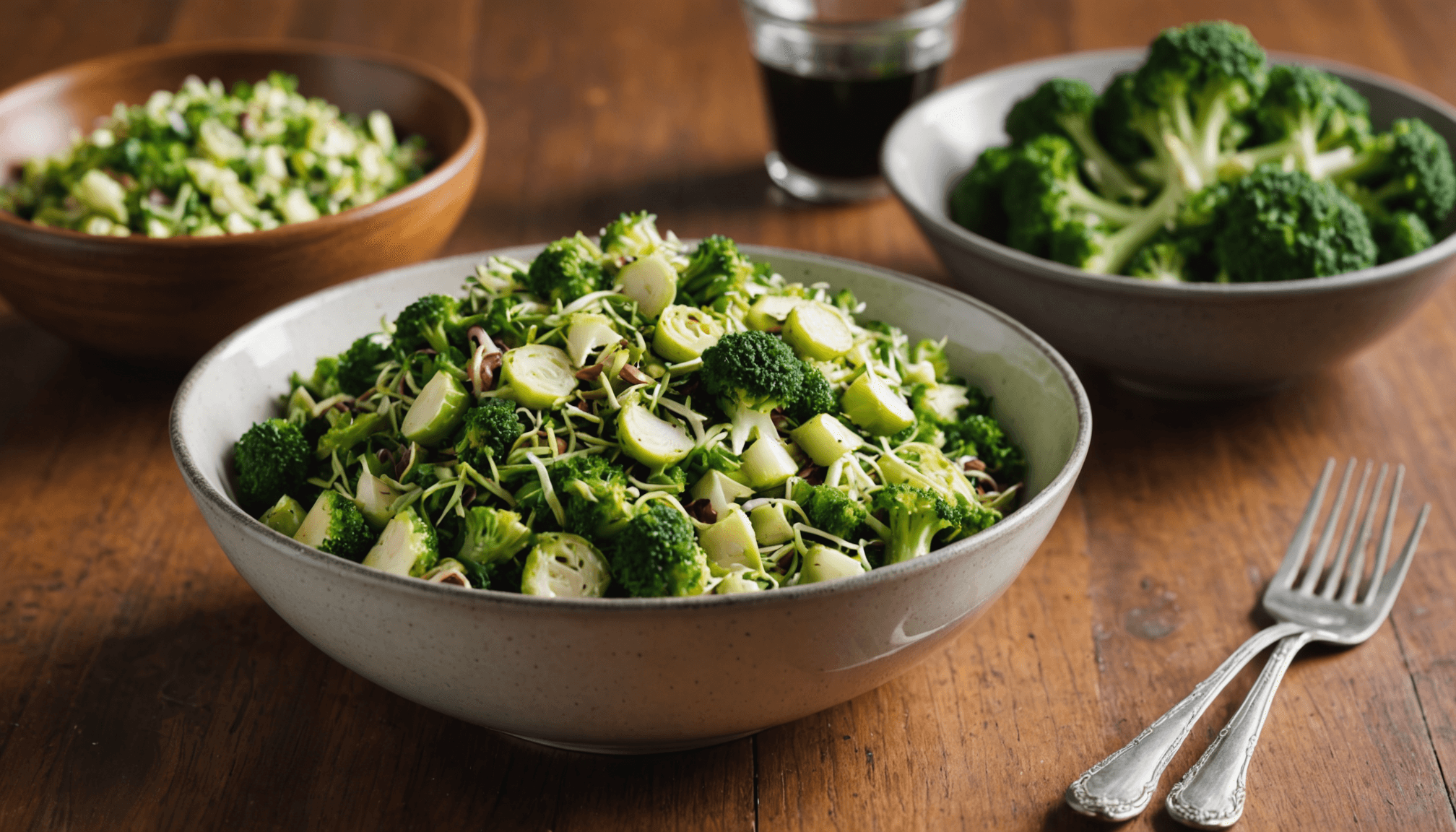
Incorporating sprouts into your daily meals opens up a world of culinary creativity and nutritional benefits, allowing you to easily enrich your diet. Start by adding them to salads; their crisp texture and vibrant flavors can elevate any greens blend. Mix alfalfa or broccoli sprouts with your favorite leafy greens, cherry tomatoes, and a light vinaigrette for a refreshing side dish. You can also layer them in sandwiches or wraps, providing a crunchy contrast to creamy spreads and tender proteins.
Consider tossing them into stir-fries or grain bowls as a finishing touch, as sprouts not only enhance the visual appeal but also infuse each bite with a burst of freshness. For breakfast, try blending seeds like mung beans into smoothies for an added protein kick, or use them as a topping on avocado toast for an exciting twist. Their light and crunchy nature pairs wonderfully with a variety of flavors, enhancing dishes from savoury to sweet.
Experiment with sprout variations to discover which combinations resonate with your palate. Sunflower sprouts lend a nutty flavor to salads, while radish sprouts introduce a spicy element that can transform simple dishes. Be adventurous and add them to omelets, pancakes, or even homemade pizzas— the possibilities are endless.
Incorporating sprouts is not just about nutrition but also about embracing the philosophy of fresh and wholesome living. By doing so, you are actively engaging with your food, understanding where it comes from, and how it affects your health. Diversifying your meals with these nutrient-dense powerhouses can inspire further exploration into the realms of health and nutrition, encouraging greater awareness of the impact of food choices on our well-being. How will you incorporate these versatile greens into your daily routine?
- What are the best ways to store sprouts after harvesting?
- After harvesting, store sprouts in a breathable container in the refrigerator to keep them fresh. An airtight container with some airflow is ideal, and try to avoid washing them until you’re ready to use them to maximize shelf life.
- Can I use any seeds for sprouting?
- No, not all seeds are suitable for sprouting. It’s important to choose seeds specifically labeled for sprouting to ensure they’re safe to eat and grown without harmful chemicals. Common choices include alfalfa, broccoli, mung beans, and radish seeds.
- How long do sprouts typically take to grow?
- The time it takes for sprouts to fully grow varies by type; generally, sprouts are ready for harvest in about 4 to 7 days after soaking and rinsing. Some types, like lentils or mung beans, may be on the shorter end, while others might take a bit longer.
- Are sprouts a good source of protein?
- Yes, many sprouts, particularly those from legumes like mung beans and lentils, are rich in protein and provide a range of amino acids. Incorporating them into meals can effectively enhance overall protein intake, especially in plant-based diets.
- How can I prevent mold when sprouting?
- To prevent mold growth, ensure proper drainage of excess water after rinsing and avoid over-soaking your seeds. It’s also important to keep the sprouts in a well-ventilated area and rinse them regularly to maintain moisture without creating a damp environment.
- Can I eat sprouts raw, or should they be cooked?
- Most sprouts can be eaten raw and are often included in salads, sandwiches, and other fresh dishes. While cooking can alter their nutritional value, some people choose to lightly steam or sauté them for added flavor and texture.
- What health conditions are sprouts particularly beneficial for?
- Sprouts are beneficial for various health conditions due to their high nutrient content, including cardiovascular issues, digestive concerns, and immune system support. Their rich vitamin, mineral, and enzyme content makes them a great addition to a balanced diet aimed at overall wellness.
Conclusion: Embracing Sprouts for Health and Savings
As you embrace the journey of growing and consuming sprouts, you’re not just making a budget-friendly choice for your meals; you’re also maximizing the health benefits that come from these little greens. Imagine walking through your kitchen, where your sprouting jars stand as a testament to your commitment to nutrition. Each jar filled with vibrant greens is an opportunity to explore flavor and nourishment in an exciting way.
The key to fully benefiting from sprouts lies in making them a staple in your culinary routine. They can seamlessly blend into an array of dishes, enriching them with their unique texture and taste. For example, why not try adding a handful of crunchy radish sprouts to a quiche for a spicy kick? They can also enhance classic coleslaw, adding a fresh twist to this beloved dish.
The versatility of sprouts invites creativity. You can add them to smoothies to boost your morning routine, or mix sunflower sprouts into your next grain salad. Are you a fan of nachos? Think of mixing avocado, tomatoes, and a sprinkle of alfalfa sprouts in your nacho platter for an unexpected healthful twist.
Consider organizing “Sprout Nights” for your family or friends, where everyone experiments with different sprout-based dishes. This not only makes cooking fun but also encourages dialogue about nutritional choices and their health impacts. Swap recipes and ideas, creating a shared experience around the joys of sprouting and fresh food.
Moreover, make it a point to educate your family about the benefits of sprouts. With children, weaving an educational aspect into meal preparation can inspire healthy eating habits that last a lifetime. Challenge them to come up with creative names for the recipes you make together, turning meals into a fun and engaging adventure.
Always remember to store your freshly harvested sprouts correctly, as this greatly affects their longevity and freshness. A breathable container in the fridge protects them from wilting, allowing you to enjoy their nutritional benefits longer. Freshness is crucial, so aim to consume them within a week to experience the peak of their flavor and nutrition.
As you delve deeper into the world of sprouts, consider documenting your journey, sharing your insights on social media, or even starting a blog. Showcase the progression from seed to sprout, inviting others into your experience. The vibrant images of your green creations can inspire friends and followers, spreading the knowledge about the benefits and joys of home sprouting.
With small and significant steps, incorporating sprouts into your meals can transform not only your diet but your cooking lifestyle as well. As you make these tiny greens a part of your daily routines, you’ll find yourself decorating your plates with a colorful array of healthy options that are as visually appealing as they are nutritious.