
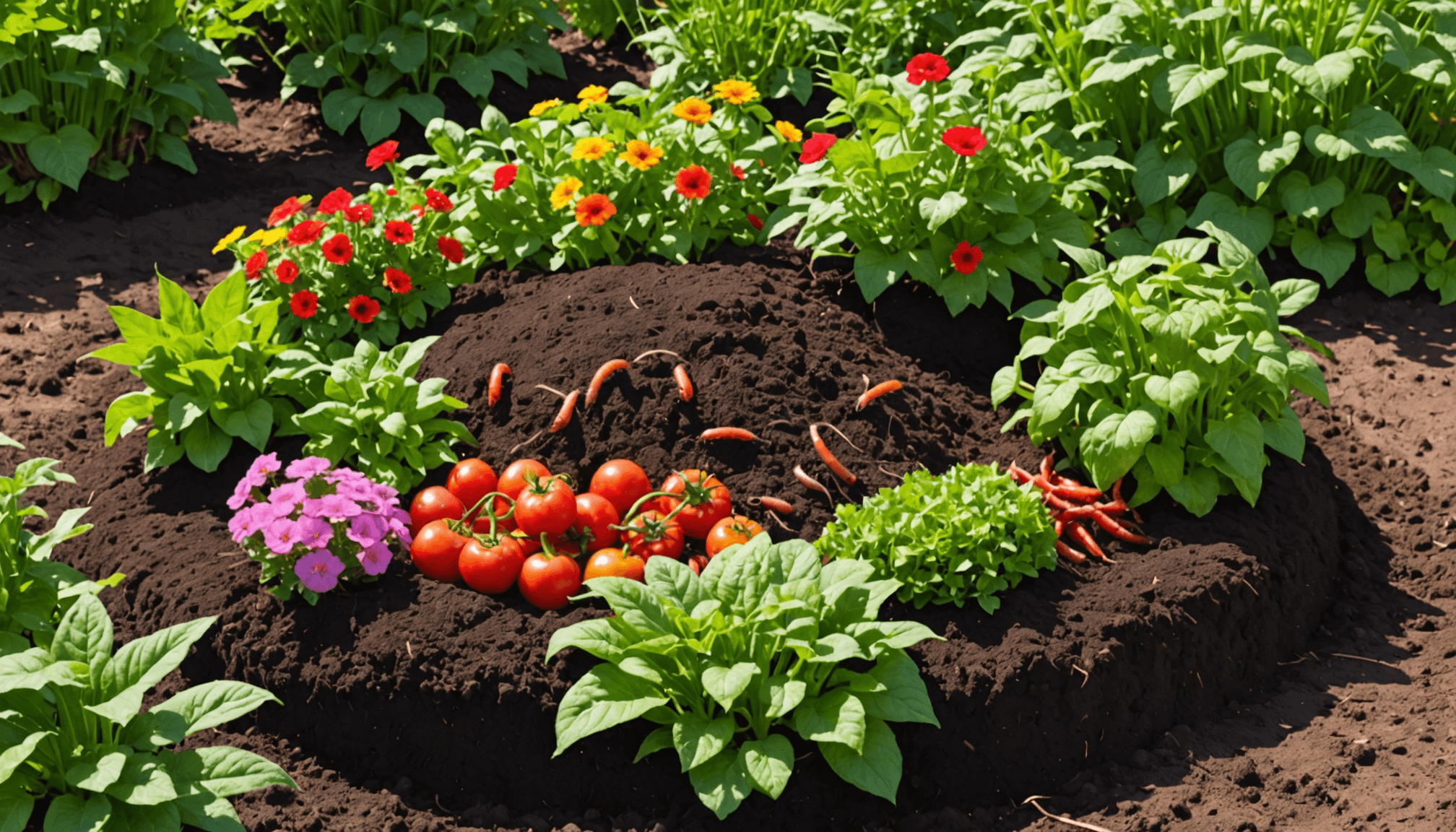
Permaculture is not just a gardening method; it’s a holistic approach to creating sustainable ecosystems. At its core, permaculture is about observing and understanding natural systems and then designing your garden to mimic these processes. This can be incredibly rewarding for urban dwellers and families who want to maximize their small spaces while nurturing the environment.
To start implementing permaculture principles, consider these key guidelines:
- Observe before you act: Spend time in your space to understand its unique microclimates, sunlight patterns, and wind directions. For instance, identify areas that receive the most sunlight for your sun-loving plants and shaded spots for those that prefer cooler conditions.
- Work with nature: Instead of fighting against pests and weeds, embrace natural solutions. Use companion planting to create supportive relationships among plants. For example, planting marigolds near vegetables can deter harmful insects while attracting beneficial ones.
- Use local resources: Urban dwellers can benefit from local organic matter for composting. Collect kitchen scraps, yard waste, and even coffee grounds from local cafés. Creating compost not only enhances your soil but also reduces waste.
- Diversity is key: Don’t limit yourself to a single crop; instead, diversify your plant selections. A mix of vegetables, herbs, and flowers can promote soil health and attract pollinators. For example, a small garden could include tomatoes, basil, and borage to enhance growth and flavor.
- Layer your garden: Utilize vertical gardening techniques, such as trellises or wall planters, to make the most of what little space you have. This method not only maximizes productivity but also adds visual interest to your garden.
- Implement a zone system: In a small space, organizing your plants by their energy and maintenance needs can save time and effort. Keep high-maintenance plants close to your kitchen for easy access while placing lower maintenance plants further away.
By internalizing these principles and applying them to your gardening efforts, you will not only cultivate a thriving garden but also foster a deeper relationship with nature. Remember, the goal is to create a self-sustaining system that requires minimal external inputs, allowing you to enjoy the fruits of your labor sustainably.
Designing small garden spaces
When designing small garden spaces, it’s essential to create a layout that maximizes efficiency while encouraging biodiversity and natural resilience. Start by delineating your available space into specific zones that cater to different plant types and purposes. This method allows for meticulous planning tailored to the unique characteristics of your environment.
Utilizing the concept of a zone system is vital. Each zone in a garden has distinct attributes; for example, the area closest to the house can be dedicated to high-maintenance plants that might require frequent care, such as herbs and leafy greens. Zone two can feature medium-maintenance crops, while more resilient species can be planted in outer zones. The arrangement should reflect not only proximity to your resources—such as water and tools—but also the differing light and shade patterns found throughout the day.
Incorporating vertical space is a game changer for small gardens. Stacking plants in layers allows you to grow more food without needing additional ground area. Consider using trellises for climbing plants like peas and beans, and plant low-growing herbs or flowers at the base. This not only conserves space but also reduces the likelihood of pests and diseases, as airflow improves with vertical growth.
Companion planting is another technique worth exploring. Certain plants, when grown in proximity, can enhance each other’s growth, repel pests, or attract beneficial insects. For instance, the classic combination of tomatoes with basil and oregano not only utilizes space effectively but also fosters a healthier growth environment. Use companion plants strategically throughout your garden to create a harmonious ecosystem.
Maintenance also becomes more manageable when you implement a design that promotes accessibility. Raised beds can minimize the need for bending and stretching, which is essential for reducing strain. Constructing these beds as part of your design can also help in controlling soil quality and drainage, essential aspects of sustainable gardening.
| Plant Type | Zone | Companion Plants | Maintenance Level |
|---|---|---|---|
| Herbs (Basil, Parsley) | Zone 1 | Tomatoes, Peppers | High |
| Leafy Greens (Lettuce, Spinach) | Zone 1 | Radishes, Carrots | High |
| Beans (Pole Beans) | Zone 2 | Squash, Corn | Medium |
| Root Vegetables (Carrots, Beets) | Zone 2 | Onions, Garlic | Medium |
| Perennials (Herbs, Rhubarb) | Zone 3 | N/A | Low |
Creating a calendar for planting, watering, and harvesting will further streamline the management of your small garden. By planning your activities, you can ensure that each crop is cared for at the right time without overwhelming yourself. Implementing reminders about seasonal plant rotations will also support soil health and allow for improved yields over time.
Ultimately, a well-designed small garden is not only about maximizing food production but also nurturing an ecosystem that can thrive on its own. By applying thoughtful design principles, you can create a vibrant, productive environment that supports both your gardening ambitions and the local wildlife.
Creating sustainable soil practices
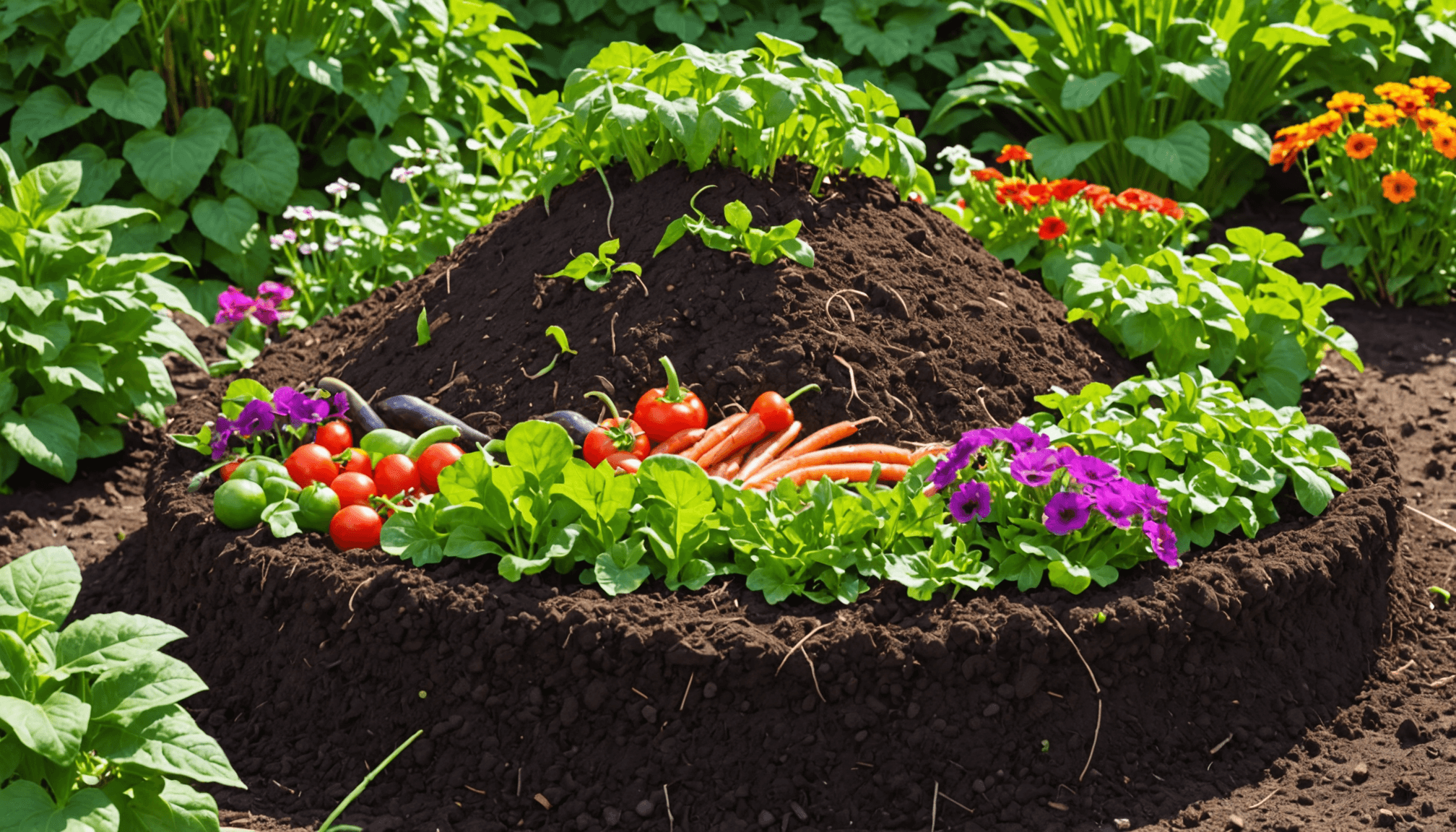
Maintaining sustainable soil practices is essential for creating a healthy environment for your plants to thrive, especially in small garden settings. Healthy soil acts as the foundation of your permaculture garden, affecting plant growth, nutrient availability, and overall ecosystem health. Here are some straightforward yet effective strategies to sustain and enhance your soil quality:
- Compost Regularly: Start composting kitchen scraps like vegetable peels, coffee grounds, and eggshells along with yard waste. This practice not only recycles organic material but also improves soil fertility. Aim for a balanced mix of green materials (high in nitrogen) and brown materials (high in carbon) to ensure proper decomposition.
- Mulching: Applying a layer of organic mulch, such as straw, wood chips, or grass clippings, helps retain moisture, suppress weeds, and regulate soil temperature. As it breaks down, mulch also enriches the soil with nutrients. Just make sure to keep it away from plant stems to prevent rot.
- Crop Rotation: Practicing crop rotation can prevent soil nutrient depletion and reduce pest build-up. Alternate different families of plants in your garden each season to minimize the spread of diseases and provide varied nutrients to the soil.
- Soil Testing: Regularly test your soil to determine its pH and nutrient levels. These tests will help you make informed decisions about what amendments may be needed to optimize growth. Home testing kits are readily available and are easy to use.
- Cover Cropping: Consider planting cover crops, such as clover or vetch, during off-seasons. These plants enhance soil structure, prevent erosion, and can even fix nitrogen in the soil, preparing it for your next round of crops.
- Minimal Tillage: Avoid excessive digging or tillage, which can disrupt soil structure and harm beneficial organisms. Instead, use techniques like no-till gardening to maintain a healthy soil ecosystem and improve its moisture retention.
- Incorporate Worms: Earthworms play a vital role in nutrient cycling and soil aeration. Set up a vermicomposting system using household scraps to create nutrient-rich worm castings that can significantly boost soil health.
- Use Natural Amendments: Always look for natural ways to enhance your soil. Additions like bone meal, rock phosphate, or kelp can provide essential nutrients without the chemicals found in synthetic fertilizers. Make sure to apply them according to the specific needs of your plants.
- Practice Biodiversity: Diverse plantings can bolster soil health by fostering a range of organisms that work symbiotically. Planting a mix of perennials, vegetables, and flowers can promote a rich biodiversity that naturally enhances soil and plant health.
A active and diverse soil ecosystem is crucial in keeping your garden vibrant and productive. Understanding your soil’s unique needs will help you make decisions that not only sustain your plants but the environment as well. With these practices in place, you will be well on your way to creating a thriving, self-sustainable garden regardless of the size of your space.
Selecting suitable plants for small areas
Choosing the right plants for small gardens is pivotal in leveraging limited space while maximizing productivity and sustainability. When selecting suitable plants, consider their growth habits, size, and the specific environmental conditions of your garden. Start by focusing on varieties that thrive in confined areas but can still produce abundantly. Compact or dwarf cultivars are particularly beneficial, as they occupy less space while offering high yields.
Herbs are excellent choices for small gardens. Plants like basil, parsley, and chives not only enrich culinary dishes but also attract beneficial insects, enhancing your garden’s overall health. Similarly, leafy greens such as spinach and kale can be harvested multiple times throughout their growth, ensuring a continuous supply of fresh produce. For fruiting plants, consider dwarf varieties of tomatoes, peppers, or strawberries, which are designed to flourish in limited spaces.
“The essence of permaculture is to design a system that is as self-sustaining as possible, using plant diversity to optimize growth and reinforce local ecosystems.” – Unknown
Perennials can play a vital role in small gardens as well. By planting perennials like rhubarb or asparagus, you establish a steady source of produce that returns year after year without the need for replanting. Another strategic approach is to include companion plants; these can improve yields and protect against pests. For example, planting marigolds alongside vegetables can deter harmful insects while promoting healthy growth among nearby plants.
When considering flowers, don’t overlook their number of benefits. Not only do they enhance the aesthetic appeal of your garden, but many flowers also serve critical roles in attracting pollinators. Planting a mix of native wildflowers can encourage biodiversity, and they often require minimal maintenance. Opt for flowers that bloom at different times throughout the season to support a steady flow of pollinators.
Another important consideration is the plant’s compatibility with existing soil and environmental conditions. Opt for plants that share similar water and light requirements, as this will simplify care and maximize growth. For instance, grouping full-sun plants together while keeping shade-tolerant species in less sunny spots ensures that each plant receives the correct amount of resources to thrive.
Utilizing vertical gardening techniques can also greatly expand your options for plant selection. Climbing plants such as peas, cucumbers, or pole beans can be trained upwards, saving valuable ground space and allowing for a diverse array of crops in a compact location. This approach not only increases your yield but also creates an engaging garden aesthetic.
Finally, consider the growth cycle of your selected plants. By using succession planting, you can stagger harvests and keep your garden productive year-round. For instance, after harvesting early spring crops, replace them with fast-growing varieties for the summer. This technique maximizes the use of your space and provides continuous fresh food.
Selecting suitable plants for small areas requires thoughtful planning and consideration of various factors, including growth habits, companion planting, and seasonal cycles. By carefully curating your plant choices, you can create a vibrant, productive garden that not only meets your food needs but also contributes positively to the surrounding ecosystem.
Integrating water conservation techniques
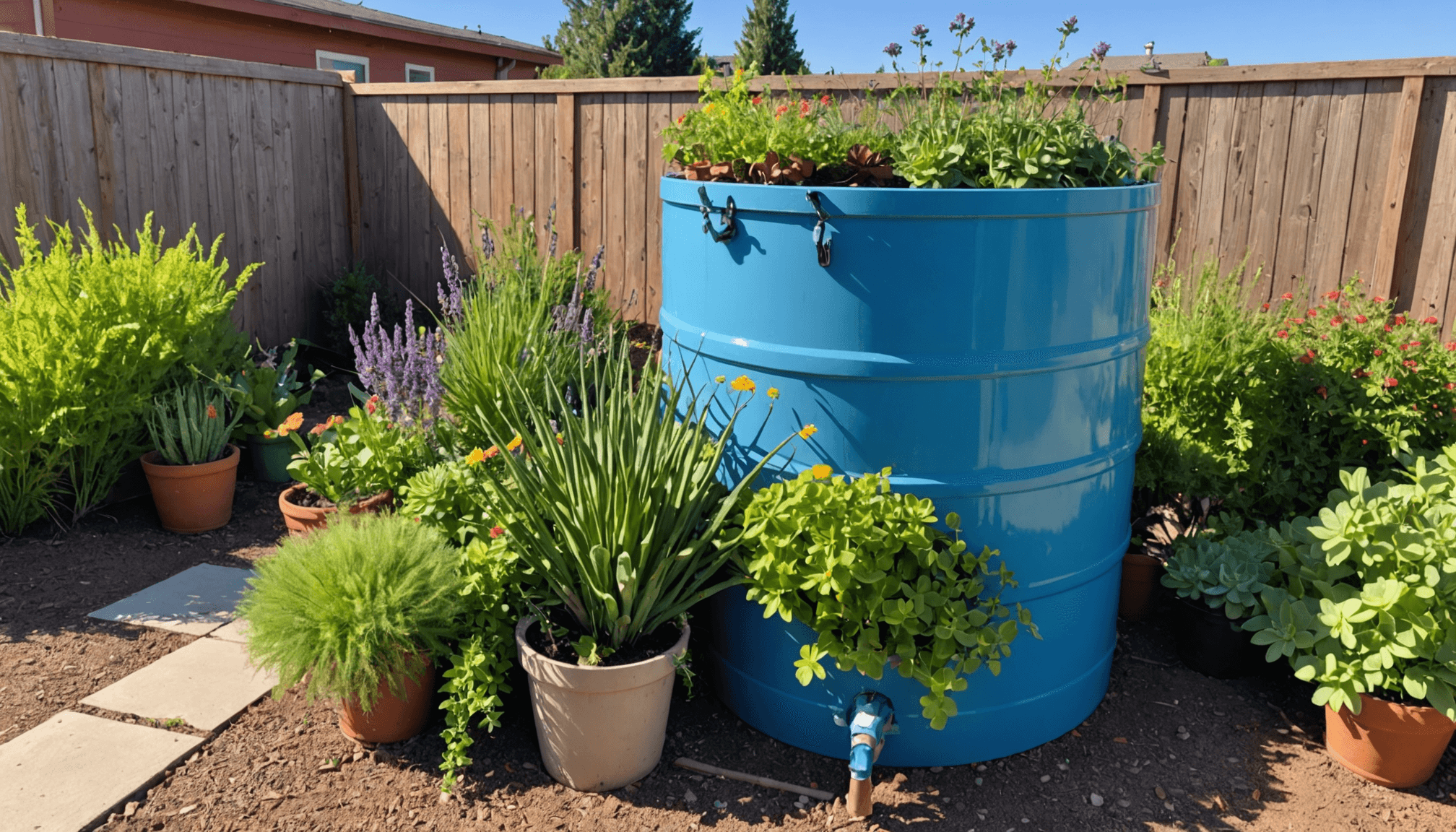
Water conservation is an essential technique for any permaculture garden, especially in smaller spaces where every drop counts. Implementing effective strategies to harness and manage water resources not only promotes healthier plant growth but also supports the local ecosystem by minimizing run-off and erosion. Here are several methods that can enhance water conservation in your garden.
One of the foundational practices is creating a rainwater harvesting system. By installing rain barrels at your downspouts, you can collect rainwater during storms and use this resource to irrigate your garden. This practice takes advantage of natural precipitation, reducing dependence on municipal water supply and ensuring that your plants receive the freshest water free from chemicals typically found in tap water.
Another effective method for water conservation is xeriscaping, which involves planting drought-resistant or native plants that require minimal watering. These plants are adapted to your local climate and soil conditions, thriving with little additional care. Consider integrating species such as lavender, succulents, or ornamental grasses into your garden, reducing overall water usage while providing beauty and habitat for wildlife.
Using mulch is an excellent way to retain soil moisture. A layer of organic mulch, such as straw or wood chips, helps to insulate the soil, keeping it cooler and reducing evaporation. Mulch also suppresses weeds that compete for water resources, allowing more moisture for your desired plants. As the mulch breaks down, it enriches the soil, creating a self-sustaining cycle.
Implementing efficient irrigation systems can also make a significant difference. Drip irrigation, for example, delivers water directly to the roots of plants, minimizing waste compared to traditional overhead watering methods. By investing in soaker hoses or a drip system, you can ensure more efficient water delivery, allowing plants to access moisture without excess run-off.
Furthermore, creating swales and contour beds can naturally direct water to where it’s needed most. Swales are shallow trenches designed to slow water runoff and allow it to seep into the soil, preventing erosion and flooding while maximizing water usage. Consider designing your garden with contour planting, using the natural landscape to capture every precious drop of water.
Lastly, mindful watering practices, such as watering early in the morning or later in the evening, can reduce evaporation rates significantly. Conversely, employing techniques such as deep watering encourages plants to develop deeper root systems, which can access moisture reserves more effectively during dry spells. Fine-tuning your watering schedule based on the plants’ needs and weather conditions leads to optimal resource use and plant health.
- What is rainwater harvesting and how can I set it up?
- Rainwater harvesting is the practice of collecting rainwater, typically from rooftops, and storing it for later use. You can set up a simple system by placing barrels at downspouts to catch water that can be used for irrigation or watering plants in your garden.
- What types of plants are best for water conservation?
- Drought-resistant and native plants are ideal for water conservation. These species are typically adapted to their local climate, requiring less water to thrive. Examples include succulents, lavender, and ornamental grasses.
- How does mulch help conserve water in my garden?
- Applying mulch to your garden helps retain soil moisture by insulating the soil and reducing evaporation. It also prevents weed growth, which competes for water resources, ultimately benefiting the plants you want to nurture.
- What is the most efficient watering method for my plants?
- Drip irrigation systems are among the most efficient methods for watering plants. They deliver water directly to the base of the plants, minimizing evaporation and run-off, ensuring that the roots receive moisture where it’s needed most.
- How can I create swales in my garden?
- Swales are shallow ditches designed to slow water runoff and promote infiltration. You can create them by shaping the land into gentle depressions along the contours of your garden. This helps capture rainwater and allows it to soak into the ground rather than running off.
- When is the best time to water my plants?
- The best time to water your plants is early in the morning or later in the evening when temperatures are cooler. This reduces water evaporation and ensures that plants absorb more moisture.
- What are some signs that my plants need more water?
- Signs that your plants need more water include wilting leaves, dry soil, and leaf tip burn. Observe your plants closely; if they appear stressed or less vibrant, they may require additional moisture.
Maintaining a balanced ecosystem in your garden
Maintaining a balanced ecosystem in your garden is crucial for the health and productivity of your plants, as well as the overall resilience of your small space. By fostering a diverse environment, you can create a habitat that not only supports your plants but also nurtures beneficial wildlife. Here are some practical tips to help you cultivate a balanced ecosystem in your small garden:
Encourage Beneficial Insects: The presence of beneficial insects, such as ladybugs and lacewings, can significantly reduce pest populations in your garden. To attract these helpful creatures, incorporate flowering plants that provide food and habitat. Consider planting a variety of native flowers, such as yarrow, marigold, and cosmos, which bloom at different times to provide a continuous food source throughout the growing season. The more flowers you have, the more beneficial insects you’ll attract, leading to a natural pest control system.
Establish Plant Diversity: A diverse garden is a resilient garden. Mixing a variety of plant species—vegetables, herbs, and flowers—can enhance ecosystem stability. Different plants have varying nutrient requirements and pest resistance, and growing them together can create a more balanced environment. For instance, planting legumes like beans can naturally improve soil nitrogen levels, benefiting neighboring plants. Aim to include plants that bloom at different times to support pollinators and provide a habitat for wildlife year-round.
Create Microhabitats: Even in small areas, you can create microhabitats that offer shelter and breeding sites for beneficial wildlife. Consider adding insect hotels, birdhouses, or bat boxes. Incorporating log piles or rocks can also provide refuge for various species, including beneficial insects and amphibians. Even small elements, like a shallow dish of water or a small patch of wildflowers, can serve as essential resources.
Rotate Your Crops: Crop rotation is vital for maintaining soil health and preventing pest and disease buildup. By changing the location of your plants each season, you reduce the chances of certain pests becoming established. For instance, avoid planting tomatoes in the same spot year after year. Instead, follow them up with crops like cucumbers or leafy greens, which have different nutrient needs and pest challenges.
Practice Companion Planting: Certain plants have beneficial relationships with each other. Companion planting can enhance growth, deter pests, and draw in beneficial insects. For example, growing nasturtiums near your cabbage can repel aphids, while basil planted with tomatoes may enhance their flavor. Research common companion plants and incorporate them strategically into your design for a naturally balanced ecosystem.
Use Organic Practices: Minimize the use of synthetic pesticides and fertilizers, as these can disrupt the delicate balance of your garden ecosystem. Instead, opt for organic alternatives, such as neem oil or insecticidal soap, to manage pest populations when necessary. Employ cultural practices like interplanting, crop rotation, and maintaining healthy soil to naturally deter pests and promote plant health.
Incorporating practices like composting and mulching not only improves soil health but also enhances the biodiversity within your garden. Composting adds organic matter to the soil, encouraging beneficial microorganisms that contribute to nutrient cycling. Additionally, mulching helps retain soil moisture and suppress weeds, creating a more favorable environment for your plants.
Monitor and Adjust: Staying vigilant about the health of your ecosystem is key. Observe your plants and the wildlife they attract. If certain species become dominant or pests start to proliferate, consider adjusting your approach—whether it’s by introducing new plants, altering irrigation practices, or revisiting your crop rotation plan.
Creating and maintaining a balanced ecosystem within your garden can lead to a more productive space that thrives on its own. By embracing biodiversity, encouraging beneficial interactions, and practicing organic gardening methods, your small area can transform into a vibrant sanctuary that supports both your gardening goals and the local environment.