
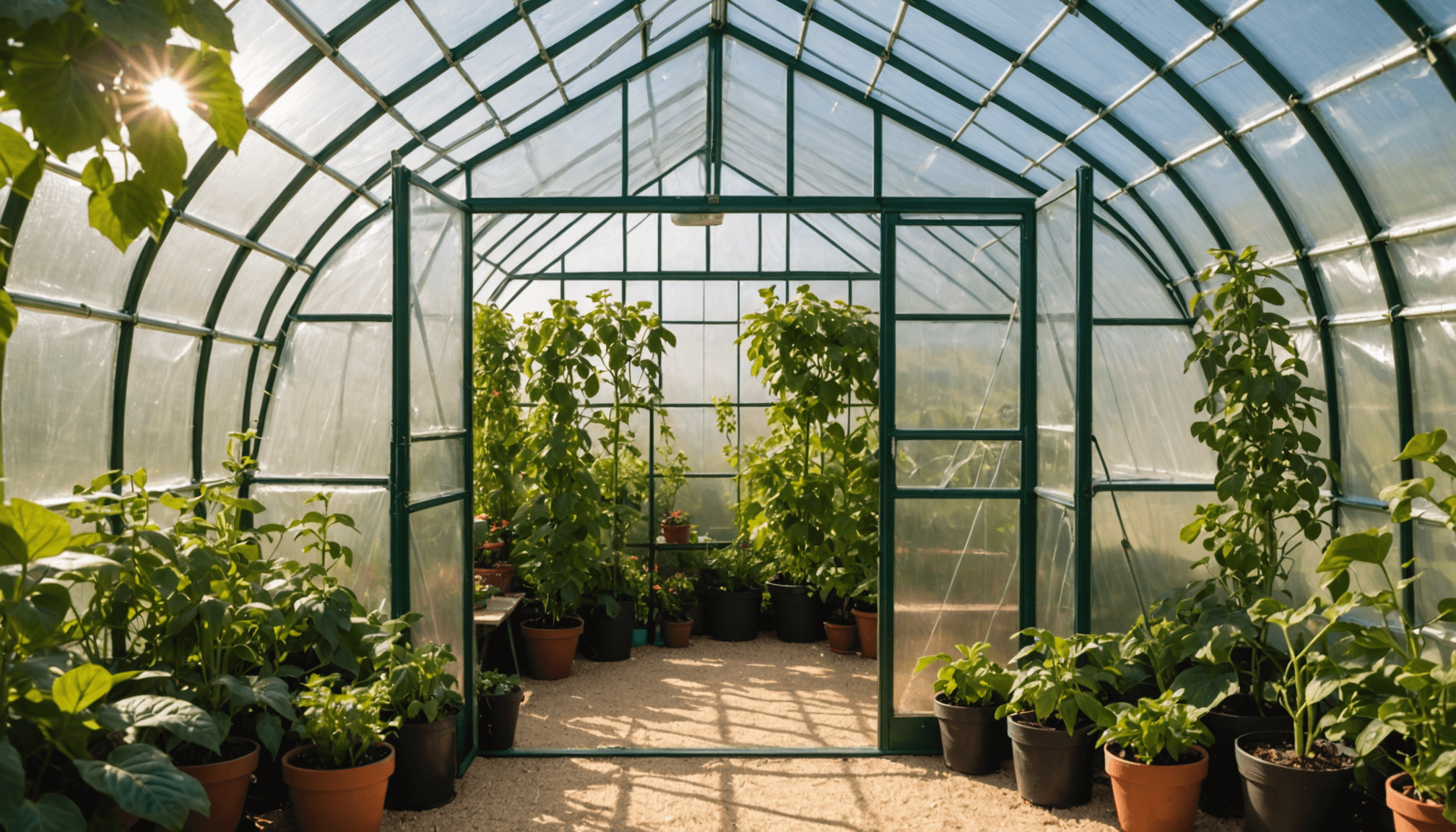
To maintain a stable temperature within your greenhouse, incorporating thermal mass solutions is essential. Thermal mass refers to materials that can absorb, store, and release heat. By using these materials strategically, you can help regulate the temperature, particularly during the colder months.
Consider the following materials and techniques to enhance your greenhouse’s thermal mass:
- Water barrels: Position large, dark-colored water barrels against the greenhouse walls. These barrels absorb heat during the day and release it slowly at night, keeping the temperature fluctuations in check. Ensure they are filled with water, as the water’s specific heat capacity makes it excellent for thermal storage.
- Concrete blocks: Using concrete blocks as part of the structure or lining the base of your greenhouse can provide substantial thermal mass. Their density allows them to absorb heat from sunlight and release it over time. Consider painting them dark to enhance heat absorption.
- Stone or brick: If you’re building or renovating, consider incorporating stone or brick into your design. These materials not only look attractive but also contribute effectively to heat retention.
- Compacted soil: If you have the option, compact the soil within your greenhouse. Denser soil has a higher thermal mass, which can help in moderating temperature changes.
- Thermal curtains: While not a material per se, installing thermal curtains can work alongside thermal mass solutions. Use them during the night to trap the heat generated throughout the day.
Be mindful of the positioning of your thermal mass materials. Ideally, they should be placed where they can receive maximum sunlight during the day, facilitating better heat absorption. For optimal results, combine these materials with other energy-saving techniques such as insulation and passive solar heating.
Remember to regularly check the condition of your thermal barriers, as neglect can lead to reduced efficiency. If moisture accumulation occurs, particularly within water barrels, ensure to address it immediately to avoid mold formation. By implementing these effective thermal mass solutions, your small greenhouse can remain warm and inviting, allowing your plants to thrive and your gardening passion to flourish.
Utilizing passive solar heating
One of the most effective and sustainable methods to heat a small greenhouse is through passive solar heating. This strategy harnesses the sun’s energy directly, utilizing various design elements to capture and hold warmth throughout the day, creating an optimal environment for plant growth. By carefully managing the greenhouse’s orientation, material choices, and structural features, you can significantly enhance its heat retention capacity.
Sunlight penetration plays a crucial role in passive solar heating. The greenhouse should be oriented in a way that maximizes exposure to the sun during the day. A south-facing orientation is generally recommended, as it receives the most sunlight. This orientation not only increases warmth but also allows for a more consistent temperature throughout the day and night. To further improve light absorption:
- Use clear or polycarbonate glazing: Installing transparent materials like polycarbonate or glass allows for optimal sunlight penetration. These materials trap heat more effectively than traditional glass due to their superior insulation properties.
- Adjustable roof vents: Incorporating roof vents in your greenhouse design helps regulate internal temperature by allowing hot air to escape during peak sunlight hours while retaining heat when closed.
- Overhangs or shade elements: Consider using overhangs to prevent excessive heat during the hottest months while still allowing sunlight to enter during winter. Strategic shading can help maintain a balanced temperature and prevent overheating.
Incorporating thermal mass materials, as previously discussed, complements passive solar strategies. By placing thermal mass materials like water barrels or stones where they receive direct sunlight during the day, they can absorb excess heat and release it when temperatures drop. However, the effectiveness of this approach hinges on proper placement:
| Material | Optimal Placement | Heat Retention Characteristics |
|---|---|---|
| Water barrels | Close to south wall | Stores heat and releases it slowly overnight |
| Concrete blocks | Along foundation | High density allows for effective heat storage |
| Stone and brick | Integrated in walls | Inherent insulation properties and long-term durability |
Another aspect of passive solar heating involves utilizing the greenhouse’s thermal properties. Minimizing heat loss is essential, and the right design features can significantly reduce heating needs. This can be supported by:
- Ground insulation: Add insulation under the greenhouse to prevent heat transfer between the soil and the outdoor environment. Materials like rigid foam boards work well.
- Warm-Season Plants: Strategically plant crops that thrive in warmer temperatures closer to the greenhouse’s sunniest spots. This not only promotes growth but also helps capture heat within the greenhouse.
- Seasonal rotation: Adjust planting schedules according to seasonal sunlight intensity, taking advantage of the sun’s natural path.
By combining these passive solar heating techniques with thoughtful design and material decisions, you can create a more energy-efficient greenhouse that thrives year-round. The success of this methodology lies in understanding your local climate, the sun’s path throughout the seasons, and making informed choices that harness natural energy for optimal plant growth.
Insulation techniques for greenhouses

Insulating your greenhouse effectively is vital for maintaining a warm, stable environment for your plants, especially during colder months. Without proper insulation, your greenhouse can lose heat rapidly, making it difficult to keep temperatures at optimal levels. Here are some practical insulation techniques that can significantly improve heat retention in your greenhouse:
- Double glazing: If your greenhouse is constructed with glass, consider installing double-glazed panels. These provide an extra layer of insulation compared to single panes. If replacing older panels isn’t feasible, applying an insulating film can also reduce heat loss.
- Bubble wrap: A low-cost solution for insulating the greenhouse is to use horticultural bubble wrap. This can be easily applied to the inside of your greenhouse. The air pockets trap warmth while still allowing sunlight to penetrate, providing an excellent balance between insulation and light transmission.
- Insulated greenhouse covers: Use specialized thermal blankets or covers during colder nights. These can maintain warmth by acting as an extra layer on top of your current covering. They are easily removable and provide a great boost to your greenhouse’s insulation.
- Seal gaps and cracks: Regularly inspect your greenhouse for leaks or cracks, especially around windows and doors. Use weather stripping or caulk to seal these openings, which can otherwise lead to significant heat loss. Conduct a quick test with a candle—ricochet the flame around potential draft sites to see if it flickers.
- Ground insulation: Adding insulation beneath your greenhouse is another effective way to minimize heat loss. This can be done using foam boards or any insulating material that can reduce heat escaping through the floor. It’s especially vital if your greenhouse sits directly on cold ground.
As you implement these insulation techniques, consider the climate in your area. For instance, if you live in a region with significant temperature swings, heavier insulation may be necessary. Conversely, in milder climates, lighter techniques might suffice.
Maintain a balance between insulation and ventilation. While keeping heat in is crucial, good airflow is necessary to prevent mold and maintain plant health. Install adjustable vents or fans to control humidity and air circulation effectively. Remember, a well-insulated greenhouse can find success by utilizing natural temperature regulation methods. Pairing these insulation techniques with strategies like thermal mass and passive solar heating can create a synergistic effect, enhancing your overall greenhouse efficiency.
Regular maintenance is also key. During the offseason, inspect insulation materials for wear and tear. Any damaged components should be replaced or repaired before new growth begins in spring. By focusing on proper insulation, you can ensure that your greenhouse remains a thriving environment for all your gardening endeavors.
Affordable heating systems and methods
When it comes to affordable heating systems for your small greenhouse, various methods can effectively maintain warmth without breaking the bank. Utilizing budget-friendly heating solutions will enable you to extend your growing season and support your plants during colder months. Here are some effective systems and methods to consider:
- Electric space heaters: One of the simplest and most efficient methods is to use electric space heaters. These can be easily set up and adjusted to maintain a steady temperature. Look for models with thermostats and energy-efficient ratings. Keep in mind the electrical requirements and be sure to follow safety protocols when operating them in a greenhouse setting.
- Propane heaters: Propane heaters offer another viable option for heating greenhouses. They are particularly useful in regions where electricity may be limited or costly. Opt for a vented heater to ensure optimal safety, and monitor propane levels regularly to avoid running out during cooler spells.
- Heat mats: Heat mats are specifically designed for seed starting and propagating plants. They provide gentle, consistent warmth from below, helping promote germination and growth. These mats can be incredibly effective, especially when paired with insulation techniques, as they focus heat exactly where it’s needed.
- Compost heating: If you’re looking for a natural and cost-effective solution, consider using compost as a heat source. As organic materials break down, they generate heat. By strategically placing a compost bin or heap nearby, the warmth can help raise the temperature inside the greenhouse. This method is sustainable and leverages waste materials.
- Heat exchangers: A simple heat exchange system can be built using PVC pipes buried underground, allowing the sun to warm air during the day and circulate it into the greenhouse. This method requires some initial setup but can significantly reduce heating costs over time.
“Nature does not hurry, yet everything is accomplished.” – Lao Tzu
Regardless of the heating system you choose, it’s essential to implement effective control measures. Invest in a thermometer or an automatic thermostat to monitor temperature fluctuations. This allows for precise adjustments and optimizes energy use, ensuring the greenhouse stays warm without unnecessary expense.
Furthermore, combining various methods can enhance overall efficiency. For instance, supplemental electric heaters can work in tandem with a compost heating system, allowing you to cover unexpected cold snaps while maintaining an economical approach. Always remember to calculate the heating capacity needed based on the size of your greenhouse and local climate conditions for optimal results.
Regular maintenance of your heating systems is crucial. Make sure to keep portable devices clean and in good working order to extend their lifespan and efficiency. Effective heating not only enhances plant growth but protects your investment and ensures you continue enjoying a bountiful harvest throughout the seasons.
Enhancing energy efficiency

Enhancing energy efficiency in your greenhouse is a continual process that relies on various strategies and practices. One of the overarching themes is the importance of combining several techniques, each contributing to the overall heat retention and minimizing energy consumption. Consider establishing a holistic approach where all components, from the materials used in construction to daily operational habits, work together harmoniously.
Start by evaluating the greenhouse’s design and layout. Implementing a design that maximizes sunlight exposure aids in energy efficiency. Consider a model with a sloped roof directed towards the sun, allowing for greater light penetration. This approach can reduce reliance on external heating methods. Clear glazing, as mentioned before, retains sunlight while ensuring heat doesn’t escape easily. Furthermore, the use of automated vents helps maintain optimal humidity and temperature, conserving energy by ensuring appropriate airflow when needed.
Lighting also plays a role in energy efficiency. Switch to LED grow lights that consume less electricity compared to traditional bulbs. Their longevity and reduced heat output make them a practical choice, allowing for year-round planting with minimal energy costs. Additionally, choosing energy-efficient fans can help circulate heat evenly, contributing to a more stable environment.
Investing in renewable energy sources, such as solar panels, can significantly lower energy expenses in the long run. Though the initial investment might be higher, the potential for savings on energy bills and the environmental benefits are well worth the consideration. Solar panels can provide energy for heating, lighting, and other electrical needs within the greenhouse, offering a sustainable solution to energy demands.
Further, consider your planting practices; grouping heat-loving plants together retains warmth in those areas, creating microclimates that benefit growth without excessive energy use. Regular inspection of all systems for efficiency, and routine maintenance of structural components, can reveal opportunities to improve or upgrade systems to better align with energy-saving goals.
Last but not least, fostering a mindset of continuous learning and adaptation will amplify your understanding of energy efficiency techniques. Each greenhouse is unique, with distinct challenges and opportunities based on location, climate, and plant types. Embrace the journey of discovery as you optimize your practices, and share insights with the gardening community to foster a collective knowledge that can benefit all.
- What is the most energy-efficient way to heat a greenhouse?
- Using passive solar heating strategies, such as good design orientation and thermal mass materials, can be among the most energy-efficient heating methods. Combining these with additional heating techniques like heat mats or compost heating can further optimize warmth without excessive energy use.
- How do I reduce heat loss in my greenhouse?
- To minimize heat loss, ensure your greenhouse is well-insulated by using double-glazing, sealing any gaps, and employing thermal mass solutions. Consider insulating the ground and installing thermal curtains to retain heat effectively.
- Can I use renewable energy for greenhouse heating?
- Yes, solar panels are an excellent way to use renewable energy for greenhouse heating. They can power heating systems, lights, and other electrical needs, significantly reducing energy costs over time.
- How does thermal mass contribute to energy efficiency?
- Thermal mass materials, like water barrels or concrete blocks, absorb heat during the day and release it slowly at night, helping to stabilize temperatures within the greenhouse. This reduces the need for active heating systems and lowers energy consumption.
- What role does ventilation play in energy efficiency?
- Proper ventilation is crucial for maintaining humidity and temperature levels. Automated vents can help manage air circulation, preventing overheating and reducing the need for additional heating, which ultimately supports energy efficiency.
- How can I monitor the temperature in my greenhouse?
- Investing in a thermometer or an automatic thermostat allows for continuous temperature monitoring. These devices can help trigger heating systems only when necessary, conserving energy while keeping plants healthy.
- What are some low-cost insulation methods for a greenhouse?
- Utilizing bubble wrap, insulating films, and thermal blankets are all low-cost insulation techniques. Sealing gaps and applying ground insulation also help reduce heating needs without significant investment.
Maintenance tips for optimal performance
Regular maintenance is key to ensuring optimal performance of your greenhouse heating systems and overall structure. Making small, consistent efforts can significantly enhance the lifespan and efficiency of your greenhouse, allowing your plants to flourish regardless of external weather conditions.
First and foremost, schedule routine checks for all heating equipment. This includes:
- Cleaning electric space heaters: Dust and dirt can accumulate in vents and filters, reducing efficiency. Make it a habit to wipe down surfaces and check filters regularly.
- Inspecting propane heaters: Ensure that there are no leaks by examining connections and hoses. Use a soap solution to check for bubbles that indicate a leak. This is crucial for safety.
- Monitoring heat mats: Check the electrical connections and look for any signs of wear. Avoid overloading circuits that power these mats.
Pay close attention to ventilation systems as well. Good airflow is essential to keeping humidity levels balanced and preventing fungal growth. Inspect vents and ensure they open and close properly. Consider installing automatic vent openers, which can adjust based on temperature changes, ensuring consistent ventilation without manual intervention.
Another important aspect is maintaining thermal mass materials you’ve implemented. Regularly check the water levels in barrels and the condition of concrete blocks or stones. Without consistent maintenance, these materials may lose their effectiveness. If you notice algae buildup in water barrels or cracks in concrete, take immediate action to restore their functionality.
Additionally, inspect the insulation materials you’ve installed. The bubble wrap, insulating film, or thermal blankets should be intact and not worn or sagging. If any damage arises, promptly replace or repair these materials to prevent heat loss. Conduct a simple candle test around windows and doors to identify any drafts. If you observe flickering flames, use weather stripping or caulk to seal leaks, effectively improving insulation.
Maintain an organized plan for crop rotation and planting schedules. Continuously evaluate how plant placement affects heat distribution and humidity levels, and adjust as needed. For example, if certain crops are thriving in specific areas due to increased warmth, take note and plan future plantings accordingly.
Lastly, keep a log of your observations in the greenhouse. Documenting temperatures, plant health, and any maintenance actions taken can provide valuable insights over time. It will help identify patterns and areas for improvement, ensuring your greenhouse operates efficiently year after year.
By prioritizing consistent maintenance, you harness the full potential of your greenhouse heating methods, allowing for a thriving garden environment that supports diverse plant life and enhances your homesteading journey.