
Understanding the online plant nursery market requires a keen analysis of current trends, consumer preferences, and the competitive landscape within the realm of ecommerce. Garden enthusiasts are increasingly turning to online platforms for their plant needs, making it crucial for budding entrepreneurs to grasp how this market operates.
First, familiarize yourself with the types of plants that are in demand. Many consumers are gravitating towards native plants, succulents, and herbs due to their low maintenance requirements and adaptability to various environments. Make a note of popular trends, such as organic gardening or indoor plants, which can influence your inventory decisions. Utilize tools like Google Trends and social media insights to gauge what potential customers are seeking.
Next, it’s essential to consider your target audience. Urban dwellers and millennials, for instance, often look for plants that can thrive in limited spaces, such as balconies or countertops. Tailoring your selection to meet these needs can improve your plant sales significantly. Additionally, engaging with online gardening communities can help you better understand customer preferences and expectations.
Additionally, competition analysis is key. Research your competitors to identify their strengths and weaknesses. Take note of their pricing strategies, product offerings, and customer engagement methods. This insight will not only help you differentiate your online business but also give you a competitive edge.
It’s also worth keeping an eye on the economic factors that influence plant sales. Pricing, seasonality, and consumer spending habits can all affect your nursery’s performance. For instance, during springtime, many individuals kick-start their gardening projects, resulting in an uptick in sales. Therefore, planning your promotions and inventory around such cycles can maximize your revenue potential.
Finally, ensure that you integrate sustainable practices into your nursery. Eco-conscious consumers are preferring businesses that demonstrate a commitment to environmental responsibility. This can include sourcing plants from local growers or adopting eco-friendly packaging methods.
Understanding the online plant nursery market is not just about knowing what plants to sell, but also about grasping consumer behaviors, market dynamics, and competitive strategies. By focusing on these aspects and remaining flexible to adapt to emerging trends, you can establish a successful online plant nursery that resonates with your target market.
Selecting the right plants for your nursery
The selection of plants for your online nursery plays a pivotal role in determining your overall success in the competitive ecommerce landscape. The right assortment not only meets customer demands but can also enhance brand reputation and encourage customer loyalty. To effectively curate a diverse and appealing inventory, several key factors must be considered, including market trends, target audience preferences, and regional climate conditions.
First and foremost, survey current market trends to identify which plants are gaining traction among consumers. Popular choices often include:
| Plant Type | Characteristics | Popularity Trend |
|---|---|---|
| Succulents | Low maintenance, drought-resistant | Increasing due to indoor gardening popularity |
| Herbs | Fresh culinary use, easy to grow | Stable due to the rise in home cooking |
| Native Plants | Adapted to local climates, supports local ecology | Growing interest from environmentally conscious consumers |
| Air Plants (Tillandsia) | No soil required, unique aesthetic appeal | Trend increasing particularly among millennials |
| Indoor Foliage Plants | Purifies air, aesthetic enhancement | Surging as more people work from home |
In addition to plant type, understanding your target audience is crucial. For example, young urban dwellers may favor smaller plants that fit well in apartments, while suburban families might seek larger outdoor varieties. Demographics such as age, location, and lifestyle all influence purchasing decisions. Conduct surveys or use social media to engage potential customers and obtain feedback on preferences, which can inform your plant selection and help you tailor your offerings.
Climate is another significant factor to consider when selecting plants for your nursery. Different regions have various growing conditions that can affect plant viability and sales. If your online business serves a nationwide audience, ensure to include plants that can thrive in diverse climates. For example, Mediterranean herbs work well in warmer and dryer regions, while moisture-loving plants like ferns may cater to areas with higher humidity. This attention to detail not only enhances customer satisfaction but can also reduce the likelihood of returns or dead stock.
Additionally, leverage analytics from your ecommerce platform to track customer preferences and inventory turnover rates. Evaluating which plants are frequently purchased or favorited can guide your future purchasing decisions. Seasonal trends can also impact plant sales; for instance, flowering plants often see a spike in interest during spring and summer. Planning your inventory around these natural ebbs and flows can also enhance your overall sales performance.
Lastly, consider incorporating unique or exotic plants that are not widely available through other retailers. Specializing in rare varieties can differentiate your nursery from competitors, drawing in enthusiasts willing to pay a premium for exclusive offerings. By doing so, you can establish a niche market which can significantly bolster your reputation within the industry and attract a dedicated customer base.
Building a user-friendly website
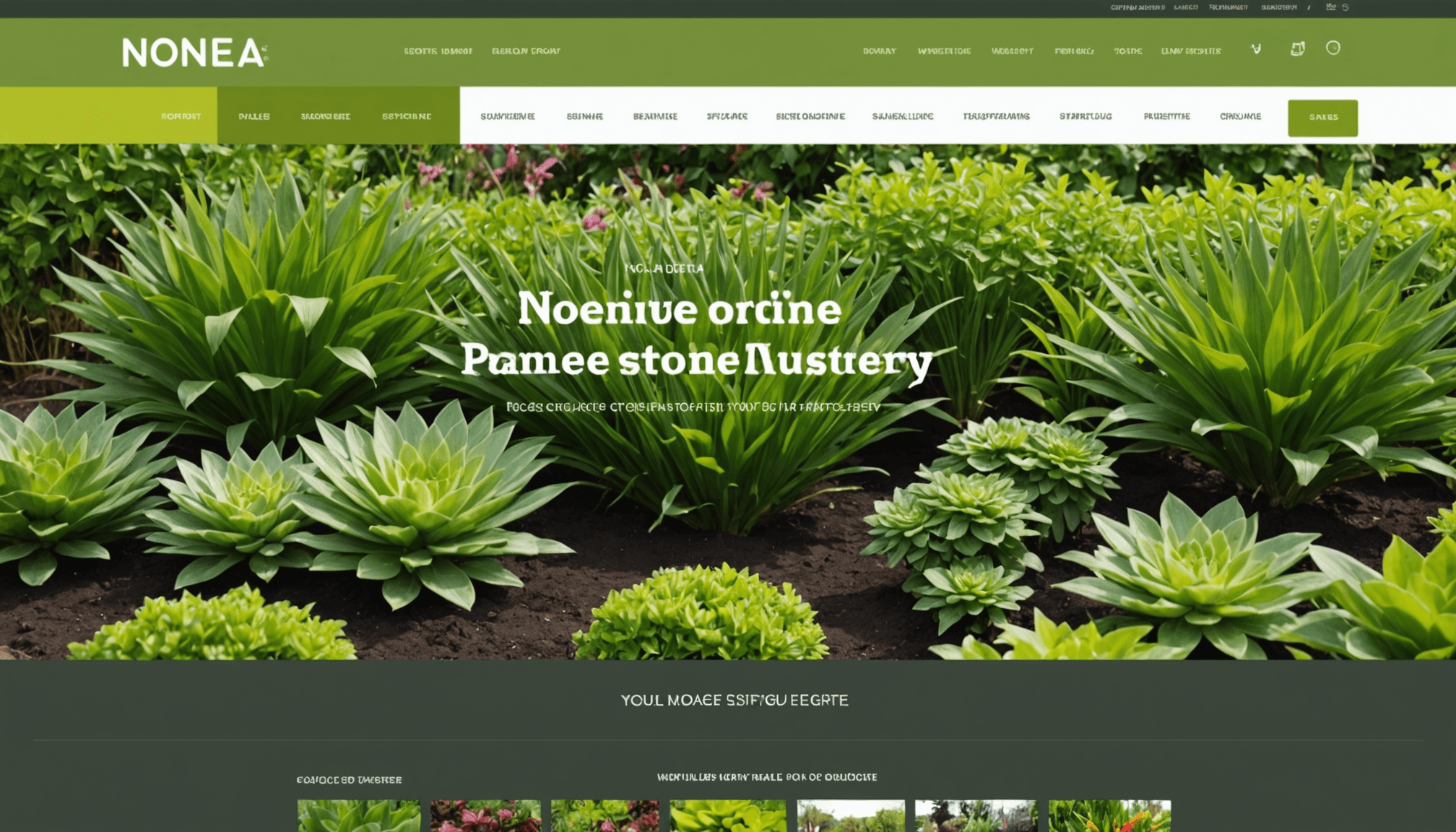
Building a user-friendly website is critical to the success of your online plant nursery. A well-designed site not only attracts potential customers but also enhances their shopping experience, leading to increased plant sales and customer loyalty. Here are essential aspects to consider when developing your online platform.
Start with a clean, visually appealing design that reflects the essence of your brand. Use colors and images that resonate with nature and gardening while ensuring easy navigation. A cluttered website can overwhelm visitors and deter purchases. Instead, implement a simple layout with intuitive menu options, making it easy for customers to explore your offerings.
Next, ensure that your website is mobile-responsive. With a growing number of consumers shopping from their smartphones, a mobile-friendly site is crucial. Test how your website appears on various devices to ensure that all functionalities work seamlessly. Consider using responsive design templates that automatically adjust your pages according to the screen size, providing a consistent experience across platforms.
Search functionality is another vital component. Customers should be able to find specific plants or products quickly. Implement a robust search bar that includes filters like plant type, care requirements, and price range. For instance, if a shopper is looking for drought-resistant succulents, they should be able to apply filters to narrow down their choices efficiently. This capability can significantly enhance user satisfaction and drive sales.
High-quality images are imperative for an online plant nursery. Since customers cannot physically examine the plants before purchase, they rely heavily on visuals. Invest in professional photography that captures your plants in natural lighting, showcasing them from multiple angles. Accompany images with detailed descriptions that include care tips and growth information to help customers make informed decisions. For example, a description for a popular indoor plant could include its ideal light conditions and watering frequency, establishing trust and authority.
Another essential feature is the easy checkout process. Minimize the number of steps required to complete a purchase. Allow customers to check out as guests to avoid deterring impulsive buyers who may not want to create an account. Additionally, offer multiple payment options, such as credit cards, PayPal, and digital wallets, accommodating various preferences and enhancing convenience.
Also, consider incorporating customer reviews and testimonials. Honest feedback from previous buyers can reassure potential customers about the quality of your plants, making them more likely to proceed with a purchase. Showcase these reviews prominently on product pages, and consider adding a section for tips or stories from satisfied customers to foster community engagement.
Lastly, optimize your website for search engines (SEO) to increase visibility. Conduct keyword research related to gardening and plant sales to determine what potential customers are searching for online. Utilize these keywords in your product descriptions, blog posts, and meta tags to enhance your site’s ranking on search engines, ultimately attracting more visitors to your nursery.
By focusing on these elements when building your website, you can create an engaging online business that not only appeals to garden enthusiasts but also provides a seamless experience that encourages plant sales and fosters long-term relationships with customers.
Marketing strategies for success
Employing effective marketing strategies is vital for the success of your online plant nursery. Understanding your target audience and crafting strategies that resonate with their preferences will set you apart in the crowded ecommerce space. A multi-faceted approach will involve leveraging digital marketing tools, social media engagement, and strategic partnerships.
First, focus on creating a strong online presence. Utilize social media platforms like Instagram, Pinterest, and Facebook, where visual content thrives. Post high-quality images of your plants, accompanied by engaging captions that provide care tips, design ideas, or interesting facts about the plants. Regularly sharing user-generated content can also create a sense of community and encourage customers to showcase their purchases. For example, host a monthly photo contest where customers can share pictures of their thriving plants, offering discounts or freebies as prizes.
Email marketing is another critical component. Building an email list allows you to communicate directly with potential and existing customers. Send regular newsletters that feature new arrivals, seasonal promotions, and exclusive discounts. Personalize these communications to make your audience feel valued. A template with the recipient’s name and tailored recommendations based on past purchases can significantly increase engagement.
Search engine optimization (SEO) should not be overlooked in your marketing strategy. Conduct thorough keyword research specific to the online plant nursery niche. Incorporate these keywords into your website content, blog posts, and product descriptions to drive organic traffic. Quality content that answers common gardening questions or provides useful tips can position you as an authority in your field, further improving your search ranking.
In addition, consider paid advertising options like Google Ads and Facebook Ads. These platforms allow you to target specific demographics based on location, interests, and shopping behavior. Attention-grabbing visuals, along with compelling copy that highlights the unique aspects of your nursery, can draw potential customers to your website. A strategic ad campaign around special events like Earth Day or National Gardening Week can also generate buzz and spur sales.
Collaborating with influencers or gardening bloggers can expand your reach and introduce your online business to new audiences. Influence marketing can be particularly effective in the gardening niche, where consumers often turn to trusted figures for advice. Arrange partnerships where influencers showcase your plants in their own homes, providing authentic content that can inspire their followers to make a purchase.
“Marketing is no longer about the stuff that you make, but about the stories you tell.” — Seth Godin
Additionally, utilize content marketing to share detailed articles or guides related to plant care, gardening techniques, and environmentally friendly practices. This kind of content can be shared across social media platforms, driving traffic back to your website while providing value to your audience. Hosting live Q&A sessions or webinars on gardening-related topics can also position your nursery as a go-to resource for gardening enthusiasts.
Lastly, track the performance of your marketing efforts using analytics tools. Monitoring which campaigns drive traffic, engagement, and conversions will allow you to optimize your strategies continually and refine your approach based on data-driven insights. By adapting your marketing tactics to align with what works best for your audience, you can increase plant sales and grow your online nursery successfully.
Managing inventory and logistics
 Managing inventory and logistics is a vital aspect of running a successful online nursery that directly impacts your efficiency and customer satisfaction. By establishing a robust system for inventory management and logistics, you can ensure that your plants remain healthy and reach your customers promptly.
Start by implementing a reliable inventory management system that provides real-time updates on stock levels. This can prevent overselling and help you anticipate restocking needs, which is crucial during peak seasons like spring. Consider investing in software solutions that can track inventory across multiple sales channels, ensuring that you maintain accuracy and avoid confusion between your online store and physical storage.
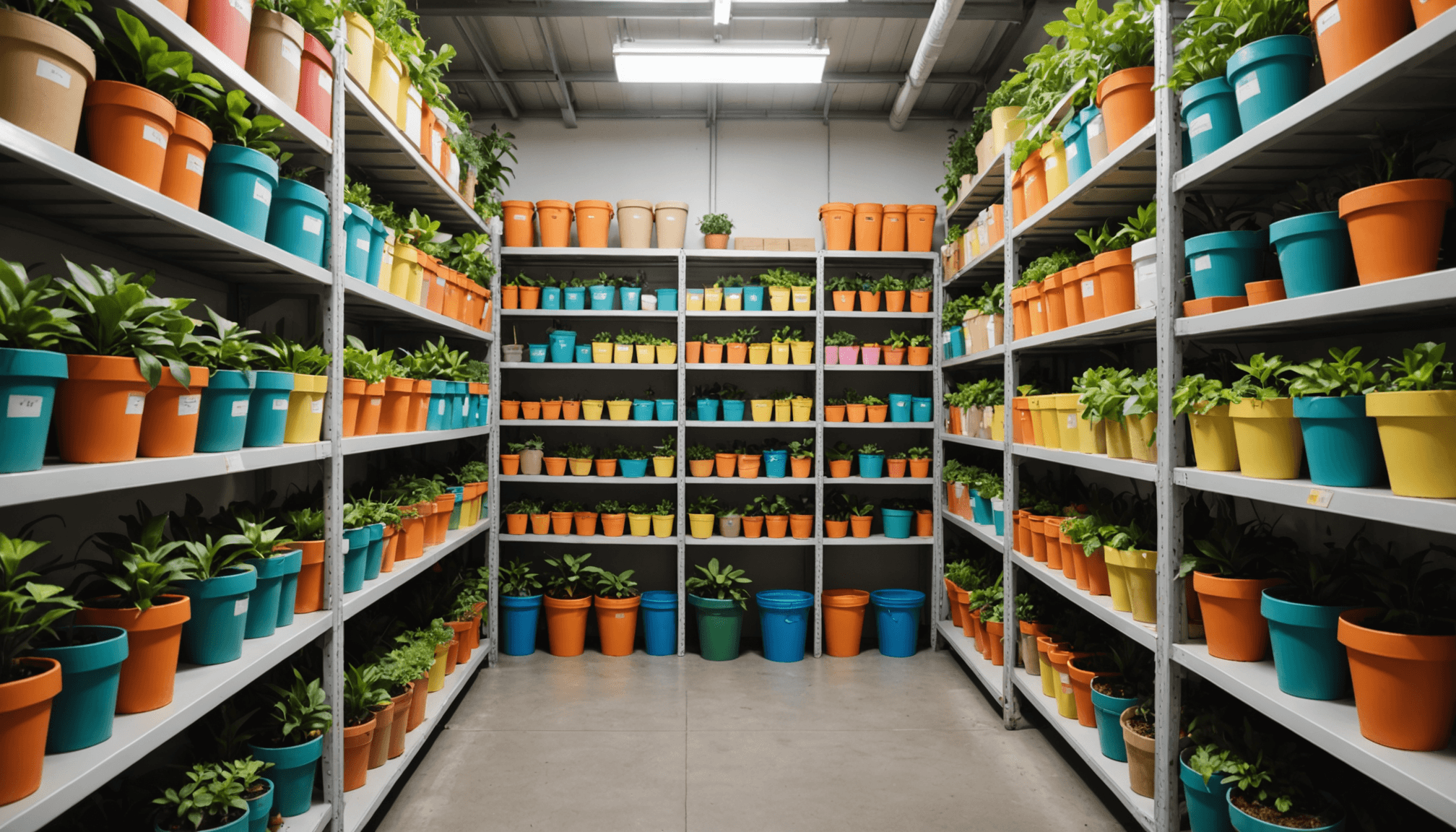
A well-organized process for receiving, storing, and dispatching plants is essential. Designate specific areas in your storage space to categorize plants based on their needs (e.g., light requirements, moisture levels). Proper organization minimizes the time spent locating plants and reduces the risk of damage during handling. Implementing a systematic labeling method allows easy identification, making it simpler for your staff to manage stock effectively.
Logistics also involve establishing strong partnerships with reliable shipping services that cater to fragile goods like plants. Research shipping carriers specialized in horticultural products as they understand the unique requirements, such as temperature control and secure packaging. Test different carriers to compare efficiency, cost, and delivery times, ensuring you select the ones that best suit your business needs. Educating customers on shipping options and offering tracking numbers will enhance their experience, making them feel informed and valued.
Additionally, consider the environmental impact of your logistics process. Opt for eco-friendly packaging materials that align with the values of a growing number of customers who prioritize sustainability. Not only does this practice reduce your ecological footprint, but it can also serve as a unique selling proposition that attracts eco-conscious consumers.
Lastly, regularly analyze your logistics performance. Conduct audits to evaluate shipping times, costs, and customer feedback on delivery experiences. Utilize this data to improve processes and make informed adjustments that might enhance efficiency or reduce costs. A focus on refining these practices will not only bolster your online business’s operational success but also foster long-term customer loyalty through enhanced service levels.
- What is the best way to manage inventory for an online plant nursery?
- Utilize a reliable inventory management system that provides real-time stock updates and categorizes plants based on their needs. This approach helps avoid overselling and ensures timely restocking to meet customer demand.
- How can I ensure timely shipping of my plants?
- Establish partnerships with reputable shipping carriers that specialize in horticulture. Ensure they are equipped to handle the specific needs of plants, such as temperature control and secure packaging.
- What factors should I consider when choosing packaging materials?
- Select eco-friendly packaging materials that protect the plants during transit and reflect your commitment to sustainability. Using biodegradable or recyclable materials can appeal to eco-conscious customers.
- How do I handle seasonal demand fluctuations in my inventory?
- Monitor sales trends and historical data to forecast seasonal demand. Consider increasing inventory levels leading up to peak seasons like spring to ensure you are fully stocked for customer needs.
- What should I do if a customer receives a damaged plant?
- Have a clear and transparentReturns policy that includes a process for handling damaged goods. Encourage customers to contact your customer service for refunds or replacements, ensuring prompt resolution of their concerns.
- How can I minimize the risk of plant loss during shipping?
- Implement robust packing techniques, using cushioning materials to safeguard fragile plants. Ensure that all shipments are marked as “fragile” to alert handlers to prioritize care.
- What logistics practices can enhance customer satisfaction?
- Provide tracking information for all shipments, communicate estimated delivery times accurately, and offer flexible shipping options. Ensuring reliability and transparency in the shipping process will foster customer trust and satisfaction.
Providing excellent customer service
Providing excellent customer service is paramount in establishing and maintaining a successful online plant nursery. In a market where consumers have numerous options, standout customer service can be the deciding factor that fosters loyalty and encourages repeat business. Here are several strategies to enhance your customer interactions, ensuring a delightful shopping experience that drives plant sales.
First and foremost, responsiveness is key. Ensure that you monitor your customer communication channels, including emails, social media, and chat functions, promptly. Set a goal to respond to inquiries within a few hours, if not minutes, especially during peak times. For instance, if a potential customer messages your social media account asking for advice on the best plant for low light conditions, a quick and informative reply can not only close the sale but also enhance your reputation in the community.
Additionally, consider implementing a live chat option on your website. This feature allows customers to ask questions in real time while they browse your online store. Providing expert advice instantaneously can significantly improve their shopping experience. For example, imagine a customer hesitating about purchasing a particular plant due to care requirements; a live chat representative could reassure them by providing easy-to-follow care tips, which could lead to a sale.
Moreover, facilitate a hassle-free returns policy. Customers are more likely to make purchases if they feel safe knowing they can return an item that doesn’t meet their expectations. Clearly outline your returns process on your website, ensuring it is straightforward and easy to understand. A policy that allows returns within a reasonable time frame, such as 30 days, conveys confidence in your products and encourages customers to make that initial purchase.
Further, personalize interactions whenever possible. Use customer names in communications and tailor recommendations based on their past purchases. For instance, if a customer previously bought succulents, sending them a follow-up email about a new shipment of unique pots or soil specifically for succulents could make them feel valued and more inclined to return. Personal touches can turn a one-time buyer into a loyal customer.
Encourage customer feedback through surveys post-purchase or on your social media platforms. Ask for honest reviews and consider running occasional contests where customers share their experiences with your products. This not only helps in building community but also creates valuable testimonials that can be displayed on your website, reassuring new customers about the quality of your plants. For example, integrating a tag on Instagram for customers to use when showcasing their purchased plants can foster brand loyalty.
A great way to further engage with your customers is by providing educational content. Consider creating a blog or video series that covers various topics such as plant care tips, seasonal planting guides, or pest management. Not only does this position you as an expert in gardening, but it also keeps customers returning to your website for valuable information. A monthly newsletter featuring new content can help keep your community informed and engaged.
Finally, embrace a customer-first culture in your ecommerce business. Train your staff to prioritize customer satisfaction, encouraging them to go the extra mile. Whether it’s packing orders with care, adding a personal note in the shipment, or advising customers on their gardening queries, every interaction counts toward building lasting relationships.
By implementing these strategies, your online plant nursery can differentiate itself through exceptional customer service, fostering a loyal customer base while boosting plant sales and encouraging organic growth through word-of-mouth referrals.