
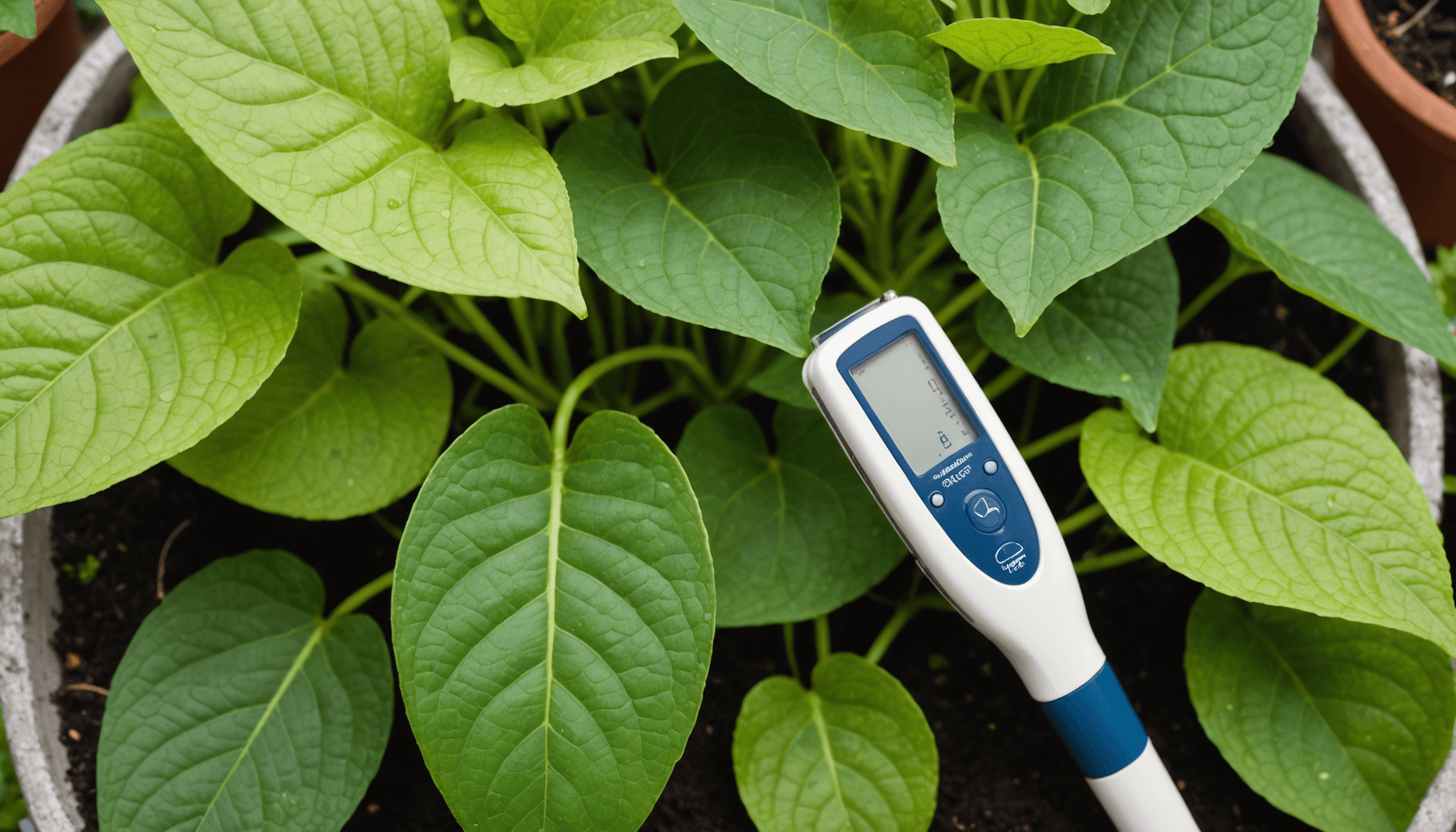
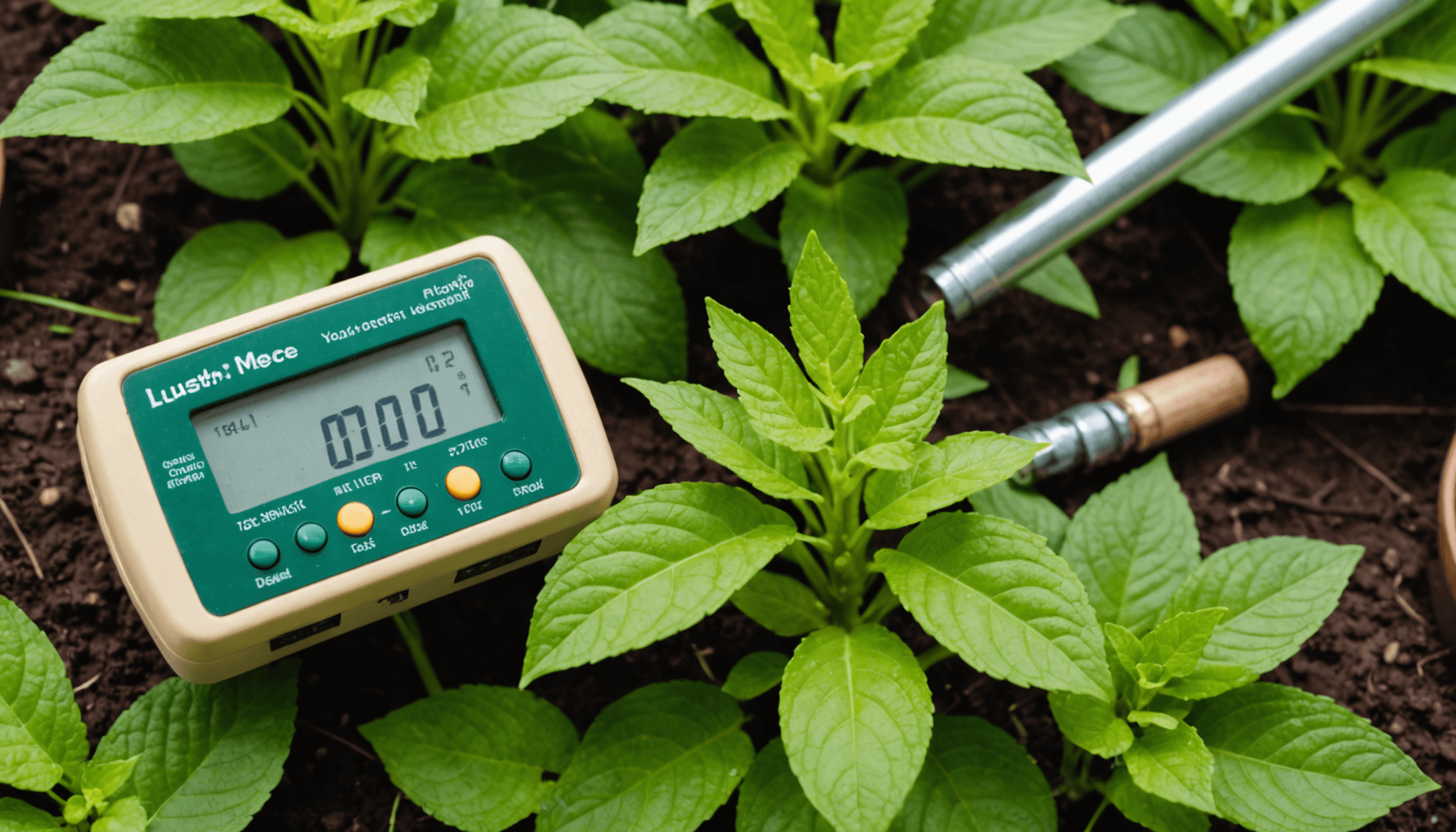
Assessing the health of your plants is an essential aspect of successful nursery operations. Regular evaluations can help detect problems early, allowing you to implement effective remedies and ensure thriving plants. Here are some practical and easy-to-follow techniques for assessing plant health.
- Visual Inspection: Begin with a thorough visual check of your plants. Look for signs of discoloration, wilting, and irregular growth patterns. Yellowing leaves can indicate nutrient deficiencies, while spots or mold may suggest pest or disease issues. Take time to observe not just individual plants, but the overall community of plants in your nursery.
- Check Root Health: Gently remove a plant from its pot or ground to examine the roots. Healthy roots should be white and crisp, while brown, mushy roots often signal rot or disease. This practice helps you understand if your plants are experiencing any issues below the soil surface.
- Soil Testing: Periodic soil testing can provide critical data regarding pH levels and nutrient content. You can purchase a soil test kit online or at gardening stores, or even send samples to a local extension office for analysis. Knowing your soil’s composition can inform your caring strategies and maintenance tips.
- Plant Growth Monitoring: Establish a growth chart for your plants. By measuring the height and foliage development at regular intervals, you can gauge whether your plants are thriving or struggling. This method is particularly effective for identifying outliers that may require special attention.
- Using Diagnostic Tools: There are many tools available to assist in plant health diagnostics. Devices like moisture meters, pH testers, and reflectometers can provide you with precise information that supports your assessment efforts. These tools can help you avoid guesswork and ensure that you’re meeting your plants’ specific needs.
Incorporate these assessment techniques regularly into your routine to maintain the health of your plants. Remember, a little proactive care goes a long way in creating a thriving nursery environment!
Soil management practices
Maintaining optimal soil conditions is crucial for promoting healthy plant growth and maximizing nursery operations. The quality of soil directly influences nutrient availability, root development, and overall plant vitality. Implementing effective soil management practices can enhance plant health, improve moisture retention, and support beneficial microbial activity.
One primary aspect of soil management is understanding its structure and composition. A well-balanced soil typically consists of the following components:
| Soil Component | Percentage of Soil | Impact on Plant Health |
|---|---|---|
| Minerals | 45% | Provide essential nutrients; affect soil texture and drainage. |
| Organic Matter | 5% | Enhances nutrient retention, promotes healthy microbial life. |
| Water | 25% | Crucial for nutrient transport; supports plant hydration. |
| Air | 25% | Essential for root respiration; influences microbial processes. |
To ensure soil remains healthy, regular practices should be adopted. This includes:
1. Adding Organic Amendments: Incorporating compost or well-rotted manure into the soil provides a multitude of benefits. These organic materials enhance soil structure, increase water retention, and introduce beneficial microorganisms that promote nutrient cycling and plant health. Aim for a compost application of 2-3 inches to enrich your soil effectively.
2. Practicing Crop Rotation: To avoid nutrient depletion and pest infestations, implement crop rotation strategies. By alternating plant species in your nursery beds, you can break pest life cycles and improve soil health. For example, follow heavy feeders like tomatoes with light feeders like beans, thus maintaining balance.
3. Maintaining Soil pH: Most plants thrive in slightly acidic to neutral soil (pH 6.0-7.0). Conduct regular pH testing to monitor levels, and adjust using lime to raise pH or sulfur to lower it as necessary. This ensures nutrient availability, preventing deficiencies that could compromise plant health.
4. Utilizing Cover Crops: Incorporating cover crops during off-seasons can protect soil from erosion, improve fertility, and enhance organic matter content. Leguminous plants can fix nitrogen, making it more accessible for subsequent planting.
5. Controlling Soil Erosion: Protecting soil from erosion is vital to prevent loss of nutrients and structure. Utilize erosion control measures such as mulching, planting ground covers, or creating berms to stabilize soil.
By integrating these effective soil management practices, nursery operators can create a nurturing environment that promotes healthy plants, subsequently leading to a flourishing business. Adopting a proactive approach in soil care not only enhances plant health but also optimizes overall maintenance tips, aligning with best practices in nursery operations.
Watering guidelines for optimal growth
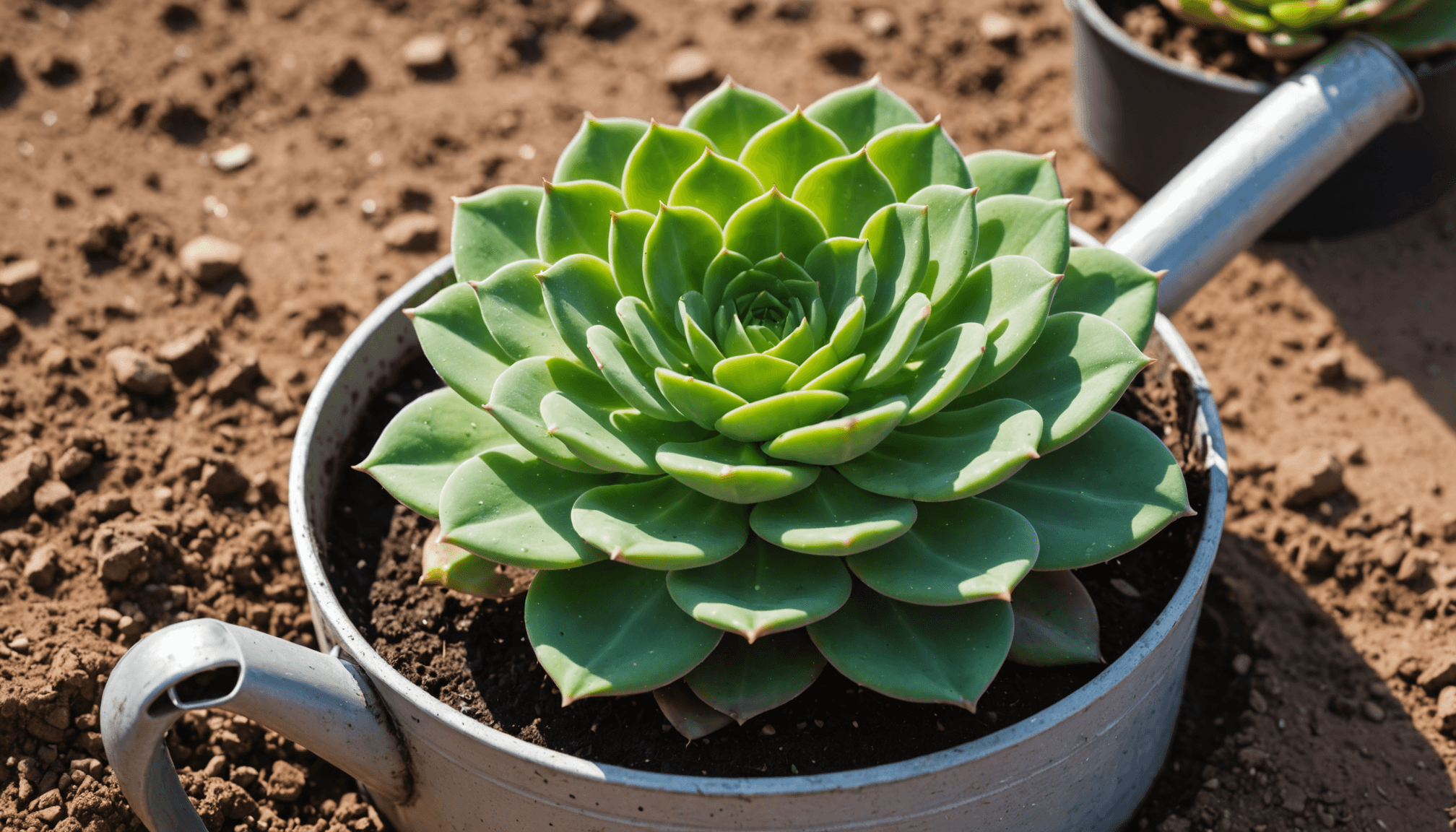
Watering plays a crucial role in the overall health of your nursery plants. Proper hydration ensures that plants receive the moisture they need for growth while helping to prevent diseases caused by overwatering or underwatering. Here are some practical and easy-to-follow guidelines to help you maintain the optimal hydration levels for your plants.
- Know Your Plant’s Needs: Different plant species have varying water requirements. For instance, succulents thrive in drier conditions, while tropical plants often prefer consistently moist soil. Familiarize yourself with the specific watering needs of each plant in your nursery. Maintaining a plant care journal can help track and adjust your watering schedule accordingly.
- Use the Right Technique: Water your plants deeply and infrequently rather than giving them shallow, frequent sips. This encourages deep root growth. A good rule of thumb is to ensure that the soil is moist at least 6-8 inches deep. Utilize a watering can or hose with an adjustable nozzle to direct water at the base of the plants, avoiding wetting the foliage to reduce the risk of fungal diseases.
- Timing is Key: Early morning is the best time to water your plants. This allows moisture to soak in before the sun gets too hot, reducing evaporation rates. Evening watering can lead to damp conditions overnight, which may promote fungal growth. If watering during the day, aim for cooler times to minimize water loss.
- Check Moisture Levels: Regularly check for soil moisture to gauge when to water. You can use your finger to dig about an inch into the soil; if it feels dry, it’s time to water. Alternatively, use a moisture meter for more accurate readings. Understanding your soil’s moisture levels is one of the best maintenance tips that can enhance your plant health.
- Consider Water Quality: The quality of water can affect your plant’s health. If possible, use rainwater or filtered water, as tap water may contain chemicals like chlorine or fluoride that can harm sensitive plants. Collecting rainwater in a barrel not only conserves resources but also provides plants with a natural hydration source.
- Install Drip Irrigation: For larger nurseries, consider investing in a drip irrigation system. This efficient method delivers water directly to the roots, reducing waste through evaporation and runoff. It’s also customizable, allowing you to adjust watering schedules based on the specific needs of different plant varieties.
- Mulch for Retention: Applying a layer of mulch around your plants can help retain soil moisture, regulate temperature, and suppress weeds. Organic mulches, such as bark or straw, will break down over time, enriching the soil. A 2-3 inch layer of mulch can significantly improve water retention in your nursery beds.
By implementing these watering guidelines, you can ensure that your plants not only survive but thrive. Consistent and mindful watering practices will contribute to the overall success of your nursery operations, leading to healthier plants and a more productive growing environment.
Pest and disease control strategies
To effectively manage pests and diseases in your nursery, start by fostering an environment that reduces the likelihood of infestations and infections. Prevention is the first line of defense, and it can often be achieved through careful selection of plant varieties, proper cultural practices, and regular monitoring.
Implement a comprehensive pest monitoring system that includes regular inspections and the use of sticky traps. These traps are effective at capturing flying insect pests and can provide visual evidence of potential problems. Keep records of any pests you encounter, their populations, and when they appear during the growing season. This information can be invaluable in making informed decisions about pest management strategies.
In addition to monitoring, introducing beneficial insects into your nursery can help maintain a natural balance. Ladybugs and lacewings, for example, are excellent predators of aphids and other soft-bodied pests. By creating a habitat conducive to their presence, you can bolster your nursery’s ecosystem and reduce dependency on chemical interventions.
For disease management, ensure that you practice good sanitation. Clean up any plant debris, as fallen leaves and spent plants can harbor pathogens. Use sterilized tools to prevent the spread of diseases, and consider implementing crop rotation to disrupt pathogen life cycles. Planting disease-resistant varieties can also be a key strategy in combatting specific issues common to your region.
Chemical controls may be necessary if pest populations exceed actionable thresholds or if diseases threaten plant health. When using pesticides, select products that are targeted and effective, while adhering to guidelines for application to minimize harm to beneficial insects and the surrounding environment. Timing is crucial; apply treatments when pests are young and most vulnerable, typically during early morning or late evening when beneficial insects are less active.
Educate your staff on pest and disease identification and management protocols to ensure a consistent approach to nursery operations. Regular training sessions can empower your team to recognize signs of trouble and act quickly to implement control measures.
“An ounce of prevention is worth a pound of cure.” – Benjamin Franklin
Incorporating integrated pest management (IPM) practices allows you to create a holistic approach to pest and disease control. This framework emphasizes the importance of understanding the life cycles of insects and pathogens, as well as their natural enemies. By combining knowledge of plant health, cultural practices, and biological control methods with targeted interventions, you can achieve sustainable management of pests and diseases in your nursery.
Nutrient management for healthy plants
 Nutrient management is a cornerstone of plant health in nurseries, enabling you to provide the essential elements that plants need to grow strong and vibrant. Nutrients play a critical role in various physiological processes, including photosynthesis, respiration, and nutrient uptake. Without the right balance of macro and micronutrients, your plants may experience deficiencies that can stymie their development. Understanding how to manage these nutrients effectively is vital for the overall success of any nursery operation.
Begin by familiarizing yourself with the primary nutrients essential for plant growth. Nitrogen (N), phosphorus (P), and potassium (K) are known as macronutrients because they are required in larger quantities. Nitrogen promotes leafy growth, phosphorus supports root development and flowering, while potassium enhances overall plant vigor and disease resistance. In addition to these, secondary nutrients like calcium, magnesium, and sulfur, along with micronutrients such as iron, manganese, and zinc, are equally important, albeit needed in smaller amounts.
Soil testing is an invaluable tool that helps you determine the nutrient levels present in your growing medium. By conducting regular soil tests, you can identify any deficiencies or imbalances and apply amendments accordingly. A comprehensive soil test will analyze more than just pH; it will provide you with insights on nutrient availability and recommendations for correction, guiding you in your fertilization strategy. Based on these results, tailor your nutrient application to match the specific needs of your plants, which can significantly enhance their health and productivity.
Fertilization must be approached with care. Over-fertilizing can lead to nutrient toxicity, while under-fertilizing can stunt growth. For many plants, it is beneficial to apply slow-release fertilizers that provide nutrients gradually, ensuring a steady supply over time. Liquid fertilizers can also be an effective method for quickly addressing deficiencies during the growing season. Always follow the recommended application rates on fertilizer packages, and consider diluting concentrated solutions to avoid root burn.
Incorporating organic fertilizers, such as compost or well-rotted manure, into your nutrient management plan can improve soil structure and introduce beneficial microorganisms that enhance nutrient availability. This organic matter increases water retention and supports a diverse microbial community, which is essential for nutrient cycling. Regularly amending the soil with organic material can lead to healthier plants and reduced reliance on synthetic fertilizers.
Additionally, be conscious of nutrient runoff, which can negatively impact local ecosystems. Implement best practices, such as planting cover crops, using mulches, and following erosion control methods, to minimize nutrient leaching and maintain healthy soil. These practices not only protect the environment but also ensure that your plants receive the nutrients they need without waste.
Understanding nutrient management is crucial for optimizing plant health and ensuring that your nursery continues to flourish. Explore the various nutrient requirements of your plants, experiment with different fertilizers, and continuously assess the results. The more knowledgeable you become about nutrient dynamics, the better equipped you’ll be to promote thriving nurseries that yield magnificent plants.
- What are macronutrients, and why are they important for plants?
- Macronutrients are the primary nutrients needed in larger quantities by plants, including nitrogen, phosphorus, and potassium. They are crucial for processes such as growth, root development, and overall plant vitality.
- How often should I conduct soil tests for my nursery?
- It’s advisable to conduct soil tests at least once a year, or more frequently if you notice signs of nutrient deficiencies or if you’re implementing significant changes in your fertilization practices. Regular testing helps ensure that nutrient levels remain optimal.
- What are some signs of nutrient deficiency in plants?
- Common signs of nutrient deficiency include yellowing leaves (nitrogen deficiency), poor root development (phosphorus deficiency), and browning leaf edges (potassium deficiency). Each nutrient deficiency presents unique symptoms that can guide your corrective actions.
- Are organic fertilizers effective for nursery plants compared to synthetic ones?
- Yes, organic fertilizers can be very effective as they improve soil health by enhancing its physical and biological properties, leading to better nutrient availability. They often release nutrients more slowly, minimizing the risk of burn and promoting sustained plant growth.
- How can I avoid over-fertilizing my plants?
- Always follow the recommended application rates on fertilizer packages and consider starting with lower concentrations. Regular soil testing can help you tailor your fertilization approach based on the specific needs of your plants and prevent nutrient buildup.
- What is nutrient runoff, and why is it a concern?
- Nutrient runoff occurs when excess nutrients from fertilization wash away from the soil into nearby water bodies, causing environmental issues like algal blooms. It’s important to implement practices to minimize this runoff, protecting both your plants and the surrounding ecosystem.
- How can I enhance soil fertility in my nursery?
- You can enhance soil fertility by incorporating organic amendments such as compost, practicing crop rotation, and using cover crops during off-seasons. These practices contribute to improved soil structure, nutrient cycling, and overall plant health.
Best practices for environmental monitoring
Environmental monitoring is a key component of maintaining plant health and ensuring successful nursery operations. By systematically observing and recording environmental conditions, you can create a responsive care strategy for your plants that aligns with their specific needs. Here are some practical and easy-to-follow practices to effectively monitor environmental factors in your nursery.
- Temperature Tracking: Temperature profoundly affects plant growth. Install thermometers or digital temperature sensors throughout your nursery to monitor fluctuations. For instance, most seedlings thrive between 65°F and 75°F. Make adjustments to your greenhouse’s heating and cooling systems based on temperature readings. Using shading cloths or mist systems during hot periods can help maintain optimal temperatures.
- Humidity Levels: Humidity plays a crucial role in plant respiration and transpiration. Consider using hygrometers to measure humidity levels in your nursery. Most plants prefer humidity levels between 40% and 60%. If humidity is too high, consider enhancing air circulation with fans, while a dehumidifier can be beneficial in damp conditions.
- Light Monitoring: Light is essential for photosynthesis, but too much or too little can be detrimental. Use light meters to assess light intensity at different times of the day. For shade-loving plants, providing filtered light through sheer cloths can help protect them from excessive sun exposure. Conversely, ensure sun-loving varieties receive ample direct sunlight by adjusting your nursery layout accordingly.
- Air Quality Assessment: The air quality around your plants significantly impacts their health. Consider using air quality monitors to assess levels of CO2 and other gases in your nursery. A well-ventilated area is key for preventing mold and disease—utilize natural ventilation where possible or mechanical ventilation in more enclosed spaces, particularly in warmer climates.
- Water Quality Testing: Water that nourishes your plants should be clean and free from contaminants. Test your water source for harmful chemicals or high pH levels that could negatively affect plant health. Filters can be used to purify tap water, while rainwater collection systems can provide a more natural source of hydration, rich in minerals.
- Regular Record Keeping: Maintain a logbook or digital records of all observations, including temperature, humidity, light levels, and any environmental adjustments made. This documentation helps identify trends over time and allows you to make data-driven decisions for future planting and care strategies.
- Adapt to Seasonal Changes: Pay special attention to how seasons affect environmental conditions. As seasons change, so should your monitoring strategies. For instance, adjust heating requirements in winter and cooling or shading measures in summer. Anticipating these shifts allows for a proactive rather than reactive approach to plant care.
- Utilize Smart Technology: Many modern nurseries are leveraging smart technology to enhance monitoring capabilities. Automated systems can track moisture levels, temperature, and humidity, and even deliver alerts to your smartphone when adjustments are needed, making it easier to manage plant health efficiently.
By embracing thorough environmental monitoring practices, nursery operators can better understand and cater to the specific needs of their plants. This attentiveness helps ensure that all aspects of plant health are optimized, ultimately leading to a successful and thriving nursery ecosystem. Consistency in monitoring is also one of the most effective maintenance tips you can implement, as it allows you to respond swiftly to any challenges that may arise.