
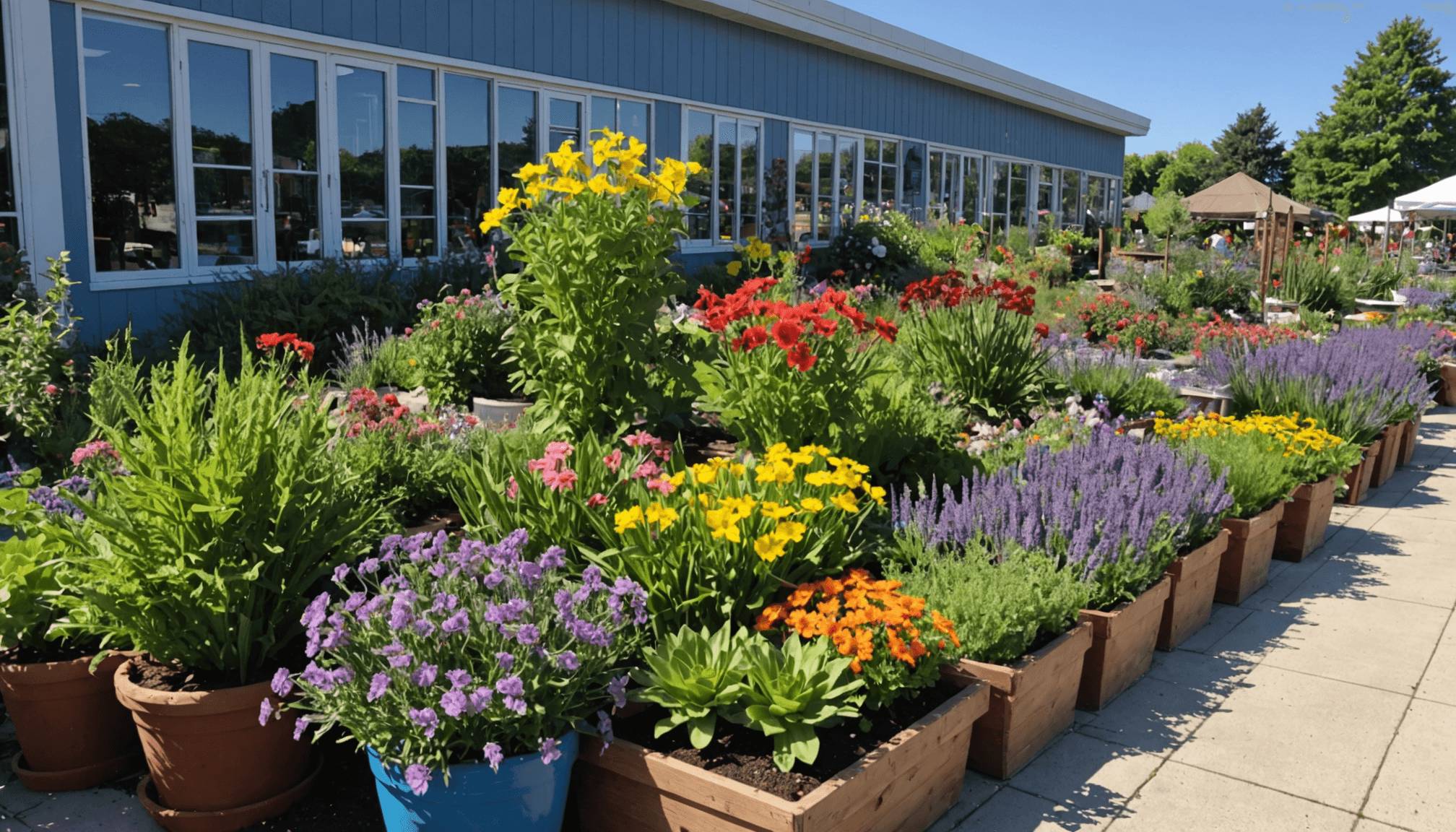
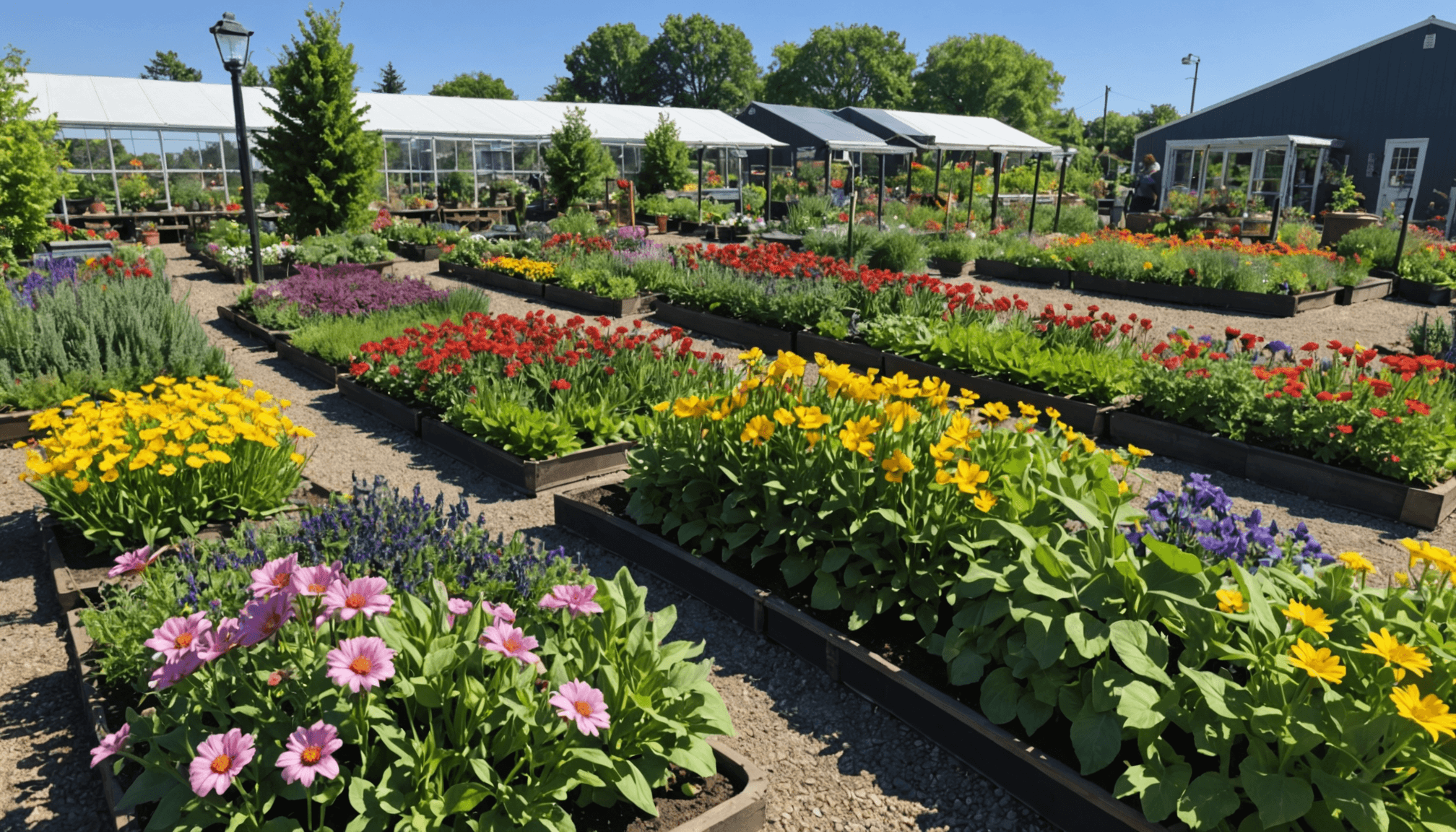
The delicate interplay between climate impact and plant growth is a fundamental aspect of successful gardening and nursery management. Understanding this relationship is crucial for urban dwellers, families, millennials, and garden enthusiasts who wish to optimize their green spaces effectively.
Plants are incredibly responsive to their surrounding climate conditions. Factors such as temperature, humidity, and sunlight not only influence plant health but also dictate the types of plants that thrive in specific regions. For those engaged in nursery management, adapting to these variations is essential for productivity and sustainability.
Here are some essential tips to keep in mind:
- Choose the Right Plants: Select species well-suited to your local climate. Perennials that withstand heat or drought conditions, and native species that require less maintenance are often the best choices.
- Monitor Microclimates: Every garden has its own unique microclimates. Areas close to buildings may retain more heat, while shaded spots can be cooler and more humid. Understanding these nuances can help you place plants where they’ll flourish.
- Seasonal Timing: The timing of planting can significantly affect your garden’s success. For instance, starting seedlings indoors during cooler months can give them a head start when the weather warms up.
- Soil Quality: Climate greatly affects soil moisture and temperature, which in turn impacts nutrient availability. Regularly testing and amending your soil based on local climate specifics will improve plant growth.
As a nursery manager, consider the upcoming climate trends as you design your planting schedules and cultivate your selections. Staying informed about potential climate shifts will allow you to make proactive adjustments, ensuring that your nursery remains resilient and productive even as environmental conditions change.
For more detailed teachings on adapting to climate influences in gardening, consider reading credible resources such as the USDA Plant Hardiness Zone Map, which provides insight into how climate affects plant choices by region. This can be a valuable tool for anyone looking to enhance their gardening tips and overall gardening success.
Impact of temperature variations
Temperature variations play a critical role in shaping plant nursery operations and the overall health and productivity of plants. Different plant species have specific temperature requirements, and any fluctuation outside their optimal range can hinder growth, reduce yield, or even lead to plant mortality. For nursery managers, understanding these temperature dynamics is paramount for effective plant cultivation.
One direct consequence of temperature variation is its effect on the rate of photosynthesis. Higher temperatures can accelerate metabolic processes, leading to increased growth rates, provided there is sufficient water and nutrients. However, extreme heat can induce stress, leading to symptoms such as wilting, leaf burn, or even dormancy. Conversely, lower temperatures can slow down plant development, limited growth, and can increase susceptibility to pests and diseases.
A thorough understanding of how temperature impacts different plant species allows nursery managers to devise effective strategies for cultivation. For instance, the following table illustrates the optimal temperature ranges for a selection of common nursery plants:
| Plant Species | Optimal Temperature Range (°F) | Effects of High Temperatures | Effects of Low Temperatures |
|---|---|---|---|
| Tomato (Solanum lycopersicum) | 70-85 | Sunscald, blossom drop | Stunted growth, blossom drop |
| Lavender (Lavandula spp.) | 70-75 | Wilting, reduced oil production | Frost damage |
| Petunia (Petunia spp.) | 65-80 | Leaf curl, poor flowering | Delayed germination |
| Maple (Acer spp.) | 60-75 | Leaf scorch, reduced growth | Cold snap effects, leaf drop |
In addition to these physiological effects, temperature variation also influences critical nursery management practices. For instance, climate impact with respect to seasonal temperature shifts necessitates precise timing in planting schedules. Early planting in a warmer-than-average spring may lead to faster growth but can also expose young plants to later frost events. On the other hand, late planting might mean missing the ideal growth window during peak temperatures.
Water management is another critical area affected by temperature. Higher temperatures can increase evaporation rates, necessitating more frequent irrigation, which complicates water resource management—especially in arid regions or during drought conditions. Though this adds to operational costs, implementing techniques such as drip irrigation or utilizing drought-resistant plant varieties can mitigate these challenges.
Additionally, nursery operators should be aware of the growing trends in temperature fluctuations linked to climate change. As long-term temperature patterns continue to rise, the potential for extreme weather events, including heatwaves and unpredictable frosts, grows. This unpredictability means that nursery managers must remain agile, constantly adapting their practices to safeguard against these fluctuations and ensure plant health.
To summarize, understanding the impact of temperature variations is critical for effective nursery management. By monitoring local climate conditions, adjusting planting schedules, and actively implementing adaptive practices, nursery operators can cultivate a productive and resilient operation in the face of a changing climate.
Effects of precipitation patterns
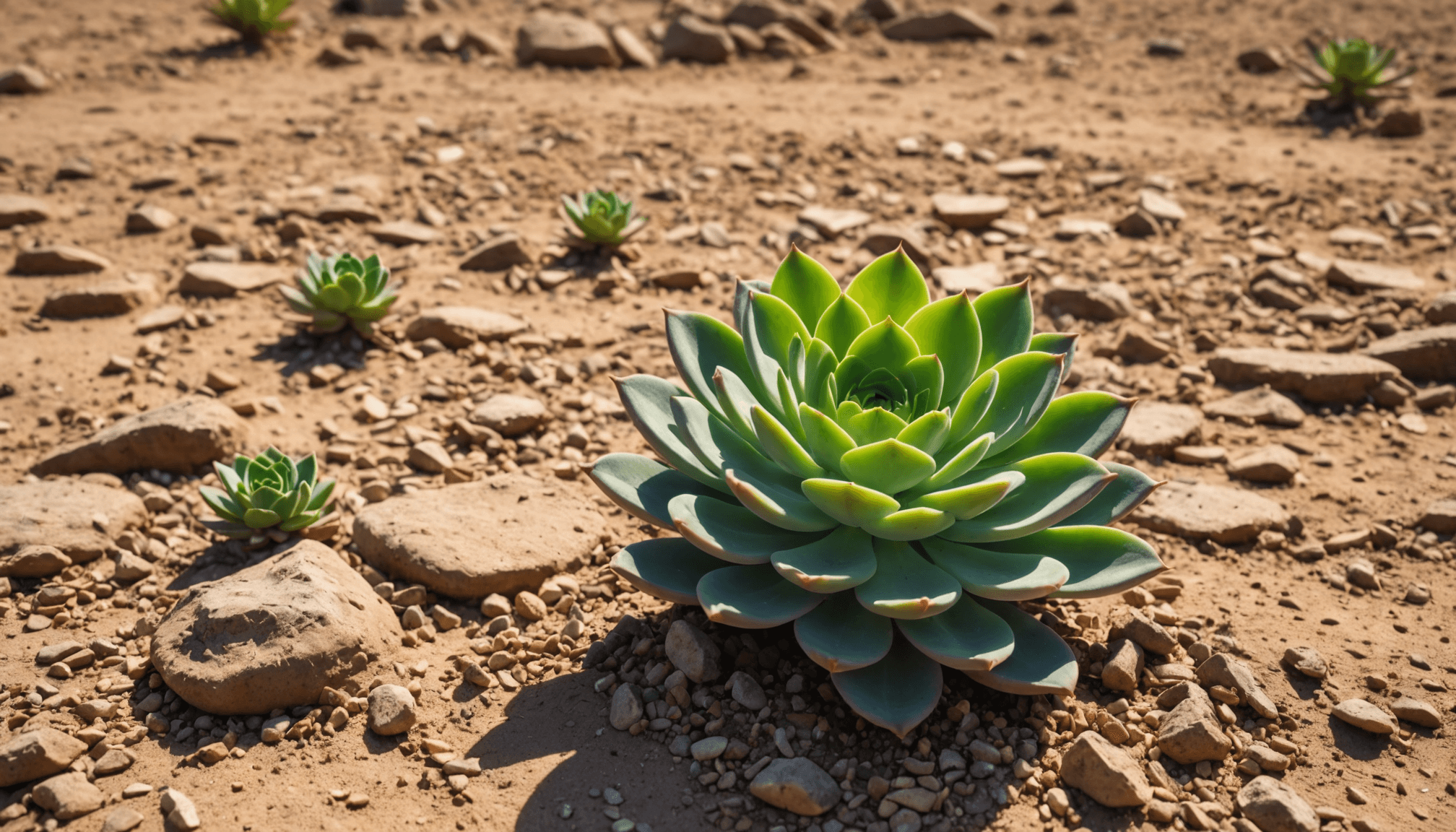
The relationship between precipitation patterns and plant nursery operations cannot be overstated. Water is a fundamental resource for any plant’s survival, and changes in rainfall can dramatically influence plant health, growth rates, and the overall success of nursery operations. For urban dwellers, families, millennials, and garden enthusiasts, understanding the effects of precipitation on plant care is essential for enhancing gardening experiences.
First and foremost, it’s important to recognize the two main categories of precipitation impact: drought and excessive rainfall. Each presents its own set of challenges that can be managed with the right strategies.
- Drought Management: In regions experiencing low rainfall, plants can suffer from moisture stress. Adapt your practices by:
- Incorporating Drought-Resistant Plants: Opt for species that naturally thrive in low-moisture conditions such as succulents, lavender, and certain herbs. These varieties are typically hardier and require less maintenance.
- Implementing Water-Saving Techniques: Utilize drip irrigation systems, which deliver water directly to the roots, minimizing evaporation. Mulching is another effective strategy that helps retain soil moisture by reducing surface evaporation.
- Soil Amendments: Mix in organic matter like compost, which enhances soil structure, improves water retention, and provides essential nutrients.
- Excessive Rainfall Management: Conversely, areas facing heavy rainfall require a different approach to safeguard plant health:
- Enhanced Drainage Solutions: Ensure proper drainage systems are in place. Raised beds can prevent water from pooling around plant roots, while drainage tiles can help divert excess water away from vulnerable plants.
- Choosing Water-Tolerant Plants: Select plants that can withstand soggy conditions, such as ferns, astilbes, and certain types of willows.
- Regular Monitoring: Keep a close eye on soil moisture levels and adjust watering schedules accordingly. Using moisture meters can provide precise readings to avoid over- or under-watering.
Being aware of regional precipitation patterns is key. For example, areas that traditionally experience dry spells may have specific times of the year where water conservation becomes crucial. Urban gardens, often limited in space and resources, benefit significantly from understanding local weather forecasts to make timely adjustments in their watering practices.
Furthermore, using local gardening resources like the USDA’s Climate Hubs can provide valuable insight into specific precipitation trends affecting your area. They often include seasonal planting calendars tailored to local conditions, offering the best gardening tips to ensure your plants thrive no matter the precipitation scenario.
Don’t underestimate the value of community gardening groups or online forums where you can share experiences and solutions with fellow enthusiasts. The exchange of knowledge about adapting to precipitation patterns can foster innovation in your nursery management practices.
Adapting nursery practices to climate change
Adaptation to climate change is essential for maintaining the viability and productivity of nursery operations. As environmental conditions fluctuate, nursery managers must implement strategic practices that prioritize resilience, sustainability, and efficiency. Adjusting to these changes involves both immediate responses to current climate patterns and long-term planning for future conditions.
One important aspect is the optimization of irrigation practices. As climate change alters precipitation patterns, reliance solely on natural rainfall may no longer suffice. Implementing a robust irrigation strategy, such as drip irrigation systems, will not only conserve water but also ensure that plants receive adequate moisture during drier periods. Additionally, scheduling irrigation based on weather forecasts and soil moisture levels will help avoid overwatering and promote healthy root development.
Soil management is another critical area of adaptation. As climate impacts lead to shifts in soil composition and moisture retention, using organic amendments like compost can enhance soil structure and fertility. This practice improves the resilience of soil to both drought and excessive rainfall, ensuring that plant roots have a stable environment conducive to growth. Regular soil testing should become a part of nursery management to monitor nutrient availability and pH levels, allowing for timely amendments where necessary.
Moreover, understanding plant genetics is vital for selecting species that can thrive under changing climate conditions. Emphasizing the cultivation of native and climate-resilient plants can reduce resource inputs and increase overall nursery success. Selecting these types of plants helps create a sustainable operation that aligns with local climatic conditions, allowing for better adaptation to the challenges posed by climate change.
Moreover, nursery managers should engage in continuous education about emerging trends and research related to climate change. Participating in workshops, webinars, and collaboration with local agricultural extension services can provide valuable insight into innovative practices. Leveraging these resources not only enhances knowledge but also opens avenues to implement practical gardening tips that reflect current best practices in response to climate challenges.
Utilizing technology can further bolster adaptive measures. Monitoring systems that track temperature, humidity, and soil moisture can provide nursery managers with data-driven insights to improve decision-making. This technology can help identify microclimates within the nursery, enabling tailored care for different plant sections based on specific needs.
The proactive approach towards climate adaptation will involve collaboration among nursery operators, local communities, and environmental organizations. Sharing data and strategies within these networks can lead to collective advancements in nursery management practices, particularly in regions significantly affected by climate variability.
“Climate change is not a mere future threat; it’s a present challenge that requires immediate and informed action.” – Climate Scientist
Being proactive rather than reactive will benefit the nursery’s operations as climate conditions continue to evolve. Establishing a culture of adaptability and innovation will not only enhance plant quality but also ensure sustainable practices that align with broader environmental goals.
Regional climate differences and their implications
 Regional climate differences shape not only the types of plants that can thrive but also the strategic choices that nursery managers must make to ensure their operations remain viable. Each region’s unique climate profile influences everything from plant health to operational logistics, requiring nursery operators to tailor their practices based on these variances. For instance, coastal regions with higher humidity may present different challenges compared to arid inland locations, where drought management becomes paramount.
In regions where temperatures can dramatically swing between extremes, understanding those fluctuations is critical for nursery planning and plant selection. Seedlings and mature plants alike respond to local weather systems, and some may require special care when adapting from one environment to another. Nursery managers need to assess their microclimates, taking stock of shaded areas, sun exposure, and wind patterns. This differentiation can dictate everything from plant placement to watering schedules and soil amendments.
Additionally, understanding local precipitation patterns and annual weather behaviors is equally vital. In areas with wetter climates, nursery operators might prioritize drainage solutions, while those in drier regions could focus on robust irrigation systems and drought-resistant varieties. The ecological relationships between plants and their environment dictate that nursery management must be flexible, employing innovative policies that respond to shifting conditions.
The implications of these climate differences also extend to pest management and disease prevention. Plants stressed by unsuitable environmental conditions are more susceptible to infestations and diseases. Therefore, nursery strategies must involve integrated pest management techniques that are both ecologically sound and effective. Knowing how pests behave in specific climates allows managers to anticipate issues before they arise, making prevention a crucial aspect of healthy plant cultivation.
As nursery managers navigate through these regional variations, they are brought face-to-face with the ever-looming specter of climate change. The trends they observe today may be amplified in the coming years, thus stressing the importance of being both proactive and prepared. Regular monitoring of climate data and forecasts not only aids in day-to-day decision making but encourages a deeper understanding of how changing weather patterns will shape the future of their operations.
Being part of a community where experiences and observations are shared can further contribute to a nursery manager’s pool of knowledge. Collaborations with local agricultural extensions, conservation programs, and fellow nursery owners can yield invaluable insights that span common challenges posed by regional climates.
Engaging continuously in education, adapting practices, and nurturing open dialogues with surrounding communities fosters an approach that is not only informed by present conditions but also anticipates future shifts. This becomes especially crucial when pondering the trajectory of farming practices in light of our changing world. The thirst for knowledge and the drive for operational excellence shouldn’t just be about immediate gains, but rather a framework for sustained success amid the unpredictability of climate conditions.
- What are some examples of how regional climates affect plant selection in nurseries?
- Plants suited to local climates typically thrive better; for instance, drought-tolerant species are ideal in arid regions, while moisture-loving varieties do well in humid areas. Native plants are often recommended as they are acclimatized to local conditions.
- How can nursery managers adapt their operations to changing climates?
- Nursers can adjust their practices by implementing efficient irrigation systems, choosing drought-resistant plants, and regularly monitoring soil health and weather patterns. Implementing organic soil amendments can also enhance resilience against climate impacts.
- What role does soil management play in nursery operations amidst climate shifts?
- Soil management involves optimizing soil health to improve moisture retention and nutrient availability, which aids plant health. Regular soil testing and amendments based on local conditions are crucial for adapting to climate variation.
- How can technology assist in nursery management concerning climate impact?
- Technology such as soil moisture sensors and climate monitoring systems can help nursery managers gather data for informed decision-making. This allows for tailored care based on specific plant needs and response strategies to climate conditions.
- What are some effective irrigation practices for drought-prone areas?
- Drip irrigation systems are highly effective in drought-prone areas, delivering water directly to plant roots while minimizing evaporation. Other methods include mulching to retain moisture and selecting drought-resistant plant varieties.
- Why is it important to monitor local weather patterns in nursery management?
- Monitoring local weather patterns helps nursery managers anticipate climate impacts, adjust planting schedules, and implement necessary care strategies. This proactive approach significantly enhances plant health and nursery efficiency.
- What benefits can community collaboration offer nursery managers?
- Community collaboration fosters the exchange of knowledge and best practices among nursery managers, helping them respond to shared challenges and innovate solutions tailored to their specific regional climates.
Future trends in plant nursery operations
As we look toward the future of plant nursery operations, several exciting trends are emerging that can directly enhance your homesteading experience. The modern nursery landscape is evolving rapidly, influenced by shifts in climate, technology, and consumer demands. Urban dwellers and garden enthusiasts alike can benefit from the latest practices that promise to make gardening more sustainable and efficient.
One key trend reshaping nursery management is the increased focus on sustainability. With environmental concerns becoming paramount, more nurseries are adopting eco-friendly practices that align with this new ethos. For example, organic growing methods, where chemical pesticides and fertilizers are eschewed in favor of natural alternatives, are gaining traction. Implementing practices like composting and using bio-based pest control methods can not only yield healthier plants but also promote a cleaner environment.
Consider native plants—they are adapted to local climate conditions and often require less water and maintenance. Not only does this reduce your resource usage, but it also benefits local wildlife by providing food and habitat. By incorporating these species into your garden, you’re contributing to biodiversity while simplifying your gardening efforts.
Advancements in technology are also playing a significant role in shaping the future of nurseries. Precision agriculture tools, such as soil moisture sensors and climate monitoring apps, empower nursery managers and amateur gardeners alike to make data-driven decisions. For instance, using a soil moisture meter allows you to monitor when your plants need watering, which can help you conserve water and maintain optimal conditions for growth.
Container gardening and vertical gardening are on the rise too. These methods are particularly appealing to urban dwellers with limited space. Not only do they maximize growing areas, but they also allow gardeners to better control environmental factors such as light, humidity, and soil quality. Investing in vertical planters or self-watering containers can make caring for your plants as easy as pie!
Another budding trend is the integration of community-supported agriculture (CSA) into nursery operations. This model fosters local connections, allowing consumers to directly support their local nurseries and access fresh, locally-grown plants and produce. Engaging with a CSA can provide you with guidance on best gardening practices relevant to your area, creating a sense of community while enhancing your gardening experience.
Moreover, ongoing education in plant health is becoming increasingly essential. More nurseries are offering workshops and classes on topics such as permaculture design, pest management, and soil health. By participating in these educational opportunities, you can equip yourself with valuable gardening tips that enhance your skill set and contribute to the overall success of your gardening endeavors.
As the climate continues to change, nursery practices will need to adapt as well. More nursery operations are focusing on climate resilience by selecting plant varieties that can withstand shifting weather patterns. For instance, heat-tolerant and drought-resistant plants, such as succulents and native grasses, are becoming more common in inventory lists. This smart adaptation not only promotes plant survival but also reduces the amount of water and care required, making them ideal choices for busy families and urban gardeners.
Incorporating these trends into your gardening routines can enhance not only your enjoyment of the process but also the health of your plants and the environment. Whether you’re looking to cultivate a bountiful garden in your backyard or a small herb mix on your apartment balcony, staying informed on future trends in plant nursery operations will undoubtedly have a positive impact on your gardening journey.