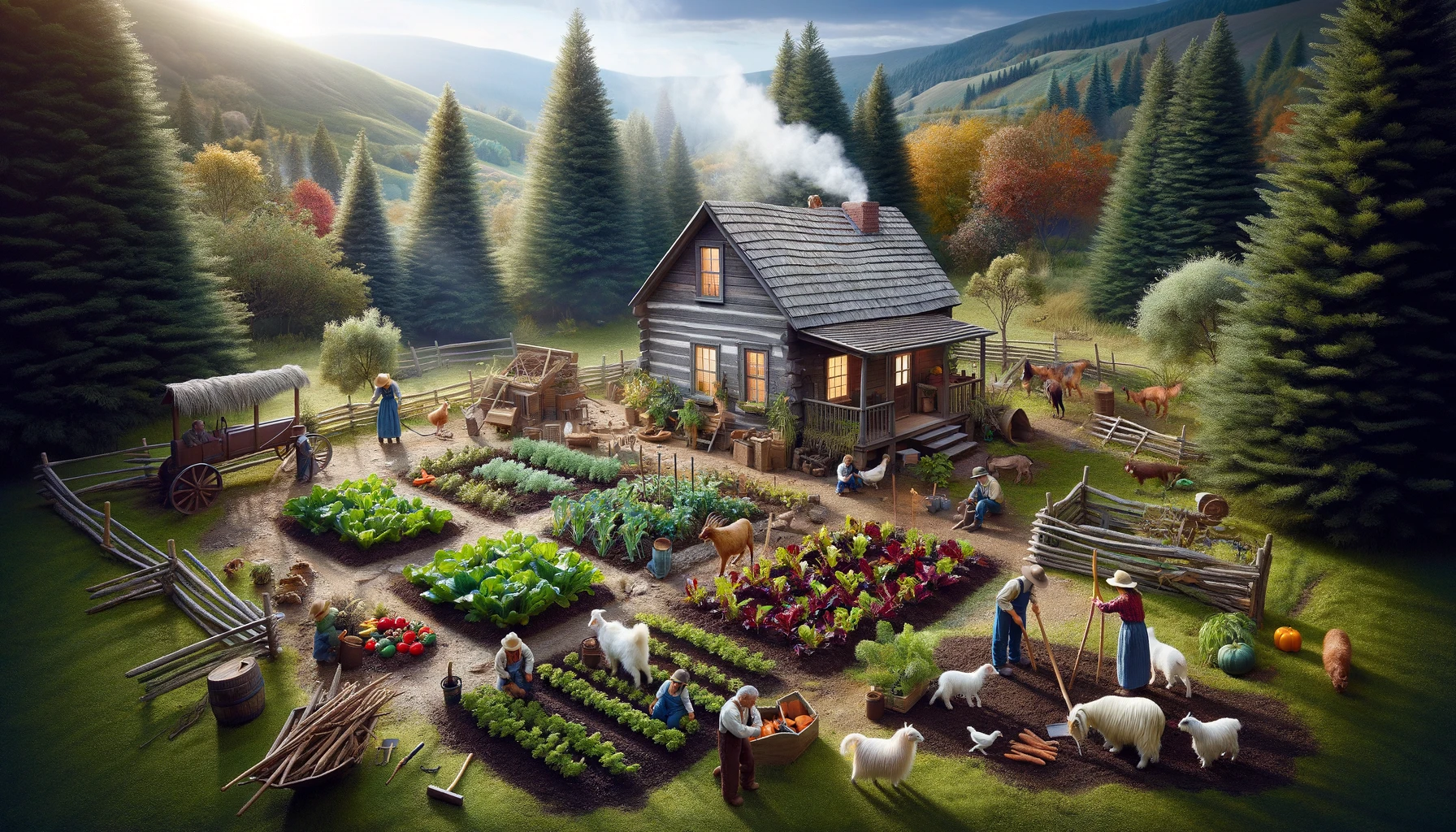
Homesteading is a lifestyle of self-sufficiency, characterized by subsistence agriculture, home preservation of food, and the production of textiles, clothing, and craftwork for household use or sale. This lifestyle often includes raising livestock, growing fruits and vegetables, and implementing sustainable practices such as composting and rainwater harvesting. Homesteaders aim to reduce their reliance on commercial systems and instead rely on their own resources and skills.
Homesteading can vary widely in scale and scope. Some individuals pursue urban homesteading, which focuses on utilizing small spaces like backyards or even rooftops to grow food and raise small livestock. This form of homesteading often incorporates container gardening, vertical gardening, and the use of small-scale animal husbandry such as raising chickens or rabbits. On the other end of the spectrum, rural homesteading often involves larger plots of land where individuals can cultivate extensive gardens, orchards, and pastures for larger livestock like cows, goats, and pigs.
A central aspect of homesteading is food production. Homesteaders often grow a wide variety of fruits, vegetables, and herbs, tailoring their crops to the climate and soil conditions of their area. They may also preserve their harvest through canning, drying, fermenting, or freezing, ensuring a steady supply of food year-round. Raising animals for eggs, milk, meat, and fiber is also common, providing a diverse range of resources for the homesteader.
Homesteading is not only about food production but also encompasses a wide range of skills and activities. These may include beekeeping, soap making, woodworking, and producing natural remedies from herbs. Energy independence is another goal for many homesteaders, who may install solar panels, wind turbines, or other renewable energy systems to reduce their reliance on external power sources.
The motivations for homesteading are diverse. Some individuals are driven by a desire for a more sustainable and environmentally friendly lifestyle, aiming to minimize their ecological footprint. Others are motivated by the economic benefits, as growing and producing one’s own food can significantly reduce household expenses. Additionally, many people find homesteading fulfilling and rewarding, enjoying the sense of accomplishment and self-reliance that comes from creating and sustaining their own
In essence, homesteading is about reclaiming traditional skills and knowledge, fostering a closer connection to the land, and cultivating a lifestyle that emphasizes sustainability, resilience, and independence.