
Growing exotic plants in your nursery offers a plethora of benefits that can transform your gardening experience and elevate your nursery business to new heights. One of the most appealing aspects is the unique offerings that exotic plants provide, which can attract a diverse customer base eager for something different than traditional garden staples.
First and foremost, exotic plants often come with striking appearances and unusual features that capture attention. Customers are often drawn to plants that stand out, whether it’s vibrant flowers, unique foliage shapes, or stunning colors. By incorporating these eye-catching varieties into your nursery, you can increase foot traffic and online inquiries, as potential buyers seek to enhance their living spaces with a touch of the extraordinary.
Moreover, exotic plants frequently have specific growing conditions that can be met with simple adjustments in your nursery, such as controlled climate settings or specialized soil mixtures. This not only allows for a healthy, thriving collection of exotic species but also provides an educational opportunity for you to share with customers. Informing them about the specific needs for care can foster a loyal customer relationship as they appreciate your expertise.
In addition, many exotic plants possess benefits that go beyond aesthetics. Some have been studied for their medicinal properties or have been utilized in culinary practices across different cultures. For instance, the vibrant dragon fruit (Hylocereus undatus) is not only visually stunning but is also packed with nutrients and antioxidants, making it a popular choice among health-conscious consumers. Highlighting the multifaceted benefits of these plants can inspire customers to choose exotic options both for their beauty and their value.
Finally, growing exotic plants can also enhance your nursery’s reputation as a specialty provider. By curating a collection that showcases rare and sought-after species, your nursery can stand out in a saturated market. Participation in local fairs and plant shows with your unique offerings can further establish your brand and attract niche customers.
The benefits of growing exotic plants are numerous, providing both aesthetic value and practical advantages that can enrich your nursery business while engaging a wider audience.
Selecting the right exotic plants
When selecting the right exotic plants for your nursery, it’s essential to consider various factors that align with both your business objectives and the local market’s demands. The diversity of exotic plants is vast, and making informed choices can significantly impact your nursery’s success.
Understanding the climate and environmental conditions of your region is crucial. Different exotic plants have specific requirements regarding temperature, humidity, and sunlight exposure. For instance, tropical plants such as orchids thrive in warm, humid conditions, while succulents prefer dry, arid environments. Assess the microclimates within your nursery and choose exotic species that will flourish in those settings.
Another key factor is the availability of these plants in the commercial market. Some exotic plants may be difficult to source or might have cumbersome growing requirements that could pose challenges in your nursery environment. Establish strong relationships with reputable exotic plant suppliers and consider cultivating some plants from seeds or cuttings to maintain control over your inventory.
Additionally, consider the potential appeal of the plants you select. Customers are often interested in exotic plants that offer something unique; therefore, it’s beneficial to focus on plants that not only look stunning but come with fascinating stories, such as their cultural significance or unique adaptations. Highlighting these aspects can make your plants more attractive and can strengthen marketing efforts.
It’s also essential to take into account the current trends in gardening. Researching popular exotic plants within your target demographic can provide insights into which species are most likely to sell. Social media and gardening blogs can be valuable resources for discovering trends and understanding what consumers are interested in.
The following table outlines some popular exotic plants, their required conditions, and their market appeal:
| Exotic Plant | Ideal Growing Conditions | Market Appeal |
|---|---|---|
| Orchid (Phalaenopsis spp.) | Warm, humid environment; indirect sunlight | Popular among houseplant enthusiasts; luxury gift item |
| Dragon Fruit (Hylocereus undatus) | Full sun; well-drained soil; moderate watering | Health-conscious consumers; culinary interest due to its nutritional value |
| Tropical Pitcher Plant (Nepenthes spp.) | High humidity; bright, indirect light | Unique appearance; interest in carnivorous plants |
| Bird of Paradise (Strelitzia reginae) | Full sun; well-drained soil; regular watering | Striking flowers; popular in landscaping and ornamental settings |
| Variegated Rubber Plant (Ficus elastica) | Indirect light; well-draining potting mix | Trend in indoor plants; visually appealing with unique foliage |
By carefully selecting the right exotic plants, you can cater to your target market while ensuring that your nursery thrives. This calculated approach not only enhances your unique offerings but boosts overall customer satisfaction and encourages repeat business, ultimately underpinning the sustainability of your nursery business.
Ideal growing conditions for exotic plants
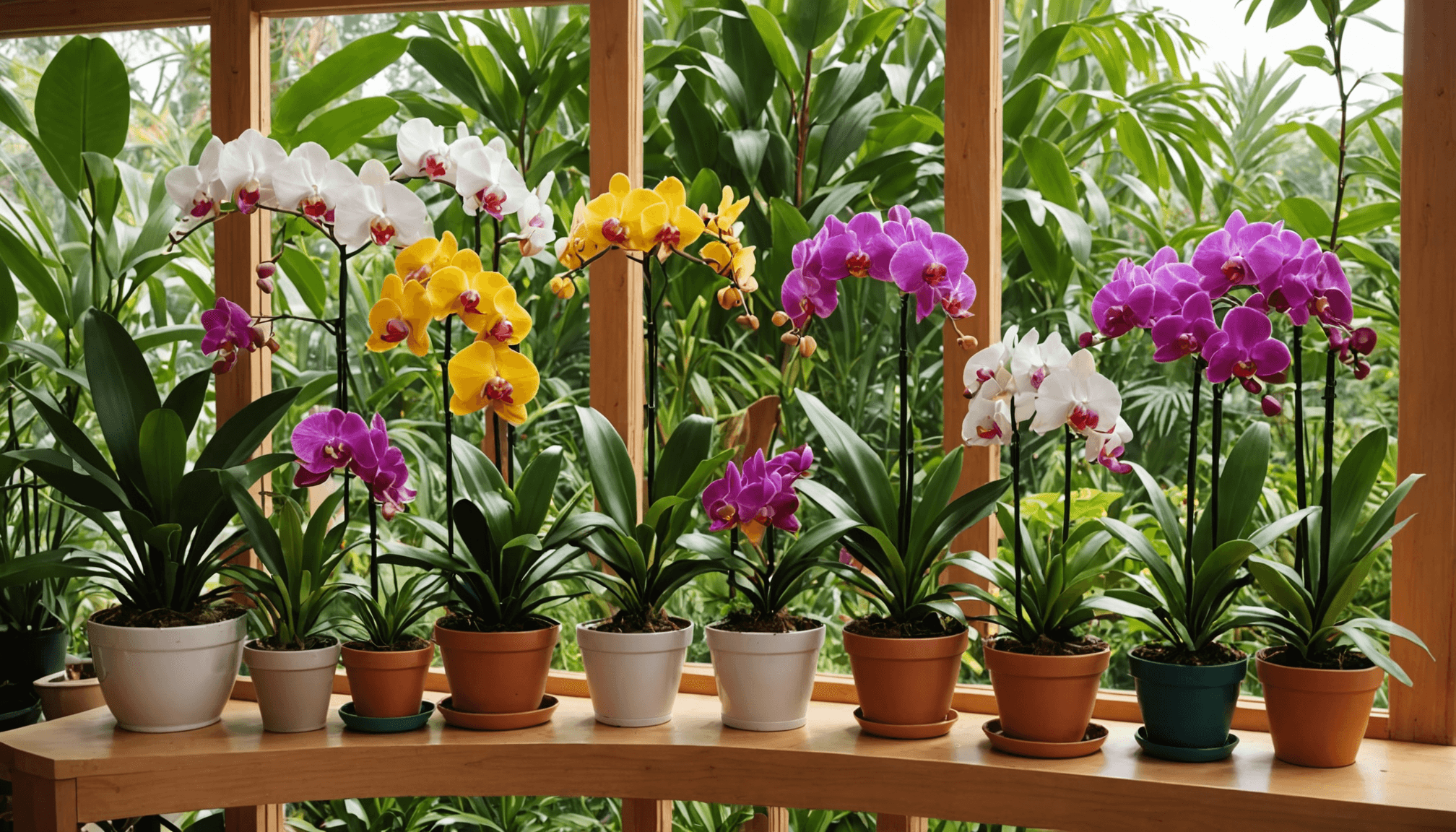
Creating the ideal growing conditions for exotic plants is fundamental to ensuring their health and vitality. Each species comes with its unique set of needs, which can often differ significantly from more common garden plants. Understanding these conditions will not only help your exotic plants flourish but will also enhance your nursery business by attracting customers eager to purchase your thriving specimens.
First and foremost, light plays a crucial role in the growth of exotic plants. Many tropical varieties need bright, indirect sunlight, while others, like succulents, thrive in full sun. To create the perfect environment, consider the layout of your nursery. Place light-sensitive plants on shelves that receive filtered light, while more resilient varieties can enjoy open sunshine. For darker spaces, investing in grow lights can mimic the sun’s natural illumination, providing your exotic plants with the necessary light spectrum for photosynthesis.
Temperature is another critical factor. Many exotic plants are sensitive to temperature fluctuations. For instance, most orchids require temperatures between 65°F to 75°F during the day, with cooler conditions at night to trigger blooming. Using thermostats and heaters can help maintain the appropriate climate. If you’re in a region with cold winters, consider setting up a greenhouse with heating options to protect your plants.
Humidity levels are vital for many exotic plants, particularly those native to tropical climates. If you’re growing species that thrive in high humidity, such as ferns and anthuriums, consider using humidifiers or placing shallow trays filled with water and pebbles beneath your plant pots. This not only increases the humidity around the plants but also provides a visually appealing display. Regular misting can also help, but be careful not to overdo it to avoid fungal issues.
The soil in which you grow your exotic plants is equally important. Many require well-draining soil that retains some moisture without becoming waterlogged. Consider creating a custom potting mix using peat moss, perlite, and bark for tropical species. Succulents, on the other hand, thrive in a mix that includes sand and gravel for optimal drainage. Each mix should match the specific moisture needs of the plants, ensuring a healthy root system.
Watering is another critical aspect of plant care that varies widely among exotic species. A general rule is to check the moisture level of the soil before watering. For example, tropical plants often require more frequent watering compared to drier-loving plants like cacti. Utilize moisture meters for accuracy and establish a consistent watering schedule that meets the unique needs of each plant. Additionally, consider using rainwater or distilled water, as many exotic plants can be sensitive to the chemicals found in tap water.
Finally, creating a supportive environment for exotic plants involves protecting them from competition. Raise the plants above ground level if necessary, ensuring they are not overshadowed by other plants. Regularly monitor for pests, and maintain cleanliness in your nursery to avoid attracting unwanted insects. A clean, organized space not only promotes plant health but makes your nursery more inviting to customers.
By diligently providing the ideal growing conditions tailored to each exotic species, your nursery will become a haven for unique offerings. This not only improves the health of your plants but also enhances your credibility as a specialist in exotic plant cultivation, attracting more garden enthusiasts to your nursery business.
Propagation techniques for exotic species
Propagation of exotic plants can be an incredibly rewarding aspect of nursery management, enabling you to expand your collection and offer unique offerings to your customers. Successful propagation techniques vary widely depending on the specific species, but understanding the most effective methods can facilitate a thriving nursery business.
One of the most common propagation methods is cutting propagation, which is ideal for species such as succulents and many tropical plants. This technique involves taking a healthy section of a plant, typically a stem or leaf, and allowing it to develop roots under optimal conditions. To start, select a mature plant and cut a healthy stem segment with several leaves attached. Dip the cut end in a rooting hormone to encourage root development before placing it into a pot filled with a well-draining soil mix. Ensuring high humidity around the cutting—either by covering it with a plastic bag or using a humidity dome—can significantly improve success rates.
Seed propagation is another valuable technique, particularly for exotic species that produce viable seeds. Collect seeds from mature plants, ensuring they are clean and healthy. Some exotic plants, such as tropical hibiscus, benefit from pre-soaking seeds in water for a few hours before planting, as this mimics natural conditions that aid germination. Plant the seeds in a sterile potting mix and keep them in a warm, brightly lit area, maintaining consistent moisture without overwatering. As seedlings emerge, they can be gradually acclimated to the specific conditions of your nursery.
Division is yet another method particularly suited for clumping plants like certain types of orchids and African violets. This involves uprooting the entire plant and separating it into distinct sections, each containing roots and foliage. Timing is essential; division should ideally occur during the plant’s active growth phase to minimize shock. After division, pot each segment into fresh soil, ensuring they receive adequate water and care as they reestablish their root systems.
Layering, another technique especially effective for vining plants like pothos or certain species of jasmine, involves bending a branch to the ground and covering part of it with soil while leaving the tip exposed. This encourages the buried section to form roots while still attached to the parent plant. Once sufficient roots develop, the new plant can be severed and potted independently.
When propagating exotic plants, patience and precision are vital. Each species has its own unique requirements, including light, moisture, and temperature preferences during the propagation phase. Regularly monitor the conditions to mitigate factors that may hinder growth. Using misting systems or humidity trays can keep the atmosphere moist, which is essential for many tropical and subtropical plants during their early stages of life. Additionally, labeling your cuts or seedlings with species names and dates will aid in tracking their development.
“Propagation of plants is the art of creating new plants from existing ones, a process that allows gardeners to cultivate and share unique varieties with the world.”
Record-keeping is key to refining your propagation techniques over time. Keeping detailed notes on what methods resulted in successful growth can provide insight into the best practices for each exotic species in your nursery. This data not only aids in perfecting your own processes but can also be a selling point when discussing your carefully curated collection with potential customers, establishing your nursery business as a reputable source for unique and thriving exotic plants.
Common pests and diseases management
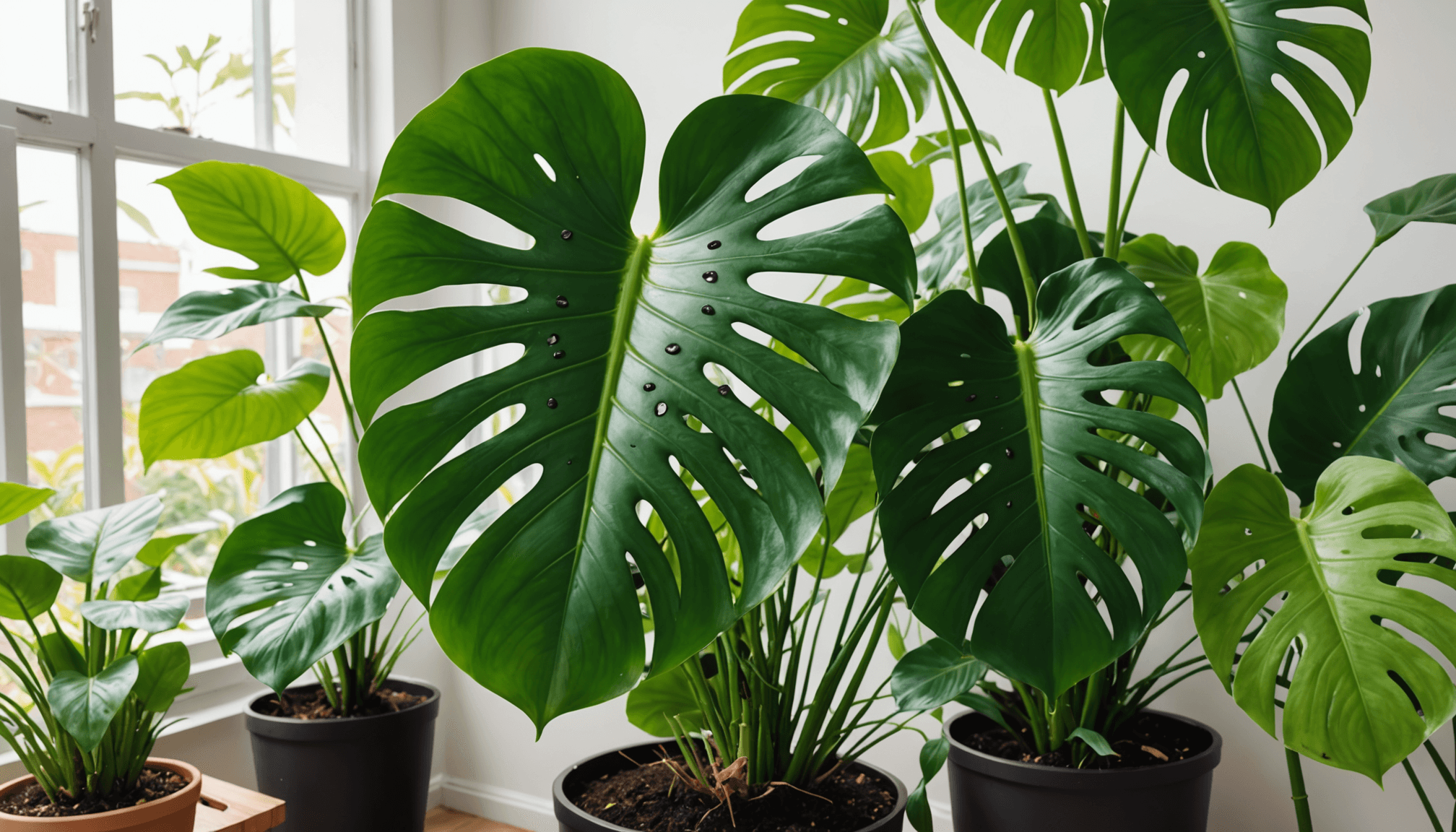 Ensuring the health of exotic plants in your nursery requires a proactive approach to pest and disease management, as these unique offerings can be particularly vulnerable to a range of harmful organisms. Recognizing potential threats early is essential to maintaining a thriving nursery. A combination of observation, prevention, and appropriate treatments can protect your plants while also providing an opportunity to educate customers about plant care and health.
Regularly inspecting your exotic plants for signs of pests or diseases is crucial. Look for discolored or wilting leaves, webbing, or visible insects, which can be indicators of infestations. Common pests affecting exotic plants include aphids, spider mites, and whiteflies, each of which can damage plants and lead to more significant issues if not addressed promptly. Employing an integrated pest management (IPM) approach is beneficial. This method combines preventative strategies—such as maintaining healthy soil and proper watering practices—with targeted interventions, including the use of insecticidal soaps or natural predators like ladybugs for aphid control.
Additionally, fostering an environment conducive to plant health can minimize pest outbreaks. This includes managing humidity levels, ensuring proper air circulation, and avoiding overcrowding in your nursery space, which can create conditions favorable for pests. Many exotic plants thrive in high humidity, but without proper airflow, mold and other diseases may develop, compromising your plants’ health.
Disease management is equally important; common issues include root rot, fungal infections, and bacterial diseases, often exacerbated by overwatering or poor drainage. To combat these problems, include a well-draining potting mix, scaled watering schedules based on just-dry soil assessments, and regular sanitation practices, such as cleaning pots and tools. Damping-off disease is particularly relevant for seedlings, so ensuring good air circulation and proper lighting can significantly reduce the risk of this fatal condition.
Implementing a quarantine policy for newly acquired plants is also a sound practice. Isolating these new specimens for a period allows you to monitor for pests and diseases before introducing them to your primary collection. Educating your customers about the importance of quarantine when purchasing new plants can promote awareness and collaboration in keeping your nursery pest-free, while also encouraging responsible plant ownership.
By practicing vigilant pest and disease management, your nursery can showcase healthy, vibrant exotic plants that capture the interest of consumers. Customers will value your expertise and care, enhancing their experience as they explore your unique offerings. It’s this commitment to health that ultimately defines the success of your nursery business and ensures the satisfaction of your clients.
- What are the most common pests affecting exotic plants?
- The most common pests include aphids, spider mites, whiteflies, and mealybugs. Regular inspections and seeking immediate treatment can help mitigate their impact.
- How can I recognize diseases in my exotic plants?
- Signs of diseases may include yellowing leaves, wilting, spots, or mold growth. Early detection through consistent monitoring is key to addressing these issues swiftly.
- What is integrated pest management (IPM)?
- IPM is a holistic approach that combines multiple pest control methods, including cultural practices and biological controls, to minimize reliance on chemical pesticides.
- How often should I inspect my exotic plants for pests?
- Inspect your plants at least once a week for early signs of pests or diseases. More frequent checks may be necessary during the growing season or if you notice changes in plant health.
- What are the best practices for maintaining humidity for exotic plants?
- Using humidity trays, misting plants, or employing humidifiers can help maintain appropriate humidity levels. Be sure to balance humidity with good air circulation to prevent mold growth.
- How can I prevent overwatering my exotic plants?
- Test the soil moisture before watering; if the top inch is dry, it’s time to water. Employing pots with drainage holes also aids in preventing waterlogging.
- What should I do if I find pests on my exotic plants?
- Isolate the affected plants to prevent spreading, then treat them with appropriate methods such as insecticidal soap, neem oil, or a manual removal of pests. Regularly monitor and maintain plant health to deter future infestations.
Marketing and selling exotic plants
Marketing and selling exotic plants can be a delightful challenge that, when approached with creativity and strategy, can yield excellent results for your nursery business. As exotic plants offer unique offerings compared to standard varieties, it’s essential to articulate their distinct qualities to potential buyers.
To begin with, creating engaging displays is key. Set up visually striking areas in your nursery where customers can see the exotic plants in naturalistic arrangements, showcasing their unique features. Use complementary decor such as decorative pots or themed signage to enhance the visual appeal. For instance, a tropical corner filled with lush ferns and vibrant orchids can transport customers to a different environment, encouraging them to envision these plants in their own homes.
Storytelling can be a powerful tool in marketing exotic plants. Educate your customers about the unique origins, care tips, and benefits associated with each plant. For example, when showcasing a bird of paradise, share its cultural significance in tropical landscapes and how it symbolizes paradise itself. Including these narratives in product tags or on your website can enhance consumer interest significantly.
Online presence is equally crucial in reaching a broader audience. Create an engaging website or use social media platforms to display your exotic plants. High-quality images showcasing the plants’ beauty and unique characteristics can attract attention. Regular posts featuring care tips, behind-the-scenes looks at your nursery, or even customer testimonials about your unique offerings can foster community engagement and drive traffic to your sales locations. Platforms like Instagram, Pinterest, and Facebook are particularly effective tools for visually-driven marketing.
Consider hosting workshops or events centered around exotic plants. These could involve sessions on how to care for specific types or the benefits of introducing these unique offerings into home environments. Alongside practical education, you could offer exclusive discounts to participants, creating an incentive to purchase on-site. This approach not only drives sales but also builds a community of garden enthusiasts who trust your expertise and engage continuously with your nursery.
Another effective strategy is to establish partnerships with local businesses or influencers interested in gardening, interior design, or wellness. Collaborate on campaigns that can reach new audiences, such as pop-up shops or co-hosted events that feature your exotic plants. This provides an avenue to tap into established customer bases and gain further credibility in your market.
Engaging your clients through loyalty programs can also encourage repeat business. Consider offering rewards for frequent purchases or referral bonuses for customers who introduce new buyers to your nursery. This not only enhances customer retention but also builds a loyal community that appreciates your unique offerings.
Finally, always keep an eye on trends in the plant market. Research what types of exotic plants are gaining popularity and adjust your inventory accordingly. Platforms like Google Trends, garden expos, and social media research can inform you about current preferences, helping you better stock your nursery with desirable products. By staying ahead of trends, you ensure your offerings remain competitive and appealing to your target audience.
Utilizing these marketing strategies in combination can help your nursery flourish. Not only do they promote the beauty and advantages of exotic plants, but they also forge connections between your business and the gardening community, ultimately cultivating a thriving environment for your nursery business.