
When it comes to keeping chickens in a small space, choosing the right breed is crucial for ensuring both your happiness and that of your feathered friends. Some breeds are better suited for confinement due to their size, temperament, and adaptability to urban environments.
Here are some breeds that tend to thrive in smaller backyard settings:
- Silkies: These fluffy, friendly birds are known for their gentle nature and small size, making them ideal for close quarters. They are also excellent with children and can be quite the entertaining companions.
- bantams: These miniature chickens are perfect for limited space. With a variety of colors and personalities, bantams are also less demanding in terms of food and space.
- Wyandottes: A hardy breed that does well in confined settings, Wyandottes are known for their friendly disposition and great egg production. They are relatively low-maintenance and adapt well to smaller coop sizes.
- Polish: With their unique crested heads, Polish chickens are not only enchanting but also quite small and calm. They lay medium-sized eggs and can adapt well to life in a small backyard.
As you ponder your choices, remember to consider egg production, as well as the temperament of the breed. If the primary goal is companionship and occasional egg-laying, such as with pets, you might lean towards docile and lower-maintenance breeds. On the other hand, if eggs are a priority, look for hardy layers that can fulfill that role while still being manageable in a tighter space.
Before making your final selection, think about your local climate. Some breeds withstand cold better than others. For instance, Rhode Island Reds and Australorps are known for their resilience in various weather conditions and prolific egg-laying abilities.
Additionally, it’s a good idea to check local regulations regarding chicken keeping, as some areas have restrictions on the types and numbers of chickens allowed. Always confirm compliance with local zoning laws before committing to your new feathery friends!
Ultimately, the right choice will align with your lifestyle and space constraints, ensuring a harmonious environment for you and your flock.
Setting up a suitable coop for urban chickens
Setting up a suitable coop for urban chickens requires careful planning and consideration of space, safety, and comfort for your birds. The coop should provide a secure shelter, adequate ventilation, and space for the chickens to move around freely. Pay attention to the size of the coop; a general guideline is to allow at least 4 square feet of space per chicken inside the coop and 10 square feet in the run. This helps prevent overcrowding and keeps the chickens healthy and happy.
When choosing materials for your coop, opt for durable and weather-resistant options. Wooden coops can provide insulation but require regular maintenance to prevent rot. Metal coops, on the other hand, are easier to clean and resistant to pests. Ensure that the coop has proper insulation to withstand winter temperatures as well as good airflow during hot summer months. Positioning the coop in a shaded area can help maintain a cooler environment during the heat, while also being mindful of shelter from prevailing winds during colder months.
Providing amenities within the coop is vital for the well-being of your chickens. A designated nesting area is necessary for hens to lay eggs; each nesting box should ideally be about 12×12 inches, with one box serving 3 to 4 hens. Additionally, perches are important for chickens to roost on at night, which will help them feel secure. Aim to provide 6 to 8 inches of perch space per bird, placed at least 2 feet off the ground.
Another essential aspect is the security of the coop. Urban environments can pose unique challenges with potential predators. Fortify the coop by using hardware cloth instead of chicken wire, as it is more resistant to attacks from raccoons, dogs, and other animals. Ensure all doors and access points are securely latched, and inspect the coop regularly for any signs of breaches.
Below is a comparison of the main components you should include while setting up a coop:
| Coop Feature | Recommendation | Notes |
|---|---|---|
| Size | 4 sq ft per bird (indoors) / 10 sq ft per bird (outdoors) | Avoid overcrowding to ensure health. |
| Materials | Wood or metal | Choose based on durability and maintenance preferences. |
| Nesting Boxes | 12×12 inches per box | 1 box for every 3-4 hens recommended. |
| Perches | 6-8 inches per bird | Installed at least 2 feet from the ground. |
| Security | Use hardware cloth | Inspect for vulnerabilities regularly. |
Don’t forget to incorporate a run or outdoor enclosure for the chickens to safely scratch and forage. This can significantly enhance their quality of life by allowing them to engage in natural behaviors while protecting them from predators. The run should also have shade and shelter available for the birds, as well as access to fresh water and food at all times.
Regular maintenance of the coop is also necessary to ensure a healthy environment. This includes cleaning the coop regularly, checking for any signs of pests or disease, and replenishing bedding materials. Proper cleanliness helps to minimize odors and keeps your flock healthier.
Feeding and caring for chickens in limited areas

Feeding and caring for chickens in limited areas requires a thoughtful approach, especially in urban settings where space is at a premium. Chickens are not overly demanding, but providing them with a balanced diet and proper care will result in happy and productive birds.
First and foremost, it’s essential to select quality feed that meets their nutritional needs. A well-formulated layer pellet should be your primary choice, as it contains the right balance of protein, vitamins, and minerals necessary for egg production. Hens typically require about 16-18% protein in their diet. Look for organic or non-GMO options if you prefer more natural feeding strategies. Most feed suppliers offer blends specifically designed for laying hens, ensuring they get everything they need to stay healthy.
In a limited space, it’s also wise to incorporate supplemental feeding strategies. Many chicken keepers find great success in adding a variety of kitchen scraps to their birds’ diets. These scraps can include:
- Vegetable peels: Carrot tops, potato skins, and cucumber peels are great options.
- Fruits: Apples (core removed), melons, and berries can be offered as treats.
- Grains: Small amounts of cracked corn or oats can serve as a fun addition and energy source.
However, avoid feeding them any foods that are toxic to chickens, such as onions, garlic, or chocolate. Additionally, always make sure to provide clean, fresh water at all times, as hydration is crucial for their health, especially during extreme weather conditions.
Another critical aspect of care in limited areas involves managing their waste. Chickens produce a significant amount of droppings, so consider implementing a regular cleaning schedule to keep your coop fresh and odor-free. Using deep litter method can be particularly effective; this involves adding bedding such as straw or wood chips that will break down over time, helping to absorb moisture and control odors. Not only does this method provide a more sustainable solution, but the resulting compost is a fantastic addition to your garden!
Regular health checks are essential for keeping your urban flock in prime condition. Dedicate some time each week to observe your chickens for any signs of distress or illness. Look for behaviors like:
- Changes in appetite: If they aren’t eating as usual, it might indicate a health issue.
- Poor feather condition: Feather loss or dull feathers could signal nutritional deficiencies or pests.
- Behavioral changes: Lethargy or unusual aggression can hint at sickness.
In addition, proactively implement a parasite management routine. Regularly dusting your flock with diatomaceous earth (food grade) can help combat unwanted pests like mites and lice. Always research any health care products you use to ensure they are safe for urban settings, especially in an area with children or pets around.
Lastly, remember that social interaction is key for your chickens’ overall well-being. Spend time each day observing them in their space, letting them forage, and enjoying their companionship. Despite limited areas, chickens can lead happy, fulfilling lives with the right care and attention.
Understanding local regulations and zoning laws
Understanding local regulations and zoning laws is a crucial step in raising chickens in an urban setting. Many municipalities impose specific restrictions on livestock, including chickens, to address concerns about noise, odor, and overall public health. Before embarking on your poultry journey, it’s important to familiarize yourself with your local laws to avoid any potential issues.
First, check if your area allows the keeping of chickens. Some cities may prohibit poultry entirely, while others may permit a limited number of hens but not allow roosters due to noise complaints. Others might require permits or specific licenses to maintain a small flock. Municipal websites often have resources or contact information for local animal control or zoning departments, which can provide clear guidance on regulations.
Look into the specifics regarding the number of chickens you can keep. For example, many urban areas allow between three to six hens, but this can vary significantly. Some regulations also dictate the minimum size of a coop and the required distance from property lines and neighboring homes. Complying with these stipulations is important not only for the health of your chickens but also for maintaining good relationships with neighbors.
Alongside regulations, be aware of health and sanitation standards as well. Local laws may outline requirements for the cleanliness of your coop, waste management practices, and protocols for feeding and watering. Regulations often aim to prevent nuisances, so adhering to proper management techniques will help you stay in compliance.
“Regulations on keeping chickens can vary widely; what works in one city might not be permitted in another.”
Furthermore, engage with your local community, such as neighborhood associations or urban farming groups. These networks can provide insights and support, and it’s possible they have worked collectively to influence local laws in favor of urban chicken keeping. Having knowledgeable allies can also help navigate the complexities of local legislation effectively.
Lastly, keep yourself informed about any changes in regulations that may arise. Local governments may adjust their policies based on community feedback or evolving urban agricultural practices. Checking back periodically ensures that your operation remains compliant and allows you to anticipate any future adjustments that could affect your flock.
Dealing with noise and odor concerns
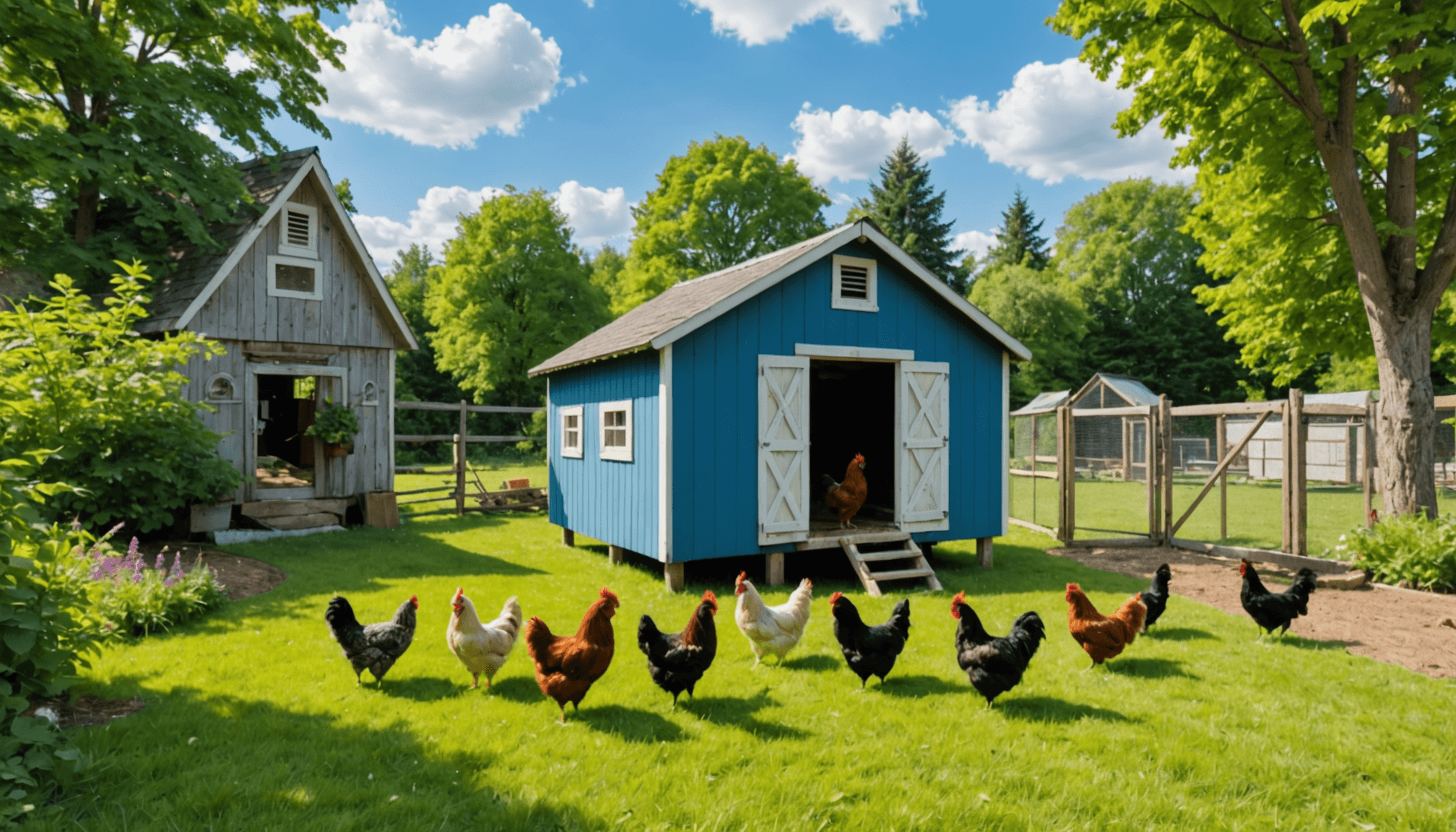
Noise and odor management are paramount when keeping chickens in an urban environment, especially in areas with close neighbors. Chickens, particularly roosters, can be vocal, which may lead to complaints or conflicts with those living nearby. Hence, it is essential to choose quiet breeds and implement strategies that minimize disturbances.
One of the best approaches to reduce noise is to select hen-only flocks, as they tend to be significantly quieter than roosters. Some breeds, like Silkies and Wyandottes, are known for their docile and less noisy nature, making them suitable choices for small urban backyards. Moreover, ensuring the chickens are well-domesticated through regular handling and socialization can help reduce stress-related vocalizations.
Creating an enriching environment within the coop and run will keep your chickens occupied and reduce the likelihood of boredom-induced noise. Providing perches, toys, and dust bathing areas can encourage natural behaviors that distract from unnecessary squawking. Always keep in mind that happy chickens are generally more content and less noisy.
Odor control is equally important in maintaining a pleasant neighborhood environment. Regular cleaning is essential; establishing a routine that includes freshening bedding materials, regularly removing droppings, and cleaning feeding areas will go a long way in managing smells. The deep litter method allows chicken waste to break down and produce less odor over time, creating a more sustainable solution.
Investing in a proper ventilation system for the coop can significantly reduce unpleasant odors by improving air circulation. Proper drainage in the run can help prevent the accumulation of moisture, which can lead to foul smells. Furthermore, using natural odor absorbers, such as baking soda or activated charcoal, can help eliminate any lingering scents. Each aspect contributes to a harmonious coexistence with your environment.
Encouraging your neighbors by sharing the benefits and joys of chicken-keeping can also help alleviate concerns. Offering fresh eggs or inviting them to learn about your chickens can foster goodwill and understanding. After all, maintaining a positive relationship with those around you not only benefits your chickens’ welfare but also enhances community bonds.
- Do chickens really make a lot of noise?
- Chickens do produce noise, but hens are generally quieter than roosters. Most hens cluck and chatter, especially when laying eggs or communicating with each other, but these sounds are usually not loud enough to disturb neighbors.
- What are the best ways to minimize odors from my chicken coop?
- Regular cleaning, implementing the deep litter method, and ensuring proper ventilation are key strategies to minimize odors. Additionally, using natural odor absorbers like baking soda can help keep smells at bay.
- Can I keep a rooster in an urban area?
- Many urban areas have strict regulations against keeping roosters due to their loud crowing. It’s best to check local laws and consider keeping only hens to avoid potential conflicts with neighbors.
- How often should I clean the chicken coop?
- The coop should be cleaned at least once a week to remove droppings and refresh bedding. Regular maintenance helps prevent odors and maintains a healthy environment for your chickens.
- What should I do if my chickens are making too much noise?
- Evaluate the environment and ensure your chickens have enough enrichment and space to stay occupied. If noise continues to be an issue, consider consulting with local chicken-keeping groups or experts for additional strategies.
- Are there any specific breeds that are quieter than others?
- Certain breeds like Silkies, Cochins, and Wyandottes tend to be quieter and more docile. Researching and selecting breeds known for their calm demeanor may help reduce noise levels in an urban setting.
- How can I educate my neighbors about keeping chickens?
- Engaging with neighbors by sharing your experiences, offering fresh eggs, or inviting them to visit your flock can help them understand the benefits of urban chicken keeping and foster a positive relationship.
Health and safety tips for urban poultry keepers
Maintaining the health and safety of your urban poultry is essential for both the chickens and the community around you. One of the first steps you can take is to ensure that your coop is built to promote a clean and hygienic environment. Regularly clean the coop, removing droppings and soiled bedding at least once a week. This practice not only minimizes odors but also reduces the risk of diseases that can arise from buildup.
Implementing a strict biosecurity protocol is vital, especially in urban settings. Make it a habit to wash your hands after handling your chickens and before touching any other pets or entering your home. Additionally, consider establishing a designated pair of shoes or boots for chicken duty and avoid wearing them inside your home to prevent potential contaminants from spreading.
Regular health checks should be an integral part of your routine. Observation is key; look for any signs of illness such as lethargy, abnormal droppings, or changes in eating habits. You can also check your chickens for external parasites like lice and mites. Adding a proactive health care plan is crucial. For instance, a simple regimen of dusting them with diatomaceous earth (food grade) can help keep pests at bay. Be sure to research any treatments or medications used to ensure they are safe for your particular environment.
Another important factor is providing a balanced diet. Ensure your flock has access to high-quality feed formulated for your chicken’s age and egg-laying status. Supplement their diet with greens, insects, and kitchen scraps while being mindful to avoid toxic foods like onions and chocolate. Fresh water should always be available, as hydration is vital, especially in extreme weather conditions.
In urban environments, it’s crucial to create a secure coop that protects against potential predators like raccoons, foxes, or even neighborhood dogs. Use hardware cloth instead of chicken wire, as it is substantially more resistant to breaches. Additionally, ensure that all entry points are securely latched and that the run is adequately covered to prevent aerial attacks from predatory birds.
Educating yourself about common poultry diseases and their symptoms is also beneficial for your flock’s well-being. Diseases such as Marek’s disease, avian influenza, and coccidiosis can spread quickly if not managed properly. Keeping your chickens at a healthy weight and maintaining a stress-free environment are excellent preventative measures. Regularly interacting with your flock helps them stay accustomed to human presence and can make health checks easier.
Lastly, stay engaged with local poultry-keeping communities, either online or in person. They can be great resources for advice, shared experiences, and updates on any health concerns affecting local flocks. Networking with like-minded individuals not only helps improve your own practices but builds a supportive urban farming community.