
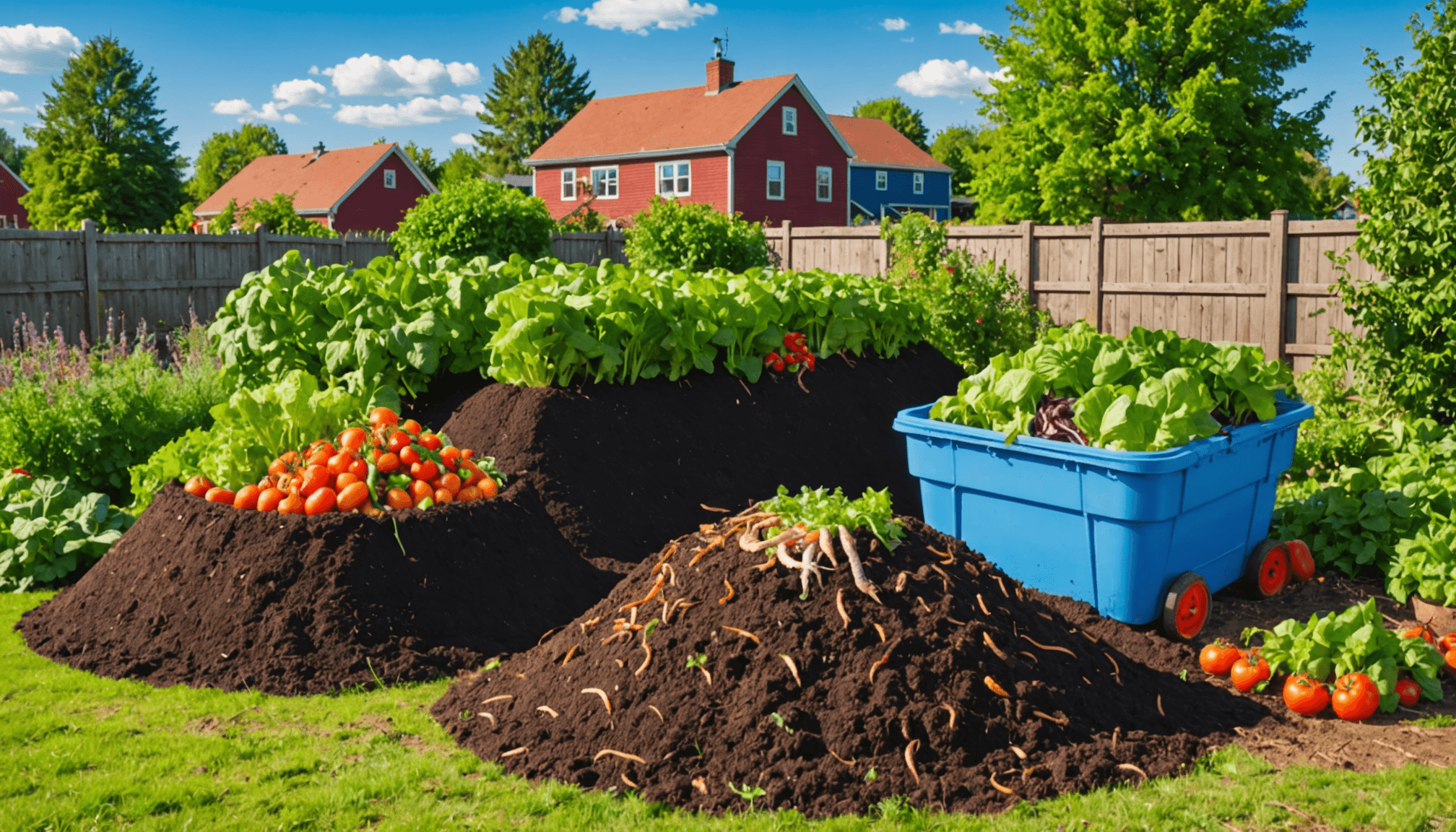
Managing chicken waste effectively is a crucial aspect of homesteading, particularly for urban dwellers aiming to cultivate sustainability. The first step in effective waste management is recognizing that chicken waste can be more than just a byproduct—it’s a resource waiting to be transformed.
One of the most efficient strategies is to adopt a comprehensive waste management plan that includes regular cleaning and monitoring of your chicken coop. Allocate time each week to scoop out droppings, replacing bedding materials as necessary. This not only improves the living environment for your chickens but also helps you gather fresh waste for composting purposes.
Another effective strategy involves implementing a deep litter method. This technique involves layering bedding material like straw, wood shavings, or even leaves in the coop and allowing the waste to break down naturally over time. As the waste decomposes, it generates heat, which can help keep your chickens warm in colder months and drastically reduces the frequency of cleaning you need to do. This also leads to a nutrient-rich material that can be used in your garden.
If you have a garden, consider setting up a composting area specifically for chicken waste. Mixing it with carbon-rich materials like dried leaves or shredded paper ensures proper aeration and speeds up the composting process. Always remember to keep the compost pile damp but not overly wet, as moisture levels play a crucial role in decomposition. You can even use a compost thermometer to check when your compost is ready, typically after several weeks of regular turning and maintenance.
Additionally, consider utilizing your kitchen scraps as part of your chickens’ feeding regimen while also collecting their waste in return. This symbiotic relationship not only reduces overall waste in your household but also enhances the nutrient profile of the waste produced. After all, what goes in must come out!
For those living in urban environments, ensuring proper waste management also means being conscious of your neighbors. Using odor-control methods like adding baking soda or diatomaceous earth to their litter can minimize smell, making it a win-win for everyone involved. You can also use a small compost bin or worm boxes to process the waste more discreetly.
Incorporate these strategies into your routine to transform your chicken waste into a sustainable asset rather than a liability. Through proactive management, you not only support the health of your flock but also promote greener urban homesteading practices.
Understanding the types of chicken waste
Understanding the types of chicken waste is essential for effective management and maximization of its benefits. Primarily, chicken waste can be categorized into three main types: litter, manure, and byproducts. Each type has unique characteristics and considerations for management.
Litter refers to the bedding material that accumulates in the chicken coop, mixed with droppings. Common bedding materials include straw, wood shavings, and rice hulls. As chickens move about, they produce waste, which becomes embedded in the litter, fostering a nutrient-rich environment beneficial for composting. The decomposition of litter not only transforms it into an excellent soil amendment but also helps manage ammonia levels, reducing odors and creating a healthier environment for the chickens.
Manure, on the other hand, is the direct droppings from the chickens themselves. It is typically collected when cleaning the coop or gathered from nesting boxes where chickens may lay eggs. Chicken manure is particularly high in nitrogen, phosphorus, and potassium—three key nutrients necessary for plant growth. Proper management of manure is critical, as its high nitrogen content can burn plants if not composted or aged properly before application to gardens or fields.
Byproducts include any organic materials that may come from chickens, such as feathers, feed waste, and even unused eggs. These byproducts can contribute to the overall waste management strategy, particularly if incorporated into compost or offered as a food source for other livestock or even utilized in worm farming.
| Type of Waste | Characteristics | Management Strategies |
|---|---|---|
| Litter | Combination of bedding and droppings; rich in carbon and nutrients | Composting, regular cleaning, and application in gardens |
| Manure | High in nitrogen; direct droppings from chickens | Aging or composting before use; monitoring moisture content |
| Byproducts | Includes feathers, uneaten feed, and eggs | Utilizing for compost, feeding other animals, or vermiculture |
Each type of chicken waste plays a vital role in the overall waste management strategy. Understanding these characteristics aids in determining the appropriate methods for composting, fertilization, and overall sustainable homesteading practices. By utilizing the various forms of waste produced, individuals can create a circular system that enhances both their garden and the health of the chickens.
Benefits of proper waste management
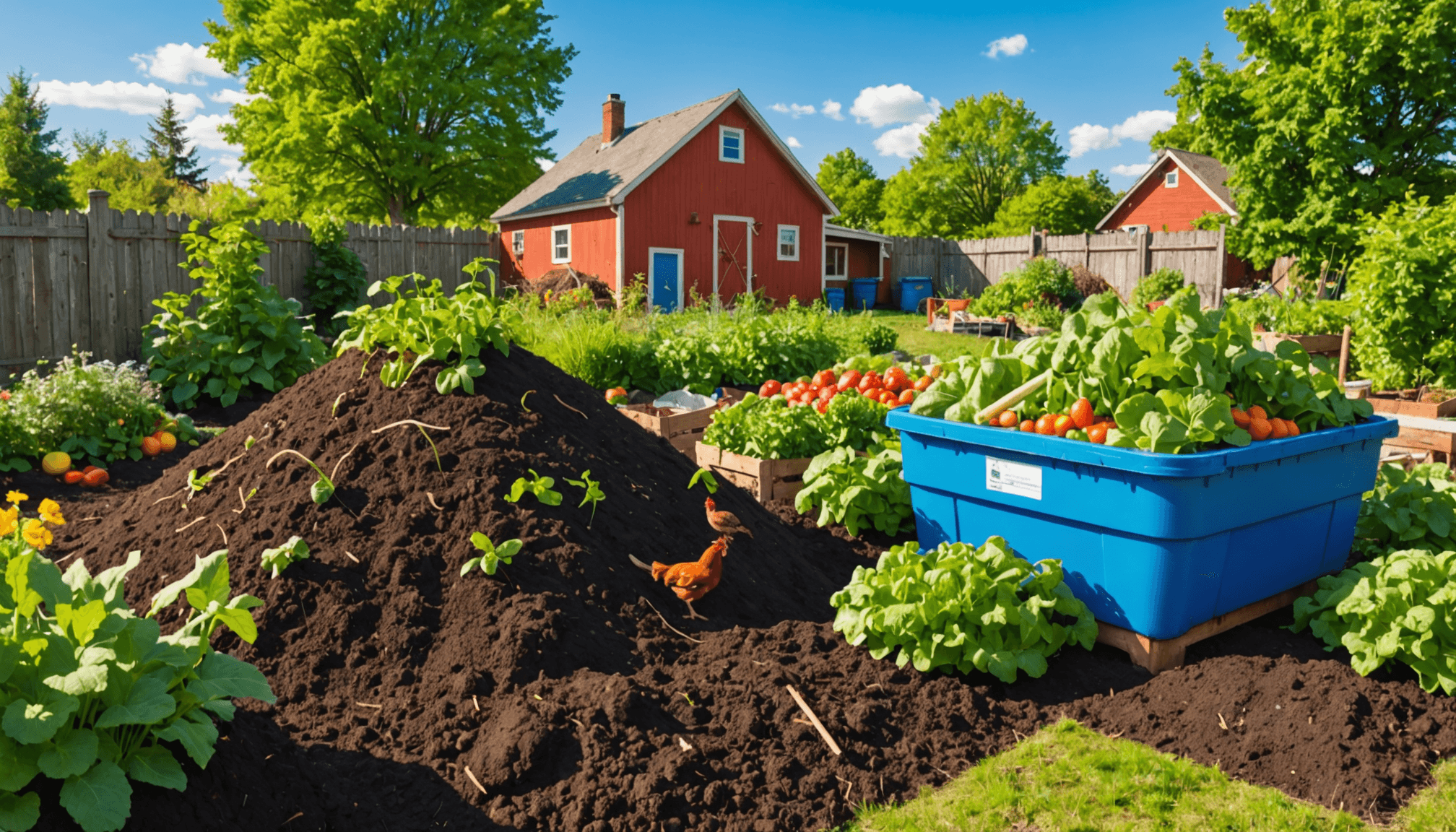
Proper management of chicken waste brings numerous benefits that can significantly enhance your homesteading experience. First, let’s delve into the ecological advantages. When you effectively manage chicken waste, you recycle nutrients back into your soil, creating a rich organic matter that benefits your garden. This compost increases soil fertility, promotes healthy plant growth, and improves soil structure, allowing for better water retention and drainage.
Additionally, managing chicken waste can help prevent potential health issues for both your flock and your family. Accumulated waste can harbor pathogens and attract pests, leading to unhealthy living conditions. By keeping the coop and surrounding areas clean, you reduce the risk of disease and ensure the well-being of your chickens. Regular waste management practices, such as using bedding and composting waste, also minimize odors and improve your living environment.
One significant financial benefit of proper waste management is its potential to reduce the need for commercial fertilizers. By investing time in composting your chicken’s litter and manure, you create a nutrient-rich fertilizer at home. This not only saves you money but also allows you to produce healthier, chemical-free vegetables and herbs, aligning with a more sustainable homesteading philosophy.
Incorporating chicken waste into your garden ecosystem can also foster biodiversity. When you apply compost enriched with chicken manure, it stimulates the growth of beneficial microorganisms and earthworms, all of which play a role in maintaining soil health. Over time, this contributes to a vibrant, productive garden that thrives on natural processes rather than synthetic inputs.
As you dive deeper into the benefits, consider the improvement in your overall waste management efficiency. You will find that establishing a routine for waste collection, composting, and application creates a seamless connection between your chickens and your gardening efforts. This practice not only maximizes the use of resources but also enriches your understanding of the interconnectedness of your homesteading activities.
Lastly, engaging children and family members in this process can turn it into a delightful learning experience. Assigning tasks related to chicken waste management encourages teamwork and instills valuable lessons about sustainability, responsibility, and environmental stewardship. From collecting eggs to helping turn the compost, these activities forge lasting memories and foster an appreciation for nature.
Composting chicken waste
The process of composting chicken waste is an invaluable step toward creating a sustainable homesteading environment. When integrating chicken waste into your composting system, it’s essential to strike the right balance between nitrogen-rich materials, like chicken manure, and carbon-rich components, such as brown leaves, straw, and shredded paper. This balance not only accelerates the decomposition process but also enhances the nutritional value of the finished compost.
To begin composting chicken waste, start by collecting the droppings and mixing them with your chosen bedding, which can include straw or wood shavings. This mixture should be added to your designated compost pile or bin in layers. Alternating layers of chicken waste with carbon-rich materials is crucial in preventing odor buildup and promoting aeration within the compost. Ideally, your compost pile should consist of about two to three parts carbon materials for every one part of chicken waste.
Monitor the moisture content of your compost pile; it should feel like a damp sponge but not overly wet. Too much moisture can create anaerobic conditions, leading to foul odors, while insufficient moisture hinders decomposition. Regularly turning the compost with a pitchfork or shovel helps aerate the pile, ensuring that microorganisms have adequate oxygen to thrive and break down the materials efficiently.
Incorporating kitchen scraps into your compost process can further enhance the nutrient profile of your compost. Vegetable peels, fruit rinds, and coffee grounds can effectively supplement the waste generated by your chickens, creating a powerful organic compost mix. Not only does this practice reduce household waste, but it also fosters a more robust composting ecosystem.
As the compost matures, you may notice the heat generated by microbial activity within the pile; this is a good sign of the composting process in action. A temperature range of 130°F to 160°F is ideal for killing off pathogens and weeds. Check the temperature of the pile regularly using a compost thermometer, and continue to turn it every few weeks to maintain aeration and even decomposition.
After about six to eight weeks, you may notice that the compost has broken down into a dark, crumbly material with an earthy smell—this is your finished product. Aged compost can now be used to enrich your garden beds, providing your plants with essential nutrients and fostering healthy growth.
“Composting transforms waste into a resource, enriching the soil and supporting sustainable food production.” – Author Unknown
Implementing a composting system for chicken waste not only supports waste management practices but also enhances your gardening efforts through the natural recycling of nutrients. By utilizing a straightforward composting process, you align your practices with the principles of sustainability intrinsic to effective homesteading, ensuring that every element of your chicken-raising venture contributes positively to the ecosystem around you.
Using chicken waste as fertilizer
 Using chicken waste as fertilizer is one of the most rewarding aspects of effective waste management on a homestead. This resource transforms what might be seen as an inconvenience into a powerful ally for gardeners. The nutrient density of chicken manure is exceptional, containing high levels of nitrogen, phosphorus, and potassium—essential elements that promote plant health. However, it is crucial to properly manage and prepare this waste to avoid potential issues with burning plants due to its high nitrogen content.
When utilizing chicken waste as fertilizer, always consider aged or composted manure. Fresh chicken droppings can be too potent for direct application, potentially harming sensitive plants. Composting chicken waste not only mellows its richness but also eliminates harmful pathogens and weed seeds, leading to a safer and more beneficial fertilizer option. The process of aging or composting takes just a few weeks to a few months, depending on conditions such as temperature and moisture.
For application, you can mix the composted chicken waste into your garden soil before planting or use it as a top dressing around established plants. This method not only nourishes plants but also improves soil structure, enhancing water retention and microbial activity. Additionally, this practice creates a thriving ecosystem in your garden, attracting beneficial insects and improving overall plant vigor.
As you look to integrate chicken waste into your fertilization regimen, think about the overall benefits it can bring to your homesteading journey. Tapping into this natural resource encourages a spirit of sustainability and resourcefulness. You might even consider conducting small experiments in your garden to see how various plants respond to different application methods or quantities of chicken fertilizer, fostering deeper insights into plant-care practices. The intersection of chickens and your garden is truly a dynamic ecosystem filled with opportunities for growth, discovery, and abundant harvests.
- Is it safe to use chicken waste directly on my garden?
- No, it’s advisable to compost or age chicken waste before applying it directly to your garden. Fresh chicken manure can be too high in nitrogen and may burn plants. Composting neutralizes pathogens and reduces the intensity of nutrients.
- How long should I compost chicken waste before using it?
- Composting chicken waste typically takes six to eight weeks, depending on conditions like moisture and temperature. Properly composted waste will have a dark, crumbly texture and an earthy smell, indicating it is ready for use.
- Can I mix chicken waste with other types of compost?
- Absolutely! Mixing chicken waste with carbon-rich materials, like dried leaves or straw, is ideal. You can also include kitchen scraps to create a balanced compost pile that boosts nutrient availability for your plants.
- How often should I apply chicken manure to my garden?
- Application frequency can vary, but it’s generally safe to amend your garden soil with composted chicken manure once or twice a year, especially before planting season or at the start of each growing cycle.
- Can chicken waste improve soil health?
- Yes, chicken waste adds valuable nutrients back to the soil, improves its structure, and promotes the activity of beneficial microorganisms. This enhances overall plant growth and contributes to a fertile garden ecosystem.
- What types of plants benefit most from chicken fertilizer?
- Most plants thrive with the addition of chicken manure. However, leafy greens, tomatoes, and flowering plants often respond particularly well, benefiting from the nitrogen and other nutrients present in the compost.
- Is there a risk of attracting pests when using chicken waste in the garden?
- Using composted chicken manure reduces the risk of attracting pests compared to fresh waste. It’s vital to ensure proper composting methods are followed, which minimizes odors and discourages unwanted animals from taking interest.
Best practices for storage and disposal
When it comes to effective storage and disposal of chicken waste, a few key practices can make all the difference in keeping your homesteading activities both efficient and environmentally friendly. Proper storage of chicken waste is essential to minimize odors, reduce pests, and ensure that when you’re ready to use it, it’s safe and beneficial for your garden.
First, consider dedicated containers for collecting chicken waste. Utilizing airtight bins or containers prevents moisture buildup and keeps odors at bay. These containers should be placed close to the chicken coop for easy access during waste collection. Ensure that the bins are durable and designed for outdoor conditions, as they will need to withstand the elements.
It’s also wise to establish a regular routine for emptying these storage containers. A weekly schedule for transferring chicken waste to your compost pile or designated disposal area will not only help maintain cleanliness but also make your overall waste management more straightforward. When chickens produce waste, collecting it promptly can prevent potential issues, such as spoilage or attracting unwanted animals.
For those living in urban areas, discretion is crucial. If your compost bin is in a shared space, consider implementing smell-control techniques, such as adding carbon-rich materials like sawdust or shredded paper to the waste. These materials can help absorb excess moisture and odors, creating a more pleasant environment both for you and your neighbors.
When venturing beyond composting, consider utilizing an alternative disposal method such as vermicomposting, which uses worms to break down organic materials. This method not only offers a fantastic way to compost chicken waste but also produces nutrient-rich worm castings that can be an excellent addition to your garden soil. Setting up a worm bin is a compact and efficient solution—ideal for homesteading enthusiasts with limited space.
In addition to storage and disposal, it’s crucial to regularly clean your chicken coop to maintain a sanitary environment for your flock. Using a shovel or pitchfork, remove any accumulated waste and replace bedding as needed. This process reduces odors, maintains a healthy living space for your chickens, and contributes to better waste management practices.
Lastly, remember to educate yourself about local regulations regarding animal waste disposal. Different areas have various rules in place, particularly in urban settings, so it’s beneficial to stay informed to ensure compliance and maintain good relations with your neighbors.
By implementing these best practices for storage and disposal of chicken waste, you can harness the full potential of your homesteading efforts while promoting a clean and sustainable environment. Not only will your chickens thrive in a well-maintained space, but your garden will reap the benefits of healthy, nutrient-rich compost derived from their waste. Embrace the entire cycle of chicken waste management, and watch as your urban homesteading journey flourishes!