
Temperature plays a crucial role in the health and well-being of chickens, affecting their growth, egg production, and overall resilience. Understanding how climate impacts your flock can lead to better chicken care and more successful homesteading ventures.
Chickens are sensitive creatures, and extreme temperatures—both hot and cold—can cause stress. In hot weather, chickens can suffer from heat stress, which may result in decreased feed consumption and lower egg production. To mitigate this, ensure you provide ample shade and access to fresh drinking water. Consider adding cooling methods, such as:
- Installing misting systems or fans in the coop
- Providing shallow dishes of water for chickens to dip their feet into
- Using heat-resistant breeds that are more tolerant to high temperatures
During colder months, chickens need protection from the elements to maintain their health. A well-insulated coop can help keep them warm. Make sure your shelter is draft-free yet allows for proper ventilation. Additionally, ensure that your chickens are well-fed, as a balanced diet can help them generate body heat. Here are some practical tips for the colder months:
- Provide a high-energy feed to help them maintain warmth
- Include oyster shells in their diet for calcium, especially if they are laying eggs
- Ensure their water supply doesn’t freeze by using heated waterers
Monitoring the temperature in your chicken coop is vital. Consider using a thermometer to keep tabs on both high and low fluctuations throughout the day and night. For those using an incubator for hatching eggs, remember that temperature stability is key. Aim for a precise temperature of around 99.5°F for optimal hatching conditions.
All in all, understanding the effects of temperature on your chickens allows for better management of their health and productivity. By tailoring your chicken care strategies to the climate you live in, you can ensure a thriving flock that contributes to your homesteading goals.
Humidity effects on poultry productivity
Humidity plays a significant role in poultry productivity as it can adversely impact chicken health, growth rates, and overall egg production. High humidity levels can lead to various challenges for chickens, such as respiratory problems, decreased feed efficiency, and increased susceptibility to diseases. When humidity is excessive, it can create an uncomfortable and potentially harmful environment for the birds, leading to stress and reduced productivity.
Chickens, like all living organisms, require a delicate balance of moisture in their environment. The ideal humidity range for chickens generally falls between 40% and 70%. Beyond these levels, the birds can experience distress. Below is a comparison of the effects of different humidity levels on chicken productivity:
| Humidity Level | Effects on Chickens |
|---|---|
| Below 40% | Dehydration risk increases; respiratory issues may arise; dust levels rise, leading to potential lung problems. |
| 40% – 70% | Optimal environment for growth and productivity; supports good health and efficient feed conversion. |
| Above 70% | Increased risk of heat stress; respiratory infections; reduced feed intake; potential for bacterial and fungal growth. |
In high humidity conditions, moisture can accumulate in the coop, which not only leads to discomfort but also promotes diseases that can spread rapidly among the flock. Implementing effective ventilation strategies in the chicken coop is essential to minimize excess humidity. Solutions to manage humidity levels include:
- Ensuring adequate airflow to reduce moisture buildup inside the coop.
- Using exhaust fans to increase air circulation during hot and humid days.
- Regularly cleaning the coop to prevent litter from becoming too wet and contributing to humidity.
- Utilizing specific types of bedding material that absorb moisture effectively.
In contrast, low humidity can pose its own set of challenges. Chickens may drink less water, leading to dehydration. It’s essential to ensure they have constant access to clean, fresh water at all times. Strategies for overcoming low humidity conditions include:
- Providing electrolytes in their water during dryer months to help maintain hydration.
- Positioning water stations in shaded areas to encourage drinking.
- Using wet mash in their diet to increase moisture intake.
Monitoring humidity levels in conjunction with temperature is crucial for effective chicken care. Using hygrometers allows poultry farmers to keep track of humidity, adjusting management practices as necessary. Recognizing how the climate impacts humidity can lead to informed decisions that enhance flock health and productivity, making it paramount for successful homesteading.
Seasonal care strategies for optimal growth

When the seasons change, so too should your approaches to chicken care. Each season presents unique challenges, and recognizing how climate influences these challenges will help you implement effective strategies for optimal growth in your flock. With a little planning and practical adjustments, you can keep your chickens healthy and productive year-round.
In spring, as temperatures rise and the days get longer, your chickens will benefit from some extra attention to their environment. This is the perfect time to promote healthy growth. Begin by ensuring that their coop is well-ventilated to prevent overheating, a critical factor as temperatures begin to climb. As the weather warms, consider:
- Adding extra shade in the run with tarps or shade cloth.
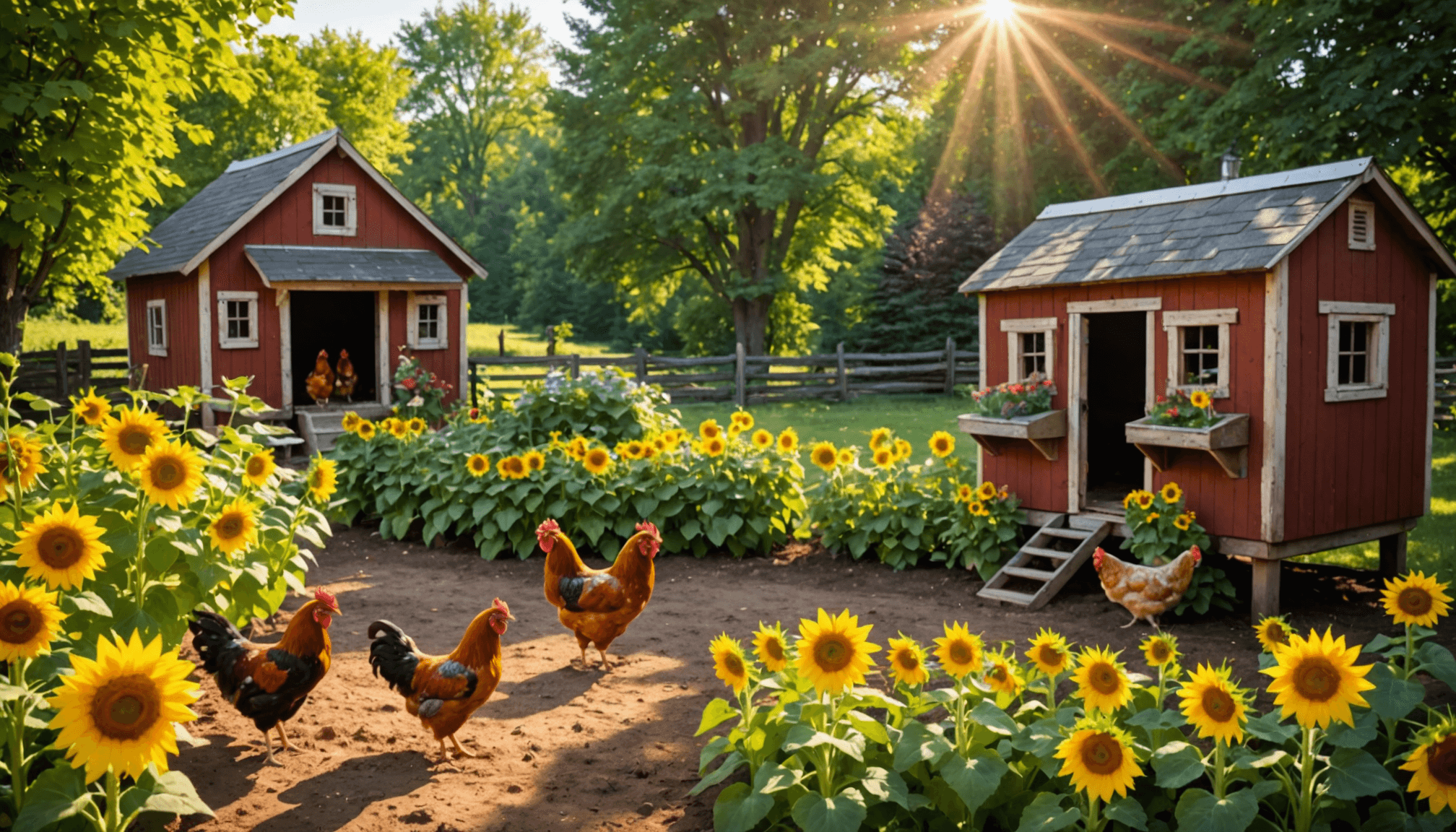
- Planting sunflowers or other tall plants around their area to provide natural shelter from the sun.
- Introducing dust baths in a shaded area to help your chickens manage any potential pests.
As summer approaches, the heat can become intense, which means special care is crucial. Chickens can easily suffer from heat stress, so focusing on hydration is key. To support your flock during the hottest months, implement these strategies:
- Provide ample fresh, cool water throughout the day; consider investing in a chicken waterer with a cooling mechanism.
- Enhance their diet with electrolytes to help them handle the heat better.
- Limit outside time during peak heat hours by letting them out in the cooler morning or late afternoon.
As summer fades into autumn, ensure your chickens are prepared for the cooler nights. This transitional season is perfect for reinforcing their health before the winter chill sets in. Focus on fortifying their coop and feeding routine:
- Check and repair any drafts in the coop; insulating the walls can make a significant difference in their comfort.
- Start providing a higher protein feed to help them build body fat, which acts as insulation.
- Encourage foraging by scattering feed in their run to keep them active and prevent boredom as temperatures drop.
Winter presents the ultimate test for flock care. Protecting your chickens from extreme cold is essential to prevent frostbite and other winter-related issues. Some practical tips for winter chicken care include:
- Utilizing heat lamps cautiously to provide warmth while preventing fire hazards; ensure they are safely installed and monitored.
- Feeding a high-energy diet, rich in fats and carbohydrates, to help them maintain body temperature.
- Inspecting water sources daily to prevent freezing; heated waterers can prove invaluable in colder climates.
Every season holds unique opportunities and challenges for those engaging in homesteading endeavors. By aligning your chicken care practices with the seasonal climate impacts, you create an environment where your flock can thrive. Understanding and adapting to these changes enhances not just your chickens’ health but their productivity as well, rewarding your hard work with a bountiful supply of eggs and meat as your homesteading journey continues.
Feeding adjustments based on climate conditions
Feeding adjustments based on climate conditions are essential for maintaining the health and productivity of chickens throughout varying weather patterns. As climate conditions shift, so too should the nutritional strategies taken to ensure that your flock remains robust and thriving. Different temperatures, humidity levels, and seasonal changes can significantly influence feed requirements and dietary preferences.
In the heat of summer, for instance, it’s crucial to evaluate your chickens’ feed intake. High temperatures can lead to heat stress, which may reduce their appetite and alter their normal feeding behavior. To counteract this, consider reformulating their diet specifically to accommodate their reduced consumption. Opt for lighter, more digestible feeds enriched with essential electrolytes, vitamins, and minerals to help them cope with the heat:
- Incorporate probiotics to enhance gut health, aiding in nutrient absorption.
- Experiment with feeding times, offering meals early in the morning or later in the evening when temperatures are cooler.
- Introduce fruits and vegetables with high moisture content, such as watermelon or cucumber, to help with hydration and nutrition.
As temperatures dip in winter, chickens require a shift in their dietary composition to meet their energy needs and maintain body heat. During these colder months, feed with higher calories, predominantly from fats and carbohydrates, is vital. Some effective adjustments include:
- Adding grains like corn or oats, which contain more energy and help sustain warmth.
- Including protein-rich options, such as mealworms or soybeans, to support their overall health and egg production.
- Ensuring that the feed remains free from moisture and mold, which can become a risk in humid winter conditions.
Seasonal transitions can also prompt dietary changes. As spring kickstarts the growth phase and egg-laying season, integrating more calcium and protein into their feed can bolster egg production and improve overall health. This can be achieved by incorporating:
- Crushed oyster shell for calcium, which chickens need for strong eggshells.
- High-quality layer feed to support egg-laying hens effectively.
- Encouraging foraging behavior by distributing grains and kitchen scraps around their environment, enhancing both nutrition and activity levels.
Moreover, throughout all seasons, it’s essential to monitor the availability of clean, fresh water, which is the backbone of chicken care. Water intake can be influenced by feed types and climate conditions. Ensure waterers are cleaned regularly to prevent contamination and are positioned in shaded areas during hot weather while being insulated in the cold months to prevent freezing.
“Nutrition is the foundation of health, and providing the right feed under varying climate conditions is key to maintaining a productive flock.”
Incorporating climate-sensitive feeding strategies fosters not only the well-being of your flock but contributes to successful homesteading practices. By understanding and adjusting to the unique dietary needs posed by climate impacts, you create a nurturing environment that supports optimal growth and productivity in your chickens.
Disease management in varying climates
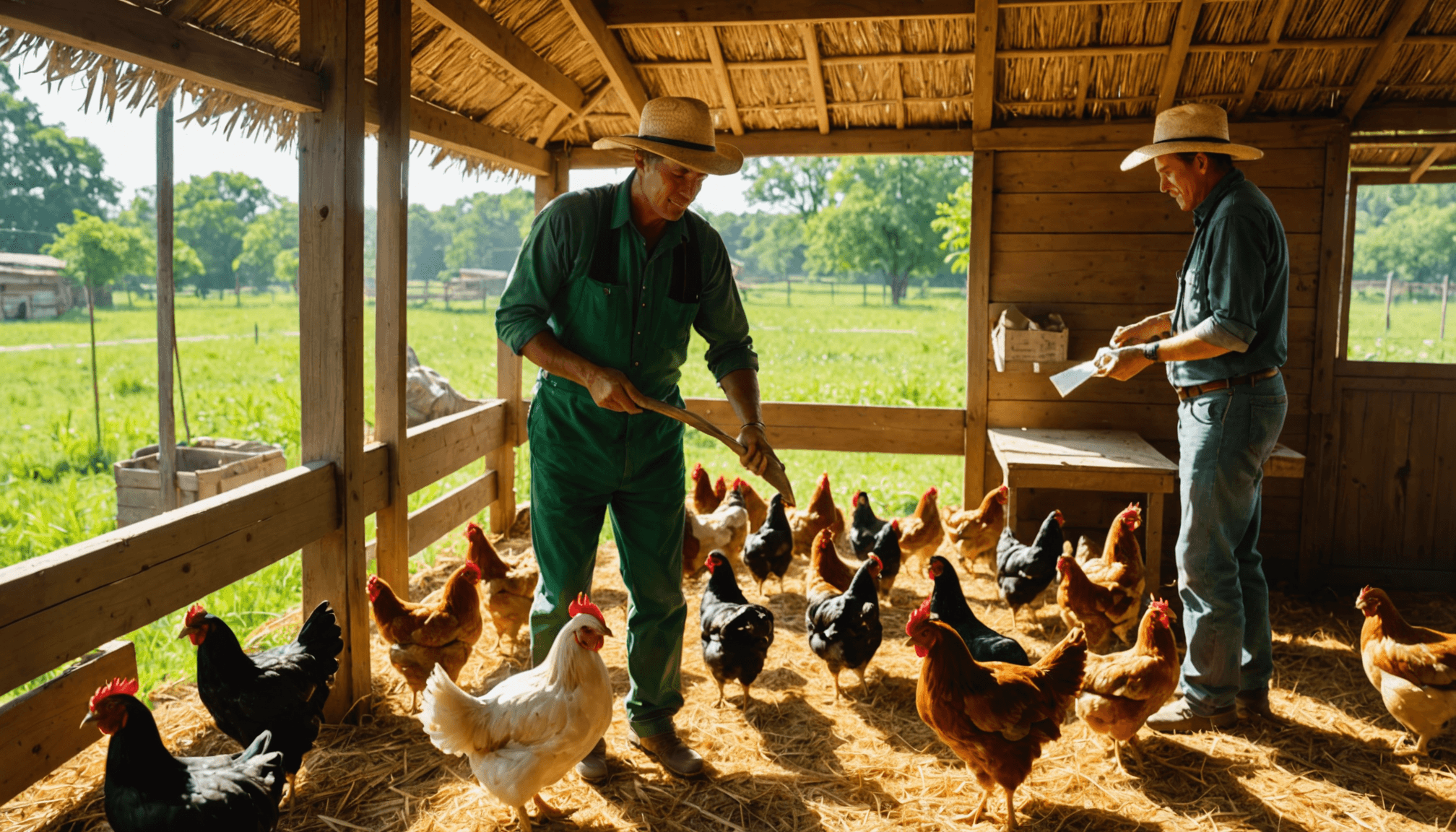
As climate conditions shift, disease management becomes a cornerstone of effective chicken care. Different climates present their own unique challenges, and understanding these can help farmers proactively safeguard their flocks. In warmer climates, for instance, higher temperatures and humidity can amplify the risk of pathogens and parasites. These environmental conditions create a breeding ground for bacteria, viruses, and pests that can compromise the health of your chickens. To combat this, regular monitoring of flock health and environments is essential. Practices such as:
- Implementing strict biosecurity measures to prevent disease introduction, including limiting visitor access and sanitizing equipment.
- Rotating poultry to different areas to disrupt parasite life cycles and reduce bacterial buildup in specific locations.
- Encouraging good hygiene practices within the coop by frequently cleaning and disinfecting surfaces.
Conversely, in colder climates, the lack of proper ventilation can lead to a buildup of ammonia from droppings, which can lead to respiratory illnesses in chickens. To counteract this, maintain a well-ventilated coop that minimizes moisture without putting chickens at risk of drafts. Strategies might include:
- Utilizing deep litter systems that allow for natural composting, reducing ammonia levels while providing warmth from decomposition.
- Ensuring bedding is regularly replaced to prevent the buildup of harmful bacteria.
- Using supplements like apple cider vinegar in their drinking water to support gut health and boost the immune system.
It’s also wise to pay attention to seasonal changes, as they can dramatically affect disease prevalence. Spring can bring increased parasite populations, while winter can exacerbate respiratory diseases due to confinement and cold stress. Therefore, implementing seasonal health checks, ensuring vaccinations are up to date, and adjusting management practices in response to climate impact can help bolster overall flock resilience.
When making adjustments for disease management based on climate conditions, it’s essential to monitor feed intake and body condition, since both directly relate to immune function. A well-fed chicken is better equipped to resist illness, making nutrition a powerful ally in maintaining flock health. Assessing individual hens for signs of distress or illness should also be part of your ongoing routine.
Finally, educating yourself about local diseases and consulting with veterinarians can provide insights that help you prepare and respond effectively to any health threats your flock may face. Engaging in continuous learning ensures that your chicken care practices remain informed and effective, ultimately leading to a more thriving homesteading environment.
- What are common diseases in chickens based on climate?
- Common diseases influenced by climate include heat stress-related issues, respiratory infections in cold environments, and parasitic infestations during humid seasons. Regular health checks can help identify these before they become severe.
- How can I prevent disease outbreaks in my flock?
- Prevention strategies include implementing strict biosecurity measures, maintaining a clean environment, and ensuring vaccinations are administered on schedule. Knowledge about potential local diseases can also aid in prevention.
- What role does ventilation play in chicken health?
- Proper ventilation is crucial for removing excess moisture, reducing ammonia buildup, and preventing respiratory issues. A well-ventilated coop helps maintain optimal air quality and temperature, promoting overall flock health.
- How can I manage heat stress in chickens?
- Managing heat stress involves providing ample shade, fresh water, and potentially cooling systems in the coop or run. Additionally, adjusting feeding times to cooler parts of the day can help reduce the heat burden on your flock.
- Are there specific breeds more resilient to disease?
- Some breeds are more resilient to disease and environmental stress than others. Selecting hardier breeds that are bred for your specific climate can greatly enhance your flock’s overall health and productivity.
- Why is nutrition important for disease prevention?
- Good nutrition strengthens the immune system, making chickens more capable of resisting diseases. Feeding a balanced, vitamin-rich diet plays a vital role in maintaining their health, especially during stressful weather conditions.
- How often should I conduct health checks on my chickens?
- Regular health checks are essential, ideally once a week. This includes observing for signs of illness, checking for unusual behaviors, and maintaining updated records of their health status to identify any patterns or concerns.
Sustainable practices for climate resilience in poultry farming
In the realm of sustainable practices for climate resilience in poultry farming, taking a proactive approach not only enhances chicken care but also fortifies your homesteading efforts against the unpredictable whims of weather. With climate impacts becoming more pronounced, integrating sustainable solutions can drastically improve your flock’s health and productivity while also caring for the environment.
One of the first steps to creating a climate-resilient poultry farm is employing permaculture principles. This holistic approach emphasizes working with nature rather than against it, which can take various forms in your chicken-raising endeavors:
- Composting: Utilize chicken manure to create nutrient-rich compost, enriching your soil while naturally recycling waste. This can improve the land where your chickens roam and help grow feed crops without relying on chemical fertilizers.
- Planting nitrogen-fixing plants: Incorporate legumes in your chicken run, which not only beautifies the environment but also enriches the soil, reducing the need for synthetic fertilizers while helping with erosion control.
- Creating microclimates: Strategically planting trees and shrubs around your coop can provide natural windbreaks and shade, helping to buffer your flock from extreme temperatures and boosting their comfort during weather fluctuations.
Apart from promoting soil health and shade, water conservation practices can significantly enhance your sustainability efforts. A well-managed water system is crucial for both chickens and the environment. Here are actionable ideas:
- Rainwater harvesting: Collecting rainwater from your roof can provide a sustainable water source for watering your chickens and gardens, decreasing reliance on municipal water systems.
- Water-efficient watering systems: Consider using nipple waterers that limit waste and help maintain freshness, reducing the environmental impact of excessive water consumption.
- Implementing deep bedding: A bedding system that utilizes straw or wood shavings not only keeps your coop clean but also absorbs excess moisture, reducing the need for frequent cleanouts while providing nourishment to your compost.
Incorporating biodiversity into your farming techniques can also fortify climate resilience. Loss of species diversity can diminish a farm’s resilience. Encouraging a variety of life around your chicken coop can contribute to a healthier ecosystem:
- Integrate companion plants: Plant flowers or herbs alongside your chickens; these can attract beneficial insects and deter pests naturally, reducing the need for harmful pesticides and promoting overall flock health.
- Engage in rotational grazing: Move your chickens through different areas of your property to allow grasses and plants to regenerate. This practice prevents overgrazing and promotes soil health while enriching their diet through foraging.
Education plays a vital role in sustainable practices. Stay informed about the climate impacts affecting local farming conditions and seek out community workshops or online resources focused on organic and sustainable farming techniques. Establishing connections with other homesteaders can foster a supportive environment where you can share experiences and advice, learning what works best for your specific region.
Finally, remain adaptable in your methods. Climate resilience requires ongoing adjustments; overhead systems that monitor and respond to environmental changes can enhance your ability to react effectively. Technology can serve as a valuable ally in maximizing sustainability efforts. Consider using:
- Climate sensors: Devices that track temperature, humidity, and other variables in and around your coop can help you adjust practices in real-time to ensure optimal chicken care.
- Automated feeders: These can help reduce waste and ensure chickens get the necessary nutrients despite changes in daily routines.
- Online dashboards: Platforms that compile climate data enable you to make informed decisions tailored to current weather conditions.
By integrating these sustainable practices, you can create a resilient poultry farm that not only thrives in changing climate conditions but also promotes a healthier ecosystem. This yields benefits that extend beyond your immediate homesteading goals, contributing positively to the planet and the future of food production.