
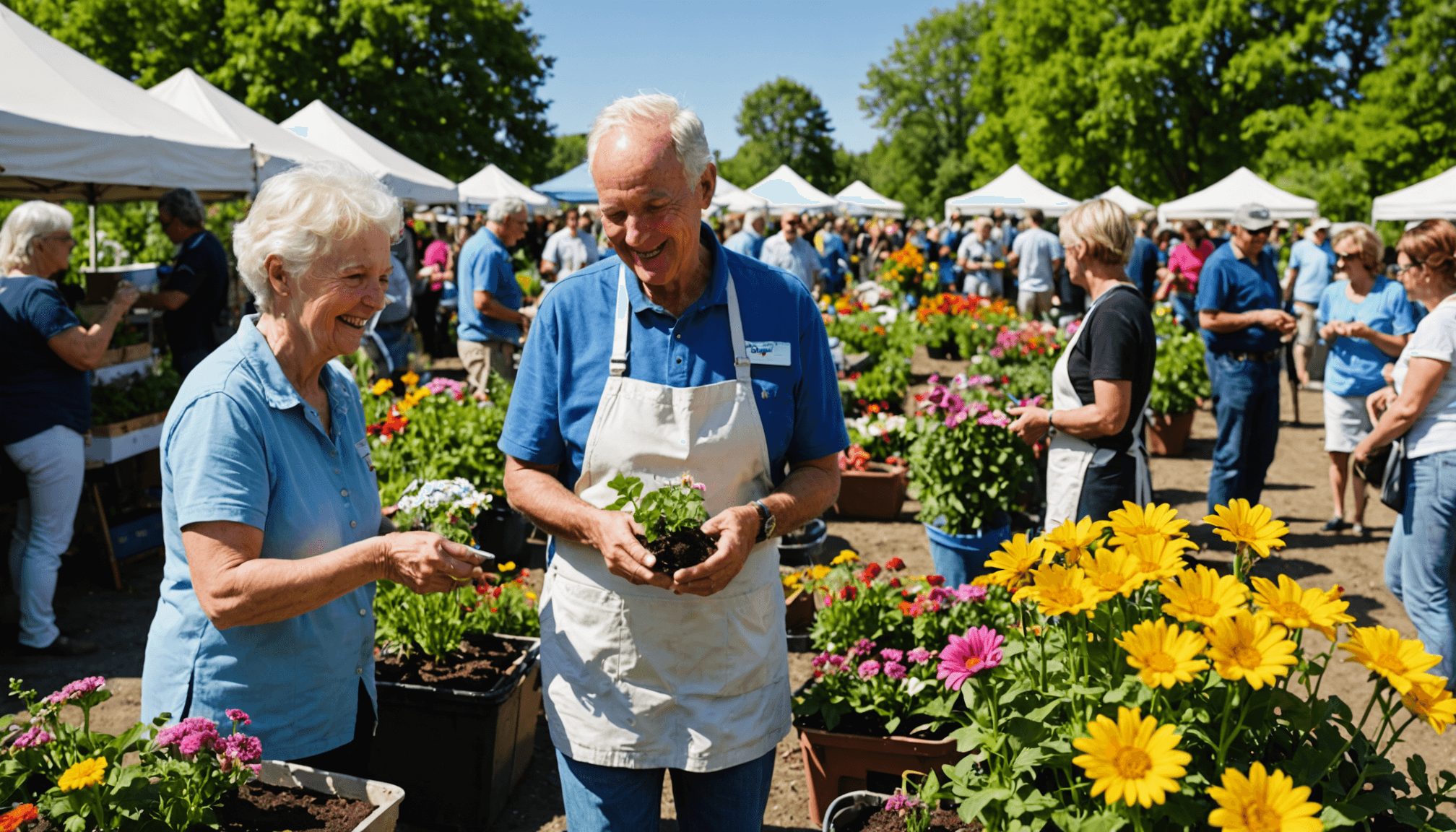
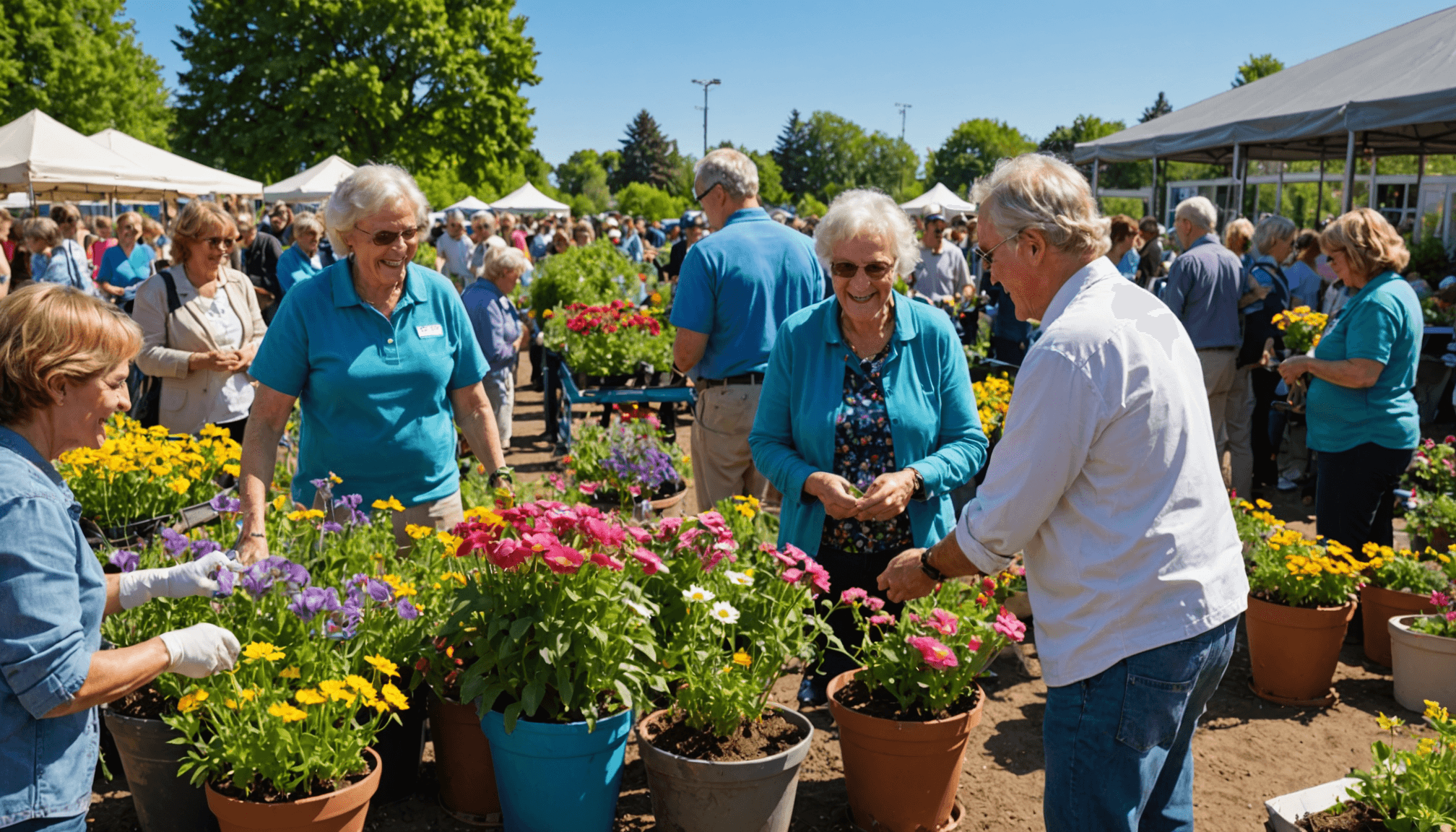
Building a vibrant community among local gardeners can elevate your nursery and create a network of support that benefits everyone involved. Start by hosting regular meet-ups where local gardeners can share their experiences, successes, and challenges. These gatherings can take place at your nursery or a nearby park and can be themed—such as plant swaps, sharing tips on organic gardening, or discussing pest management strategies. Make these events approachable by providing refreshments and a welcoming atmosphere, encouraging even the most novice gardeners to join in.
Engaging with the community goes beyond meet-ups. Consider setting up a community bulletin board in your nursery. This can serve as a hub for local gardening news, upcoming events, and even helping hands in gardening projects. You can also invite local garden enthusiasts to showcase their plants or homegrown produce at your nursery, transforming it into a space where local talent is celebrated.
Social media is a powerful tool for community engagement. Use platforms like Instagram and Facebook to post about these community events, share stunning images of local gardens, and promote nursery specials. Create hashtags that resonate with your community, such as #LocalGreenThumbs or #MyUrbanGarden. Encourage followers to tag your nursery and share their own gardening stories, fostering a sense of belonging and collaboration among local gardeners.
Don’t forget the importance of collaboration in this community-building effort. Partner with local schools for educational gardening programs, run workshops where both novice and experienced gardeners can learn from each other, and offer mentorship opportunities. By creating a bridge between different gardening skill levels, your nursery becomes a central point for growth—both in knowledge and in plant life.
To enhance nursery promotion, consider offering loyalty programs or discounts for community members who participate in events or workshops, thereby not only enriching their gardening experience but also boosting your nursery’s visibility. The goal is to foster an environment where local gardeners feel connected and supported, ultimately leading to a flourishing network of green thumbs that will benefit your business in the long run.
Creating a Welcoming Space for Gardeners
Creating a welcoming atmosphere for local gardeners requires thoughtful planning and design. Start by reassessing your nursery space to ensure it is inviting and accessible. Consider the layout: wide aisles, clear signage, and areas for sitting where gardeners can relax and converse. Plant vibrant displays and educational signage that highlight the benefits of local flora, creating a stimulating environment where visitors can engage with the beauty and potential of gardening.
Integrating comfortable seating areas with tables could encourage small group discussions amongst local gardeners. These spaces should be equipped with information about upcoming events, workshops, and resources available at your nursery. For aesthetic appeal, add decorative elements like garden art or themed planters, which can also serve as conversation pieces.
To further enhance community engagement, consider implementing a few strategic elements:
| Element | Details |
|---|---|
| Community Bulletin Board | Highlight local events, share gardening tips, and provide a channel for locals to connect or find help for their gardening needs. |
| Plant Showcase Area | Dedicated space for local gardeners to display their homegrown plants, creating a rotating exhibit of community achievements. |
| Resource Library | Offer books, guides, and brochures covering various gardening topics that can help improve individual gardening skills. |
| Refreshment Station | Provide coffee, tea, and snacks to make visitors feel comfortable and encourage them to stay longer, enhancing opportunities for interaction. |
It is also essential to incorporate features that promote sustainability and educate visitors on environmentally friendly practices. This can be achieved by showcasing native plants, offering composting demonstrations, and providing information on organic gardening practices. By embracing sustainable practices, you not only enhance nursery promotion but also show local gardeners that your nursery values the health of the environment, fostering a deeper connection.
As part of creating a welcoming space, consider accessibility for all visitors, including those with disabilities or limited mobility. Making pathways smooth and clear, providing ramps, and offering seating at various heights ensures that everyone feels welcome in your nursery.
Regularly gathering feedback from local gardeners can help in refining the welcoming aspects of your nursery. This could be through informal conversations or structured surveys, enabling you to understand what aspects of the nursery experience resonate most with the community. Knowing their preferences allows for tailored changes that reflect the desires of local gardeners, further enhancing their engagement and connection to the nursery’s space.
Hosting Workshops and Events
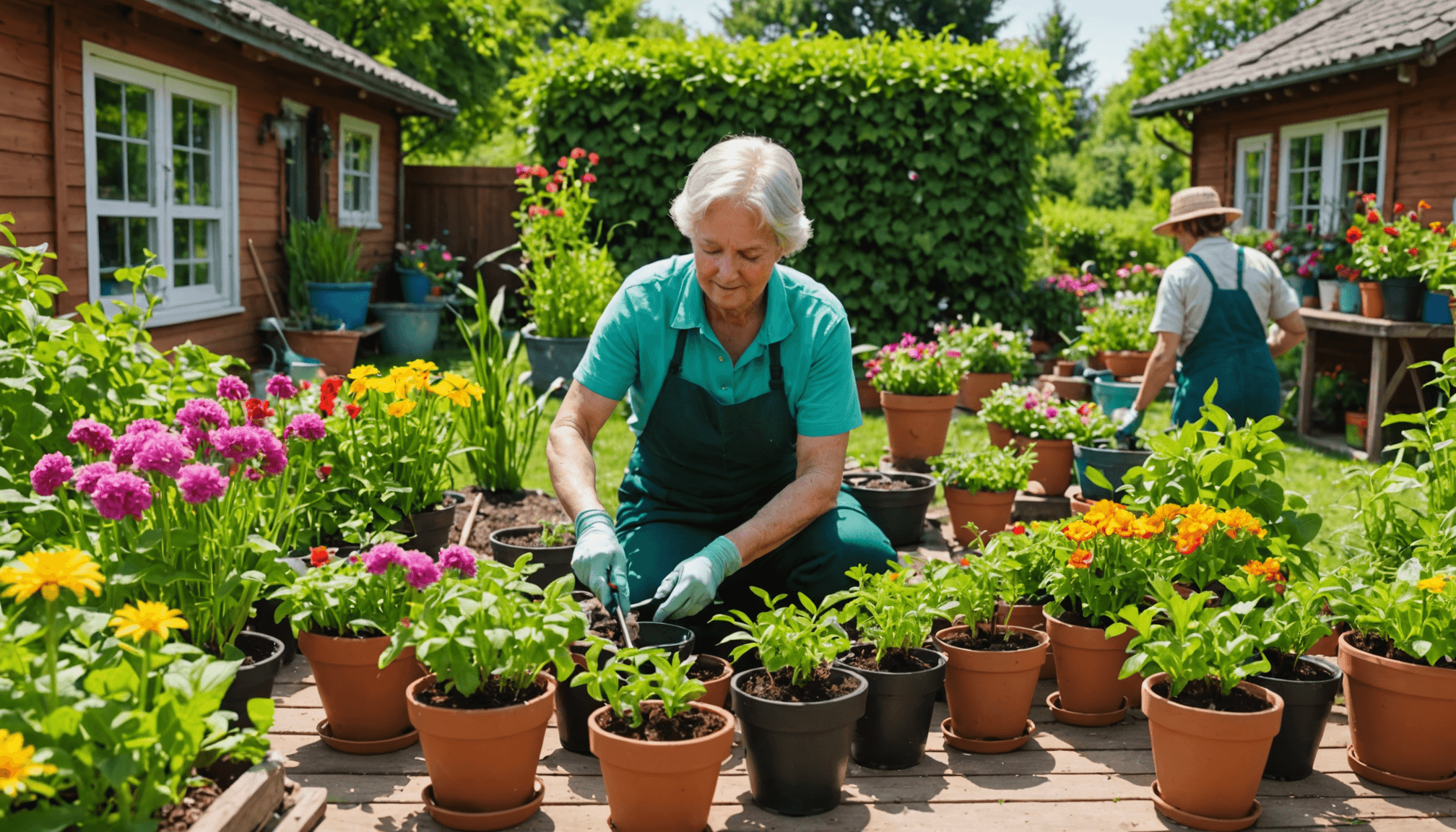
Hosting workshops and events at your nursery not only cultivates a sense of community but also serves as a fantastic way to attract and retain local gardeners. Start by identifying topics that resonate with your audience—whether it’s an introduction to organic gardening, seasonal planting tips, or hands-on workshops for specific plant types. Making these gatherings both informative and interactive encourages participation, transforming a simple workshop into an engaging learning experience.
Consider structuring your workshops to include both demonstrations and hands-on activities. For instance, if you’re hosting a session on vegetable gardening, not only can you demonstrate the proper planting techniques, but you could also provide seeds and pots for attendees to plant their own seedlings to take home. This practical experience can make the lessons stick and provides attendees with a tangible reminder of their time at your nursery.
Scheduling these events at convenient times, such as weekends or evenings, will help maximize attendance. Promote your workshops through various channels, including social media, email newsletters, and in-store signage. Offering early-bird registration discounts or family-friendly rates can also boost participation and ensure that your events are accessible to a broader audience.
Here are a few engaging workshop ideas that can cater to different interests:
- DIY Container Gardening: Teach participants how to create beautiful container gardens using herbs or flowers suitable for small spaces.
- Composting Basics: Offer insights into starting a compost bin, explaining the benefits of recycling kitchen scraps and yard waste.
- Native Plant Workshops: Educate local gardeners on the importance of biodiversity and how to cultivate native plants that support local wildlife.
- Pest Management Techniques: Demystify common garden pests and provide organic solutions for effective management.
To further enhance the community engagement aspect, consider inviting local experts or enthusiastic gardeners to co-host these workshops. Their firsthand experiences and advice can create a more enriching session while also fostering connections among attendees. Partnering with local horticulture societies or extension offices can bring additional credibility to your offerings, as well as broaden the diversity of knowledge shared.
Using a combination of in-person and virtual workshops can help adapt to different preferences and schedules. Live-streaming events allows those who can’t attend in person to still benefit and engage with the nursery community online. Additionally, creating a dedicated Facebook group where workshop attendees can continue discussions, share photos of their projects, and ask questions can amplify the community atmosphere even further.
Don’t forget about the follow-up! After each workshop, send out a thank you email to participants that includes a summary of what was covered, links to resources, and invitations to your next events. This not only reinforces the material discussed but also keeps your nursery top-of-mind, positioning it as a community cornerstone for all things gardening.
Measuring the success of your workshops will help amplify nursery promotion. Gather feedback through quick surveys or informal discussions, allowing participants to voice their opinions on what they enjoyed and what could be improved. This ongoing dialogue can shape future workshops, ensuring they are always aligned with the interests of local gardeners.
Utilizing Social Media for Engagement
Social media serves as a vital conduit for interaction with local gardeners, enabling nurseries to cultivate community engagement in an increasingly digital world. To maximize the impact, begin by establishing a strong online presence across multiple platforms, including Facebook, Instagram, and Twitter. Each platform can serve a distinct purpose: for instance, Instagram is ideal for sharing visually appealing photos of plants and garden layouts, while Facebook can be leveraged for longer posts featuring community events.
Engage with your audience by frequently posting content that resonates with local gardeners. Share tips on seasonal planting, showcase new arrivals, and highlight upcoming events at your nursery. Interactive posts—such as polls on favorite plants or open-ended questions about gardening challenges—can encourage comments and foster conversation. Using eye-catching graphics and compelling images can further enhance engagement, making your posts shareable and increasing visibility within the gardening community.
“Social media is not about the exploitation of technology, but service to community.” – Simon Mainwaring
Another effective strategy is to utilize user-generated content. Encourage local gardeners to tag your nursery in their posts or share pictures of their plants purchased from you. Running contests that invite followers to showcase their gardening successes can create excitement and foster a sense of belonging. Consider offering prizes or discounts as incentives, reinforcing not only your brand but also the community ties that bind local gardeners.
Utilizing Facebook groups dedicated to gardening can be particularly impactful. Create or join local gardening groups where you can share expert advice, post about upcoming workshops, and provide a platform for local gardener discussions. This not only establishes your nursery as a knowledgeable resource but encourages local gardeners to engage with each other, thus strengthening community bonds. Participating in conversations and answering queries will further position your nursery as a go-to destination for gardening knowledge.
In addition, employing targeted advertising on social media can help reach a broader audience. Create campaigns that highlight your nursery’s unique offerings, such as workshops, special sales, or community events. By targeting your ads to users in your local area who have shown an interest in gardening, you can effectively attract new customers while solidifying relationships with existing ones.
Finally, don’t underestimate the power of live streaming. Hosting virtual Q&A sessions or live gardening demonstrations can attract attention from those unable to visit your nursery. By creating a direct line of communication through platforms like Facebook Live or Instagram Stories, you foster a dynamic relationship with local gardeners, allowing for real-time interaction.
These digital strategies transform social media into a powerful tool for nursery promotion, facilitating genuine connections among local gardeners and strengthening your nursery’s role within the community. Take advantage of the many ways social media can unite and inform your audience, driving involvement and enthusiasm for gardening in your area.
Collaborating with Local Gardening Clubs
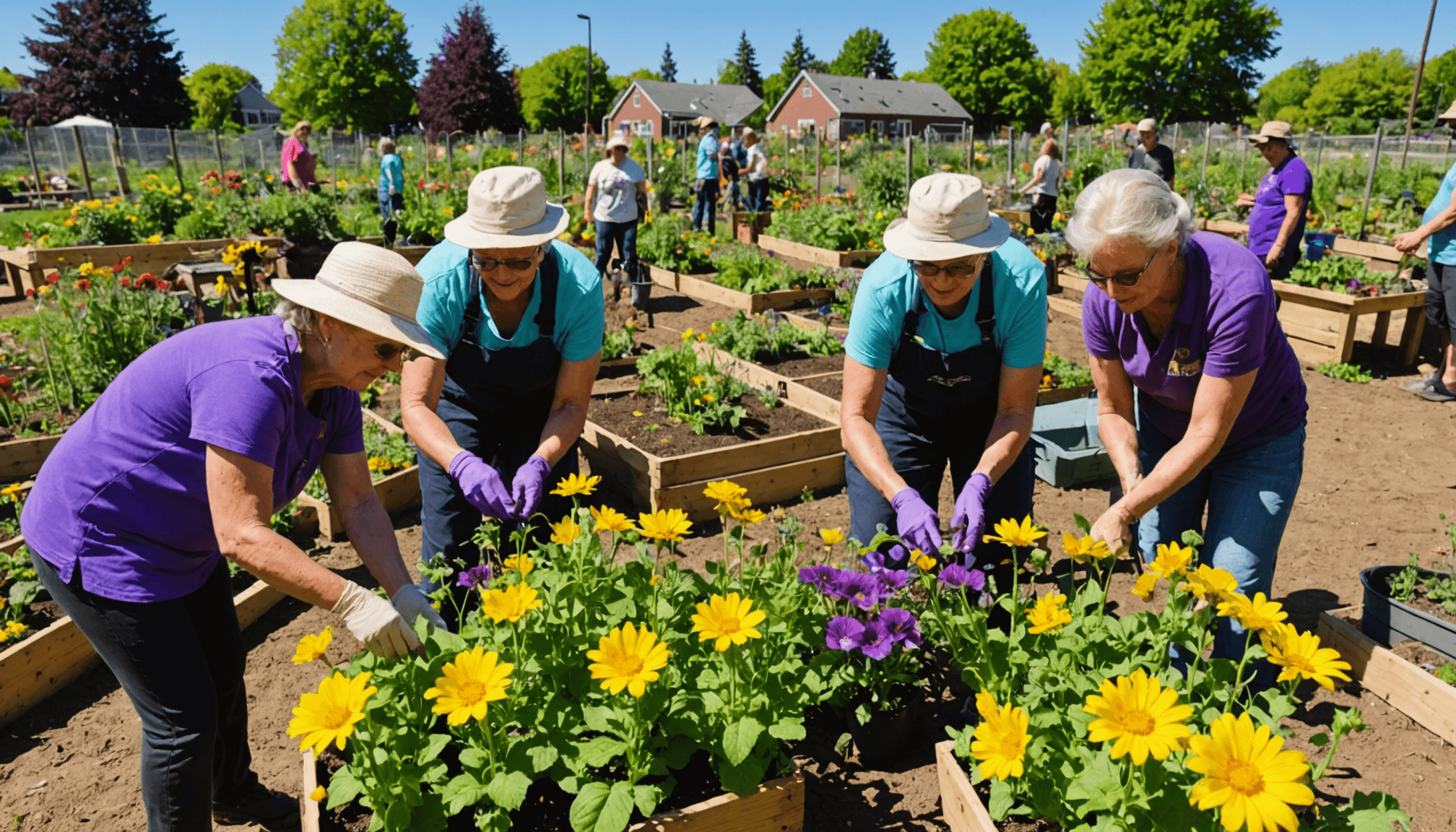 Collaborating with local gardening clubs creates an invaluable opportunity for mutual growth and learning, further enriching the nursery’s role within the gardening community. By forging partnerships with these clubs, nurseries can tap into a wealth of knowledge and resources while creating a unified network of local gardeners passionate about flora and sustainability. Working together with gardening clubs can amplify community engagement and provide a platform for knowledge sharing, skill development, and camaraderie among club members.
One of the best ways to initiate this collaboration is by hosting joint events, such as community days, plant sales, or educational workshops that can address specific interests like organic gardening techniques or seasonal plant care. By leveraging the collective expertise of gardening clubs, nurseries can offer a broader array of programs that cater to a diverse audience. Consider inviting club leaders to co-host workshops, tapping into their unique insights or specializations to enhance the content delivered during these educational gatherings.
Additionally, your nursery could become the point of convergence for club meetings, providing an inviting space for members to gather, learn, and share experiences. Offering incentives such as discounts or special deals for club members can further encourage participation and foster a sense of belonging. Organizing friendly competitions or challenges—like a garden beautification contest—also invites active engagement, helping clubs build camaraderie while promoting the nursery.
Don’t overlook the potential for joint marketing efforts. Collaborating with local gardening clubs on promotional materials or social media campaigns can widen the audience reached, combining resources for greater visibility. Sharing experiences through blog posts or newsletters can keep both members and customers informed about upcoming activities and highlight the contributions of local gardeners.
As this partnership flourishes, regular feedback can help adjust programming and events to the interests and needs of both the clubs and the local community. Foster an open line of communication that allows for ongoing dialogue, thus promoting a sustained connection between the nursery and local gardening clubs. Strengthening these relationships can cultivate a rich ecosystem of support, shared learning, and promotional opportunities.
- What is the benefit of collaborating with local gardening clubs?
- Collaborating with gardening clubs enhances community engagement and provides access to a wider network of knowledgeable local gardeners. This partnership creates opportunities for educational events, knowledge sharing, and resource pooling, leading to enriched experiences for all involved.
- How can a nursery initiate collaboration with gardening clubs?
- Start by reaching out to local clubs with an interest in gardening and suggesting joint events or workshops. Offering your nursery as a venue for club meetings or hosting co-sponsored events can help build a collaborative relationship.
- What types of events are best for collaboration?
- Consider hosting community days, educational workshops, and friendly competitions that draw from the interests of both the nursery and the gardening club members. Engaging activities can include plant swaps or seasonal garden care tutorials.
- How can nurseries benefit from hosting club meetings?
- Hosting club meetings in your nursery can increase foot traffic and foster a sense of community. It also allows you to showcase your offerings directly to engaged participants who may become loyal customers.
- What incentives can nurseries offer to gardening club members?
- Incentives can include exclusive discounts, early access to sales, and special promotions for club members. These incentives can enhance participation and loyalty, building a strong relationship between the nursery and the clubs.
- How can digital marketing support collaboration with gardening clubs?
- Utilizing social media to promote joint events, share news, and highlight club member achievements can broaden visibility and engagement. Combined marketing efforts create a stronger presence and attract more gardeners to both the nursery and the clubs’ activities.
- How can nurseries use feedback from gardening clubs to improve offerings?
- Regularly soliciting feedback from club members allows nurseries to tailor events and workshops to their interests, ensuring programming remains relevant and exciting. Open communication enhances collaboration and fosters a deeper connection with the gardening community.
Sharing Resources and Knowledge
Sharing resources and knowledge with local gardeners is a fundamental aspect of fostering a thriving community around your nursery. As a hub for garden enthusiasts, your nursery can serve as a treasure trove of information, tools, and connections that empower individuals to enhance their gardening endeavors. One effective strategy is to establish a resource library filled with books, magazines, and guides focused on various gardening topics. Items like planting calendars, organic gardening techniques, and pest management solutions can be invaluable for both novice and seasoned gardeners.
In addition to print resources, consider creating a digital repository. A website or dedicated section on your social media platforms can feature articles, how-to videos, and tutorials related to local gardening practices. This online resource can be particularly beneficial for busy urban dwellers or families who may find it challenging to visit your nursery in person. You can offer downloadable guides that align with seasonal planting schedules or local flora, making it easy to access useful information anytime.
Workshops offer another fantastic avenue for sharing knowledge. By hosting hands-on sessions focused on specific gardening skills—such as propagation techniques, watering strategies, or organic fertilizer options—you not only equip local gardeners with practical skills but also create an interactive community atmosphere. Encourage participants to bring questions and share their own experiences to facilitate dialogue, creating a two-way knowledge exchange that enhances the community engagement feel.
Consider establishing a “Garden Mentoring” program, pairing experienced gardeners with novices. This initiative could revolve around regular meet-ups where mentors can guide less experienced members through practical challenges in the garden. This not only helps to build deeper relationships but also ensures that wisdom and passion for gardening are passed down through generations, enriching the local gardening community.
Utilize social media platforms to highlight the expertise of your community. Feature local gardeners in video interviews, spotlight their achievements, or share their gardening tips on your platforms. Such interactions can inspire engagement while fostering a sense of pride and ownership among local gardeners. Encourage followers to tag your nursery when they share their gardening successes, promoting a culture of encouragement and support.
When sharing resources, make sure to include practical tools and equipment available within the nursery, such as seed kits, soil quality tests, or compost bins, which community members can use to kick-start their gardening projects. Highlighting these resources helps ensure that local gardeners are aware of what your nursery can provide, and reinforces the idea that you are dedicated to supporting their gardening journey.
Crowdsourcing knowledge from the community can take your efforts a step further. Regularly ask your customers for their gardening successes and failures and create a “Local Wisdom” section in your newsletter or on your website. This platform allows gardeners to share what works for them, building a rich tapestry of shared experiences that benefits everyone.
By making your nursery a focal point for resource sharing, you not only enhance nursery promotion but also cultivate a culture of continual learning within your gardening community. When local gardeners feel empowered with knowledge and support, they’re more likely to thrive, geographically and personally, enriching not only their gardens but the entire community.