
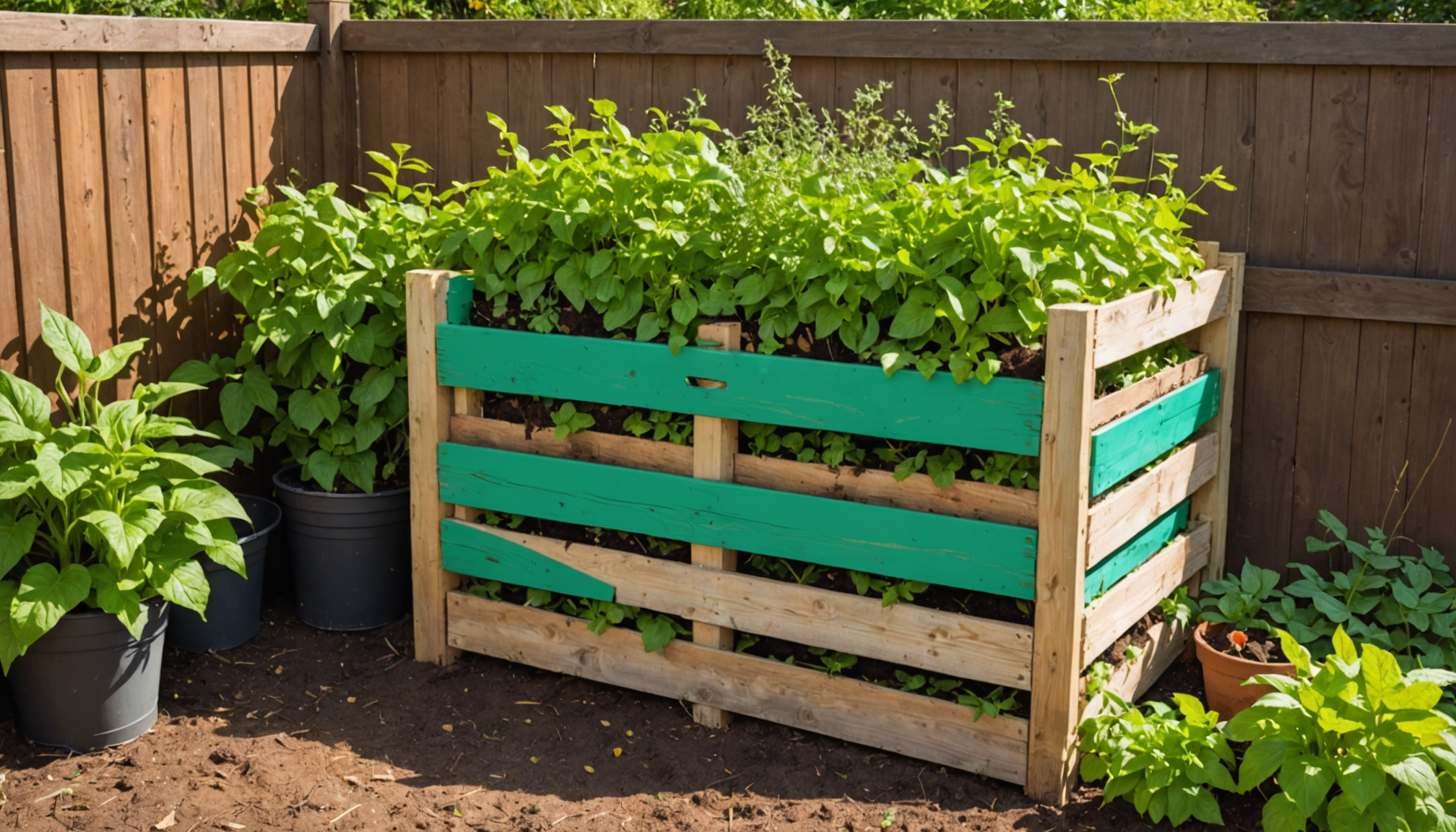
Composting is an essential technique in the journey toward self-sufficiency and enhancing your organic gardening practices. At its core, composting transforms organic waste into nutrient-rich humus that improves soil health and promotes plant growth. Understanding the basics of this process is crucial for anyone eager to make the most of their kitchen scraps and yard waste.
The composting process hinges on the natural decomposition of organic materials, guided by microorganisms like bacteria and fungi. These organisms break down the waste into simpler substances, which enrich the soil when used in compost. It’s a remarkable cycle of life that reduces landfill waste while fostering a sustainable garden.
There are generally three main components to consider when starting your compost: browns, greens, and water. Browns are carbon-rich materials such as dry leaves, straw, and newspaper, while greens are nitrogen-rich materials like fruit scraps, vegetable peels, and grass clippings. An ideal ratio is approximately three parts browns to one part greens. Water acts as a catalyst in this process; it helps decompose and aerate the materials.
When setting out to create your compost, keep in mind a few tips:
- Balance is key: Too many greens can result in a foul odor, whereas too many browns may slow the decomposition process.
- Size matters: Aim for pieces no larger than 6 inches. Smaller particles decompose faster, accelerating the process.
- Limit what you add: Avoid adding meat, dairy, and oils, as they can attract pests and create unpleasant smells.
As your compost pile grows, be sure to turn it regularly. This helps incorporate oxygen, a vital element for the microorganisms do their work effectively. Turn your compost with a pitchfork or shovel at least once every few weeks for optimal results.
Ultimately, understanding the basic principles of composting not only leads to healthier plants but contributes significantly to achieving a self-sufficient lifestyle. Embrace the process, be patient, and soon enough, you’ll transform your organic waste into ‘black gold’ for your garden!
Choosing the right materials
Choosing the right materials for your compost is a crucial step that can greatly influence the quality and speed of your composting process. The materials you select should ideally provide the right mix of carbon and nitrogen, contributing to a balanced compost that enhances the health of your garden soil. A deeper understanding of various materials helps in maintaining this balance and ensures efficient decomposition.
To begin with, it’s essential to identify the key categories of compost materials: browns and greens. Each category plays a distinct role in the composting process. Below is a comparison table to illustrate common examples of browns and greens you can include in your compost:
| Type | Material Examples | Benefits |
|---|---|---|
| Browns | Dry leaves, straw, cardboard, wood chips, sawdust | Provide carbon, help aerate compost, prevent odor |
| Greens | Fruit and vegetable scraps, grass clippings, coffee grounds, eggshells | Provide nitrogen, encourage microbial activity, speed up decomposition |
Achieving an ideal carbon-to-nitrogen ratio is critical, as it stimulates microbial activity and promotes a warm composting environment. A general guideline is to maintain approximately three parts browns to one part greens. However, flexibility is key; some materials can vary significantly in their carbon-nitrogen content. For instance, fresh grass clippings are high in nitrogen, while dried leaves offer more carbon.
When selecting materials, consider their size. Smaller pieces will break down faster than larger ones. Shredding or chopping larger items will accelerate the composting process. Furthermore, be mindful of incorporating a variety of textures and types of materials, which can help with aeration and moisture retention.
While many materials are suitable for composting, certain items should be avoided to prevent pest attraction and odor issues. Steer clear of:
- Meats and Fish: These can attract unwanted pests and create foul odors.
- Dairy Products: Similar to meats, these can cause smells and also attract rodents.
- Oily Foods: These do not decompose well and can upset the microbial balance.
Additionally, weeds with seeds and plants that have been treated with herbicides should be avoided, as they can survive the composting process and reintroduce themselves into your garden.
Ultimately, the choice of materials will not only impact the effectiveness of your compost but also the health of your garden over time. By carefully selecting a diverse array of browns and greens while avoiding problematic items, you are well on your way to creating a robust compost that supports your goals of self-sufficiency and organic gardening.
Setting up your compost bin
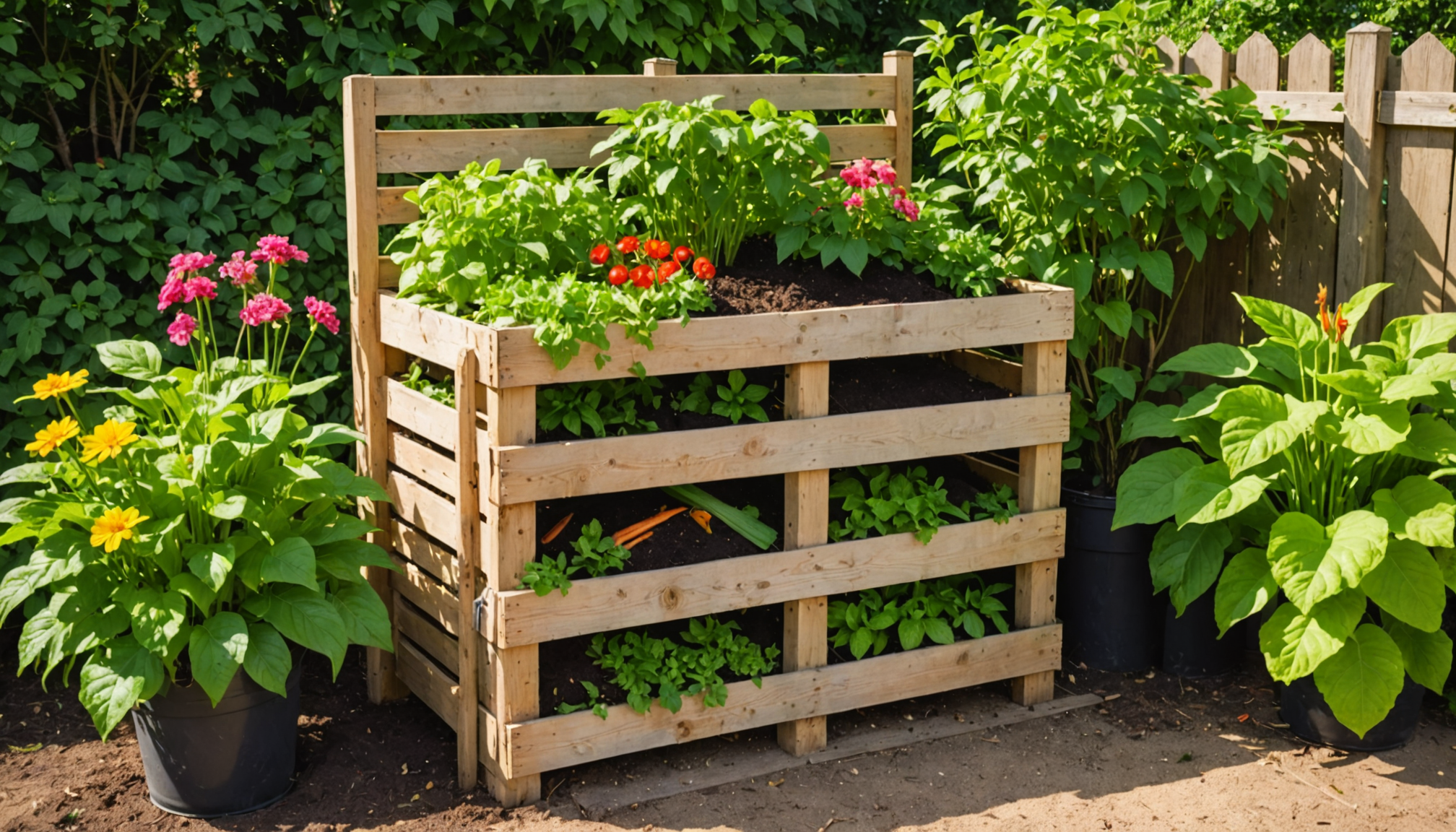
Creating an effective compost bin is a fundamental step toward enhancing your home’s sustainability and nurturing your garden. This structure can range from a simple pile to a sophisticated bin, depending on your space and composting needs. Selecting the right design and location is essential for ensuring optimal decomposition and ease of use, bringing you closer to your self-sufficiency goals.
First, consider where to place your compost bin. Look for a location that is:
- Accessible: You’ll want to easily add materials and retrieve finished compost, so choose a site close to your kitchen and garden.
- Sunlit: A sunny spot can help speed up decomposition by keeping the pile warm, but in hotter climates, some shade might be beneficial to prevent the materials from drying out.
- Well-drained: Avoid low-lying areas where water can pool, as excessive moisture can lead to anaerobic conditions and unpleasant smells.
Next, let’s explore various compost bin options that cater to different needs:
- Simple Pile: For those with ample space, simply creating a pile in your yard can be the easiest and most cost-effective method. Just be sure to follow the principles of balancing browns and greens.
- Wire Bins: Using chicken wire or fencing can create an open-air bin that allows for good aeration while keeping your compost contained.
- Wooden Pallet Bins: Create a sturdy enclosure with wooden pallets; these bins are attractive and provide adequate airflow while being customizable.
- Tumbling Bins: For quicker composting, consider a tumbling bin. These rotating bins allow easy mixing and aeration, speeding up the composting process significantly.
- Storage Bins: Many commercial compost bins come with lid seals to keep out pests, helping to maintain an odor-free environment.
Once you’ve chosen a suitable design, setting up the bin requires a few key steps:
- Layering: Start with a base of coarse browns, like twigs or straw, to aid airflow. Then alternate layers of greens and browns, maintaining that three-to-one ratio.
- Moisture Check: As you build your pile, check the moisture level. Your compost should feel damp but not soggy. If it’s too dry, sprinkle some water; if it’s too wet, add more browns.
- Aeration: Regularly turn the compost using a pitchfork or shovel. This brings oxygen into the pile, which is vital for effective composting. Aim to turn every few weeks.
One additional tip is to cover your compost bin with a tarp or lid, especially in rainy seasons. This will prevent excess moisture from overwhelming the materials and ensure a balanced environment for decomposition.
Remember, your compost bin is more than just a containable heap; it’s a sanctuary for microbes and other organisms that do the hard work of breaking down organic materials. By investing time in setting up an effective composting system, you significantly contribute to your organic gardening practices and move further along your self-sufficiency journey.
Maintaining optimal conditions
Maintaining optimal conditions within your compost pile is crucial to ensuring that the decomposition process is efficient and effective. When conditions are just right, microorganisms thrive, breaking down your organic materials into nutrient-rich compost. Here are several key factors to keep in mind.
Moisture Level: Keeping the right moisture level in your compost is vital. The compost should feel like a damp sponge—not too wet and not too dry. If the pile is too dry, the microbial activity will slow down significantly; if it’s too wet, you risk creating a soggy mess that can lead to odor problems and attract pests. You can check moisture by grabbing a handful of compost; it should hold its shape without dripping water. To adjust, add water if it’s too dry, or mix in more browns (carbon-rich materials) to absorb excess moisture if it’s too wet.
Aeration: Oxygen is critical for aerobic decomposition, which is the most efficient type of composting. Turning your compost regularly helps to aerate the pile, redistributing materials and promoting even decomposition. Aim to turn your compost every few weeks with a pitchfork or shovel, breaking up clumps and exposing undecomposed materials to air. If you’re using a tumbling bin, simply rotate it a few times to mix things up.
Temperature Monitoring: The internal temperature of your compost pile is an important indicator of activity. A well-maintained compost pile will heat up naturally due to the microbial activity, typically reaching temperatures between 130°F and 160°F (54°C – 71°C). This heat helps to speed up the breakdown of materials and can kill off weed seeds and pathogens. If your pile is too cool, it may be too dry or compacted; if it’s too hot, it may need more greens to stabilize the nitrogen levels.
Balance of Materials: Continuously monitor the balance of browns and greens in your compost. As materials break down, you might need to adjust the ratios to maintain optimum conditions. Remember the golden rule: three parts browns to one part greens. Too many greens can result in odors and excessive moisture, while an overload of browns can slow down the decomposition process.
Pest Control: Keeping your compost pile pest-free is essential for maintaining optimal conditions. There are a few strategies to minimize pest attraction. First, avoid adding meat, dairy, and oils, as these are particularly appealing to critters. Second, ensure your pile is well-aerated and maintain proper moisture, as a healthy compost pile is less likely to attract pests. If you notice an infestation, consider using physical barriers like mesh on the bin or a rodent-proof compost system.
“Composting is a natural process that transforms organic waste into organic fertilizers and soil amendments.”
By actively managing these conditions, you create a thriving environment for microbes to work efficiently, leading to high-quality compost. Remember, successful composting is both an art and a science, requiring ongoing adjustments and monitoring to align your practices with the natural rhythms of decomposition.
Troubleshooting common issues
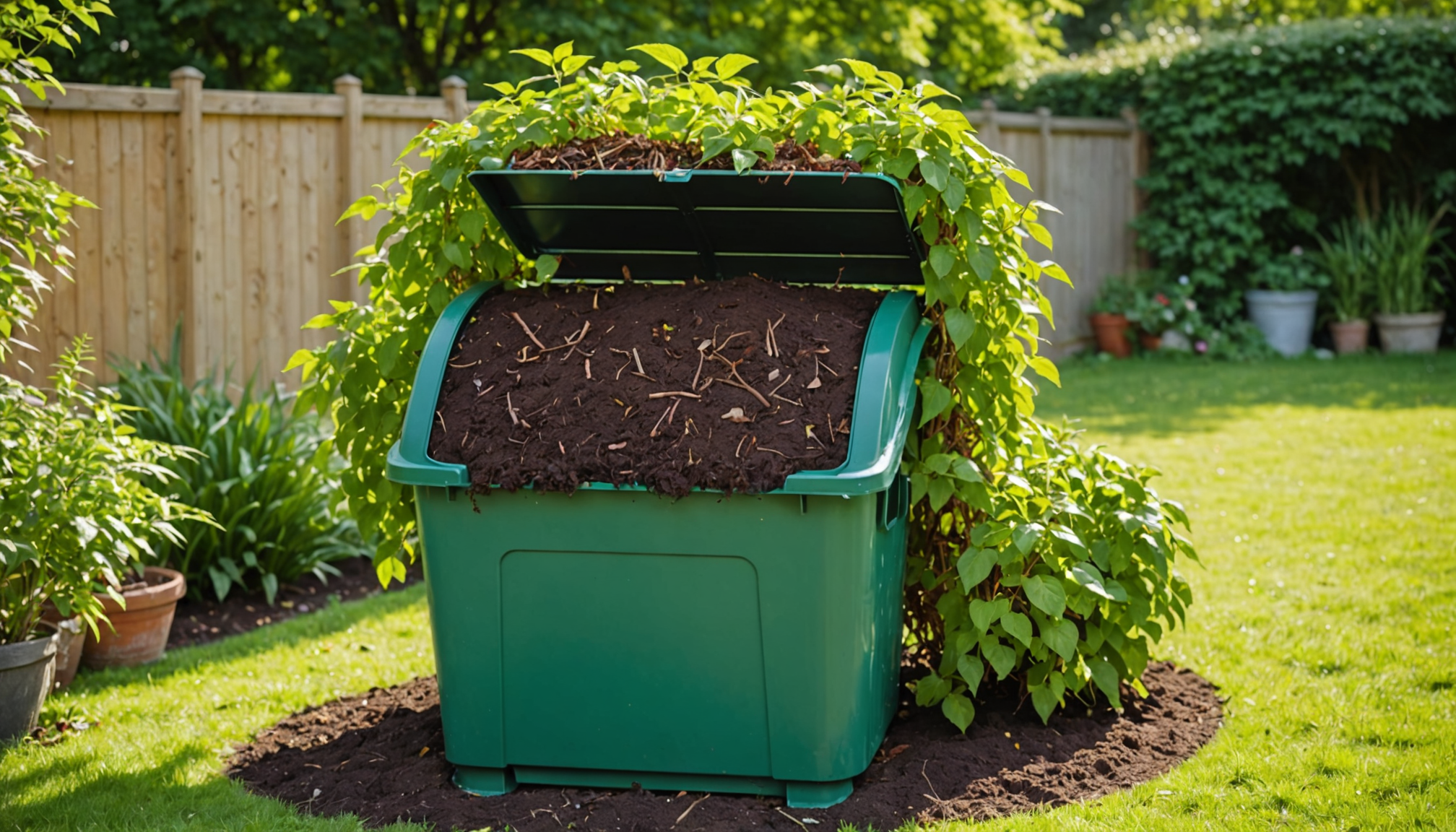
Despite your best efforts, you may encounter some common issues while composting. Being aware of these challenges and their solutions will empower you to continue your composting journey with confidence. One of the most prevalent problems is odor. A foul smell often indicates an imbalance in your compost, typically due to an excess of nitrogen-rich greens. To remedy this, add more carbon-rich materials (browns) and ensure proper aeration by turning your compost frequently. This will help to release trapped gases and restore a healthy environment for decomposition.
Another frequent issue is the presence of pests in your compost. While it’s crucial to provide a habitat for friendly decomposers like worms and beneficial insects, unwanted visitors such as raccoons and flies can disrupt your efforts. The key to deterring pests is to maintain balance, avoid adding problematic materials like meat and dairy, and cover your compost to minimize smells. Additionally, employing a well-sealed compost bin can further discourage unwelcome critters.
Sometimes, your compost may not seem to decompose as quickly as you would like. This sluggishness can stem from inadequate aeration. Compact layers can restrict airflow, inhibiting microbial activity. Regularly turning your compost allows oxygen to penetrate deeper layers, fostering a more dynamic environment. Incorporating smaller materials can also quicken this process and lead to more efficient decomposition.
If your compost pile is too dry, it may hinder microbial activity. Dryness often happens in regions with low humidity or during hot weather. Look for signs like cracking and hard clumps, signaling that moisture is lacking. Address this by gently adding water to your compost, ensuring it retains a sponge-like consistency. Conversely, if your compost is too wet, the composting process may stall and produce an unpleasant odor. In this case, mix in additional browns to absorb excess moisture and improve aeration.
Occasionally, you might notice that your compost contains large, undecomposed materials. This can slow down the overall composting process. To mitigate this issue, be sure to chop or shred larger items before adding them to the mix, as smaller pieces break down more rapidly. Additionally, consider regularly checking your compost to remove any stubborn materials and keep the pile balanced and healthy.
Lastly, if you find that your compost is not generating heat, this could indicate insufficient microbial activity. Ensure you maintain the right balance of greens and browns, check for adequate moisture, and turn the pile to maintain oxygen levels. These adjustments can help kickstart activity and raise temperatures, ultimately leading to rich, dark compost ready for your garden.
- What can I do about foul odors coming from my compost?
- Foul odors often result from an imbalance of nitrogen and carbon in your compost. Adding more carbon-rich browns and increasing aeration by turning the pile can help alleviate the issue.
- How do I keep pests away from my compost?
- Avoid adding meat, dairy, and oils to your compost, as these can attract pests. Use a well-sealed compost bin, cover your compost, and maintain a healthy balance to deter unwanted critters.
- Why is my compost not decomposing as quickly as expected?
- This can occur due to inadequate aeration or the presence of large pieces of material. Regularly turning the compost and shredding larger items can speed up the decomposition process.
- What should I do if my compost is too dry?
- If your compost feels dry and crumbly, gently add water to restore moisture while ensuring it remains damp, similar to a sponge, for optimal microbial activity.
- How can I fix soggy compost?
- For overly wet compost, mix in more carbon-rich browns to absorb excess moisture and improve aeration. This will help restore balance and reduce foul odors.
- Why are there large undecomposed materials in my compost?
- Large items can slow the composting process. To resolve this, slice or shred larger materials before adding them and regularly check your compost to remove stubborn pieces.
- What can I do if my compost is not heating up?
- A lack of heat can signify insufficient microbial activity. Ensure you maintain a proper balance of greens and browns, monitor moisture levels, and turn the pile to encourage oxygen flow.
Using your compost effectively
Utilizing your compost effectively is key to maximizing its benefits and enhancing your organic gardening practices. When applied correctly, compost serves as a powerhouse of nutrients for your plants and can dramatically improve soil health, leading to fruitful harvests.
First and foremost, timing is essential when it comes to using your compost. It’s best to allow your compost to fully decompose, achieving a dark, crumbly texture with an earthy smell before applying it to your garden. This maturation process can take anywhere from a few weeks to several months, depending on factors like temperature and material composition.
Once your compost is ready, consider applying it in the following ways:
- Top Dressing: A simple method is to spread a layer of compost on the soil surface of your garden beds. Aim for a thickness of about one to two inches, allowing it to enrich the soil as it breaks down further, providing nutrients for your plants.
- Soil Amendment: Mix your compost into the top few inches of soil before planting. This technique improves soil structure, increases moisture retention, and adds essential nutrients, creating a healthy environment for your plants.
- Potting Mix: Use compost as a key ingredient in homemade potting soil. Combine equal parts compost, peat moss, and perlite to create a light, airy mix that provides adequate drainage and nutrients for container plants.
- Compost Tea: Brew a nutrient-rich compost tea by steeping finished compost in water for several days. Dilute the liquid with additional water and use it to water plants or as a foliar spray—a fantastic way to quickly deliver nutrients directly to both soil and foliage.
As you use your compost, keep in mind the concept of crop rotation. Incorporating different types of crops each season can help further utilize the nutrients in your compost, prevent disease buildup, and maintain soil fertility. For example, follow heavy feeders like tomatoes with legumes, which naturally enrich nitrogen levels, continuing the cycle of nutrient utilization.
Additionally, be mindful of your application rates. While compost is beneficial, using too much can lead to nutrient leaching or imbalance. A general rule of thumb is to apply no more than 25% compost in soil mixes or around established plants.
Your garden thrives when provided with the right organic materials. Furthermore, as you embrace this aspect of self-sufficiency, consider keeping records of what you apply and the results observed. This knowledge will allow you to refine your compost use, track which vegetables respond best, and enhance your gardening strategies over time.
Lastly, remember to observe your plants closely after applying compost. Signs like vigorous growth, lush green foliage, and abundant blooms indicate you’re on the right track, while any yellowing or wilting may signal an imbalance. Adjust your composting practices according to your observations to create an optimal growing environment that supports thriving plants, lush gardens, and a hearty harvest.