


One of the most powerful approaches to thrive in the competitive world of plant nurseries is to learn from success stories of those who have paved the way. Successful plant nursery owners often share common strategies that can be pivotal for newcomers and seasoned proprietors alike. Here’s a dive into their effective tactics that could enhance your own nursery management.
Firstly, understanding your market is crucial. Do thorough research on what plants are popular in your area and which varieties are hard to find. This could mean visiting local competitors, attending farmers’ markets, or engaging with your community through social media. For example, if you discover that succulents are trending in your urban area, consider curating a diverse selection of these resilient plants that appeal to the busy, modern gardener.
Next, build connections with local gardeners, landscapers, and even coffee shops that value plants. A partnership where you supply small plants for their decor in exchange for advertising your nursery can work wonders. It creates a mutually beneficial relationship that attracts more customers to both parties.
Moreover, having a clear and consistent brand identity can set you apart. Whether it’s vibrant signage, engaging social media posts, or a well-designed website, make sure everything reflects the unique personality of your nursery. Don’t shy away from showcasing your story, sustainability efforts, or customer testimonials to connect more deeply with your clientele.
Consider hosting workshops or community events around gardening, such as potting classes or seasonal plant care tips. This offers a chance for people to engage with your business beyond just purchase, ultimately fostering a sense of community and loyalty among your customers. Plus, it positions your nursery as a hub for knowledge and experience, enhancing your credibility.
Lastly, don’t underestimate the power of an online presence. Use platforms like Instagram and Pinterest to display stunning images of your plants, share care tips, and offer virtual tours of your nursery. Engaging content can create a buzz and drive traffic to your physical store. Additionally, starting an email newsletter can keep your customers informed about new arrivals, seasonal plant care advice, and upcoming workshops.
Incorporating these strategies will not only bolster your business insights but will also help you create a thriving plant nursery that resonates with your target audience, ensures customer loyalty, and ultimately leads to sustainable growth.
Building a Loyal Customer Base
Building a loyal customer base involves more than simply making a sale; it requires creating lasting relationships that encourage repeat business and word-of-mouth referrals. Successful plant nursery owners understand that building these connections hinges on various elements that foster customer loyalty.
One effective strategy is the implementation of a loyalty program, where customers can earn points for their purchases that can be redeemed for discounts or free plants. This not only incentivizes repeat visits but also makes customers feel valued and appreciated. For example, a nursery might offer a “Buy 10 plants, get 1 free” program, encouraging customers to return regularly.
Another critical aspect is providing exceptional customer service. Employees should be well-trained to not only have in-depth knowledge of plants but also to engage warmly with customers, listen to their needs, and help them make informed choices. Creating a welcoming atmosphere instills trust and satisfaction, making customers more likely to return. This can be reinforced by following up with customers post-purchase via personalized emails thanking them and offering care tips for the plants they bought.
Additionally, soliciting and acting on customer feedback is vital. By regularly asking customers for their opinions through surveys, suggestion boxes, or informal conversations, nursery owners can demonstrate that they value customer input. This information can help inform inventory decisions, improve service, and cater more accurately to the customer base, making them feel heard and appreciated.
Moreover, nurturing community ties through local initiatives can also contribute to loyalty. Participating in charity events, sponsoring local gardening clubs, or collaborating with schools for educational programs places the nursery at the heart of the community. Such involvement not only boosts the business’s visibility but also reinforces its reputation as a community-focused establishment that cares.
To illustrate how different strategies can impact customer loyalty, the following table compares various approaches based on effectiveness and customer engagement:
| Strategy | Effectiveness (1-10) | Customer Engagement Level |
|---|---|---|
| Loyalty Programs | 9 | High |
| Exceptional Customer Service | 10 | Very High |
| Soliciting Feedback | 8 | Moderate |
| Community Engagement | 7 | High |
By utilizing a combination of these approaches, nursery owners can create a loyal customer base that not only supports their business financially but also transforms customers into brand advocates. Through these success stories of effective customer engagement strategies, plant nursery owners can glean valuable business insights that contribute to their long-term success in the industry.
Effective Marketing Techniques

Marketing your plant nursery effectively can bring about innovative customer interactions and sales growth. Here are some creative strategies that not only capture attention but also build a loyal clientele.
Utilizing social media is paramount in today’s digital age. Platforms like Instagram and Facebook are visually driven, making them perfect for showcasing your vibrant plants and arrangements. Create engaging posts that include care tips, unique plant features, or behind-the-scenes looks at your nursery operations. Use relevant hashtags, such as #PlantParent or #PlantNurseryLove, to reach wider audiences. Regularly update your stories with new arrivals and limited-time offers to create urgency and excitement.
Hosting online contests or giveaways can further engage your audience. Encourage followers to share their plant stories or tag friends for a chance to win a gift card or special bundle of plants. This not only increases visibility but also fosters a sense of community among plant lovers.
Another effective marketing technique is leveraging local collaborations. Partner with local artists to create unique planters or with cafes to display your plants. These local alliances can help introduce your nursery to different clientele, cementing your presence in the community. A promotional event, like a pop-up shop at a local farmers market, can also bring new customers to your store and provide a platform to promote your nursery’s unique offerings.
Don’t overlook the value of a well-designed website. Ensure that it is user-friendly, showcasing your products clearly with high-quality photographs and detailed descriptions. Consider adding a blog section where you can share gardening tips, success stories, and seasonal recommendations. Regularly updated content improves SEO and can draw in organic traffic from search engines.
Email marketing remains a crucial tool in nurturing customer relationships. Create segmented lists to send targeted messages based on customer preferences or previous purchases. Share exclusive offers, gardening tips, or event invitations to keep customers engaged with your brand. An example would be sending a monthly newsletter that features care tips for plants currently in season or highlighting upcoming workshops.
Participating in local fairs or gardening expos can also enhance your visibility. Set up a booth that showcases your best plants and engages potential customers with hands-on demonstrations. This direct interaction can create a lasting impression and encourages attendees to visit your nursery. Use branded materials like flyers or business cards to ensure they remember you after the event.
Lastly, keep an eye on trends and adapt your marketing strategies accordingly. For instance, the growing demand for indoor plants among urban millennials suggests an opportunity to expand your range of houseplants. Utilize surveys and engage with your audience to find out what they want. This feedback not only improves customer satisfaction but also provides valuable insights for your nursery management endeavors.
Sustainable Business Practices
Sustainable practices are increasingly becoming a vital focus for plant nursery owners as they navigate the evolving landscape of consumer preferences and environmental responsibility. Successful nursery owners have demonstrated that adopting sustainable approaches not only enhances their brand but also plays a crucial role in meeting customer demands for eco-friendly products and operations.
One core aspect of sustainability in a plant nursery is the careful selection of plant varieties. Prioritizing native species or drought-resistant plants can significantly reduce the need for excessive watering and fertilizers, aligning with eco-conscious values. By educating customers on the benefits of these choices, nursery owners can foster a greater appreciation for sustainable gardening, thereby enhancing customer loyalty. For instance, mentioning in promotional materials that native plants support local wildlife not only attracts environmentally aware customers but also emphasizes a nursery’s commitment to biodiversity.
Resource management plays a critical role as well. Implementing rainwater harvesting systems can lessen the reliance on municipal water supplies, drastically reducing water bills and environmental impact. Additionally, utilizing organic fertilizers and pest control methods decreases chemical runoff and promotes healthier ecosystems. Successful nursery owners often share their experiences about how these practices have not just improved sustainability but also productivity, providing valuable business insights to peers in the industry.
By engaging in sustainable sourcing, nursery owners can support local producers, reducing transportation emissions and bolstering the local economy. Purchasing from local suppliers aligns with the growing trend of consumers favoring locally sourced products, as it reflects a commitment to community and environmental stewardship. Inviting these suppliers to showcase their products in the nursery can create a sense of partnership and community engagement, which in turn attracts more customers.
Another significant approach is energy efficiency. Installing solar panels can offset energy costs and appeal to customers who prioritize sustainability. Many successful nursery owners have reported that such investments not only lower operational expenses but also attract customers who are passionate about renewable energy. Additionally, using energy-efficient greenhouse solutions can create a favorable growing environment while cutting down energy use.
Education is a pillar of sustainable practices. Hosting workshops focused on organic gardening, water conservation, or permaculture techniques not only educates customers but also positions the nursery as a leader in sustainable practices. This initiative can boost sales of products related to these topics, as enthusiastic attendees may wish to invest in new gardening tools, soil amendments, or sustainably grown plants following the session.
In the spirit of community outreach, participating in local sustainability fairs can amplify visibility and showcase the nursery’s commitment to eco-friendly practices. Setting up demonstrations or seminars at these events allows nursery owners to connect directly with potential customers and conveys their dedication to sustainability in a manner that engages the community. Sharing success stories from satisfied customers who have successfully created thriving gardens using sustainable methods can further bolster the nursery’s reputation.
“The future will be green, or not at all.” – Jonathon Porritt
Through these strategies, plant nursery owners can marry profitability with a commitment to sustainability, creating a thriving business model that addresses both customer desires and environmental responsibilities. Emphasizing eco-friendly practices not only meets the current market demand but also positions the nursery as a forward-thinking leader, essential for long-term success in today’s competitive marketplace.
Managing Staff and Operations
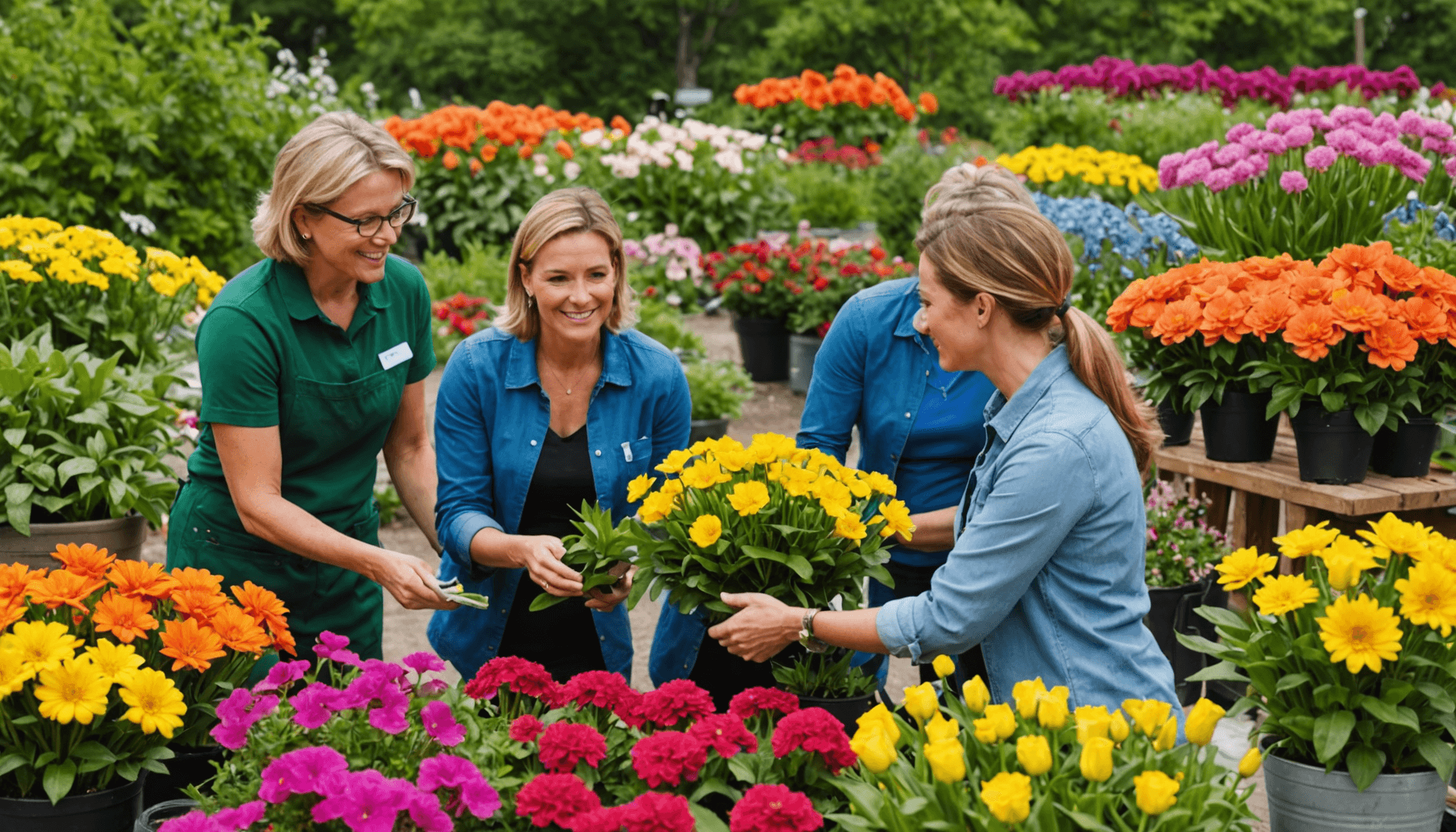 Effective management of staff and operations is fundamental to the success of a plant nursery. Successful nursery owners have learned that their team is the backbone of their operations, directly influencing customer experience and overall productivity. A well-organized system that values each employee’s contributions fosters a positive work environment and ultimately enhances customer satisfaction.
To build a cohesive team, effective communication is essential. Regular meetings can keep everyone aligned on goals, new products, and customer feedback. These discussions create an inclusive atmosphere where employees feel valued and heard. Empowering staff by involving them in decision-making processes, particularly regarding plant selections or display setups, can lead to innovative ideas and improve team morale. Success stories from certain nurseries highlight how employee input played a pivotal role in developing popular seasonal offerings, demonstrating the importance of collaboration in nursery management.
Training is another critical element. A knowledgeable staff equipped with plant care expertise inspires trust among customers. Comprehensive training programs can cover everything from basic horticulture to advanced customer service skills. Employees trained to handle customer inquiries effectively are more likely to foster a loyal patronage. This expertise can be further amplified by creating a resource library for ongoing education, including books, online courses, or access to gardening conferences.
Fair and motivating compensation structures can also play a significant role in staff retention. Successful plant nursery owners often discuss how they provide incentives, including bonuses for peak seasons or recognition programs for outstanding service. An engaged and motivated workforce not only improves efficiency but also enhances the customer experience, as happy employees tend to project their enthusiasm onto customers.
Operational efficiency can be achieved through implementing technology. Using inventory management software helps staff track plant availability, customer preferences, and sales trends. By analyzing this data, nursery owners can make informed decisions about what products to stock or promote, thereby increasing profitability. Success stories reveal that nurseries that adopted such technologies saw a substantial reduction in waste and better resource allocation, ultimately leading to improved operational effectiveness.
Regular performance reviews empower staff by setting clear expectations and allowing room for growth. These reviews shouldn’t solely focus on individual achievements but can also integrate team performance metrics to showcase how staff collaboration leads to overall success. Employees who understand how their roles contribute to the nursery’s objectives are more likely to align their efforts with the business goals.
Another effective approach is to foster a culture of feedback, where employees can share their thoughts about operations and customer interactions. This two-way street not only identifies areas for improvement but also cultivates a sense of ownership among the team. When employees actively contribute ideas for better processes or customer engagement strategies, the collective wisdom can lead to remarkable business insights that drive the nursery forward.
Lastly, providing a vibrant work culture that emphasizes work-life balance can help minimize burnout, especially during peak seasons. Offering flexible schedules, breaks during busy shifts, and opportunities for team-building activities can maintain high morale and productivity levels. Nurseries that nurture their employees’ well-being often boast lower turnover rates, which is crucial for maintaining consistent customer service and building lasting relationships with clients.
- What are some effective staff training techniques for plant nurseries?
- Effective staff training can include hands-on workshops, providing resources for self-study, and regular tastings or experiences with different plants. Offering mentorship from experienced staff members can enhance learning and build a knowledgeable team.
- How can I ensure good communication among my nursery staff?
- Regular meetings, open-door policies, and staff feedback sessions foster an inclusive environment. Utilizing digital communication tools like team chat apps can also help maintain ongoing discussions and information sharing.
- What are the benefits of implementing loyalty programs?
- Loyalty programs encourage repeat business, boosting customer retention and satisfaction. They make customers feel appreciated and valued, often leading them to recommend your nursery to others.
- How can technology improve nursery operations?
- Technology can streamline inventory management, track sales patterns, and improve customer relationship management. By harnessing data analytics, nursery owners can make better stocking and marketing decisions.
- What role does employee engagement play in customer satisfaction?
- Engaged employees often deliver superior customer service, creating a positive shopping experience for clients. Their enthusiasm can be contagious, encouraging customer loyalty and advocacy for your nursery.
- How often should staff performance reviews be conducted?
- Performance reviews are typically most effective when conducted at least once a year, supplemented by informal check-ins. Quarterly reviews can provide more immediate feedback and opportunities for development.
- What are some ways to foster a positive work culture in a nursery?
- Creating a positive work culture involves recognizing achievements, encouraging team-building activities, and promoting work-life balance. Initiatives like staff outings or flexible scheduling can greatly enhance morale.
Adapting to Market Trends
Understanding and adapting to market trends is essential for maintaining relevance in the competitive landscape of plant nurseries. Successful owners emphasize the importance of staying attuned to consumer preferences, which can shift rapidly based on factors like lifestyle changes and environmental awareness.
Start by regularly conducting market research. This can include simple surveys conducted at your nursery or scrutinizing social media platforms to identify trending species or gardening styles. For instance, if you notice that home gardening kits are gaining traction, consider developing your own product line with curated plants, soil, and pots. This not only meets market demand but also showcases your nursery’s adaptability and creativity.
Another actionable approach is to follow seasonal trends and local events. Attend regional gardening expos, local fairs, and workshops to observe what products and services your competitors are offering, and gather customer feedback on what’s missing in the market. If, for example, you observe a growing interest in organic gardening, emphasizing organic pest control solutions or offering workshops on natural fertilization can set your nursery apart. Understanding the community’s gardening interests enhances your nursery management and aligns your offerings with customer desires.
Adapting to sustainability trends is another critical factor. Many consumers are increasingly concerned about their environmental footprint, so shifting your operations to include more eco-friendly practices can potentially attract a broader customer base. Use organic practices, such as composting and rainwater collection, and be sure to market these efforts. This transparency in your operations not only resonates with conscientious consumers but also reinforces your nursery’s brand identity. Share these success stories through your website or social media to further engage your audience.
Incorporating technology into your nursery operations can also aid in trend adaptation. For example, using data analytics to assess purchasing patterns helps anticipate which plants will be in demand during upcoming seasons. If your records show a spike in interest for low-maintenance houseplants, ensure you’re stocked up and market them accordingly. Utilizing software for inventory management can streamline this process and provide critical business insights.
Networking with local gardening clubs or community groups is another effective way to stay informed about market trends. As you build relationships with local gardeners, you can learn about their preferences, challenges, and desires. Offer special promotions for members or create exclusive events to encourage participation and dialogue. Not only does this engagement help boost sales, but it also fosters a sense of community and loyalty, ensuring your nursery remains top-of-mind for plant enthusiasts.
Lastly, always be willing to pivot your strategies. Consumer preferences can change unexpectedly, so maintaining a flexible business model can be the key to sustainability in a fluctuating market. Whether it’s experimenting with new product lines or enhancing customer experience through innovative workshops, staying adaptable will position your nursery favorably for ongoing success.